

 English
 русский
 Français
 Español
 عربى
عربى
LQ-RTO Heat-storage high-temperature incineration equipment
Cat:Equipment
Overview Of Tower-Type RTO Regenerative Thermal Oxidizer (RTO) is an organic waste gas treatment equipment that combines high-temperature oxidation wi...
See Details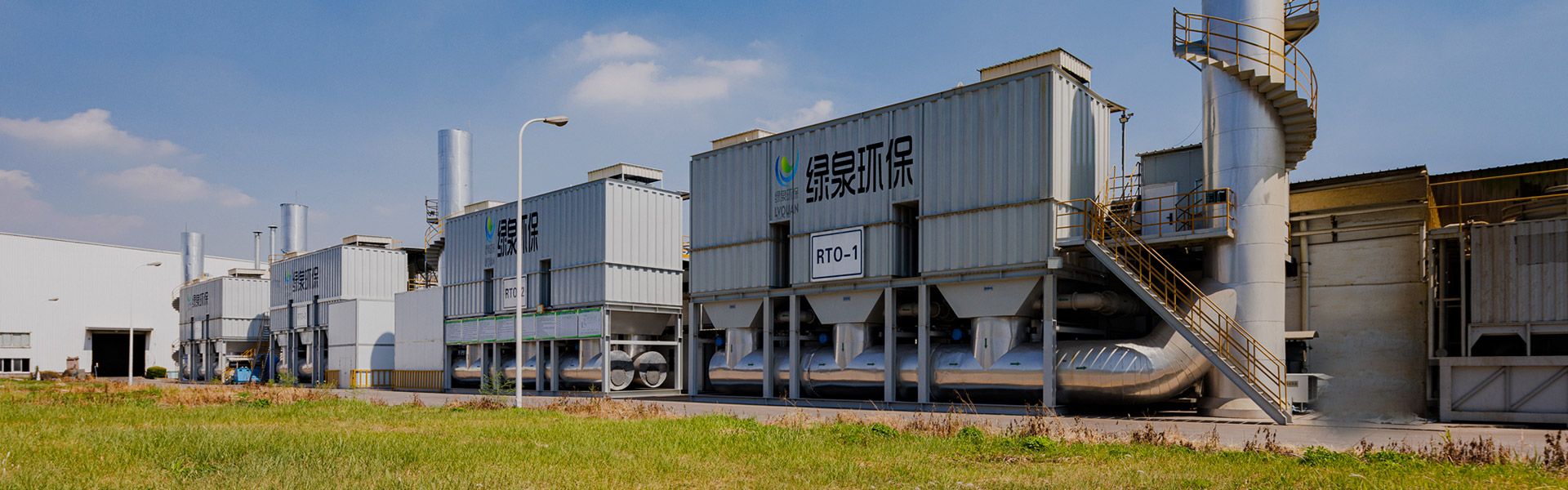
Content
Lvquan Environmental Protection Engineering Technology Co., Ltd. has completed on-site installation of a 60,000 m3/h zeolite fixed bed adsorption plus catalytic combustion system for a manufacturing facility in Cambodia. The system is now in the pre-commissioning stage, with electrical wiring, ductwork sealing, and safety interlock checks underway ahead of the first trial run. This VOCs waste gas treatment project reflects growing demand across Southeast Asia for reliable, large-airflow exhaust gas purification equipment that can be adapted to varying production schedules and pollutant concentrations.
The installed system combines two complementary purification stages within a single compact footprint: a zeolite fixed bed adsorption unit that concentrates dilute organic vapors, and a catalytic combustion chamber that oxidizes the concentrated stream at a controlled temperature. This pairing is a common configuration for facilities that generate a large volume of exhaust air with a comparatively low pollutant concentration, since it allows the treatment system to handle high airflow without operating a full-scale combustion chamber at the raw, unconcentrated volume.
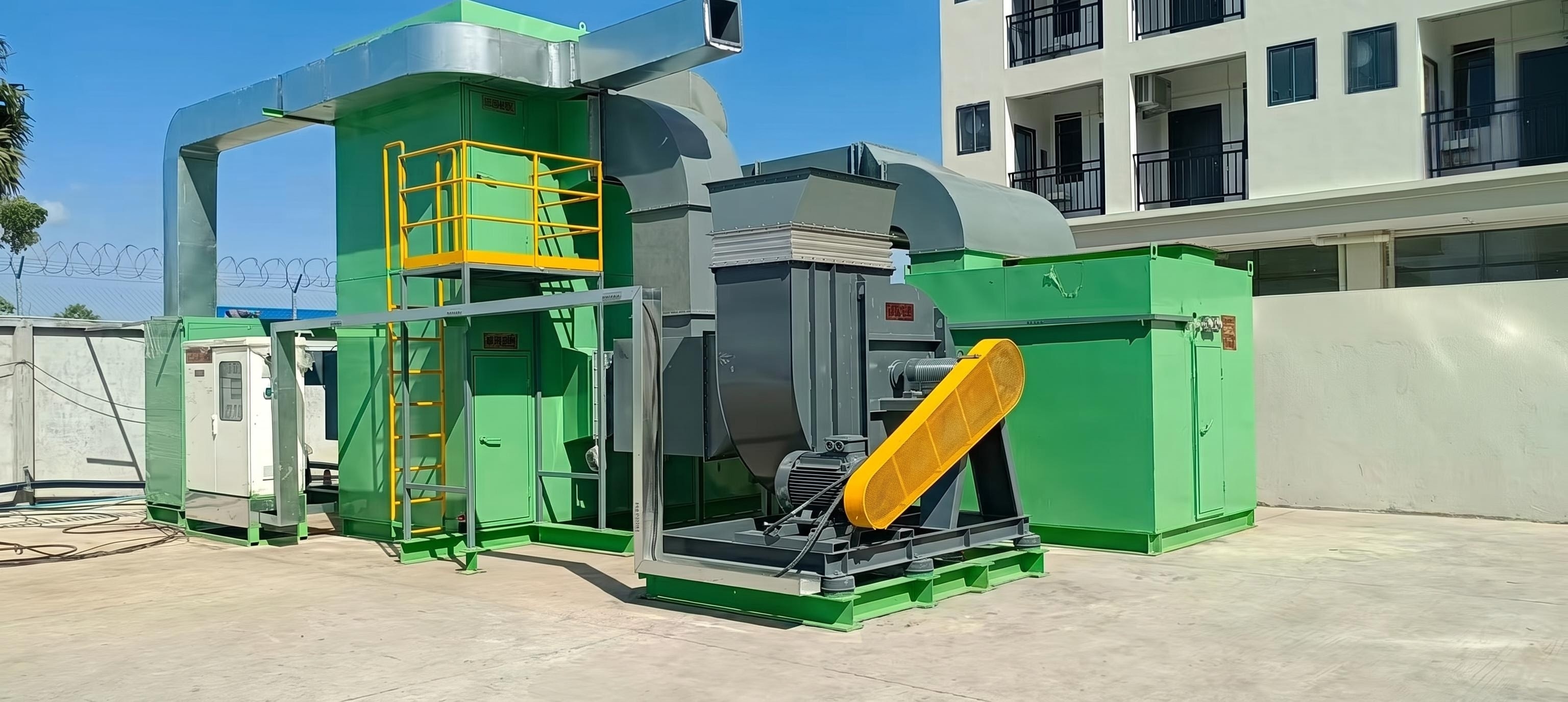
A zeolite fixed bed adsorption unit uses honeycomb-structured zeolite material to capture volatile organic compounds as exhaust air passes through it. Zeolite is favored in industrial air pollution control equipment because its microporous structure offers a large internal surface area relative to its physical size, allowing it to adsorb organic molecules efficiently even at relatively low inlet concentrations. Once the zeolite bed reaches a set adsorption capacity, the system switches to a desorption cycle, using a smaller volume of heated air to strip the captured compounds back out of the material and route them, now in a far more concentrated stream, toward the combustion stage.
The catalytic combustion equipment stage then oxidizes this concentrated stream at a temperature considerably lower than what thermal oxidization alone would require, because the catalyst bed lowers the activation energy needed for the oxidation reaction to proceed. This generally translates into lower fuel consumption per unit of pollutant removed compared to straight thermal oxidation, since only the smaller, concentrated air stream needs to reach reaction temperature rather than the full original exhaust volume.
The chart below illustrates, in simplified form, how airflow volume is reduced at each stage of the process, from the original 60,000 m3/h intake down to the smaller volume that actually enters the catalytic combustion chamber after concentration.
As the illustration shows, the zeolite adsorption stage is what makes it practical to treat a large-airflow exhaust source like this Cambodia facility without requiring an oversized combustion chamber. This staged approach is one reason zeolite fixed bed adsorption plus catalytic combustion has become a common choice for facilities searching for an industrial exhaust gas treatment system capable of handling high airflow while keeping the combustion equipment sized to the concentrated stream rather than the full raw volume.
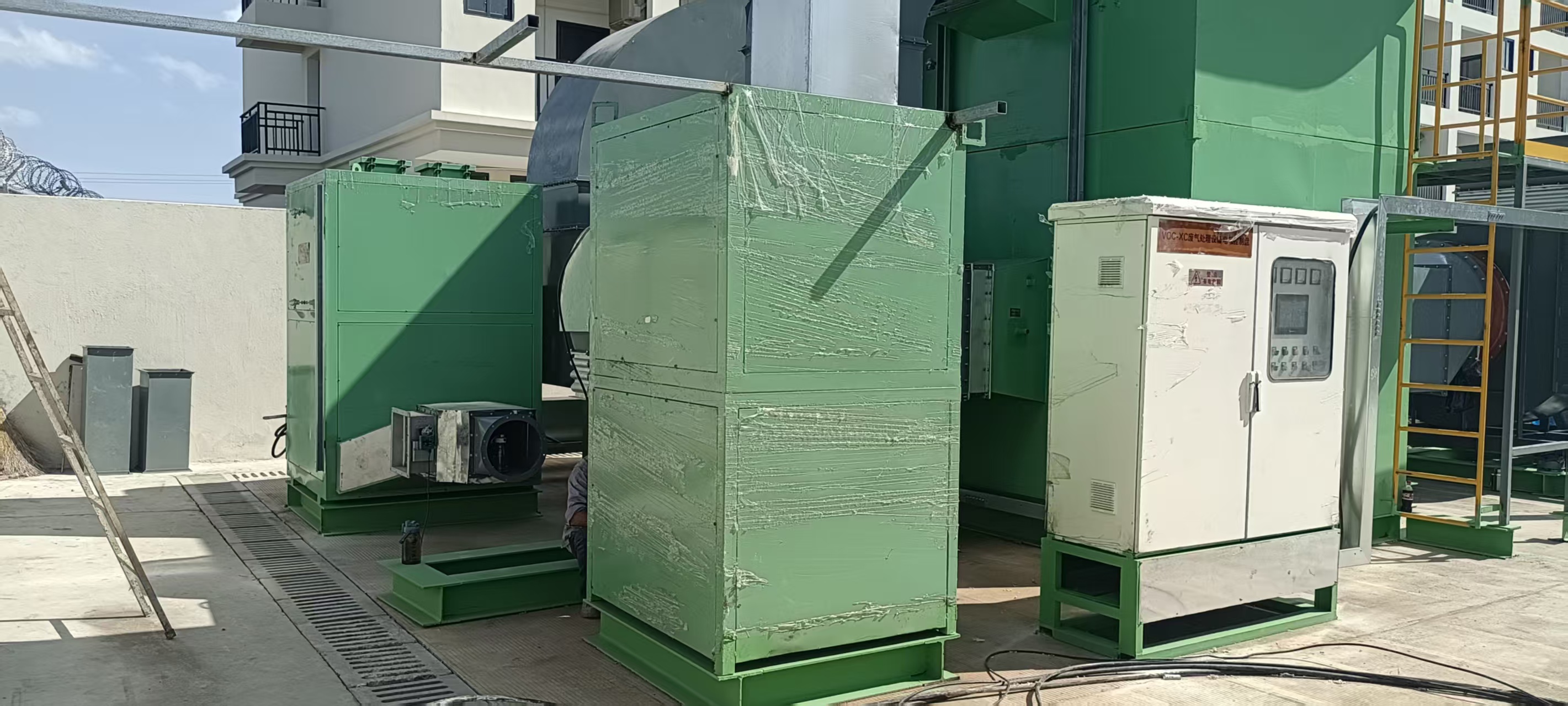
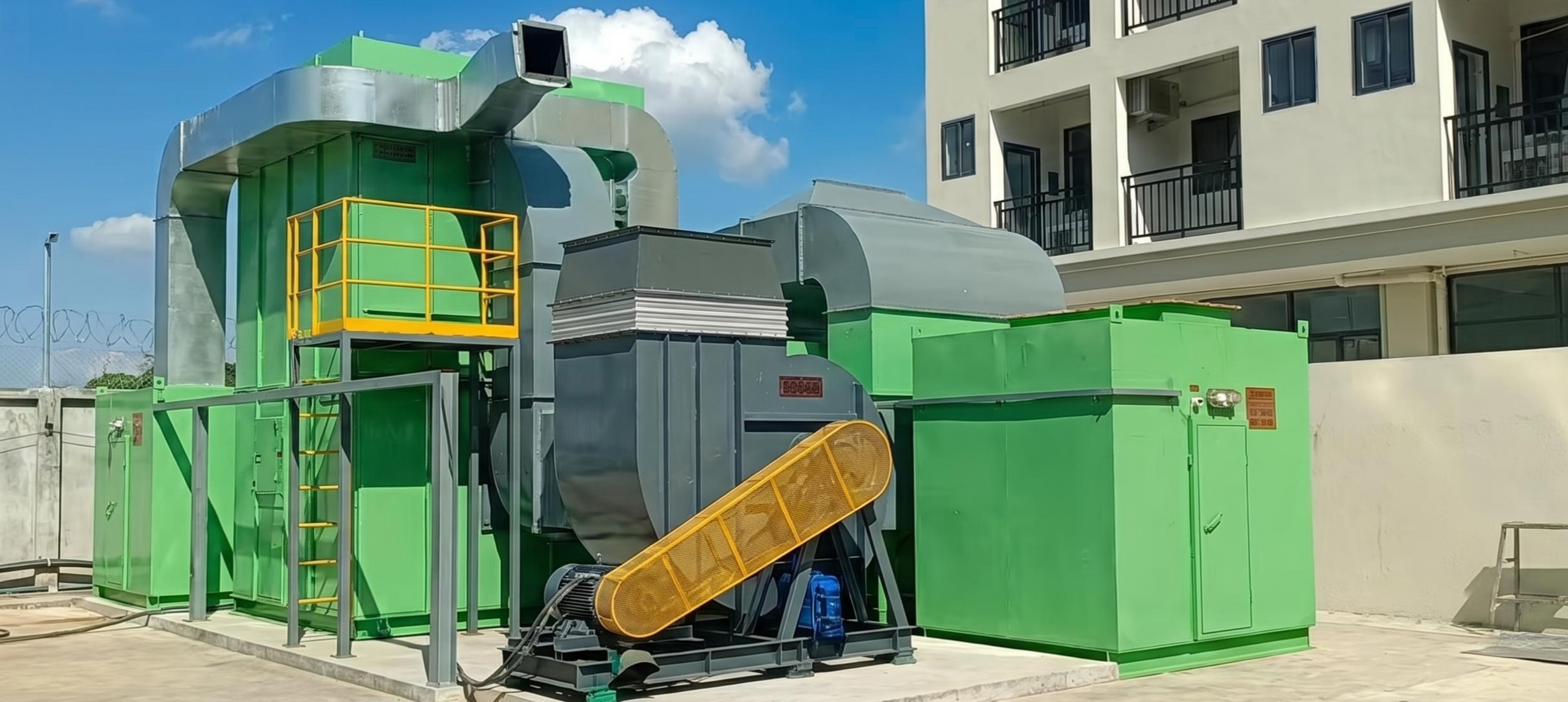
The Cambodia project covers a complete waste gas purification equipment package sized for a 60,000 m3/h exhaust volume, installed on an outdoor concrete platform adjacent to the production building. The installation includes the zeolite adsorption housing, the catalytic combustion module, insulated galvanized ductwork routing exhaust air between stages, a centrifugal induction fan with a guarded drive belt, and a dedicated electrical control cabinet housing the programmable logic controller and safety interlocks.
| Component | Function |
|---|---|
| Zeolite adsorption housing | Captures organic vapors from the raw exhaust stream |
| Catalytic combustion module | Oxidizes the concentrated desorption stream |
| Centrifugal induction fan | Draws exhaust air through the full system at rated airflow |
| Insulated galvanized ductwork | Routes exhaust air between adsorption and combustion stages |
| Electrical control cabinet | Houses the PLC, temperature monitoring, and safety interlocks |
| Access ladder and maintenance platform | Provides safe access for routine inspection and servicing |
Each major housing on site is finished in a durable green coating consistent with Lvquan's standard equipment specification, chosen for corrosion resistance in an outdoor tropical environment where humidity and rainfall are significant considerations. Yellow guardrails mark the maintenance platform and fan access area, following standard industrial safety color coding so operators can quickly identify elevated work zones and moving equipment during routine inspection.
Facilities evaluating a VOC abatement system for large-airflow applications generally weigh a few core factors: energy consumption per unit of exhaust treated, footprint available on site, and the ability to handle fluctuating production schedules without needing to reconfigure the equipment. Zeolite fixed bed adsorption plus catalytic combustion is often selected in these situations because the zeolite stage absorbs short-term variation in exhaust concentration, releasing a more consistent, concentrated stream to the combustion stage rather than requiring the combustion chamber to react instantly to every fluctuation in the raw exhaust.
This buffering effect is particularly useful for manufacturing operations where production volume, and therefore exhaust output, varies across shifts or seasons. Rather than sizing a combustion chamber for peak raw exhaust volume, the system can be sized around the desorption cycle's concentrated output, which tends to be more stable over time. The list below summarizes the main considerations that typically favor this configuration for a project of this scale.
For the Cambodia project specifically, the 60,000 m3/h intake volume placed this installation firmly in the category where a concentration stage adds practical value, since treating that full volume directly in a combustion chamber would require a considerably larger burner and combustion vessel than the concentrated-stream design used here.
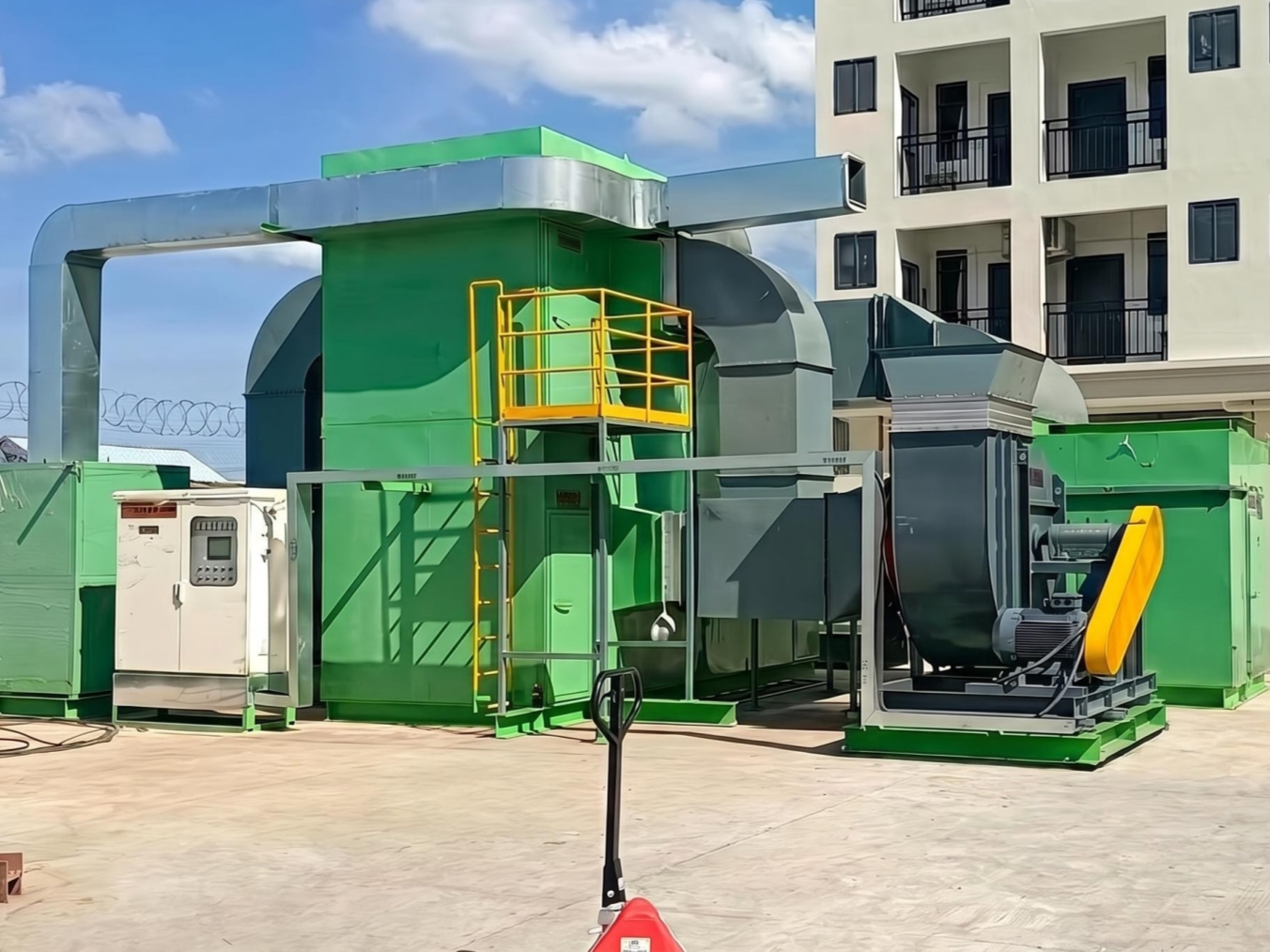
Before a system of this size begins its first trial run, a structured pre-commissioning sequence is generally followed to confirm the installation is ready for continuous operation. On the Cambodia site, this sequence includes verifying ductwork joints and flange seals for air leakage, confirming the electrical control cabinet's wiring against the design schematic, testing the induction fan under no-load conditions to check rotation direction and vibration levels, and calibrating temperature sensors positioned before and after the catalytic combustion chamber.
| Stage | Purpose |
|---|---|
| Ductwork and flange inspection | Confirms airtight seals across all joints |
| Electrical schematic verification | Matches on-site wiring to the approved design |
| No-load fan test | Checks rotation direction, vibration, and bearing temperature |
| Temperature sensor calibration | Ensures accurate readings before and after the combustion chamber |
| Safety interlock function test | Confirms automatic shutdown triggers respond as designed |
Once these checks are complete, the system moves into a supervised trial run where airflow, temperature, and adsorption-desorption cycling are monitored together to confirm the equipment performs as designed under the facility's actual exhaust conditions before it is handed over for regular operation.
This Cambodia installation reflects a broader pattern of manufacturing facilities across Southeast Asia investing in industrial air treatment solutions as regional environmental oversight has strengthened and export-oriented manufacturers increasingly align their operations with international environmental practices. Facilities producing coatings, adhesives, printed materials, and similar products that generate organic vapor emissions are common candidates for this type of waste gas treatment engineering equipment, since these processes typically produce a high-volume, moderate-concentration exhaust stream well suited to a zeolite concentration and catalytic combustion configuration.
The chart below illustrates, in general terms, how project inquiries of this scale and type have trended over recent years across the broader Southeast Asia region, reflecting a steady increase in facilities seeking a VOCs organic waste gas treatment upgrade as part of new construction or facility expansion.
As shown, interest in large-airflow VOCs treatment upgrades has grown steadily over the period represented, a trend consistent with the increasing number of export-focused manufacturing facilities being built or expanded across the region. For facilities weighing an air pollution control equipment investment, projects like this one demonstrate how a single integrated system can be engineered and installed to match a specific airflow requirement rather than relying on a generic, off-the-shelf configuration.
Lvquan Environmental Protection Engineering Technology Co., Ltd. is located in the city of Gaoyou, Yangzhou, the "north gate" of Jiangsu. It is a joint-stock enterprise established through cooperation by talents with rich experience in VOCs equipment design and manufacturing for over 30 years and similar concepts. It is a professional VOCs organic waste gas treatment engineering equipment manufacturer. The company has a registered capital of 22 million yuan, with fixed assets of nearly 40 million yuan, a total assets of nearly 60 million yuan, and a factory building area of 9,800 square meters.
The company operates more than 200 sets of various types of machining equipment and employs 120 staff, supporting an annual production capacity of 100 million yuan. This manufacturing base allows Lvquan to design, fabricate, and install complete VOCs waste gas treatment systems in-house, from the zeolite adsorption and catalytic combustion modules through to the supporting ductwork, fans, and electrical control systems used in projects such as this Cambodia installation.
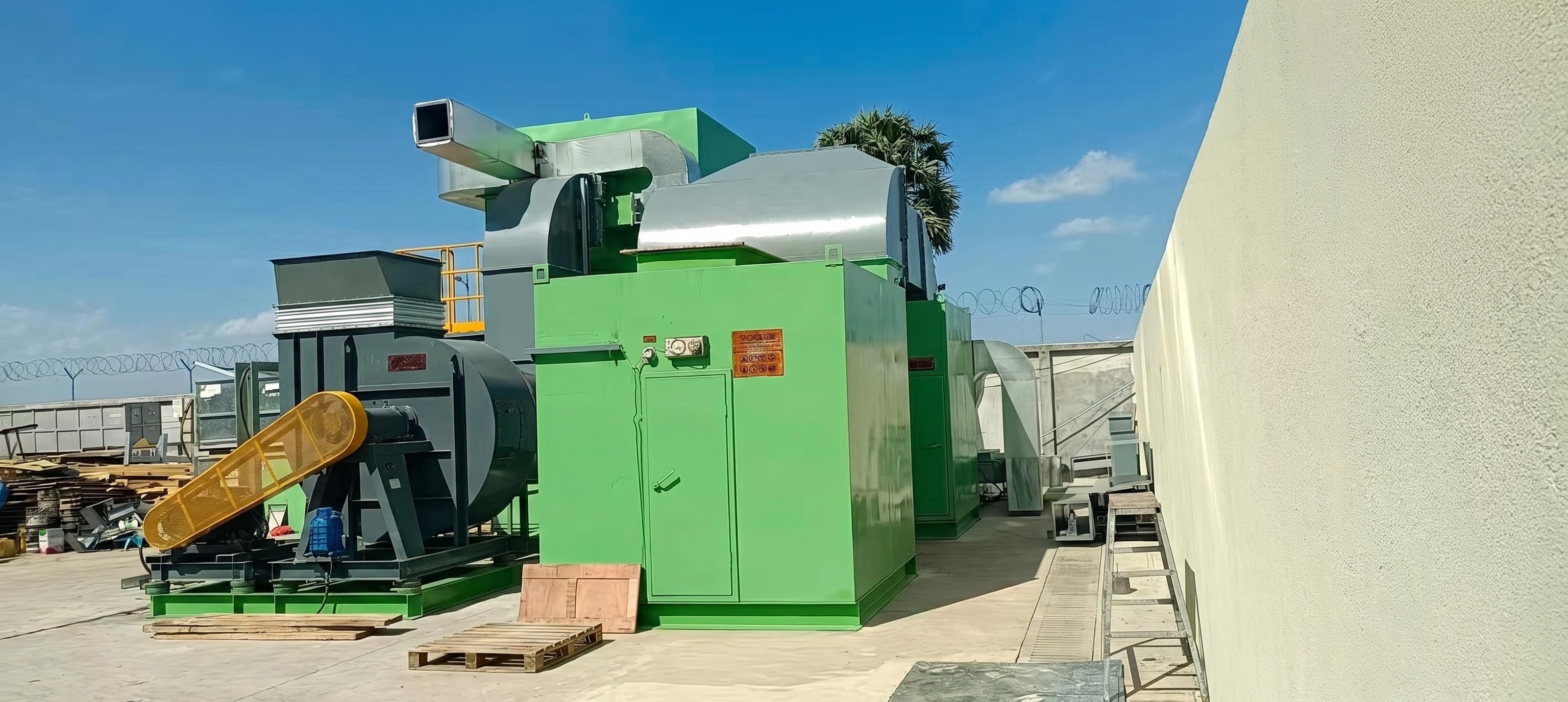
This configuration is designed to treat industrial exhaust air containing volatile organic compounds, concentrating the pollutants through zeolite adsorption before oxidizing them in the catalytic combustion stage.
Combining the two stages allows a large volume of raw exhaust air to be concentrated first, so the combustion chamber can be sized around the smaller, more consistent concentrated stream rather than the full raw airflow.
Pre-commissioning generally includes ductwork and flange inspection, electrical schematic verification, a no-load fan test, temperature sensor calibration, and safety interlock function testing before the first trial run begins.
Facilities that generate a high volume of exhaust air with a moderate organic vapor concentration, such as coating, adhesive, or printing operations, are common candidates for a large-airflow zeolite adsorption plus catalytic combustion system.
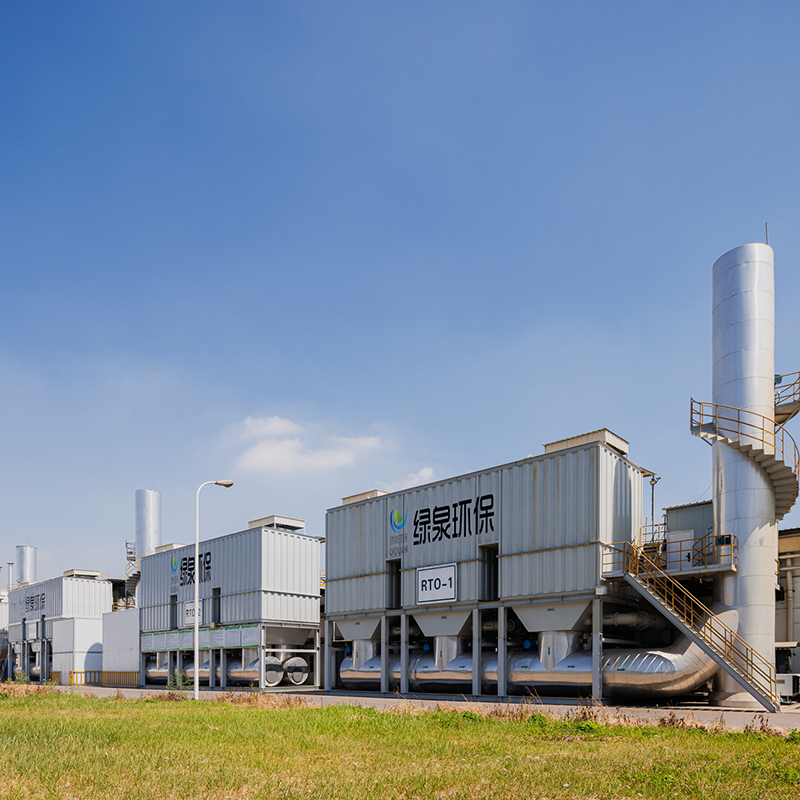
Overview Of Tower-Type RTO Regenerative Thermal Oxidizer (RTO) is an organic waste gas treatment equipment that combines high-temperature oxidation wi...
See Details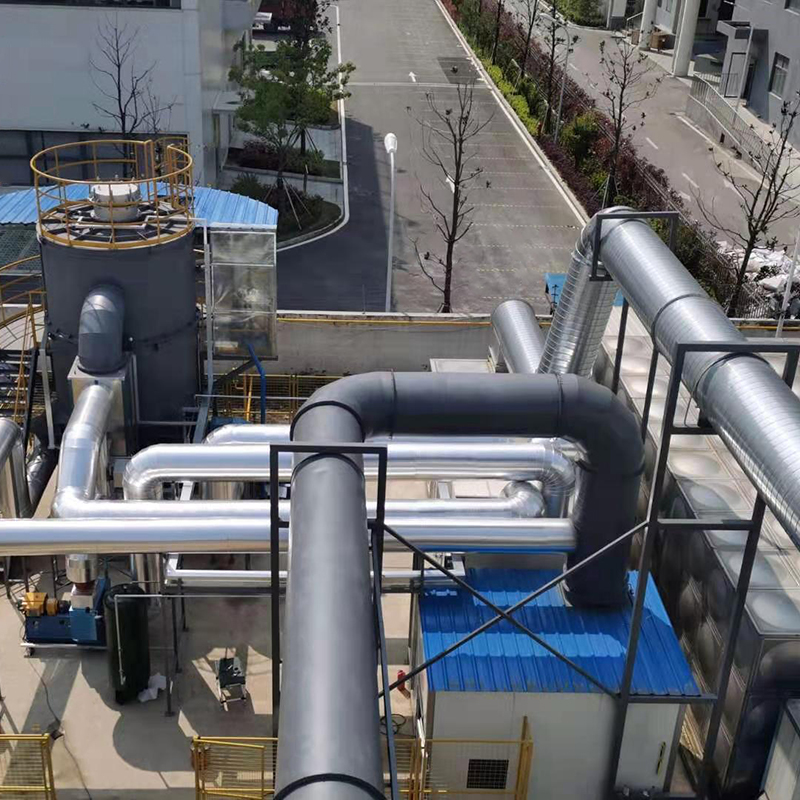
Overview Of Tower-Type RTO Our company offers two types of rotary RTO, which are the rotary RTO and the single barrel multi-valve RTO. The rotary RTO,...
See Details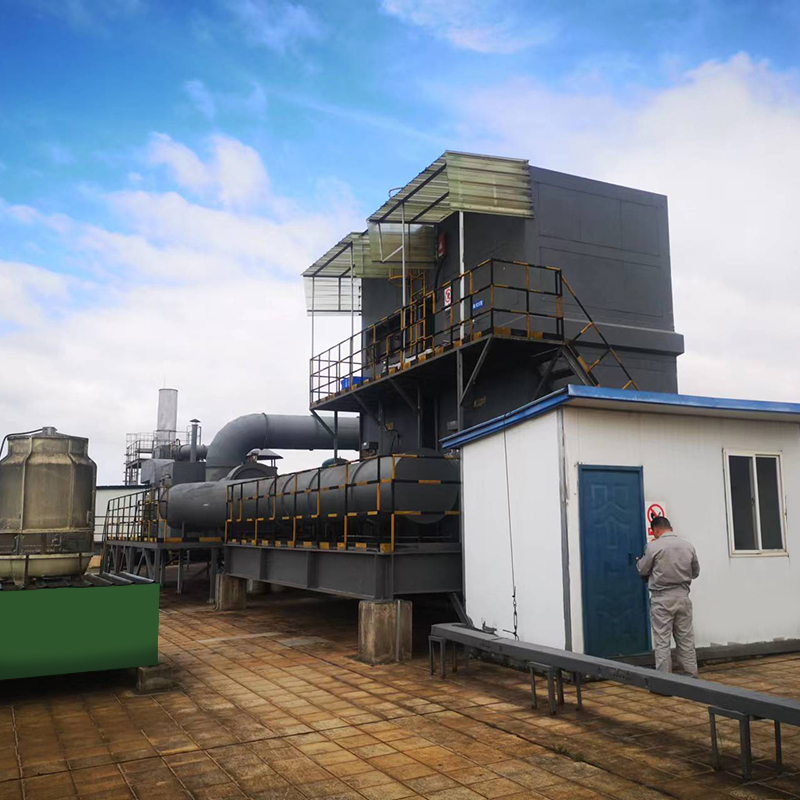
Overview Thermal storage catalytic oxidation (Regenerative Catalytic Oxidizer/RCO) is an organic waste gas treatment equipment that combines low-tempe...
See Details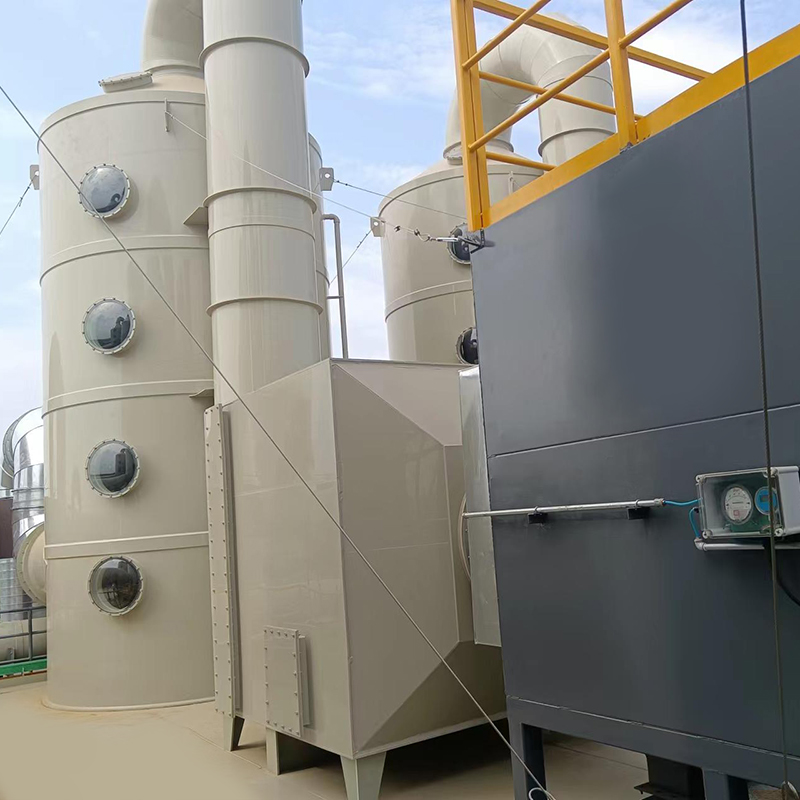
Overview The VOC-ACA series organic gas particle carbon purification and recovery equipment is used for the absorption, recovery, and reuse of organic...
See Details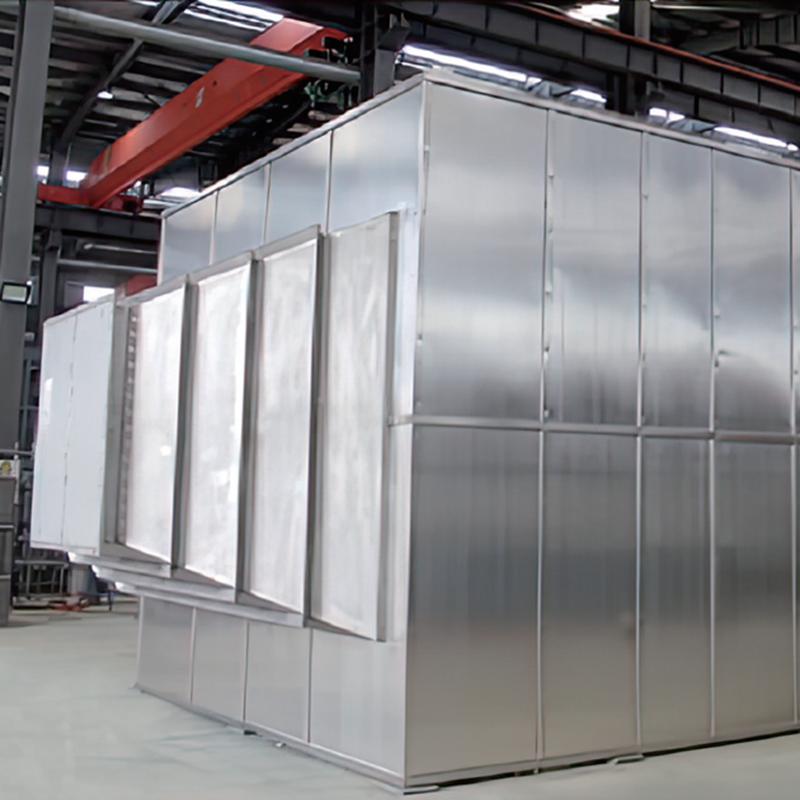
Product Introduction Gas heat exchanger is mainly used for energy saving and emission reduction industries in the waste heat recovery of flue gas in v...
See Details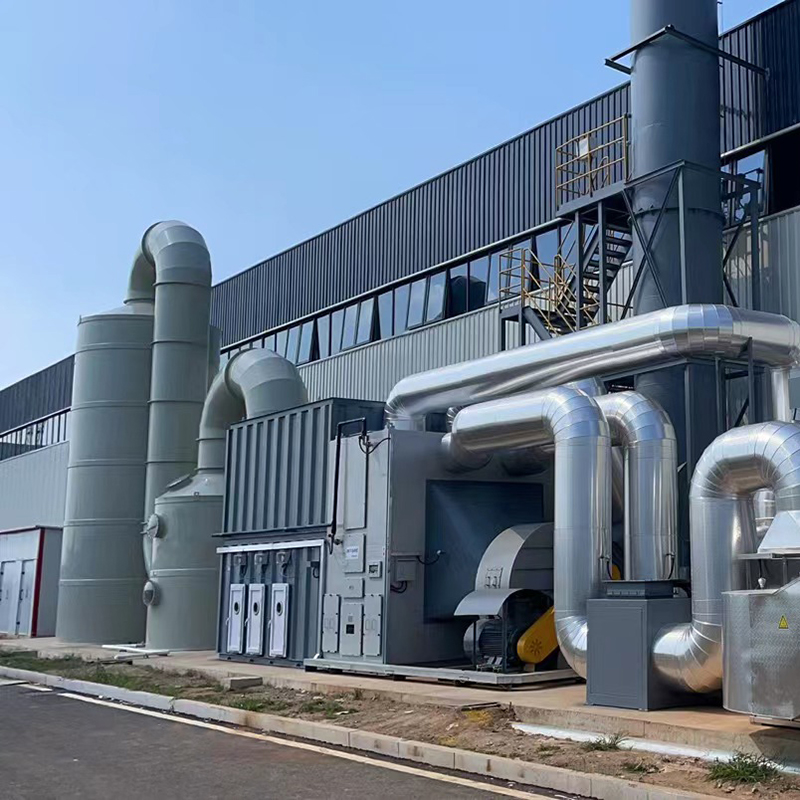
Concept Of Fixed Bed Zeolite + Catalytic Combustion As A Set Of Equipment The fixed bed zeolite + catalytic combustion device is suitable for the conc...
See Details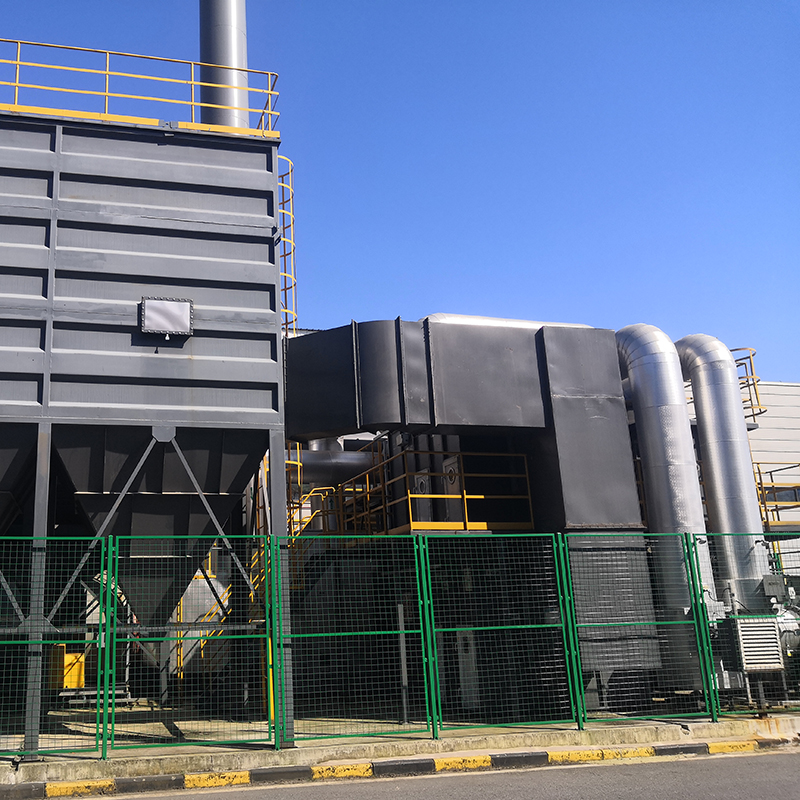
The Concept Of Zeolite Wheel+ Direct Combustion High-Temperature Incineration Equipment The purpose of employing rotary drum zeolite adsorption for or...
See Details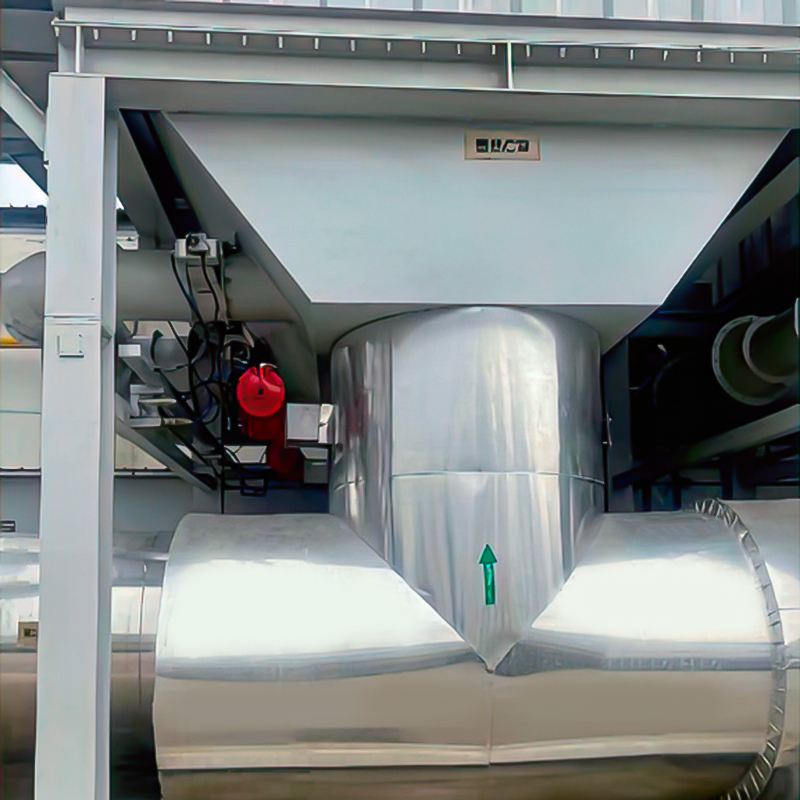
Purpose Mainly used for proportional ventilation of high-temperature flue gas. lt is widely used in places where leak rate requirements are not high, ...
See Details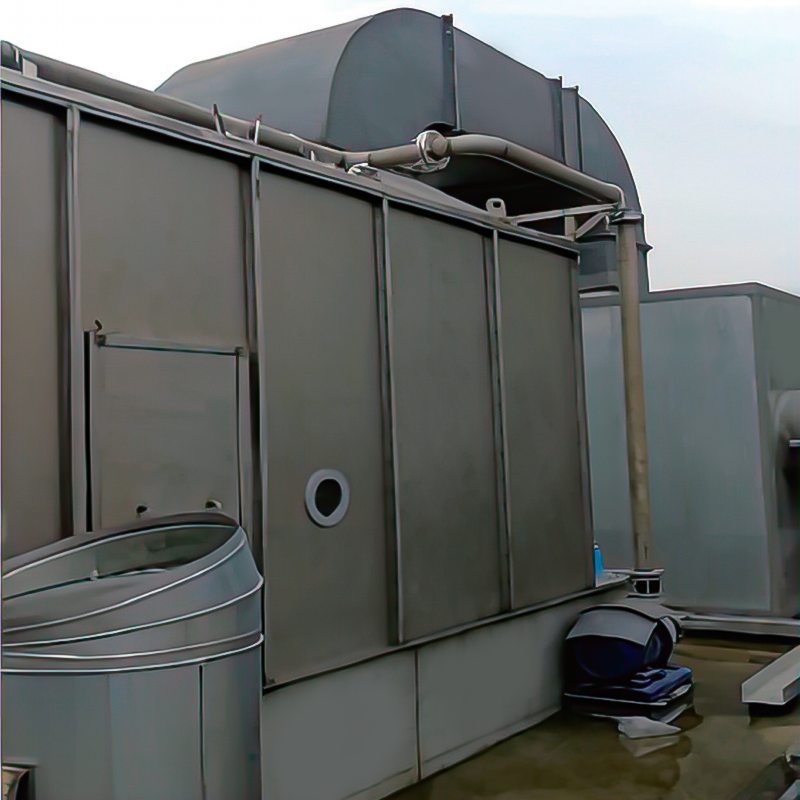
Overview The wet dust removal principle uses the process of capturing and separating dust particles in the gas phase by fully contacting gas-liquid tw...
See Details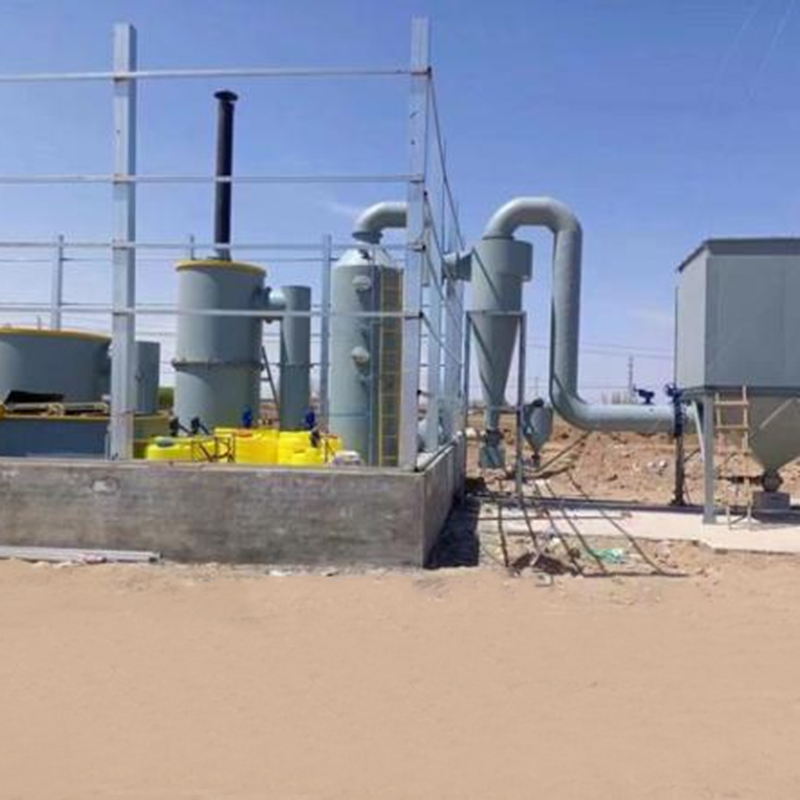
Overview Solid waste incineration furnaces are essential equipment in the management of solid waste, designed to transform waste materials into ash an...
See DetailsMOBILE
Product Manual

Copyright © Lv quan Environmental Protection Engineering Technology Co., Ltd. All Rights Reserved. Vocs Organic Waste Gas Treatment Engineering Equipment Manufacturer

