

 English
 русский
 Français
 Español
 عربى
عربى
LQ-CO Catalytic combustion equipment
Cat:Equipment
Overview Catalytic combustion is a purification method that uses catalysts to oxidize and decompose combustible substances in exhaust gas at low tempe...
See Details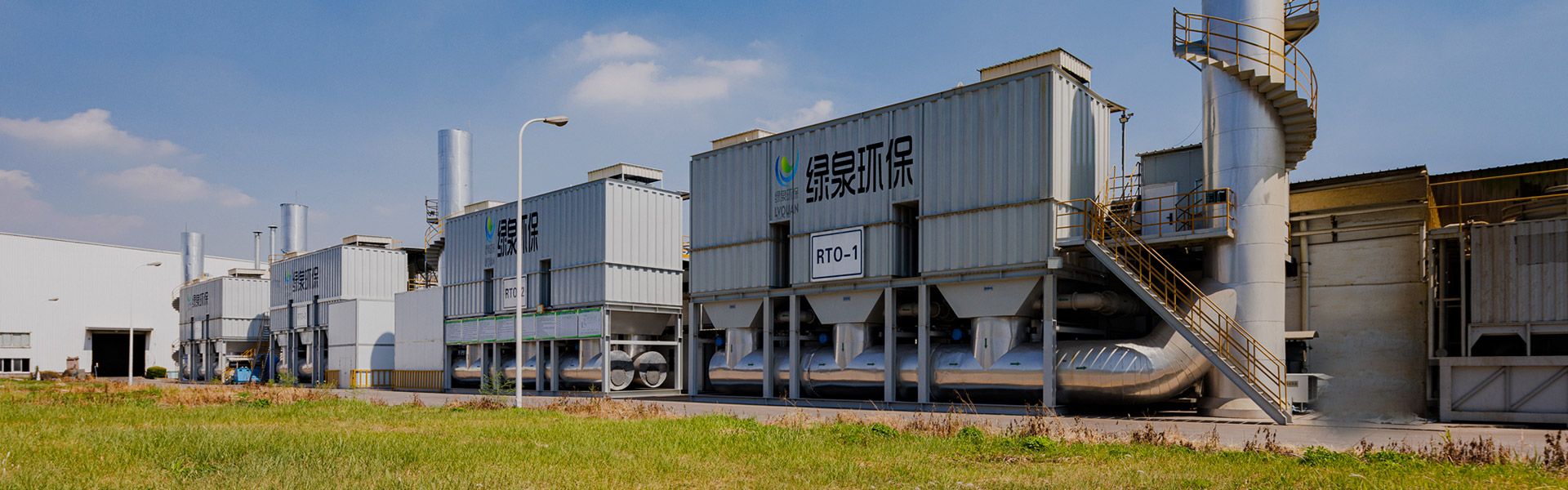
Content
A coating workshop suddenly receives complaints from neighbors about a sharp solvent smell. The plant engineer checks the exhaust stack and finds that the toluene concentration has climbed to 180 mg/m³, while the local emission limit is 60 mg/m³. A quick search for "air pollution scrubber" returns dozens of products, from small carbon boxes to tall fiberglass towers, and none of them is automatically the right answer, because the term covers an entire family of cleaning technologies.
An air pollution scrubber is an engineered device that removes gaseous or particulate pollutants from an industrial exhaust stream before it reaches the atmosphere. The removal can happen by absorption into a liquid, adsorption onto a solid surface, or chemical conversion inside a reactive medium. In practice, the category includes wet scrubbers, dry scrubbers, activated carbon and zeolite adsorption units, and integrated systems that combine several stages in one treatment train.
The conclusion up front: no single scrubber solves every emission problem. The correct system depends on four variables — pollutant type, inlet concentration, exhaust flow rate, and whether you want to destroy the pollutant or recover a reusable solvent. A wet scrubber is excellent for acid gases, alkaline gases, and water-soluble compounds. Adsorption media capture organic solvents at low to medium concentrations. Thermal oxidizers such as RTO and catalytic oxidation units destroy VOCs at high efficiency. In most industrial projects, the most reliable and economical answer is a combination: a pre-treatment scrubber followed by concentration and then oxidation or recovery.
As a VOCs equipment manufacturer, supplier, and wholesaler with more than 30 years of engineering experience, we have designed, fabricated, installed, and serviced hundreds of exhaust treatment systems for coating, chemical, pharmaceutical, electronics, printing, furniture, and automotive plants. This guide explains how air pollution scrubbers work, compares the main types with performance data, gives practical selection criteria, discusses compliance and maintenance, and answers the questions buyers ask us most frequently.
At its core, a scrubber is a mass-transfer device. Pollutant molecules move from the gas phase into a liquid phase or onto a solid surface because of a concentration gradient, a chemical affinity, or both. In a wet scrubber, the exhaust gas is brought into intimate contact with a liquid. Water-soluble components dissolve into the liquid. Acid gases such as hydrogen chloride, hydrogen fluoride, and sulfur dioxide react with an alkaline reagent in the liquid and are neutralized into salts. The cleaned gas then passes through a mist eliminator, which removes entrained droplets before the gas leaves the stack.
In a dry or adsorption scrubber, the gas passes through a bed of porous media such as activated carbon, activated carbon fiber, or zeolite. Organic molecules are held on the internal surface of the media by van der Waals forces. The media becomes saturated over time and must be replaced, regenerated, or thermally desorbed. Dry scrubbers avoid wastewater production, but they do not destroy the pollutant — they concentrate it, so a downstream disposal or recovery step is usually needed.
Three mechanisms dominate industrial scrubbing. The first is absorption, governed by solubility. According to Henry's law, a gas will keep dissolving into a liquid until equilibrium is reached, so the removal driving force is highest when the liquid contains a reagent that chemically consumes the dissolved gas. That is why caustic soda solution is used for HCl and SO₂, dilute sulfuric acid is used for ammonia, and sodium hypochlorite or ozone is used for odorous compounds. The second mechanism is adsorption, which depends on pore structure, surface area, and temperature. The third is inertial impaction, interception, and diffusion, which is how wet scrubbers capture fine particulates and paint mist.
| Component | Function | Design consideration |
|---|---|---|
| Inlet and gas distribution section | Evenly distributes exhaust gas into the contact zone | Avoids channeling; material must resist corrosion and erosion |
| Contact / packing zone | Provides surface area for gas-liquid contact | Packing type and specific surface area determine mass-transfer rate |
| Spray nozzles | Distributes scrubbing liquid over the packing or gas stream | Nozzle size and material; clogging resistance for sticky exhausts |
| Demister / mist eliminator | Removes entrained liquid droplets from the cleaned gas | Pressure drop must be balanced against droplet removal efficiency |
| Recirculation pump and piping | Circulates scrubbing liquid and maintains the liquid-to-gas ratio | Pump material, seal type, and flow control strategy |
| pH and level instrumentation | Maintains reagent concentration and liquid level | Probe placement and automatic dosing for stable performance |
| Blowdown and drain system | Controls dissolved solids and reaction by-products in the liquid | Wastewater treatment and disposal route must be planned |
A common misconception is that a scrubber destroys the pollutant. Unless the liquid contains an oxidizing or neutralizing reagent, a wet scrubber only transfers the pollutant from air to water. For solvent destruction, you need thermal or catalytic oxidation. For solvent reuse, you need adsorption combined with condensation or distillation recovery. Understanding this distinction is the first step toward choosing the right system.
Key takeaway: An air pollution scrubber transfers pollutants from gas to liquid or solid; destruction requires oxidation, and recovery requires adsorption plus condensation. The system design must match the pollutant chemistry and your end-of-line goal.
Industrial air pollution scrubbers can be divided into wet scrubbers, dry scrubbers, adsorption systems, and integrated combinations. Each type has a distinct place in the treatment hierarchy, and many facilities use more than one technology in series.
Wet scrubbers contact the exhaust gas with a liquid stream. The most common configurations are spray towers, packed towers, Venturi scrubbers, and horizontal spray cabinets. A spray tower injects liquid droplets into the rising gas stream; it is simple, low in pressure drop, and effective for coarse particles and highly soluble gases. A packed tower fills the vessel with random or structured packing material, which creates a large wetted surface and long contact time; it is the standard choice for acid gases, ammonia, and soluble VOCs. A Venturi scrubber accelerates gas to high velocity and atomizes water into fine droplets; it captures submicron particulates and sticky dust but consumes more fan energy. A horizontal spray cabinet directs the gas horizontally through multiple spray banks; it is compact, easy to access, and commonly installed as a pre-treatment ahead of adsorption or oxidation equipment.
In painting and coating lines, the horizontal spray cabinet is often the first stage of the whole treatment train. It removes paint mist, resin particles, and water-soluble solvent fractions, protecting downstream adsorbent rotors and heat exchangers from fouling. Our LQWPG horizontal spray cabinet is designed for exactly this duty: it combines a pre-wash chamber, spray section, and mist eliminator in a compact package that can be placed directly before a zeolite concentrator or thermal oxidizer.
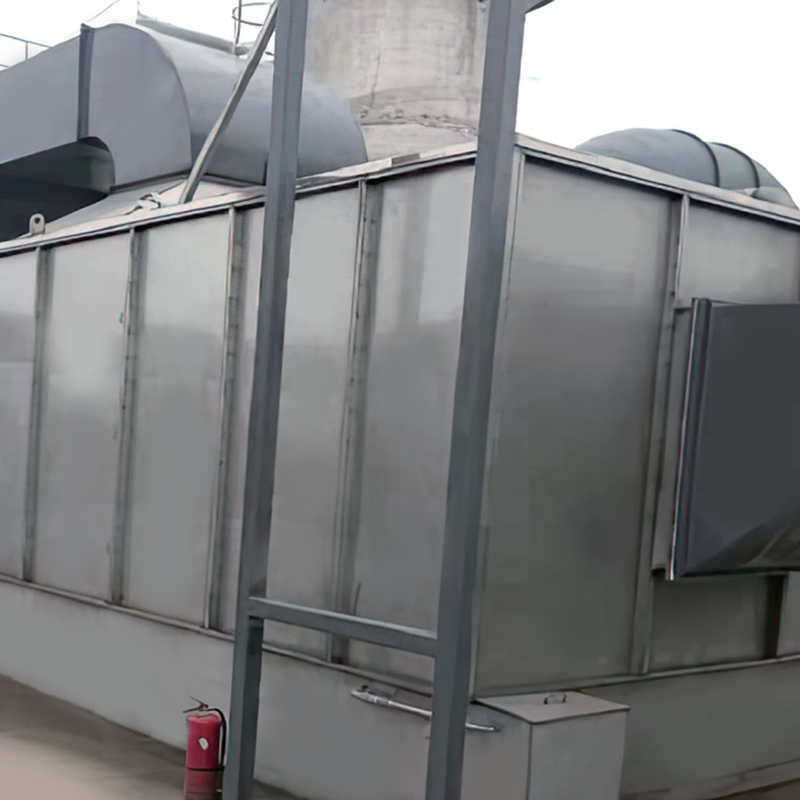 LQ-WPG Horizontal Spray Cabinet for Paint Mist RemovalThis compact spray cabinet combines pre-wash, spray, and mist elimination in one unit, protecting downstream zeolite rotors and oxidizers from fouling. Its dual water curtains capture particles above 5 microns with over 85% efficiency.View Product →
Dry scrubbers use a dry reagent or solid sorbent instead of a liquid. Dry sorbent injection, followed by a baghouse, is a proven method for acid gases and is popular where wastewater must be avoided. Adsorption systems go further: granular activated carbon beds remove VOCs and odors from low-concentration air streams; activated carbon fiber systems offer high adsorption rates for solvent recovery; zeolite rotor concentrators handle very large air volumes with low VOC concentrations by adsorbing the solvent and then desorbing it into a small, concentrated airflow for oxidation or recovery.
The most reliable systems are often hybrid lines. A typical arrangement for a paint shop is: horizontal spray cabinet to remove paint mist, then a zeolite rotor to concentrate the diluted solvents, then an RTO or catalytic oxidation unit to destroy the concentrated desorption gas. For solvent-intensive processes such as printing or pharmaceutical drying, the line may be: dry filter, activated carbon adsorption, then steam or nitrogen regeneration with condensation recovery. The scrubber becomes one stage in a complete, engineered solution.
| Technology | Main removal targets | Typical VOC efficiency | Operating cost driver | Best-fit application |
|---|---|---|---|---|
| Wet scrubber (packed tower) | Acid gases, ammonia, soluble VOCs, particulates | 40–80% for VOCs | Reagent and wastewater treatment | Chemical, plating, odor control |
| Dry scrubber (dry media) | Acid gases, light odors | 60–85% for VOCs | Media replacement | Small flows, no wastewater allowed |
| Activated carbon adsorption | VOCs, odors | 90–98% | Carbon replacement or regeneration energy | Printing, pharmaceutical, electronics |
| Zeolite rotor + oxidizer | Diluted VOCs from large airflows | 95–98% | Desorption heat and oxidation fuel | Paint shops, coil coating, large spray booths |
| Thermal / catalytic oxidation | Concentrated VOCs | 97–99%+ | Natural gas or electricity | High-concentration exhaust after concentration |
Acid gases, alkaline vapors,
and water-soluble compounds;
simple operation; produces
wastewater that must be treated
or discharged legally.
Mixed contaminants; the scrubber
removes acids and mist, carbon
polishes residual VOCs and odors;
media change-out required periodically.
Large air volume, low concentration,
sticky particulates; the standard
solution for modern paint and
coating lines.
Printing and pharmaceutical
solvents; recovers reusable
solvent and reduces operating
cost when solvent prices are high.
Key takeaway: No single scrubber family covers every pollutant. Wet scrubbers handle acids and soluble compounds, adsorption handles dilute VOCs, oxidizers destroy concentrated VOCs, and integrated lines combine all three for the most demanding applications.
Removal efficiency is the first number buyers ask about, but it is rarely a single figure. Efficiency depends on the pollutant, the inlet concentration, the gas temperature, the liquid chemistry, and the contact time. A packed tower wet scrubber may remove 95% of hydrogen chloride while achieving only 55% removal of toluene. The same activated carbon bed that removes 98% of ethyl acetate at 25 °C loses capacity sharply when the gas temperature rises above 40 °C.
There is also a distinction between capture efficiency and compliance. If the inlet concentration is 2,000 mg/m³, a 95% removal leaves 100 mg/m³ in the outlet gas. If the emission limit is 60 mg/m³, the system fails even though the efficiency looks impressive. This is why we always ask for detailed exhaust data before recommending a scrubber configuration; efficiency figures only mean something when they are tied to a specific inlet load and a specific limit value.
The chart below compares typical VOC removal efficiency across the six technology families most commonly used in industrial exhaust treatment. These are representative ranges drawn from field performance data, not laboratory maximums.
Actual project results can be higher or lower depending on the pollutant mix, the design margin, and the quality of maintenance. The wet scrubber range reflects the fact that most real-world VOC streams contain a mix of soluble and hydrophobic compounds. Adsorption and oxidation technologies perform far better on VOCs because they do not depend on water solubility.
For odor control, the same ranking generally holds, although the human nose can detect odors at concentrations far below the detection limit of a standard FID analyzer. A system that achieves 90% VOC removal may still produce a detectable odor if the inlet contains sulfur compounds or amines.
This is why we recommend combining pollutant speciation with efficiency targets during the design phase.
The chart makes the ranking clear. Thermal oxidation technologies sit at the top of the efficiency scale because they break the carbon-hydrogen bonds of organic molecules completely, converting them to carbon dioxide and water. RTO achieves the highest thermal destruction efficiency, typically 99% or better, because the ceramic heat-recovery bed stores and releases energy to sustain a stable oxidation temperature across a wide range of inlet loads. A zeolite rotor combined with RTO reaches a comparable overall system efficiency of about 98%, which makes it the preferred arrangement for very large air volumes with low concentrations. Catalytic oxidation follows closely at roughly 97%, with the advantage of lower oxidation temperatures between 250 °C and 400 °C, which cuts fuel consumption but requires careful protection of the catalyst against poisoning elements such as sulfur, chlorine, and heavy metals.
Activated carbon adsorption sits at about 95% when the bed is fresh and the gas is dry and cool, but this number drops as the carbon loads. The efficiency loss is gradual at first, then rapid near saturation, which is why monitoring and scheduled replacement are essential for any adsorption-based scrubber system. Dry scrubbers reach about 85% for VOCs, although their real strength is acid gas removal rather than organics. The wet scrubber occupies the bottom of the VOC ranking at roughly 72% because water solubility is the limiting factor for many common solvents. Toluene, xylene, and hexane are poorly soluble in water, so a packed tower without an added oxidant or emulsifier will simply pass them through.
Two practical conclusions follow from this chart. First, if your waste gas contains VOCs at any meaningful concentration, a wet scrubber alone is rarely a sufficient final control device. Second, the gap between 95% and 99% matters far more than it appears: for an inlet of 5,000 mg/m³, a 95% efficient system emits 250 mg/m³, while a 99% efficient RTO emits 50 mg/m³. When a local standard requires 60 mg/m³, that four-point efficiency gap is the difference between passing and failing.
| Pollutant | Wet scrubber | Activated carbon | RTO / CO |
|---|---|---|---|
| Hydrogen chloride (HCl) | 95–99% | 90–95% | Not directly applicable |
| Ammonia (NH₃) | 90–99% | 70–85% | Not recommended |
| Toluene / xylene | 40–70% | 90–98% | 98–99% |
| Ethyl acetate | 50–75% | 90–97% | 98–99% |
| MEK (methyl ethyl ketone) | 40–60% | 85–95% | 97–99% |
| Paint mist / particulates | 90–98% | Requires pre-filter | Requires pre-removal |
Key takeaway: Efficiency claims are meaningless without inlet concentration data and a target emission limit. For VOC control, thermal oxidation and adsorption outperform wet scrubbing by a wide margin; for acid gases, wet scrubbing remains the most economical choice.
Buyers frequently ask us to compare a wet scrubber, an RTO, and an activated carbon system as if they were interchangeable options. They are not. Each technology solves a different class of problems, and the right comparison starts with the pollutant chemistry and the emission target, not with the equipment name. A wet scrubber is a mass-transfer device for soluble gases and particulates. An RTO is a high-temperature destruction unit for combustible VOCs. Activated carbon is an adsorbent that captures organics until the media becomes saturated.
When a wet scrubber makes sense
|
When thermal oxidation makes sense
|
| Decision factor | Choose wet scrubber | Choose adsorption | Choose RTO / CO |
|---|---|---|---|
| Pollutant type | Acid, alkaline, soluble VOC, particulates | Non-soluble VOCs, odors, low concentrations | Combustible VOCs at medium to high concentration |
| Inlet concentration | Low to high, no combustion risk | Below roughly 5 g/m³ without concentrator | 1–10 g/m³; safety requires staying below 25% of LFL |
| Air flow rate | Small to large | Large only with zeolite rotor concentrator | Large with integrated heat recovery |
| Recovery needed | Reagent or by-product salt recovery | Yes, via condensation or distillation | No, pollutants are destroyed |
| Space and footprint | Moderate | Compact for carbon beds; rotor needs headroom | Larger, with burner and heat recovery vessel |
| Secondary waste | Wastewater and sludge | Spent media, desorption concentrate | CO₂, water, small amount of NOx |
In high-solvent processes where the spent solvent has resale value, destruction is a waste of money. An adsorption and condensation recovery system captures solvents from the air and returns them as liquid for reuse, which can offset the operating cost of the whole treatment plant. Our LQACA granular activated carbon adsorption and condensation recovery system follows this route: adsorption enriches the solvent, steam or hot gas desorbs it, and a condenser recovers the liquid solvent. This approach makes sense for printing, packaging, pharmaceutical, and chemical plants where solvent consumption is high.
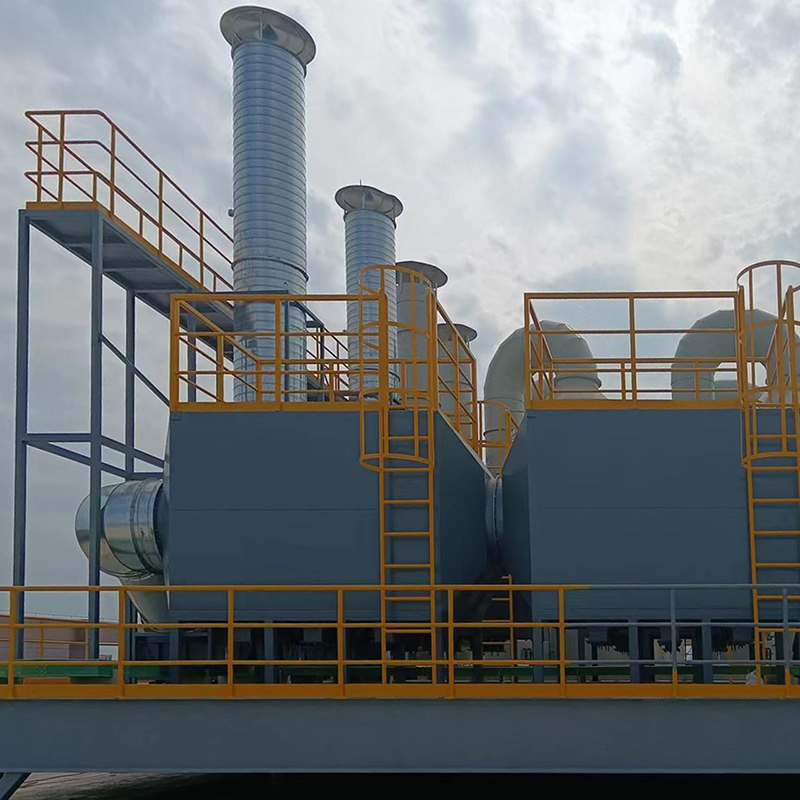 LQ-ACA Granular Activated Carbon Adsorption and Condensation Recovery SystemThis system recovers valuable solvents from high-volume, medium-to-high concentration air streams using activated carbon adsorption, steam desorption, and condensation. It suits printing, packaging, pharmaceutical, and chemical plants where solvent reuse offsets treatment costs.View Product →
For plants that only need compliance, RTO is usually the most robust answer because it accepts variations in concentration and recovers heat from oxidation. When the exhaust contains particulates or acid gases as well as VOCs, the correct design is a series arrangement: a wet scrubber upstream to clean the gas, then a concentrator and oxidizer downstream. Asking whether a scrubber can replace an RTO is therefore the wrong question; the useful question is which stages your specific exhaust requires in which order.
Key takeaway: Wet scrubbers, adsorption systems, and oxidizers are complementary stages, not competitors. Solubility, concentration, flow rate, and recovery economics decide the technology mix; an engineered series layout usually beats a single-device gamble.
Air pollution scrubbers appear across almost every manufacturing sector that emits organic solvents or acid gases. The same packed tower that scrubs hydrogen chloride in a metal treatment plant may be used for ammonia capture in a fertilizer facility, while a paint shop needs a completely different train that combines a horizontal pre-scrubber, a zeolite concentrator, and a regenerative oxidizer. The application table below shows typical configurations for the industries we serve.
| Industry | Typical pollutants | Recommended treatment line | Why this configuration |
|---|---|---|---|
| Automotive painting | Toluene, xylene, paint mist, esters | Horizontal spray cabinet + zeolite rotor + RTO | Large airflow, low concentration, sticky mist must be removed first |
| Coil coating | Ketones, esters, aromatics | Pre-filter + RTO with heat recovery | High continuous concentration supports self-sustaining oxidation |
| Petrochemical | Benzene, alkanes, odorous sulfur compounds | Wet scrubber + activated carbon or RTO | Acid gases and odors need absorption; VOCs need destruction |
| Pharmaceutical | Alcohols, acetone, dichloromethane | Wet scrubber + CO or adsorption recovery | Variable batch loads; recovery and low-temperature oxidation available |
| Electronics | IPA, acetone, solder fumes | Adsorption concentrator + CO | Clean indoor air quality and low energy operation |
| Printing and packaging | Ethyl acetate, toluene, ethanol | Adsorption + condensation recovery | High solvent cost makes recovery economically attractive |
| Furniture and wood coating | Formaldehyde, wood dust, aromatic solvents | Wet scrubber + adsorption | Particulate pre-removal protects the adsorbent bed |
Thermal oxidation is the backbone of VOC destruction in continuous processes. For a coil coating line with a stable solvent load, an RTO can operate with very low auxiliary fuel consumption because the oxidation heat is recovered by ceramic media and reused to preheat incoming gas. Our LQRTO heat-storage high-temperature incineration equipment is built for this duty: it delivers sustained high-temperature oxidation with thermal energy recovery, and its robust structure suits continuous three-shift operation.
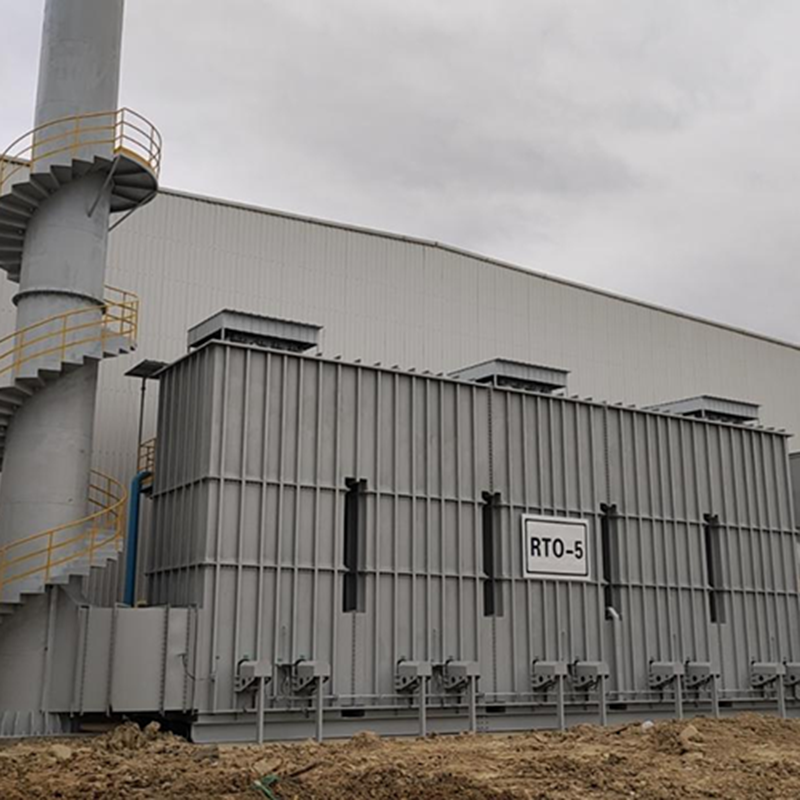 LQ-RTO Heat-Storage High-Temperature Incineration EquipmentThis regenerative thermal oxidizer sustains VOC destruction above 760°C with ceramic heat storage, achieving up to 95% heat recovery and stable operation without auxiliary fuel at moderate concentrations. It suits continuous three-shift industrial processes.View Product →
We have supplied systems to automotive manufacturing, coil coating, petrochemical, pharmaceutical, electronics, printing, and furniture plants. In every project, the engineering sequence is the same. First, we measure the exhaust flow, temperature, humidity, and pollutant concentration under real production conditions. Second, we identify whether the pollutants are soluble, adsorbable, or combustible. Third, we simulate the treatment line and calculate the outlet concentration against the applicable standard. Fourth, we fabricate, install, and commission the equipment, and then we provide maintenance training and spare parts support. This workflow turns a generic air pollution scrubber search into a site-specific, guaranteed system.
Key takeaway: Application fit matters more than equipment specifications. Paint lines need pre-scrubbers plus concentration and oxidation; printing and pharma benefit from adsorption recovery; acid gas processes can rely on wet scrubbing alone.
An air pollution scrubber is only as good as the compliance target it is designed to meet. In China, the most relevant limits are GB 16297 for comprehensive air pollutant emissions and GB 37822 for fugitive and organized VOCs emissions from industrial enterprises, supplemented by stricter local standards in regions such as Shanghai, Beijing, and Jiangsu. Internationally, comparable frameworks include the EU Industrial Emissions Directive and the US EPA NESHAP and MACT standards. The design engineer must convert the applicable limit into an outlet concentration, then work backward to the required removal efficiency.
Safety governs design before efficiency does. For any thermal oxidizer, the incoming VOC concentration must remain below 25% of the lower flammable limit (LFL), with interlocked monitoring and dilution or bypass controls. For wet scrubbers, the main safety issues are corrosion, chemical storage, and confined-space entry during maintenance. For adsorption systems, the critical risk is heat accumulation inside the carbon bed when the inlet contains reactive or high-boiling compounds; temperature monitoring and an inert-gas protection system are mandatory in high-load applications. Wastewater from a wet scrubber must be treated as process effluent, and spent activated carbon must be handled as hazardous waste if it contains listed solvents.
Budget planning benefits from a realistic view of where money goes in a scrubber or oxidation project. The chart below shows a representative cost split based on equipment and installation projects we have executed.
Equipment fabrication is the largest single line item because it includes the vessel, internal packing, nozzles, pumps, instruments, and control panel. Installation and commissioning cover site work, lifting, piping, wiring, and startup testing. Ducting and stack are often underestimated by buyers who focus only on the scrubber vessel. Engineering and design include process simulation, drawing, and compliance documentation. Auxiliaries such as reagent dosing, wastewater treatment, and instrumentation add the remainder.
The split shifts for different technologies; an RTO project carries a higher equipment and refractory cost, while a wet scrubber project carries higher installation and wastewater-related cost. The message for buyers is to compare complete installed system costs, not vessel prices.
The dominant share of equipment fabrication explains why working with a manufacturer that controls its own fabrication shop can reduce cost and shorten delivery. When the same company handles design, machining, assembly, and installation, the interfaces between design assumptions and physical equipment are managed internally, which reduces field rework and commissioning delays. This is why we maintain a 9,800 m² production base with more than 200 sets of machining equipment, staffed by 120 people, with an annual production capacity of about 100 million RMB.
Quality management also matters for compliance. Our manufacturing processes are certified under ISO9001 and ISO14001, and we hold Jiangsu provincial pollution prevention design and engineering qualifications as well as a Grade III environmental engineering contracting license. The company is recognized as a Jiangsu high-tech enterprise and holds 13 utility model patents plus 2 high-tech invention certificates. For clients, these credentials reduce procurement risk: the selected vendor must not only sell a scrubber but also be able to prove its performance and stand behind its guarantee.
Key takeaway: Compliance starts with the emission standard, not the equipment catalog. Collect complete exhaust data, respect LFL and corrosion safety limits, compare installed system costs, and verify that the manufacturer has the certifications and shop capacity to support a performance guarantee.
Most compliance failures are not design failures; they are maintenance failures. A wet scrubber loses efficiency when nozzles clog and pH drifts out of range. An activated carbon bed suddenly releases a solvent spike when the media has been saturated for weeks. An RTO consumes excessive fuel when the heat-recovery media is fouled. A practical maintenance plan, executed on schedule, is the cheapest insurance policy for emission compliance.
| Task | Frequency | Purpose |
|---|---|---|
| Inspect spray nozzles for clogging and wear | Monthly | Maintain uniform liquid distribution |
| Check and calibrate pH probe | Weekly | Keep reagent dosing accurate |
| Inspect packing for fouling and channeling | Quarterly | Preserve gas-liquid contact area |
| Check pump seals and impeller condition | Monthly | Avoid leaks and flow loss |
| Clean demister blades or mesh | Quarterly | Prevent droplet carryover |
| Analyze blowdown water quality | Weekly | Control dissolved solids and scaling |
| Drain and winterize in cold climates | Seasonal | Prevent freezing damage to the tower and piping |
Adsorption media have a finite working capacity. Activated carbon beds typically need replacement every 6 to 24 months, depending on inlet concentration, humidity, and the presence of compounds that polymerize on the carbon surface. The right time to replace is not a calendar date; it is determined by outlet concentration monitoring, bed temperature, and periodic laboratory analysis of carbon activity. A temperature rise inside the bed can signal exothermic reactions and must be checked immediately. Zeolite rotors generally last 3 to 5 years, but their seal, drive belt, and desorption heater must be inspected regularly to avoid bypass of untreated air.
For RTO and CO units, the maintenance focus is on the burner, the ceramic or catalyst bed, the heat exchanger, and the safety valves. Burner nozzles need periodic cleaning and combustion tuning. Ceramic media should be inspected for fouling by silicon or sodium compounds, which can sinter the media surface. Catalyst activity should be checked if the outlet efficiency begins to drift. The hot gas bypass valve and high-temperature safety interlocks must be tested to guarantee safe shutdown under fault conditions.
| Symptom | Likely cause | Remedy |
|---|---|---|
| Outlet concentration rises steadily | Adsorbent saturation or pH drift | Replace media; recalibrate dosing |
| Liquid carryover from stack | Demister clogged or gas velocity too high | Clean or replace demister; check fan speed |
| High pressure drop across tower | Packing fouling or bed flooding | Wash or replace packing; reduce liquid flow |
| Odor persists despite normal VOC reading | Sulfur or nitrogen odor compounds | Add oxidant to scrubbing liquid; install carbon polisher |
| RTO fuel consumption increased | Heat recovery media fouled or bypassing | Inspect ceramic media; check switching valves |
Every maintenance task should be recorded with dates, readings, and actions. The log becomes the evidence base for future optimization and for regulatory inspection. A well-maintained system not only keeps you compliant but also lowers energy and reagent consumption, so maintenance is a return on investment rather than an expense.
Key takeaway: Schedule maintenance by measured performance, not by guesswork. Monitor outlet concentration, pH, pressure drop, and bed temperature daily; replace adsorbent when the data says it is saturated, and clean packing and nozzles before efficiency visibly drops.
Q1. Does an air pollution scrubber remove VOCs?A wet scrubber removes only the fraction of VOCs that is soluble in the scrubbing liquid, typically 40 to 75% for common solvents like toluene, xylene, and MEK. If complete VOC removal is required, the correct approach is adsorption on activated carbon or zeolite, followed by thermal or catalytic oxidation. Many systems combine a wet scrubber for pretreatment with adsorption and oxidation stages so that each technology handles the pollutants it is best suited for. |
Q2. What is the difference between a wet scrubber and a dry scrubber?A wet scrubber contacts the gas with a liquid, usually water with a reagent, and produces wastewater that must be treated. A dry scrubber injects a dry sorbent or passes the gas through a solid bed; it produces dry material rather than wastewater. Wet scrubbers are better for acid gases, ammonia, and particulates; dry scrubbers and adsorption systems are preferred for VOCs, odors, and sites with limited wastewater infrastructure. |
Q3. Should I choose a scrubber or an RTO?It depends on what you are removing. If the exhaust contains water-soluble gases like HCl, ammonia, or sulfuric acid mist, a wet scrubber is the right primary device. If the problem is non-soluble VOCs at concentrations that can sustain combustion, an RTO is the right destructive technology. For exhaust that contains both, install the scrubber upstream of the RTO to protect it from corrosion and fouling. An experienced supplier will help you stage the two technologies correctly. |
Q4. What factors drive the cost of an industrial air pollution scrubber?The main cost drivers are exhaust flow rate, pollutant type and concentration, material of construction, and the level of instrumentation and automation. A simple fiberglass packed tower for a 10,000 m³/h acid gas stream costs far less than a large stainless steel scrubber with automatic pH control handling a corrosive, variable-load chemical exhaust. Do not compare vessel prices alone; include installation, ducting, wastewater treatment, reagent consumption, and maintenance in the total cost calculation. |
Q5. How efficient is a packed tower scrubber for acid gases?A well-designed packed tower with correct liquid-to-gas ratio, packing height, and reagent concentration achieves 95 to 99% removal for hydrogen chloride, hydrogen fluoride, and ammonia. The same tower will remove only a fraction of that for poorly soluble VOCs. The design must be based on the specific pollutant; generic efficiency claims for a "scrubber" are not meaningful without reference to the pollutant being treated. |
Q6. How often should the adsorbent be replaced in an adsorption scrubber system?Granular activated carbon typically lasts 6 to 24 months, depending on inlet concentration, humidity, temperature, and the presence of polymerizing compounds. The replacement point should be determined by continuous outlet monitoring and laboratory analysis rather than a fixed schedule. Zeolite rotor media generally lasts 3 to 5 years if the pre-filter is maintained and the desorption temperature is kept within specification. A hot spot in the bed is a warning sign that replacement is needed immediately. |
Key takeaway: The right scrubber system is selected by matching pollutant chemistry, concentration, and recovery goals to a technology; universal answers do not exist, but the selection logic described above applies to every plant.
Moving from research to purchase is easier when you have practical reference material from people who operate and maintain these systems every day. The two resources below were selected to answer the most common follow-up questions we receive after an initial consultation: how long adsorbent beds last in real service, and what kind of factory stands behind the equipment.
If you are evaluating an air pollution scrubber for your facility, the next step is simple: collect your exhaust data — flow rate, pollutant compounds, concentrations, temperature, and humidity — and send it to our engineering team. We will recommend a system configuration, provide a preliminary layout, and estimate both capital and operating costs. As a manufacturer, we control design, fabrication, installation, and after-sales service, which shortens delivery times and keeps spare parts available for the full life of the equipment.
We supply single scrubber units, complete engineering systems, replacement adsorbent, and spare parts to industrial clients across multiple sectors. Wholesale and OEM inquiries are welcome. The investment you make in a properly engineered scrubber system is repaid through reliable compliance, lower production interruptions, and defensible environmental records.
Key takeaway: Data drives design. Gather complete exhaust information, compare installed systems from a qualified manufacturer, and choose a supplier that can deliver engineering, fabrication, installation, and long-term maintenance under one responsibility.
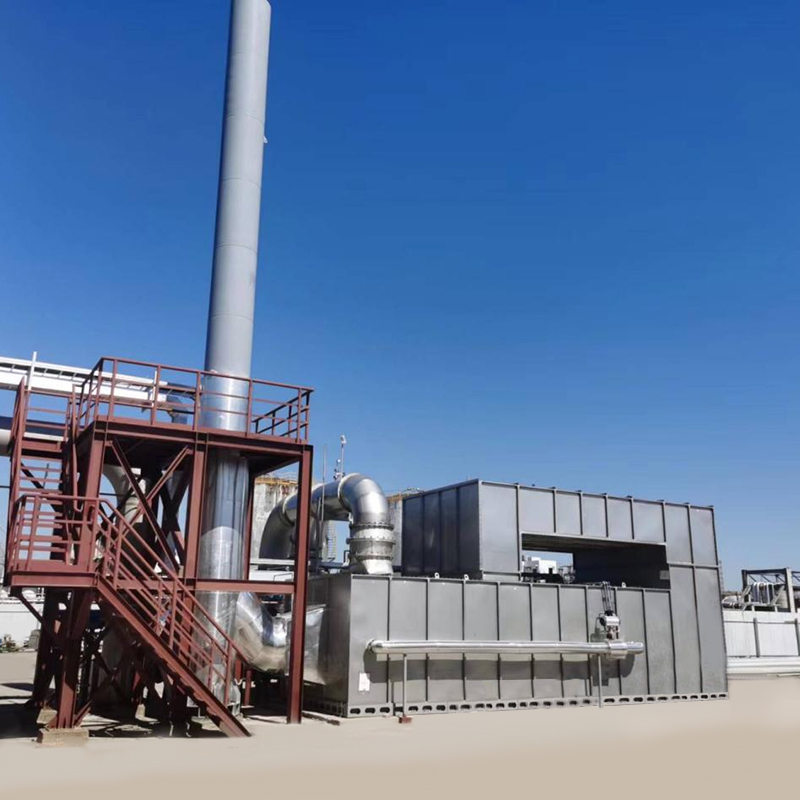
Overview Catalytic combustion is a purification method that uses catalysts to oxidize and decompose combustible substances in exhaust gas at low tempe...
See Details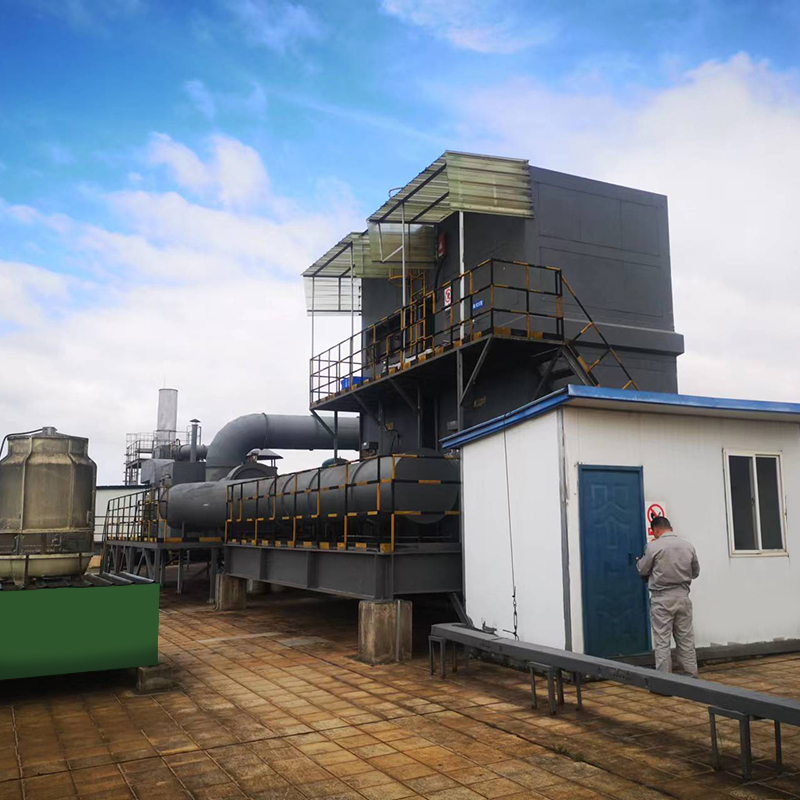
Overview Thermal storage catalytic oxidation (Regenerative Catalytic Oxidizer/RCO) is an organic waste gas treatment equipment that combines low-tempe...
See Details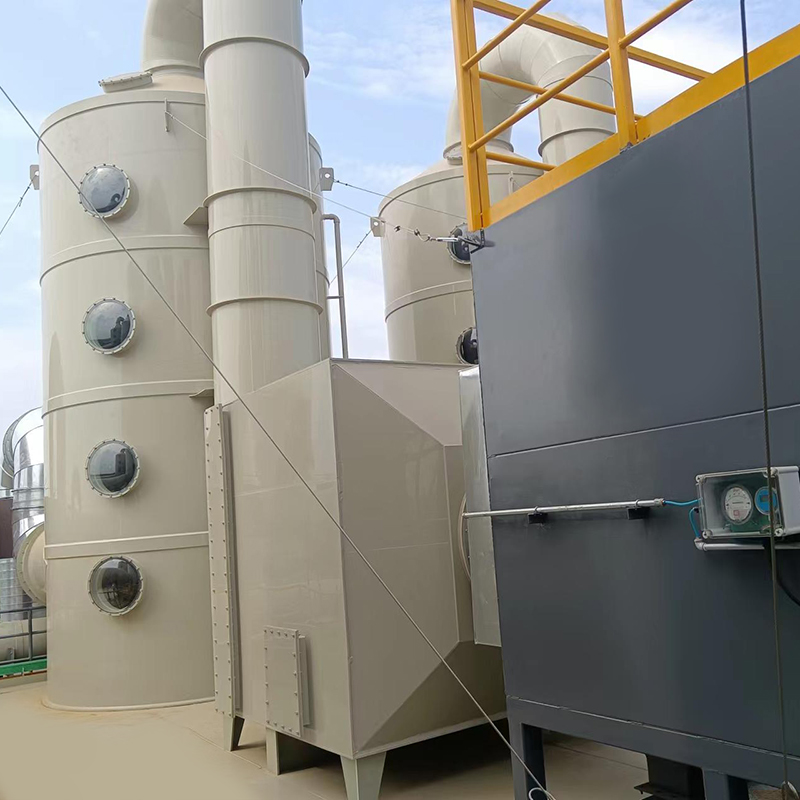
Overview The VOC-ACA series organic gas particle carbon purification and recovery equipment is used for the absorption, recovery, and reuse of organic...
See Details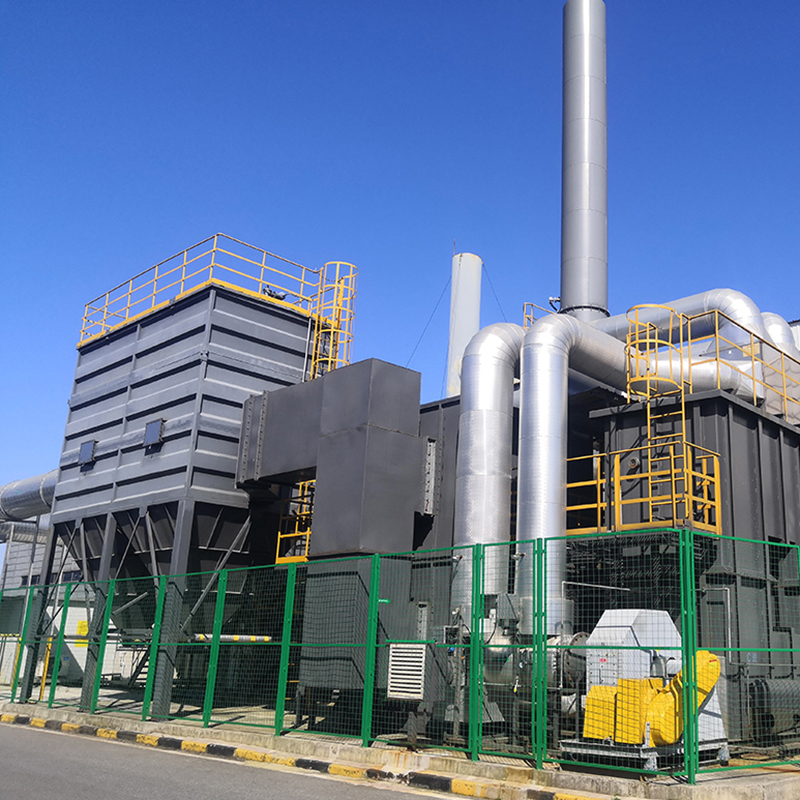
Concept Of Zeolite Wheel+RTO System Using zeolite wheel to adsorb organic waste gas, the low concentration and high air volume waste gas is concentrat...
See Details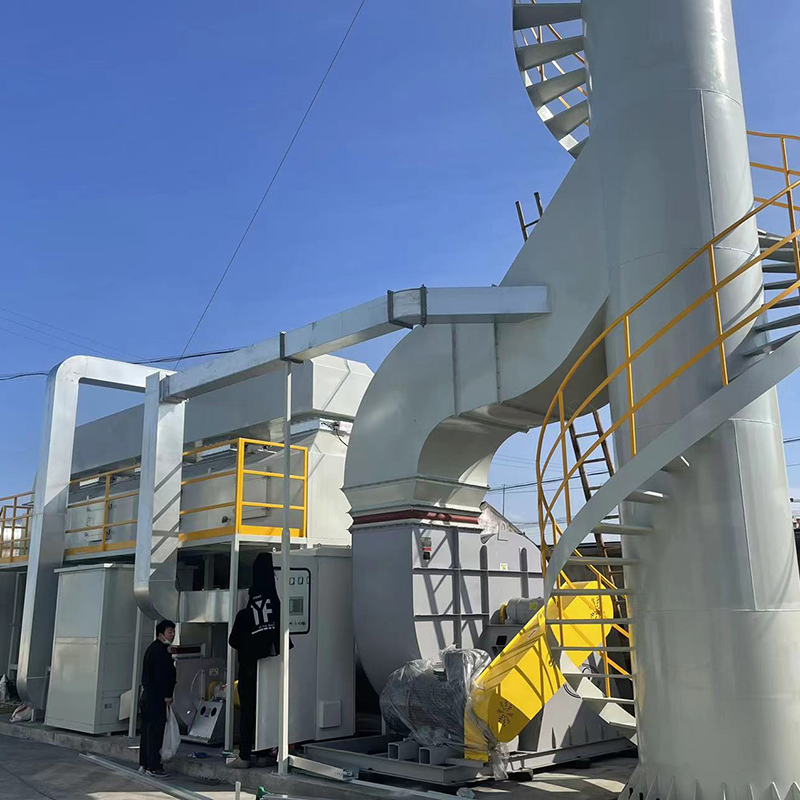
The VOC-CFT-CO Adsorption Catalytic Purification Equipment The VOC-CFT-CO adsorption catalytic purification equipment, consisting of fixed-bed honeyco...
See Details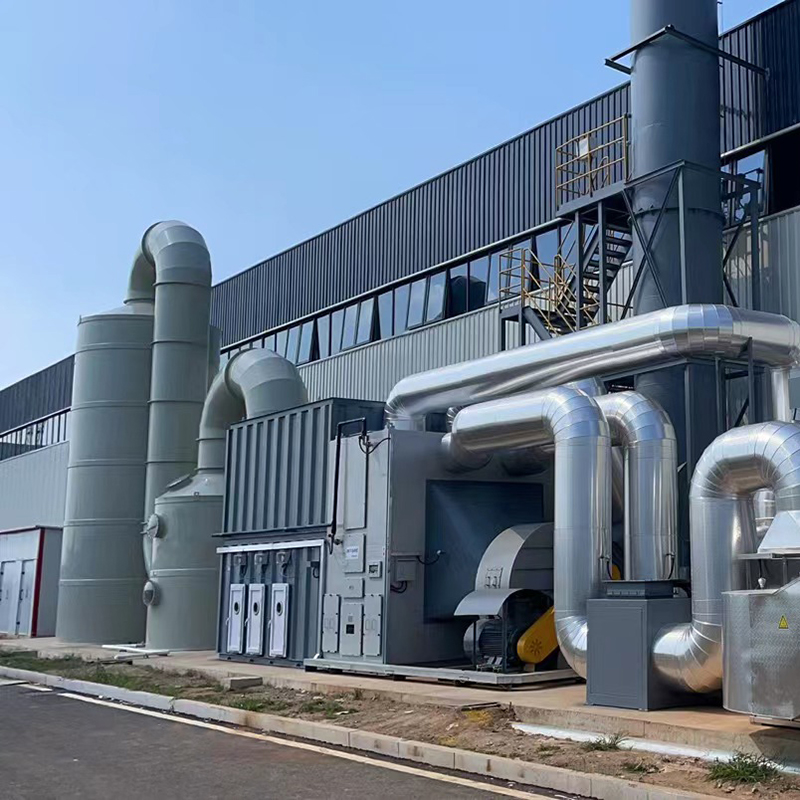
Concept Of Fixed Bed Zeolite + Catalytic Combustion As A Set Of Equipment The fixed bed zeolite + catalytic combustion device is suitable for the conc...
See Details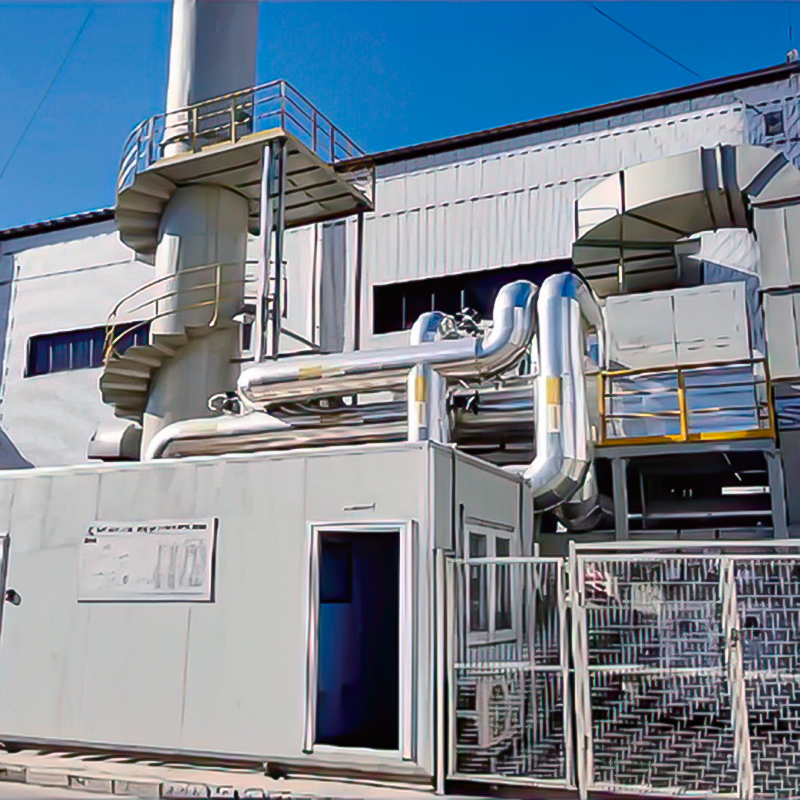
Concept Of Zeolite Rotary Wheel + Catalytic Combustion As A Set Of Equipment In the combined process of organic waste gas and waste gas treatment, the...
See Details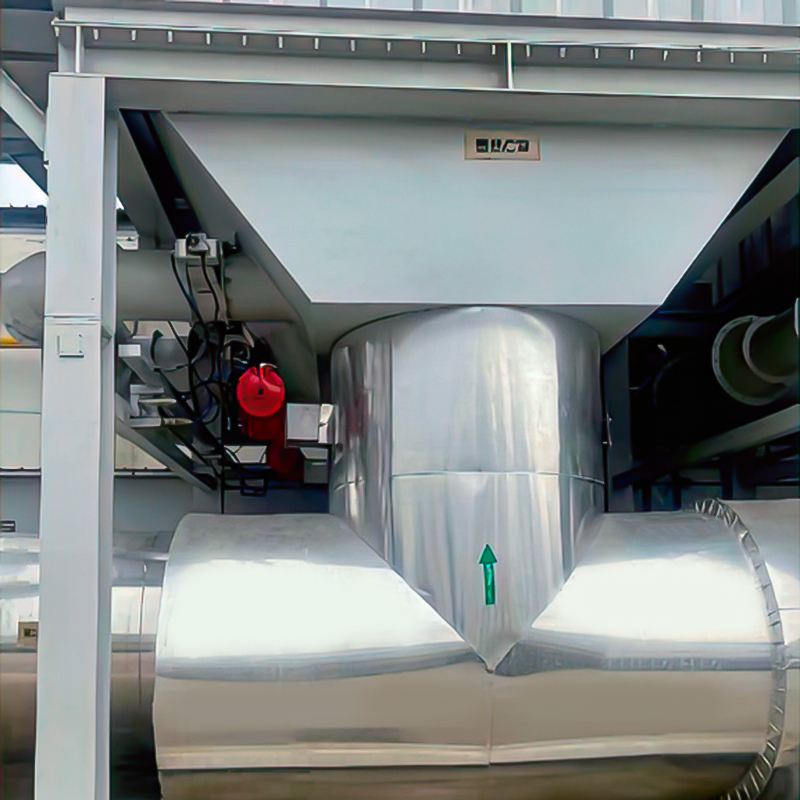
Purpose Mainly used for proportional ventilation of high-temperature flue gas. lt is widely used in places where leak rate requirements are not high, ...
See Details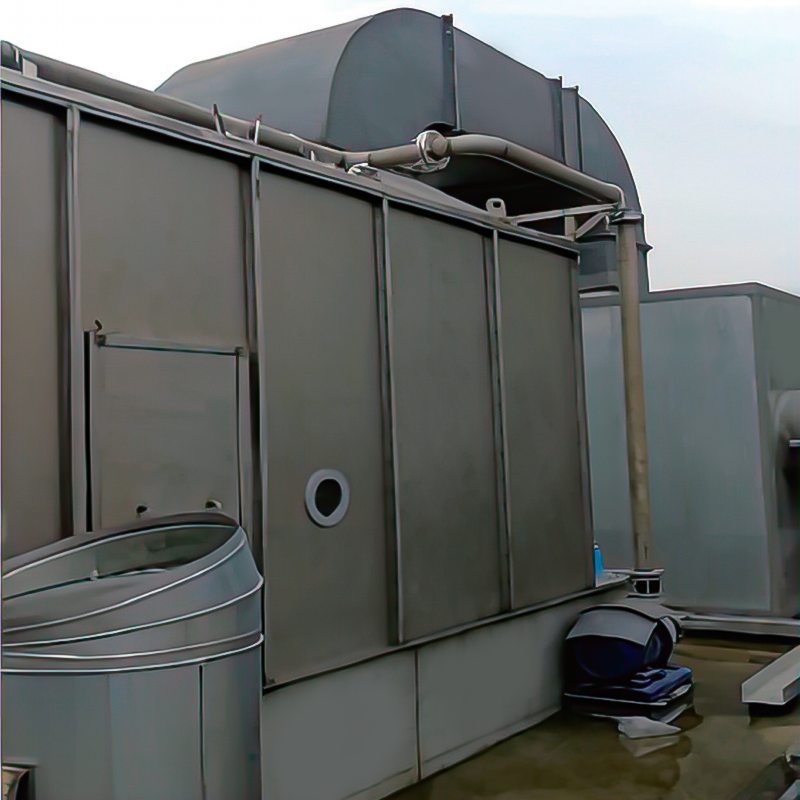
Overview The wet dust removal principle uses the process of capturing and separating dust particles in the gas phase by fully contacting gas-liquid tw...
See Details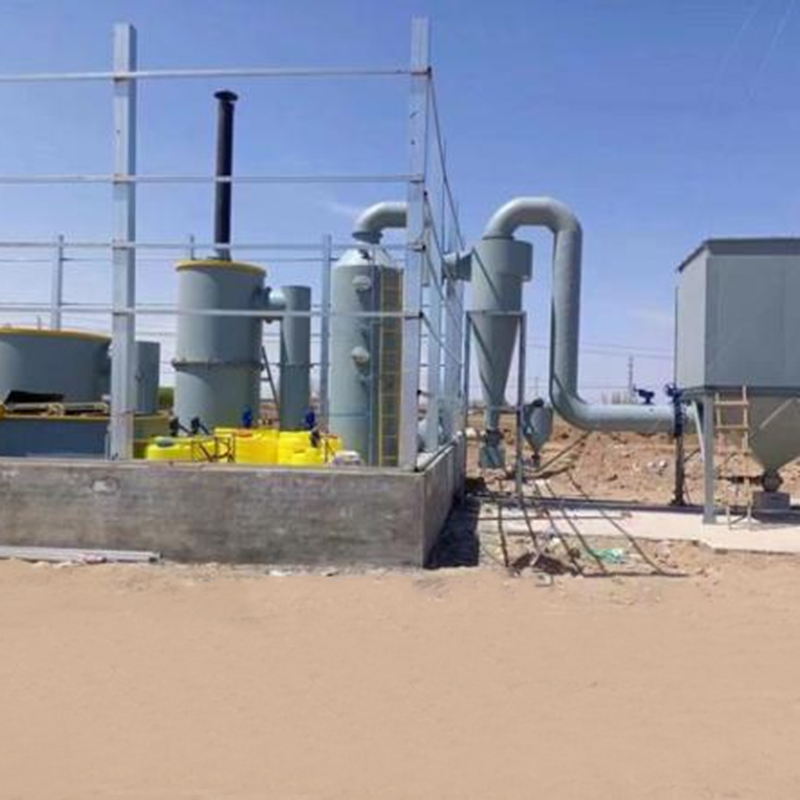
Overview Solid waste incineration furnaces are essential equipment in the management of solid waste, designed to transform waste materials into ash an...
See DetailsMOBILE
Product Manual

Copyright © Lv quan Environmental Protection Engineering Technology Co., Ltd. All Rights Reserved. Vocs Organic Waste Gas Treatment Engineering Equipment Manufacturer

