

 English
 русский
 Français
 Español
 عربى
عربى
LQ-RTO Heat-storage high-temperature incineration equipment
Cat:Equipment
Overview Of Tower-Type RTO Regenerative Thermal Oxidizer (RTO) is an organic waste gas treatment equipment that combines high-temperature oxidation wi...
See Details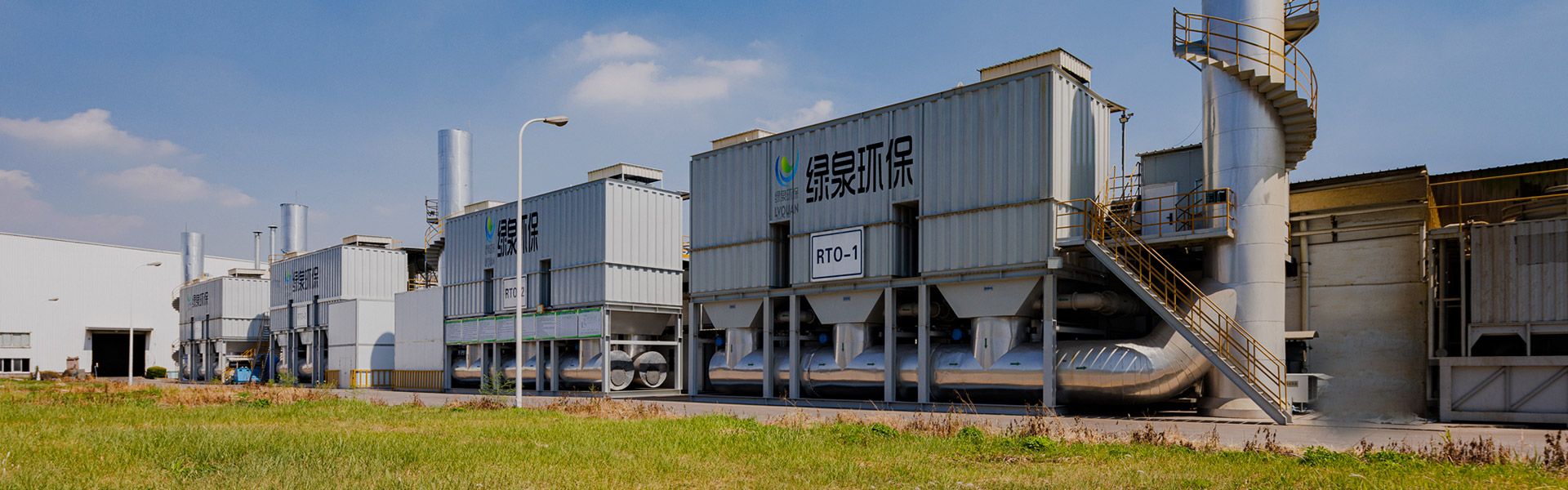
Content
For low-concentration VOCs (below 1,000 mg/m³), activated carbon adsorption is the most economical choice. For medium concentrations (1,000–3,000 mg/m³), catalytic combustion (CO) offers optimal efficiency. For high-concentration streams above 3,000 mg/m³ or complex mixtures, Regenerative Thermal Oxidizers (RTO) deliver superior destruction efficiency exceeding 99%.
The fundamental selection criterion is the Lower Explosive Limit (LEL). When VOC concentration exceeds 25% LEL, RTO becomes mandatory for safety compliance. Below this threshold, operational costs and destruction efficiency requirements determine the optimal technology.
This technology operates through physical adsorption, capturing VOC molecules on porous carbon surfaces. It excels at handling intermittent, low-concentration streams (50–1,000 mg/m³) with initial capital costs 40–60% lower than thermal oxidation systems. However, it generates secondary waste—spent carbon requiring disposal or regeneration—and cannot handle high-moisture or particulate-laden streams effectively.
Catalytic systems utilize precious metal catalysts (typically platinum or palladium) to oxidize VOCs at 300–500°C, significantly lower than thermal oxidation. This reduces fuel consumption by 60–80% compared to direct combustion. Ideal for continuous operations with consistent, medium-concentration streams. Catalyst deactivation from silicon, sulfur, or halogen compounds represents the primary operational risk.
RTOs achieve thermal efficiency up to 95–97% through ceramic heat exchangers that recover combustion heat. Operating temperatures range from 760–1,100°C, ensuring complete oxidation even with complex VOC mixtures. While capital investment is highest ($150,000–$500,000 for standard units), operational costs decrease at higher concentrations due to autothermal operation—where VOC combustion sustains the process without supplemental fuel.
| Parameter | Activated Carbon | Catalytic Combustion | RTO |
|---|---|---|---|
| Optimal Concentration | < 1,000 mg/m³ | 1,000–3,000 mg/m³ | > 3,000 mg/m³ |
| Operating Temperature | Ambient | 300–500°C | 760–1,100°C |
| Destruction Efficiency | 90–95% | 95–99% | 99–99.9% |
| Relative Capital Cost | Low (1.0x) | Medium (2.5x) | High (3.5x) |
| Secondary Waste | Spent carbon | None | None |
The molecular structure of VOCs directly impacts treatment feasibility. Compounds containing chlorine, sulfur, or silicon will poison catalysts in CO systems within 200–500 operating hours. Benzene, toluene, and xylene (BTX) respond excellently to thermal oxidation, while oxygenated compounds like acetone require higher residence times. Halogenated hydrocarbons necessitate post-treatment scrubbers to remove acid gases formed during combustion.
Design capacity must accommodate peak flow rates with a 15–20% safety margin. RTO systems tolerate flow variations of ±20% without significant efficiency loss, whereas catalytic systems require stable flow for optimal heat recovery. Activated carbon beds face channeling risks when flow rates drop below 60% of design capacity.
Inlet streams must contain less than 5 mg/m³ particulates and below 50% relative humidity for carbon adsorption systems. RTOs can handle up to 30 mg/m³ particulates but require pre-filtration for higher loads. Moisture content above 15% by volume significantly reduces adsorption capacity and may necessitate upstream dehumidification.
Local emission limits dictate destruction efficiency requirements. In the United States, EPA Maximum Achievable Control Technology (MACT) standards often require 99% destruction efficiency, mandating RTO or high-performance CO systems. European Industrial Emissions Directive (IED) thresholds vary by compound, with benzene limits at 5 mg/m³ and total VOC at 20 mg/m³.
Breakthrough emissions occur when carbon reaches saturation—detectable when outlet concentrations exceed 10% of inlet levels. This typically happens after 2,000–8,000 hours depending on VOC loading. Bed fires result from exothermic adsorption of ketones or inadequate cooling; temperatures above 150°C in the carbon bed indicate imminent combustion risk.
Catalyst deactivation manifests as increasing outlet concentrations or rising required operating temperatures. A temperature increase of 50°C above baseline indicates 30% catalyst activity loss. Thermal shock from rapid temperature swings (>100°C/hour) causes catalyst support structure collapse. Preheaters failing to reach 350°C minimum result in incomplete oxidation and dangerous VOC accumulation.
Ceramic media plugging reduces thermal efficiency below 85%, detectable through increased fuel consumption. Pressure drop across the heat exchanger should not exceed 15 inches of water column; higher values indicate blockage. Valve seal failures cause cross-contamination between inlet and outlet, reducing apparent destruction efficiency while maintaining combustion chamber temperatures.
| Malfunction | Warning Sign | Critical Threshold | Immediate Action |
|---|---|---|---|
| Carbon bed fire | Rising bed temperature | > 150°C | Emergency nitrogen purge |
| Catalyst poisoning | Increased outlet VOC | > 50 ppm outlet | Replace catalyst bed |
| RTO media plugging | High pressure drop | > 15 in. H₂O | Media cleaning/replacement |
| Insufficient oxidation | Low chamber temperature | < 760°C (RTO) | Increase fuel input |
Operators must verify inlet and outlet pressure differentials, record combustion chamber temperatures, and inspect visible components for leaks or corrosion. For carbon systems, daily monitoring of breakthrough detection systems is mandatory. All readings should deviate less than 5% from baseline values established during commissioning.
Conduct detailed inspections of valve actuators and seals in RTO systems—replace seals showing wear exceeding 2mm. For catalytic units, inspect preheaters for hot spots indicating element failure. Carbon systems require bed sampling to determine remaining adsorption capacity; iodine numbers below 600 mg/g indicate replacement necessity.
Quarterly activities include complete media inspection in RTO units, catalyst activity testing in CO systems, and carbon replacement for adsorption systems processing high-molecular-weight compounds. Annual maintenance encompasses refractory inspection, burner tuning for optimal 3% oxygen excess, and comprehensive control system verification. Budget approximately 8–12% of initial capital cost annually for maintenance materials and labor.
Yes. Concentrator-RTO hybrid systems use zeolite or carbon wheels to concentrate low-VOC streams (50–500 mg/m³) by 10:1 to 20:1 ratios before thermal oxidation. This configuration reduces RTO fuel consumption by 70–90% compared to direct treatment of dilute streams. Similarly, carbon adsorption with steam regeneration feeding catalytic combustion handles intermittent high-concentration peaks.
At VOC concentrations above 2,500 mg/m³, RTO systems achieve payback within 18–30 months through fuel savings despite higher capital costs. Catalytic combustion offers faster payback (12–18 months) at medium concentrations where catalyst longevity exceeds 3 years. Below 1,500 mg/m³, activated carbon remains the most cost-effective over a 10-year lifecycle.
Install buffer tanks or surge vessels to dampen concentration spikes. For RTO systems, implement hot gas bypass to vent excess heat when concentrations exceed autothermal conditions. Catalytic systems require dilution air injection to maintain inlet concentrations below 25% LEL. Activated carbon systems tolerate variation best but require oversized beds to handle peak loading without breakthrough.
Halogenated compounds require thermal oxidizers with quench towers and acid gas scrubbers. RTOs can be adapted with corrosion-resistant ceramic media and downstream caustic scrubbers to remove HCl or HF. Alternatively, recuperative thermal oxidizers (non-regenerative) offer simpler integration with wet scrubbing systems for small-scale applications.
All thermal oxidation systems require LEL monitors with automatic fuel cutoffs at 25% LEL (or 50% with SIL-rated controls). High-temperature shutdowns trigger at 1,200°C for RTOs. Carbon systems need carbon monoxide detectors in vessel headspaces and nitrogen purge systems for fire suppression. Emergency relief vents must handle 150% of maximum anticipated flow.
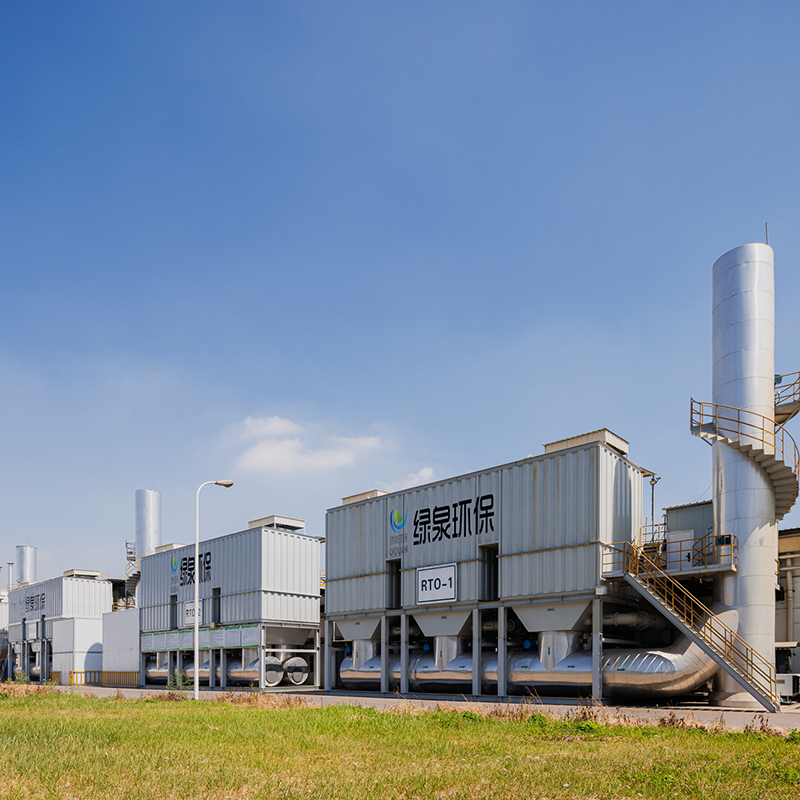
Overview Of Tower-Type RTO Regenerative Thermal Oxidizer (RTO) is an organic waste gas treatment equipment that combines high-temperature oxidation wi...
See Details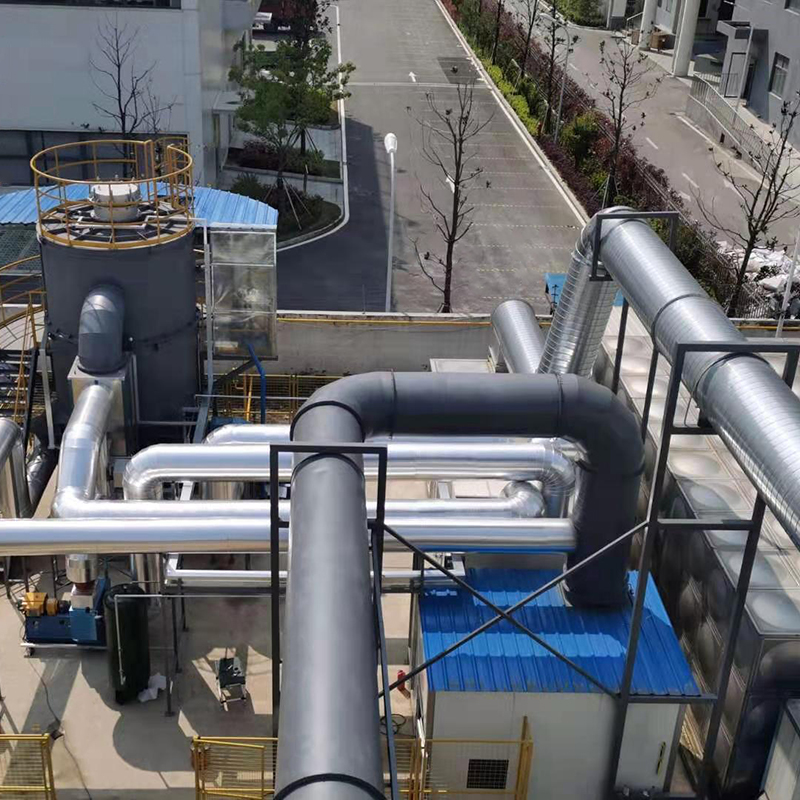
Overview Of Tower-Type RTO Our company offers two types of rotary RTO, which are the rotary RTO and the single barrel multi-valve RTO. The rotary RTO,...
See Details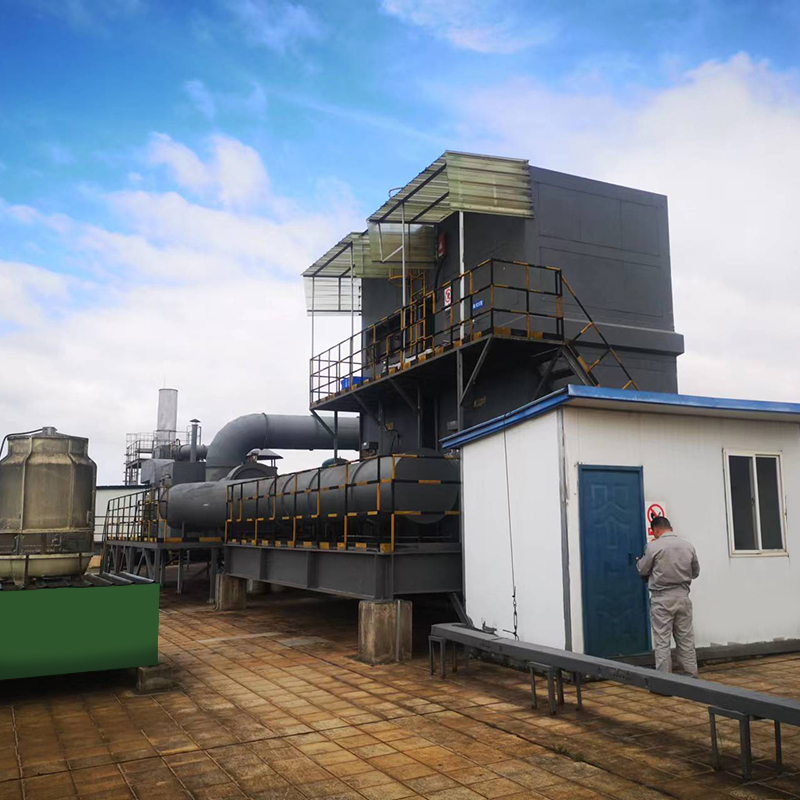
Overview Thermal storage catalytic oxidation (Regenerative Catalytic Oxidizer/RCO) is an organic waste gas treatment equipment that combines low-tempe...
See Details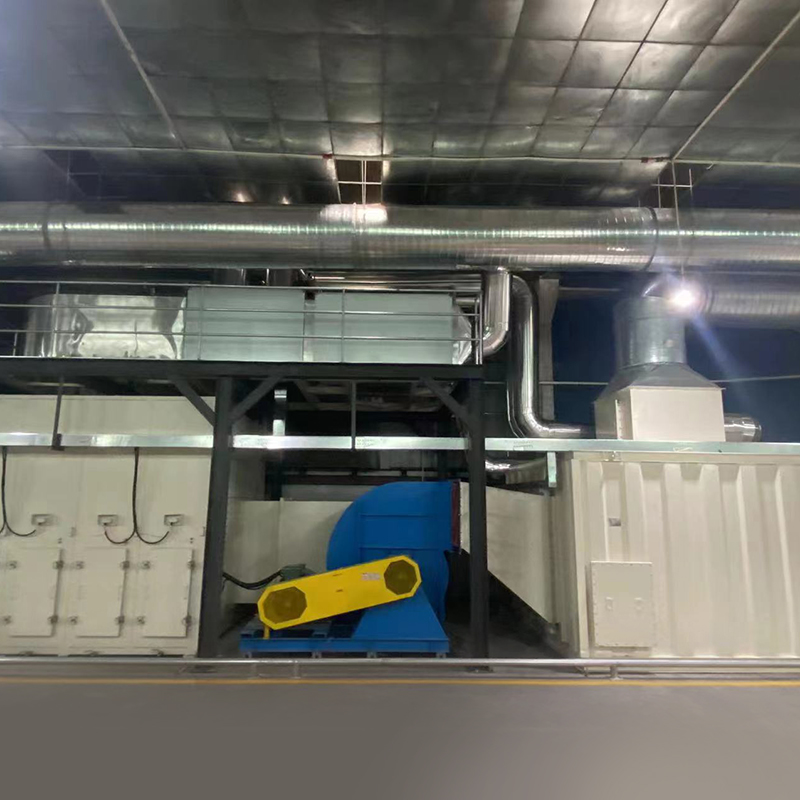
Overview Of Variable Freouency Zeolite Turntable Our company's zeolite concentration turntable uses a combination of zeolite modules, with a high zeol...
See Details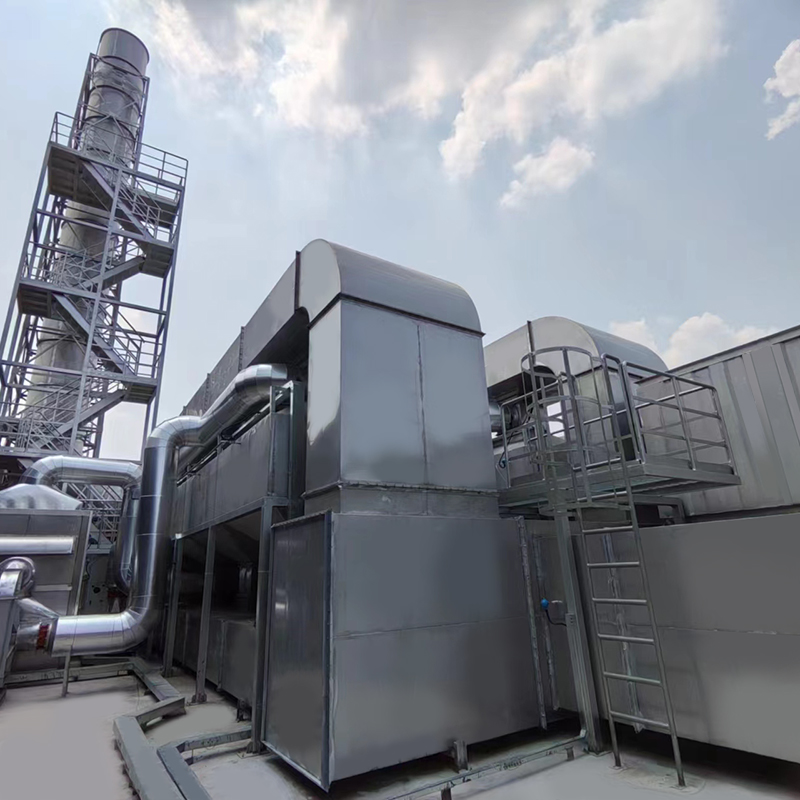
Overview of Activated Carbon Fiber Organic Solvent Purification Recovery Device The Activated Carbon Fiber Organic Solvent Purification Recovery Syste...
See Details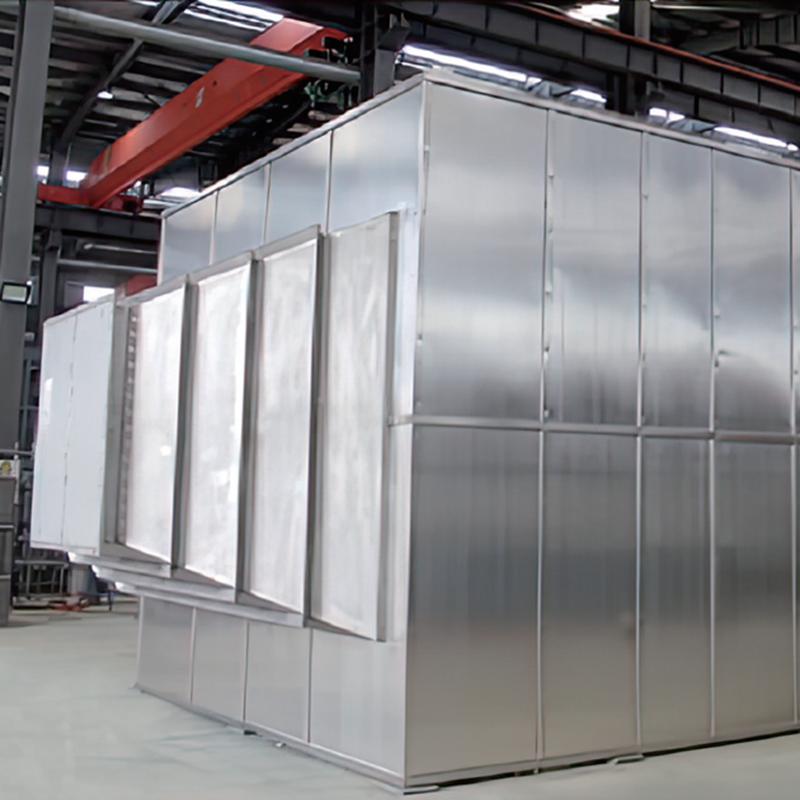
Product Introduction Gas heat exchanger is mainly used for energy saving and emission reduction industries in the waste heat recovery of flue gas in v...
See Details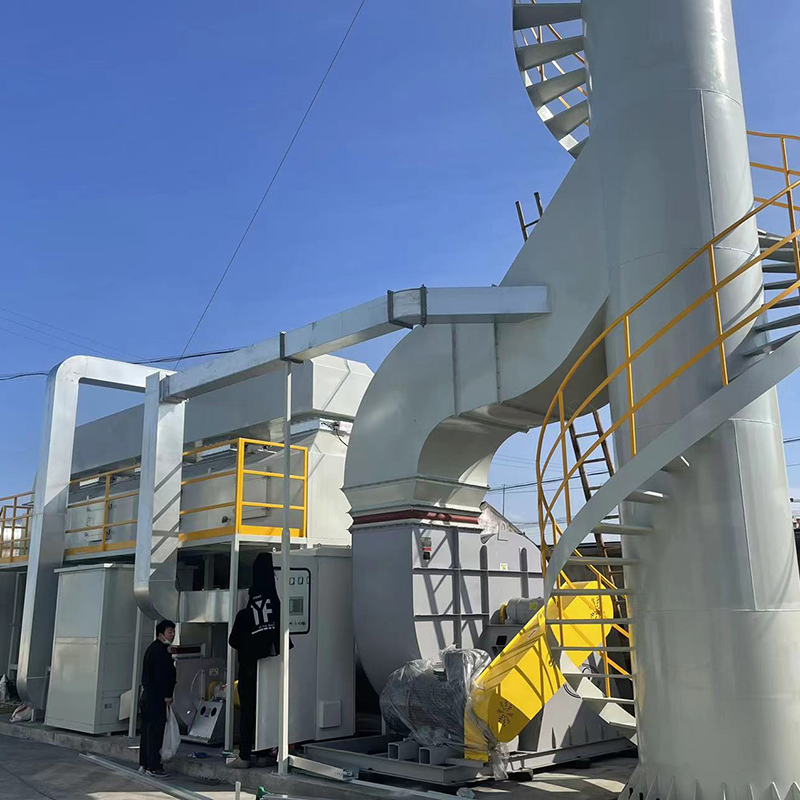
The VOC-CFT-CO Adsorption Catalytic Purification Equipment The VOC-CFT-CO adsorption catalytic purification equipment, consisting of fixed-bed honeyco...
See Details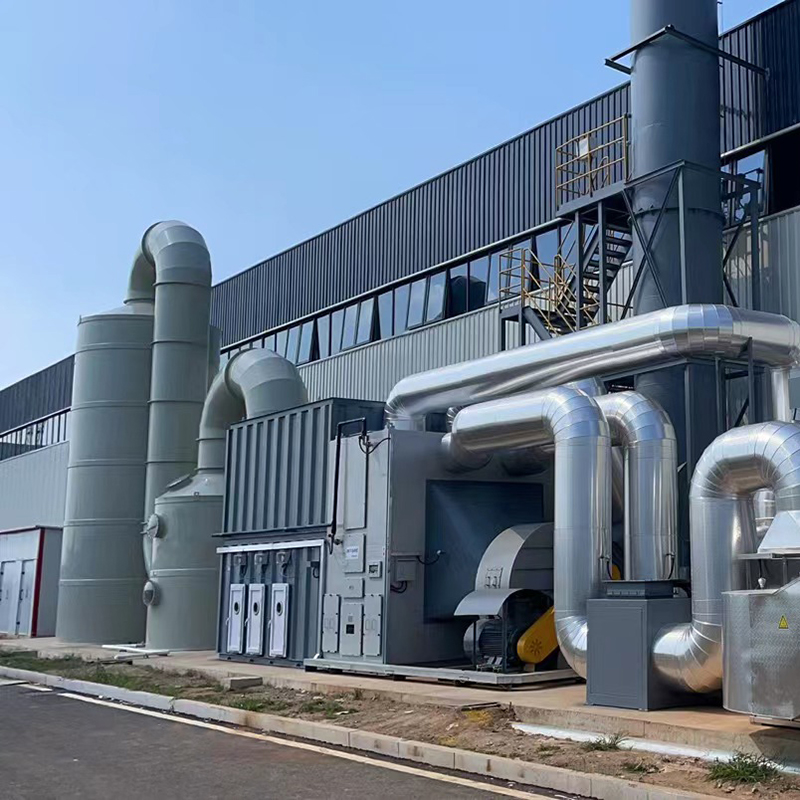
Concept Of Fixed Bed Zeolite + Catalytic Combustion As A Set Of Equipment The fixed bed zeolite + catalytic combustion device is suitable for the conc...
See Details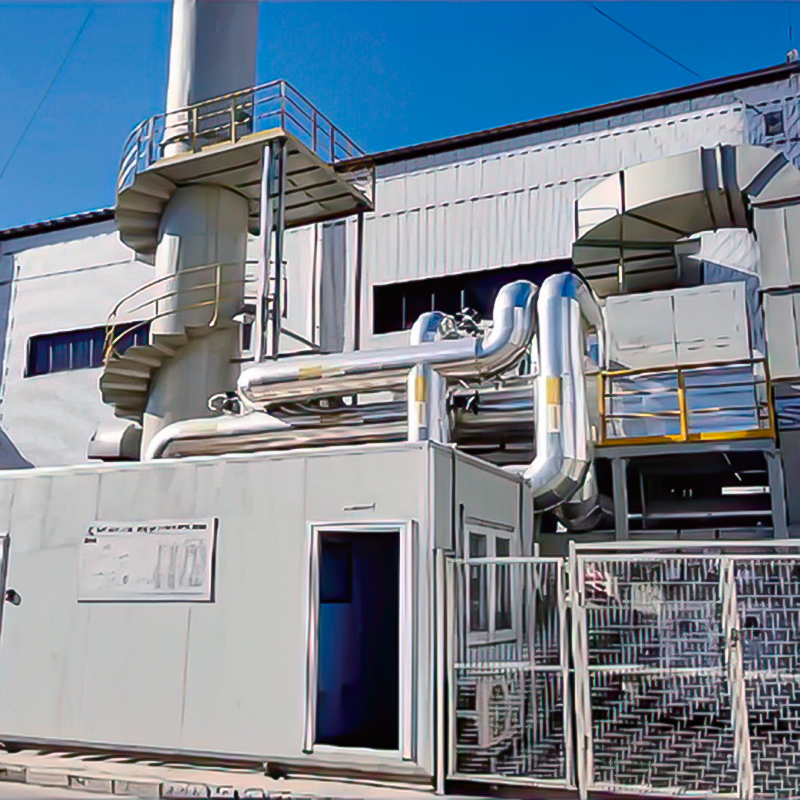
Concept Of Zeolite Rotary Wheel + Catalytic Combustion As A Set Of Equipment In the combined process of organic waste gas and waste gas treatment, the...
See Details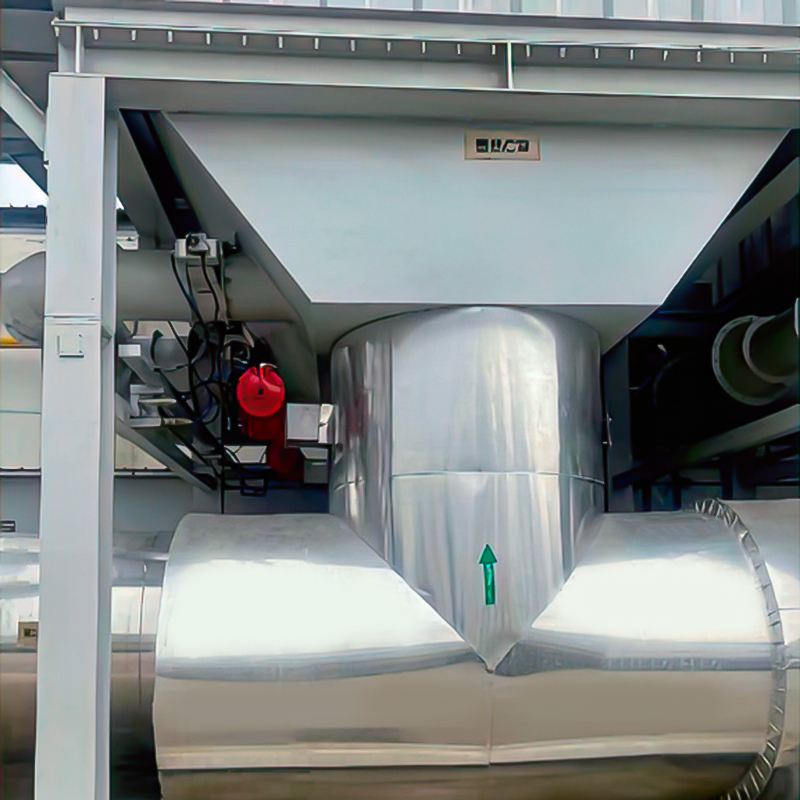
Purpose Mainly used for proportional ventilation of high-temperature flue gas. lt is widely used in places where leak rate requirements are not high, ...
See DetailsMOBILE
Product Manual

Copyright © Lv quan Environmental Protection Engineering Technology Co., Ltd. All Rights Reserved. Vocs Organic Waste Gas Treatment Engineering Equipment Manufacturer

