

 English
 русский
 Français
 Español
 عربى
عربى
LQ-RTO Heat-storage high-temperature incineration equipment
Cat:Equipment
Overview Of Tower-Type RTO Regenerative Thermal Oxidizer (RTO) is an organic waste gas treatment equipment that combines high-temperature oxidation wi...
See Details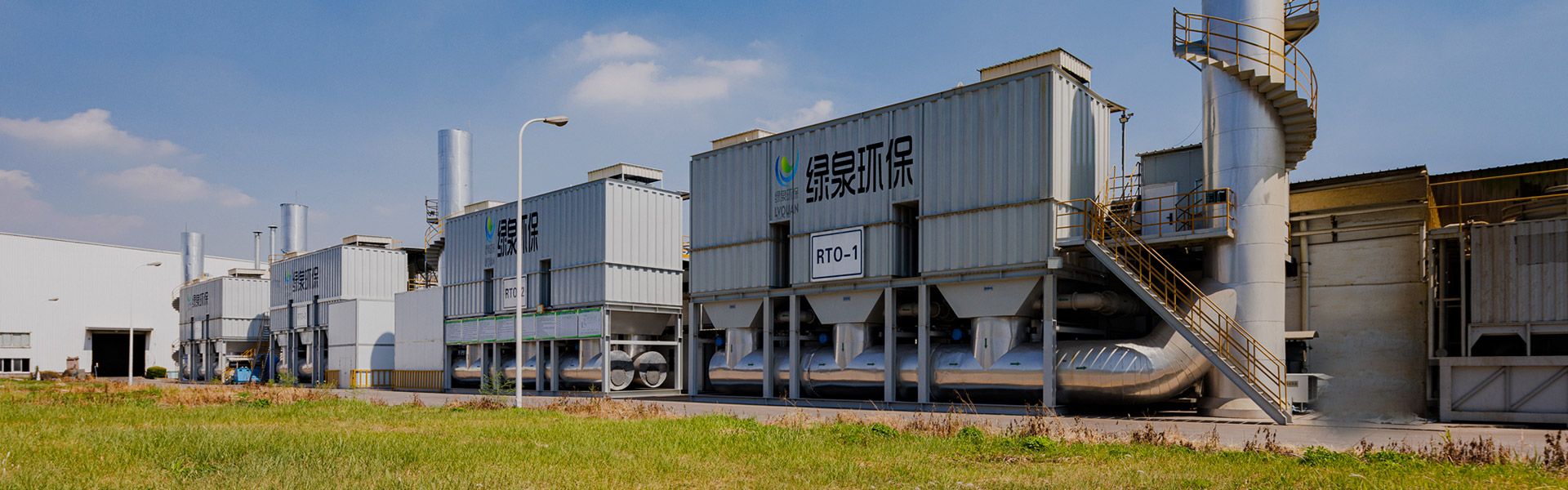
Content
A horizontal spray cabinet is designed for automated, high-volume cleaning and surface treatment of industrial parts. Its primary function is to use horizontally oriented spray nozzles to remove contaminants such as oil, chips, dust, and chemical residues from workpieces. Compared to vertical spray systems, it excels in processing long, flat, or oddly shaped components with up to 40% better cleaning uniformity on horizontal surfaces.
In short, if your goal is to achieve consistent, repeatable cleaning without manual effort, a horizontal spray cabinet is the most efficient solution for inline or batch processing.
The horizontal nozzle arrangement directs spray patterns from multiple angles (typically 0°, 15°, and 30° offsets). This ensures that both top and bottom surfaces receive equal fluid impact. For example, in automotive parts manufacturing, a horizontal spray cabinet removes lapping paste from engine blocks with 99.2% efficiency, compared to only 85% with manual spraying.
Because parts are laid flat or conveyed horizontally, loading/unloading time is reduced by up to 60% versus vertical cabinets. A standard horizontal spray cabinet can process a full basket of parts (up to 200 kg) in 3–5 minutes, including wash, rinse, and dry cycles. This makes it ideal for just-in-time production lines.
Most industrial horizontal spray cabinets integrate a three-stage filtration system (mesh screen, cyclone separator, and cartridge filter). This allows cleaning solutions to be reused for 200–300 hours of operation, reducing fluid costs by an average of 45% annually.
Advanced models combine a spray wash with a hot air drying stage (70°C – 90°C airflow) and a rust inhibitor mist. After a 5-minute drying cycle, moisture levels on steel parts drop below 0.1%, preventing flash rust for at least 48 hours in ambient conditions.
| Feature | Horizontal Spray Cabinet | Vertical Spray Cabinet | Manual Spray Booth |
|---|---|---|---|
| Cleaning uniformity (flat surfaces) | 98% | 72% | 65% |
| Cycle time (typical batch) | 4 minutes | 8 minutes | 12 minutes |
| Fluid consumption per cycle | 8–12 liters | 18–25 liters | 30+ liters |
Ideal for: engine blocks, cylinder heads, stamped metal panels, electronic housings, machined shafts up to 1.5m length, and plastic injection molds. Avoid delicate parts with deep blind holes that trap fluid.
Yes, when combined with heated aqueous solutions (50°C – 85°C) and a saponifier additive. For example, a horizontal spray cabinet removes 3 mm thick grease layers from gearbox housings in under 6 minutes – a task that takes 25 minutes manually.
With a 100-micron pre-filter, nozzle clogging occurs after approximately 400 operating hours. Standard maintenance includes an 8-minute nozzle inspection and cleaning every two weeks for daily-use cabinets.
Modern units with variable-frequency drive pumps consume only 4.5–7.5 kW per hour of active spraying. Compared to ultrasonic cleaners of similar capacity, they use 35% less energy per cleaned part because there is no heating requirement for cavitation.
Following these guidelines typically doubles the service life of spray nozzles and reduces unscheduled downtime by 70%.
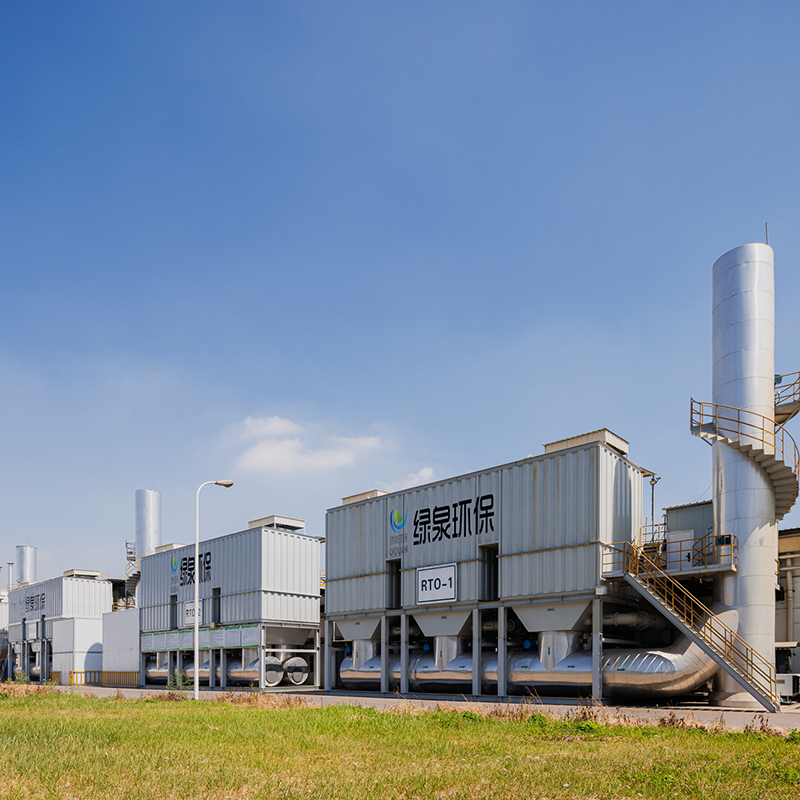
Overview Of Tower-Type RTO Regenerative Thermal Oxidizer (RTO) is an organic waste gas treatment equipment that combines high-temperature oxidation wi...
See Details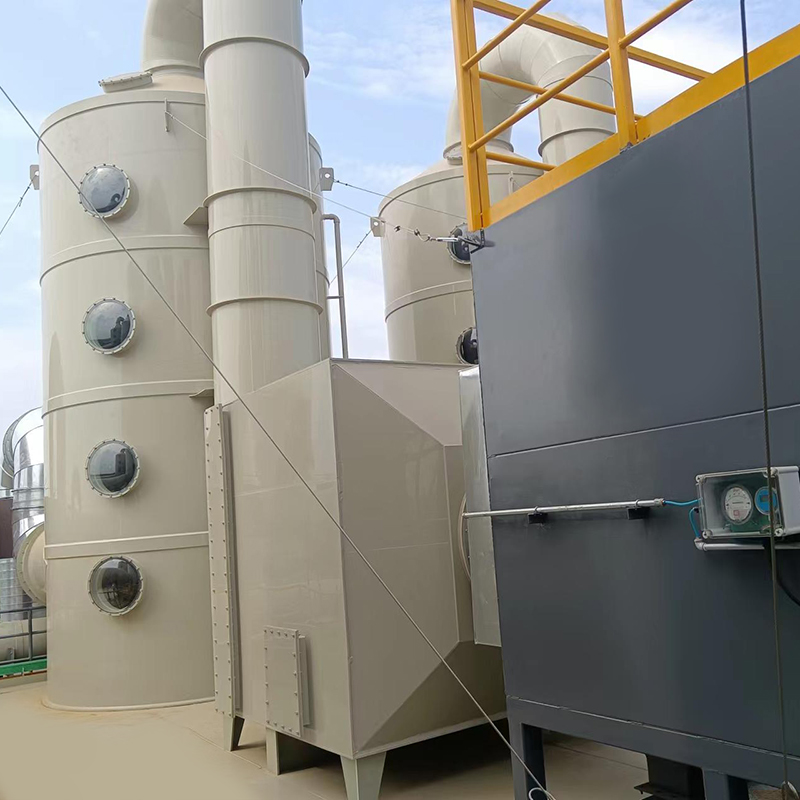
Overview The VOC-ACA series organic gas particle carbon purification and recovery equipment is used for the absorption, recovery, and reuse of organic...
See Details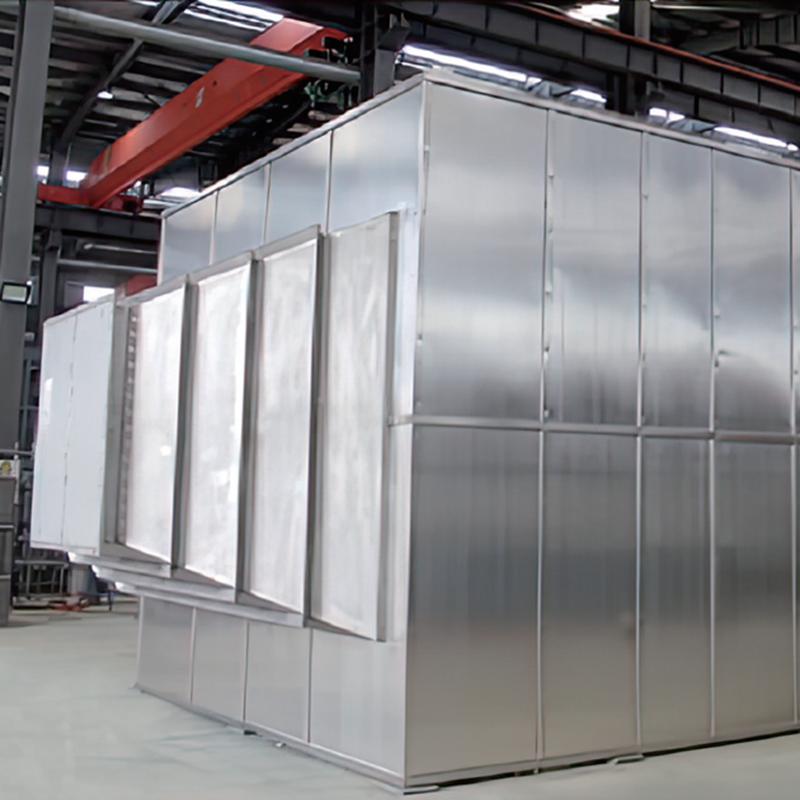
Product Introduction Gas heat exchanger is mainly used for energy saving and emission reduction industries in the waste heat recovery of flue gas in v...
See Details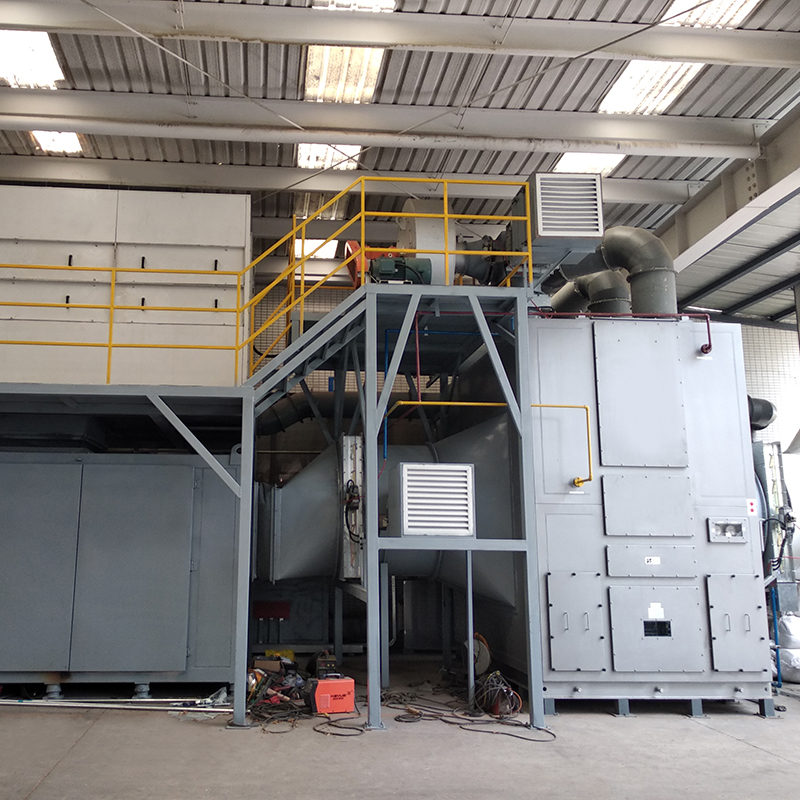
The Concept Of The Complete Set Of Equipment The purpose of employing rotary drum zeolite adsorption for organic waste gas is to concentrate low-conce...
See Details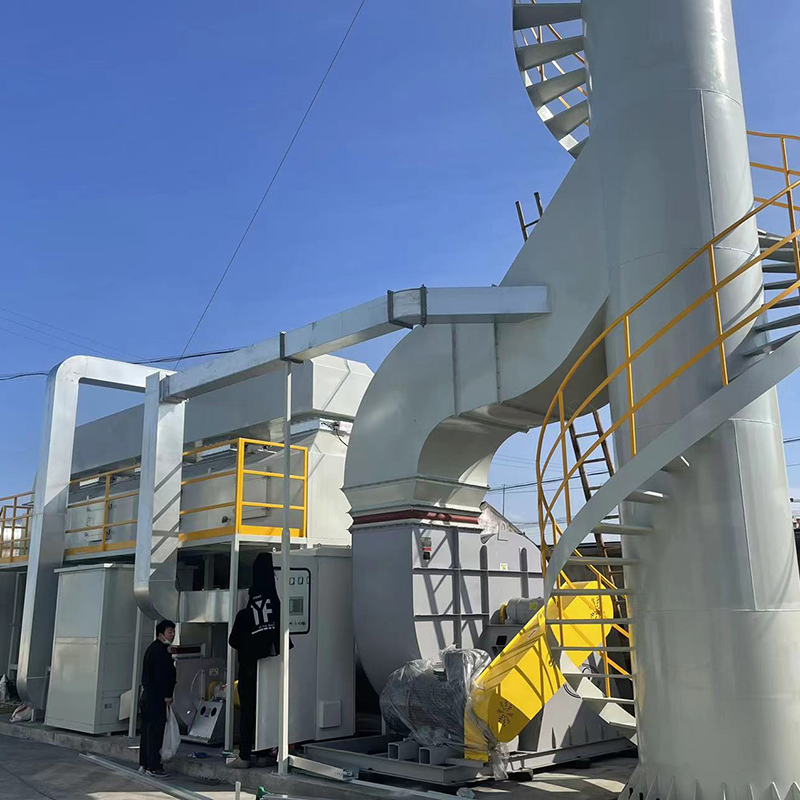
The VOC-CFT-CO Adsorption Catalytic Purification Equipment The VOC-CFT-CO adsorption catalytic purification equipment, consisting of fixed-bed honeyco...
See Details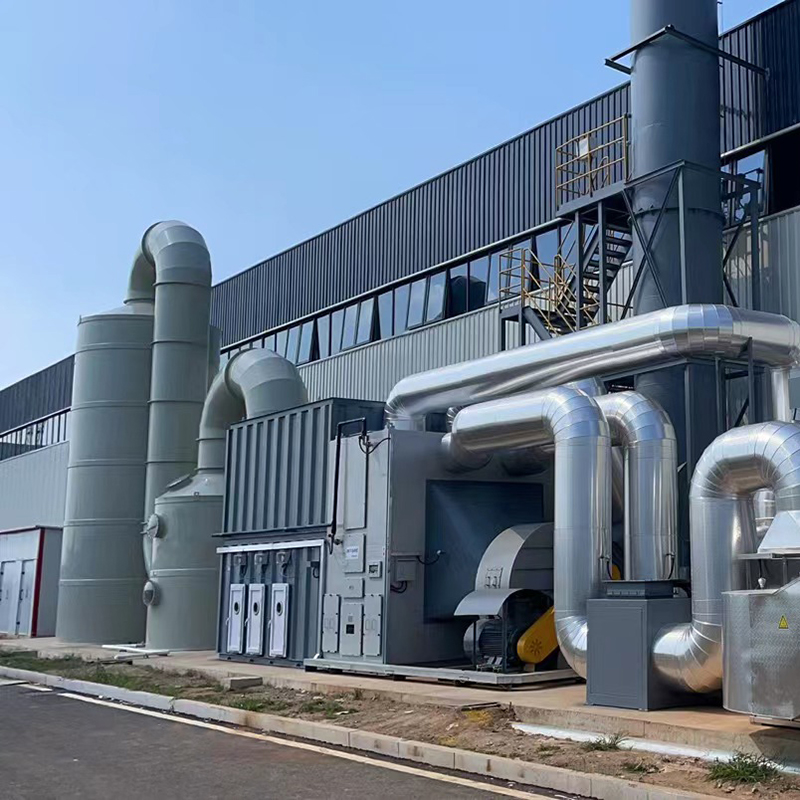
Concept Of Fixed Bed Zeolite + Catalytic Combustion As A Set Of Equipment The fixed bed zeolite + catalytic combustion device is suitable for the conc...
See Details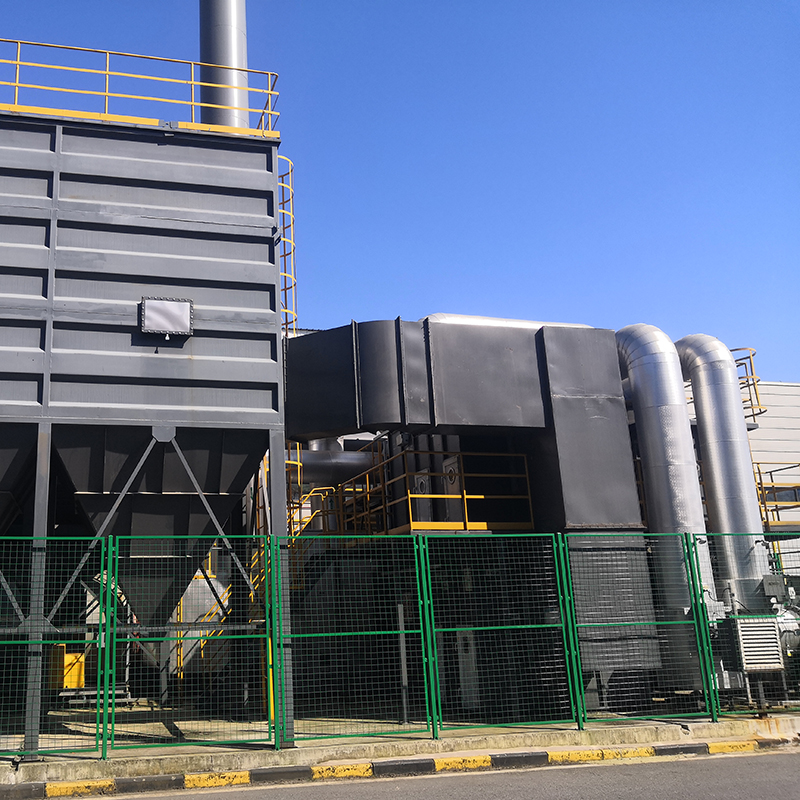
The Concept Of Zeolite Wheel+ Direct Combustion High-Temperature Incineration Equipment The purpose of employing rotary drum zeolite adsorption for or...
See Details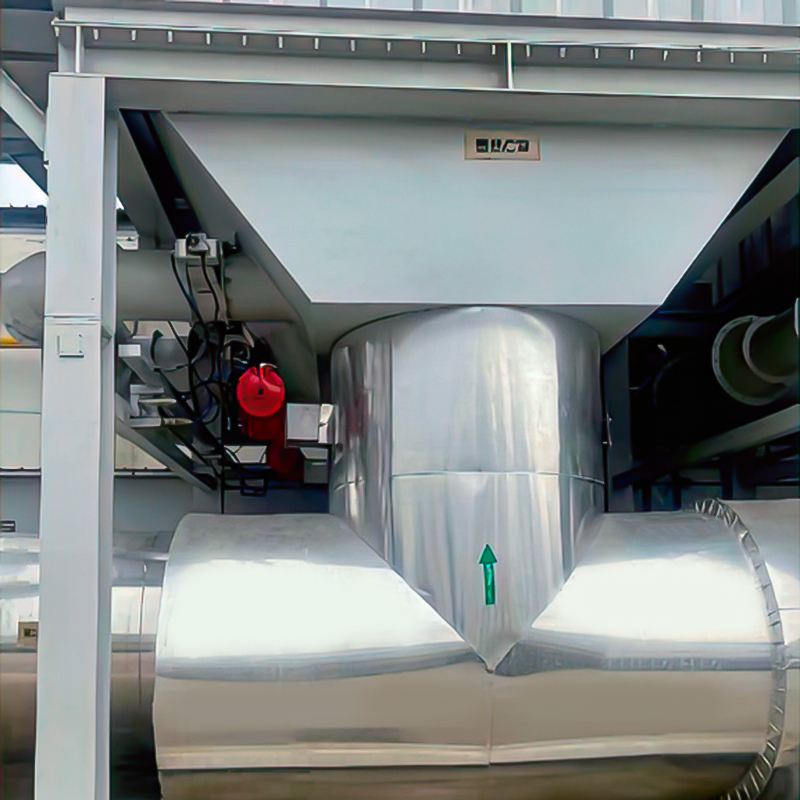
Purpose Mainly used for proportional ventilation of high-temperature flue gas. lt is widely used in places where leak rate requirements are not high, ...
See Details
Overview The wet dust removal principle uses the process of capturing and separating dust particles in the gas phase by fully contacting gas-liquid tw...
See Details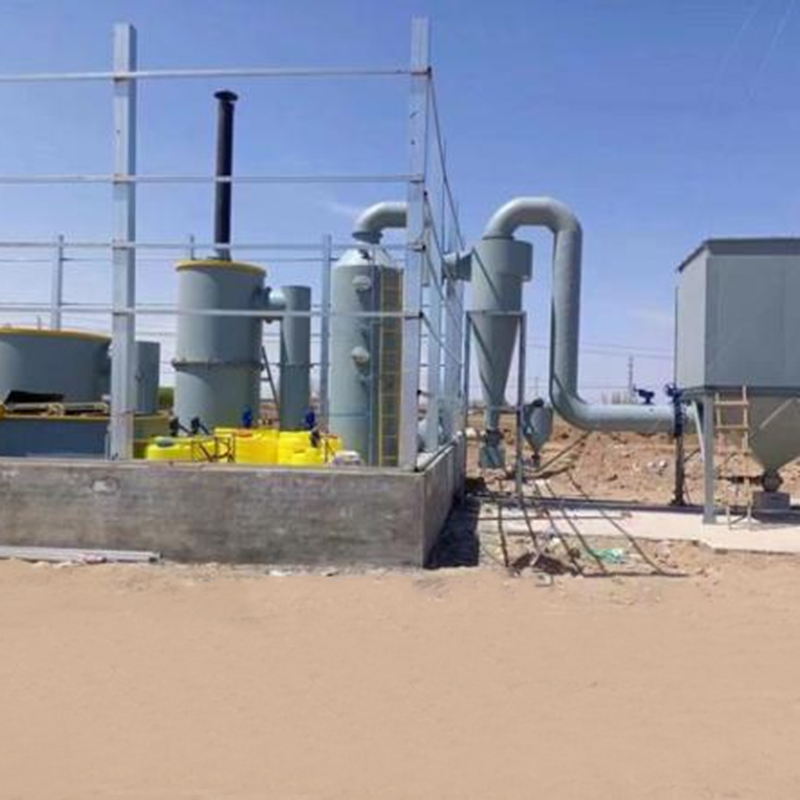
Overview Solid waste incineration furnaces are essential equipment in the management of solid waste, designed to transform waste materials into ash an...
See DetailsMOBILE
Product Manual

Copyright © Lv quan Environmental Protection Engineering Technology Co., Ltd. All Rights Reserved. Vocs Organic Waste Gas Treatment Engineering Equipment Manufacturer

