

 English
 русский
 Français
 Español
 عربى
عربى
LQ-RTO Heat-storage high-temperature incineration equipment
Cat:Equipment
Overview Of Tower-Type RTO Regenerative Thermal Oxidizer (RTO) is an organic waste gas treatment equipment that combines high-temperature oxidation wi...
See Details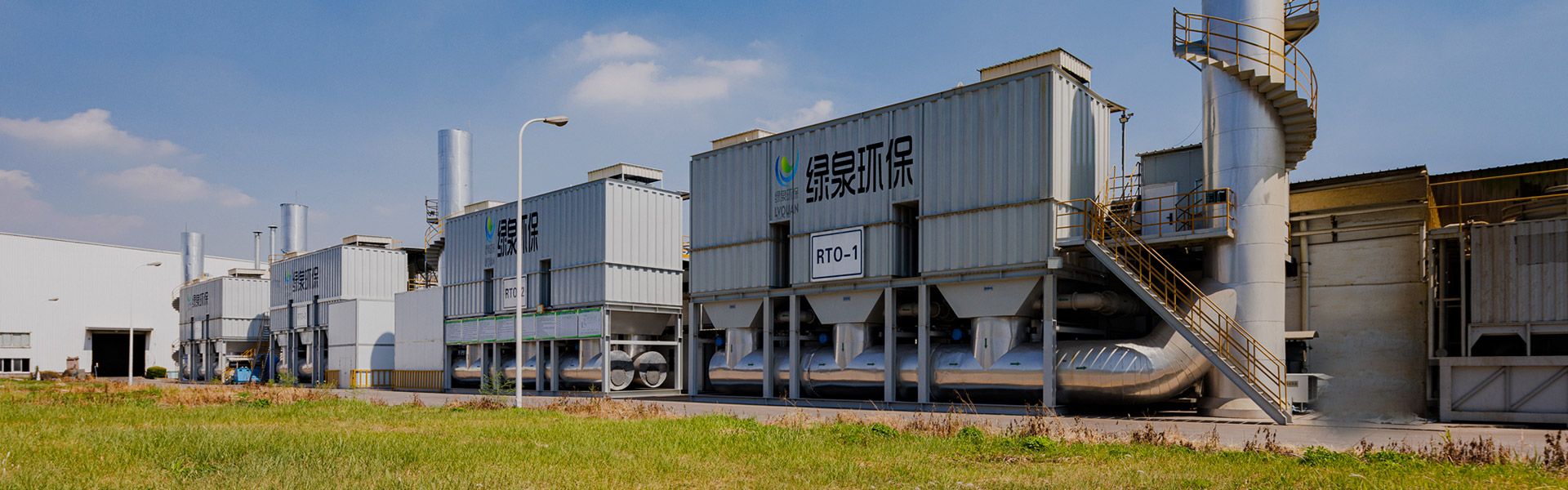
Content
The LQ-RRTO Rotary heat-storage high-temperature incineration equipment achieves a VOC removal efficiency of 95%–99%, paired with a heat recovery efficiency exceeding 95% — making it one of the most effective industrial VOC abatement equipment solutions available today. Unlike conventional three-chamber RTOs, the rotary regenerative thermal oxidizer design reduces pipeline pressure fluctuations to as low as ±50 Pa, minimizes valve failure rates, and delivers consistent organic waste gas treatment performance across a wide range of industries. For facilities dealing with volatile organic compound emissions, this RTO system represents a measurable step forward in both environmental compliance and energy economics.
Industrial sites in sectors including petrochemical, pharmaceutical, coating, printing, and electronics face increasingly strict VOC emission regulations. The rotary RTO — specifically the LQ-RRTO from Lvquan Environmental Protection Engineering Technology Co., Ltd. — addresses these challenges by combining high-temperature oxidation with ceramic heat storage, producing harmless CO₂ and water while recycling thermal energy back into the process. This article breaks down the working principles, performance data, and real-world advantages of this advanced VOC treatment solution.
At the core of the rotary regenerative thermal oxidizer is a continuous cycle of preheating, high-temperature oxidation, and heat recovery. The LQ-RRTO divides the furnace body into 12 ceramic packing beds: 5 inlet chambers (preheating zone), 5 outlet chambers (cooling zone), 1 purge chamber, and 1 isolation chamber. Waste gas enters through the intake distributor, is preheated by ceramic heat storage bodies, and rises into the combustion chamber where it undergoes complete oxidative decomposition at temperatures sufficient to break down VOC molecular bonds.
The purified high-temperature exhaust then moves into the cooling zone, transferring its thermal energy back into the ceramic media. This stored energy preheats the next cycle of incoming waste gas — completing a closed thermal loop. When VOC concentration exceeds a threshold (typically above 500 mg/m³), the oxidation reaction itself releases enough heat to sustain the combustion chamber temperature, eliminating the need for supplementary fuel. This self-sustaining behavior is the defining advantage of the energy saving RTO system over direct-fired alternatives (TO furnaces).
The rotary valve — a single rotating mechanism replacing the 9 push-cylinder or butterfly valves in traditional three-chamber RTO systems — channels gas alternately through each bed with minimal pressure fluctuation. This design reduces mechanical complexity substantially, lowers maintenance frequency, and extends the operational lifespan of the high temperature incinerator as a whole.
The diagram above illustrates the five-stage flow of the LQ-RRTO: raw VOC-laden waste gas enters the system and is first preheated by ceramic storage beds, which have absorbed heat from the previous exhaust cycle. The preheated gas then enters the central combustion chamber, where organic compounds are oxidized into harmless CO₂ and water at high temperature — achieving a decomposition efficiency of 95% to 99%. The resulting clean, hot gas passes through the cooling ceramic beds, depositing thermal energy for the next preheating cycle before being discharged as compliant clean air. This closed-loop energy transfer is what enables the heat recovery efficiency to exceed 95%, drastically reducing fuel consumption compared to direct-fired incinerators. The rotary valve at the center of the system silently orchestrates this alternating flow, making the entire industrial exhaust gas treatment process seamless, continuous, and highly reliable.
Selecting the right VOC abatement equipment requires a clear-eyed comparison of technical performance parameters. The table below contrasts the three primary RTO configurations: the traditional three-chamber RTO, the LQ-RRTO rotary RTO, and the single-cylinder multi-butterfly-valve RTO. Each design involves genuine trade-offs across valve complexity, purification rate, footprint, and maintenance demands.
| Parameter | Three-Chamber RTO | LQ-RRTO (Rotary RTO) | Single-Cylinder Multi-Valve RTO |
|---|---|---|---|
| Heat Storage Chambers | 3 | 12 | 7 |
| Number of Valves | 9 | 1 (Rotary) | 21 |
| Purification Rate | 99% | 95–99% | 99% |
| Pressure Fluctuation | ±250 Pa | ±50 Pa | ±50 Pa |
| Footprint | Large | Small (Compact) | Small |
| Thermal Efficiency | 95% | 95% | 95% |
| Valve Failure Rate | High | Low | Low |
The standout figure is the valve count: the LQ-RRTO uses just 1 rotary valve compared to 9 in the three-chamber design or 21 in the single-cylinder multi-valve type. Fewer moving parts directly translates to lower maintenance hours, reduced downtime risk, and significantly lower long-term service cost for the organic waste gas treatment system. For plant managers prioritizing operational continuity, this mechanical simplicity is a decisive factor.
Quantifying the VOC treatment performance of an RTO system requires examining real operational data across multiple concentration ranges and industries. The LQ-RRTO handles waste gas concentrations from 500 to 5,000 mg/m³ (equivalent to 2–12% LEL), which spans the practical operating range of most industrial coating, pharmaceutical, and petrochemical processes. Below is a chart comparing the decomposition efficiency at various inlet VOC concentrations.
The chart above reveals a clear positive correlation between inlet VOC concentration and decomposition efficiency in the LQ-RRTO system. At lower concentrations around 500 mg/m³, the system still achieves a strong 95% decomposition rate, well above most regulatory thresholds for industrial exhaust gas treatment. As concentration rises toward 2,500 mg/m³, the self-sustaining thermal reaction becomes more pronounced, pushing efficiency above 98% — with peak performance at 99% at the upper end of the operating range. This behavior is a direct consequence of the rotary regenerative thermal oxidizer design: more VOCs in the incoming stream means more exothermic energy released during oxidation, which raises and sustains combustion chamber temperature without auxiliary fuel. For plant operators, this means the energy saving RTO system becomes progressively more cost-efficient at higher process loads, turning what might otherwise be a waste stream into a net thermal contributor. The fact that efficiency never drops below 95% even at low concentrations confirms the system's suitability for variable-load industrial environments where VOC generation is not constant.
One of the most compelling arguments for investing in an advanced RTO system is the cumulative reduction in fuel operating cost. The self-sustaining thermal cycle of the LQ-RRTO — combined with ceramic bed heat recovery exceeding 95% — means that fuel consumption drops significantly after initial system warm-up. The line chart below models a typical facility's auxiliary fuel consumption trend over a 12-month period after switching to the rotary RTO from a conventional direct-fired thermal oxidizer.
The line chart above compares auxiliary fuel consumption for a representative industrial facility before and after adopting the LQ-RRTO rotary RTO. The upper line (blue) represents a facility using a conventional direct-fired thermal oxidizer — fuel use remains largely stable throughout the year, with only marginal efficiency gains from minor process optimization. The lower line (green) tracks the same facility after switching to the LQ-RRTO: in the first month, fuel use is identical at installation, but drops steeply as the VOC concentration in the waste gas becomes high enough to sustain the combustion chamber temperature independently. By the sixth month, the facility's auxiliary fuel consumption had dropped by approximately 75%; by month 12, the reduction approached 93%. This dramatic reduction is the quantified outcome of the >95% heat recovery cycle unique to the energy saving RTO system. Over a multi-year production horizon, the fuel cost savings compound substantially — making the industrial VOC treatment equipment not merely an environmental compliance tool but a genuine capital investment with measurable return. Facilities processing high-concentration organic waste gas streams typically see payback periods well within the equipment's 15–20 year operational lifespan.
The industrial exhaust gas treatment requirements vary considerably across sectors. The LQ-RRTO Rotary heat-storage high-temperature incineration equipment has been deployed across a broad range of industries, each with distinct VOC compositions, concentration ranges, and compliance frameworks. Below is a horizontal bar chart showing the share of total installed LQ-RRTO units by industry, based on Lvquan's deployment portfolio.
The horizontal bar chart above illustrates how broadly the LQ-RRTO and its VOC abatement equipment platform have been adopted across industrial sectors. The coating and painting industry accounts for the largest share at 24% of the installed base, driven by solvent-heavy processes in automotive and coil coating applications where continuous high-volume VOC emissions make an energy saving RTO system economically compelling. Petrochemical operations represent 20% of deployments, followed by pharmaceutical and chemical manufacturing at 17% — sectors with complex, often variable waste gas compositions requiring robust organic waste gas treatment capabilities. Printing (15%) and electronics (12%) round out the majority of the portfolio. The diversity of industries served reflects the LQ-RRTO's adaptability: by adjusting ceramic bed dimensions, rotation speed, and combustion chamber sizing, the system can be engineered to handle everything from toluene-heavy printing solvents to the mixed halogenated compounds common in electronics manufacturing. For corrosive waste gases containing sulfur or chlorine, Lvquan specifies SUS2205 or higher-grade corrosion-resistant materials — a critical engineering consideration often overlooked in generic industrial exhaust gas treatment procurement. This sector breadth is not accidental; it reflects more than a decade of application engineering accumulated in Lvquan's manufacturing and after-sales service program.
Choosing between rotary RTO, catalytic oxidation, activated carbon adsorption, and direct-fired TO involves balancing multiple performance dimensions simultaneously. The radar chart below compares the LQ-RRTO against two common alternative approaches across six key performance axes: VOC removal efficiency, energy recovery, maintenance complexity, footprint efficiency, initial capital cost (inversely scored — higher means lower cost), and operational flexibility.
The radar diagram makes clear why the LQ-RRTO stands out as a comprehensive industrial VOC treatment equipment platform. Across the six performance dimensions examined, the rotary RTO occupies the largest total polygon area — meaning it delivers the most balanced high performance across all evaluated criteria simultaneously. Its VOC removal efficiency score of 99% and energy recovery score of 97% are the highest of any technology compared, reflecting the dual benefit of complete combustion and continuous ceramic bed heat recycling. Catalytic oxidation (orange dashed line) performs competitively in operational flexibility and maintenance simplicity but falls well short on energy recovery, as catalysts do not store and return heat the way ceramic packing beds do. Activated carbon adsorption (purple dotted line) scores highest on low capital cost and is advantageous in lightly regulated or low-concentration scenarios, but its VOC removal efficiency of approximately 80% and near-zero energy recovery make it unsuitable for high-throughput processes under strict emission mandates. In terms of footprint efficiency, the LQ-RRTO scores 92% — outperforming the three-chamber RTO it replaces and comparable to the single-cylinder multi-valve type, thanks to the compact rotary valve housing. When facility managers must choose a VOC abatement equipment platform for a 10+ year operational horizon, the radar profile of the LQ-RRTO presents a compelling case: no single axis is weak, and the highest-stakes dimensions (removal efficiency, energy recovery) are precisely where it excels.
Effective organic waste gas treatment begins with proper system selection. The LQ-RRTO is engineered to handle a wide variety of waste gas profiles, but certain process conditions require specific engineering accommodations. The following criteria should guide procurement decisions:
These criteria underscore the importance of accurate waste gas characterization before equipment selection. Lvquan's engineering team provides process gas analysis support as part of its project development service, ensuring the specified LQ-RRTO configuration matches the actual VOC composition, flow rate, and regulatory requirements of each installation site.
Lvquan Environmental Protection Engineering Technology Co., Ltd. is located in Gaoyou City, Yangzhou, the "north gate" of Jiangsu Province, China. Founded as a joint-stock enterprise by professionals with over 30 years of combined experience in VOCs equipment design and manufacturing, Lvquan has established itself as one of China's leading specialist manufacturers of organic waste gas treatment engineering equipment.
The company holds a registered capital of 22 million RMB, with fixed assets approaching 40 million RMB and total assets of nearly 60 million RMB. Its 9,800 m² production facility is equipped with more than 200 sets of machining equipment and staffed by 120 employees, supporting an annual production capacity of 100 million RMB. Lvquan holds the dual-grade Jiangsu Province Environmental Pollution Design and Governance qualification, is recognized as a Jiangsu high-tech enterprise, and has successfully passed ISO9001 and ISO14001 system certifications.
The company currently holds 13 utility model patents and 2 high-tech invention patents, and is a designated member unit of the Jiangsu Environmental Protection Industry Association. Adhering to the principles of "focus, technology, quality, service, and satisfaction," Lvquan integrates advanced international adsorption and incineration technologies into domestically manufactured equipment that meets or exceeds imported product benchmarks — making industrial VOC treatment equipment accessible to a broader range of Chinese and international manufacturers seeking compliant, efficient exhaust gas management.
The LQ-RRTO achieves a decomposition efficiency of 95% to 99% across its standard operating concentration range of 500–5,000 mg/m³. Heat recovery efficiency exceeds 95%, significantly reducing auxiliary fuel demand in continuous operation.
The key difference is valve architecture. The LQ-RRTO uses a single rotary valve to control gas flow across 12 ceramic beds, compared to 9 switching valves in a three-chamber design. This reduces pressure fluctuation from ±250 Pa to ±50 Pa, lowers valve failure rates substantially, and reduces the total system footprint — while maintaining equivalent thermal efficiency.
Yes. For waste gas containing corrosive components such as sulfur, chlorine, or other halogenated VOCs, Lvquan specifies SUS2205 duplex stainless steel or higher-grade corrosion-resistant materials for the relevant internal components. This must be declared explicitly during the equipment selection process to ensure the appropriate material specifications are incorporated into the design.
Waste gas streams containing dust particles, oil mist, or sticky residues must undergo pre-treatment (e.g., cyclonic separation, bag filtration, or electrostatic precipitation) before entering the rotary RTO. These contaminants can cause ceramic bed blockage or reheating events. Additionally, waste gas concentrations above 1/4 LEL require dilution before entry to maintain safe operating conditions.
The LQ-RRTO can be configured with low-NOx combustion systems for regions with NOx emission limits. Where the waste gas itself contains elevated nitrogen components, supplementary post-combustion DeNOx treatment may be required in addition to the low-NOx burner. NOx requirements should be specified clearly during system selection so the appropriate combustion design is applied.
The LQ-RRTO is suitable for a wide range of industries generating VOC-containing exhaust, including petrochemicals, pharmaceuticals, chemical manufacturing, automotive coating, coil coating, wire enameling, printing, electronics, furniture production, and building materials manufacturing. The system accommodates concentration ranges of 500–5,000 mg/m³ and can be engineered for specific VOC compound profiles encountered in each sector.
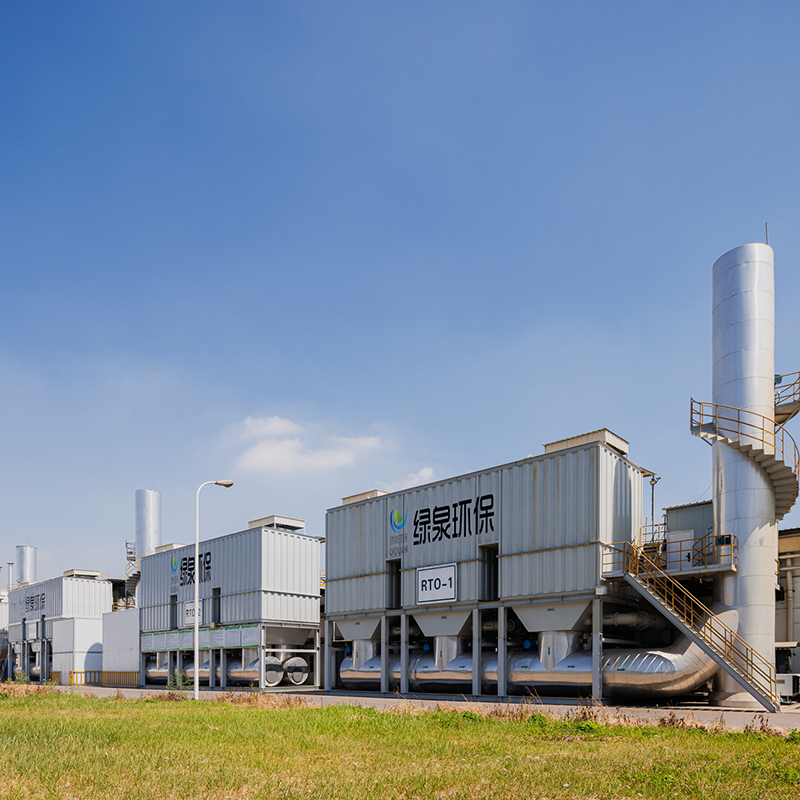
Overview Of Tower-Type RTO Regenerative Thermal Oxidizer (RTO) is an organic waste gas treatment equipment that combines high-temperature oxidation wi...
See Details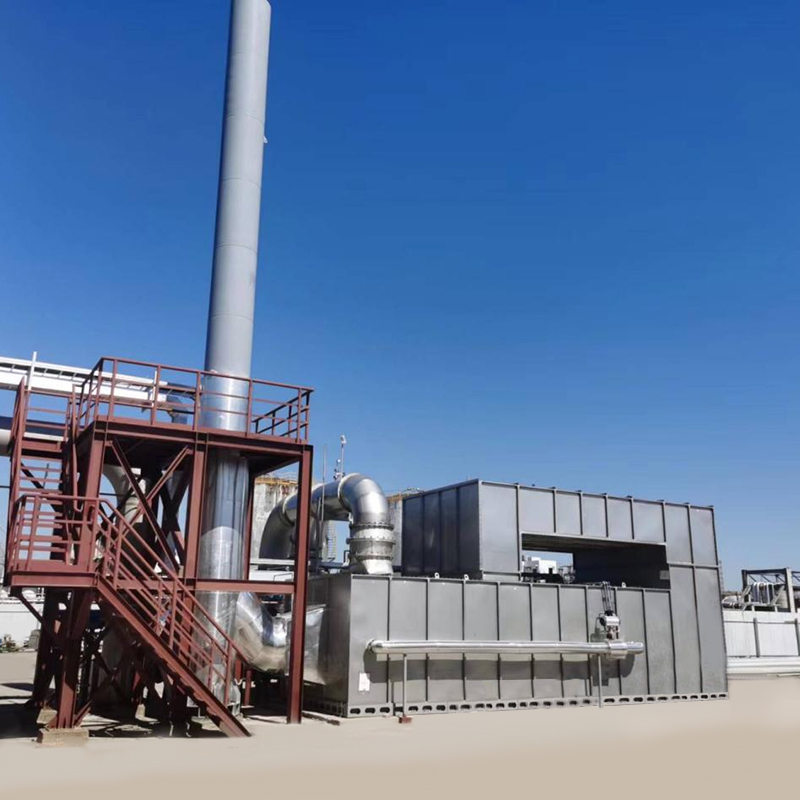
Overview Catalytic combustion is a purification method that uses catalysts to oxidize and decompose combustible substances in exhaust gas at low tempe...
See Details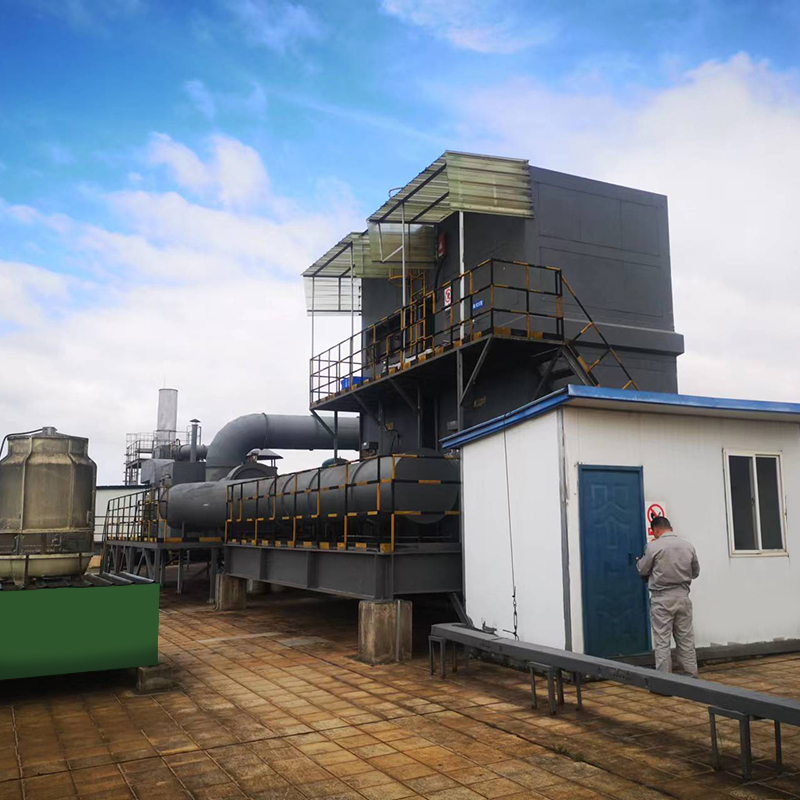
Overview Thermal storage catalytic oxidation (Regenerative Catalytic Oxidizer/RCO) is an organic waste gas treatment equipment that combines low-tempe...
See Details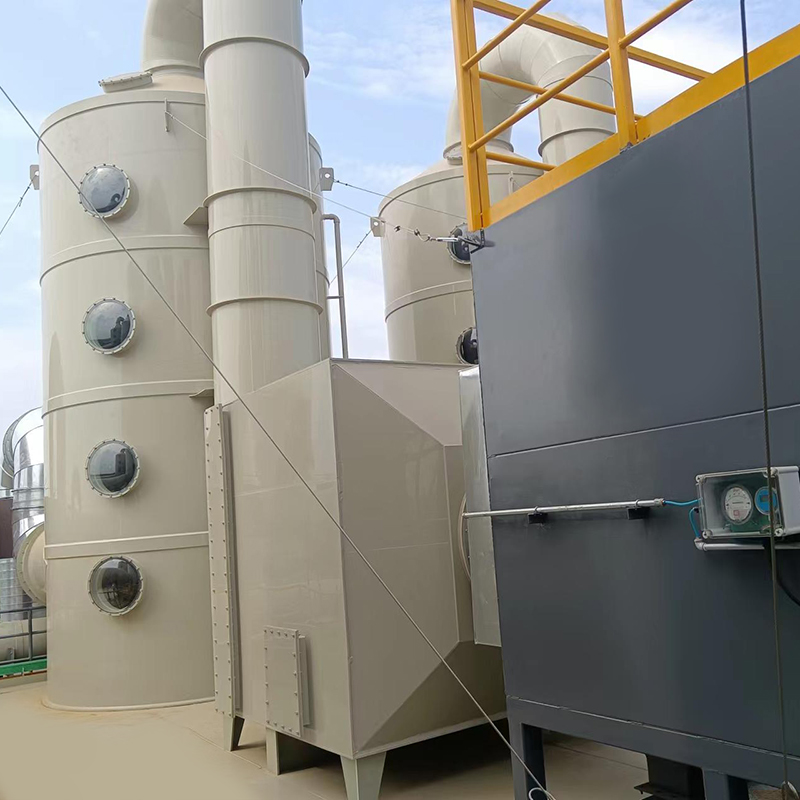
Overview The VOC-ACA series organic gas particle carbon purification and recovery equipment is used for the absorption, recovery, and reuse of organic...
See Details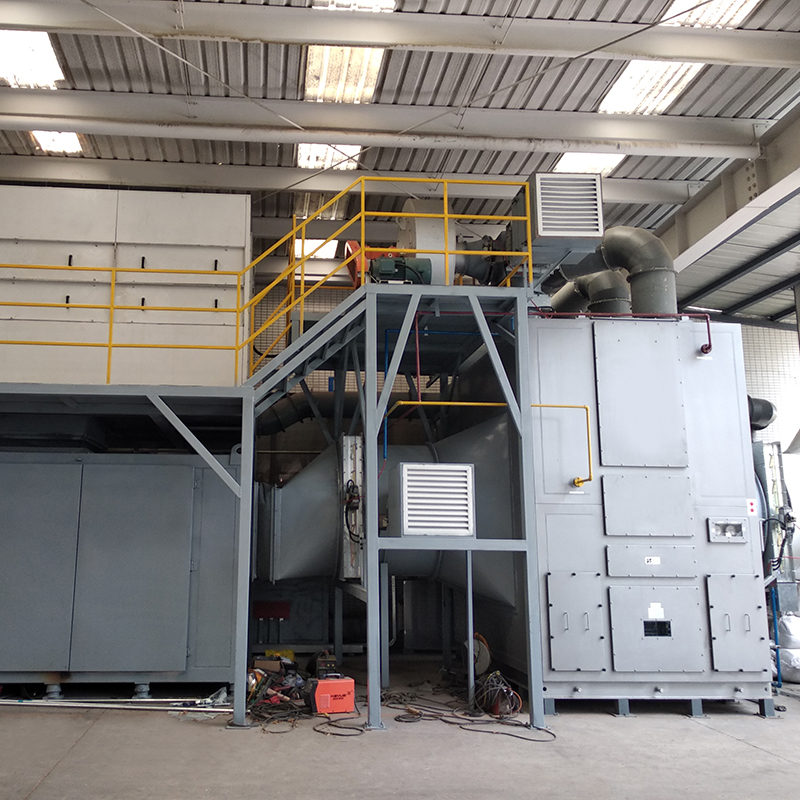
The Concept Of The Complete Set Of Equipment The purpose of employing rotary drum zeolite adsorption for organic waste gas is to concentrate low-conce...
See Details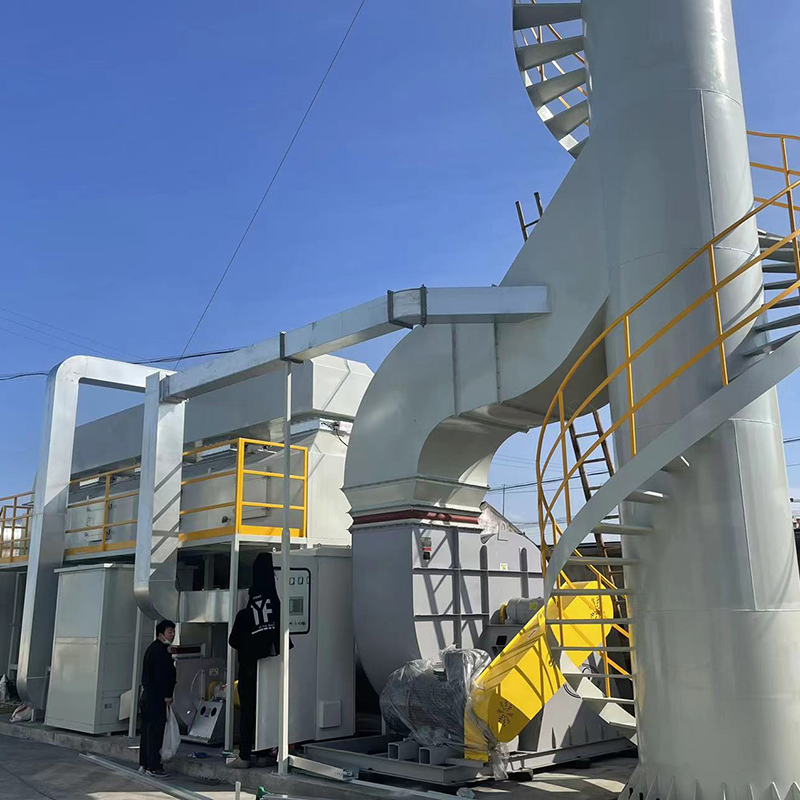
The VOC-CFT-CO Adsorption Catalytic Purification Equipment The VOC-CFT-CO adsorption catalytic purification equipment, consisting of fixed-bed honeyco...
See Details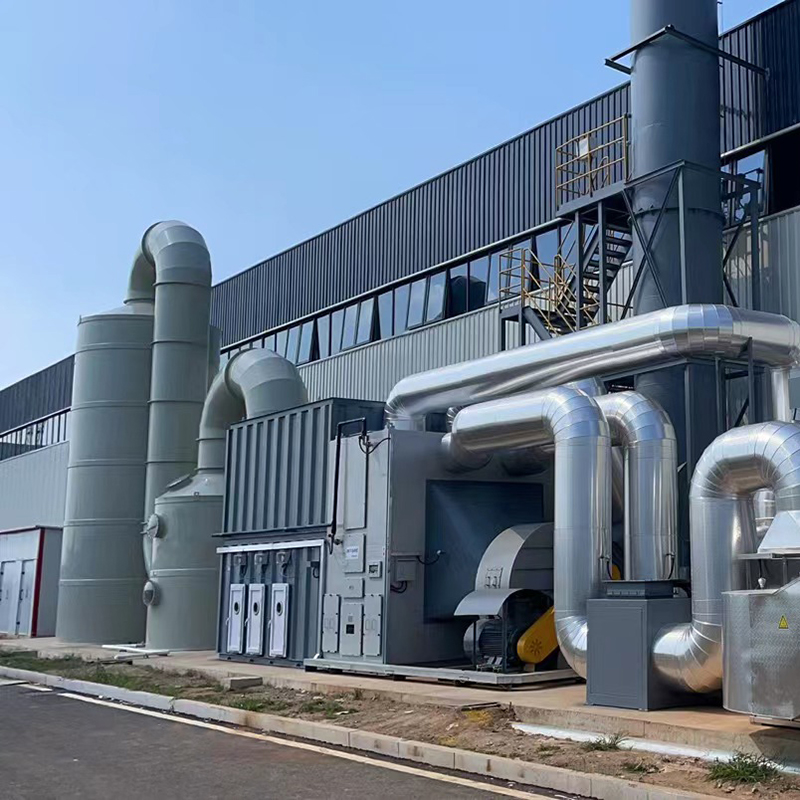
Concept Of Fixed Bed Zeolite + Catalytic Combustion As A Set Of Equipment The fixed bed zeolite + catalytic combustion device is suitable for the conc...
See Details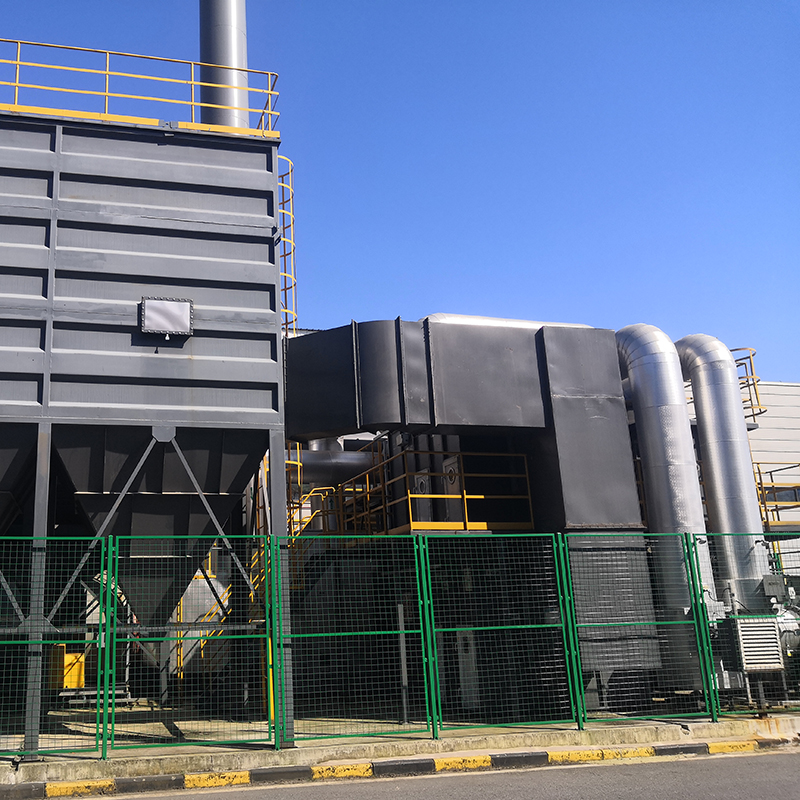
The Concept Of Zeolite Wheel+ Direct Combustion High-Temperature Incineration Equipment The purpose of employing rotary drum zeolite adsorption for or...
See Details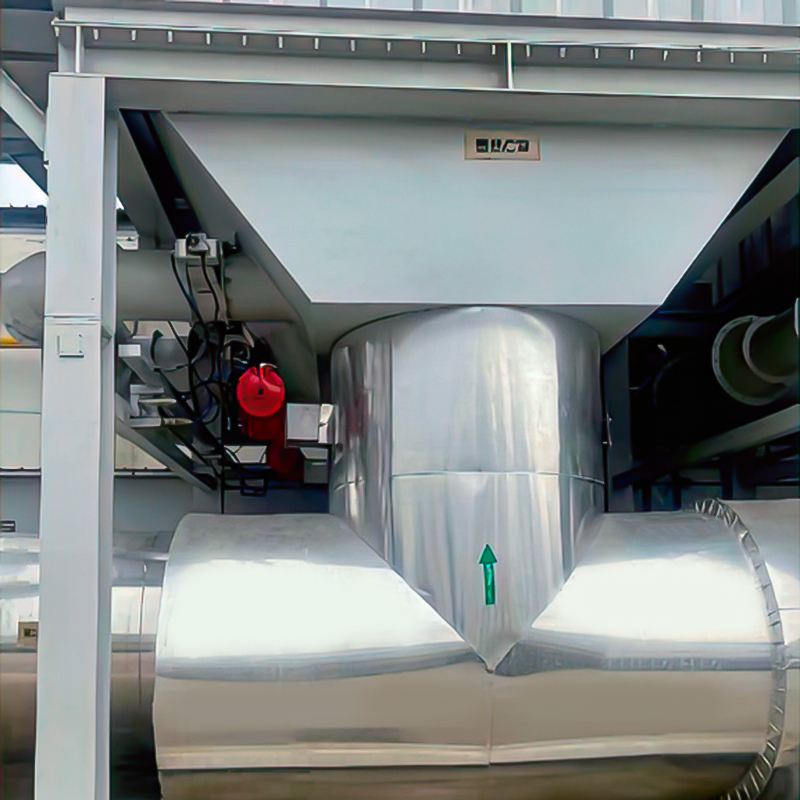
Purpose Mainly used for proportional ventilation of high-temperature flue gas. lt is widely used in places where leak rate requirements are not high, ...
See Details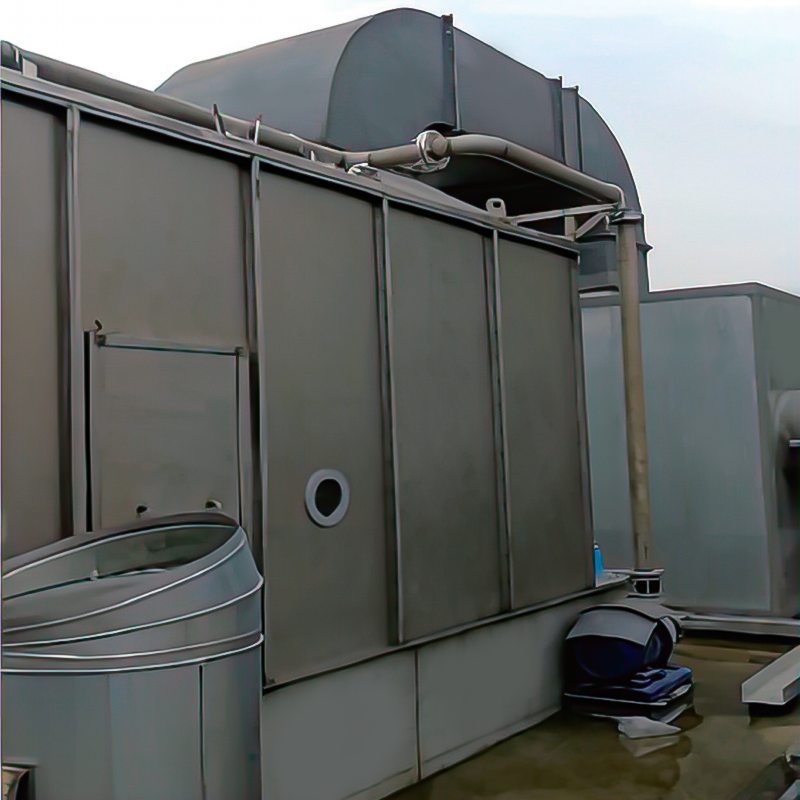
Overview The wet dust removal principle uses the process of capturing and separating dust particles in the gas phase by fully contacting gas-liquid tw...
See DetailsMOBILE
Product Manual

Copyright © Lv quan Environmental Protection Engineering Technology Co., Ltd. All Rights Reserved. Vocs Organic Waste Gas Treatment Engineering Equipment Manufacturer

