

 English
 русский
 Français
 Español
 عربى
عربى
LQ-RTO Heat-storage high-temperature incineration equipment
Cat:Equipment
Overview Of Tower-Type RTO Regenerative Thermal Oxidizer (RTO) is an organic waste gas treatment equipment that combines high-temperature oxidation wi...
See Details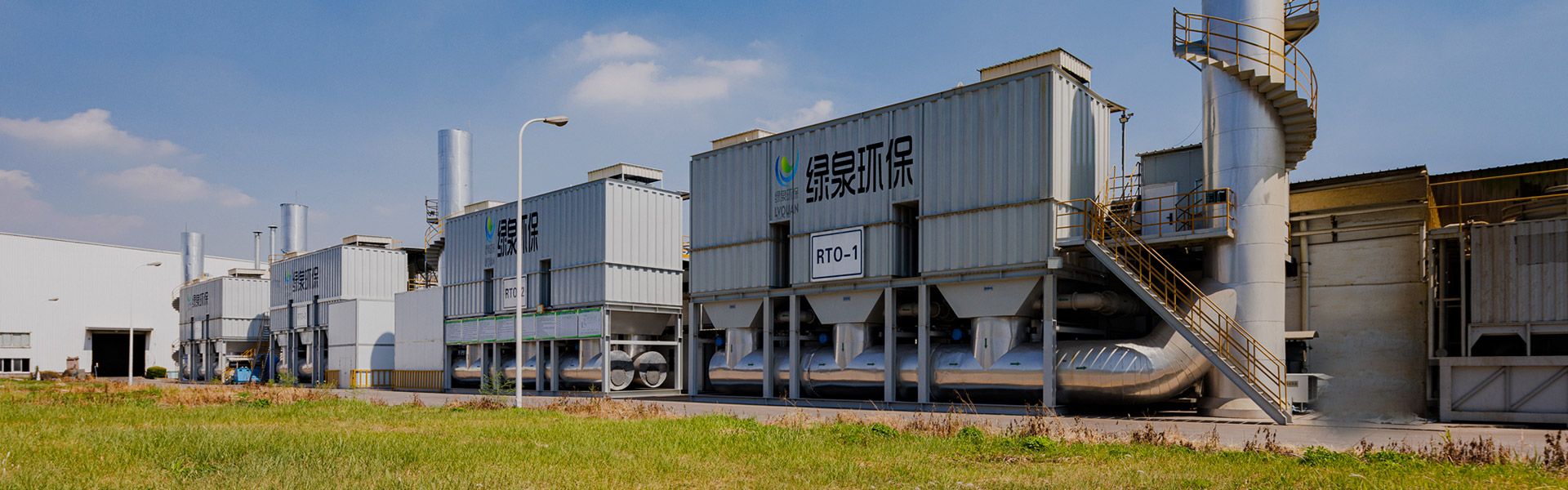
Content
The LQ-WPG horizontal spray cabinet improves paint quality primarily by maintaining a clean, controlled airflow environment during coating application, while simultaneously capturing overspray and airborne dust particles through a wet dust removal system that achieves purification efficiency exceeding 85% for particles above 5μm. By eliminating contamination sources at the point of application, the cabinet ensures that paint films cure without surface defects caused by settling particulates, uncontrolled humidity, or turbulent drafts. The result is a consistent, smooth coating surface across both manual and automated finishing operations.
Unlike open-workshop spraying setups where ambient air quality is uncontrolled, the LQ-WPG spray booth creates a dedicated enclosure with engineered airflow paths, internal water curtains, an S-channel vortex scrubbing zone, and a downstream gas-liquid separator. Each of these subsystems contributes a measurable improvement to the final coating outcome — reducing rework rates, improving adhesion consistency, and helping operators meet environmental discharge standards in a single integrated platform.
This article examines the working principle, structural design, performance characteristics, and application suitability of the LQ-WPG system — equipping procurement engineers and workshop managers with the technical detail needed to evaluate this industrial spray cabinet for their specific coating requirements.
The ventilation spray cabinet's performance is rooted in the wet dust removal principle — a gas-liquid contact mechanism that captures airborne particles by binding them to water droplets, water films, or bubbles before the treated gas is discharged. This approach is fundamentally more effective for capturing paint overspray and fine coating particles than dry filtration alone, because liquid contact physically entraps particles regardless of their electrostatic charge or surface texture.
Three principal structural approaches to wet dust removal are used across industrial applications:
The LQ-WPG horizontal spray cabinet combines elements of the water storage and water curtain approaches in a compact horizontal layout, achieving high dust removal performance while simplifying maintenance access compared to vertical tower configurations.
The internal gas-treatment sequence of the LQ-WPG spray booth follows a carefully designed multi-stage path that progressively removes contamination from the exhaust air stream before discharge. Understanding each stage helps operators appreciate why this paint spray booth delivers consistent coating quality across diverse substrate types.
Exhaust gas laden with paint overspray enters from the end of the cabinet and immediately encounters the first water curtain: a rectangular perforated stainless steel plate fed continuously by a water trough positioned above it. Water flows downward across the plate's surface under gravity, forming a uniform falling film. Incoming gas collides with this film, and the combined momentum exchange and surface tension of the water film intercepts a large proportion of coarse particles and paint droplets on first contact.
Gas that passes the first curtain continues to a second non-perforated stainless steel plate, also fed from an overhead water trough. This plate presents a solid water-film surface, and gas arriving here is forced to make contact with both the film and the pooled water accumulating in the lower section of the curtain zone. Larger residual dust particles that survived the first contact settle directly into the bottom water tray at this stage, pulled down by gravity and the wetting action of the water. The combination of two sequential water curtains is what enables the cabinet's consistently high particulate capture rate.
After the dual water curtain treatment, the partially cleaned gas passes through an S-shaped channel at elevated velocity. This geometric channel agitates the gas-water interface, generating a dense cloud of fine water droplets. The turbulent contact between the gas stream and these droplets provides a third wave of dust capture — the impulse vortex mechanism — ensuring that fine particles below 10μm that were not captured by direct curtain contact are now bound by water droplets in the vortex zone. This stage is what allows the coating equipment to reach its stated efficiency threshold for sub-5μm particles.
Cleaned but moisture-laden gas exits the vortex zone and passes through a demister. The demister's blade geometry forces the gas to change direction repeatedly in rapid succession. Under the combined action of inertia, centrifugal force, and gravity, water droplets carried in the gas stream collide with the demister blades, coalesce into larger droplets, and fall as a continuous water stream into the bottom collection tray. The outlet gas — now stripped of both particulates and entrained moisture — meets discharge requirements and can be exhausted to atmosphere or directed to secondary treatment if required by local regulations.
The flow diagram above summarises the sequential treatment stages inside the LQ-WPG horizontal spray cabinet, tracing the path of exhaust gas from the inlet through two water curtain contact zones, the S-channel vortex scrubbing section, and the demister before clean air exits at the outlet. Each stage operates continuously and in parallel with the coating operation, meaning there is no downtime cycle for filter replacement or manual cleaning during normal operation. Captured particles and paint overspray are continuously flushed by flowing water into the bottom collection tray, where they settle and can be removed during scheduled maintenance periods. The stainless steel construction of all wet-contact components resists corrosion from paint solvents and cleaning chemicals, extending the service life of the internal structure significantly compared to painted mild-steel alternatives. This integrated, continuous-operation design is why the LQ-WPG is particularly valued in high-throughput workshop spray booth environments where operational continuity is a priority.
Quantifying the performance of a paint finishing cabinet in terms of particle capture efficiency across size ranges is essential for matching equipment to application requirements. The LQ-WPG system achieves a stated efficiency of over 85% for particles and dust particles at or above 5μm — a threshold that encompasses the majority of paint overspray droplets generated in typical liquid coating operations. The horizontal bar chart below presents estimated efficiency ranges across particle size categories for the wet curtain + vortex removal system.
The horizontal bar chart illustrates a clear and predictable relationship between particle size and capture efficiency in the LQ-WPG wet curtain system. Particles larger than 50μm — which includes most primary paint droplets in air-spray and airless-spray applications — are captured at approximately 98% efficiency, primarily by direct inertial impaction on the first water curtain. In the 20–50μm range, where partially atomised overspray droplets and larger pigment agglomerates reside, efficiency remains high at around 95%, reflecting both curtain contact and vortex scrubbing action. The 5–10μm range, where fine pigment particles and dried overspray fragments concentrate, still achieves approximately 87% removal — above the system's stated minimum threshold. Sub-5μm particles, which include respirable-range aerosols and some solvent-carrier droplets, show lower but still meaningful capture at approximately 55%; facilities with strict sub-micron discharge limits may choose to supplement the LQ-WPG with a downstream activated carbon or HEPA-grade polishing stage for those specific fractions. Together, the data confirms that the LQ-WPG eco-friendly spray cabinet is well-suited as a primary treatment unit for the vast majority of paint spray and powder coating cabinet applications.
When evaluating industrial spray cabinet options, many facilities face a choice between horizontal and vertical tower configurations. The LQ-WPG's horizontal layout offers distinct practical advantages over its vertical counterpart, particularly for workshops with height constraints or frequent maintenance requirements. The table below summarises the key differentiators.
| Parameter | LQ-WPG Horizontal Cabinet | Vertical Spray Tower |
|---|---|---|
| Installation height requirement | Low — suitable for standard workshop ceiling heights | High — requires dedicated vertical clearance |
| Maintenance access | Side maintenance door — personnel can enter easily | Top or elevated access — requires scaffolding or ladder |
| Dust removal methods | Water curtain + impulse vortex (dual mechanism) | Typically single spray or water curtain mechanism |
| Airflow layout flexibility | High — easy to integrate with existing duct layouts | Moderate — constrained by vertical stack geometry |
| Cabinet material | Stainless steel body and water tray | Varies — often mild steel with coating |
| Air volume for purification | Large — designed for high-throughput workshop use | Large — but constrained by tower cross-section |
For most workshop spray booth installations where ceiling height is below 5 metres and maintenance windows are limited, the LQ-WPG horizontal format offers a more practical deployment path without sacrificing purification performance.
The radar chart provides a multi-dimensional view of how the LQ-WPG horizontal spray cabinet compares to a representative vertical tower configuration across five performance axes. The LQ-WPG's strongest lead appears in the Maintenance dimension, where the side-access maintenance door design allows a single technician to inspect and clean the interior water curtain plates, check the demister blades, and drain the collection tray without entering a confined vertical space or working at height — a meaningful safety and productivity advantage in active workshop environments. Corrosion resistance, another axis where the LQ-WPG scores highly, reflects the all-stainless-steel construction of the cabinet body, internal plates, and water tray, which resists chemical attack from solvent-based paints, primer chemistry, and cleaning agents. Dust removal efficiency scores are close between the two systems, confirming that the horizontal format does not sacrifice capture performance for its layout convenience. Layout flexibility — the LQ-WPG's ability to be positioned, orientated, and ducted in multiple configurations within an existing workshop — represents a genuine deployment advantage for facilities undergoing retrofits or operating in constrained floor-plan environments. Overall, the radar confirms that the LQ-WPG delivers a well-balanced performance profile without notable weaknesses relative to its vertical counterpart.
Beyond its purification performance, the LQ-WPG automated spray booth-compatible design incorporates several structural details that directly support coating quality consistency and long-term equipment reliability:
The column chart above provides an indicative comparison of planned maintenance session duration between the LQ-WPG horizontal cabinet and a typical vertical spray tower, based on accessible maintenance procedures including water tray drain, curtain plate inspection, demister blade check, and general interior wipe-down. The LQ-WPG's side-access door design reduces this to approximately 35 minutes per session, compared to approximately 90 minutes for a vertical tower requiring elevated access or component removal. For a facility running weekly maintenance cycles, this difference represents a saving of approximately 45 person-hours per year — a meaningful operational productivity gain for teams managing multiple coating equipment units. Faster maintenance also means shorter planned downtime windows, directly supporting production schedule adherence. Stainless steel interior surfaces additionally simplify cleaning, as paint residues and water mineral deposits are less adhesive on polished steel than on coated or oxidised mild steel surfaces. Together, the structural design decisions embedded in the LQ-WPG cabinet compound to deliver not just better purification, but lower total cost of ownership over a multi-year operating life.
The LQ-WPG small spray booth and larger variants of the same platform serve a diverse range of finishing industries. The following application areas represent the strongest alignment between the cabinet's technical capabilities and the environmental and quality requirements of the process:
Across all these applications, the shared benefit is a cleaner spraying environment that reduces defect rates — fish-eyes, craters, and sag marks caused by airborne contamination — and supports more predictable, reproducible coating outcomes batch after batch.
Lvquan Environmental Protection Engineering Technology Co., Ltd. is headquartered in Gaoyou, Yangzhou — recognised as the "north gate" of Jiangsu Province. The company was founded as a joint-stock enterprise by professionals with over 30 years of cumulative experience in VOCs equipment design and manufacturing, bringing together engineering expertise and commercial capability in a single organisation dedicated to environmental treatment solutions.
As a specialist manufacturer of VOCs organic waste gas treatment engineering equipment — including the LQ-WPG horizontal spray cabinet and related paint finishing cabinet systems — Lvquan maintains a registered capital of 22 million yuan, fixed assets approaching 40 million yuan, and total assets of nearly 60 million yuan. The 9,800 m² manufacturing campus operates with more than 200 sets of machining equipment, supported by 120 skilled employees, and delivers an annual production capacity of 100 million yuan. This production scale ensures consistent lead times and quality standards across both standard catalogue products and custom-engineered solutions.
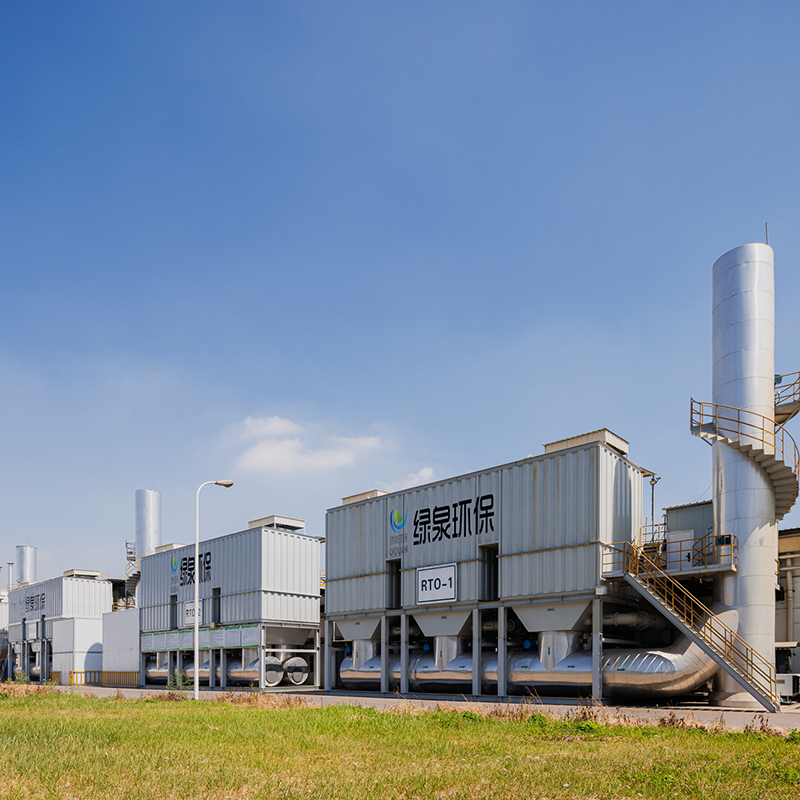
Overview Of Tower-Type RTO Regenerative Thermal Oxidizer (RTO) is an organic waste gas treatment equipment that combines high-temperature oxidation wi...
See Details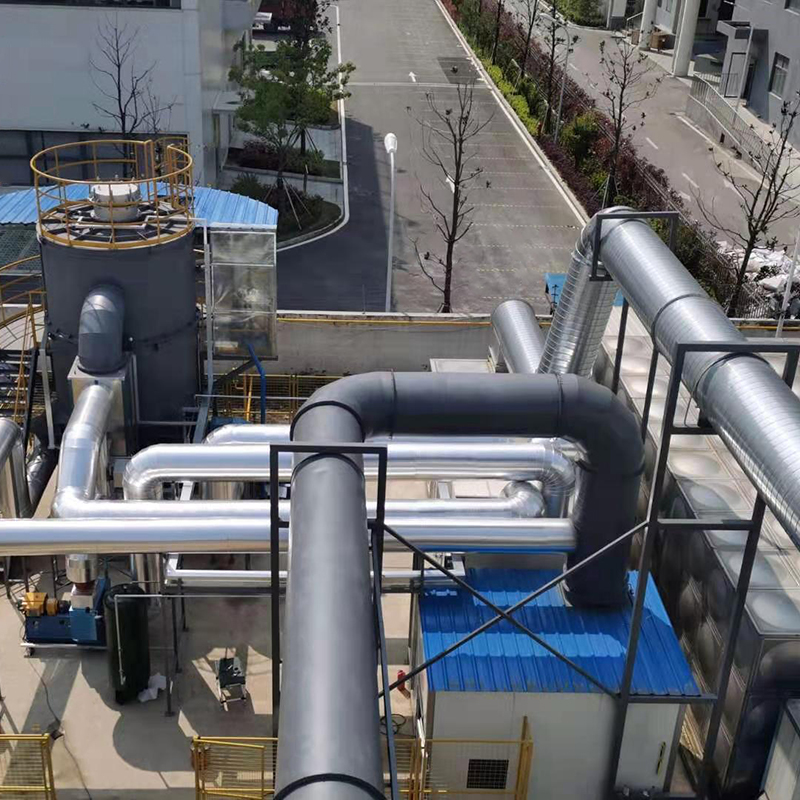
Overview Of Tower-Type RTO Our company offers two types of rotary RTO, which are the rotary RTO and the single barrel multi-valve RTO. The rotary RTO,...
See Details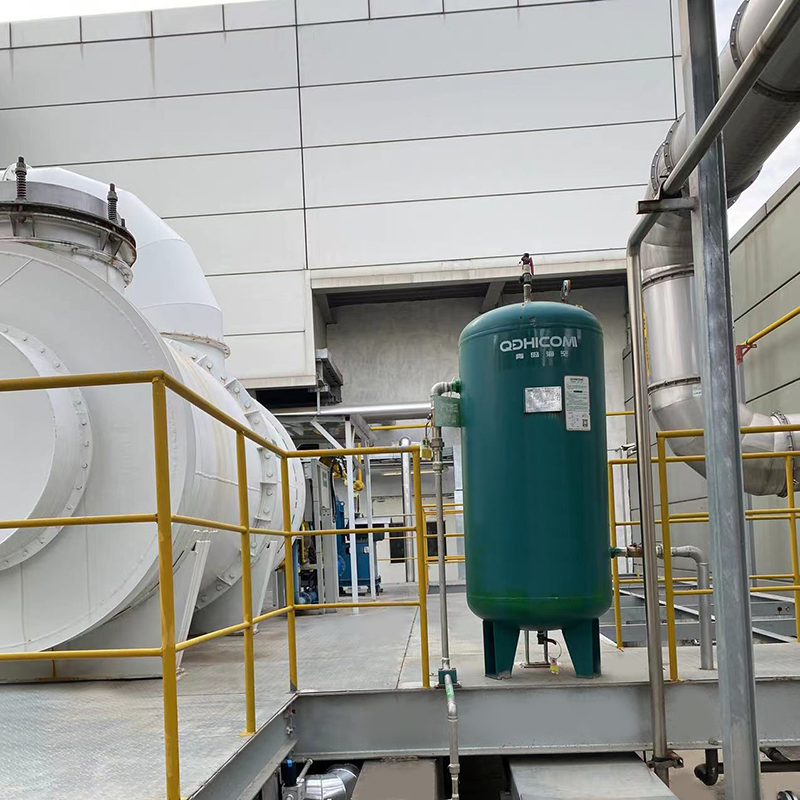
Overview Direct combustion high-temperature incineration equipment, abbreviated as TO, utilizes the heat generated by the combustion of auxiliary fuel...
See Details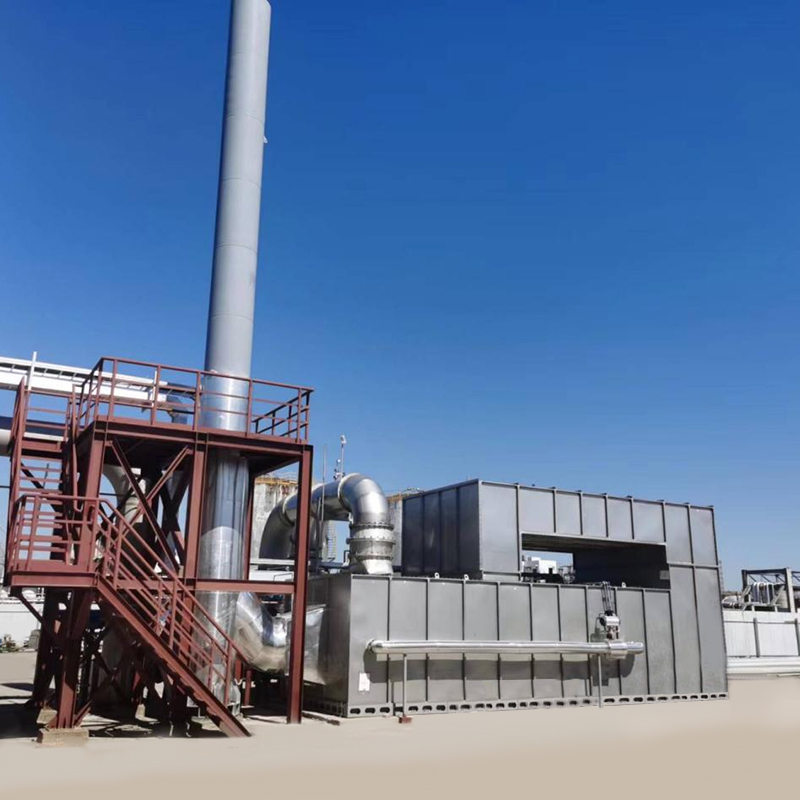
Overview Catalytic combustion is a purification method that uses catalysts to oxidize and decompose combustible substances in exhaust gas at low tempe...
See Details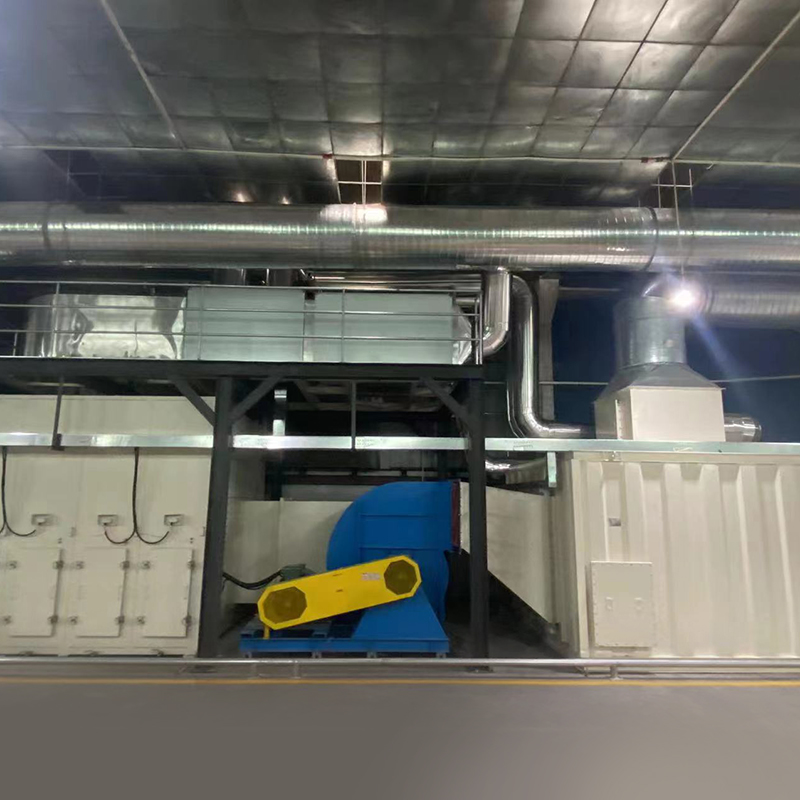
Overview Of Variable Freouency Zeolite Turntable Our company's zeolite concentration turntable uses a combination of zeolite modules, with a high zeol...
See Details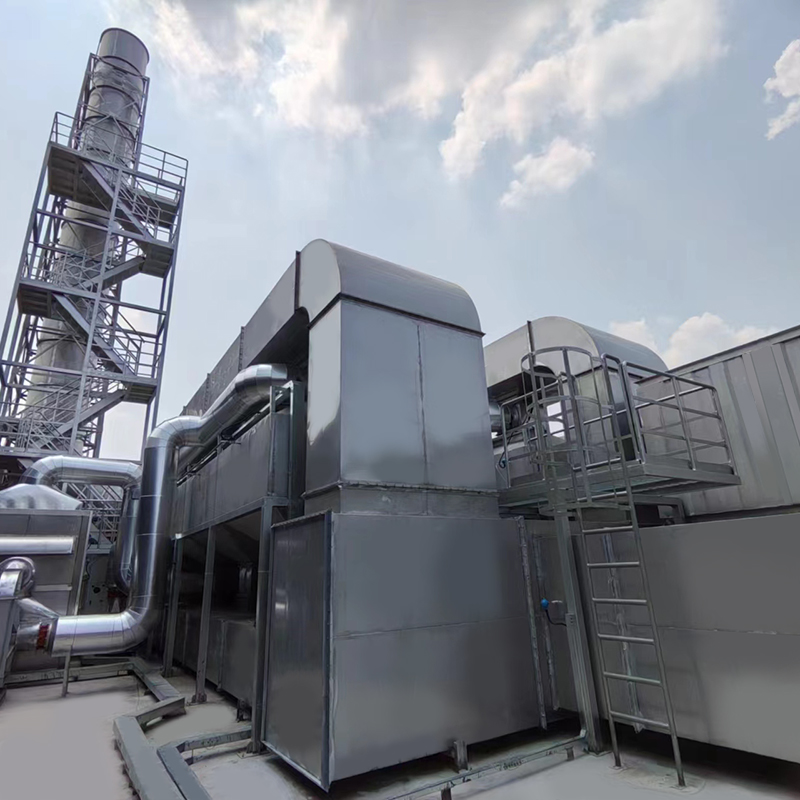
Overview of Activated Carbon Fiber Organic Solvent Purification Recovery Device The Activated Carbon Fiber Organic Solvent Purification Recovery Syste...
See Details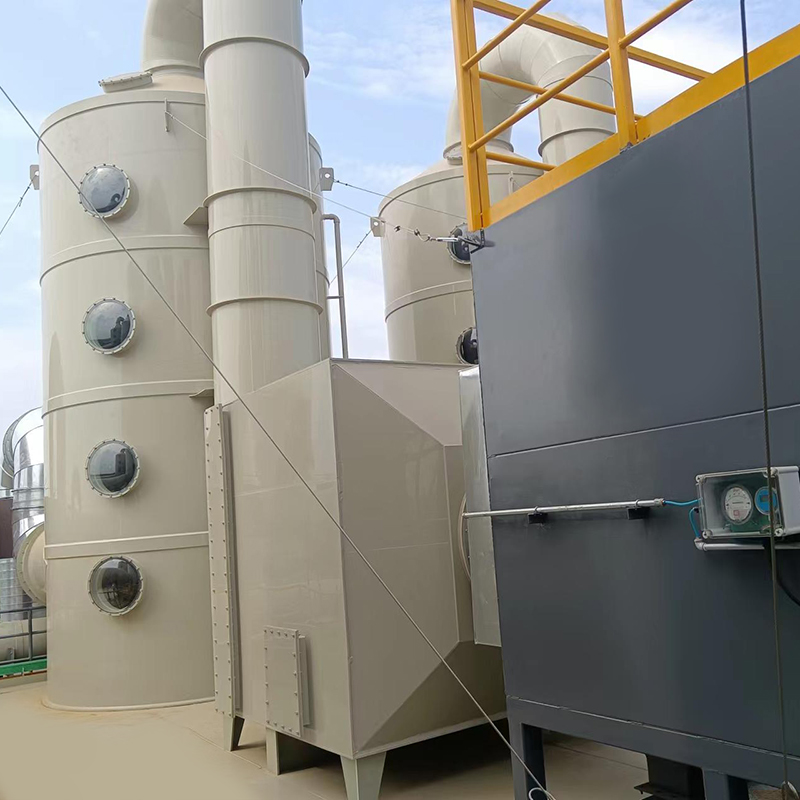
Overview The VOC-ACA series organic gas particle carbon purification and recovery equipment is used for the absorption, recovery, and reuse of organic...
See Details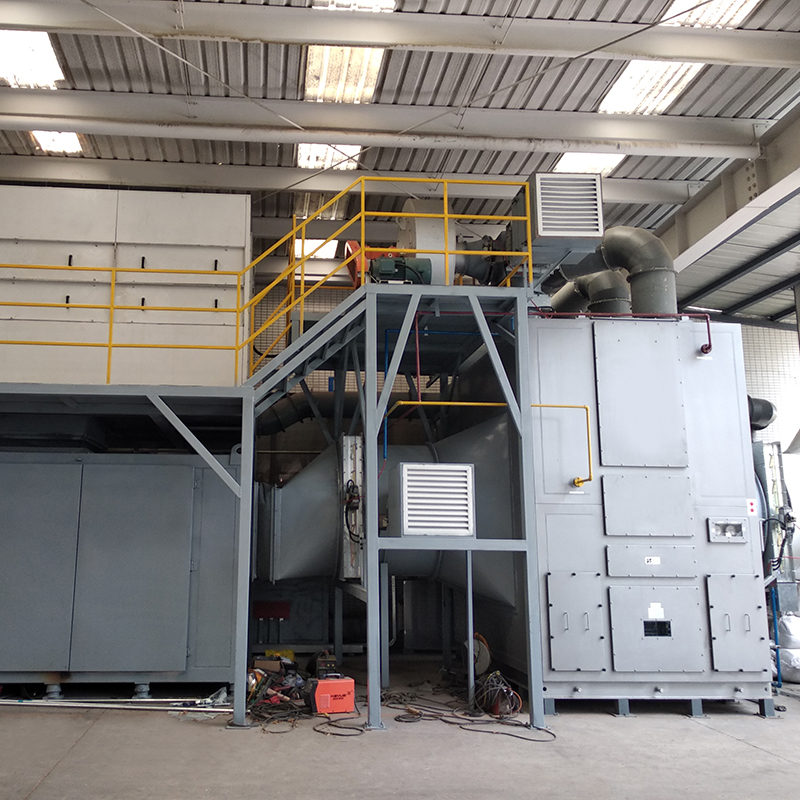
The Concept Of The Complete Set Of Equipment The purpose of employing rotary drum zeolite adsorption for organic waste gas is to concentrate low-conce...
See Details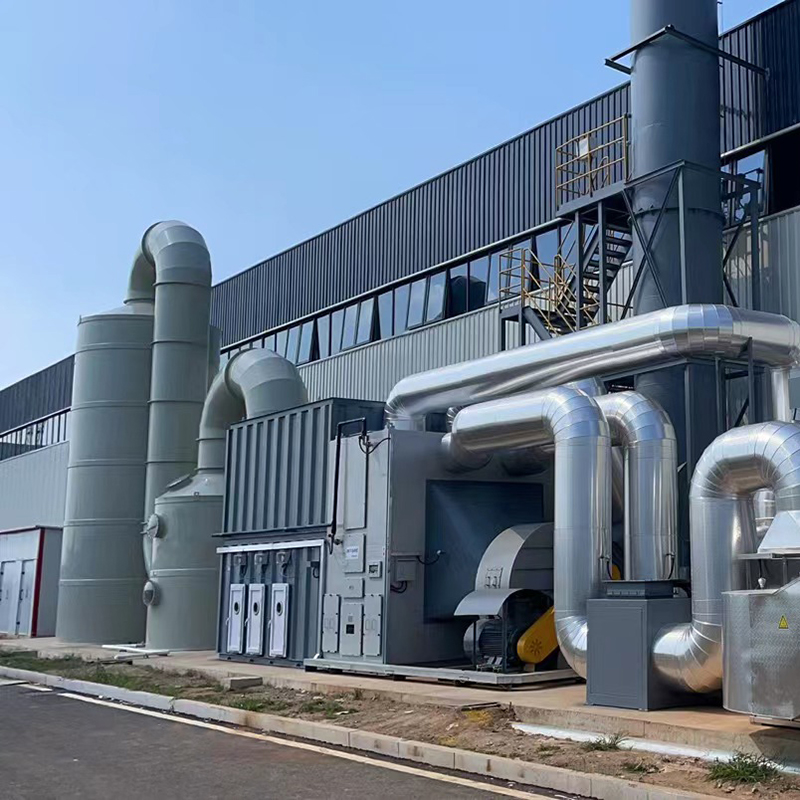
Concept Of Fixed Bed Zeolite + Catalytic Combustion As A Set Of Equipment The fixed bed zeolite + catalytic combustion device is suitable for the conc...
See Details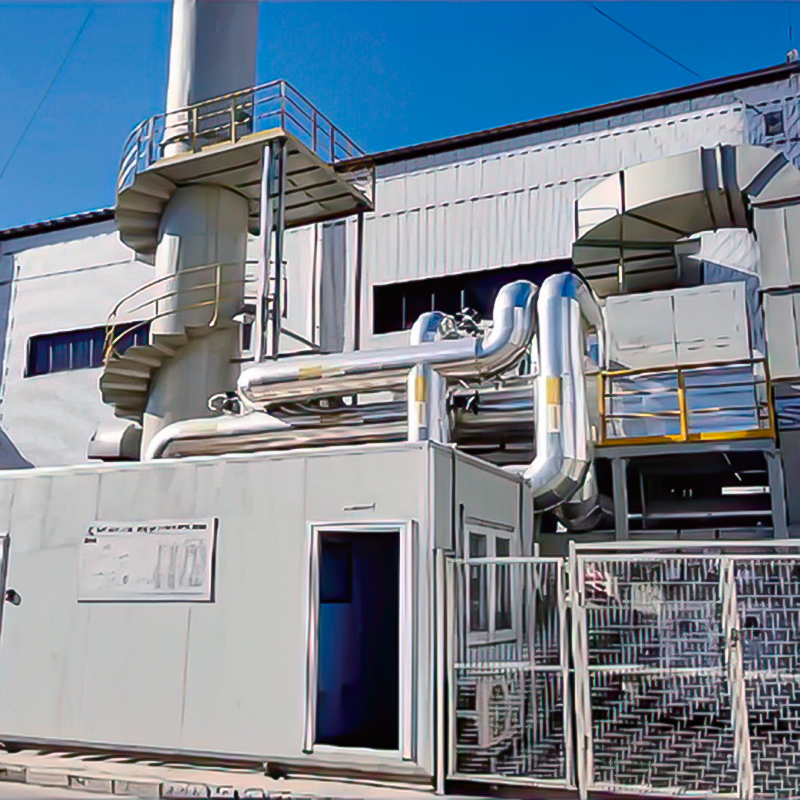
Concept Of Zeolite Rotary Wheel + Catalytic Combustion As A Set Of Equipment In the combined process of organic waste gas and waste gas treatment, the...
See DetailsMOBILE
Product Manual

Copyright © Lv quan Environmental Protection Engineering Technology Co., Ltd. All Rights Reserved. Vocs Organic Waste Gas Treatment Engineering Equipment Manufacturer

