

 English
 русский
 Français
 Español
 عربى
عربى
LQ-RTO Heat-storage high-temperature incineration equipment
Cat:Equipment
Overview Of Tower-Type RTO Regenerative Thermal Oxidizer (RTO) is an organic waste gas treatment equipment that combines high-temperature oxidation wi...
See Details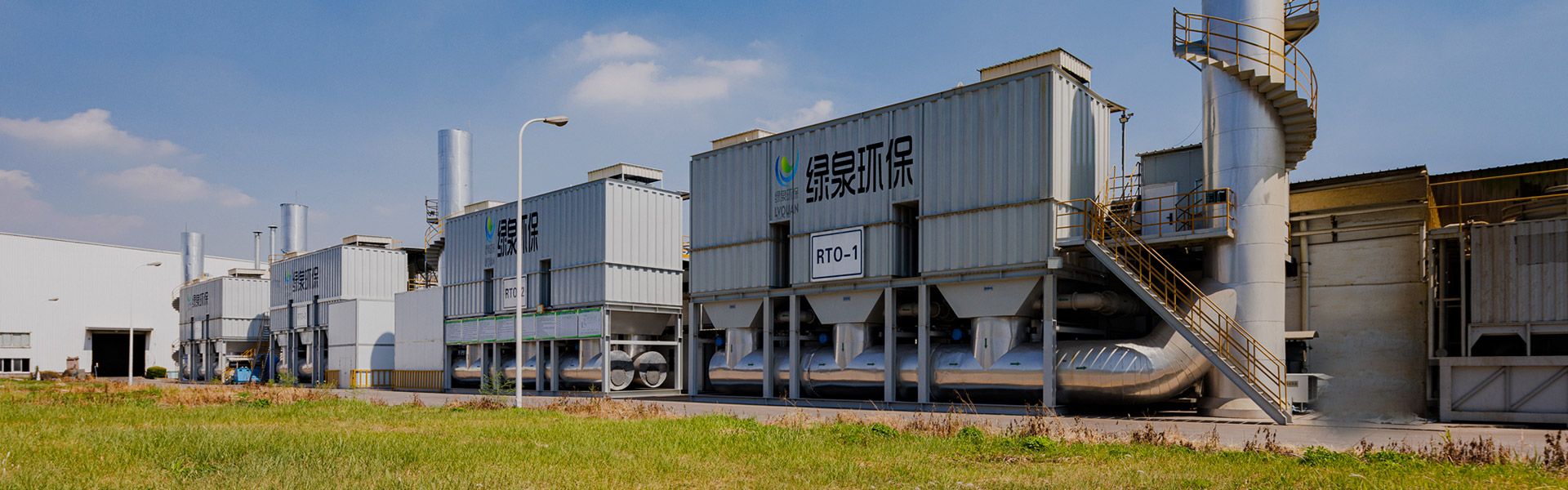
Content
The LQ-SWI solid waste incineration furnace is engineered to handle a broad spectrum of waste categories, making it one of the most versatile waste treatment equipment solutions available today. From general municipal solid waste to complex hazardous waste streams, the LQ-SWI furnace delivers reliable, high-efficiency incineration across multiple waste types. Its multi-chamber combustion design, combined with advanced flue gas purification technology, ensures that virtually any solid waste input is treated safely and in compliance with environmental standards.
The four primary waste categories processed by this industrial waste furnace include: general waste (household refuse, packaging materials, organic residues), industrial waste (factory offcuts, chemical residues, process byproducts), medical waste (clinical sharps, contaminated textiles, pharmaceutical discards), and special waste (laboratory chemicals, electronic waste components, agricultural residues). Each category demands specific temperature management and gas treatment protocols, all of which the LQ-SWI system is designed to fulfill.
Across industries ranging from healthcare to manufacturing, operators consistently select the LQ-SWI platform because it integrates waste-to-energy heat recovery with robust eco-friendly emission control — eliminating the need for separate treatment infrastructure while maintaining output compliance.
Understanding the range of materials compatible with the LQ-SWI furnace helps facility managers plan waste segregation upstream, optimise batch scheduling, and ensure regulatory compliance downstream. The table below summarises the major waste streams and their key characteristics within the incineration process.
| Waste Category | Typical Materials | Combustion Temp. | Key Treatment Need |
|---|---|---|---|
| General Waste | Household refuse, packaging, food waste | 650–850°C | Volume reduction, odour control |
| Industrial Waste | Chemical residues, factory offcuts, solvents | 850–1100°C | Complete oxidation, heavy metal capture |
| Medical Waste | Sharps, contaminated PPE, pharmaceuticals | >850°C for ≥2 s | Pathogen destruction, dioxin control |
| Special Waste | Lab chemicals, agricultural residues, e-waste | 850–1200°C | Specialised gas scrubbing, slag management |
Each waste stream is matched to specific operational parameters within the LQ-SWI control system, enabling operators to switch between waste types without compromising thermal destruction efficiency or emission quality.
The LQ-SWI series spans eight standard model sizes, from the compact SWI-1 (20–300 kg/batch) to the large-capacity SWI-8 (3,000 kg/batch). This range allows both small facilities — such as rural clinics or small manufacturing workshops — and large-scale industrial operators to select a unit precisely matched to their throughput requirements. The horizontal bar chart below presents the incineration capacity of each model at a glance.
The chart above illustrates the stepwise increase in per-batch incineration capacity across the eight LQ-SWI models, from as low as 20 kg (SWI-1 minimum) to a maximum of 3,000 kg (SWI-8). This progression allows facilities to match equipment scale precisely to actual waste generation volumes, reducing both capital expenditure and fuel consumption. The SWI-5 through SWI-8 models are particularly suited to municipal waste incinerator applications and large-volume hazardous waste furnace operations, where daily throughput demands can exceed several tonnes. Smaller models such as SWI-1 and SWI-2 are ideal for clinics, laboratories, and small manufacturing units that need a small waste furnace with reliable thermal destruction performance. Equipment weight scales proportionally — from 1,300 kg (SWI-1) to 6,000 kg (SWI-8) — reflecting the robust, industrial-grade steel construction maintained across the entire range. All models share a burner fuel consumption rating of 2–15 kg/h, with actual fuel use varying based on waste calorific value and batch size.
| Model | Capacity (kg/batch) | Furnace Volume (m³) | Equipment Weight (kg) |
|---|---|---|---|
| SWI-1 | 20–300 | 1 | 1,300 |
| SWI-2 | 400 | 2 | 2,000 |
| SWI-3 | 600 | 3 | 2,500 |
| SWI-4 | 800 | 4 | 3,000 |
| SWI-5 | 1,000 | 5 | 3,500 |
| SWI-6 | 1,500 | 6 | 4,000 |
| SWI-7 | 2,000 | 7 | 5,000 |
| SWI-8 | 3,000 | 8 | 6,000 |
A defining characteristic of the LQ-SWI solid waste incinerator is its four-phase flue gas treatment chain. Rather than a single-point scrubbing approach, the system subjects exhaust gases to sequential purification stages, each targeting different pollutant classes. This layered methodology is what allows the LQ-SWI to serve as both an eco-friendly incinerator and a robust industrial workhorse.
High-temperature gases exiting the secondary combustion chamber are immediately cooled from 850°C to 180°C within 2 seconds in the gas quench tower. This rapid cooling is critical: it bypasses the 200–500°C temperature window in which dioxins can re-form from precursor compounds. Simultaneously, an atomising spray nozzle injects reagent into the gas stream for concurrent desulfurisation and denitrification, removing SO₂ and NOₓ at the earliest possible stage in the treatment chain.
The cooled gas passes through a medium-efficiency dust collector and cyclone separator, which physically separate coarser particulate matter and neutralisation byproduct particles from the gas stream. Cyclone technology uses centrifugal force to hurl particles to the outer wall of the separator body, where they drop into a collection hopper. This stage protects the downstream bag filter from premature loading, extending service intervals and reducing maintenance costs.
Residual fine particulates, sub-micron dust, heavy metals, and dioxins that survived earlier stages are captured by the high-temperature pulse jet bag filter. The filter bags — made from temperature-resistant fibre — accumulate a cake of collected material that itself acts as an additional filtration layer. Periodic pulse-jet cleaning maintains pressure differential within acceptable limits, ensuring continuous operation without manual bag removal. This stage is central to the system's ability to meet stringent particulate emission standards.
Cleaned gases are drawn through the system by a centrifugal induced-draft fan and expelled through the emission stack at velocities and concentrations that meet applicable national and international discharge standards. The fan provides stable negative pressure throughout the gas treatment chain, ensuring no leakage of untreated gases at any junction point.
The line chart above traces the temperature drop of exhaust gases as they move through the four-phase treatment system of the LQ-SWI incineration technology platform. The steepest drop — from 850°C to 180°C — occurs in Phase 1, deliberately executed within two seconds to suppress dioxin re-synthesis. This single engineering decision reflects decades of experience in flue gas management and is a cornerstone of the system's eco-friendly incinerator credentials. Phases 2 and 3 progressively cool the gas further as particulate and chemical scrubbing intensifies, with stack exit temperatures well within safe discharge ranges. The entire temperature cascade is monitored by the integrated control system, which adjusts fan speed and quench reagent injection rate in real time. This dynamic response capability makes the LQ-SWI system one of the more adaptable platforms available in the thermal waste treatment category, able to handle variable waste calorific values without manual intervention.
The combustion process inside the LQ-SWI high efficiency incinerator follows a structured four-step sequence that maximises destruction efficiency while minimising unburned carbon carry-over and smoke emission. Understanding this sequence helps operators optimise batch scheduling and pre-treatment requirements for different waste types.
This adherence to the "three Ts" principle — Temperature, Time, and Turbulence — is what distinguishes the LQ-SWI from simpler single-chamber incinerators. The secondary chamber's turbulent combustion environment promotes thorough gas mixing, ensuring that no cold spots form where incomplete combustion could allow harmful compounds to pass through untreated.
To help procurement teams and environmental engineers evaluate the LQ-SWI platform against generic solid waste incineration furnaces, the radar chart below compares five key performance dimensions for the LQ-SWI system. Scores reflect engineering design characteristics and process capability rather than individual test results.
The radar chart presents five capability dimensions critical to selecting a waste treatment equipment platform. Combustion efficiency scores highest at 95%, reflecting the secondary chamber's adherence to the 850°C/2-second dwell standard and the three-T combustion principle. Emission control reaches 92%, underpinned by the four-phase gas treatment chain that captures particulates, dioxins, heavy metals, SO₂, and NOₓ in sequence. Waste versatility scores 90%, acknowledging that the LQ-SWI processes general, industrial, medical, and special waste streams without structural modification. Scalability at 88% reflects the eight-model range spanning 20 kg to 3,000 kg per batch, covering nearly every industrial use case from small-facility management to large municipal operations. Energy recovery, scored at 82%, reflects the system's heat exchanger and steam/hot water generation capability — an increasingly important consideration as operators seek to offset fuel costs through waste-to-energy output. Together these five dimensions show why the LQ-SWI platform consistently earns high marks from environmental compliance teams and operations managers across multiple industries.
One of the less-discussed but economically significant features of the LQ-SWI industrial waste furnace is its integrated heat recovery subsystem. Rather than allowing combustion heat to dissipate as waste, the system routes high-temperature flue gas through a heat exchanger or boiler unit. The recovered thermal energy can be used to generate steam for process applications (e.g., sterilisation in medical facilities, process heat in manufacturing), hot water for space heating, or — where scale justifies it — electricity via a steam turbine generator. For large SWI-6 to SWI-8 installations, the heat recovery potential is substantial: a 1,500 kg/batch load of mixed industrial waste with an average calorific value of 8,000 kJ/kg could yield an estimated 3,300 kWh of thermal energy per batch before efficiency losses.
This waste-to-energy incinerator capability transforms what would otherwise be a pure cost centre — waste disposal — into a partial energy source, improving the overall economics of facility operations. Industries with high simultaneous waste generation and heat demand, such as textile dyeing, food processing, and pharmaceutical manufacturing, stand to benefit most from integrating the LQ-SWI system into their utility planning.
The column chart above illustrates how estimated thermal energy recovery scales with incineration capacity across LQ-SWI models (SWI-2 through SWI-8). Values are calculated assuming mixed waste with an average calorific value of approximately 8,000 kJ/kg and an overall heat recovery efficiency of approximately 55%, which is representative of conventional shell-and-tube heat exchanger configurations. The smallest commercially viable heat recovery configuration (SWI-2, 400 kg/batch) yields approximately 440 kWh per batch, sufficient to supply a small hot water system or a low-pressure steam sterilisation unit. The SWI-6 at 1,650 kWh per batch represents a useful threshold for combined heat and power (CHP) feasibility analysis. The SWI-8, at an estimated 3,300 kWh per batch, delivers thermal output comparable to a mid-scale boiler installation, making the economic case for active heat utilisation compelling. Facilities that can schedule incineration batches to align with peak heat demand periods stand to maximise the energy offset contribution of the system. This scalable waste-to-energy architecture reinforces the value proposition of the LQ-SWI series beyond simple waste destruction.
The following list summarises the principal technical and operational advantages that distinguish the LQ-SWI platform in the solid waste incineration furnaces market:
Lvquan Environmental Protection Engineering Technology Co., Ltd. is located in Gaoyou, Yangzhou — the "north gate" of Jiangsu Province. The company is a joint-stock enterprise established through the collaboration of professionals with over 30 years of cumulative experience in VOCs equipment design and manufacturing. As a dedicated manufacturer of VOCs organic waste gas treatment engineering equipment and solid waste incineration furnaces, Lvquan has developed a broad portfolio of environmental treatment systems serving industrial, medical, and municipal clients.
The company holds a registered capital of 22 million yuan, fixed assets approaching 40 million yuan, and total assets of nearly 60 million yuan. Its 9,800 m² manufacturing facility houses more than 200 sets of machining equipment and supports a workforce of 120 employees. With an annual production capacity of 100 million yuan, Lvquan is structured to serve both domestic and international markets at scale, delivering engineering-grade waste treatment equipment with the reliability that environmental compliance demands.
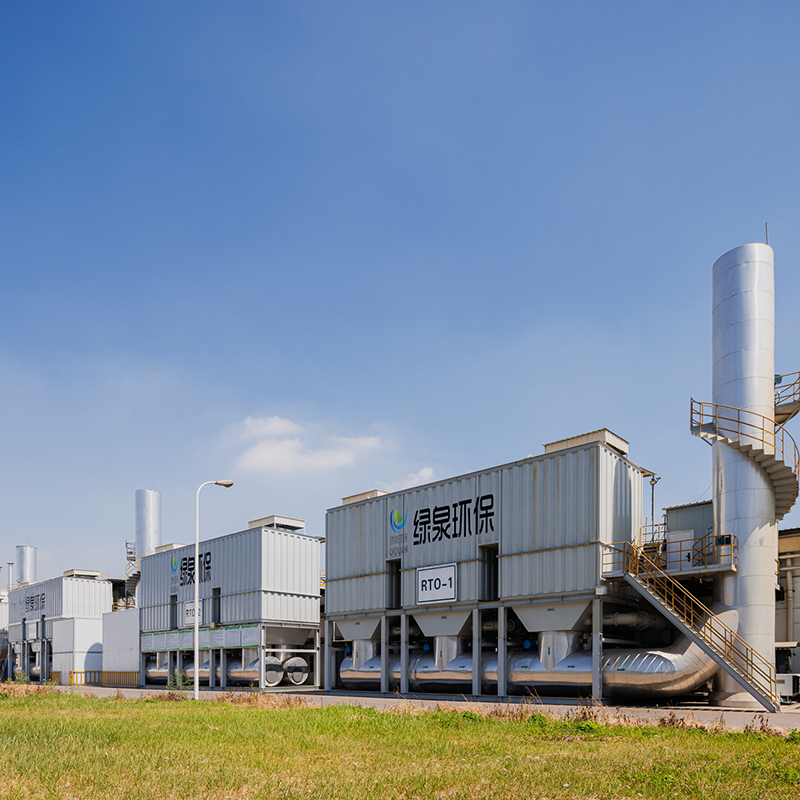
Overview Of Tower-Type RTO Regenerative Thermal Oxidizer (RTO) is an organic waste gas treatment equipment that combines high-temperature oxidation wi...
See Details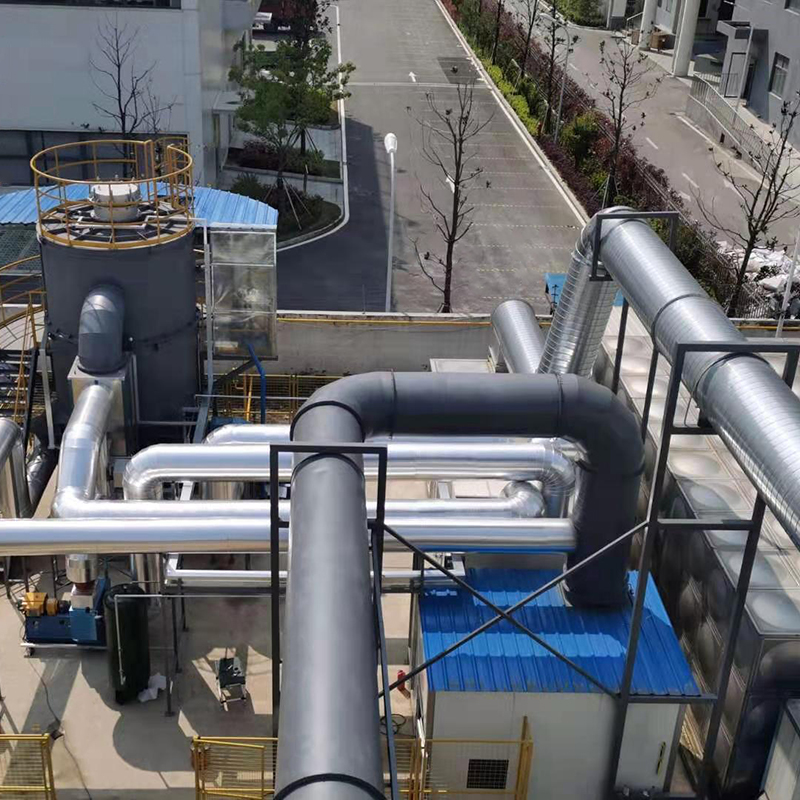
Overview Of Tower-Type RTO Our company offers two types of rotary RTO, which are the rotary RTO and the single barrel multi-valve RTO. The rotary RTO,...
See Details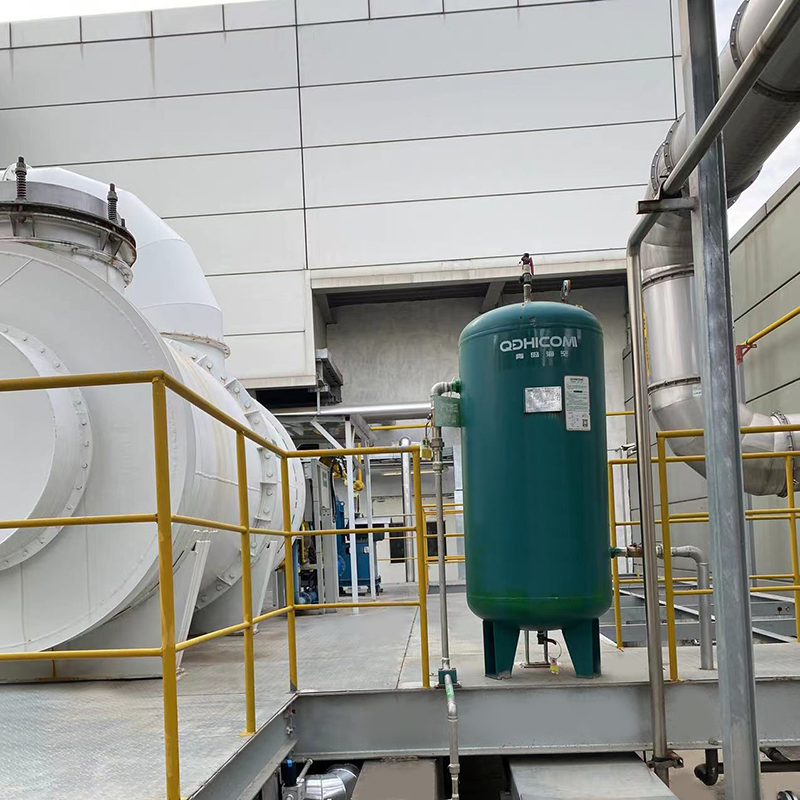
Overview Direct combustion high-temperature incineration equipment, abbreviated as TO, utilizes the heat generated by the combustion of auxiliary fuel...
See Details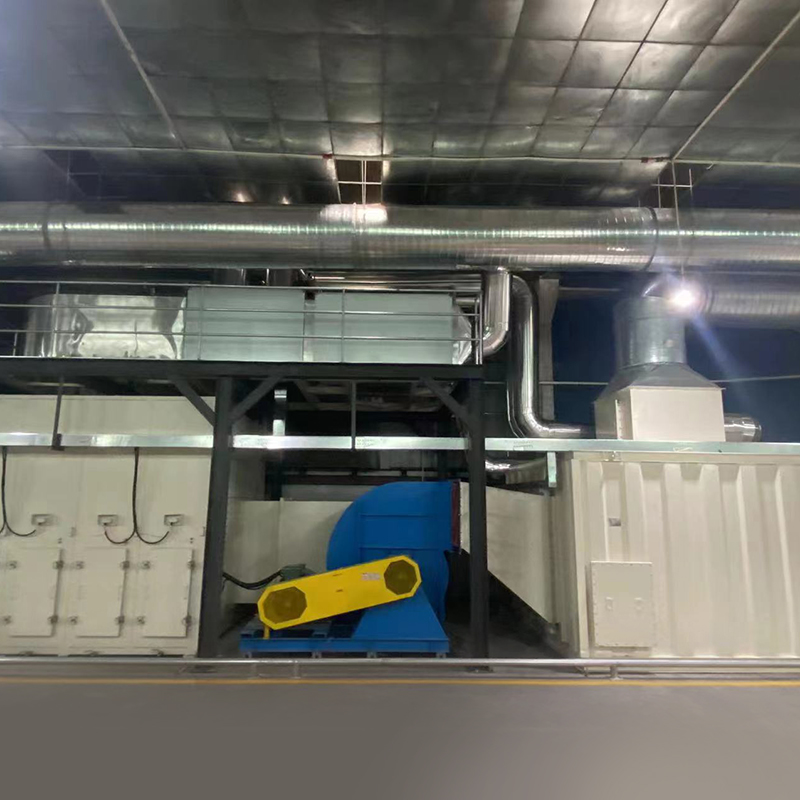
Overview Of Variable Freouency Zeolite Turntable Our company's zeolite concentration turntable uses a combination of zeolite modules, with a high zeol...
See Details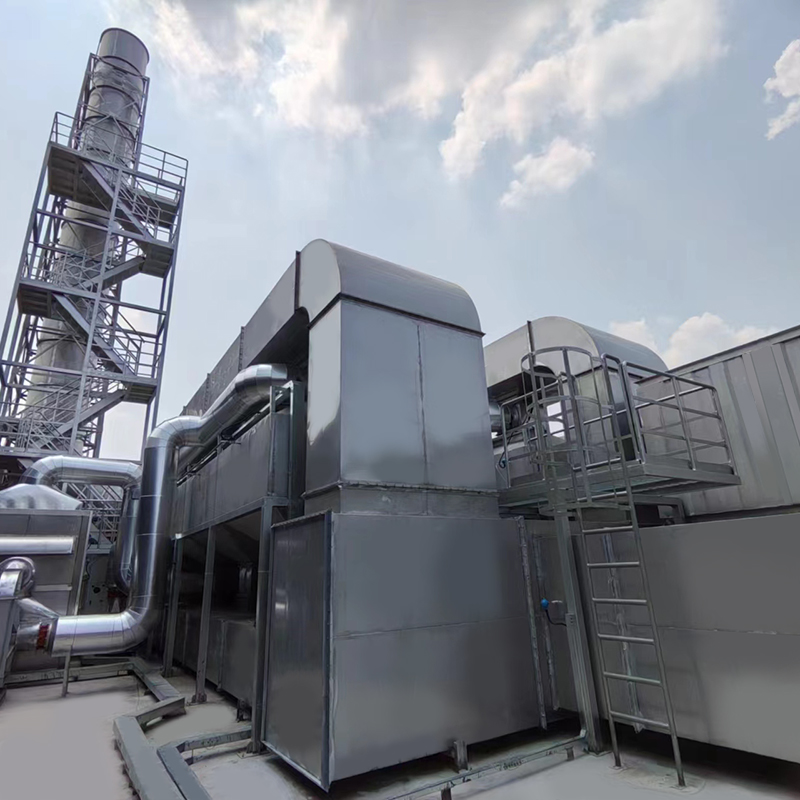
Overview of Activated Carbon Fiber Organic Solvent Purification Recovery Device The Activated Carbon Fiber Organic Solvent Purification Recovery Syste...
See Details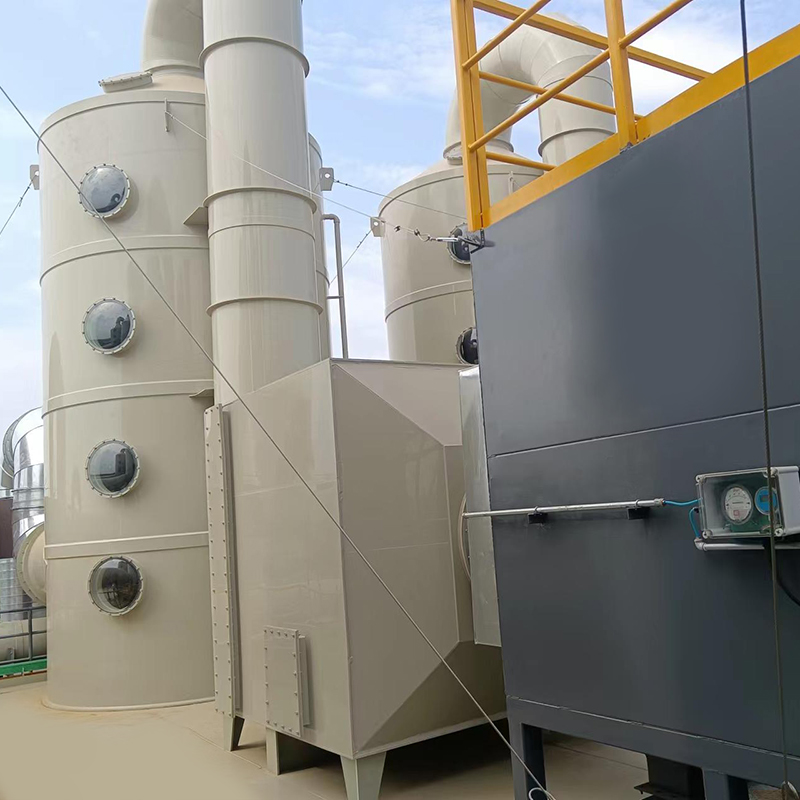
Overview The VOC-ACA series organic gas particle carbon purification and recovery equipment is used for the absorption, recovery, and reuse of organic...
See Details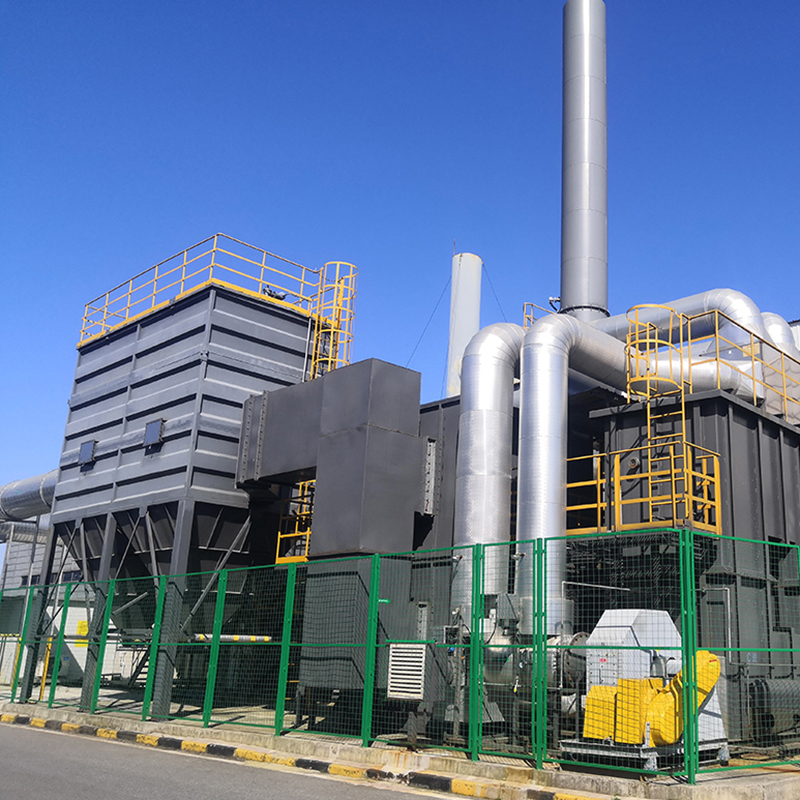
Concept Of Zeolite Wheel+RTO System Using zeolite wheel to adsorb organic waste gas, the low concentration and high air volume waste gas is concentrat...
See Details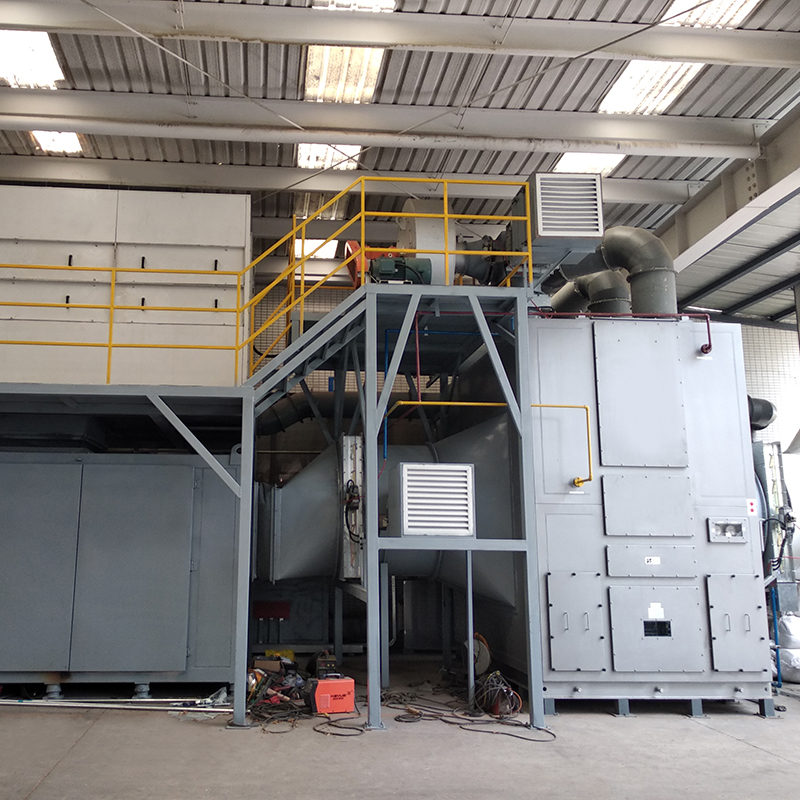
The Concept Of The Complete Set Of Equipment The purpose of employing rotary drum zeolite adsorption for organic waste gas is to concentrate low-conce...
See Details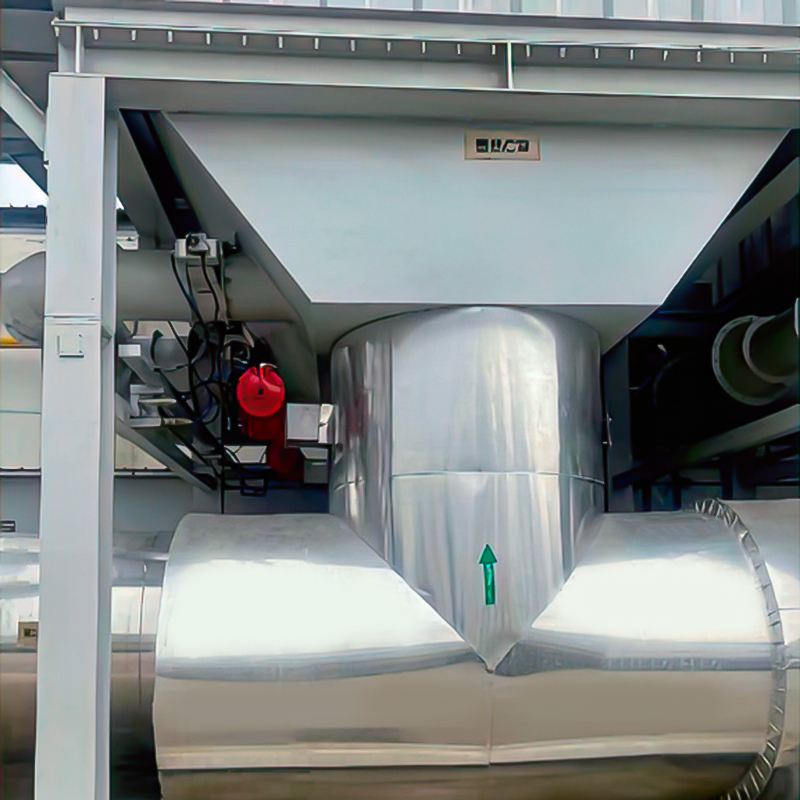
Purpose Mainly used for proportional ventilation of high-temperature flue gas. lt is widely used in places where leak rate requirements are not high, ...
See Details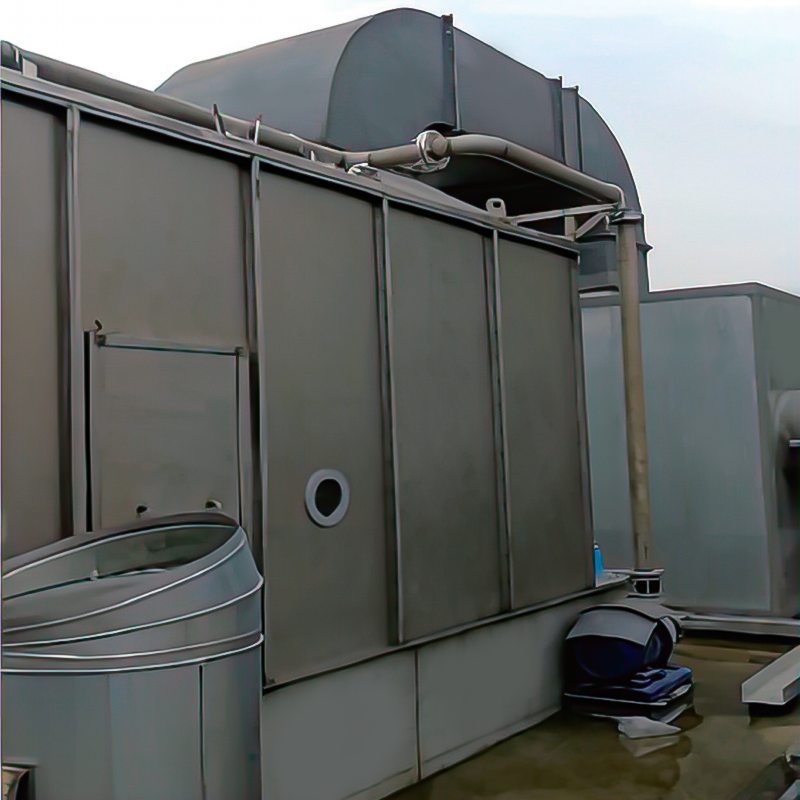
Overview The wet dust removal principle uses the process of capturing and separating dust particles in the gas phase by fully contacting gas-liquid tw...
See DetailsMOBILE
Product Manual

Copyright © Lv quan Environmental Protection Engineering Technology Co., Ltd. All Rights Reserved. Vocs Organic Waste Gas Treatment Engineering Equipment Manufacturer

