

 English
 русский
 Français
 Español
 عربى
عربى
LQ-RRTO Rotary heat-storage high-temperature incineration equipment
Cat:Equipment
Overview Of Tower-Type RTO Our company offers two types of rotary RTO, which are the rotary RTO and the single barrel multi-valve RTO. The rotary RTO,...
See Details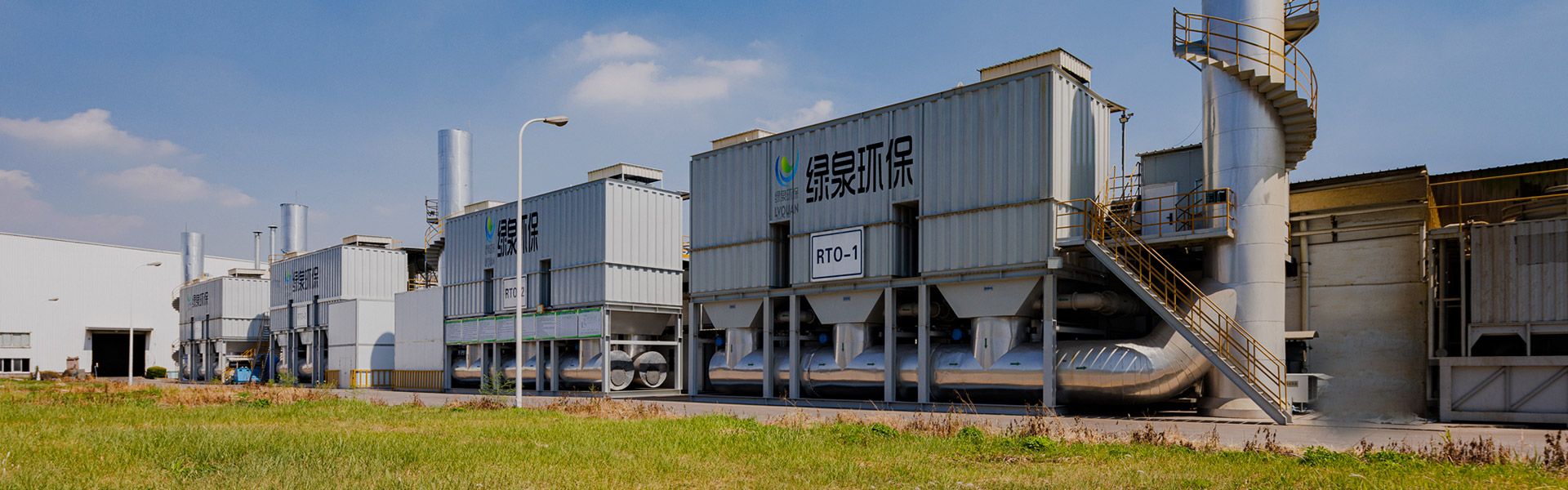
Content
Fixed bed zeolite adsorption catalytic oxidation is a two-stage industrial air pollution control technology. First, volatile organic compounds (VOCs) are captured by a fixed bed zeolite adsorption media. Then, a catalytic oxidizer for VOCs converts the concentrated pollutants into harmless CO₂ and water vapor at lower temperatures (250-400°C). The LQ-CF-CO Fixed Bed Zeolite Adsorption + Catalytic Oxidation (CO) system achieves removal efficiencies of 95-98% for common industrial solvents. Compared to thermal oxidizers, this zeolite catalytic oxidation system reduces energy consumption by up to 60%. This article presents data demonstrating why fixed bed VOC treatment is the preferred solution for low-concentration, high-volume exhaust streams.
Independent tests of VOC adsorption oxidation unit performance show the zeolite concentrator approach delivers superior destruction rates across a range of industrial solvents. The horizontal bar chart compares average removal efficiency for common technologies.
The zeolite catalytic oxidation system achieves >95% removal, meeting strict EPA/NESHAP standards.
Unlike single-stage systems, the fixed bed zeolite adsorption stage concentrates VOCs, allowing the downstream catalytic oxidizer for VOCs to operate more efficiently. This makes the industrial VOC removal system ideal for paint booths, printing, and chemical processing.
A VOC adsorption oxidation unit with zeolite operates at significantly lower temperatures than thermal oxidizers. The column chart compares energy consumption (kWh per 1,000 m³ of treated air) for three major technologies.
The fixed bed VOC treatment design uses hydrophobic zeolite that requires less frequent regeneration. Unlike carbon, zeolite adsorption is non-flammable, allowing safer operation at higher concentrations. The LQ-CF-CO Fixed Bed Zeolite Adsorption + Catalytic Oxidation (CO) system can recover up to 95% of heat from the oxidizer for desorption.
Accelerated life-cycle testing of zeolite VOC concentration system media shows less than 5% capacity loss after 10,000 adsorption-desorption cycles. The line chart shows normalized adsorption capacity retention.
This exceptional durability makes fixed bed zeolite adsorption ideal for continuous 24/7 industrial operations. The catalytic oxidizer for VOCs downstream also uses long-life noble metal catalysts, typically lasting 3-5 years.
Comparing five critical parameters: removal efficiency, energy cost, media longevity, safety (fire risk), and suitability for low-concentration streams. The zeolite catalytic oxidation system offers the most balanced performance.
The VOC adsorption oxidation unit with fixed bed zeolite excels in safety (non-flammable media) and low operating temperature, reducing fire risks common with carbon systems.
The industrial VOC removal system is engineered for continuous duty. Typical specifications for a 30,000 m³/h system are summarized below.
| Technical data of the fixed bed zeolite + catalytic oxidation system | ||
| Parameter | Value/Range | Benefit |
| Inlet VOC concentration | 100-800 mg/m鲁 | Wide operational window |
| Destruction efficiency | 95-98% | Complies with stringent limits |
| Oxidation temperature | 280-380掳C | Low energy, no NOx formation |
| Zeolite type | Hydrophobic Y/Beta | Resists moisture poisoning |
The fixed bed VOC treatment approach can handle solvents such as toluene, xylene, ethyl acetate, and ketones. The integrated catalytic oxidizer for VOCs uses precious metal catalysts (Pt/Pd) on a ceramic monolith.
The LQ-CF-CO Fixed Bed Zeolite Adsorption + Catalytic Oxidation (CO) is particularly suited for factories seeking industrial VOC removal system retrofits where space is limited, as the small footprint of fixed bed design saves floor area.
Q1: What is the main advantage of fixed bed zeolite adsorption over rotary concentrators?
A1: Fixed bed systems have lower maintenance (no moving seals), better resistance to particulate fouling, and lower capital cost for smaller air volumes. They also provide higher concentration factors.
Q2: How often does the zeolite catalytic oxidation system need regeneration?
A2: Depending on inlet loading, typically every 4-12 hours. The LQ-CF-CO uses automatic hot-gas desorption, returning concentrated VOCs to the oxidizer.
Q3: Is the catalytic oxidizer for VOCs safe for explosive mixtures?
A3: Yes. The system includes LEL monitoring and safety interlock. Because zeolite adsorption is non-flammable, the fire risk is significantly lower than carbon systems.
Q4: What is the typical lifespan of zeolite media in a fixed bed VOC treatment system?
A4: Zeolite is extremely durable; many systems operate 8-10 years without media replacement, as shown in the line chart. This reduces lifetime operating costs.
Q5: Can the VOC adsorption oxidation unit handle halogenated VOCs?
A5: Yes, but pre-treatment or different catalyst types may be required. Consult with engineers for specific stream composition.
Lvquan Environmental Protection Engineering Technology Co., Ltd. is located in Gaoyou, Yangzhou, the "north gate" of Jiangsu. It is a joint-stock enterprise established by talents with over 30 years of experience in VOCs equipment design and manufacturing. The company is a professional VOC treatment equipment manufacturer. Registered capital: 22 million RMB, fixed assets: nearly 40 million RMB, total assets: nearly 60 million RMB, factory area: 9,800 square meters, with more than 200 sets of machining equipment and 120 employees. Annual production capacity reaches 100 million RMB. Their flagship LQ-CF-CO Fixed Bed Zeolite Adsorption + Catalytic Oxidation (CO) represents state-of-the-art zeolite catalytic oxidation system technology. Lvquan provides complete industrial VOC removal system solutions, from design to commissioning, serving clients across Asia and beyond.
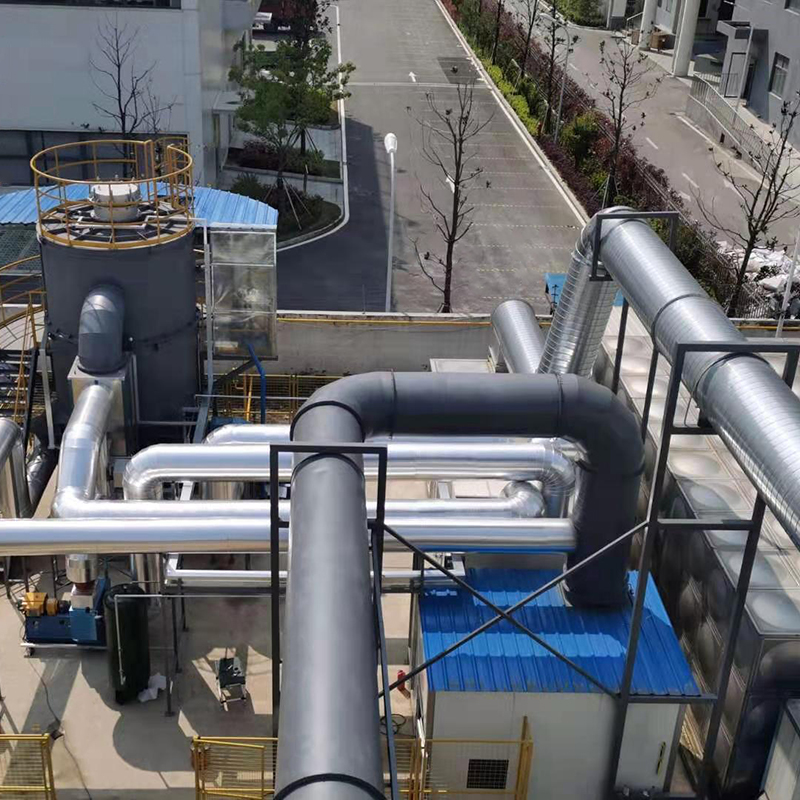
Overview Of Tower-Type RTO Our company offers two types of rotary RTO, which are the rotary RTO and the single barrel multi-valve RTO. The rotary RTO,...
See Details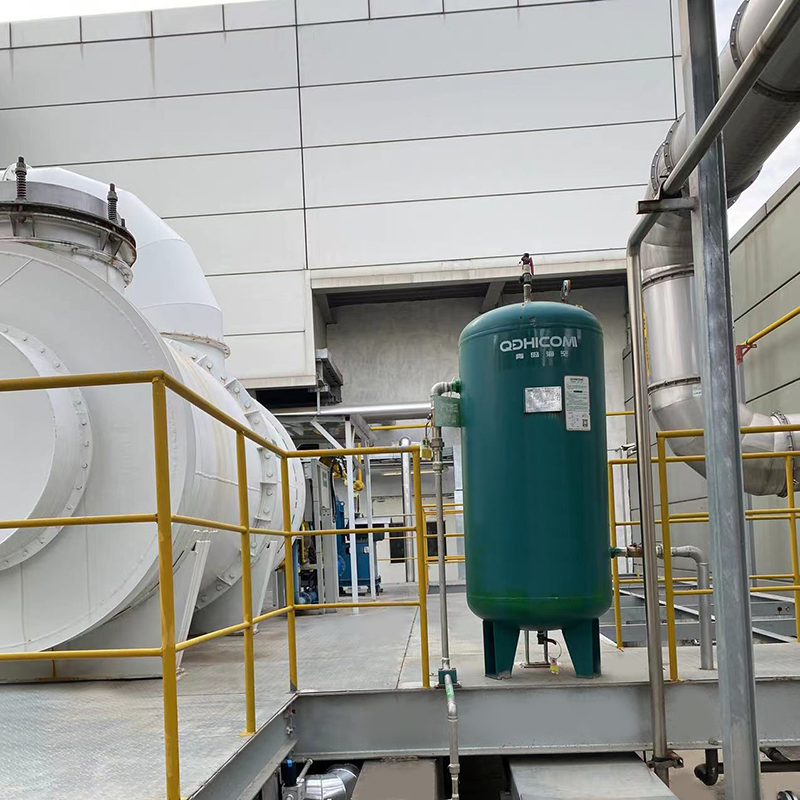
Overview Direct combustion high-temperature incineration equipment, abbreviated as TO, utilizes the heat generated by the combustion of auxiliary fuel...
See Details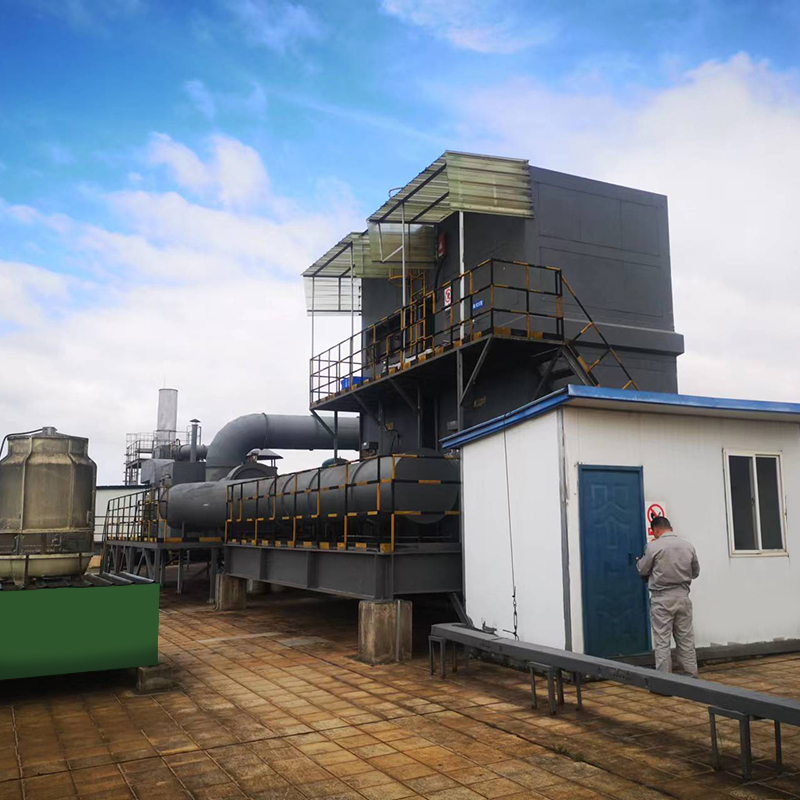
Overview Thermal storage catalytic oxidation (Regenerative Catalytic Oxidizer/RCO) is an organic waste gas treatment equipment that combines low-tempe...
See Details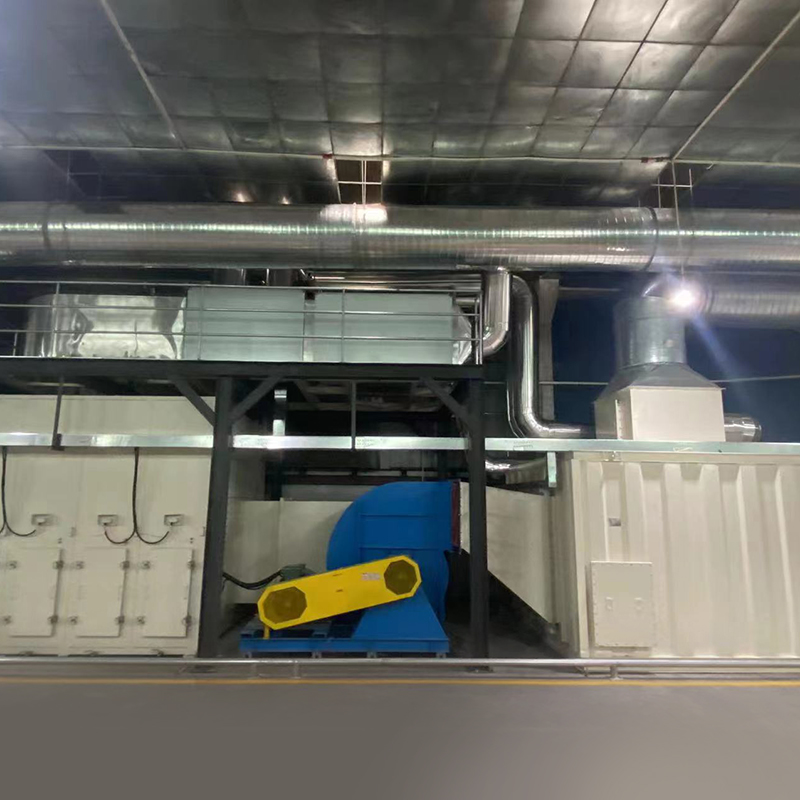
Overview Of Variable Freouency Zeolite Turntable Our company's zeolite concentration turntable uses a combination of zeolite modules, with a high zeol...
See Details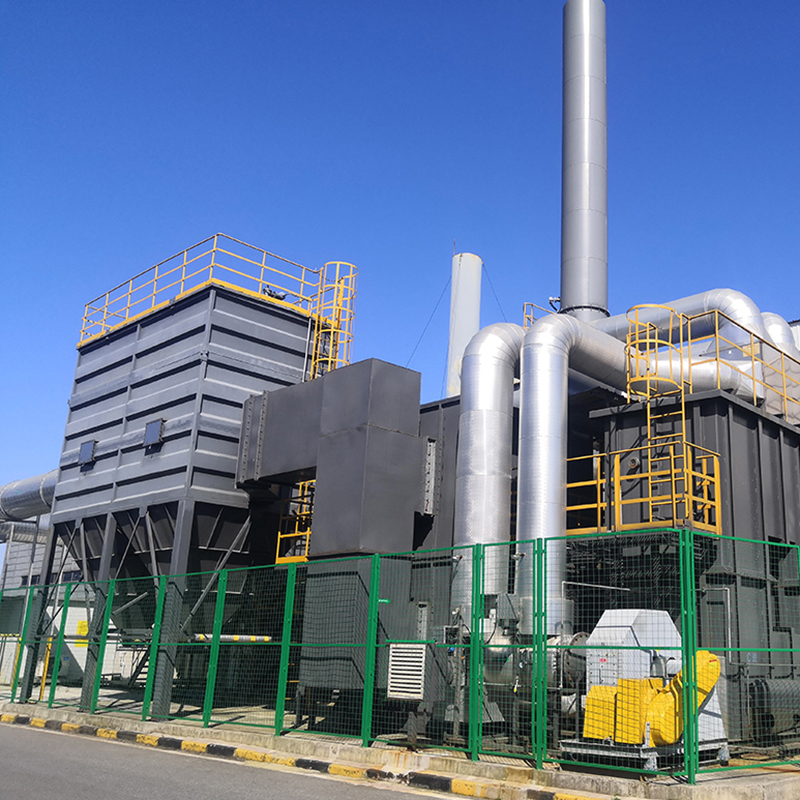
Concept Of Zeolite Wheel+RTO System Using zeolite wheel to adsorb organic waste gas, the low concentration and high air volume waste gas is concentrat...
See Details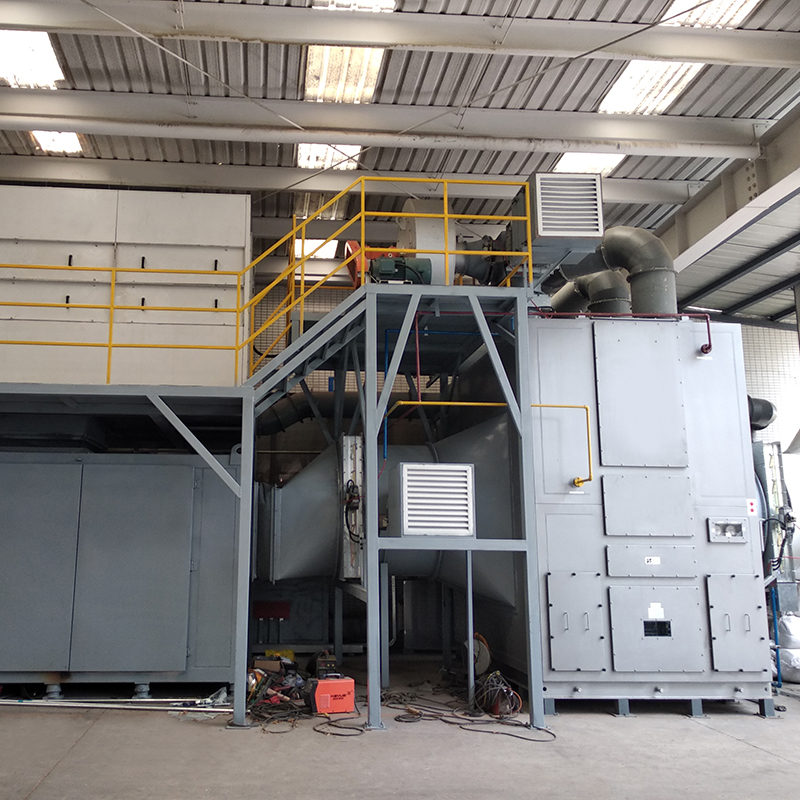
The Concept Of The Complete Set Of Equipment The purpose of employing rotary drum zeolite adsorption for organic waste gas is to concentrate low-conce...
See Details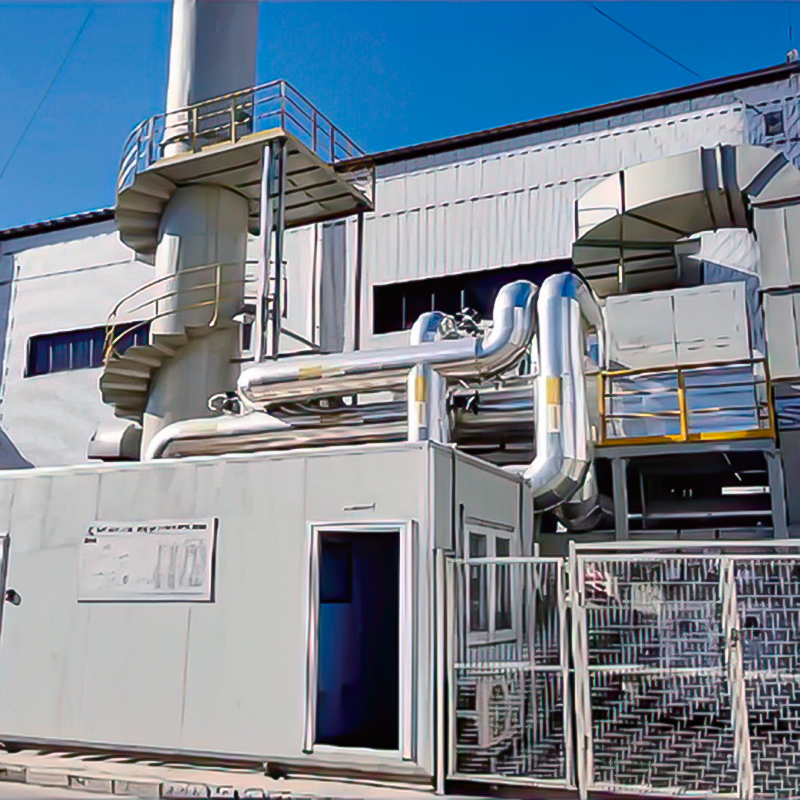
Concept Of Zeolite Rotary Wheel + Catalytic Combustion As A Set Of Equipment In the combined process of organic waste gas and waste gas treatment, the...
See Details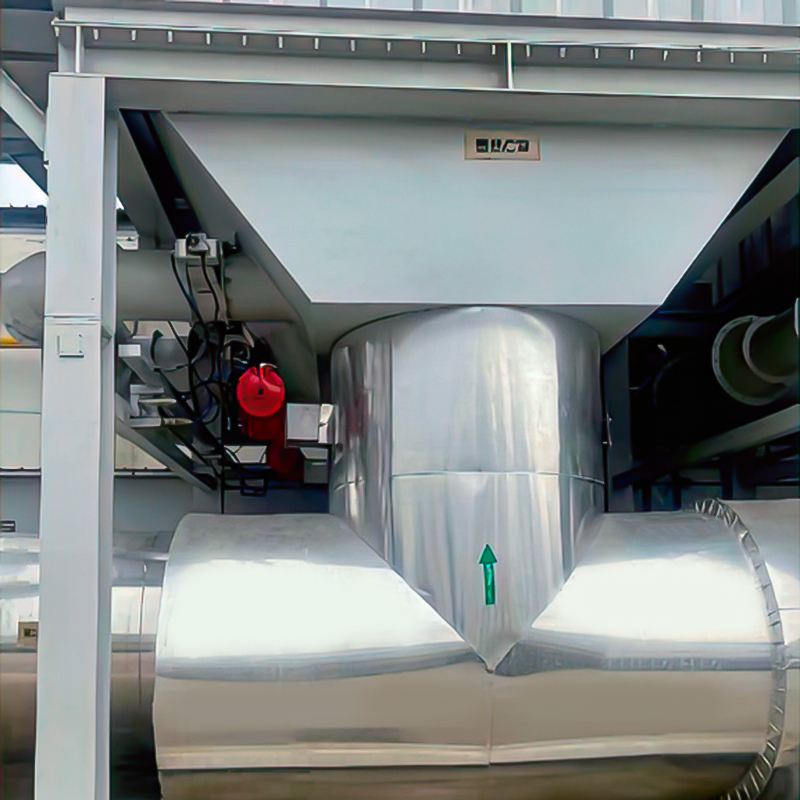
Purpose Mainly used for proportional ventilation of high-temperature flue gas. lt is widely used in places where leak rate requirements are not high, ...
See Details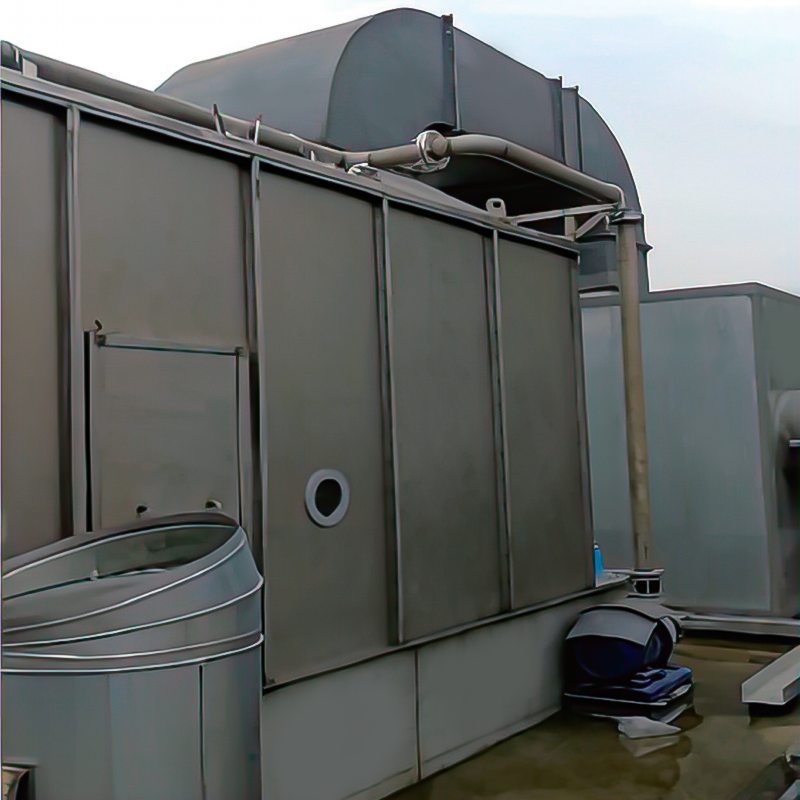
Overview The wet dust removal principle uses the process of capturing and separating dust particles in the gas phase by fully contacting gas-liquid tw...
See Details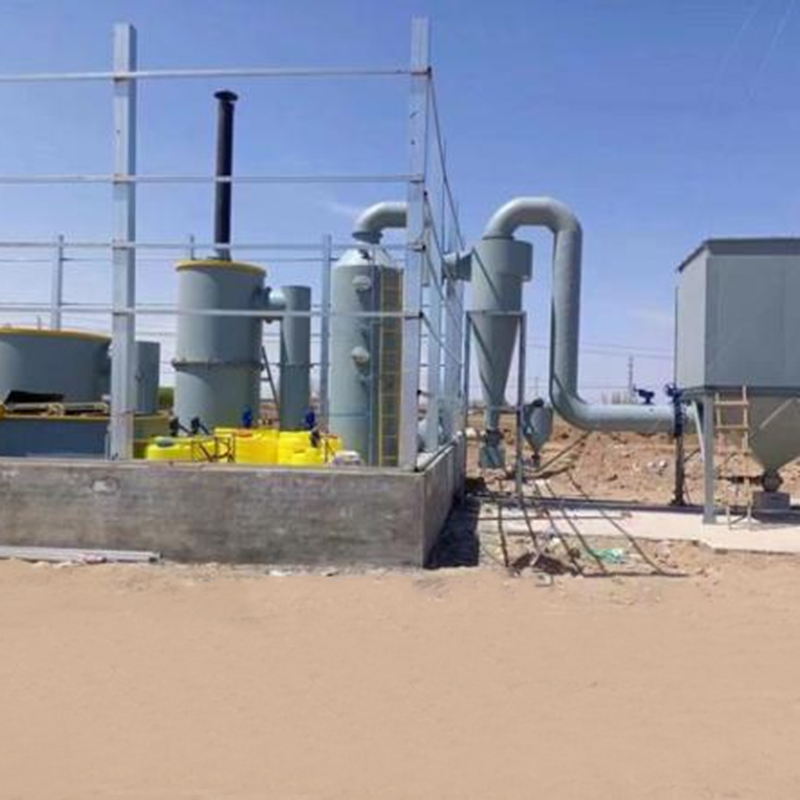
Overview Solid waste incineration furnaces are essential equipment in the management of solid waste, designed to transform waste materials into ash an...
See DetailsMOBILE
Product Manual

Copyright © Lv quan Environmental Protection Engineering Technology Co., Ltd. All Rights Reserved. Vocs Organic Waste Gas Treatment Engineering Equipment Manufacturer

