

 English
 русский
 Français
 Español
 عربى
عربى
LQ-RTO Heat-storage high-temperature incineration equipment
Cat:Equipment
Overview Of Tower-Type RTO Regenerative Thermal Oxidizer (RTO) is an organic waste gas treatment equipment that combines high-temperature oxidation wi...
See Details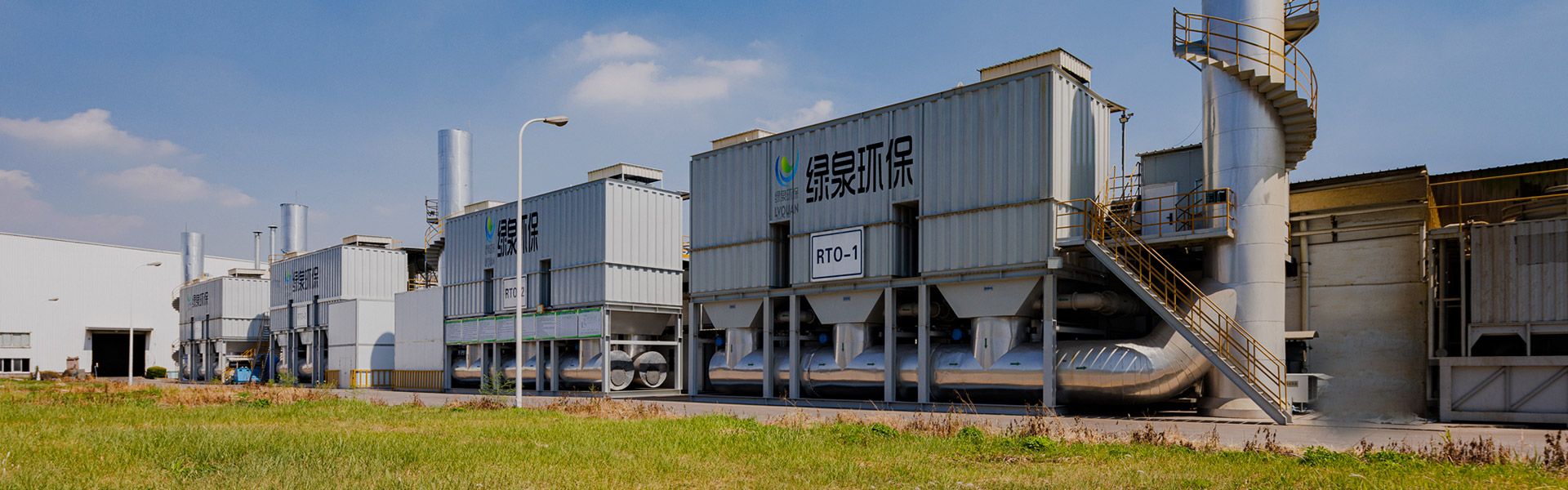
Content
Yes, modern organic waste gas treatment equipment can consistently achieve removal efficiencies exceeding 95% for Volatile Organic Compounds (VOCs). For well-engineered systems such as regenerative thermal oxidizers (RTO) or combined adsorption-concentration + incineration units, efficiencies of 98-99% are common under proper operating conditions. The key lies in selecting the right technology, maintaining optimal parameters, and integrating pre-treatment steps.
For example, at Lv Quan Environmental Protection Engineering Technology Co., Ltd., our RTO systems and adsorption-desorption catalytic combustion units routinely demonstrate removal rates of 96-99% in real-world applications across automotive, petrochemical, and printing industries. Lower efficiencies (below 80%) typically indicate mismatched technology, improper maintenance, or variable inlet loadings.
Attaining and sustaining >95% removal efficiency requires a systematic approach. Based on our 30+ years of VOCs equipment design and manufacturing, the following five pillars are essential:
At Lv Quan, our integrated systems (e.g., adsorption + catalytic combustion) have demonstrated stable 97% efficiency over 3-year continuous operation in a pharmaceutical solvent recovery project, with monthly performance deviation under ±1.5%.
Different technologies yield varying removal efficiencies. The table below summarizes typical performance ranges based on field data from over 200 installed systems by Lv Quan Environmental Protection Engineering Technology Co., Ltd.
| Technology | Typical Removal Efficiency | Best Applicable Concentration Range | Energy Consumption (relative) |
|---|---|---|---|
| Regenerative Thermal Oxidizer (RTO) | 95-99% | 500 - 5000 mg/m³ | Moderate-High |
| Catalytic Oxidizer (CO) | 90-98% | 300 - 3000 mg/m³ | Moderate |
| Activated Carbon Adsorption (non-regenerative) | 85-92% (initial), decays to <70% | < 1000 mg/m³ | Low |
| Zeolite Rotor + RTO/CO | 93-97% (overall) | 100 - 1500 mg/m³ (large volume) | Low-Moderate |
| Biological Filtration | 60-85% | < 300 mg/m³, water-soluble VOCs | Very Low |
As shown, RTO and RTO-combined systems deliver the highest and most stable removal rates, making them the preferred choice for stringent emission regulations (e.g., ≥95% efficiency required by many local permits).
Yes. For example, Lv Quan's RTO systems treating printing press exhaust (ethanol, ethyl acetate, ~1800 mg/m³) achieved 99.2% removal efficiency during a 72-hour continuous compliance test. The key is maintaining combustion temperature at 820°C with a ceramic media heat recovery efficiency >95%.
Common causes include: (a) Inadequate pre-treatment leading to catalyst or adsorbent poisoning; (b) Combustion temperature below 700°C for thermal units; (c) Channeling in adsorption beds due to uneven airflow; (d) Overloaded inlet concentration beyond design capacity. A site audit by an experienced provider (like Lv Quan, with 30+ years in VOCs design) typically identifies the bottleneck.
For continuous monitoring, install a CEMS with hourly average reporting. For periodic verification, conduct stack sampling monthly or quarterly. Our experience shows that systems with weekly PID spot checks maintain efficiency 3-5% higher than those checked only quarterly.
Significantly. For activated carbon systems, relative humidity above 60% reduces adsorption capacity by up to 40%. For zeolite rotors, the effect is less but still notable: >75% RH can lower efficiency by 15-20%. Always include a dehumidification or pre-cooling step when treating humid exhaust.
We contractually guarantee ≥95% removal efficiency for RTO and adsorption-concentration systems under design conditions, with a performance test within 30 days of commissioning. For projects requiring ultra-low emissions, we offer 98% guarantee with a 3-year warranty on core components (ceramic media, heat exchangers, control valves).
A pharmaceutical client in Jiangsu Province (China) faced VOC emissions of 1200 mg/m³ (mainly ethanol, isopropanol, and dichloromethane) from a tablet coating line. Their existing carbon adsorber delivered only 68% efficiency, failing local standards. Lv Quan Environmental Protection Engineering Technology Co., Ltd. designed and installed a pre-filter + two-stage zeolite rotor concentrator + RTO system.
Results after 6 months of operation:
This case demonstrates that with proper engineering, even challenging pharmaceutical streams can achieve >95% efficiency reliably.
To summarize the practical steps for achieving and sustaining high performance in organic waste gas treatment equipment:
By adhering to these guidelines, industrial facilities can confidently meet the most stringent emission standards while optimizing operating costs. As a specialized organic waste gas treatment equipment factory with ISO9001, ISO14001 certifications and over 30 years of VOCs expertise, Lv Quan Environmental Protection Engineering Technology Co., Ltd. remains committed to delivering reliable, high-efficiency solutions tailored to each client's unique exhaust profile.
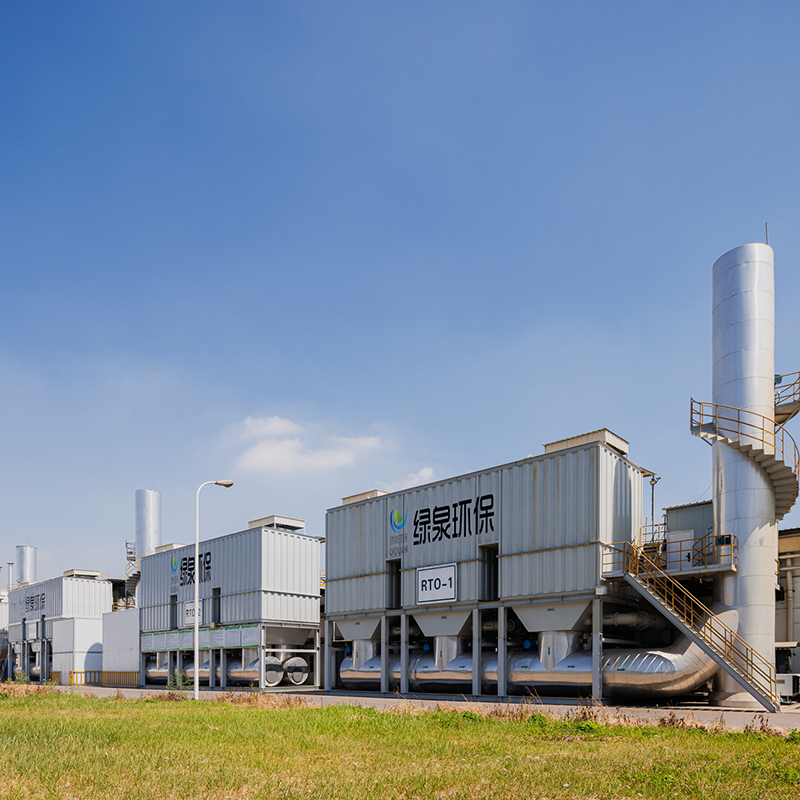
Overview Of Tower-Type RTO Regenerative Thermal Oxidizer (RTO) is an organic waste gas treatment equipment that combines high-temperature oxidation wi...
See Details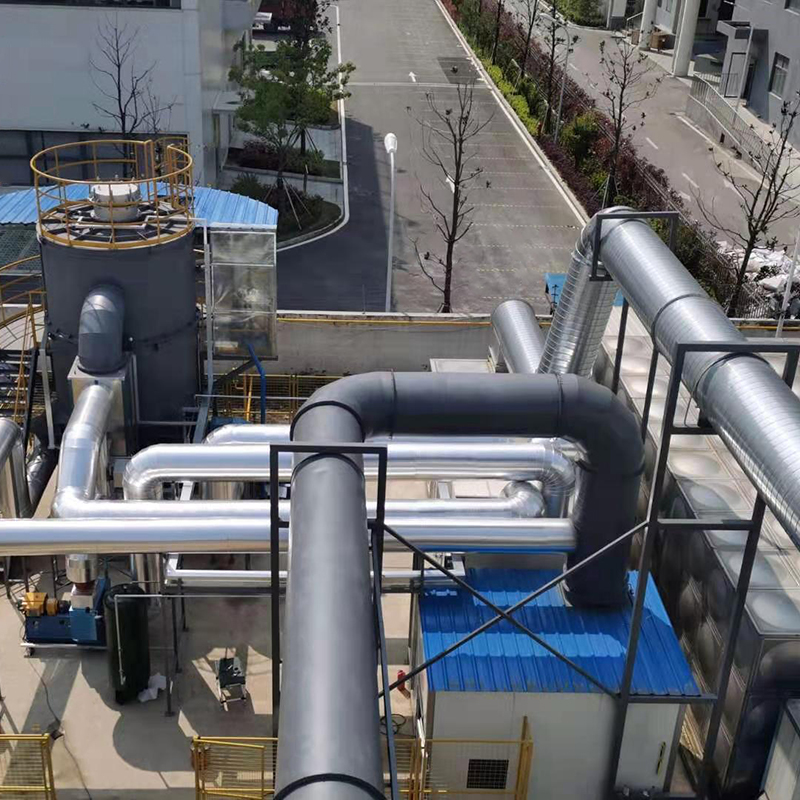
Overview Of Tower-Type RTO Our company offers two types of rotary RTO, which are the rotary RTO and the single barrel multi-valve RTO. The rotary RTO,...
See Details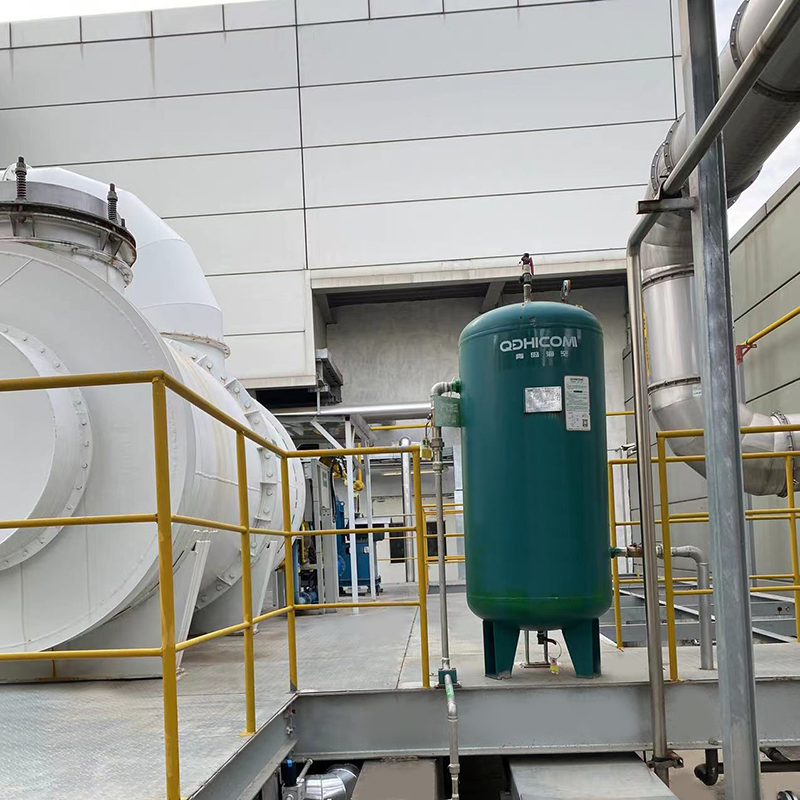
Overview Direct combustion high-temperature incineration equipment, abbreviated as TO, utilizes the heat generated by the combustion of auxiliary fuel...
See Details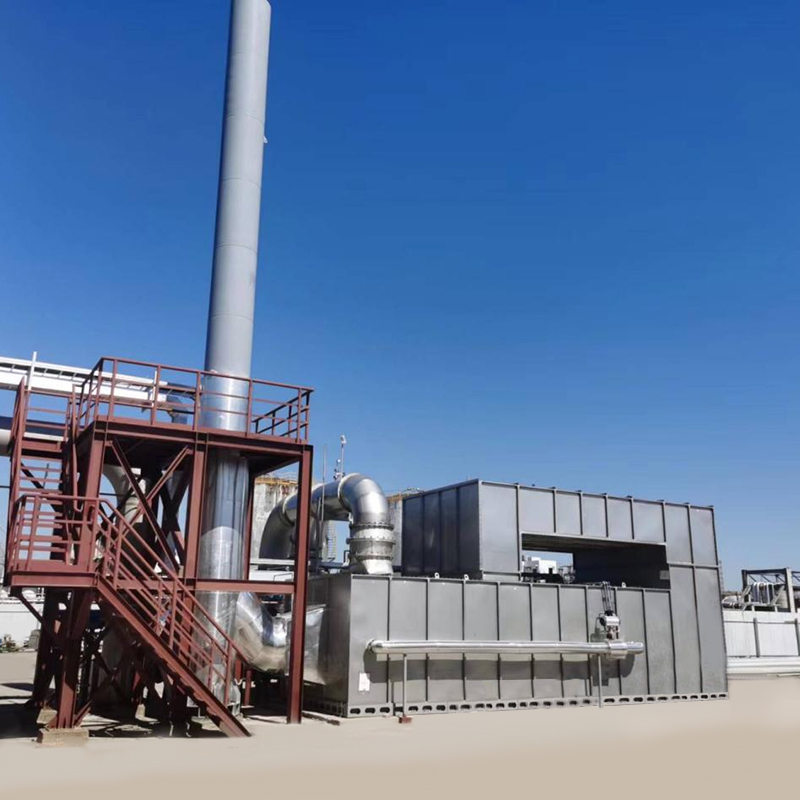
Overview Catalytic combustion is a purification method that uses catalysts to oxidize and decompose combustible substances in exhaust gas at low tempe...
See Details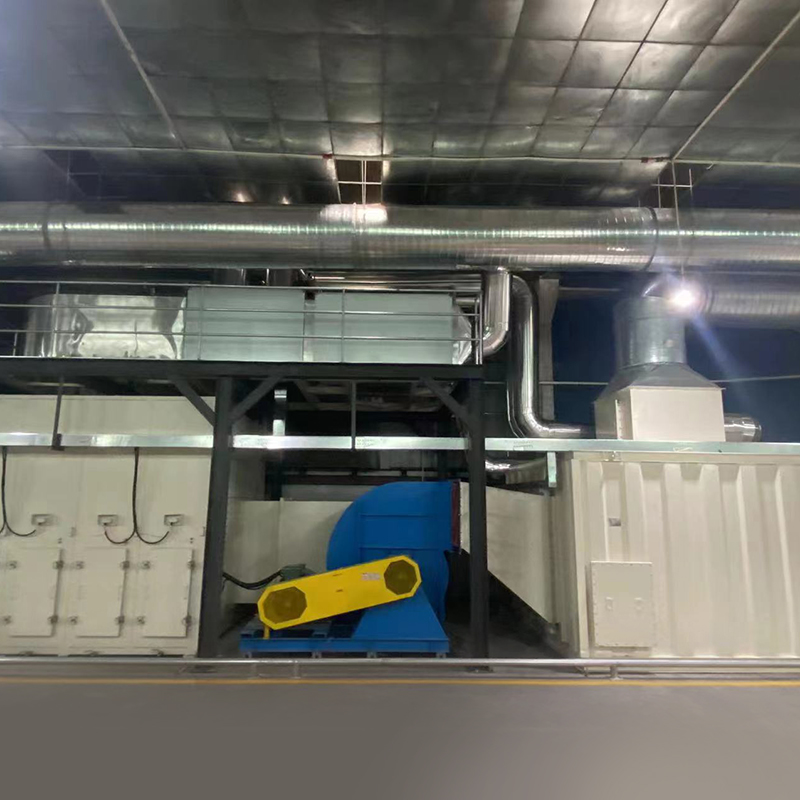
Overview Of Variable Freouency Zeolite Turntable Our company's zeolite concentration turntable uses a combination of zeolite modules, with a high zeol...
See Details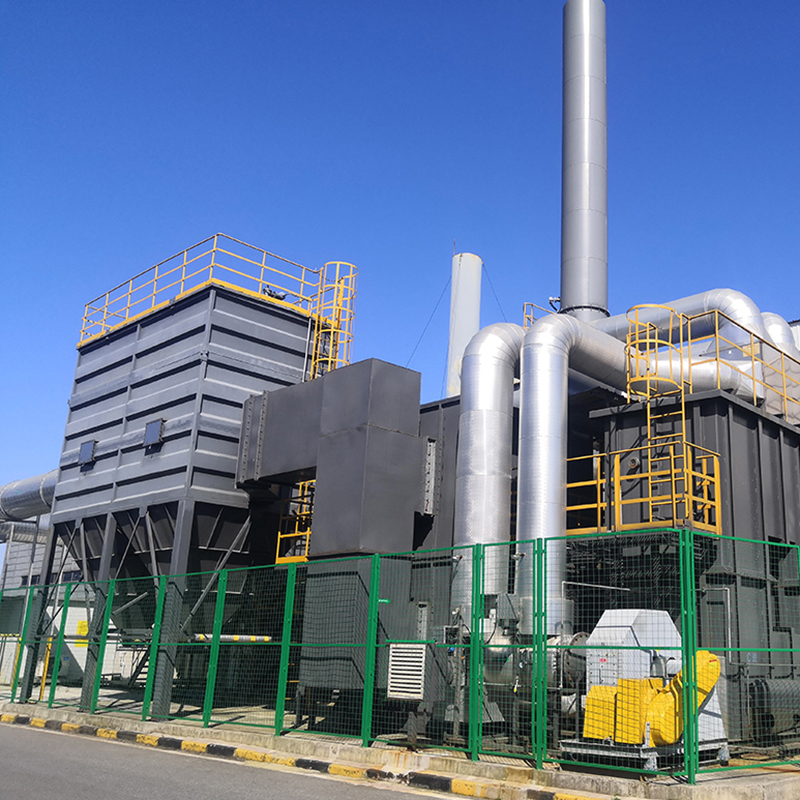
Concept Of Zeolite Wheel+RTO System Using zeolite wheel to adsorb organic waste gas, the low concentration and high air volume waste gas is concentrat...
See Details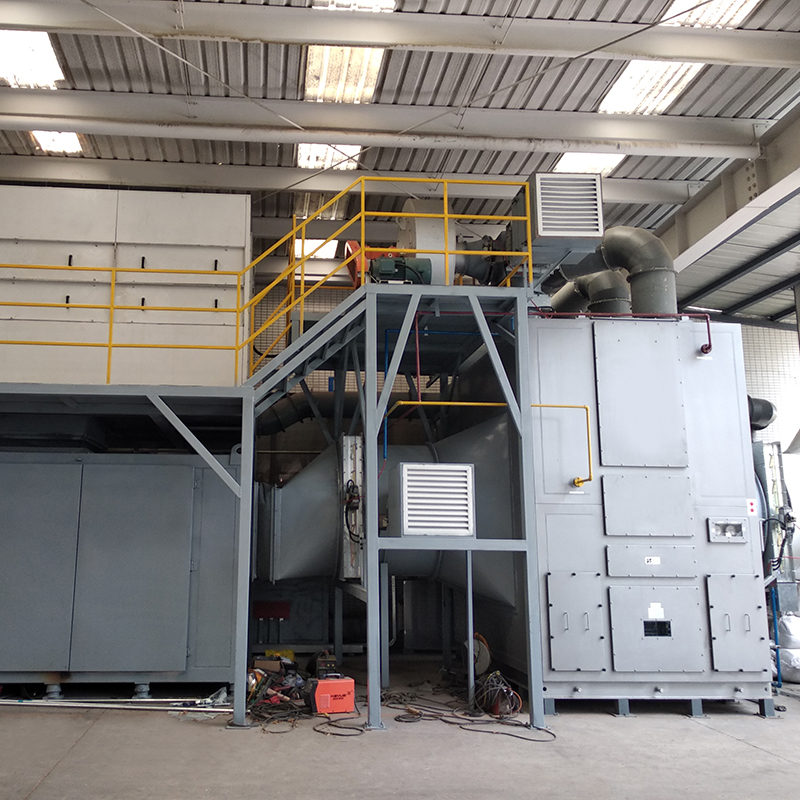
The Concept Of The Complete Set Of Equipment The purpose of employing rotary drum zeolite adsorption for organic waste gas is to concentrate low-conce...
See Details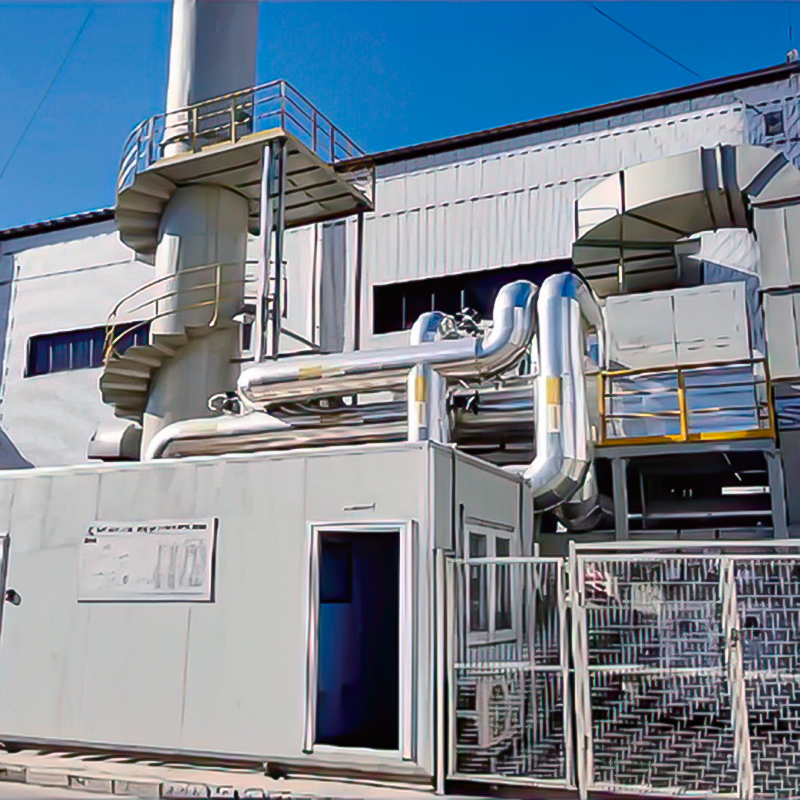
Concept Of Zeolite Rotary Wheel + Catalytic Combustion As A Set Of Equipment In the combined process of organic waste gas and waste gas treatment, the...
See Details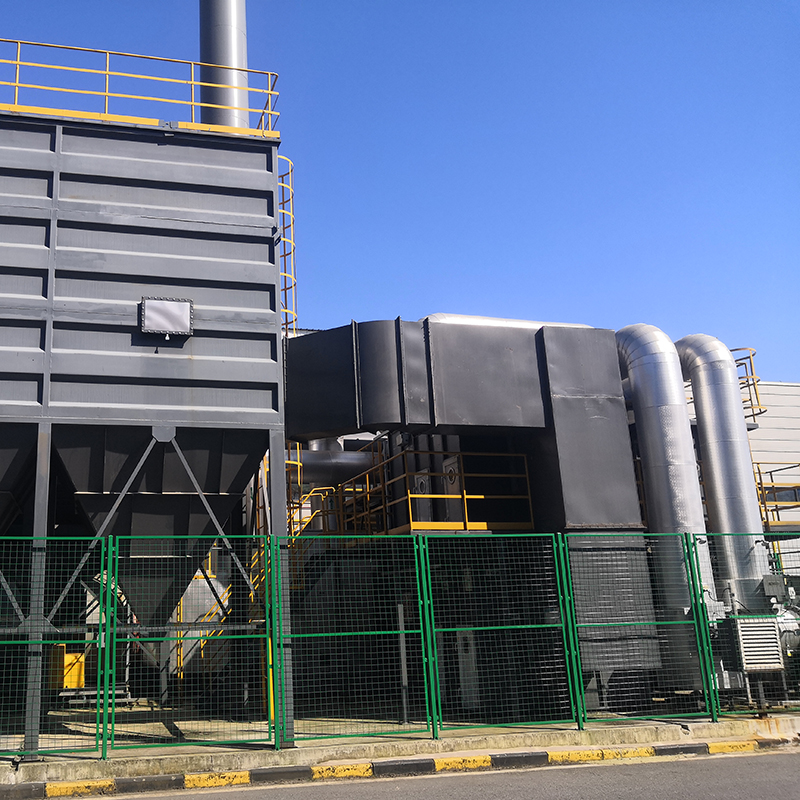
The Concept Of Zeolite Wheel+ Direct Combustion High-Temperature Incineration Equipment The purpose of employing rotary drum zeolite adsorption for or...
See Details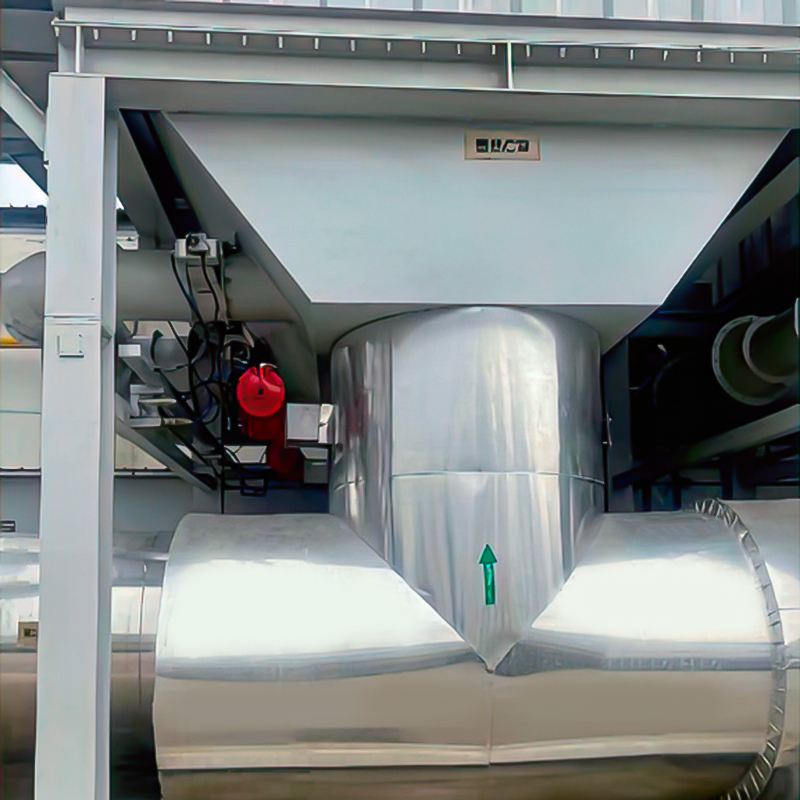
Purpose Mainly used for proportional ventilation of high-temperature flue gas. lt is widely used in places where leak rate requirements are not high, ...
See DetailsMOBILE
Product Manual

Copyright © Lv quan Environmental Protection Engineering Technology Co., Ltd. All Rights Reserved. Vocs Organic Waste Gas Treatment Engineering Equipment Manufacturer

