

 English
 русский
 Français
 Español
 عربى
عربى
LQ-RTO Heat-storage high-temperature incineration equipment
Cat:Equipment
Overview Of Tower-Type RTO Regenerative Thermal Oxidizer (RTO) is an organic waste gas treatment equipment that combines high-temperature oxidation wi...
See Details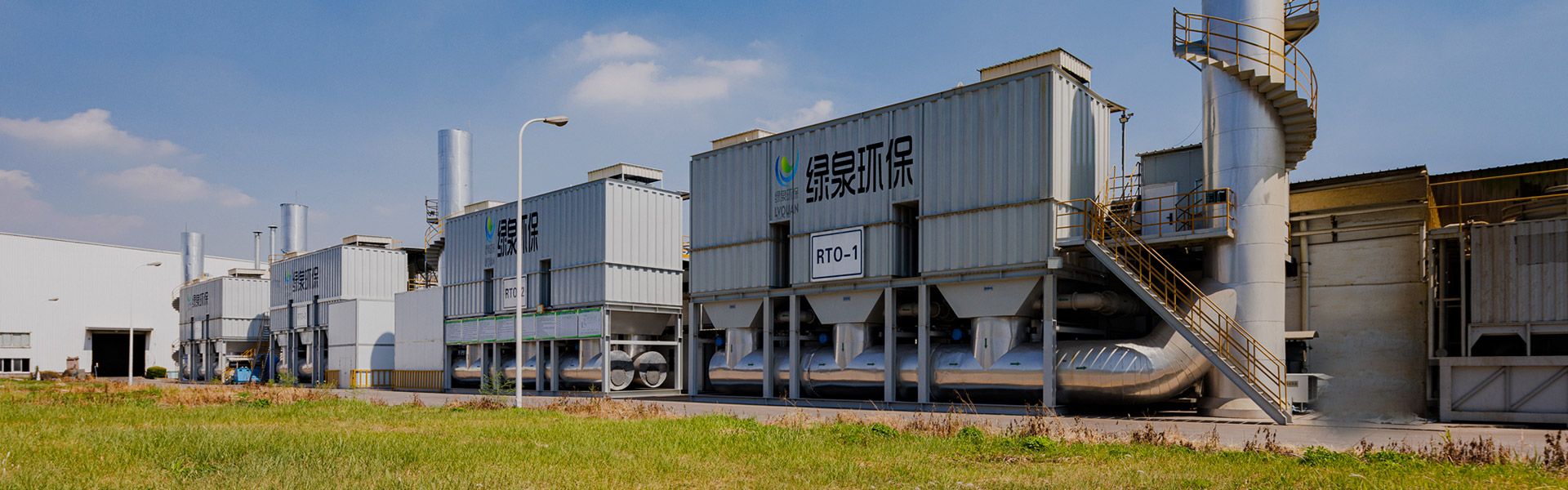
Content
The primary defense against fire and explosion risks involves maintaining VOC concentrations below 25% of the Lower Explosive Limit (LEL) and installing automatic suppression systems. VOCs organic waste gas treatment engineering equipment operates with highly flammable compounds, making intrinsic safety design non-negotiable.
Modern treatment systems employ multiple protective layers. LEL monitors must trigger alarms at 25% concentration and automatically shut down systems at 50% LEL. Thermal oxidizers require flame arrestors on inlet piping and explosion relief panels rated for 0.5-1.0 barg overpressure.
| Technology | LEL Limit | Required Safety Device |
|---|---|---|
| Regenerative Thermal Oxidizer (RTO) | 25% LEL | Flame arrestor + bypass damper |
| Catalytic Oxidizer | 20% LEL | Temperature interlock + poison guard |
| Activated Carbon Adsorption | 30% LEL | Nitrogen purge + hot spot detection |
| Condensation Recovery | No limit | Explosion-proof electrical (Class I Div 1) |
Pre-startup purge cycles must exchange 4-6 vessel volumes with fresh air. Hot work permits are mandatory when VOC concentrations exceed 10% LEL in surrounding areas. Static grounding resistance should remain below 10 ohms for all conductive equipment.
Poor capture efficiency typically stems from insufficient hood face velocities below 0.5 m/s and unsealed process openings allowing fugitive emissions. Industrial assessments reveal that 60-80% of underperforming systems suffer from basic airflow management failures rather than equipment defects.
Capture hoods must maintain 0.5-1.0 m/s face velocity for open surface tanks and 0.25-0.5 m/s for enclosed processes. Ductwork velocities below 10 m/s cause particle dropout; above 15 m/s create excessive pressure loss. 90-degree elbows without turning vanes reduce efficiency by 15-20%.
| Issue | Typical Impact | Detection Method |
|---|---|---|
| Hood too far from source (>1.5× hood diameter) | 40-60% loss | Smoke tube visualization |
| Duct leakage (5% of surface area) | 15-25% loss | Pressure decay testing |
| Unbalanced multi-branch systems | 20-35% loss | Pitot traverse measurement |
| Fan speed degradation (10% reduction) | 19% flow loss | Vibration analysis + amp draw |
Solvent-based coating operations generate peak emission spikes 3-5× average loading, overwhelming constant-speed collectors. Variable frequency drives (VFDs) with pressure transducer feedback maintain optimal capture during load fluctuations. Enclosed conveyor systems show 85-95% capture rates versus 40-60% for open dip tanks.
Well-maintained VOCs treatment equipment typically delivers 8-15 years of service, with thermal oxidizers achieving 15-20 years and carbon adsorption systems requiring media replacement every 3-5 years. Actual lifespan depends heavily on corrosion resistance, thermal cycling frequency, and preventive maintenance rigor.
Ceramic heat exchange media in RTOs withstand 10-15 years before thermal shock degradation reduces efficiency below 85%. Stainless steel burner tubes in direct-fired oxidizers last 8-12 years depending on chloride content in process streams. Catalyst beds for halogenated VOCs degrade 40% faster than those handling ketones or alcohols.
| Component | Standard Life | Failure Mode |
|---|---|---|
| RTO Ceramic Media | 10-15 years | Thermal cracking, plugging |
| Catalyst (Precious Metal) | 5-8 years | Poisoning, sintering |
| Activated Carbon | 3-5 years | Pore saturation, attrition |
| Combustion Burners | 8-12 years | Corrosion, nozzle erosion |
| Extraction Fans | 10-15 years | Bearing wear, impeller corrosion |
Implementing annual thermal imaging inspections identifies refractory hot spots before structural failure. pH buffering of inlet streams below 6.0 or above 8.0 extends carbon steel ductwork life by 3-4 years. Systems operating with pre-filters removing 95% of particulates achieve 30% longer catalyst life.
Proper sizing requires 20-30% excess capacity above peak design flow to accommodate production expansion without compromising treatment efficiency. Undersized systems operating at 100% capacity cannot handle filter loading or duct fouling that naturally occurs over time.
Halogenated VOCs (methylene chloride, perchloroethylene) demand 316L stainless steel or Hastelloy C construction to prevent chloride stress corrosion. Carbon steel degrades 10× faster in these environments. For ketone-laden streams, aluminum components are prohibited due to potential peroxide formation.
Continuous Parameter Monitoring Systems (CPMS) must track combustion chamber temperature (±5°C accuracy), retention time, and destruction efficiency. Weekly calibration checks and quarterly relative accuracy test audits (RATA) are mandatory under MACT standards.
Regenerative thermal oxidizers achieve 95-97% thermal efficiency through ceramic heat recovery. Concentrator wheels with zeolite media reduce large-volume, low-concentration streams by 10:1 to 20:1 before oxidation, cutting fuel use by 60-80%.
Phosphorus, sulfur, and heavy metals poison precious metal catalysts at concentrations as low as 1 ppm. Silicones form silica deposits that block active sites. Pre-filtration to 0.3 microns and activated carbon guard beds extend catalyst life by 2-3 years.
Activated carbon remains cost-effective for solvent recovery applications where adsorbates have resale value (> $2/kg) and inlet concentrations below 1,000 ppm. Steam regeneration costs $0.08-0.12 per pound of carbon versus $0.15-0.25 for thermal oxidation fuel costs.
Purge cycles must achieve 3× air changes before introducing VOC-laden streams. RTOs utilize supplemental fuel burners to reach 760°C setpoint within 30 minutes. Bypass dampers divert uncleaned gas only during upset conditions, not normal startup.
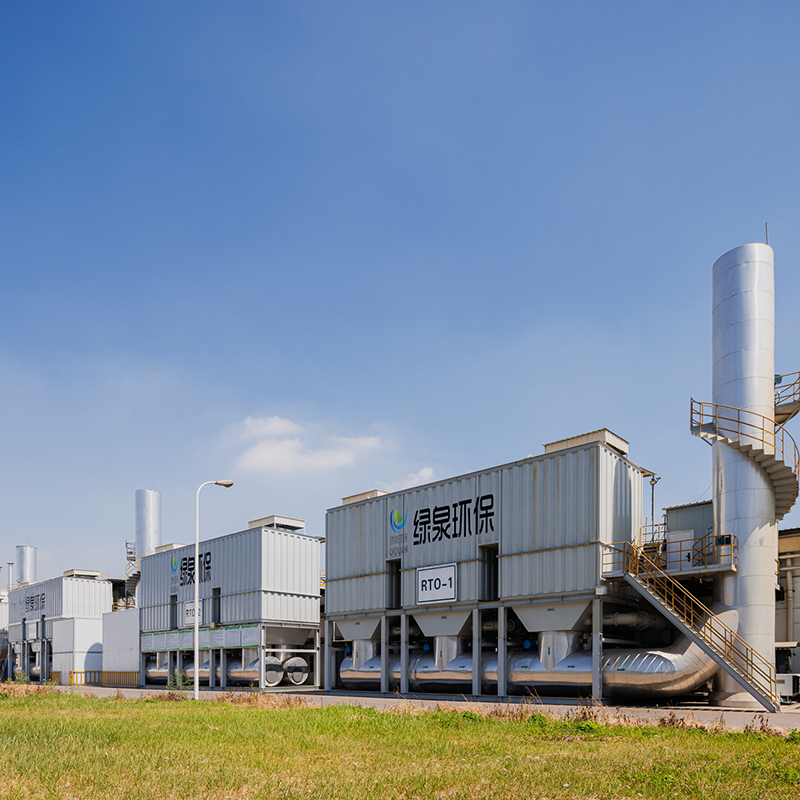
Overview Of Tower-Type RTO Regenerative Thermal Oxidizer (RTO) is an organic waste gas treatment equipment that combines high-temperature oxidation wi...
See Details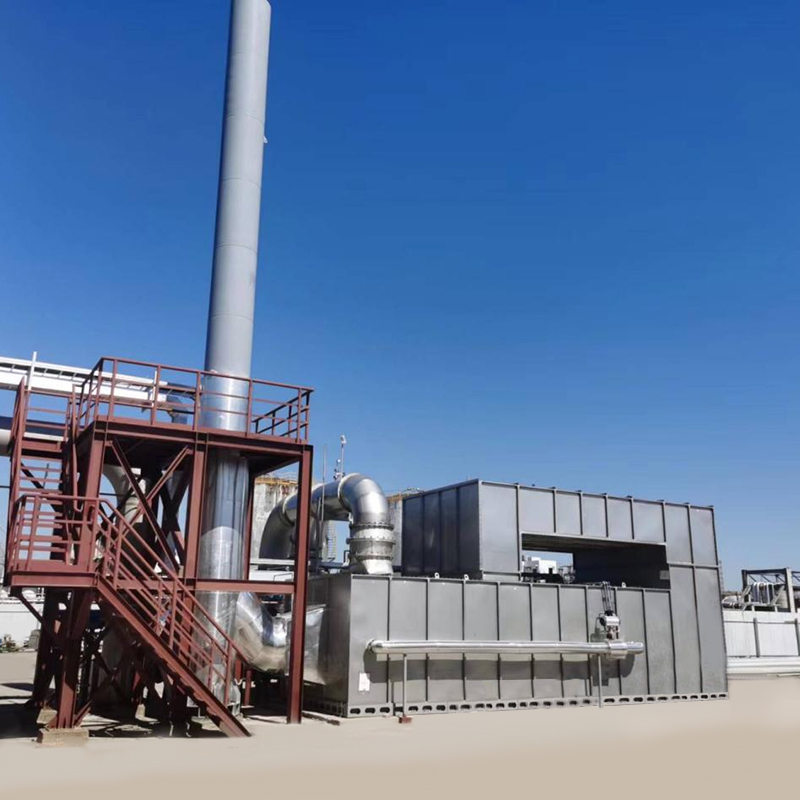
Overview Catalytic combustion is a purification method that uses catalysts to oxidize and decompose combustible substances in exhaust gas at low tempe...
See Details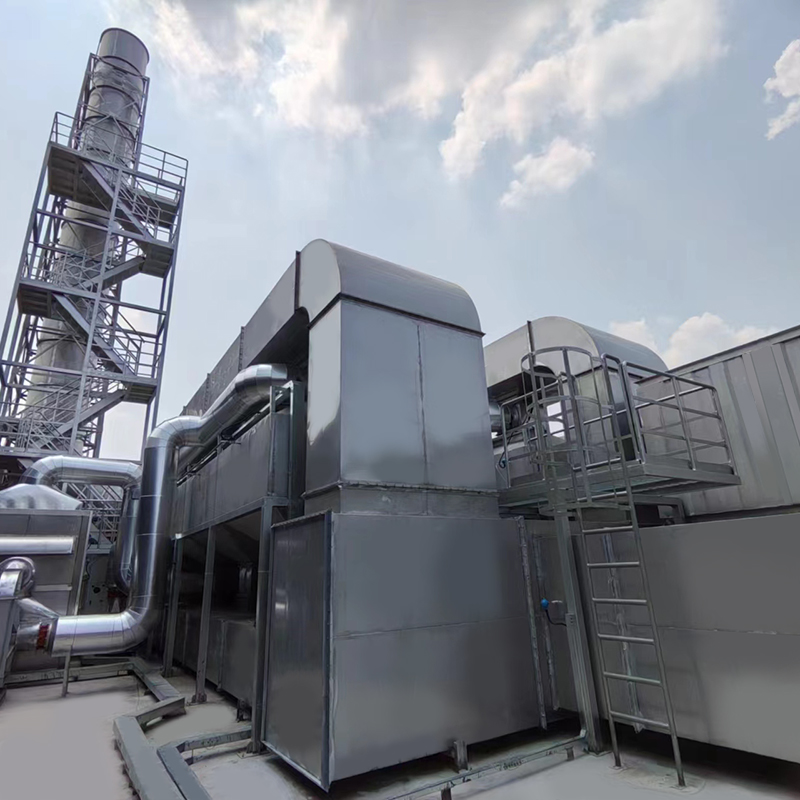
Overview of Activated Carbon Fiber Organic Solvent Purification Recovery Device The Activated Carbon Fiber Organic Solvent Purification Recovery Syste...
See Details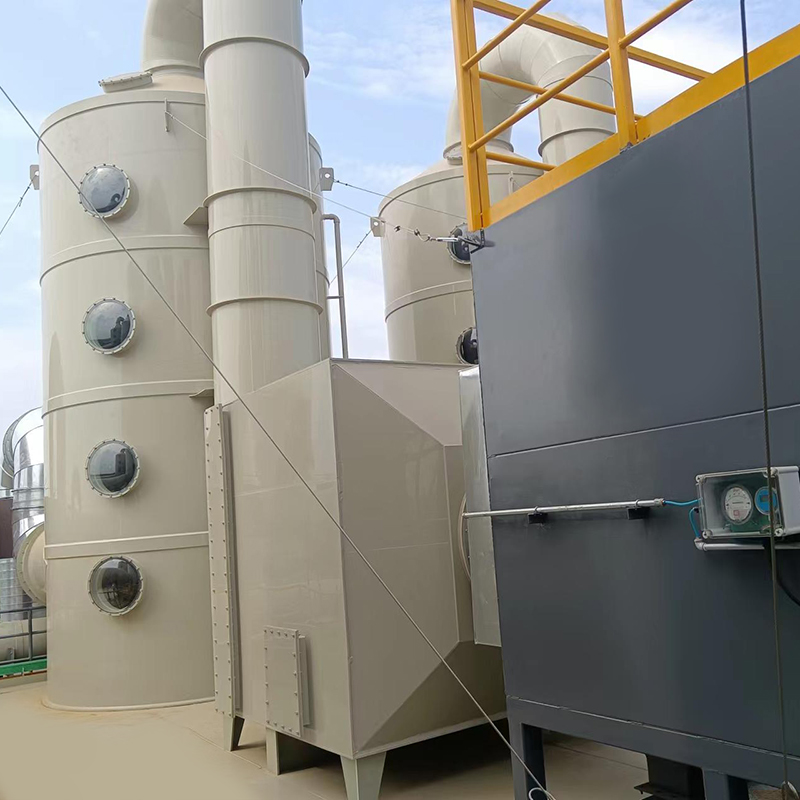
Overview The VOC-ACA series organic gas particle carbon purification and recovery equipment is used for the absorption, recovery, and reuse of organic...
See Details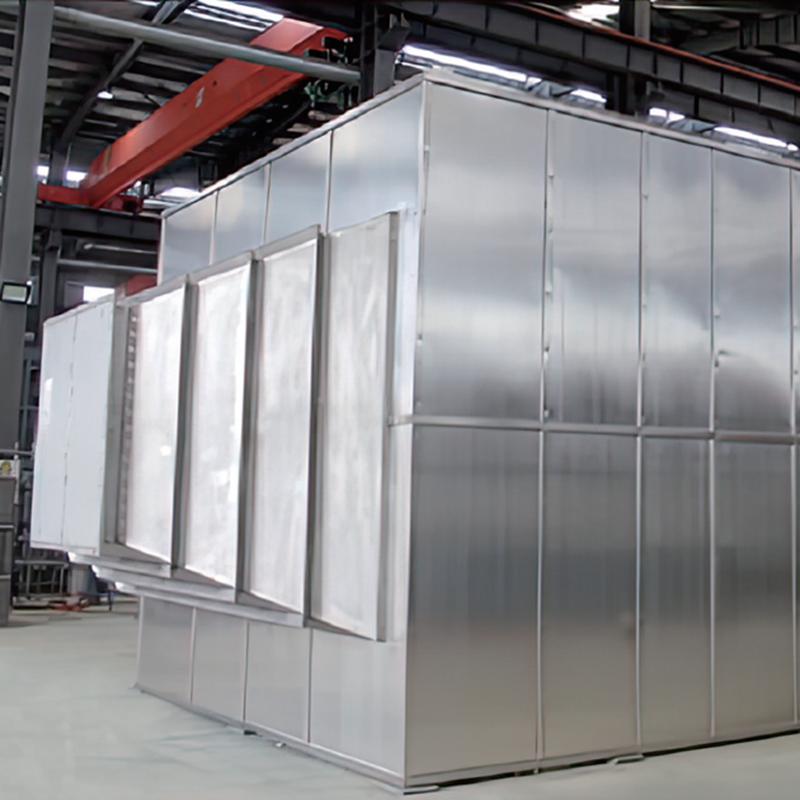
Product Introduction Gas heat exchanger is mainly used for energy saving and emission reduction industries in the waste heat recovery of flue gas in v...
See Details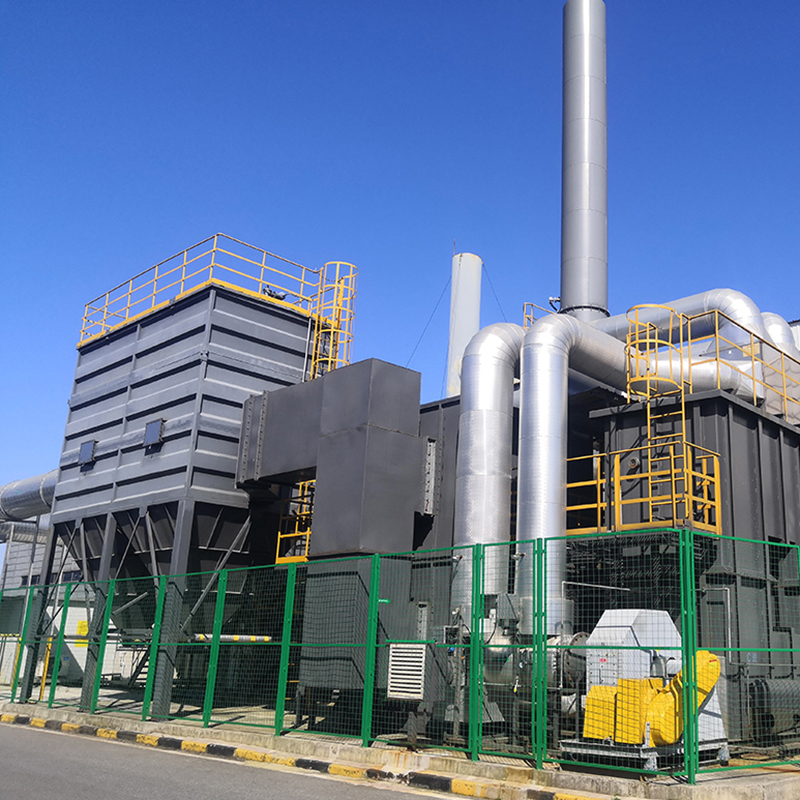
Concept Of Zeolite Wheel+RTO System Using zeolite wheel to adsorb organic waste gas, the low concentration and high air volume waste gas is concentrat...
See Details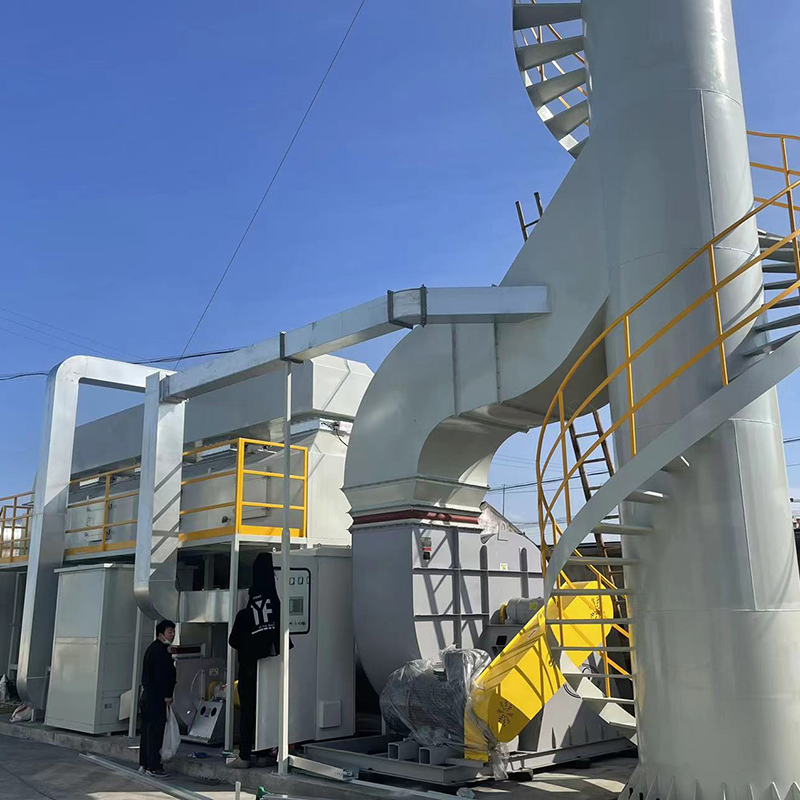
The VOC-CFT-CO Adsorption Catalytic Purification Equipment The VOC-CFT-CO adsorption catalytic purification equipment, consisting of fixed-bed honeyco...
See Details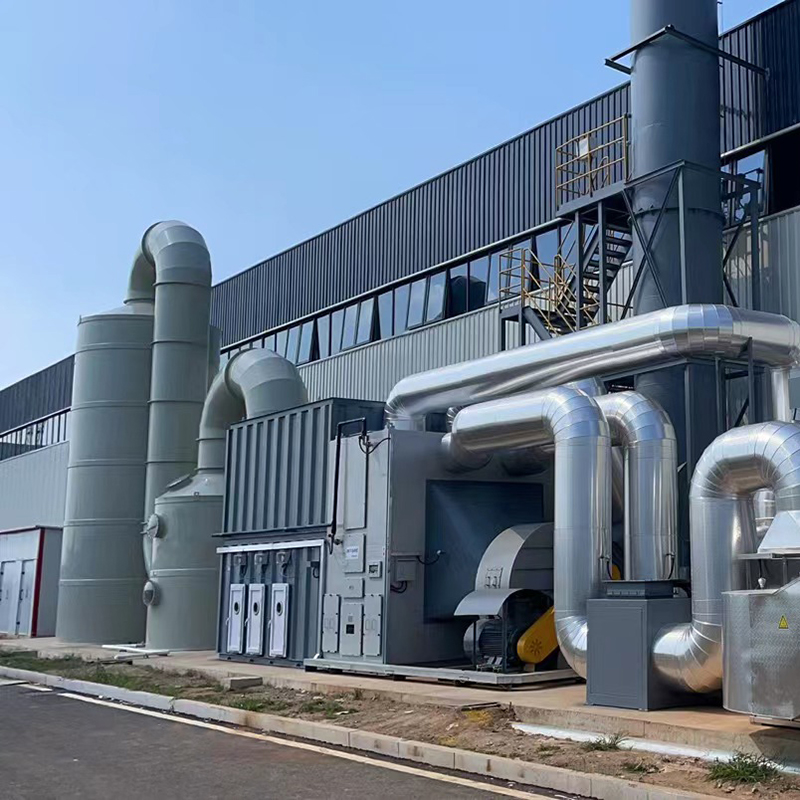
Concept Of Fixed Bed Zeolite + Catalytic Combustion As A Set Of Equipment The fixed bed zeolite + catalytic combustion device is suitable for the conc...
See Details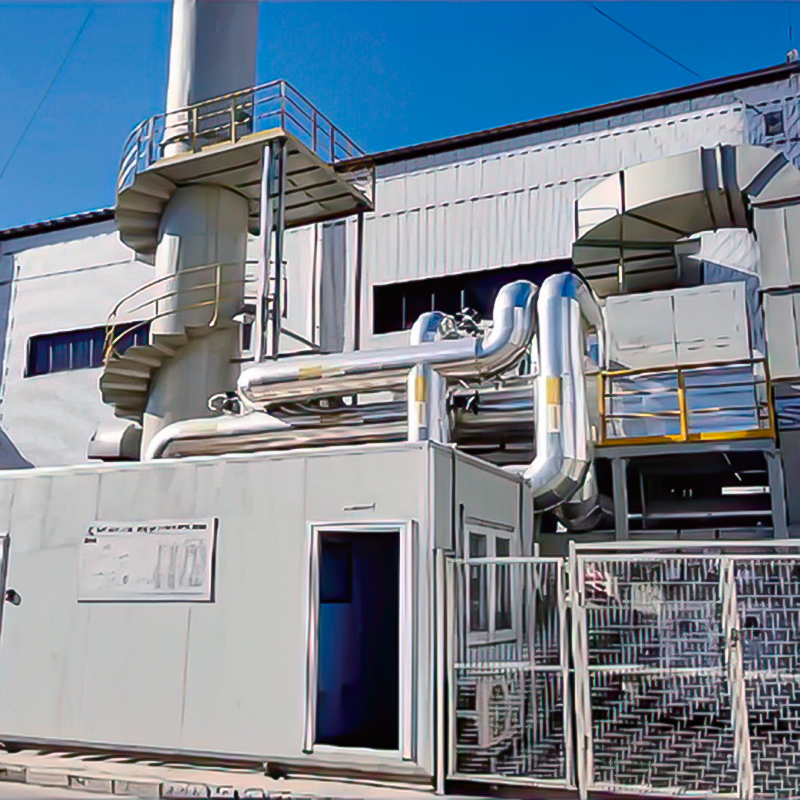
Concept Of Zeolite Rotary Wheel + Catalytic Combustion As A Set Of Equipment In the combined process of organic waste gas and waste gas treatment, the...
See Details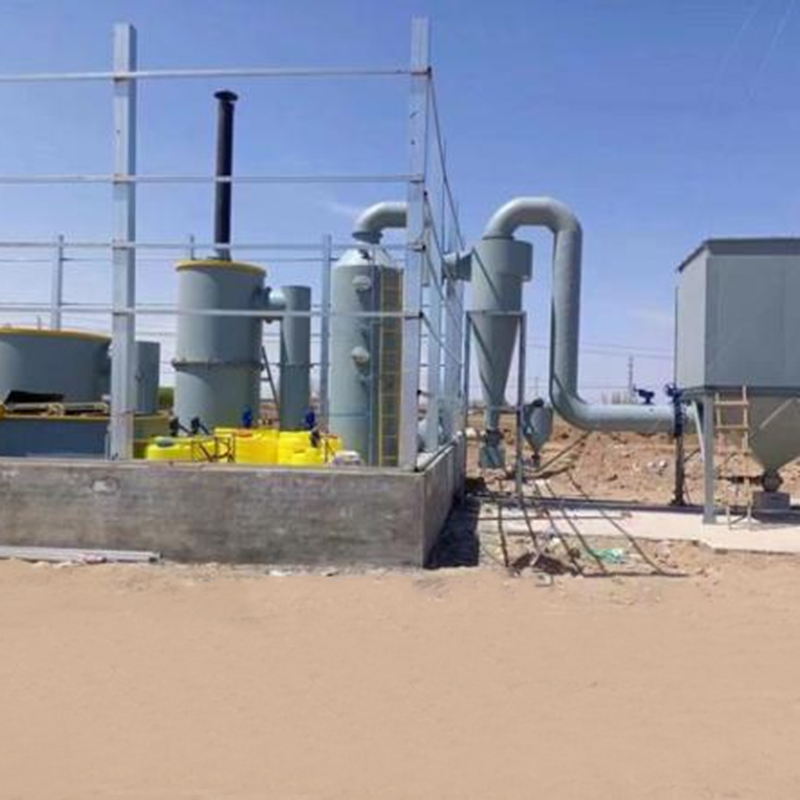
Overview Solid waste incineration furnaces are essential equipment in the management of solid waste, designed to transform waste materials into ash an...
See DetailsMOBILE
Product Manual

Copyright © Lv quan Environmental Protection Engineering Technology Co., Ltd. All Rights Reserved. Vocs Organic Waste Gas Treatment Engineering Equipment Manufacturer

