

 English
 русский
 Français
 Español
 عربى
عربى
LQ-RTO Heat-storage high-temperature incineration equipment
Cat:Equipment
Overview Of Tower-Type RTO Regenerative Thermal Oxidizer (RTO) is an organic waste gas treatment equipment that combines high-temperature oxidation wi...
See Details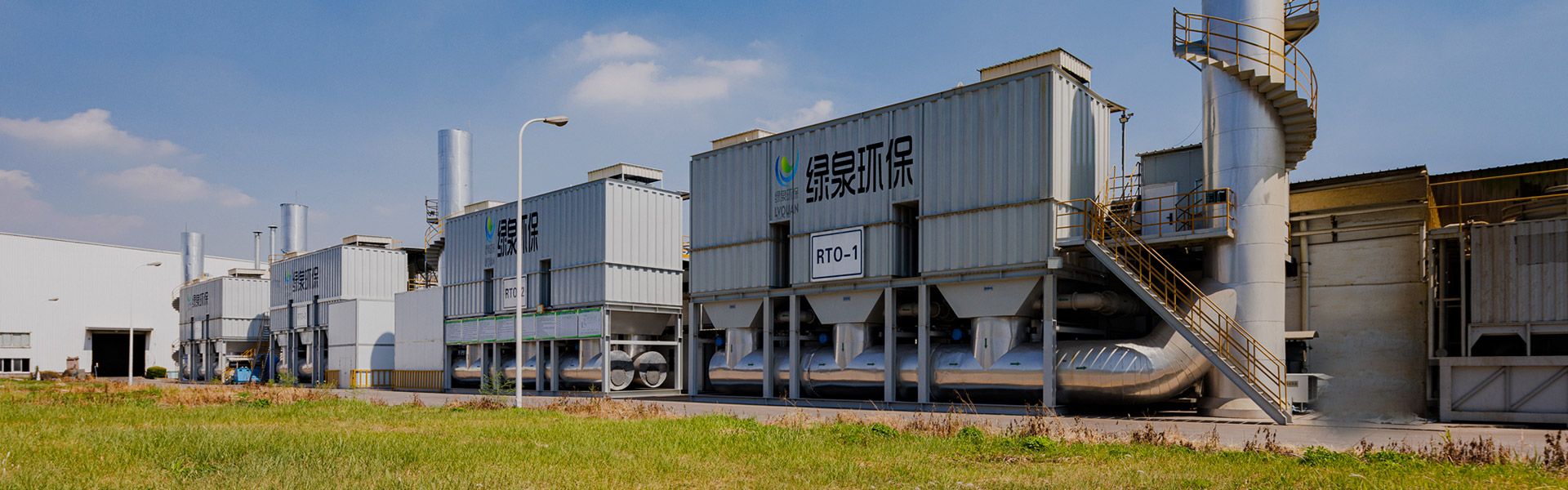
Content
When it comes to industrial VOC emission control, the LQ-ADW-RTO zeolite rotor + RTO system represents one of the most effective combined technologies available today. By integrating a zeolite wheel concentrator with a regenerative thermal oxidizer (RTO), this system achieves purification efficiency of up to 98.5% adsorption and over 99% destruction of volatile organic compounds - without the fire hazards associated with activated carbon beds or the energy penalties of standalone oxidizers. For facilities dealing with low-concentration, high-volume exhaust streams, this integrated approach delivers a decisive performance advantage.
The core principle is elegant: the zeolite concentrator wheel first adsorbs VOCs from large airflows, then releases them as a concentrated stream 5 to 30 times smaller in volume. This dramatically reduced stream then feeds the RTO, which combusts the organics at high temperature while recovering up to 95% of the thermal energy using advanced ceramic heat storage bodies. The result is a system that runs near-autothermally at inlet concentrations of 1,500-2,000 mg/m3, minimizing fuel costs and maximizing compliance performance.
The VOC treatment process begins as contaminated air passes through a pre-filter to remove particulates, then enters the rotating zeolite wheel's processing zone. The zeolite adsorbent captures organic molecules from the high-volume, low-concentration exhaust, releasing clean air on the downstream side. As the wheel rotates continuously, the VOC-laden segment moves into the regeneration zone, where a counter-current of hot air (typically 180-220 degrees C) desorbs the organics. Because the regeneration airflow is only a fraction of the process airflow, VOC concentrations in the desorbed stream are amplified by a factor of 5 to 30.
This concentrated VOC stream then enters the regenerative thermal oxidizer. Inside the RTO, ceramic heat storage bodies pre-heat the incoming gas to near-combustion temperatures before it reaches the combustion chamber, where organics are oxidized to CO2 and water at temperatures typically between 760 degrees C and 960 degrees C. The outgoing hot gases then re-heat the ceramic beds, completing the thermal cycle. A cooling zone on the concentrator wheel prevents carryover and prepares each segment for the next adsorption cycle.
Figure 1: Integrated Zeolite Wheel Concentrator and Regenerative Thermal Oxidizer (RTO) - process flow overview
The diagram above illustrates the complete VOC treatment cycle. Contaminated industrial air enters from the left through the pre-filter, passes through the zeolite wheel's processing zone where VOCs are captured, and exits as clean air from the top. The wheel's desorption zone continuously releases concentrated organics into the RTO. Inside the RTO, twin ceramic heat storage beds alternately absorb and release thermal energy, maintaining high combustion temperatures with minimal fuel input. The final exhaust stream consists primarily of CO2 and water vapor, meeting the most stringent industrial emission standards. This integrated design is the defining advantage of the zeolite rotor RTO system over single-stage treatment approaches.
Activated carbon adsorption has long been used for industrial VOC abatement, but it carries significant operational limitations that the zeolite wheel concentrator directly addresses. The most critical distinction is fire safety: activated carbon beds are combustible materials, and the exothermic nature of VOC adsorption can trigger uncontrolled temperature rises during desorption, leading to ignition incidents. Zeolite is an inorganic mineral with no flammability risk, enabling safer continuous operation without costly fire suppression systems.
Beyond safety, the performance gap is significant. Zeolite wheels achieve adsorption efficiency up to 98.5% across a wide range of organic compounds, while activated carbon systems may decline in efficiency as the bed approaches saturation, requiring frequent regeneration cycles or replacement. The zeolite rotor operates continuously - there is no "offline" period for regeneration, because different sectors of the rotating wheel handle adsorption, desorption, and cooling simultaneously.
Figure 2: Comparative performance metrics - Zeolite Rotor RTO system vs. conventional activated carbon adsorption
The chart above makes the performance gap visually clear. The zeolite rotor + RTO system outperforms activated carbon across every measured dimension. Adsorption efficiency reaches 98.5% versus approximately 80% for well-maintained carbon beds. Heat recovery stands at 95%, dramatically reducing fuel costs. Fire safety is rated 9.5 out of 10 for the zeolite system - compared to just 5 for activated carbon, which is inherently combustible. Continuous operation scores near-perfect at 9.8, because the rotating wheel design eliminates batch-mode shutdowns. Finally, the zeolite wheel's compact form factor gives it a superior footprint efficiency rating of 8.5, valuable in constrained industrial settings. These data points illustrate why leading manufacturers increasingly specify zeolite concentrator RTO systems for new VOC abatement installations.
The LQ-ADW-RTO product line is engineered to handle a wide range of industrial exhaust conditions. From printing and coating to electronics manufacturing and chemical processing, the system's modular design allows configuration as a two-tower, three-tower, five-tower, or rotary multi-valve RTO, each suited to different airflow volumes and operational requirements.
| Configuration | Max Air Volume (m3/h) | Purification Efficiency | Footprint | Valve Type |
|---|---|---|---|---|
| Two-Tower Fixed Bed | <=65,000 | >=90-98% | Large | Poppet / Butterfly Valve |
| Three-Tower Round Multi-Bed | <=100,000 | >=90-98% | Larger | Poppet / Butterfly Valve |
| Five-Tower Structure | <=100,000 | >=90-98% | General | Rotary Valve |
| Rotary Multi-Valve | <=100,000 | Up to 99.3%+ | General | Double Eccentric Butterfly |
For facilities requiring the highest purification rates, the rotary multi-valve configuration with double eccentric structure closed valves achieves destruction efficiencies above 99.3% - exceeding the performance of standard poppet valve designs. The system's control architecture supports both traditional PLC-based operation and advanced industrial controller platforms, enabling one-key start/stop after initial parameter configuration, with no dedicated operator required during normal running.
One of the most compelling economic arguments for the zeolite concentrator RTO combination is its near-autothermal operation. When inlet VOC concentrations reach the 1,500-2,000 mg/m3 threshold after concentration, the system sustains combustion without supplemental fuel. This represents a dramatic reduction in operational expenditure compared to direct-fired thermal oxidizers or catalytic oxidizers treating dilute streams.
The ceramic heat storage bodies - the thermal heart of the RTO - recover 95% of combustion heat to pre-warm incoming concentrated VOC streams. Over a full operating year at a medium-scale coating facility processing 50,000 m3/h of exhaust, this heat recovery can translate to natural gas savings exceeding 800,000 RMB annually, compared to a direct thermal oxidizer without heat recovery. When combined with the zeolite wheel's ability to reduce the RTO's volumetric throughput by 5 to 30 times, the capital cost of the thermal oxidation unit itself is substantially reduced.
Figure 3: 5-year relative operating cost trend comparison - Zeolite Rotor + RTO vs. Activated Carbon adsorption system
The line chart illustrates a critical financial insight: while activated carbon systems may have a lower initial capital cost in some cases, their operating costs remain elevated and decline slowly over time due to ongoing carbon replacement, steam consumption, and supplemental fuel costs. In contrast, the zeolite rotor + RTO system, after an initial capital investment that accounts for both the concentrator and oxidizer, demonstrates steadily declining relative operating costs as thermal self-sufficiency is achieved and ceramic heat storage bodies optimize over time. By year 3, most facilities observe a crossover point where the zeolite system delivers measurably lower total cost of ownership. The energy cost gap continues to widen in subsequent years, particularly in regions with rising natural gas prices. For industrial facilities planning long-term VOC emission control, this cost trajectory strongly favors the zeolite concentrator RTO investment.
The VOC concentrator zeolite rotor RTO system is particularly well-matched to industries generating large volumes of dilute organic exhaust. The concentration step makes economic thermal oxidation viable for streams that would otherwise require enormous, energy-intensive oxidizers. Key application sectors include:
Figure 4: Typical VOC concentration factors achieved by the zeolite wheel concentrator across major industrial sectors
The bar chart demonstrates how concentration factors vary by industry, driven by differences in exhaust gas characteristics, solvent types, and process temperatures. Automotive coating operations, which typically run large low-concentration ventilation systems, achieve the highest concentration ratios - up to 28 times - making the downstream RTO very compact relative to the total exhaust volume treated. Electronics manufacturing, with its mix of ketones, alcohols, and aromatic solvents, achieves concentration factors around 18 times. Even at the lower end - furniture production at approximately 10 times - the zeolite wheel still enables substantial RTO downsizing and operating cost reduction compared to treating the full exhaust volume. These concentration factors directly determine how economically the RTO portion of the VOC treatment system can be sized and operated, making the zeolite wheel a strategic multiplier for overall system value.
Comprehensive safety engineering is embedded throughout the LQ-ADW-RTO design. The system addresses both process safety and regulatory compliance through multiple protective measures operating in parallel.
The mixed concentration of exhaust gases entering the RTO must remain within 1/4 of the lower explosive limit (LEL). The system incorporates pressure and temperature relief valves, pop-up explosion relief doors, and a standard flame arrestor at the total inlet to prevent flashback. Continuous LEL monitoring with automatic dilution air control ensures safe operation even when upstream process conditions fluctuate.
When exhaust gases contain corrosive components - chlorinated solvents, sulfur compounds, halogenated hydrocarbons - the LQ-ADW-RTO system can be fabricated from SUS2205 duplex stainless steel or higher-grade alloys. This material selection is critical for long-term reliability in industries such as PVC processing, circuit board manufacturing with halogenated flux, or sulfur-containing chemical production. Standard carbon steel construction is suitable for general hydrocarbon service.
Regions with strict nitrogen oxide (NOx) emission limits require low-NOx burner technology on the RTO combustion system. The LQ-ADW-RTO platform supports low-ammonia burners as standard, and for nitrogen-rich waste gas streams, supplemental selective catalytic reduction (SCR) denitrification can be integrated downstream. This modular approach allows the system to meet increasingly stringent local emission regulations without requiring a full redesign. The maximum operating temperature of 960 degrees C is carefully managed to minimize thermal NOx formation while ensuring complete VOC destruction.
To provide a holistic comparison of the zeolite wheel concentrator VOC treatment system against both activated carbon and direct thermal oxidation alone, the radar chart below evaluates six critical performance dimensions. This multi-dimensional view helps facilities select the most appropriate technology for their specific requirements, balancing efficiency, cost, safety, and compliance priorities.
Figure 5: Six-axis performance radar - Zeolite Rotor + RTO vs. Activated Carbon across key evaluation criteria
The radar chart clearly shows the larger, more balanced polygon of the zeolite rotor + RTO system across all six evaluation axes. The most dramatic advantages appear in fire safety and purification efficiency, where the zeolite system scores 98% and 95% respectively versus 48% and 78% for activated carbon. Energy efficiency shows the second-largest gap: the RTO's ceramic heat storage technology gives the zeolite system a 92% score against 65% for carbon-based systems that require steam or electric regeneration. Cost effectiveness and footprint efficiency favor zeolite once the multi-year total cost of ownership is considered. Only in maintenance simplicity does the gap narrow - zeolite wheels have minimal maintenance requirements (periodic inspection and filter replacement), though activated carbon systems may be more familiar to maintenance teams in older facilities. Overall, the radar confirms that for facilities prioritizing compliance, safety, and long-term operational economics, the zeolite wheel concentrator RTO combination represents the superior choice.
Lvquan Environmental Protection Engineering Technology Co., Ltd. is headquartered in Gaoyou, Yangzhou - the "north gate" of Jiangsu Province, China. The company was established through the collaboration of engineers and industry veterans with over 30 years of combined experience in VOCs equipment design and manufacturing. As a professional VOC organic waste gas treatment engineering equipment manufacturer, Lvquan holds a registered capital of 22 million RMB, with fixed assets approaching 40 million RMB and total assets of nearly 60 million RMB.
The company's production facility spans 9,800 square meters and is equipped with more than 200 sets of machining equipment. With a team of 120 employees and an annual production capacity of 100 million RMB, Lvquan delivers complete VOC abatement solutions - from system design and engineering to fabrication, installation, and commissioning - for industrial clients across China and international markets. The company's dedication to innovation in zeolite concentrator and RTO technology positions it as a trusted partner for facilities seeking reliable, efficient, and compliant VOC emission control systems.
Q1. What types of VOCs can the zeolite rotor concentrator handle?
The zeolite wheel effectively adsorbs a broad range of organic compounds including aromatic hydrocarbons (toluene, xylene), ketones (MEK, acetone), esters (ethyl acetate), alcohols, and mixed solvent vapors. Compounds with boiling points below 220 degrees C can be almost completely desorbed, making the system suitable for most industrial coating, printing, and chemical manufacturing exhaust streams. Highly water-soluble or polar compounds may require pre-treatment, which should be evaluated during system design.
Q2. What inlet VOC concentration range is recommended for this system?
The system is designed for inlet concentrations typically ranging from 100 to 1,000 mg/m3 before concentration. After the zeolite wheel concentrates the stream by 5 to 30 times, the resulting 1,500-2,000 mg/m3 level allows near-autothermal RTO operation with minimal supplemental fuel. The mixed VOC concentration entering the RTO must remain within 1/4 of the lower explosive limit (LEL) for safe operation, which the system's dilution controls maintain automatically.
Q3. How does the system perform in very cold climates?
In locations where temperatures fall below -10 degrees C, compressed air used for pneumatic valve actuation may be prone to condensation and pipeline icing. In these cases, pneumatic drive systems can be replaced with electric drive alternatives to ensure reliable year-round operation. The ceramic heat storage bodies and insulated ductwork maintain stable RTO combustion temperatures regardless of ambient conditions, and thermal start-up sequences are designed to bring the system to operating temperature safely.
Q4. Can the system handle exhaust gases containing chlorine or sulfur compounds?
Yes, but corrosive gas components must be communicated to the engineering team during the selection and design phase. When exhaust gases contain chlorinated solvents, sulfur compounds, or halogenated species, construction materials are upgraded to SUS2205 duplex stainless steel or higher-grade alloys. Downstream acid gas scrubbing may also be required to neutralize HCl or SO2 produced during combustion. Proper material specification ensures long-term equipment reliability in these challenging applications.
Q5. What routine maintenance does the zeolite rotor require?
The zeolite concentrator wheel itself requires minimal maintenance under normal operating conditions. Routine tasks include periodic inspection and replacement of pre-filters (typically every 1-3 months depending on dust loading), lubrication of the gear motor drive system, and annual inspection of the zeolite wheel's sealing components. The wheel does not require replacement of the adsorbent media under typical service conditions, unlike activated carbon systems that require periodic carbon changeout. The RTO's ceramic heat storage bodies are long-life components designed for continuous industrial service.
Q6. Is the system suitable for mixed or variable VOC composition exhaust?
The zeolite wheel's broad-spectrum adsorption capability makes it well-suited to variable and mixed VOC streams common in multi-product manufacturing environments. Unlike catalytic oxidizers, which may be sensitive to catalyst poisons or require specific temperature windows for different compound classes, the RTO's thermal destruction mechanism is compound-agnostic - any organic molecule entering the combustion chamber at the correct temperature will be oxidized. Process changes should be reviewed to ensure new solvents or chemicals remain within the system's design parameters.
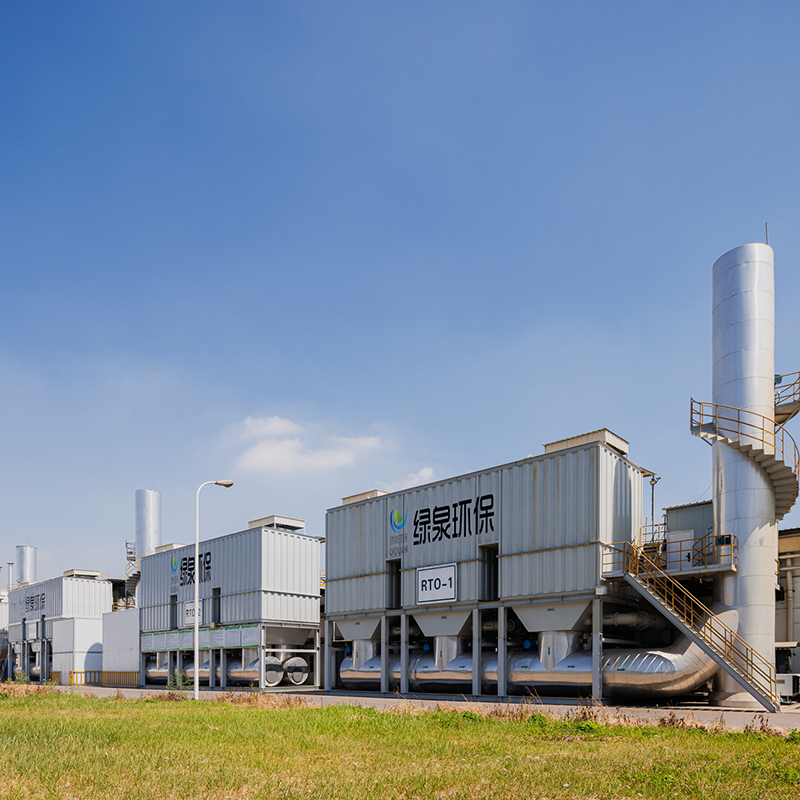
Overview Of Tower-Type RTO Regenerative Thermal Oxidizer (RTO) is an organic waste gas treatment equipment that combines high-temperature oxidation wi...
See Details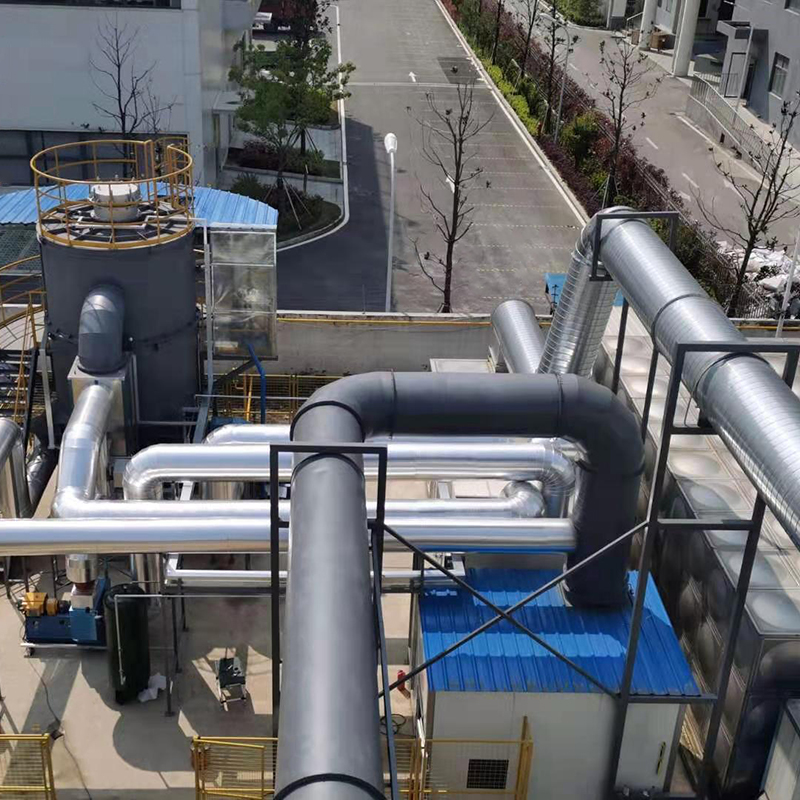
Overview Of Tower-Type RTO Our company offers two types of rotary RTO, which are the rotary RTO and the single barrel multi-valve RTO. The rotary RTO,...
See Details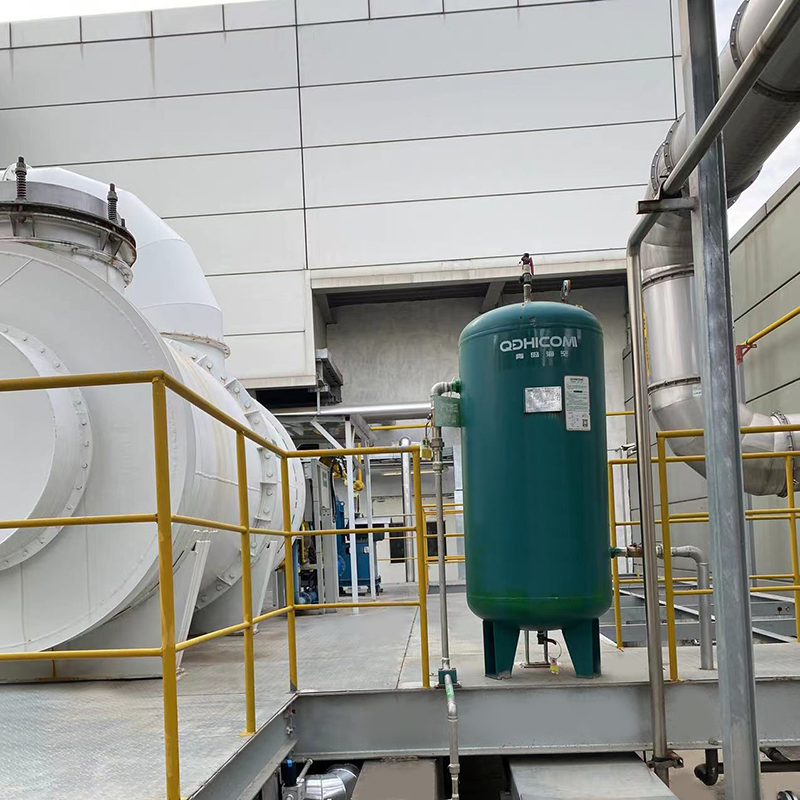
Overview Direct combustion high-temperature incineration equipment, abbreviated as TO, utilizes the heat generated by the combustion of auxiliary fuel...
See Details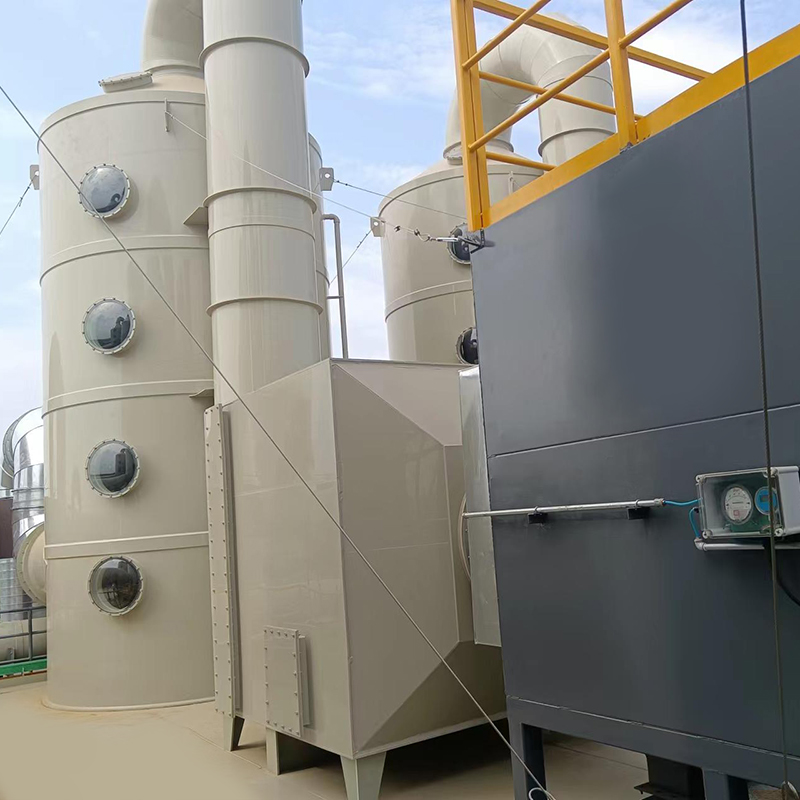
Overview The VOC-ACA series organic gas particle carbon purification and recovery equipment is used for the absorption, recovery, and reuse of organic...
See Details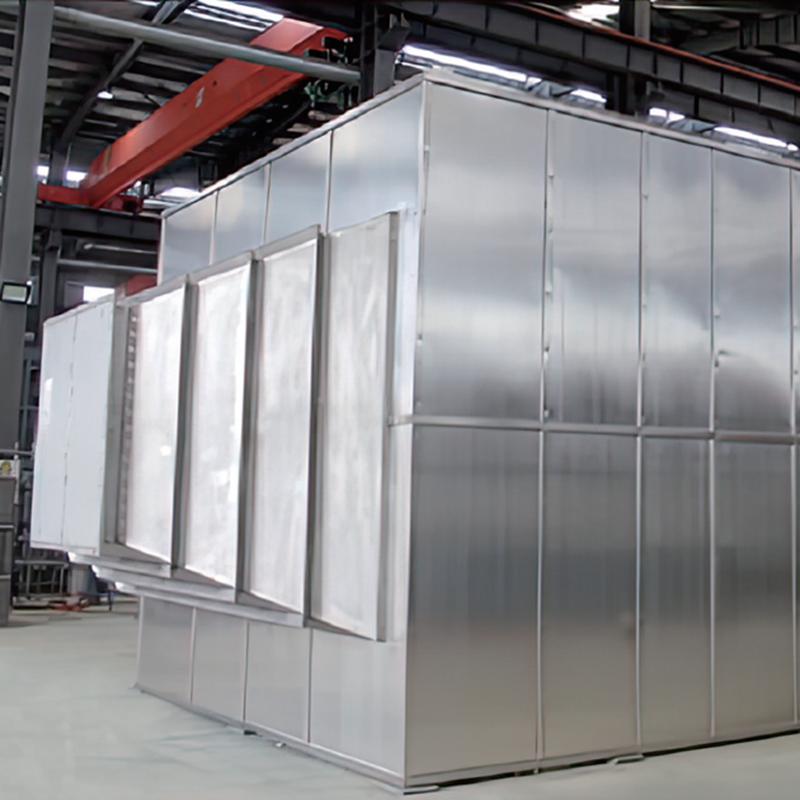
Product Introduction Gas heat exchanger is mainly used for energy saving and emission reduction industries in the waste heat recovery of flue gas in v...
See Details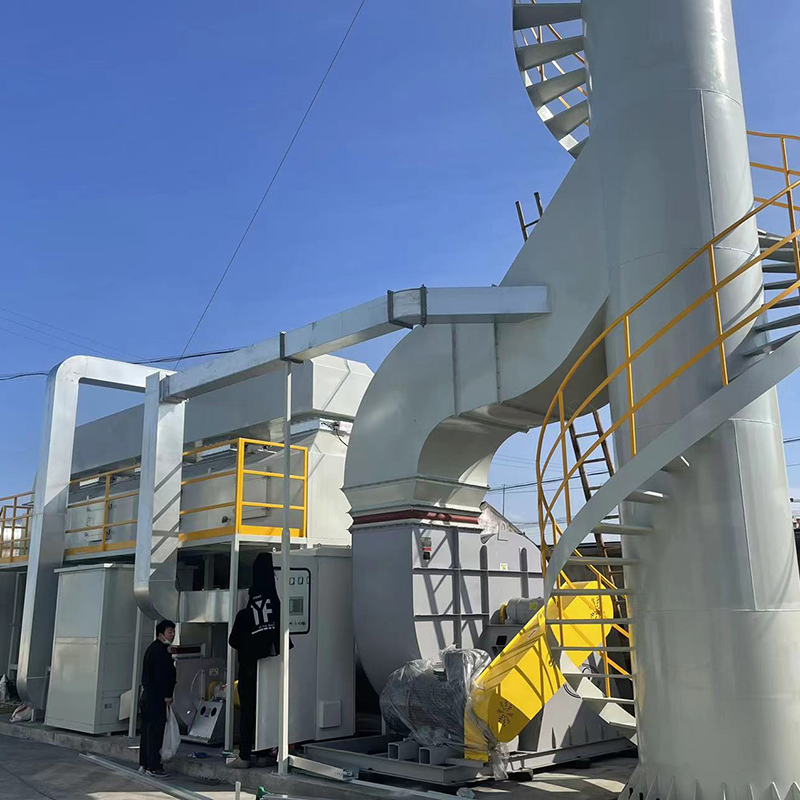
The VOC-CFT-CO Adsorption Catalytic Purification Equipment The VOC-CFT-CO adsorption catalytic purification equipment, consisting of fixed-bed honeyco...
See Details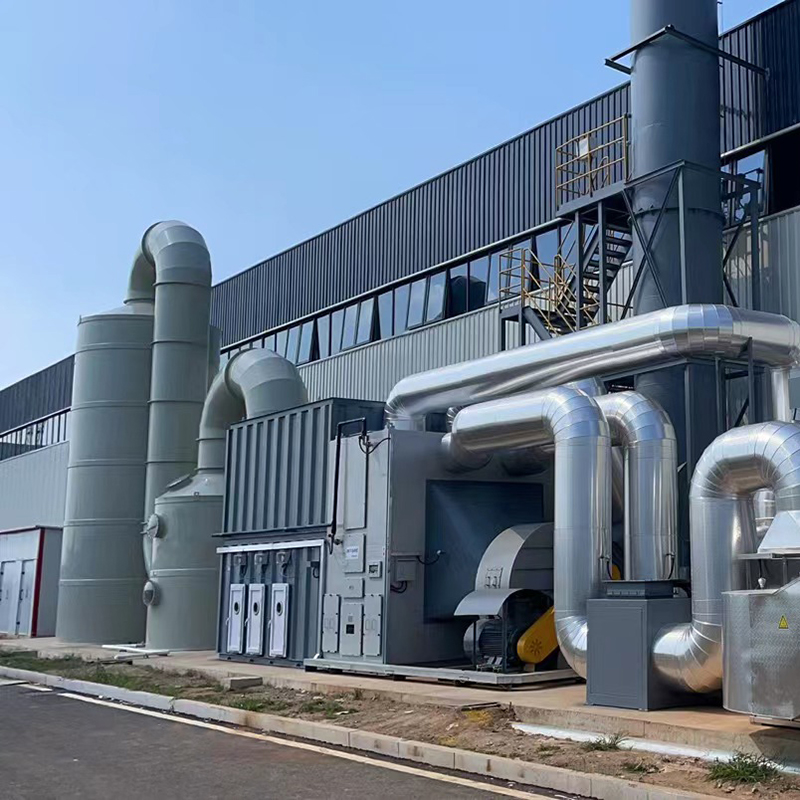
Concept Of Fixed Bed Zeolite + Catalytic Combustion As A Set Of Equipment The fixed bed zeolite + catalytic combustion device is suitable for the conc...
See Details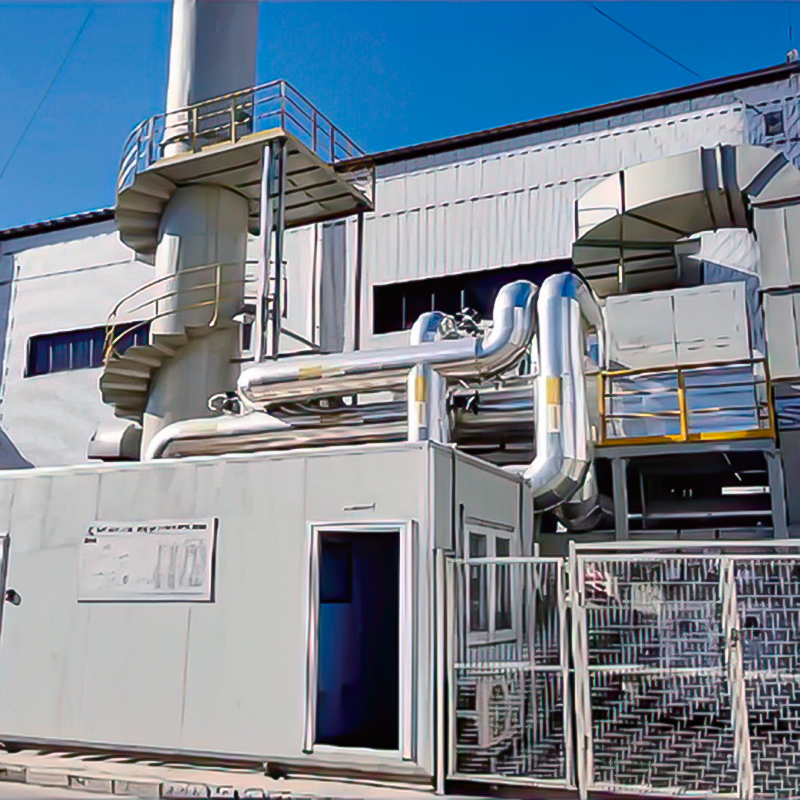
Concept Of Zeolite Rotary Wheel + Catalytic Combustion As A Set Of Equipment In the combined process of organic waste gas and waste gas treatment, the...
See Details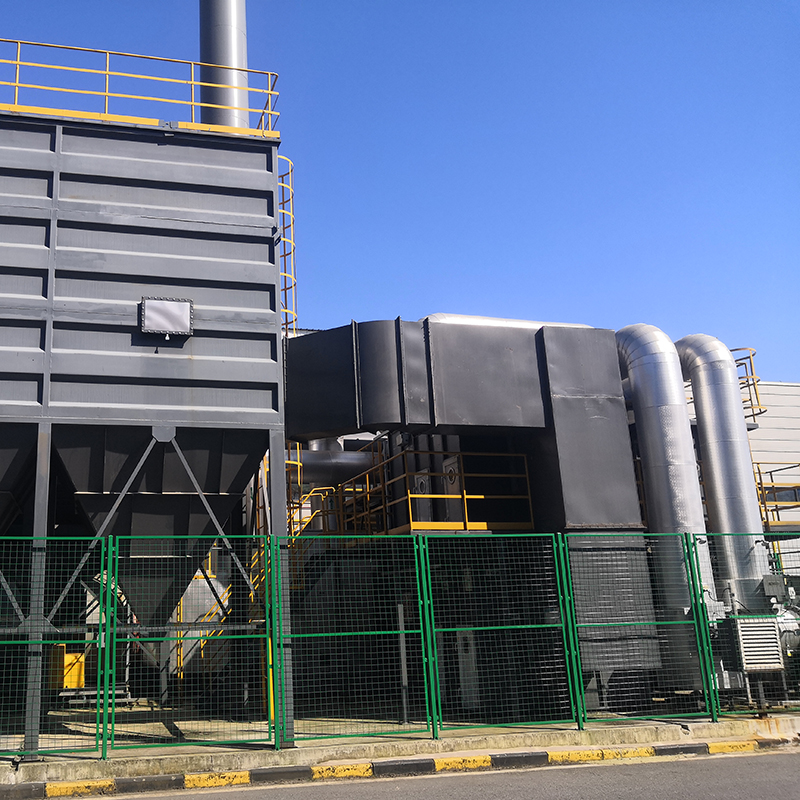
The Concept Of Zeolite Wheel+ Direct Combustion High-Temperature Incineration Equipment The purpose of employing rotary drum zeolite adsorption for or...
See Details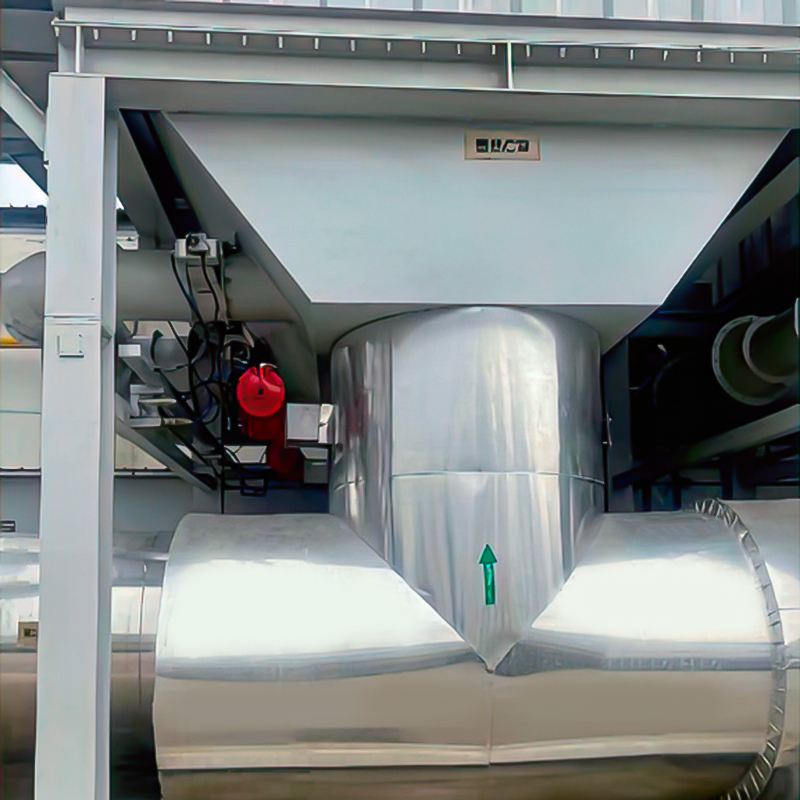
Purpose Mainly used for proportional ventilation of high-temperature flue gas. lt is widely used in places where leak rate requirements are not high, ...
See DetailsMOBILE
Product Manual

Copyright © Lv quan Environmental Protection Engineering Technology Co., Ltd. All Rights Reserved. Vocs Organic Waste Gas Treatment Engineering Equipment Manufacturer

