

 English
 русский
 Français
 Español
 عربى
عربى
LQ-RTO Heat-storage high-temperature incineration equipment
Cat:Equipment
Overview Of Tower-Type RTO Regenerative Thermal Oxidizer (RTO) is an organic waste gas treatment equipment that combines high-temperature oxidation wi...
See Details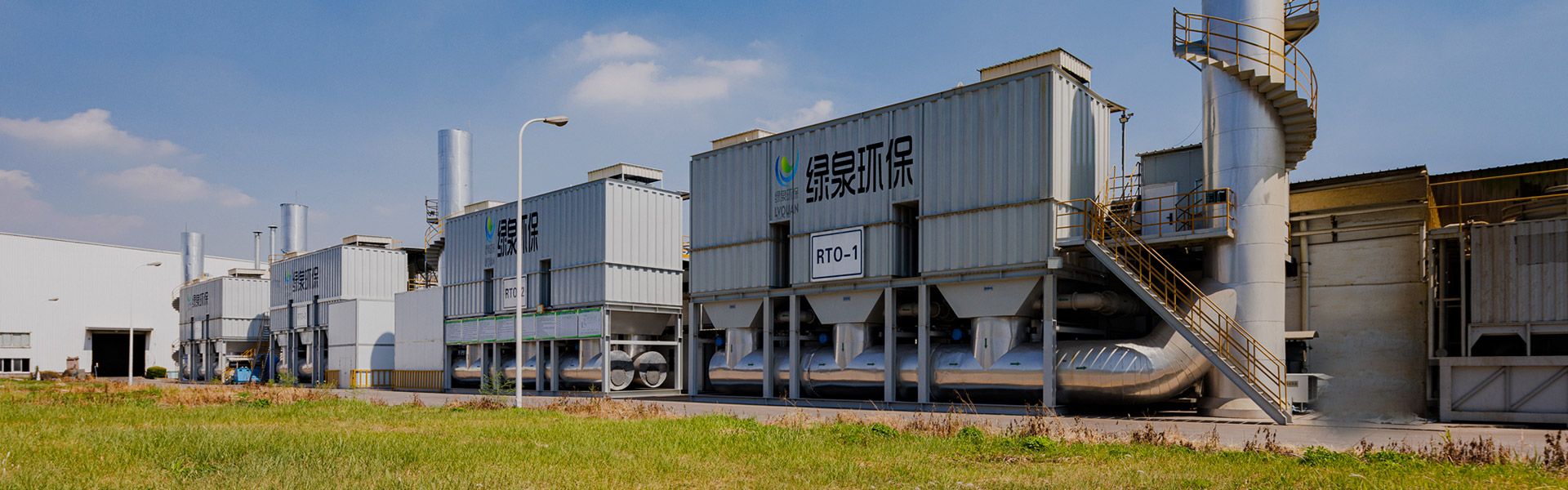
Content
Organic waste gas treatment equipment encompasses a family of engineered systems designed to capture, concentrate, and destroy or recover volatile organic compounds (VOCs) and other hazardous air pollutants emitted by industrial processes — and selecting the right technology for a specific exhaust stream is the single most important decision in any VOC control project. The correct equipment choice is determined by four key parameters: exhaust gas volume (airflow, m³/h), VOC concentration (mg/m³), VOC composition (solvent types, halogenated versus non-halogenated compounds), and the operator's heat recovery and solvent recovery objectives. Technologies in the organic waste gas treatment equipment field range from direct thermal oxidation (TO furnaces) for high-concentration, small-volume streams to heat-storage high-temperature incineration (LQ-RTO) for large-volume, low-concentration exhaust, catalytic combustion (LQ-CO, LQ-RCO) for reduced-temperature processing, and zeolite or activated carbon concentration systems for large-volume, ultra-low-concentration streams. This guide provides a technically grounded comparison of each technology, selection criteria, performance data, and an overview of the complete product range offered by Lvquan Environmental Protection Engineering Technology Co., Ltd.
Volatile organic compounds are a primary precursor to photochemical smog, ground-level ozone, and secondary particulate matter — three of the most damaging forms of air pollution for human health and ecosystems. China's "Air Pollution Prevention and Control Action Plan" (国务院, 2013) and the subsequent "Three-Year Action Plan for Winning the Blue-Sky Defense Battle" (2018–2020) have placed progressively tighter emission limits on VOC-generating industries including printing, coatings, chemical manufacturing, rubber processing, plastics production, and electronics assembly. According to China's Ministry of Ecology and Environment (MEE) annual report, total industrial VOC emissions in China exceeded 25 million tons per year at peak, with key regulated industries required to achieve outlet concentrations below 50–100 mg/m³ depending on sector.
Internationally, the European Union's Industrial Emissions Directive (IED, 2010/75/EU) and the US EPA's National Emission Standards for Hazardous Air Pollutants (NESHAP) establish binding emission limits that require industrial operators to install and maintain certified organic waste gas treatment equipment. Non-compliance carries substantial financial penalties — the EU IED mandates fines proportional to environmental damage, and US EPA enforcement actions for NESHAP violations have resulted in penalty settlements exceeding USD 10 million for major industrial operators. This regulatory environment makes investment in appropriate VOC treatment technology a legal necessity rather than an optional improvement.
Figure 1: Area-line chart tracking China's estimated industrial VOC emission levels from 2015 to 2025 (projected), based on data from China's Ministry of Ecology and Environment (MEE) annual environmental status bulletins and the Blue-Sky Action Plan progress reports. Total industrial VOC emissions peaked at approximately 28.5 million tons per year around 2015 before declining sharply as the regulatory enforcement framework tightened. The decline from 28.5 million tons in 2015 to an estimated 22.4 million tons by 2020 and further to approximately 16 million tons by 2025 represents a significant reduction — but one that required massive investment in organic waste gas treatment equipment across virtually every VOC-generating industrial sector. The dashed projection line for 2022–2025 reflects continued regulatory pressure and is aligned with China's 14th Five-Year Plan environmental targets. This emission trajectory is the direct market driver for demand in RTO, RCO, catalytic combustion, and concentration-oxidation treatment systems, and explains why investment in professional VOC treatment technology has become essential for industrial compliance rather than optional environmental improvement.
The foundation of any organic waste gas treatment project is a systematic characterization of the exhaust stream followed by technology matching. No single equipment type is optimal across all conditions — the correct selection depends on the intersection of airflow volume, VOC concentration, and VOC composition. The following framework reflects industry practice as documented in China's GB 39728-2020 (Technical Requirements for Organic Waste Gas Treatment Facilities) and the US EPA's "Control Techniques Guidelines for the Oil and Natural Gas Industry" (EPA-453/B-16-001).
| Technology | Air Volume Range (m³/h) | VOC Concentration | Destruction Efficiency | Heat Recovery | Lvquan Model |
|---|---|---|---|---|---|
| Direct Thermal Oxidation (TO) | 1,000–30,000 | High (2,000–10,000 mg/m³) | 99%+ | 30–50% | LQ-TO / LQ-Direct-fired |
| Regenerative Thermal Oxidizer (RTO) | 10,000–200,000+ | Low–Medium (200–3,000 mg/m³) | 99%+ | 90–97% | LQ-RTO |
| Rotary RTO (RRTO) | 5,000–80,000 | Low–Medium | 99%+ | 92–95% | LQ-RRTO |
| Catalytic Combustion (CO) | 1,000–30,000 | Medium (500–5,000 mg/m³) | 95–99% | 50–70% | LQ-CO |
| Regenerative Catalytic Oxidizer (RCO) | 10,000–100,000 | Low–Medium (200–3,000 mg/m³) | 97–99%+ | 85–93% | LQ-RCO |
| Zeolite Concentration + Oxidation | 30,000–500,000+ | Ultra-low (50–500 mg/m³) | 95–99% | Via downstream oxidizer | LQ-ADW + LQ-RTO/RCO |
| Solid Waste Incineration | Application-specific | Solid/liquid waste streams | 99.9%+ | 60–75% | LQ-SWI |
The LQ-RTO Heat-storage high-temperature incineration equipment is Lvquan's flagship technology for large-volume, low-to-medium concentration organic exhaust streams — the most common scenario in automotive painting, printing, pharmaceutical manufacturing, and chemical plant ventilation systems. The operating principle is the regenerative thermal oxidation cycle: VOC-laden exhaust enters a ceramic heat storage bed (the regenerator), where it is preheated by heat stored from the previous combustion cycle. The preheated gas then flows to the combustion chamber where it is oxidized at temperatures of 760–850°C, destroying VOCs with efficiency exceeding 99%. The hot clean gas then passes through a second (or third) ceramic bed, transferring its thermal energy back for storage and preheating the next incoming gas volume.
The thermal efficiency of the LQ-RTO system is the defining performance parameter: heat recovery rates of 90–97% dramatically reduce auxiliary fuel consumption compared to direct thermal oxidation (TO) systems, which recover only 30–50% of combustion heat. At inlet VOC concentrations above approximately 1,000–1,500 mg/m³, the exothermic heat from VOC oxidation is sufficient to sustain combustion without additional fuel, achieving autothermal operation — a major operational cost advantage for high-volume coating and printing lines. Reference: US EPA, "Thermal Oxidizers for VOC Control," EPA-456/F-98-002.
The LQ-RRTO Rotary heat-storage high-temperature incineration equipment is an engineering evolution of the conventional two- or three-chamber RTO. Instead of switching between fixed ceramic beds through valve cycling, the RRTO uses a continuously rotating ceramic disc heat exchanger through which incoming and outgoing gas streams flow in opposing channels. This rotary design eliminates the valve switching cycle that is the principal source of heat exchange inefficiency in conventional RTOs, achieving heat recovery rates of 92–95% with smoother operation and reduced outlet NOx spikes from temperature cycling. The compact rotating structure makes RRTO particularly suitable for space-constrained installations where the footprint of a conventional three-chamber RTO is prohibitive.
Figure 2: Isometric process flow annotation of an LQ-RTO (Regenerative Thermal Oxidizer) showing the two-bed heat storage cycle. VOC-laden exhaust gas (orange arrow, left) enters Heat Storage Bed 1, where it is preheated by the ceramic packing to near-combustion temperature before passing into the Combustion Chamber (red, center) where it is oxidized at 760–850°C — destroying over 99% of organic compounds. The hot clean exhaust then flows into Heat Storage Bed 2 (blue, right), transferring thermal energy back into the ceramic medium, and exits as clean gas at significantly reduced temperature. In the next cycle, the flow direction reverses: Bed 2 preheats incoming gas, the combustion chamber oxidizes it, and Bed 1 recovers the heat. This regenerative cycle achieves heat recovery of 90–97%, reducing auxiliary fuel consumption to a fraction of what a direct thermal oxidation system requires. The LQ-RRTO achieves the same cycle principle through continuous rotation rather than valve switching, eliminating valve wear and improving heat exchange uniformity across the regenerator surface.
Catalytic combustion technologies offer an energy-efficient alternative to direct thermal oxidation for exhaust streams where VOC concentrations and compositions are compatible with catalytic oxidation. By passing the VOC-laden exhaust over a noble metal (platinum, palladium) or metal oxide catalyst at temperatures of 250–450°C — compared to 760–850°C for thermal oxidation — catalytic systems achieve VOC destruction through surface-mediated oxidation reactions that proceed at far lower energy input.
The LQ-CO Catalytic combustion equipment (CO Series) is designed for medium-concentration VOC streams with airflows in the 1,000–30,000 m³/h range, making it suitable for small-to-medium printing, packaging, coating, and pharmaceutical exhaust systems. The catalyst bed is preheated to activation temperature by an electric or gas burner; once the incoming VOC concentration provides sufficient exothermic heat, the system may operate in self-sustaining mode without additional heating energy. Destruction efficiency of 95–99% is achieved for non-halogenated, non-sulfur-containing VOC compounds. Key operational advantage: the lower operating temperature significantly extends equipment life expectancy and reduces thermal NOx formation compared to high-temperature incineration systems.
The LQ-RCO Heat-storage catalytic incineration equipment combines the energy recovery principle of RTO heat storage with the lower-temperature advantage of catalytic oxidation. Heat storage beds (ceramic packing or structured honeycomb media) recover 85–93% of combustion heat, reducing the catalyst bed inlet temperature requirement while maintaining the exothermic oxidation reaction at catalyst surface temperatures of 300–450°C. For large-volume, low-to-medium concentration organic waste gas streams — particularly in the electronics, automotive, and packaging industries — the LQ-RCO offers a compelling combination of high destruction efficiency, low fuel consumption, and compliance-grade performance.
Important catalytic system constraints: Catalytic combustion is not appropriate for exhaust containing chlorinated or halogenated compounds, sulfur compounds, silicones, or heavy metals that can irreversibly poison the catalyst. For these compound classes, thermal oxidation systems (LQ-RTO, LQ-TO) are the recommended alternative. Reference: US EPA "Catalytic Incinerators for Control of VOC Emissions," EPA/600/8-87/015.
Many industrial processes — particularly large-scale automotive spray booths, electronics board coating lines, and large footprint printing operations — generate very high exhaust volumes (50,000–500,000 m³/h and above) at very low VOC concentrations (50–500 mg/m³ total organic carbon). Direct incineration of such streams at full volume is thermally impractical: the exhaust is too dilute to sustain combustion and too voluminous for cost-effective RTO operation at scale. The solution is concentration technology: adsorb the VOCs onto a solid media rotating drum, desorb with a small hot purge stream, and feed the concentrated desorption stream (now at 10–30x higher concentration and 1/15 to 1/30 of the original volume) to a downstream oxidizer.
The LQ-ADW Zeolite Rotating Drum (Cylinder Type) is the concentration component in this two-stage system. A slowly rotating cylindrical drum coated with hydrophobic zeolite adsorbent passes through three zones continuously: an adsorption zone (where the large-volume low-concentration exhaust flows through, with zeolite capturing VOC molecules), a desorption zone (where a small hot air stream at 180–220°C flows counter-currently, releasing concentrated VOC into a small purge volume), and a cooling zone (where ambient air pre-cools the zeolite before it re-enters the adsorption zone). The compact cylinder-type design of the LQ-ADW provides high surface area per unit footprint and smooth continuous operation without the valve switching of fixed-bed adsorbers.
The concentrated desorption stream is then fed to an LQ-RTO, LQ-CO, or LQ-RCO downstream — creating a highly efficient concentration-oxidation system that handles the full original exhaust volume at an overall treatment cost far lower than direct oxidation of the dilute stream. This configuration — LQ-ADW + LQ-RTO/RCO — is the industry reference design for large automotive OEM paint shops, major electronics assembly facilities, and large-footprint printing plants in China and internationally.
Figure 3: Radar chart comparing three core Lvquan organic waste gas treatment technologies across five performance dimensions on a 1–5 scale. The LQ-RTO/RRTO (green area) achieves maximum scores in heat recovery (5/5 — 90–97% thermal recovery rate) and excels in large-volume handling and overall destruction efficiency, making it the dominant technology for high-airflow industrial applications. The LQ-CO catalytic combustion system (blue dashed) scores highest on capital expenditure efficiency (5/5 — lower equipment cost for smaller systems) and is competitive on destruction efficiency for compatible VOC streams, but is limited in large-volume and ultra-low-concentration applications. The LQ-RCO (orange dashed) represents a balanced intermediate technology — combining meaningful heat recovery with catalytic combustion's lower operating temperature, making it well-suited for large-volume, medium-concentration streams where both energy efficiency and capital cost are considerations. This radar format enables engineers to quickly identify the technology profile that best matches the three-dimensional requirements of their specific exhaust stream characterization. In practice, many installations combine technologies — such as LQ-ADW zeolite concentration upstream of an LQ-RTO or LQ-RCO — to address streams that no single technology optimally handles alone.
For exhaust streams with high VOC concentrations, complex compound mixtures including halogenated compounds, or streams containing particulate-laden waste gases, direct high-temperature incineration is the appropriate technology rather than catalytic combustion (which is incompatible with many of these compounds) or low-temperature RTO operation.
The LQ-Direct-fired high-temperature incineration purification equipment (TO furnace) operates at temperatures of 850–1,100°C with residence times of 0.5–2 seconds, achieving complete thermal destruction of virtually all organic compounds, including chlorinated and brominated VOCs. At these temperatures, even thermally stable compounds such as dioxins are destroyed above their formation equilibrium — a critical requirement for waste chemical incinerators and regulated hazardous waste streams. The TO furnace design incorporates a secondary combustion chamber for full residence time guarantee and is available with integrated heat recovery through waste heat boilers or recuperative heat exchangers (LQ-TT-CO Gas heat exchanger) to improve overall energy efficiency.
The LQ-SWI Solid waste incineration furnaces extend the high-temperature incineration principle to solid and semi-solid industrial waste streams — including pharmaceutical solid residues, chemical process waste, contaminated packaging, and organic-bearing solid industrial by-products. The LQ-SWI design incorporates a primary combustion chamber for solid waste pyrolysis and ignition, and a secondary high-temperature afterburner chamber (900–1,100°C with minimum 2-second residence time per China's Standard GB 18484-2020 for Hazardous Waste Incineration Pollution Control) to ensure complete combustion of all volatile components. Flue gas treatment downstream (activated carbon injection, bag filter, wet scrubber as required) is integrated into the complete system package.
The LQ-TT-CO Gas heat exchanger is an energy recovery component that can be integrated downstream of TO or SWI systems, using tube-and-shell or plate-type heat exchange to transfer thermal energy from the hot treated exhaust stream to the incoming cold exhaust or to a process heating medium. At TO exhaust temperatures of 850–1,100°C, integrating a gas heat exchanger can recover 30–50% of combustion energy for reuse in preheating the inlet stream — substantially reducing auxiliary fuel consumption and operating costs over the system's service life.
Figure 4: 3D-style horizontal bar chart displaying the VOC destruction efficiency ratings for each major product category in the Lvquan organic waste gas treatment equipment range. High-temperature incineration systems — LQ-SWI solid waste incinerators and LQ-TO direct-fired furnaces — lead the range at 99%+ and 99.9%+, respectively, reflecting the near-complete destruction of organic compounds achievable at operating temperatures of 850–1,100°C. The LQ-RTO and LQ-RRTO heat-storage systems match this performance at lower operating fuel cost through their 90–97% heat recovery capability. The LQ-RCO achieves 97–99% destruction through the combination of catalytic lowering of activation energy and heat storage efficiency. The LQ-CO and LQ-ADW+RTO concentration-oxidation system both achieve 95–99% destruction — the ADW concentration system's slightly wider efficiency range reflects the variability introduced by the concentration ratio achievable with the zeolite wheel at different inlet VOC concentrations. All Lvquan systems are designed to meet or exceed China's GB 16297-1996 (Integrated Emission Standard of Air Pollutants) and the sector-specific VOC emission standards introduced under the 14th Five-Year Plan environmental enforcement framework.
Lvquan Environmental Protection Engineering Technology Co., Ltd. structures its organic waste gas treatment equipment portfolio into three integrated technology series, providing coverage from ultra-low-concentration large-volume streams through to concentrated hazardous waste gas and solid waste disposal:
Lvquan Environmental Protection Engineering Technology Co., Ltd. is located in Gaoyou City, Yangzhou — the "north gate" of Jiangsu Province — and operates as a joint-stock enterprise founded by professionals with over 30 years of cumulative experience in VOCs equipment design and manufacturing. The company is a professional designer and manufacturer of VOC organic waste gas treatment engineering equipment, combining deep domain expertise with industrial-scale production capacity.
Lvquan carries a registered capital of 22 million yuan, with fixed assets approaching 40 million yuan and total assets of nearly 60 million yuan. The factory building covers 9,800 square meters and is equipped with more than 200 sets of various machining equipment, operated by a workforce of 120 employees. Annual production capacity reaches 100 million yuan in output value — a scale that supports both standard equipment supply and large engineered-to-order project delivery for domestic and international customers.
The company's three core technology series — high-temperature incineration, catalytic combustion and heat-storage catalytic incineration, and waste gas treatment purification and recovery — provide comprehensive coverage of all major industrial VOC emission scenarios, from ultra-low-concentration large-volume automotive paint shop exhaust through to concentrated hazardous waste gas and solid waste incineration. Lvquan is dedicated to providing industrial operators with technically sound, regulatory-compliant, and energy-efficient organic waste gas treatment equipment solutions that meet the evolving requirements of China's environmental protection standards and international air quality regulations.
Q1: How do I choose between LQ-RTO and LQ-CO for my VOC exhaust stream?
A: The primary decision factors are airflow volume and VOC concentration. LQ-RTO is suited for large airflows (10,000+ m³/h) at low-to-medium concentrations (200–3,000 mg/m³) where its 90–97% heat recovery provides operating cost advantages at scale. LQ-CO catalytic combustion is more appropriate for smaller airflows (1,000–30,000 m³/h) at medium concentrations with non-halogenated, catalyst-compatible VOC compositions. If the exhaust contains chlorinated compounds, sulfur compounds, silicones, or catalyst poisons, LQ-RTO or LQ-TO (direct thermal) is the correct choice rather than any catalytic system.
Q2: What is the difference between LQ-RTO and LQ-RRTO (Rotary RTO)?
A: Both systems achieve the same regenerative heat storage principle but through different mechanisms. The LQ-RTO uses fixed ceramic beds that switch between adsorption and desorption modes through valve cycling — the standard and most widely deployed design globally for large-volume applications. The LQ-RRTO uses a continuously rotating ceramic heat exchanger that eliminates valve switching cycles, providing smoother operation, more uniform heat exchange across the regenerator, and slightly higher heat recovery efficiency (92–95% vs. 90–95% for standard RTO). The RRTO is particularly suited to space-constrained installations where the footprint of multiple fixed-bed chambers is a constraint.
Q3: When is the LQ-ADW Zeolite Rotating Drum used, and why not just treat the dilute stream directly?
A: The LQ-ADW zeolite concentration system is designed for ultra-high-volume, ultra-low-concentration exhaust streams (50,000–500,000+ m³/h at 50–500 mg/m³ VOC). Treating such streams directly with an RTO or TO furnace would require enormous combustion chamber volumes, auxiliary fuel consumption for preheating, and very high capital and operating cost. The LQ-ADW concentrates the VOC stream by a factor of 15–30x in volume reduction — converting, for example, a 100,000 m³/h stream at 200 mg/m³ into a 5,000 m³/h stream at 4,000 mg/m³, which is then economically treated in a much smaller downstream RTO or RCO. This concentration-oxidation configuration reduces both capital equipment cost and operating fuel cost by an order of magnitude compared to direct treatment of the dilute stream.
Q4: What regulatory standards do Lvquan VOC treatment systems meet?
A: Lvquan equipment is designed to comply with China's primary VOC emission control standards including GB 16297-1996 (Integrated Emission Standard of Air Pollutants), GB 39728-2020 (Technical Requirements for Organic Waste Gas Treatment Facilities), and sector-specific standards such as the printing and coating industry VOC standards issued under the 14th Five-Year Plan. The LQ-SWI solid waste incinerators are designed to meet GB 18484-2020 (Pollution Control Standards for Hazardous Waste Incineration). For international projects, systems can be configured to meet EU Industrial Emissions Directive (IED 2010/75/EU) and US EPA NESHAP requirements with project-specific design modifications.
Q5: What is the role of the LQ-TT-CO Gas heat exchanger in an organic waste gas treatment system?
A: The LQ-TT-CO Gas heat exchanger is an energy recovery component integrated downstream of high-temperature incineration systems (LQ-TO, LQ-SWI) to capture thermal energy from the hot treated exhaust before it is discharged. By transferring heat from the 850–1,100°C exit gas to the incoming cold exhaust stream or to a process heating medium, the heat exchanger can recover 30–50% of combustion energy — substantially reducing auxiliary fuel consumption and total operating cost. It is a key component in the overall energy efficiency optimization of high-temperature treatment systems and is commonly included in complete system designs for applications where continuous large-volume high-concentration exhaust is being processed.
Q6: Does Lvquan provide complete system engineering services or only equipment supply?
A: Lvquan Environmental Protection Engineering Technology Co., Ltd. provides complete organic waste gas treatment engineering solutions — from exhaust characterization, technology selection, and system design through equipment manufacturing, installation supervision, commissioning, and after-sales technical support. As a company founded by professionals with over 30 years of VOC equipment experience, Lvquan offers customers the combined benefits of specialized technical knowledge and industrial-scale production capacity (200+ machining equipment sets, 9,800 sq.m. factory, 120 employees, 100 million yuan annual capacity) for both standard equipment supply and complex engineered-to-order project delivery.
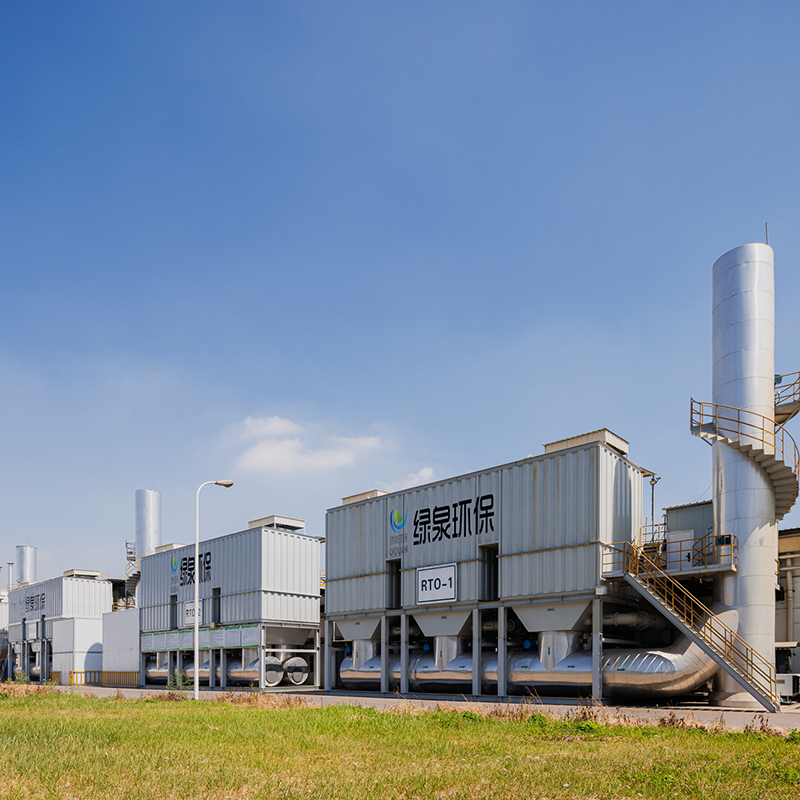
Overview Of Tower-Type RTO Regenerative Thermal Oxidizer (RTO) is an organic waste gas treatment equipment that combines high-temperature oxidation wi...
See Details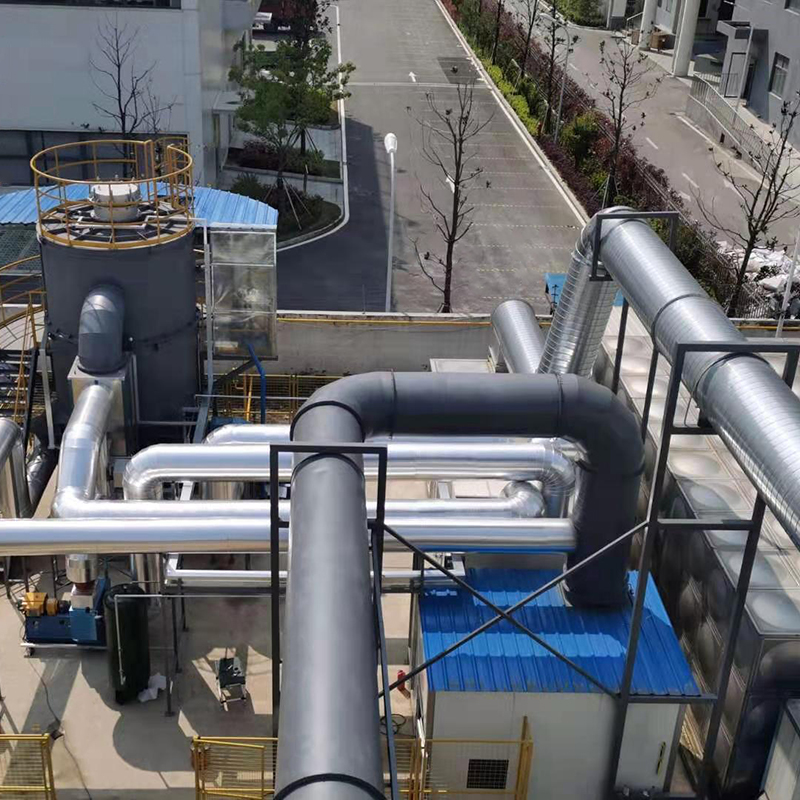
Overview Of Tower-Type RTO Our company offers two types of rotary RTO, which are the rotary RTO and the single barrel multi-valve RTO. The rotary RTO,...
See Details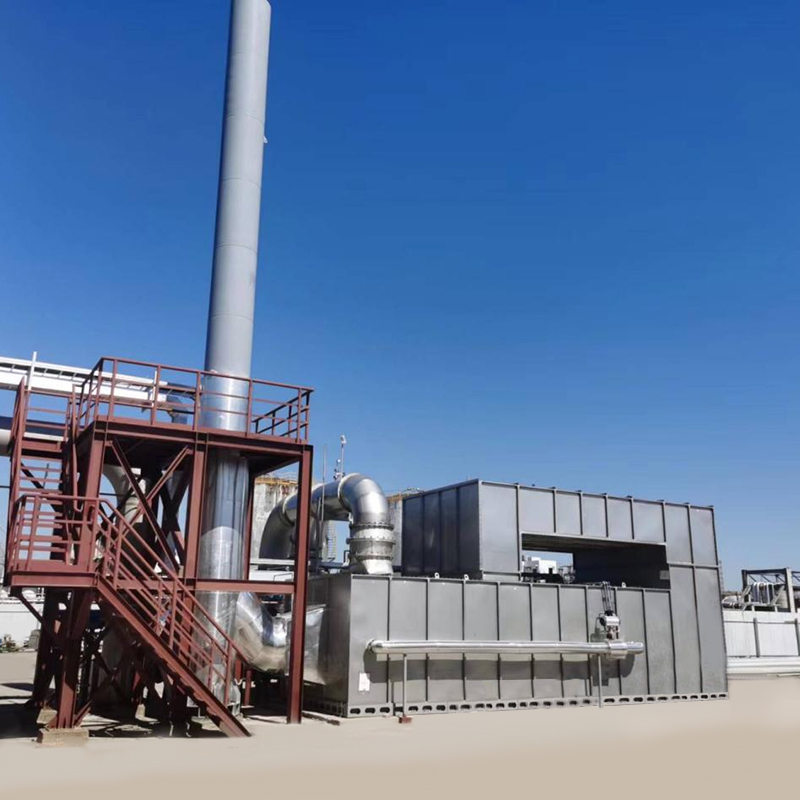
Overview Catalytic combustion is a purification method that uses catalysts to oxidize and decompose combustible substances in exhaust gas at low tempe...
See Details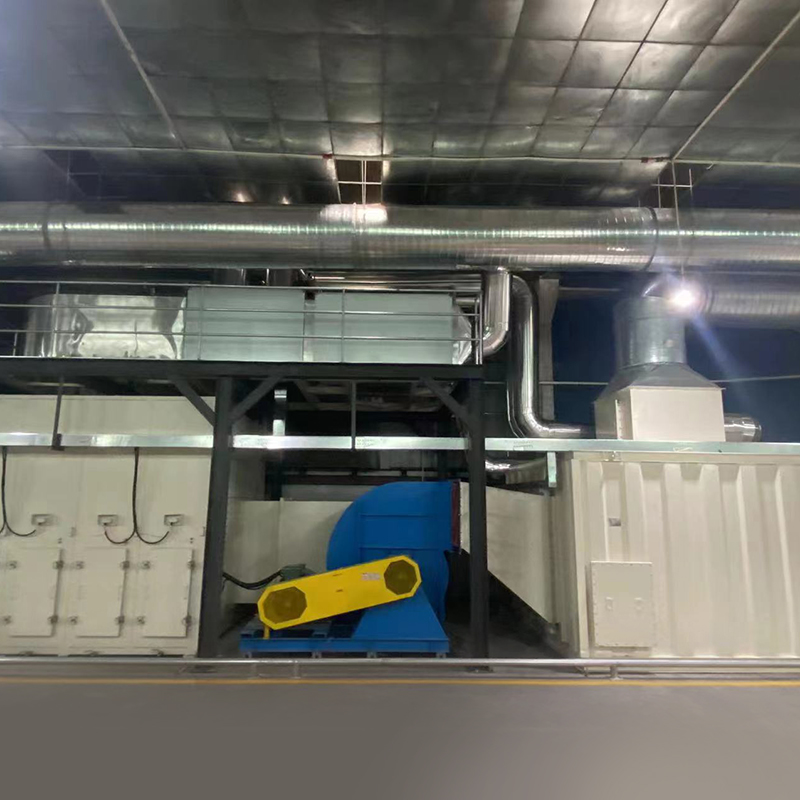
Overview Of Variable Freouency Zeolite Turntable Our company's zeolite concentration turntable uses a combination of zeolite modules, with a high zeol...
See Details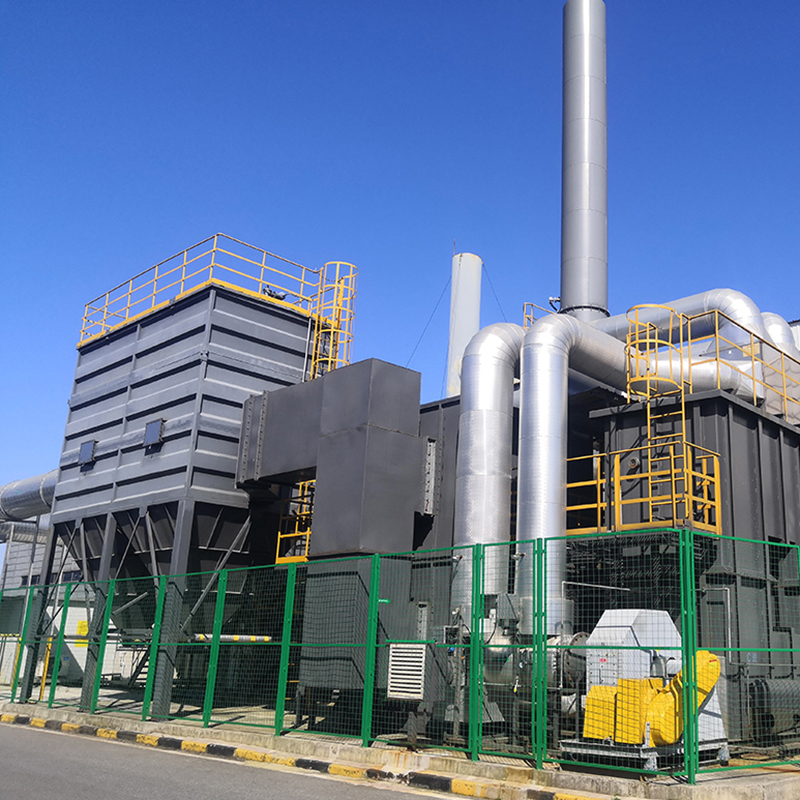
Concept Of Zeolite Wheel+RTO System Using zeolite wheel to adsorb organic waste gas, the low concentration and high air volume waste gas is concentrat...
See Details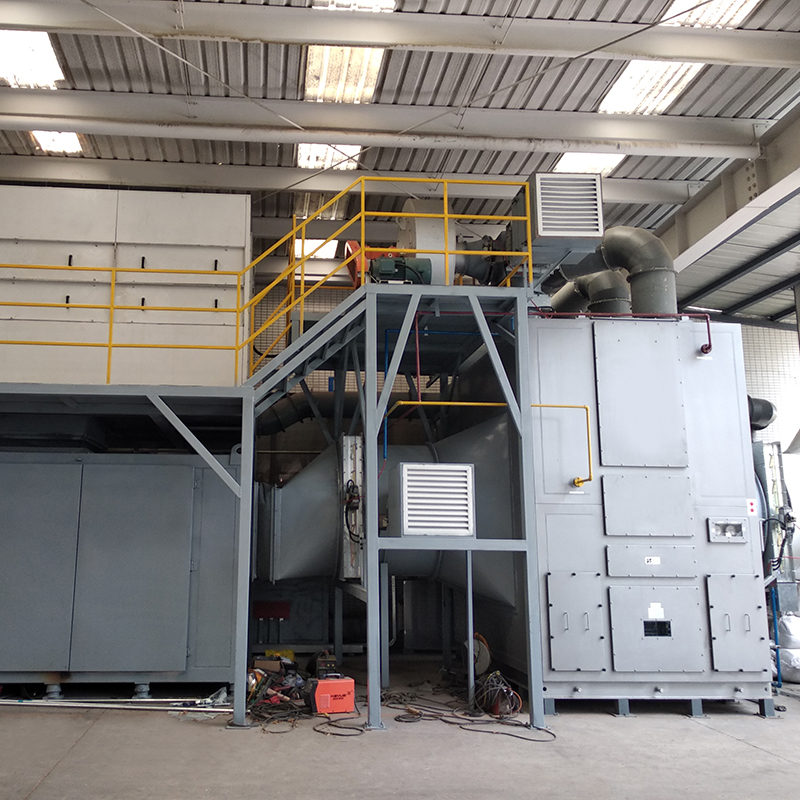
The Concept Of The Complete Set Of Equipment The purpose of employing rotary drum zeolite adsorption for organic waste gas is to concentrate low-conce...
See Details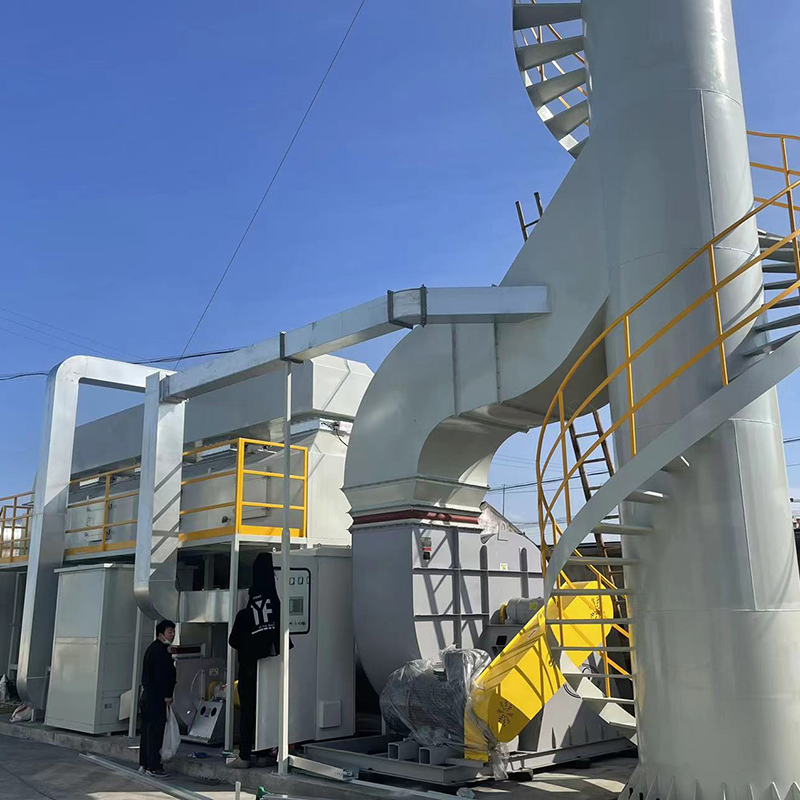
The VOC-CFT-CO Adsorption Catalytic Purification Equipment The VOC-CFT-CO adsorption catalytic purification equipment, consisting of fixed-bed honeyco...
See Details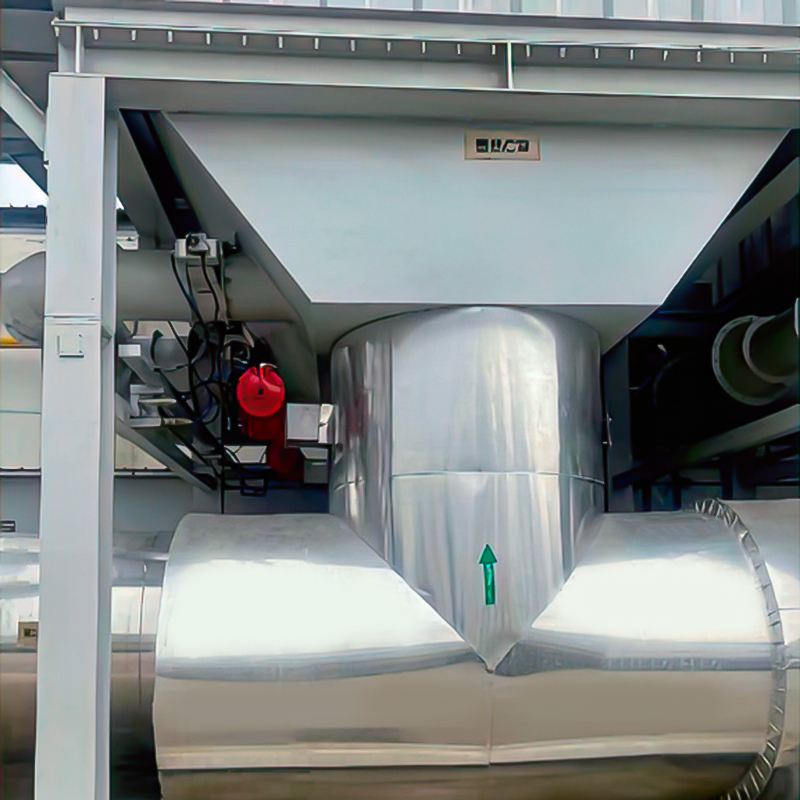
Purpose Mainly used for proportional ventilation of high-temperature flue gas. lt is widely used in places where leak rate requirements are not high, ...
See Details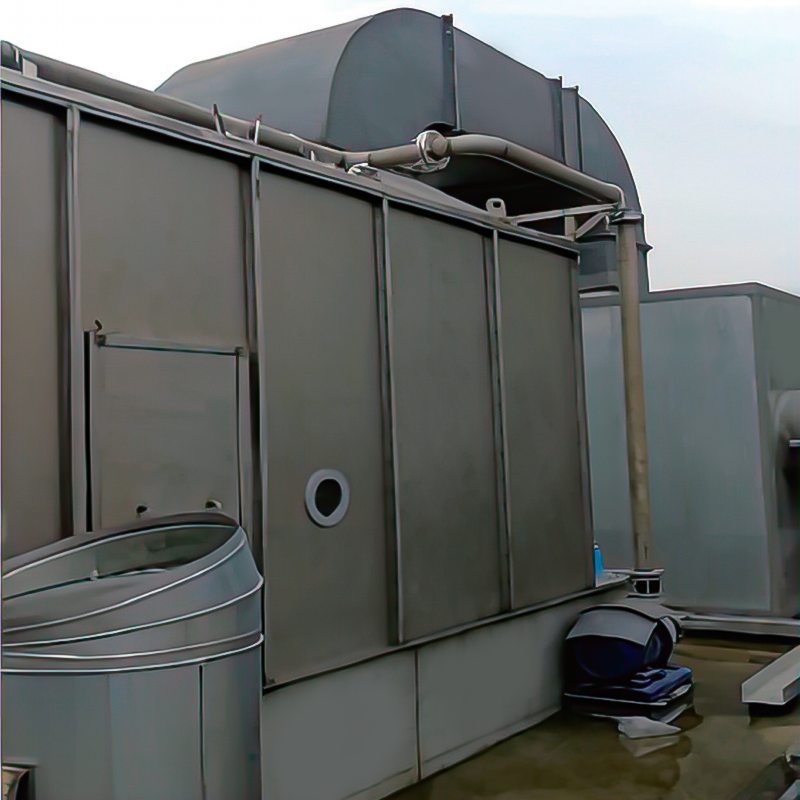
Overview The wet dust removal principle uses the process of capturing and separating dust particles in the gas phase by fully contacting gas-liquid tw...
See Details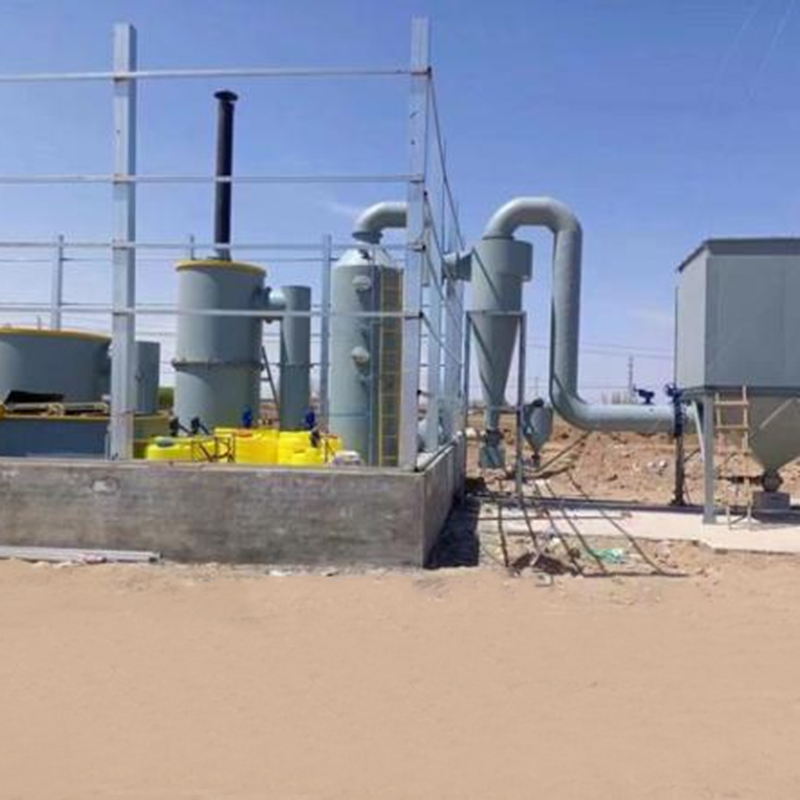
Overview Solid waste incineration furnaces are essential equipment in the management of solid waste, designed to transform waste materials into ash an...
See DetailsMOBILE
Product Manual

Copyright © Lv quan Environmental Protection Engineering Technology Co., Ltd. All Rights Reserved. Vocs Organic Waste Gas Treatment Engineering Equipment Manufacturer

