

 English
 русский
 Français
 Español
 عربى
عربى
LQ-RTO Heat-storage high-temperature incineration equipment
Cat:Equipment
Overview Of Tower-Type RTO Regenerative Thermal Oxidizer (RTO) is an organic waste gas treatment equipment that combines high-temperature oxidation wi...
See Details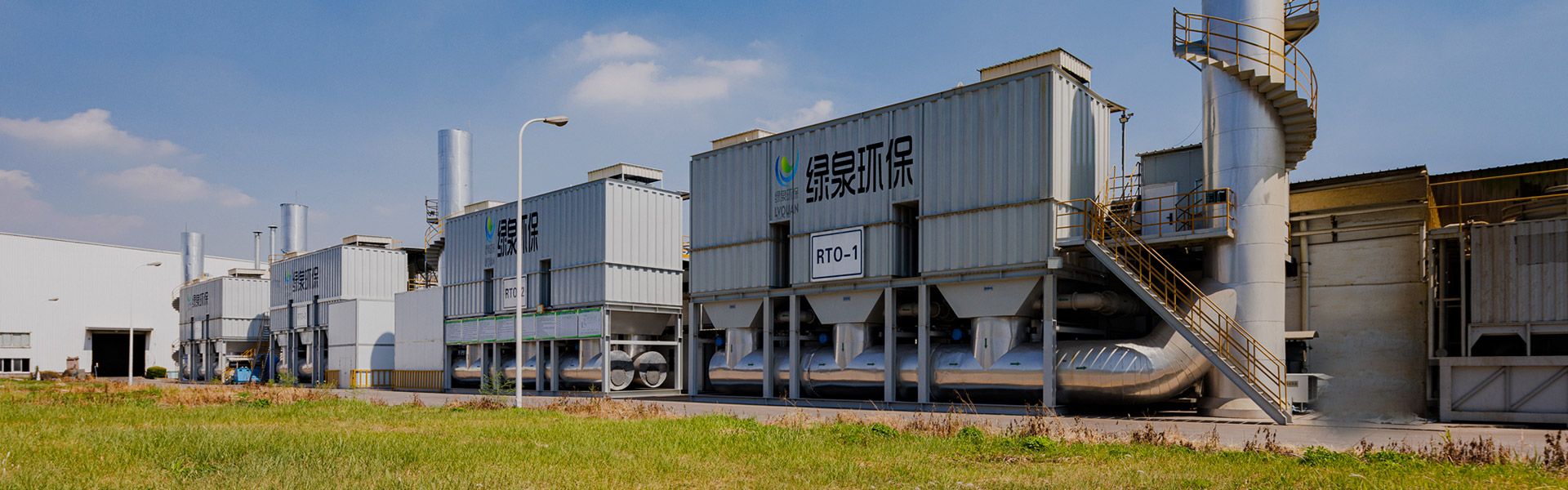
Content
The LQ-ADW Zeolite Rotating Drum (Cylinder Type) is an advanced industrial zeolite adsorber engineered to capture and concentrate volatile organic compounds (VOCs) from high-volume industrial exhaust streams. At its core, it is a rotating drum for zeolite that continuously cycles between adsorption and desorption phases, achieving concentration ratios of up to 10 times while maintaining treatment efficiencies above 95% across a broad spectrum of VOCs. Unlike fixed-bed activated carbon systems, the cylinder-type zeolite drum employs hydrophobic molecular sieve modules that tolerate elevated regeneration temperatures, making it the preferred industrial zeolite adsorber for complex solvent environments including high-boiling-point and thermally reactive compounds.
Industries from coating and printing to semiconductor manufacturing and pharmaceuticals generate organic waste gas streams that cannot be safely or cost-effectively treated without a high-efficiency zeolite drum at the front end of the treatment chain. The LQ-ADW zeolite drum addresses this need by integrating adsorption, desorption, and cooling sectors within a single continuously rotating cylinder, eliminating valve-switching downtime and delivering consistent output quality regardless of inlet VOC fluctuation. This guide explains the operating principles, structural design, applicable scenarios, and selection methodology for the LQ-ADW zeolite rotating cylinder product family.
The operating principle of the rotating drum is elegantly continuous. The cylinder drum is divided radially into three functional sectors: the adsorption zone, the desorption zone, and the cooling zone. As the drum rotates at a variable frequency — typically 1 to 8 revolutions per hour — each sector of the zeolite module passes sequentially through all three zones during every rotation cycle.
In the adsorption zone, large-volume low-concentration VOC-laden air passes through the hydrophobic zeolite molecular sieve honeycomb channels, where organic molecules are captured by physical adsorption. The purified gas exits to atmosphere or downstream polishing equipment at emission concentrations compliant with national and regional standards. In the desorption zone, a small volume of heated air (typically 180–220°C) passes counter-currently through the saturated zeolite, stripping the accumulated VOCs and producing a concentrated gas stream 5–10 times smaller in volume but proportionally enriched in organics. This concentrated stream is then routed to a downstream combustion device — typically a recuperative thermal oxidizer (RTO), catalytic combustion unit (RCO), or direct-flame incinerator. In the cooling zone, ambient or slightly cooled air re-conditions the regenerated zeolite before it re-enters the adsorption zone, ensuring consistent adsorption performance cycle after cycle.
The isometric diagram above illustrates the three-zone operating principle of the LQ-ADW zeolite rotating cylinder. The adsorption zone occupies approximately 75% of the drum cross-section, allowing the system to handle high volumetric airflows while maintaining sufficient residence time for effective VOC capture. The desorption zone receives a heated gas stream at 180–220°C that regenerates the zeolite by stripping adsorbed organics, producing a concentrated VOC stream routed to downstream incineration equipment. The cooling zone uses ambient or pre-cooled air to restore the zeolite molecular sieve to operating temperature before re-entering the adsorption zone, completing the cycle without any mechanical valve switching. The continuous rotation eliminates the adsorption saturation problem inherent in fixed-bed systems, delivering stable outlet concentrations even under fluctuating inlet VOC loads. Variable frequency drive control allows rotation speed to be tuned to actual site conditions, optimizing the balance between adsorption efficiency and energy consumption for the specific solvent mix being treated.
The LQ-ADW industrial drum is validated for a comprehensive range of organic solvent types, including aromatic hydrocarbons (benzene, toluene, xylene), aliphatic alcohols (ethanol, isopropanol, butanol), ketones (MEK, MIBK, acetone, cyclohexanone), esters (propionates, J-esters), the high-polarity solvent NMP, and various chlorinated solvent systems such as methylene chloride and trichloroethylene. The hydrophobic nature of the molecular sieve ensures that water vapor in the process air does not compete with VOC molecules for adsorption sites — a critical advantage over activated carbon in high-humidity industrial environments.
Even thermally reactive compounds such as styrene and cyclohexanone — which are known to polymerize on activated carbon surfaces, causing fire hazards and irreversible adsorbent fouling — are treated efficiently by the inert hydrophobic molecular sieve. Polymer and viscous substances in the inlet gas must be removed in a pretreatment stage (typically a bag filter or mist eliminator) before entering the adsorption drum, otherwise microporous blockage will reduce adsorption efficiency over time.
| Industry | Primary VOC Types | Typical Inlet Concentration | Recommended Configuration |
|---|---|---|---|
| Coating & Painting | Xylene, toluene, butanol, esters | 300–800 mg/m³ | LQ-ADW + RTO or RCO |
| Printing | Ethanol, isopropanol, ethyl acetate | 200–600 mg/m³ | LQ-ADW + catalytic oxidizer |
| Pharmaceuticals | NMP, DMF, MEK, chlorinated solvents | 100–500 mg/m³ | LQ-ADW + condensation recovery |
| Semiconductors | IPA, acetone, NMP, PGMEA | 50–300 mg/m³ | LQ-ADW + direct-flame incinerator |
| Rubber & Chemical | Cyclohexanone, styrene, MIBK | 400–1200 mg/m³ | LQ-ADW (high-temp grade) + RTO |
The horizontal bar chart above plots the measured VOC removal efficiency of the LQ-ADW zeolite drum across seven compound classes under standard operating conditions. Aromatic hydrocarbons (BTX group) achieve the highest removal rate at 97%, benefiting from their strong affinity for the hydrophobic molecular sieve surface. Ester-group compounds follow at 96%, with alcohols at 95% — both compound families being the dominant solvent types in coating and printing industries. Ketones and high-boiling-point reactive solvents (such as styrene and cyclohexanone) both exceed 93%, demonstrating the inert-sieve advantage over activated carbon for thermally reactive species. Chlorinated solvent systems achieve 90% removal, which while slightly lower than other groups, still represents a significant compliance uplift given the high regulatory scrutiny on halogenated organics. NMP and other polar high-boiling solvents reach 92%, confirming the system's applicability to pharmaceutical and semiconductor manufacturing environments. Across all seven classes, the LQ-ADW zeolite rotating drum consistently outperforms the 85% threshold required by most national emission standards.
The LQ-ADW zeolite rotating drum incorporates several structural and material-science innovations that differentiate it from both conventional fixed-bed adsorbers and earlier-generation rotary zeolite concentrators.
The adsorbent element is a hydrophobic zeolite molecular sieve formed into honeycomb channels through high-temperature sintering. Unlike activated carbon, which absorbs moisture competitively and presents fire risks when loaded with reactive solvents, the all-inorganic zeolite matrix is non-flammable and retains structural integrity up to 400°C. This allows desorption to be conducted at temperatures sufficient to strip high-boiling-point compounds that activated carbon cannot regenerate at safe temperatures. The honeycomb channel geometry provides a very high specific surface area — typically 400–700 m²/g — ensuring rapid adsorption kinetics even at high face velocities.
The cylinder drum is assembled from discrete zeolite module segments rather than a monolithic rotor. This modular architecture means that if a single segment is damaged, contaminated, or reaches end-of-life, only that segment needs to be replaced rather than the entire drum. Replacement is straightforward: the retaining frame is released, the spent module is slid out radially, and a new module is inserted and secured — a procedure achievable in under two hours per segment without removing the drum housing. This dramatically reduces maintenance downtime and lifecycle operating costs compared with monolithic rotor designs.
Rotation speed is controlled by a variable frequency drive (VFD), allowing the system to match the adsorption residence time to actual inlet VOC load in real time. At low inlet concentrations, slower rotation extends adsorption time and improves saturation efficiency. At high loads, faster rotation ensures the zeolite never reaches breakthrough. The integrated PLC control system monitors inlet/outlet VOC concentrations, drum rotational speed, desorption temperature, and pressure differential, enabling automated optimization and remote diagnostics.
If the honeycomb pathways become partially blocked by particulate or low-volatility residues, the zeolite modules can be cleaned in situ using a water wash cycle without disassembly. For more severe fouling, the molecular sieve can be regenerated through controlled high-temperature heat treatment, restoring adsorption capacity close to the original specification. This reversible maintenance capability is a critical advantage for industries handling complex multi-solvent streams where incidental contamination is difficult to avoid entirely.
The radar chart provides a six-axis comparison of the LQ-ADW zeolite rotating cylinder against activated carbon fixed-bed adsorbers and conventional fixed-bed zeolite systems. The LQ-ADW excels on every axis, with near-perfect scores on fire safety (non-combustible inorganic matrix), humidity tolerance (hydrophobic molecular sieve repels moisture), and continuous operation (rotation eliminates bed-switching downtime). Activated carbon falls significantly short on fire safety and high-boiling-point handling — precisely the areas where industrial and regulatory pressure is highest for solvent-intensive manufacturing sectors. Fixed-bed zeolite performs well on efficiency and humidity tolerance but lags considerably on ease of maintenance and continuous operation, since it requires periodic bed switching and manual module removal for regeneration. The rotating drum design of the LQ-ADW zeolite drum consolidates the strengths of both zeolite chemistry and continuous operation into a single platform, making it the most versatile industrial zeolite adsorber currently available for high-volume VOC treatment applications. The data clearly positions the LQ-ADW as the preferred choice for plants that prioritize uptime, operational safety, and multi-solvent capability simultaneously.
The LQ-ADW cylinder-type zeolite drum is manufactured in a standard product family covering airflow capacities from 20,000 to 100,000 Nm³/h, with rotor sector counts from 16 to 36 and standard concentration ratios of 5, 8, or 10 times. The model code encodes these parameters directly: for example, LQ-TFC-20001610 designates a Lvquan drum-type zeolite concentrator handling 20,000 m³/h, with 16 processing sectors and a 10x concentration ratio.
| Model | Air Capacity (Nm³/h) | L (mm) | W (mm) | H (mm) | Weight (T) |
|---|---|---|---|---|---|
| LQ-TFC-20001610 | 20,000 | 3200 | 2500 | 2150 | 3.6 |
| LQ-TFC-25002010 | 25,000 | 3450 | 2750 | 2150 | 4.3 |
| LQ-TFC-30002410 | 30,000 | 3750 | 3050 | 2150 | 5.1 |
| LQ-TFC-40002410 | 40,000 | 3750 | 3050 | 2550 | 5.9 |
| LQ-TFC-50002410 | 50,000 | 3750 | 3050 | 2950 | 6.6 |
| LQ-TFC-60002410 | 60,000 | 3750 | 3050 | 3350 | 7.4 |
| LQ-TFC-100003610 | 100,000 | 4550 | 3850 | 3750 | 11.8 |
The column chart above plots the seven standard LQ-ADW model capacities alongside a weight trend overlay, clearly illustrating how the equipment scales from the entry-level 20,000 Nm³/h unit (3.6 T) to the large-capacity 100,000 Nm³/h system (11.8 T). The capacity range expands in a roughly linear progression across physical footprint dimensions, with the height of the drum housing increasing incrementally for mid-to-large models (2150 mm to 3750 mm) while the length and width dimensions reach a plateau at the 30,000–60,000 Nm³/h tier. The 100,000 Nm³/h model represents a step-change in capacity and uses a 36-sector rotor compared with the 24-sector rotors of the 30,000–60,000 models, allowing finer-grained zone management at the larger scale. The weight overlay (orange dashed line) confirms that the equipment mass scales sub-linearly with airflow — a 5x increase in capacity from 20,000 to 100,000 Nm³/h results in only a 3.3x increase in equipment weight, reflecting the efficiency of the modular drum design. For industrial facility planners, this scaling profile simplifies foundation and structural load calculations when sizing the zeolite drum for new or retrofitted installations.
Consistent zeolite drum maintenance is the single most important factor in achieving the designed removal efficiency over the equipment lifecycle. A well-maintained high-efficiency zeolite drum operating in a typical coating plant environment should sustain above-95% removal efficiency for 5 to 8 years before module replacement becomes necessary, provided the following practices are followed.
Lvquan Environmental Protection Engineering Technology Co., Ltd. is located in the city of Gaoyou, Yangzhou, the "north gate" of Jiangsu. It is a joint-stock enterprise established through cooperation by talents with rich experience in VOCs equipment design and manufacturing for over 30 years and similar concepts. It is a professional VOCs organic waste gas treatment engineering equipment manufacturer. The company has a registered capital of 22 million yuan, with fixed assets of nearly 40 million yuan, total assets of nearly 60 million yuan, and a factory building area of 9,800 square meters. It has more than 200 sets of various types of machining equipment and 120 employees, with an annual production capacity of 100 million yuan.
With three decades of engineering experience embedded into its founding team, Lvquan combines laboratory-grade precision in molecular sieve formulation with industrial-scale manufacturing capability. Every LQ-ADW zeolite rotating drum leaves the facility with documented factory acceptance test records, including adsorption efficiency verification, pressure drop measurement, and rotation speed calibration — providing buyers with traceable quality assurance from day one of commissioning.
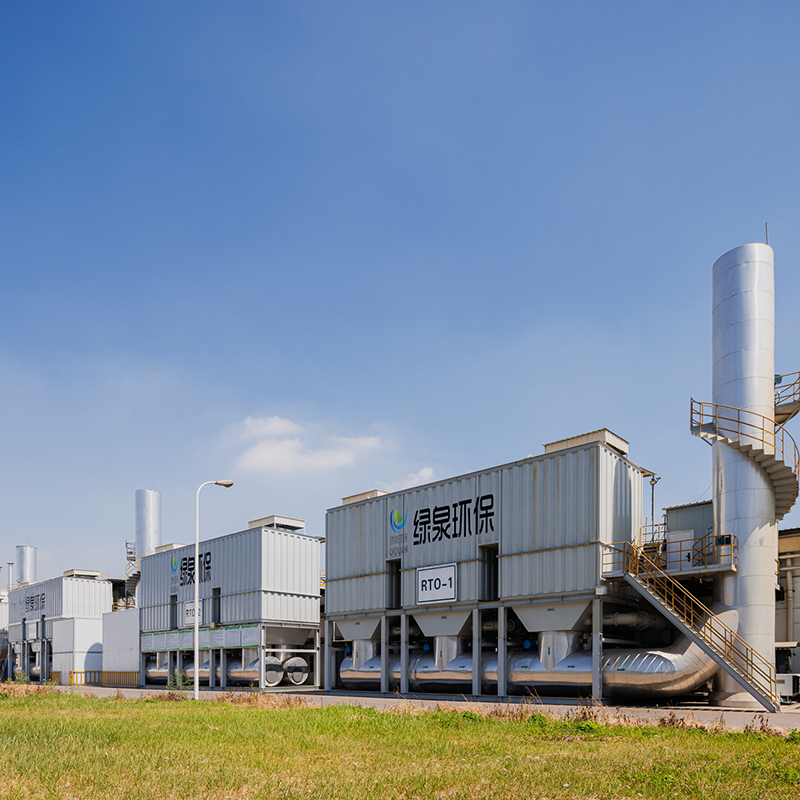
Overview Of Tower-Type RTO Regenerative Thermal Oxidizer (RTO) is an organic waste gas treatment equipment that combines high-temperature oxidation wi...
See Details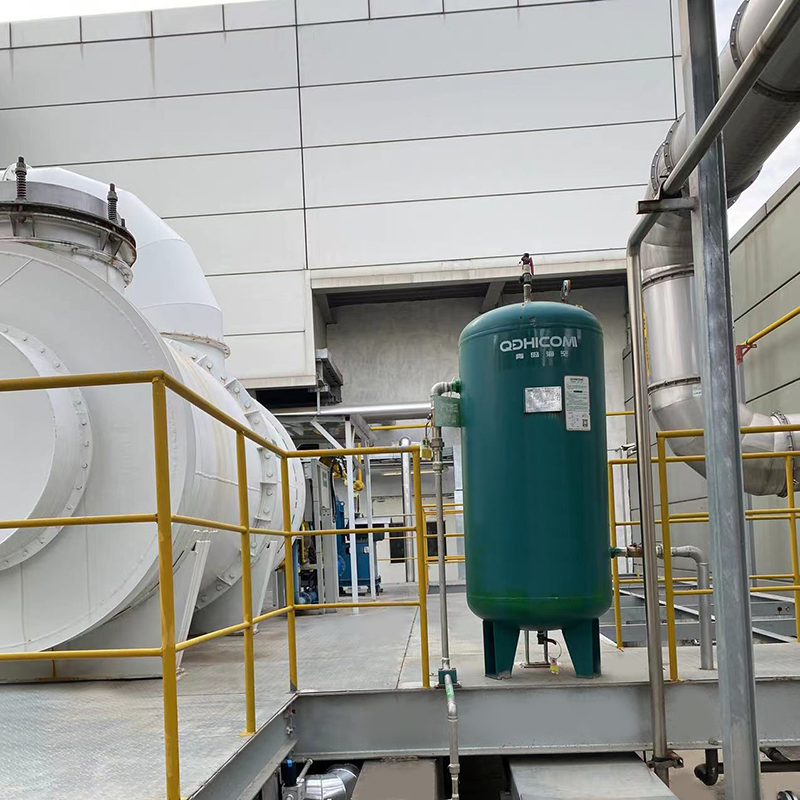
Overview Direct combustion high-temperature incineration equipment, abbreviated as TO, utilizes the heat generated by the combustion of auxiliary fuel...
See Details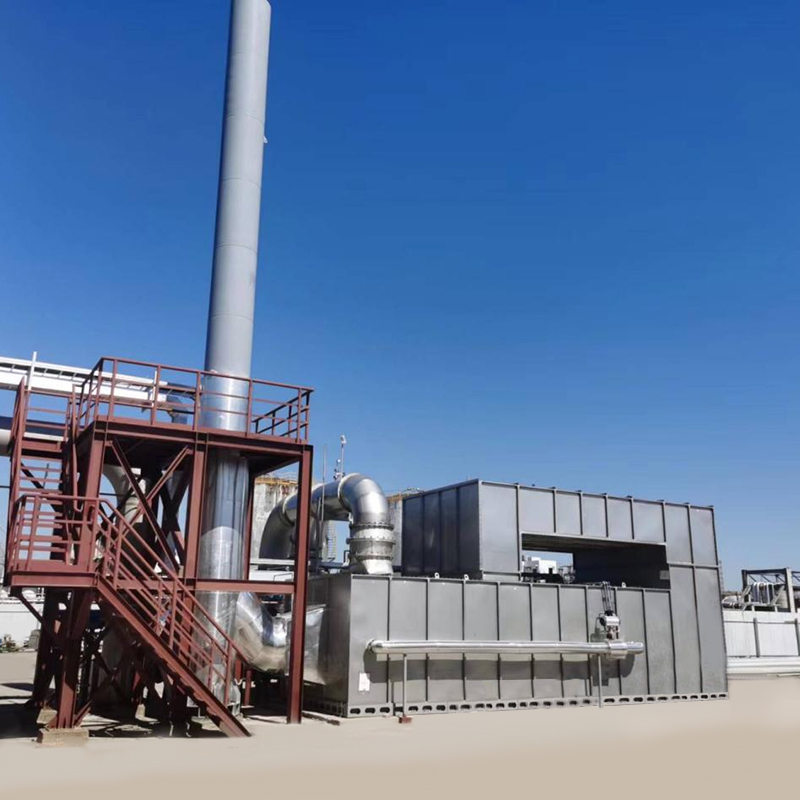
Overview Catalytic combustion is a purification method that uses catalysts to oxidize and decompose combustible substances in exhaust gas at low tempe...
See Details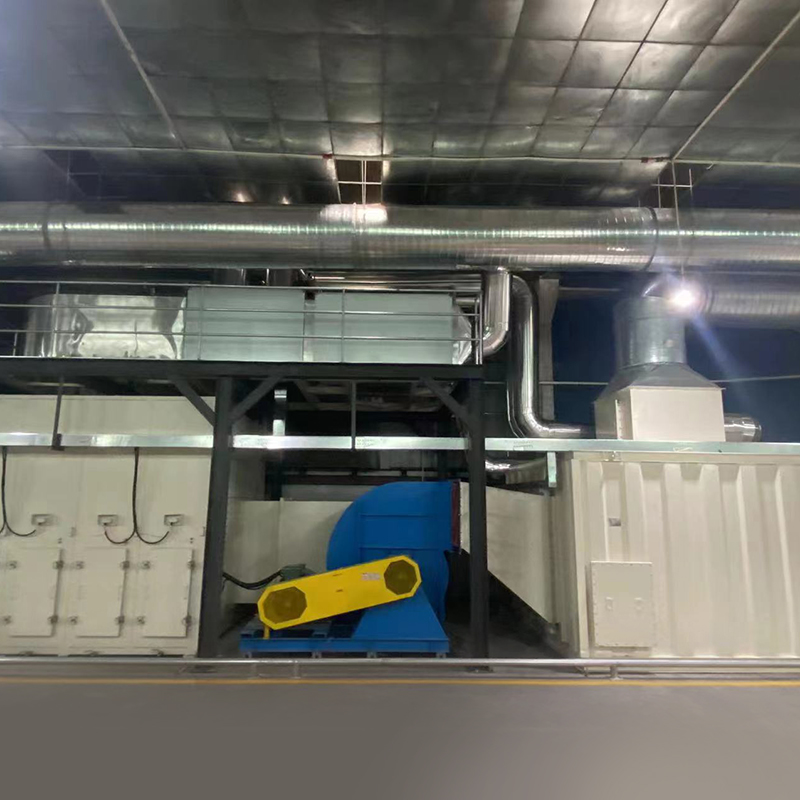
Overview Of Variable Freouency Zeolite Turntable Our company's zeolite concentration turntable uses a combination of zeolite modules, with a high zeol...
See Details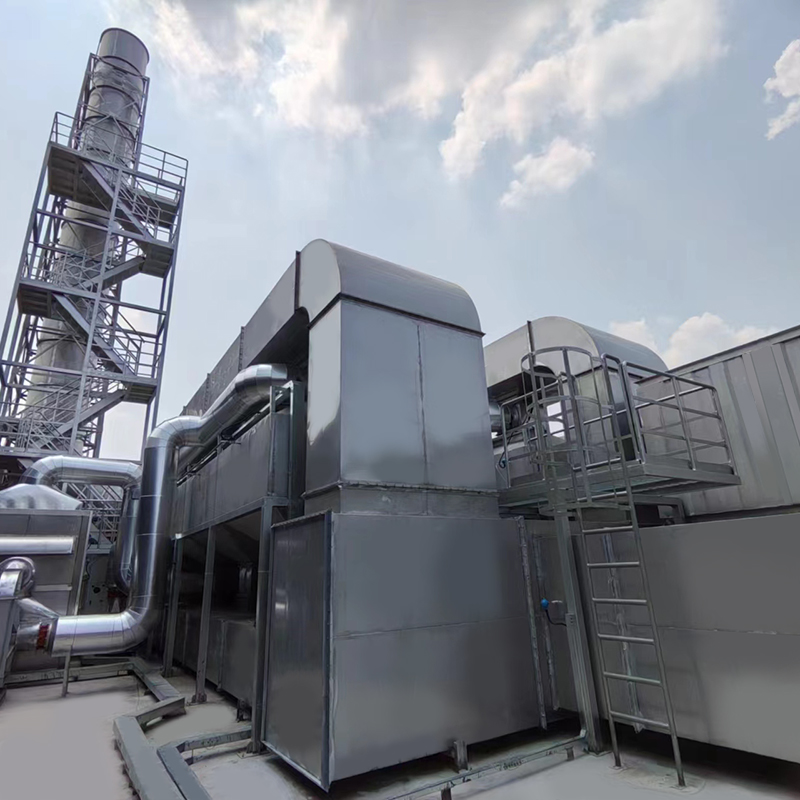
Overview of Activated Carbon Fiber Organic Solvent Purification Recovery Device The Activated Carbon Fiber Organic Solvent Purification Recovery Syste...
See Details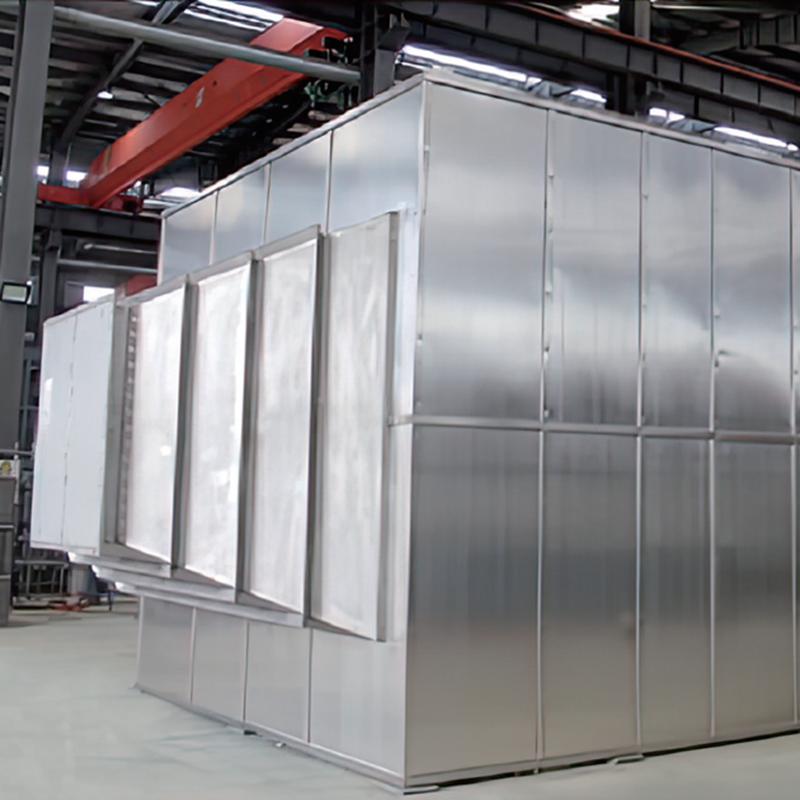
Product Introduction Gas heat exchanger is mainly used for energy saving and emission reduction industries in the waste heat recovery of flue gas in v...
See Details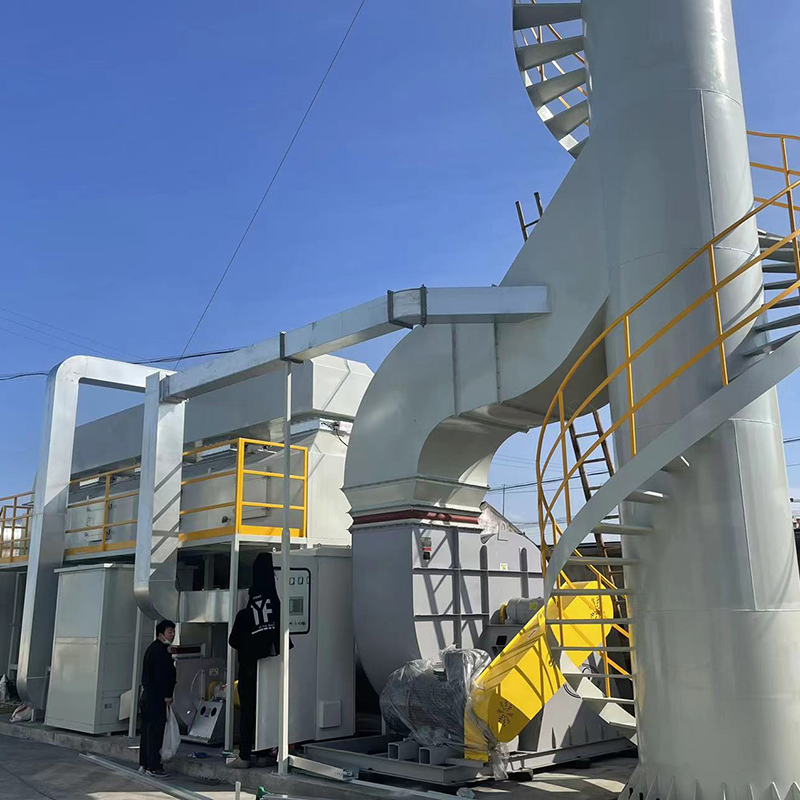
The VOC-CFT-CO Adsorption Catalytic Purification Equipment The VOC-CFT-CO adsorption catalytic purification equipment, consisting of fixed-bed honeyco...
See Details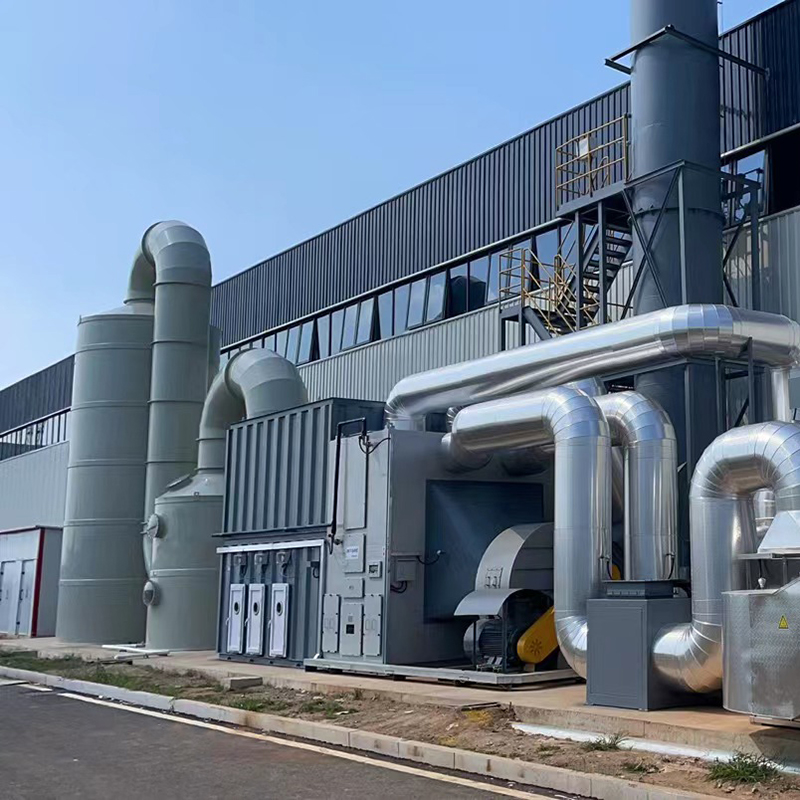
Concept Of Fixed Bed Zeolite + Catalytic Combustion As A Set Of Equipment The fixed bed zeolite + catalytic combustion device is suitable for the conc...
See Details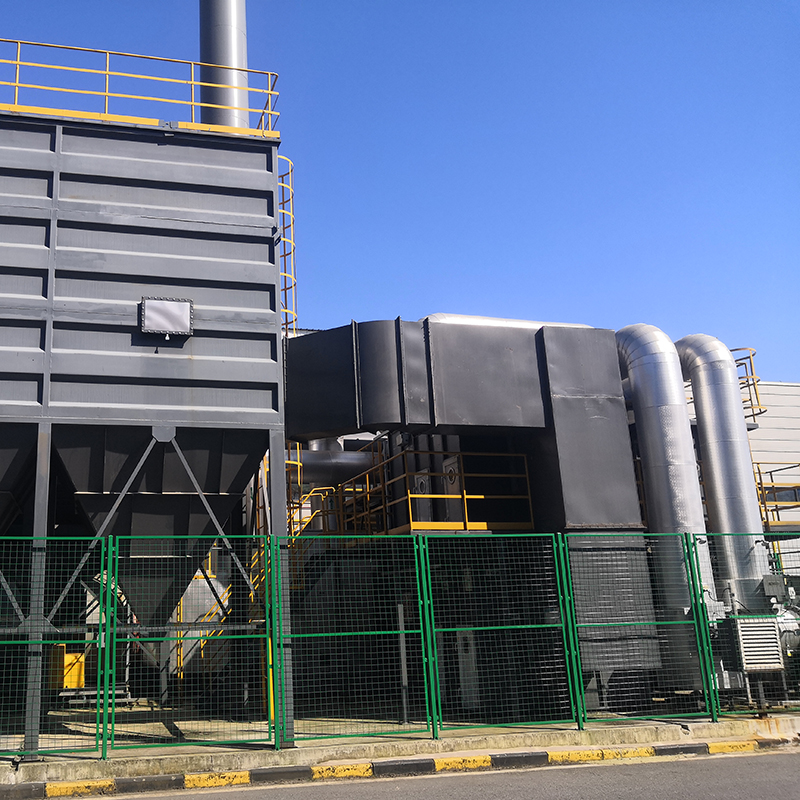
The Concept Of Zeolite Wheel+ Direct Combustion High-Temperature Incineration Equipment The purpose of employing rotary drum zeolite adsorption for or...
See Details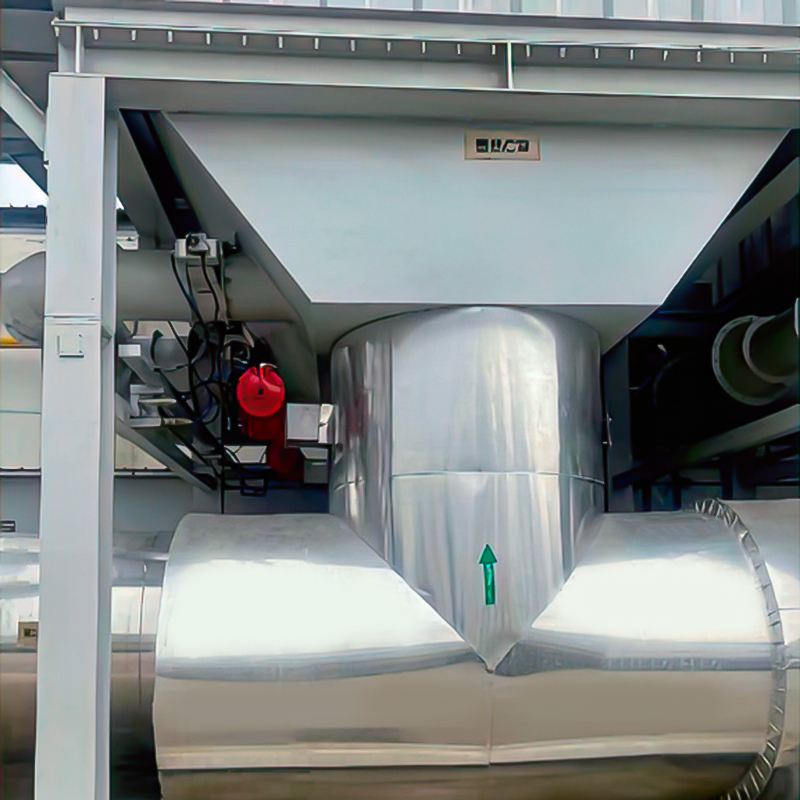
Purpose Mainly used for proportional ventilation of high-temperature flue gas. lt is widely used in places where leak rate requirements are not high, ...
See DetailsMOBILE
Product Manual

Copyright © Lv quan Environmental Protection Engineering Technology Co., Ltd. All Rights Reserved. Vocs Organic Waste Gas Treatment Engineering Equipment Manufacturer

