

 English
 русский
 Français
 Español
 عربى
عربى
LQ-RTO Heat-storage high-temperature incineration equipment
Cat:Equipment
Overview Of Tower-Type RTO Regenerative Thermal Oxidizer (RTO) is an organic waste gas treatment equipment that combines high-temperature oxidation wi...
See Details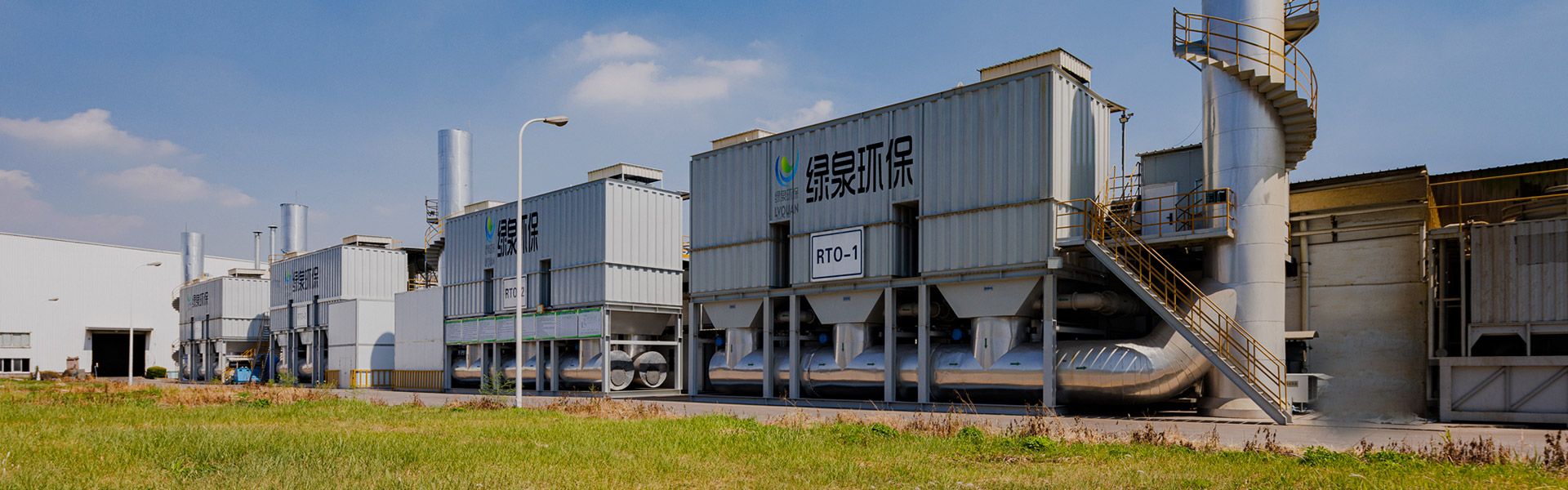
Content
The most effective organic waste gas treatment equipment is selected by matching the pollutant's characteristics to the technology's proven performance. For high-concentration VOCs (>5,000 mg/m³) with recovery value, choose adsorption (carbon bed) or condensation; for medium concentrations (1,000-5,000 mg/m³), thermal oxidation (regenerative thermal oxidizer, RTO) achieves >98% destruction efficiency; for low concentrations (<1,000 mg/m³), biological filters or rotational concentrators paired with RTO offer the lowest lifecycle cost. Always verify compliance with local EPA equivalent standards (e.g., 40 CFR part 60 subpart Kb for US facilities).
This guide provides a step-by-step technical and economic framework to avoid overspending or non-compliance. Below we break down selection criteria, comparative data, and frequently asked questions from industrial buyers.
Before evaluating equipment models, quantify these four parameters. A 2023 study of 150 chemical plants showed that 78% of system failures or cost overruns resulted from inaccurate flow rate or humidity data.
Use PID or FID real-time monitoring for at least 72 hours of production. For paint spray booths, typical range is 200-800 mg/m³; for printing presses, 1,500-4,000 mg/m³; for chemical batch reactors, up to 25,000 mg/m³. Below 1,000 mg/m³, thermal oxidation alone is energy-inefficient; above 10,000 mg/m³, direct flame incineration may require explosion-proof design and heat recovery.
Measure at stack conditions and normalize to 20°C, 101.3 kPa. For flow >50,000 Nm³/h, a zeolite rotor concentrator reduces processed volume by 85-95%, allowing a smaller RTO. For <5,000 Nm³/h, catalytic oxidation (recuperative type) has lower capital cost.
Activated carbon loses up to 60% adsorption capacity above 60% RH. Install pre-filter (MERV 13 or higher) if particulate >5 mg/m³. For sticky aerosols (e.g., resin curing), a scrubber or electrostatic precipitator must precede the main abatement unit.
Most US state permits require 95-98% DRE (destruction and removal efficiency). RTO and catalytic oxidizers achieve 99%+; carbon adsorbers typically 90-95% unless regenerated frequently. For halogenated VOCs (chlorinated solvents), a scrubber after oxidation is mandatory to prevent dioxin formation.
The table below summarizes data from 40 industrial installations (2022-2024) and manufacturer specifications. Use it to shortlist candidates.
| Technology | Typical DRE (%) | CapEx ($/Nm³/h) | OpEx ($/year) | Best for |
|---|---|---|---|---|
| Regenerative Thermal Oxidizer (RTO) | 99% | $80-120 | $45,000-70,000 | Mixed solvents, steady flow |
| Rotary Concentrator + RTO | 98% | $150-200 | $30,000-50,000 | High flow, low concentration |
| Catalytic Oxidizer (Recuperative) | 95-98% | $60-90 | $55,000 (catalyst replacement every 3-5y) | Ethanol, acetone, low sulfur |
| Activated Carbon Adsorption (Regenerable) | 90-95% | $40-70 | $25,000-40,000 + steam cost | Solvent recovery (toluene, xylene) |
| Biological Trickling Filter | 70-90% | $30-50 | $15,000-25,000 | Low load, hydrophilic VOCs (ethanol) |
| Condensation (Mechanical) | 80-99% (depends on vapor pressure) | $200-400 | $70,000-120,000 (refrigeration) | High boiling point, high value (styrene, MMA) |
Key insight: For applications requiring >98% DRE at moderate flow, RTO is the industry standard. However, if you can recover solvent worth >$0.50/kg, regenerable carbon pays back in <2 years.
Answer: A dual-bed activated carbon adsorber with manual regeneration (change-out every 6-12 months). Capital cost as low as $15,000-25,000. For very intermittent use (e.g., 500 hours/year), disposable carbon (non-regenerable) can be cost-effective even if DRE is only 85% – but check permit limits. Never use disposable carbon for halogenated VOCs because spent carbon becomes hazardous waste, raising disposal cost to $1.50-3.00/kg.
Answer: No – sulfur compounds permanently poison noble metal catalysts (platinum/palladium) even at 10 ppm. Use a thermal oxidizer (RTO) instead, followed by a caustic scrubber for SO₂ removal. Alternatively, a biofilter with specific sulfur-oxidizing bacteria (e.g., Thiobacillus) can achieve 90-95% removal for mercaptans at low concentration (<200 mg/m³).
Answer: Theoretical working capacity is ~10% of carbon weight (for fresh, high-quality coal-based carbon). For a 2,000 kg carbon bed, working capacity = 200 kg toluene. At loading of 10 kg/h toluene (2,000 mg/m³ * 5,000 m³/h / 1e6), breakthrough occurs after 20 hours. Therefore, regenerate at least every 16 hours using superheated steam (110-140°C) or hot nitrogen. Without regeneration, you need 30-40 carbon change-outs per year – financially impossible.
Answer: Almost never. Independent tests (e.g., California Air Resources Board, 2021) show UV-PCO achieves <50% DRE for most VOCs at residence times <2 seconds. They are marketed for <500 CFM odor control in restaurants, not for regulated organic waste gas. Do not rely on UV alone if your permit requires >90% destruction.
Answer: Beyond the equipment, budget for: (1) Natural gas line upgrade – RTOs need 0.5-1.5 MMBtu/hr for start-up and low-VOC periods; (2) Electrical for VFD fans – typically 30-75 kW for 10,000 Nm³/h; (3) Ceramic media replacement every 5-8 years ($15,000-30,000); (4) Permit application and stack testing – $5,000-15,000 per test. A 2023 survey found that actual TCO (total cost of ownership) over 10 years averages 2.7x the purchase price for RTOs.
Follow this sequence to create a shortlist and request vendor quotes. Each step is based on EPA's "Control Techniques Guidelines" and real-world procurement data.
Real example: A flexible packaging printer followed this workflow and chose a rotary concentrator + RTO. Inlet: 120,000 Nm³/h at 350 mg/m³ ethanol/toluene. After concentration, only 12,000 Nm³/h entered a 2-chamber RTO. Total installed cost: $1.2M. Annual natural gas consumption: 2,800 MMBtu (vs 22,000 MMBtu without concentrator). Saved $185,000/year in fuel, payback 4.1 years.
Even the most efficient equipment fails if safety and monitoring are not integrated. The following items are required by NFPA 86 (for ovens and furnaces) and OSHA 1910.106 (for flammable vapors).
Failure to install these safety systems has caused three reported explosions in US printing plants between 2018-2023, with average damages exceeding $3M. Always require a third-party hazard review (HAZOP or LOPA) before final acceptance.
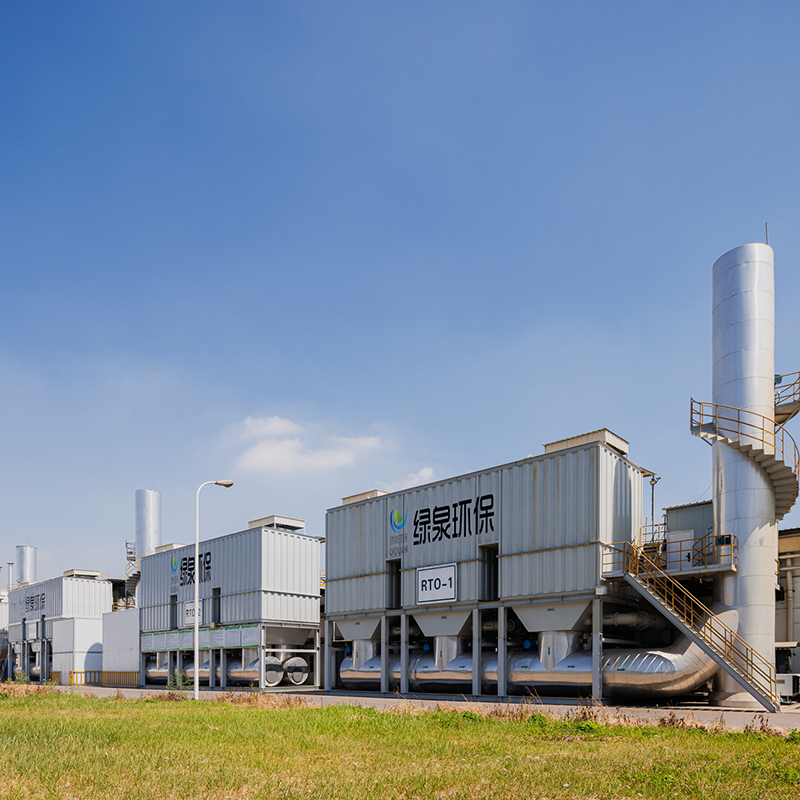
Overview Of Tower-Type RTO Regenerative Thermal Oxidizer (RTO) is an organic waste gas treatment equipment that combines high-temperature oxidation wi...
See Details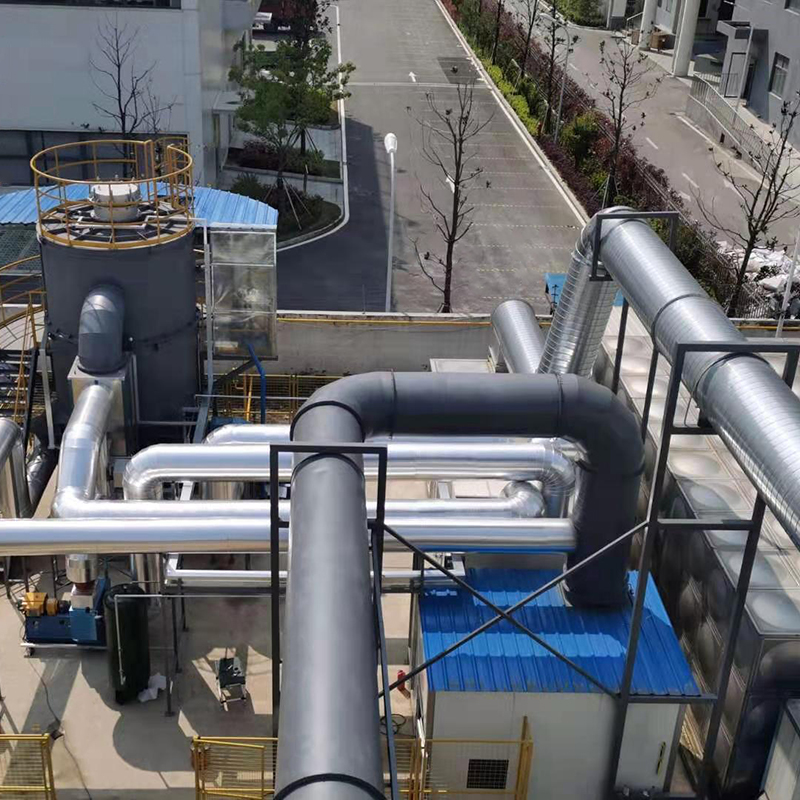
Overview Of Tower-Type RTO Our company offers two types of rotary RTO, which are the rotary RTO and the single barrel multi-valve RTO. The rotary RTO,...
See Details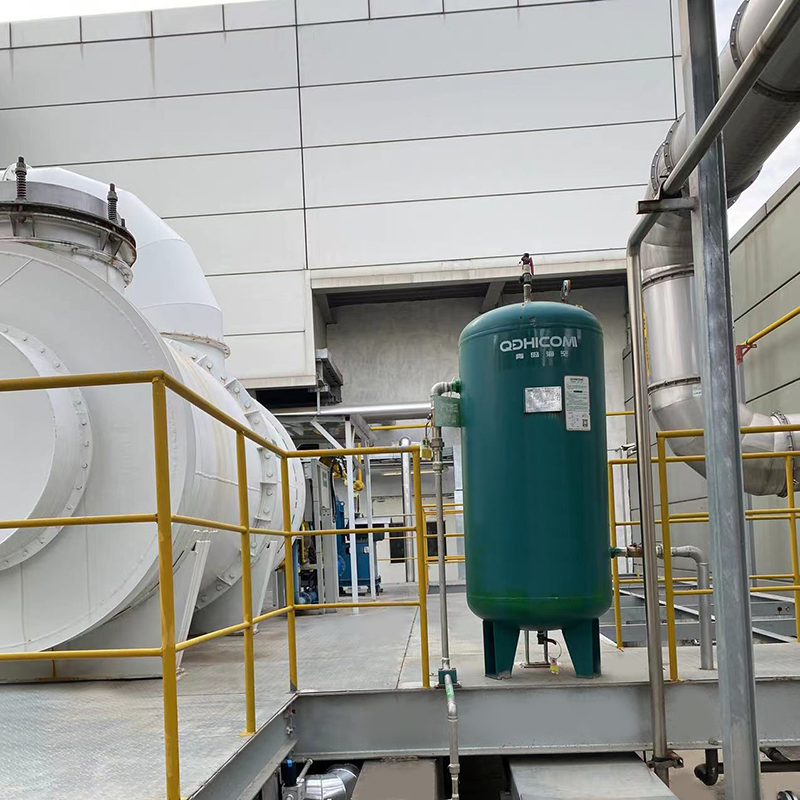
Overview Direct combustion high-temperature incineration equipment, abbreviated as TO, utilizes the heat generated by the combustion of auxiliary fuel...
See Details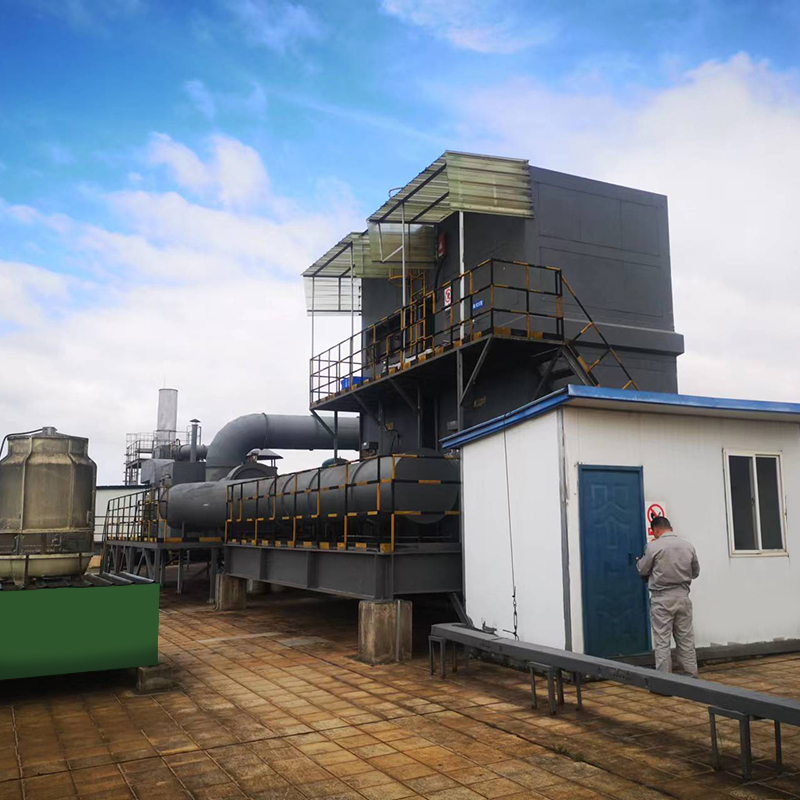
Overview Thermal storage catalytic oxidation (Regenerative Catalytic Oxidizer/RCO) is an organic waste gas treatment equipment that combines low-tempe...
See Details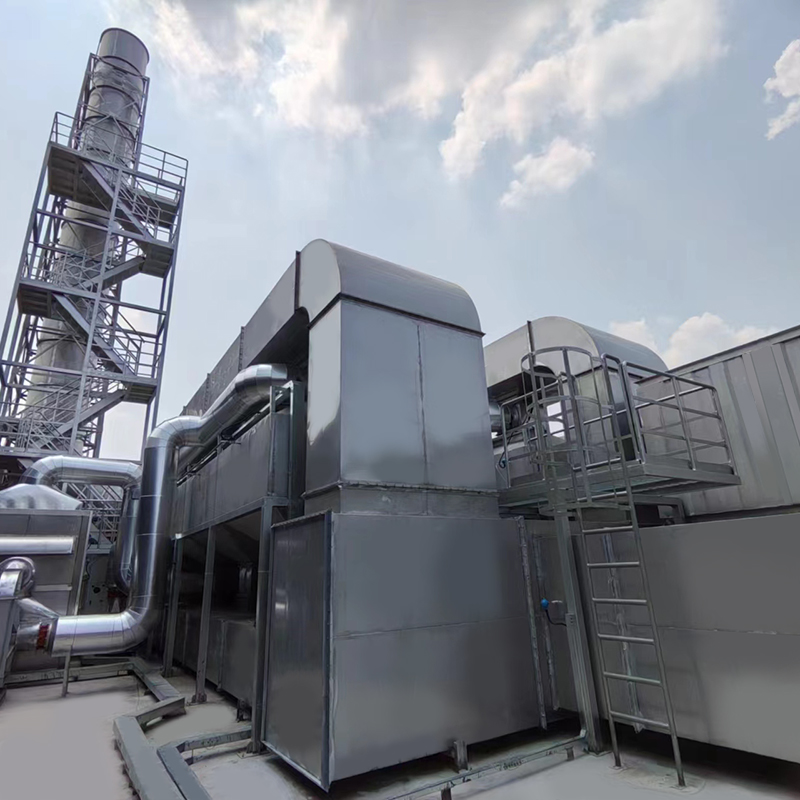
Overview of Activated Carbon Fiber Organic Solvent Purification Recovery Device The Activated Carbon Fiber Organic Solvent Purification Recovery Syste...
See Details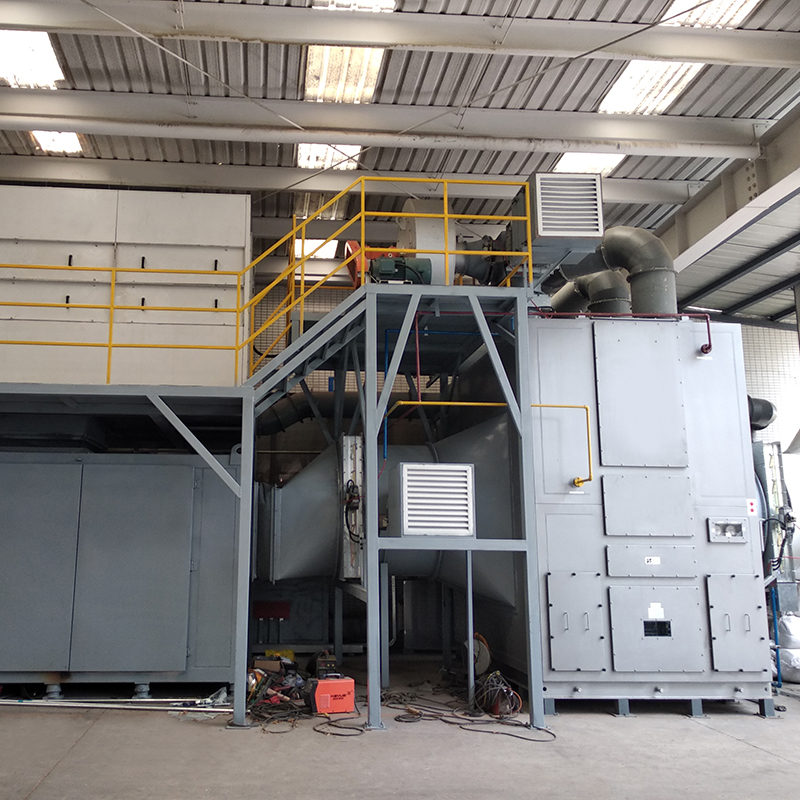
The Concept Of The Complete Set Of Equipment The purpose of employing rotary drum zeolite adsorption for organic waste gas is to concentrate low-conce...
See Details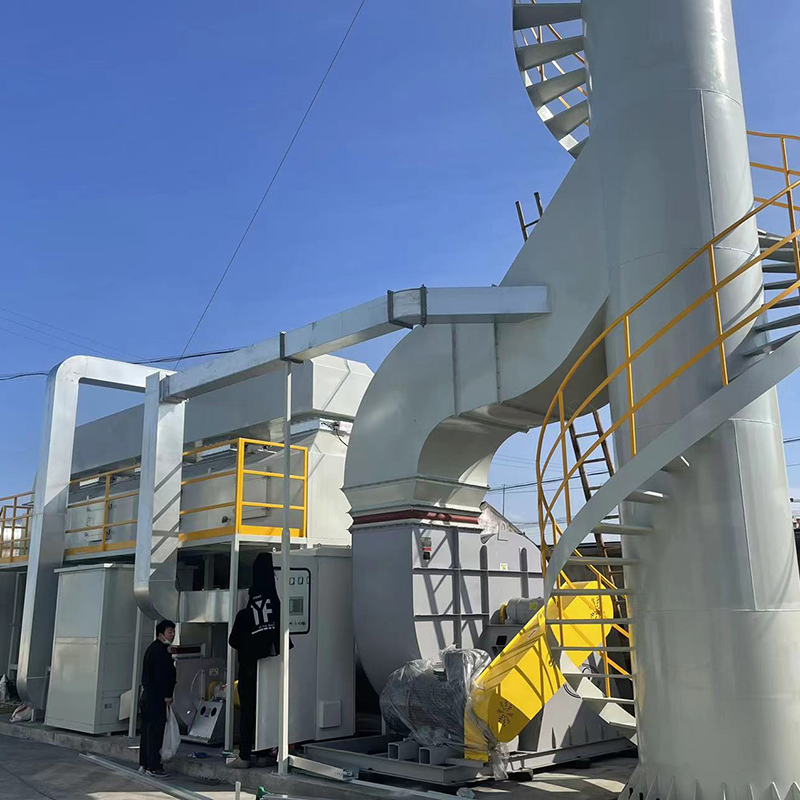
The VOC-CFT-CO Adsorption Catalytic Purification Equipment The VOC-CFT-CO adsorption catalytic purification equipment, consisting of fixed-bed honeyco...
See Details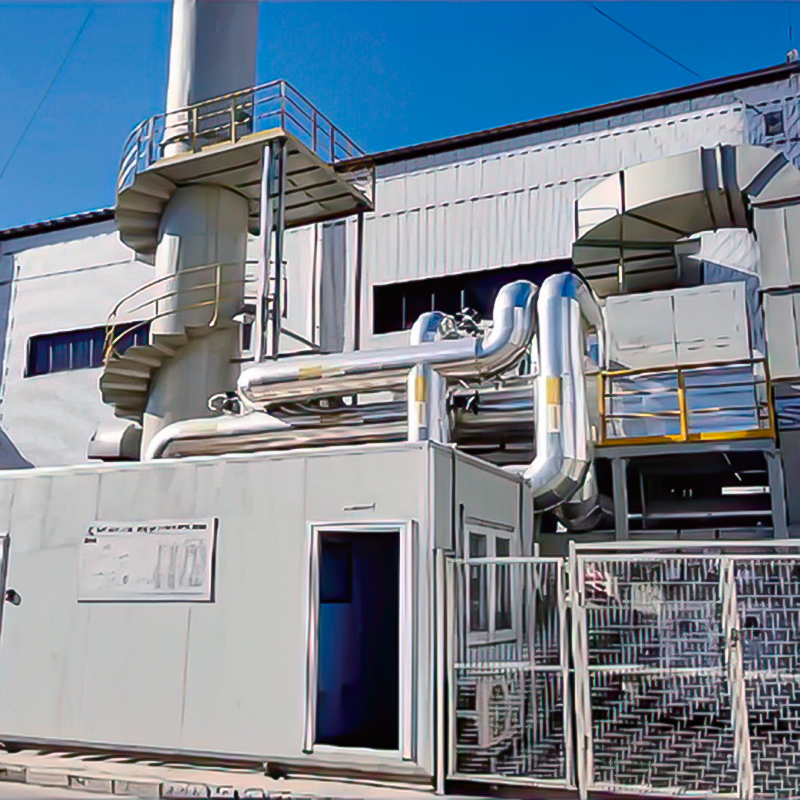
Concept Of Zeolite Rotary Wheel + Catalytic Combustion As A Set Of Equipment In the combined process of organic waste gas and waste gas treatment, the...
See Details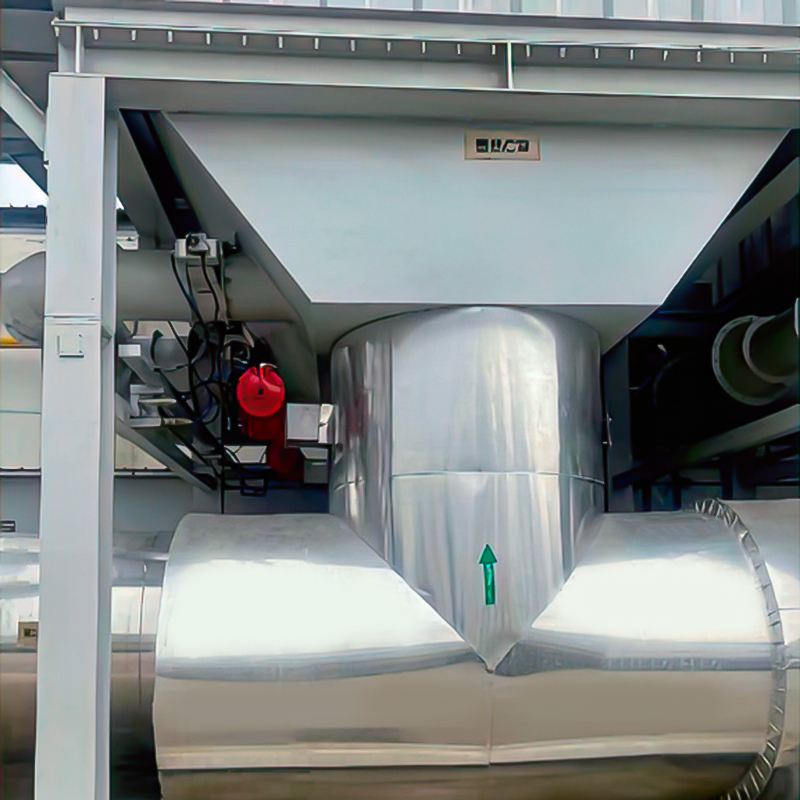
Purpose Mainly used for proportional ventilation of high-temperature flue gas. lt is widely used in places where leak rate requirements are not high, ...
See Details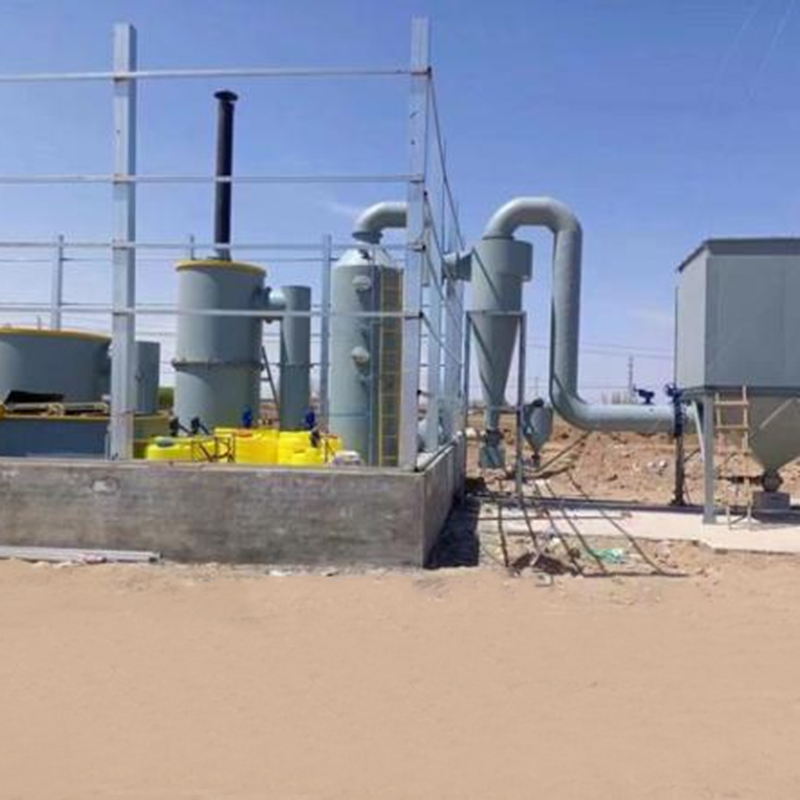
Overview Solid waste incineration furnaces are essential equipment in the management of solid waste, designed to transform waste materials into ash an...
See DetailsMOBILE
Product Manual

Copyright © Lv quan Environmental Protection Engineering Technology Co., Ltd. All Rights Reserved. Vocs Organic Waste Gas Treatment Engineering Equipment Manufacturer

