Lv quan Environmental Protection Engineering Technology Co., Ltd.
  • Home
  • Product
    • Equipment
    • Engineering
    • Accessories
  • Solutions
    • Petrochemical Industry
    • Pharmaceutical, Chemical Industry
    • Coating Industry
    • Machinery Industry
    • Painting Industry
    • Electronics Industry
  • Capability
    • R&D
    • Service
    • Manufacture
  • About Us
    • certificate
    • Factory
  • News
    • Company News
    • Industry News
    • Exhibition News
  • Contact Us
Lv quan Environmental Protection Engineering Technology Co., Ltd.
  • Lv quan Environmental Protection Engineering Technology Co., Ltd. English
  • Lv quan Environmental Protection Engineering Technology Co., Ltd. русский
  • Lv quan Environmental Protection Engineering Technology Co., Ltd. Français
  • Lv quan Environmental Protection Engineering Technology Co., Ltd. Español
  • Lv quan Environmental Protection Engineering Technology Co., Ltd. عربى
Lv quan Environmental Protection Engineering Technology Co., Ltd.

Web Menu

  • Home
  • Product
    • Equipment
    • Engineering
    • Accessories
  • Solutions
    • Petrochemical Industry
    • Pharmaceutical, Chemical Industry
    • Coating Industry
    • Machinery Industry
    • Painting Industry
    • Electronics Industry
  • Capability
    • R&D
    • Service
    • Manufacture
  • About Us
    • certificate
    • Factory
  • News
    • Company News
    • Industry News
    • Exhibition News
  • Contact Us

Product Search

Language

  • Lv quan Environmental Protection Engineering Technology Co., Ltd. English
  • Lv quan Environmental Protection Engineering Technology Co., Ltd. русский
  • Lv quan Environmental Protection Engineering Technology Co., Ltd. Français
  • Lv quan Environmental Protection Engineering Technology Co., Ltd. Español
  • Lv quan Environmental Protection Engineering Technology Co., Ltd. عربى

Share

Exit Menu

  • Industry News
    Home / News / Industry News / What is the VOC Concentrator?

What is the VOC Concentrator?

Content

  • 1 The Role of a VOC Concentrator in Emission Control
    • 1.1 1. Enabling Cost-Effective Destruction
    • 1.2 2. Regulatory Compliance
    • 1.3 3. Protecting Downstream Equipment
  • 2 Types of VOC Concentrators
    • 2.1 Zeolite Rotor Concentrators
    • 2.2 Activated Carbon Fiber (ACF) Concentrators
    • 2.3 Fixed-Bed Adsorption Concentrators
  • 3 How to Choose a VOC Concentrator
    • 3.1 Step 1 — Characterize Your Exhaust Stream
    • 3.2 Step 2 — Define Your Regulatory Target
    • 3.3 Step 3 — Evaluate Adsorbent Compatibility
    • 3.4 Step 4 — Total Cost of Ownership (TCO) Analysis
    • 3.5 Step 5 — Verify Vendor Track Record
  • 4 The Best VOC Concentrators: What Sets Top Systems Apart
  • 5 How to Use a VOC Concentrator: Operation and Maintenance Essentials
    • 5.1 Startup and Steady-State Operation
    • 5.2 Preventive Maintenance Schedule
    • 5.3 Common Operational Pitfalls
  • 6 FAQ about VOC Concentrators
    • 6.1 What inlet VOC concentration is required for a concentrator to be effective?
    • 6.2 Can a VOC concentrator handle mixed solvent streams?
    • 6.3 How much does a VOC concentrator system cost?
    • 6.4 Is a VOC concentrator the same as a VOC scrubber?
    • 6.5 Does a VOC concentrator destroy the VOCs?
    • 6.6 How long does a zeolite rotor last?

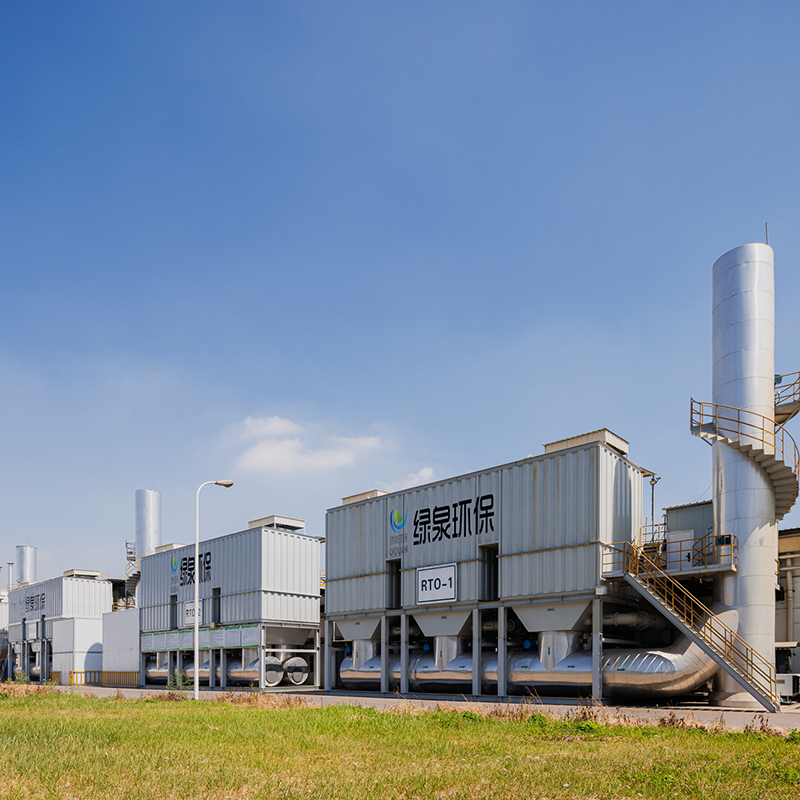
A VOC concentrator is an industrial air pollution control device that captures dilute volatile organic compound (VOC) emissions from process exhaust streams and concentrates them into a smaller, higher-concentration airflow before sending them to a downstream destruction unit such as a regenerative thermal oxidizer (RTO) or catalytic oxidizer. The core benefit: it can reduce the volume of air requiring treatment by up to 95%, dramatically cutting energy and operating costs.

In practical terms, if a facility exhausts 100,000 m³/h of air containing 300 mg/m³ of VOCs, a concentrator can compress that pollutant load into just 5,000–10,000 m³/h at 3,000–6,000 mg/m³ — a concentration ratio of 10:1 to 20:1. This concentrated stream is far more economical to incinerate or oxidize than the original dilute exhaust.

The Role of a VOC Concentrator in Emission Control

VOC concentrators serve as a critical bridge between raw industrial exhaust and final destruction technologies. Their role extends across three key functions:

1. Enabling Cost-Effective Destruction

Thermal oxidizers are expensive to run at low VOC concentrations because supplemental fuel is required. By concentrating VOCs to levels near or above the self-sustaining combustion threshold (typically 25% of the Lower Explosive Limit), concentrators allow oxidizers to operate with little or no auxiliary fuel. This alone can reduce operating energy costs by 60–80% compared to treating the raw dilute stream directly.

2. Regulatory Compliance

Environmental regulations such as the U.S. EPA's National Emission Standards for Hazardous Air Pollutants (NESHAPs), China's GB 37822-2019, and the EU's Industrial Emissions Directive set strict VOC emission limits. A concentrator system paired with an oxidizer routinely achieves destruction and removal efficiencies (DRE) above 99%, making compliance achievable even for large-volume, low-concentration exhaust streams.

3. Protecting Downstream Equipment

Concentrators also act as pre-treatment buffers. By adsorbing and smoothing out peak VOC surges before they reach the oxidizer, they protect downstream equipment from damaging concentration spikes and improve overall system stability.

Types of VOC Concentrators

The three dominant technologies differ in rotor medium, airflow design, and target application. Understanding each type is essential before evaluating any system.

Zeolite Rotor Concentrators

The most widely deployed technology. A honeycomb rotor impregnated with hydrophobic zeolite rotates continuously through adsorption, desorption, and cooling zones. Process air flows through the adsorption zone, VOCs are captured, and a small hot air stream desorbs them in the desorption zone, producing the concentrated output.

  • Concentration ratio: typically 10:1 to 20:1
  • Suitable for airflows from 10,000 to 500,000+ m³/h
  • Works well with most non-polar VOCs (aromatics, ketones, esters, alcohols)
  • Less effective for high-humidity streams (>90% RH) without pre-drying

Activated Carbon Fiber (ACF) Concentrators

Uses activated carbon fiber beds in a rotating or fixed-bed configuration. ACF has a higher adsorption capacity for low-concentration VOCs compared to granular activated carbon and can handle a broader spectrum of compounds including some polar VOCs.

  • Concentration ratio: up to 15:1
  • Higher initial cost than zeolite but better for polar solvents like methanol and acetone
  • Requires careful fire prevention design due to carbon's combustibility

Fixed-Bed Adsorption Concentrators

Uses two or more fixed beds of adsorbent (zeolite or activated carbon) that alternate between adsorption and regeneration cycles. These systems are simpler mechanically but require more footprint and careful cycle timing to maintain continuous output.

  • Best for smaller airflows or applications requiring solvent recovery rather than destruction
  • Steam regeneration variants allow recovery of valuable solvents
  • Lower concentration ratio (<10:1) compared to rotor-based systems
Type Concentration Ratio Best For Key Limitation
Zeolite Rotor 10:1 – 20:1 Large volume, non-polar VOCs High humidity reduces efficiency
ACF Rotor Up to 15:1 Polar solvents, mixed VOC streams Fire risk, higher cost
Fixed-Bed Up to 10:1 Solvent recovery, smaller flows Large footprint, batch cycling
Comparison of the three main VOC concentrator technologies by key performance parameters

How to Choose a VOC Concentrator

Selecting the right VOC concentrator requires matching system capabilities to your specific exhaust characteristics and operational goals. The following parameters are non-negotiable inputs for any proper evaluation:

Step 1 — Characterize Your Exhaust Stream

Before contacting any vendor, gather:

  • Total airflow volume (m³/h or CFM) including peak and average values
  • VOC species and concentrations (mg/m³ or ppm) — speciated if possible
  • Relative humidity — streams above 80% RH often need pre-drying
  • Temperature of the inlet air — affects adsorption equilibrium
  • Presence of particulates, silicones, or high-boiling compounds — these can blind adsorbent surfaces and require pre-filtration

Step 2 — Define Your Regulatory Target

Know the emission limit you must meet — expressed as outlet concentration (mg/m³), mass emission rate (kg/h), or overall removal efficiency (%). This determines the minimum DRE required and helps size the concentrator-oxidizer combination appropriately. Most jurisdictions now require ≥95% overall VOC removal; many require ≥99%.

Step 3 — Evaluate Adsorbent Compatibility

Not all VOCs adsorb equally on zeolite. Compounds with very low boiling points (e.g., methane, ethane) do not adsorb efficiently on zeolite rotors. Highly polar solvents like methanol may require ACF media. Always request adsorption isotherm data or pilot test results from the vendor for your specific VOC mix.

Step 4 — Total Cost of Ownership (TCO) Analysis

Capital cost is only part of the picture. Evaluate:

  • Energy consumption of the concentrator fan and desorption heater
  • Rotor or adsorbent replacement interval and cost (zeolite rotors typically last 5–10 years)
  • Reduction in downstream oxidizer fuel consumption — this is frequently the largest annual saving
  • Maintenance labor and spare parts availability

Step 5 — Verify Vendor Track Record

Request reference installations in your industry with similar exhaust profiles. Ask for third-party stack test data demonstrating actual DRE performance, not just design specifications. Leading suppliers such as Dürr, Anguil, Munters, and Seibu Giken publish documented case studies for this purpose.

The Best VOC Concentrators: What Sets Top Systems Apart

There is no single "best" VOC concentrator — the optimal system depends on application. However, the highest-performing systems share several measurable characteristics:

  • High concentration ratio (>15:1) — reduces downstream oxidizer size and fuel demand significantly
  • Adsorption efficiency >95% — ensures the inlet concentration is captured effectively before the concentrated stream reaches the oxidizer
  • Low pressure drop across the rotor — typically <500 Pa, minimizing fan energy consumption
  • Integrated controls and monitoring — real-time VOC inlet/outlet sensors, automated desorption temperature control, and remote diagnostics
  • Modular rotor design — allows replacement of rotor segments without full system shutdown

For large-scale automotive coating lines or electronics manufacturing exhausts (typically 50,000–300,000 m³/h), zeolite rotor systems from manufacturers like Dürr or Munters are widely benchmarked. For pharmaceutical or specialty chemical applications with complex solvent mixtures, ACF-based systems often deliver superior removal across a wider boiling-point range.

How to Use a VOC Concentrator: Operation and Maintenance Essentials

Even the best-designed VOC concentrator will underperform without correct operation. The following practices are standard across high-performing installations:

Startup and Steady-State Operation

  1. Verify pre-filter integrity before startup — particulate loading on the rotor surface is the leading cause of premature rotor degradation.
  2. Confirm desorption air temperature setpoint matches the design specification for your VOC mixture (typically 180–220°C for zeolite systems).
  3. Monitor inlet and outlet VOC concentrations continuously. An outlet VOC breakthrough above design limits typically signals rotor saturation, damage, or a process upset — not normal operation.
  4. Maintain rotor rotation speed within the design range; deviations affect the adsorption/desorption balance and overall efficiency.

Preventive Maintenance Schedule

  • Monthly: Inspect and replace inlet pre-filters; check rotor seal condition; verify rotation speed and motor current draw
  • Quarterly: Clean desorption heater elements; calibrate VOC sensors; inspect ductwork for leaks
  • Annually: Full rotor inspection — check for physical damage, channeling, or loss of adsorption capacity via spot sampling
  • Every 5–8 years: Rotor replacement assessment based on capacity testing results

Common Operational Pitfalls

  • High-boiling VOCs (boiling point >150°C) — these may not fully desorb at standard temperatures, gradually reducing rotor capacity over time. Periodic high-temperature regeneration cycles can help.
  • Silicone contamination — even trace amounts of siloxanes can permanently poison zeolite adsorption sites. Identify and eliminate silicone sources upstream.
  • Excessive humidity spikes — transient humidity surges can temporarily suppress adsorption efficiency by 20–40%. Process-side humidity controls are a valuable investment.

FAQ about VOC Concentrators

What inlet VOC concentration is required for a concentrator to be effective?

VOC concentrators are designed for dilute streams, typically 100–2,000 mg/m³. For concentrations above 3,000–5,000 mg/m³, direct oxidation without concentration is usually more economical. Below 50 mg/m³, adsorption efficiency may be marginal and alternative technologies should be evaluated.

Can a VOC concentrator handle mixed solvent streams?

Yes, provided the adsorbent medium is compatible with all compounds present. Zeolite rotors handle most aromatic, aliphatic, and ketone solvents well. For streams containing significant proportions of polar solvents (methanol, ethanol, MEK), ACF media or a mixed-media rotor may be required. Always provide a full solvent list to your system designer.

How much does a VOC concentrator system cost?

Capital costs vary widely with airflow volume and configuration. As a rough benchmark: a zeolite rotor concentrator for a 50,000 m³/h application typically ranges from $300,000 to $700,000 USD installed, excluding the downstream oxidizer. Systems for 200,000+ m³/h can exceed $1.5 million. However, fuel savings from reduced oxidizer operation commonly deliver payback periods of 2–5 years relative to treating the raw stream directly.

Is a VOC concentrator the same as a VOC scrubber?

No. A scrubber uses a liquid to absorb or neutralize pollutants and is typically used for inorganic gases (HCl, SO₂, NH₃) or water-soluble VOCs. A concentrator uses a solid adsorbent to capture and concentrate VOCs for subsequent thermal destruction. They address different pollutants and operate on entirely different principles.

Does a VOC concentrator destroy the VOCs?

No. A concentrator captures and concentrates VOCs — it does not destroy them. Destruction is performed by a downstream unit such as an RTO, catalytic oxidizer, or thermal oxidizer. The concentrator and oxidizer always function as a paired system. The concentrator's value is in reducing the size and operating cost of that downstream destruction step.

How long does a zeolite rotor last?

Under normal operating conditions with proper pre-filtration and no chemical contamination, zeolite rotors typically last 8–12 years. Exposure to silicones, heavy particulates, or high-boiling polymeric compounds can significantly shorten service life. Regular adsorption capacity testing — at least annually — is the best way to track rotor health and plan replacement proactively.

Previous Post No previous article
Next Post What are the safety issues in Organic Waste Gas Treatment Engineering?

Related Products

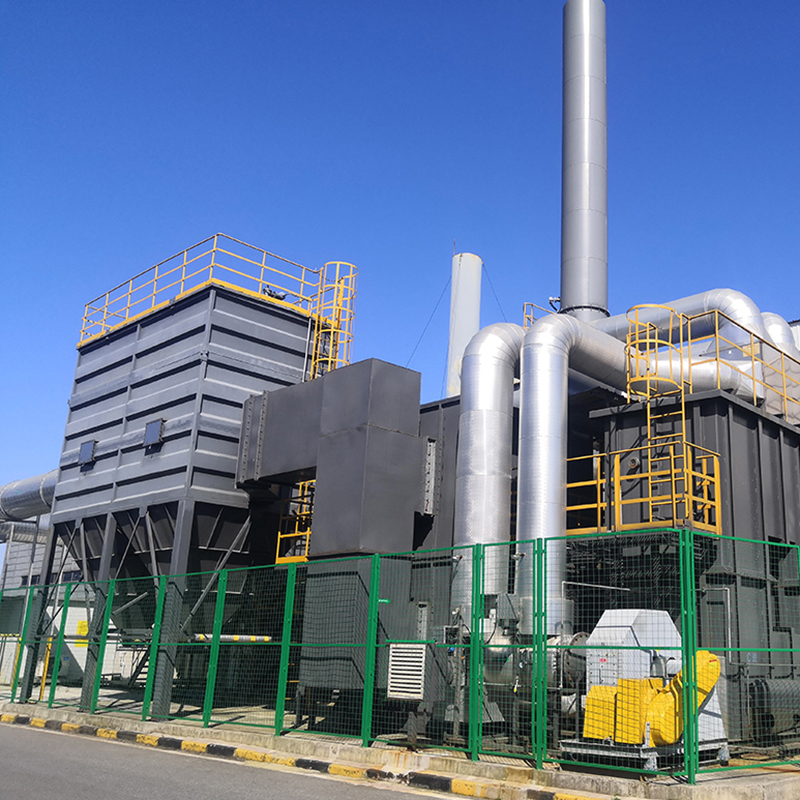
  • LQ-RTO Heat-storage high-temperature incineration equipment

    LQ-RTO Heat-storage high-temperature incineration equipment

    Cat:Equipment

    Overview Of Tower-Type RTO Regenerative Thermal Oxidizer (RTO) is an organic waste gas treatment equipment that combines high-temperature oxidation wi...

    See Details
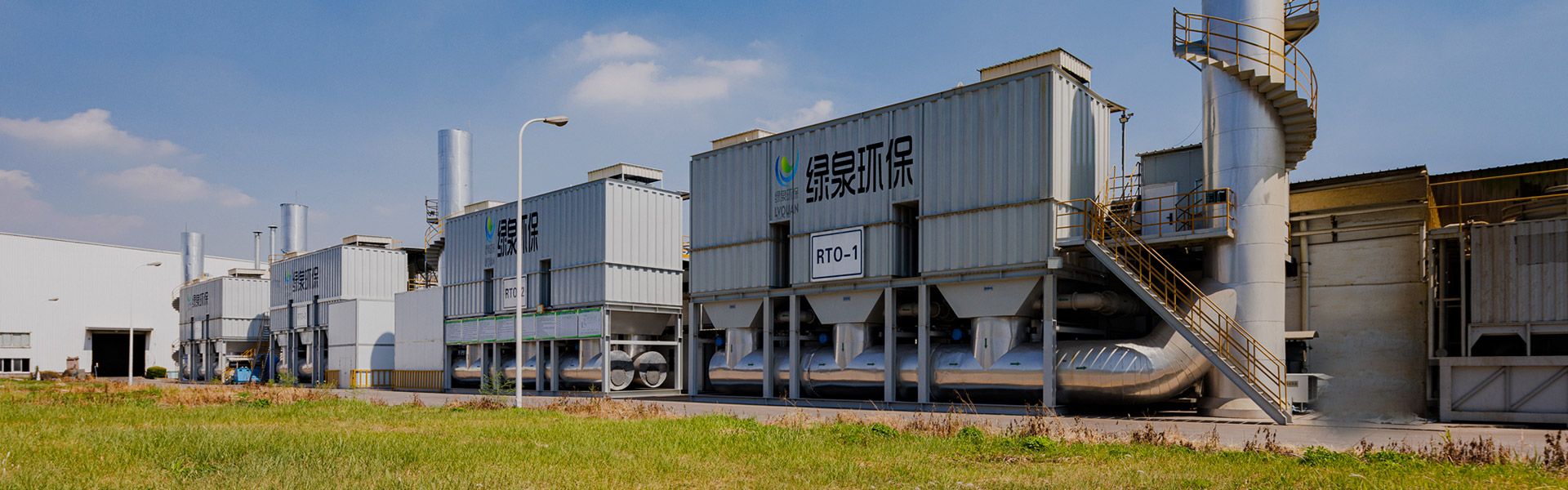
  • LQ-CO Catalytic combustion equipment

    LQ-CO Catalytic combustion equipment

    Cat:Equipment

    Overview Catalytic combustion is a purification method that uses catalysts to oxidize and decompose combustible substances in exhaust gas at low tempe...

    See Details
  • LQ-ADW Zeolite Rotating Drum (Cylinder Type)

    LQ-ADW Zeolite Rotating Drum (Cylinder Type)

    Cat:Equipment

    Overview Of Variable Freouency Zeolite Turntable Our company's zeolite concentration turntable uses a combination of zeolite modules, with a high zeol...

    See Details
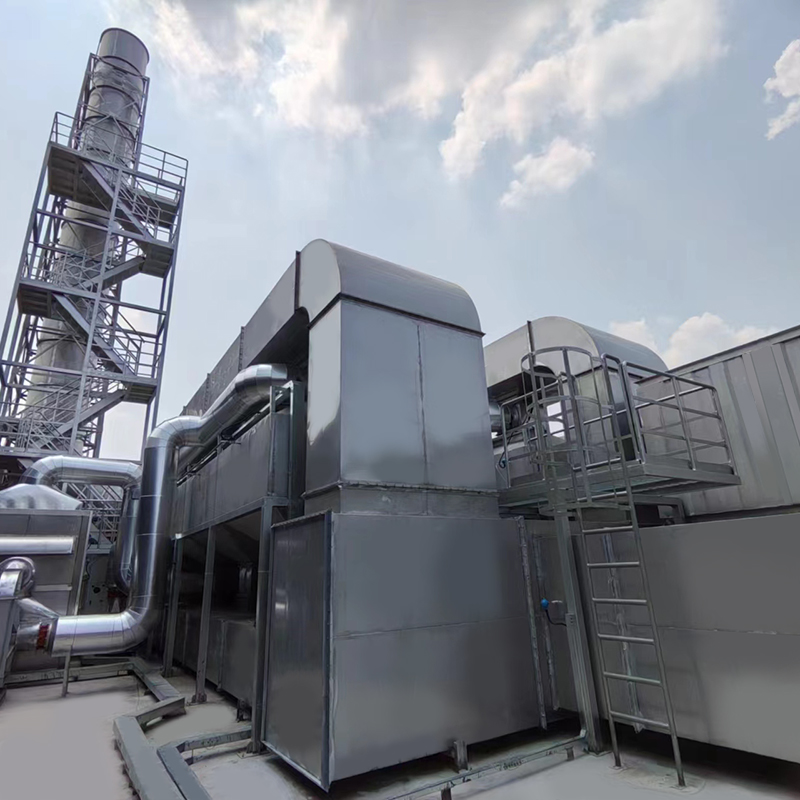
  • LQ-TT-CO Gas heat exchanger

    LQ-TT-CO Gas heat exchanger

    Cat:Equipment

    Product Introduction Gas heat exchanger is mainly used for energy saving and emission reduction industries in the waste heat recovery of flue gas in v...

    See Details
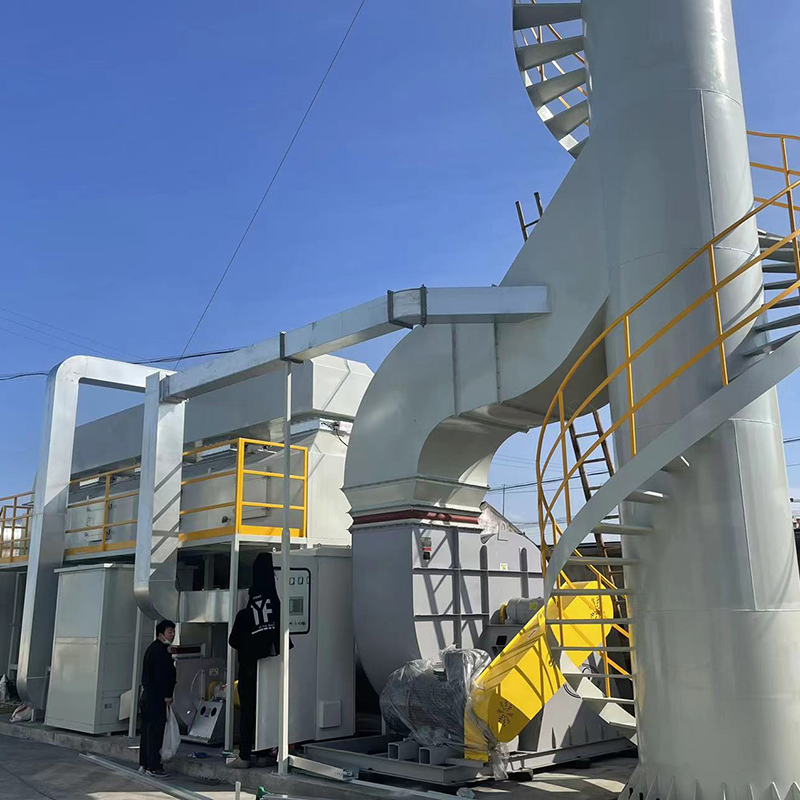
  • LQ-ADW-RTO zeolite rotor + RTO

    LQ-ADW-RTO zeolite rotor + RTO

    Cat:Engineering

    Concept Of Zeolite Wheel+RTO System Using zeolite wheel to adsorb organic waste gas, the low concentration and high air volume waste gas is concentrat...

    See Details
  • LQ-CFT-CO Honeycomb Activated Carbon Adsorption + Catalytic Oxidation (CO)

    LQ-CFT-CO Honeycomb Activated Carbon Adsorption + Catalytic Oxidation (CO)

    Cat:Engineering

    The VOC-CFT-CO Adsorption Catalytic Purification Equipment The VOC-CFT-CO adsorption catalytic purification equipment, consisting of fixed-bed honeyco...

    See Details
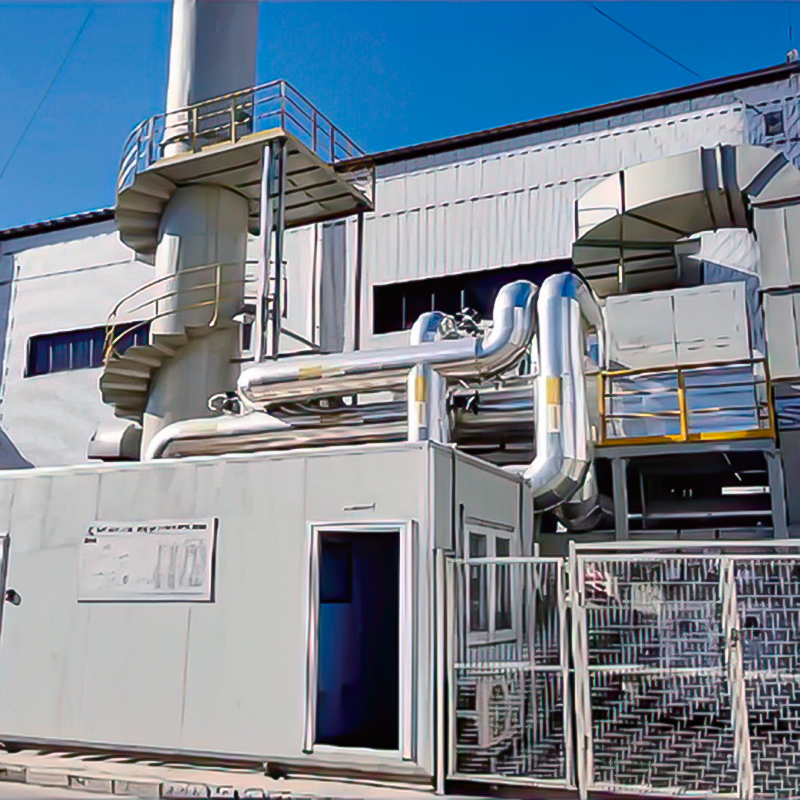
  • LQ-CF-CO Fixed Bed Zeolite Adsorption + Catalytic Oxidation (CO)

    LQ-CF-CO Fixed Bed Zeolite Adsorption + Catalytic Oxidation (CO)

    Cat:Engineering

    Concept Of Fixed Bed Zeolite + Catalytic Combustion As A Set Of Equipment The fixed bed zeolite + catalytic combustion device is suitable for the conc...

    See Details
  • LQ-ADW-CO Zeolite Rotary Concentrator (Cylindrical/Disc Type)+ Catalytic Oxidation (CO)

    LQ-ADW-CO Zeolite Rotary Concentrator (Cylindrical/Disc Type)+ Catalytic Oxidation (CO)

    Cat:Engineering

    Concept Of Zeolite Rotary Wheel + Catalytic Combustion As A Set Of Equipment In the combined process of organic waste gas and waste gas treatment, the...

    See Details
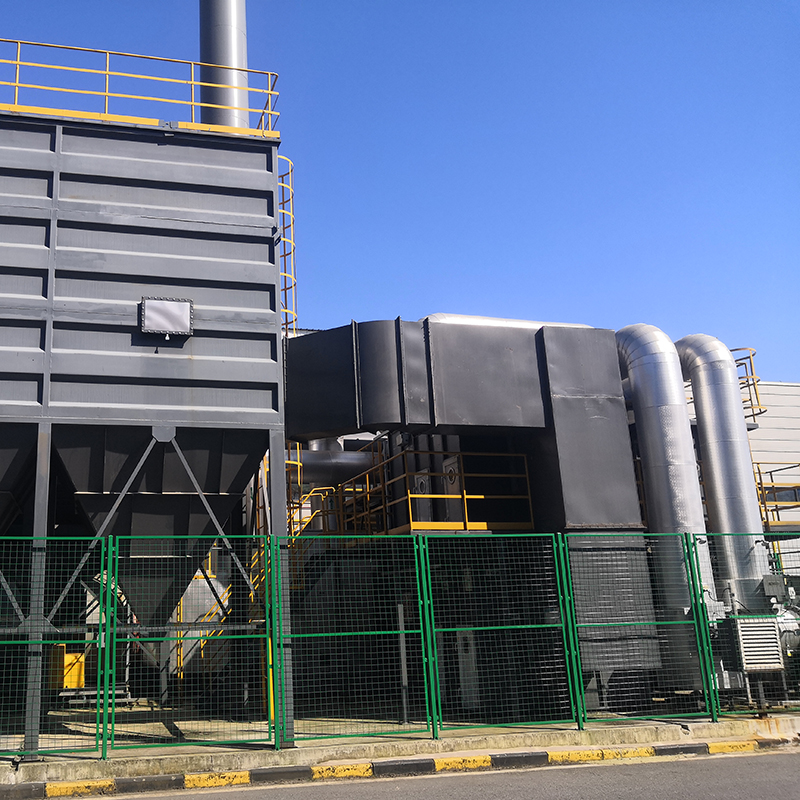
  • LQ-ADW-TO Zeolite Rotary Concentrator (Cylindrical/Disc Type)+Thermal Oxidizer (TO)

    LQ-ADW-TO Zeolite Rotary Concentrator (Cylindrical/Disc Type)+Thermal Oxidizer (TO)

    Cat:Engineering

    The Concept Of Zeolite Wheel+ Direct Combustion High-Temperature Incineration Equipment The purpose of employing rotary drum zeolite adsorption for or...

    See Details
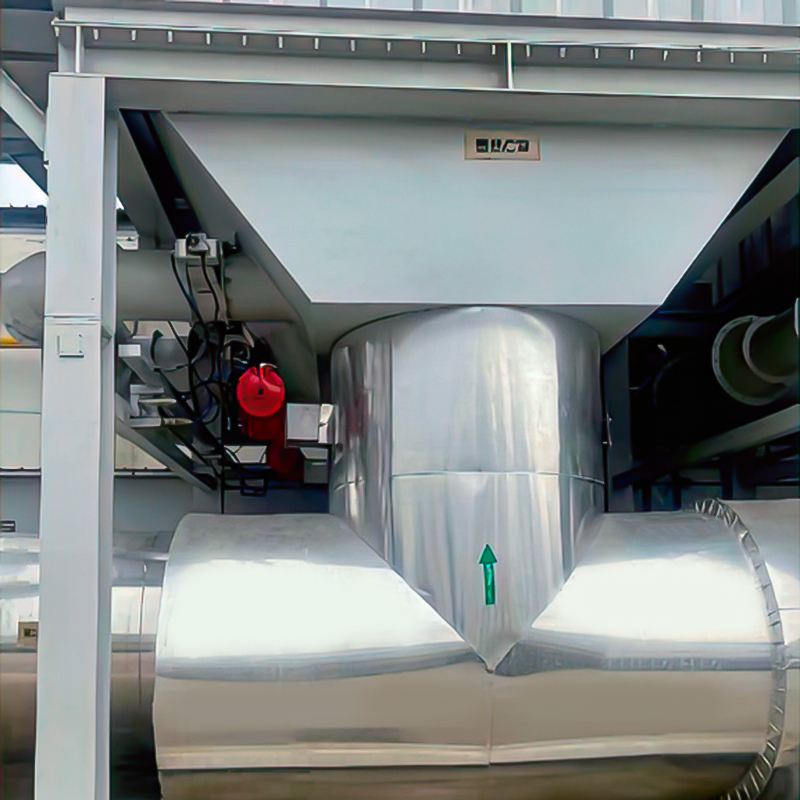
  • LQ-GXF High-temperature pressure relief valve

    LQ-GXF High-temperature pressure relief valve

    Cat:Accessories

    Purpose Mainly used for proportional ventilation of high-temperature flue gas. lt is widely used in places where leak rate requirements are not high, ...

    See Details
Categories
  • Equipment
  • Engineering
  • Accessories
Contact Us
Quick Links
  • Home
  • Product
    • Equipment
    • Engineering
    • Accessories
  • Solutions
    • Petrochemical Industry
    • Pharmaceutical, Chemical Industry
    • Coating Industry
    • Machinery Industry
    • Painting Industry
    • Electronics Industry
  • Capability
    • R&D
    • Service
    • Manufacture
  • About Us
    • certificate
    • Factory
  • News
    • Company News
    • Industry News
    • Exhibition News
  • Contact Us
News
  • What is the VOC Concentrator?
  • Lvquan Environmental Successfully Completes Delivery of Waste Gas Treatment Equipment to Cambodia
Get In Touch

No.100 Central Avenue, South Economic NewArea, Gaoyou City, Jiangsu Province, China

E-MAIL : [email protected]

PHONE : +86-13382748801

TEL : +86-0514-84753397

MOBILE

Product Manual

Lv quan Environmental Protection Engineering Technology Co., Ltd.

Copyright © Lv quan Environmental Protection Engineering Technology Co., Ltd. All Rights Reserved.   Vocs Organic Waste Gas Treatment Engineering Equipment Manufacturer

Lv quan Environmental Protection Engineering Technology Co., Ltd.