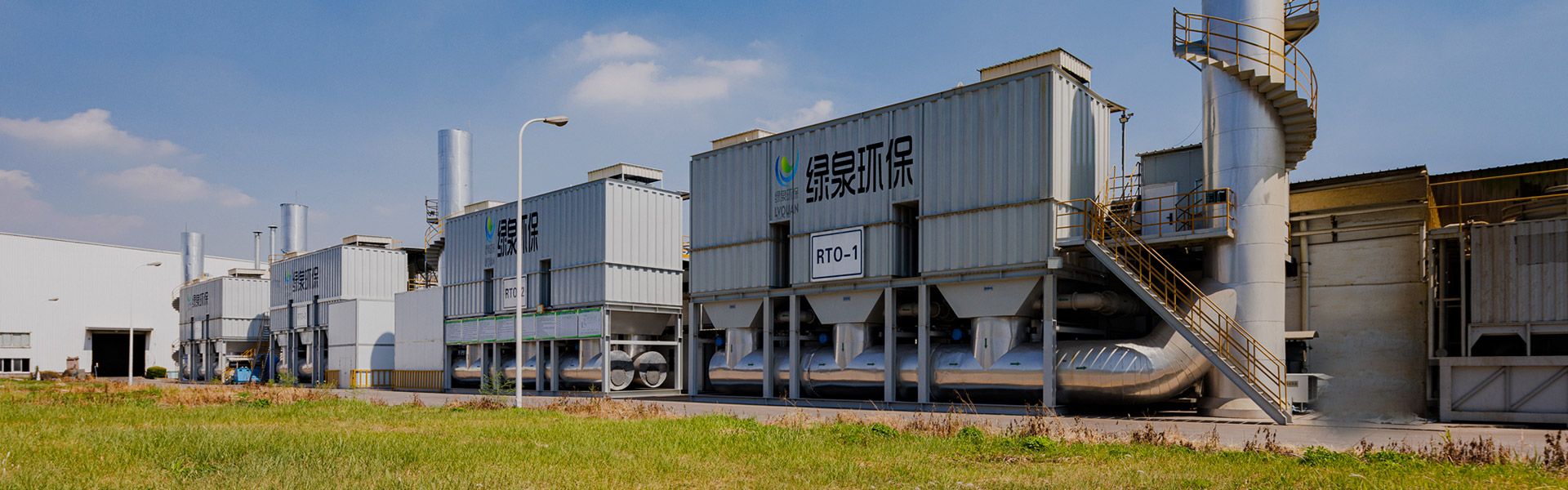
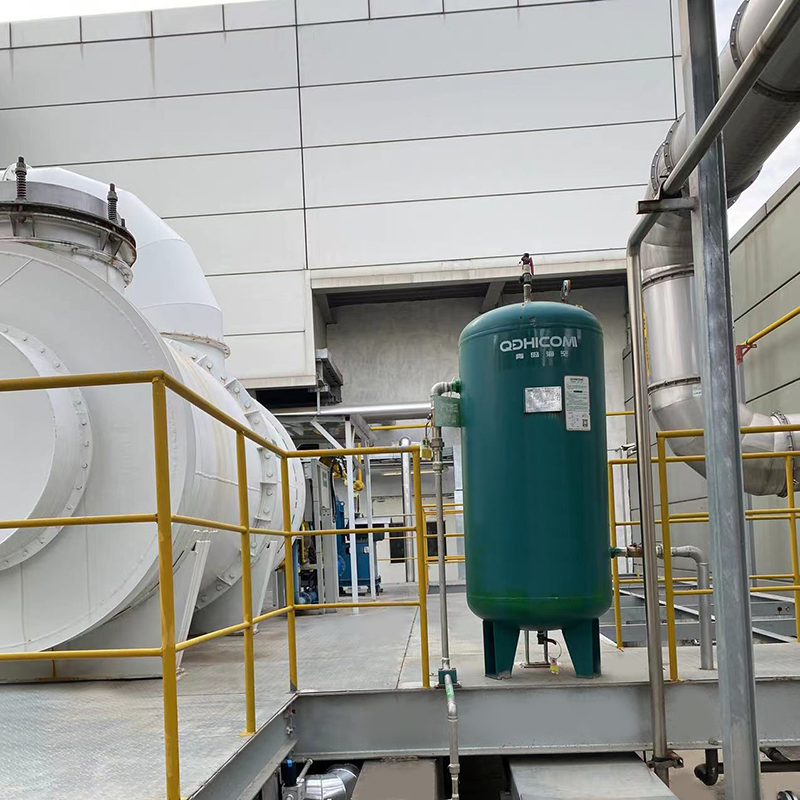
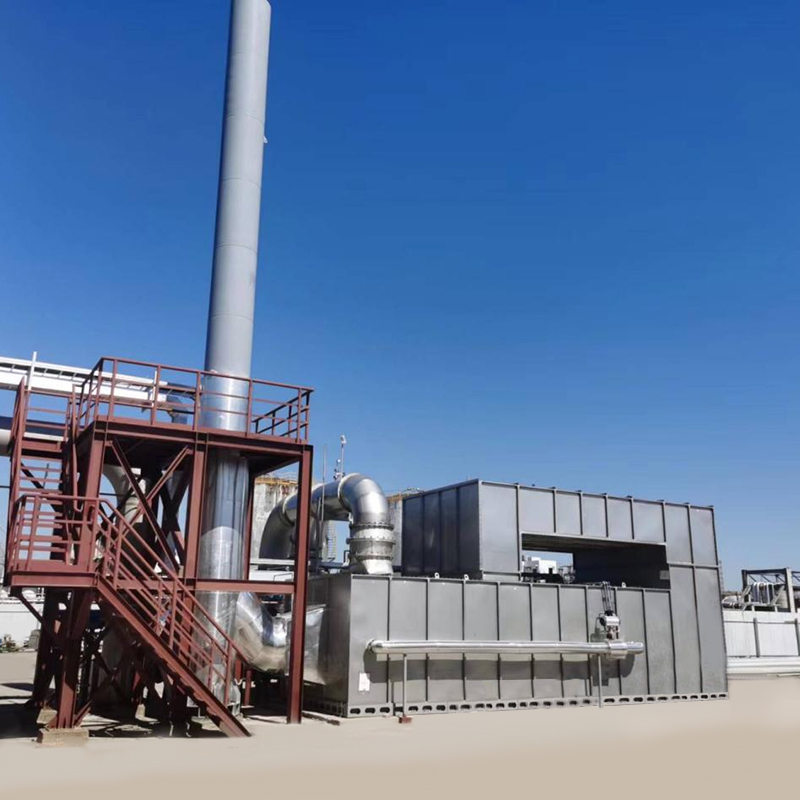
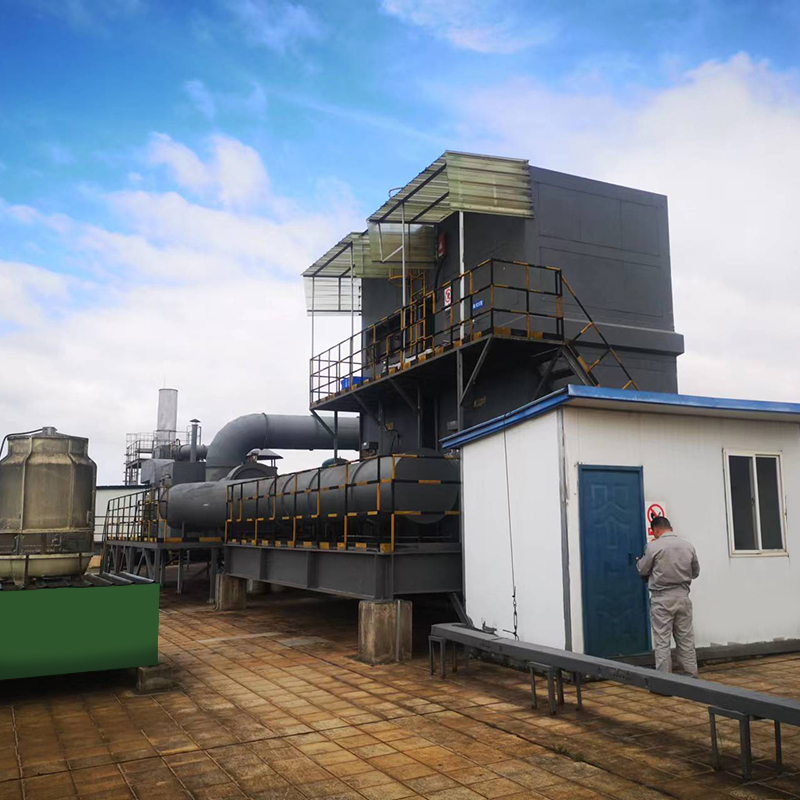
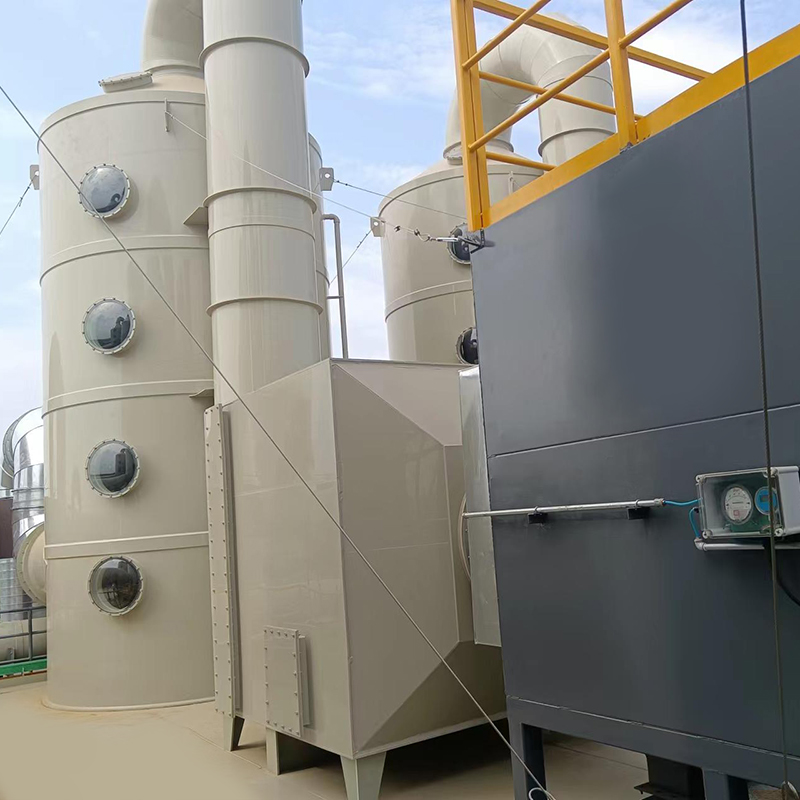
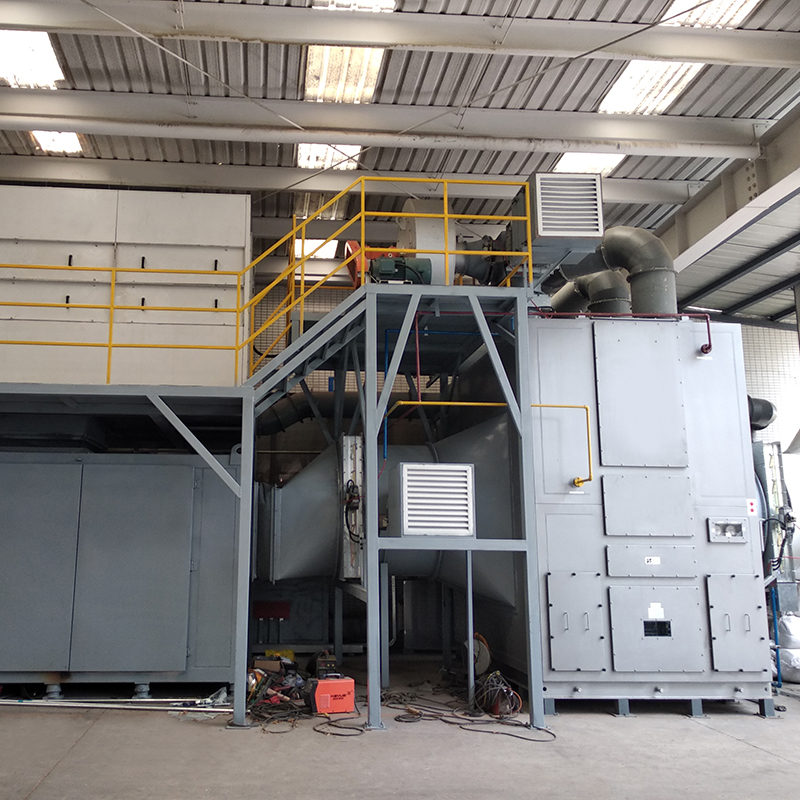
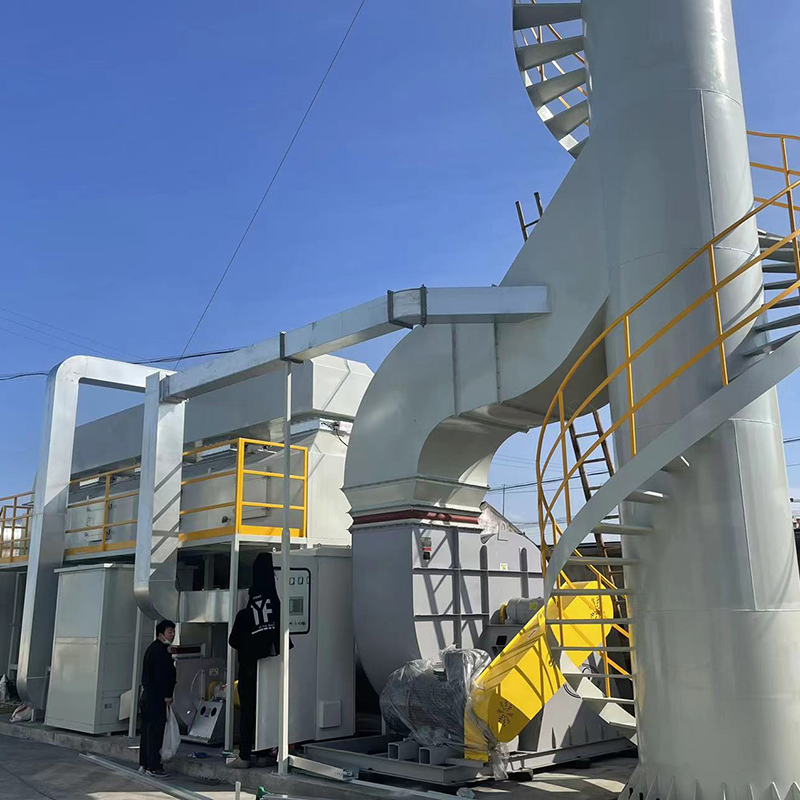
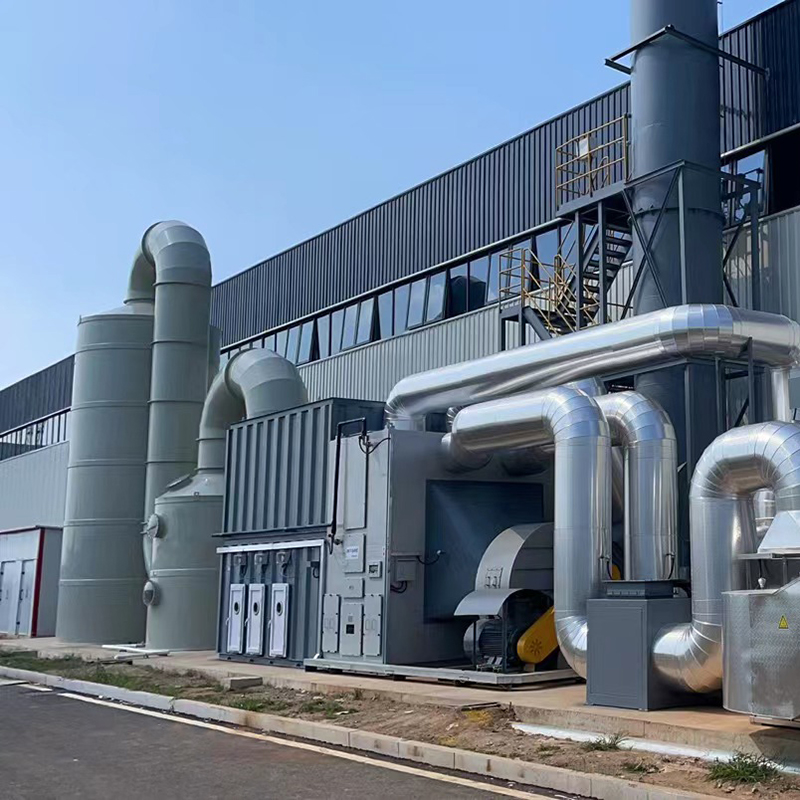
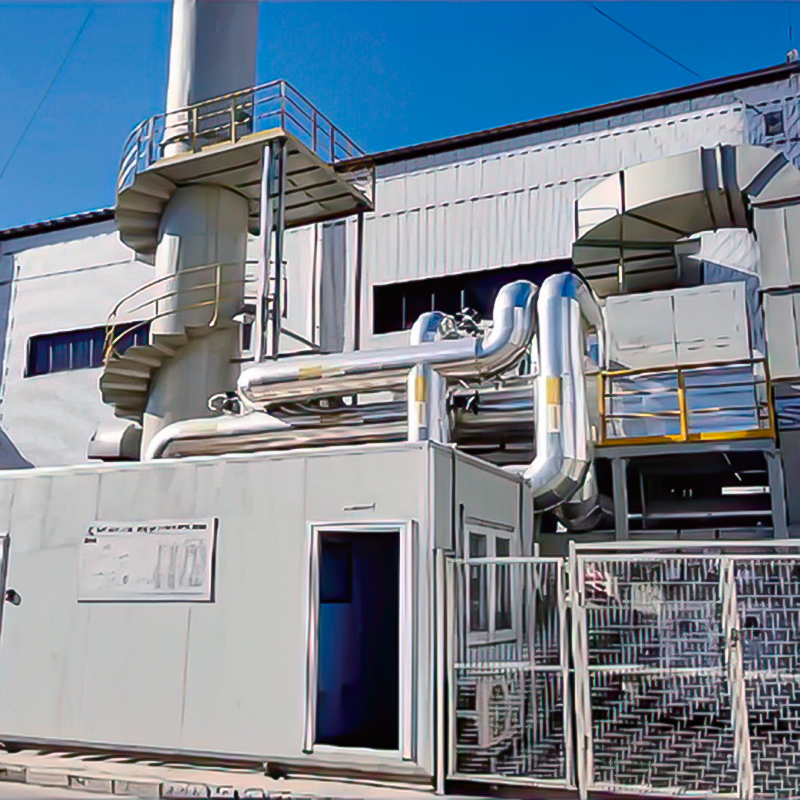
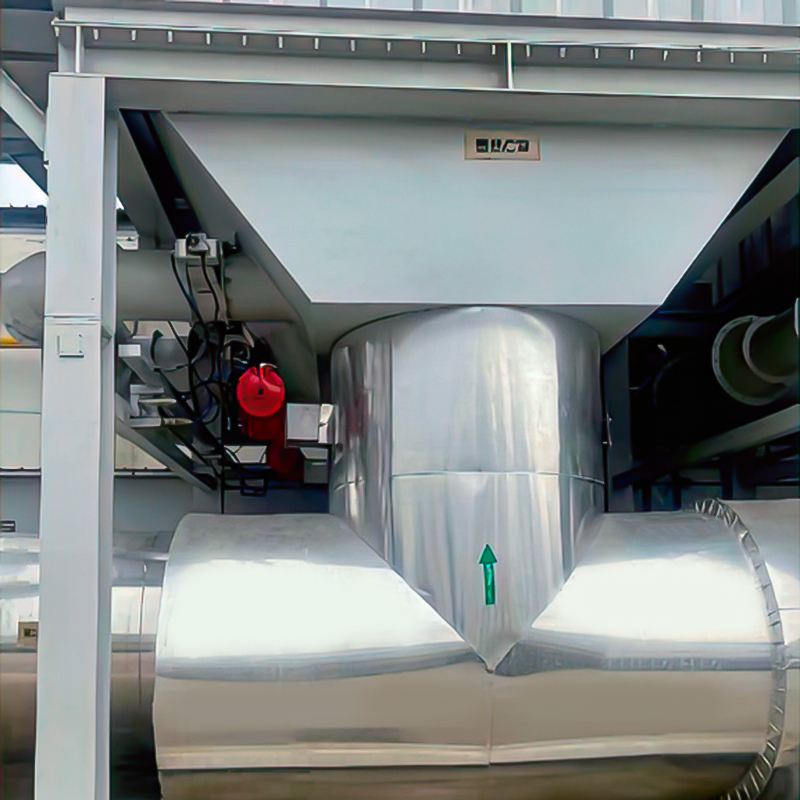
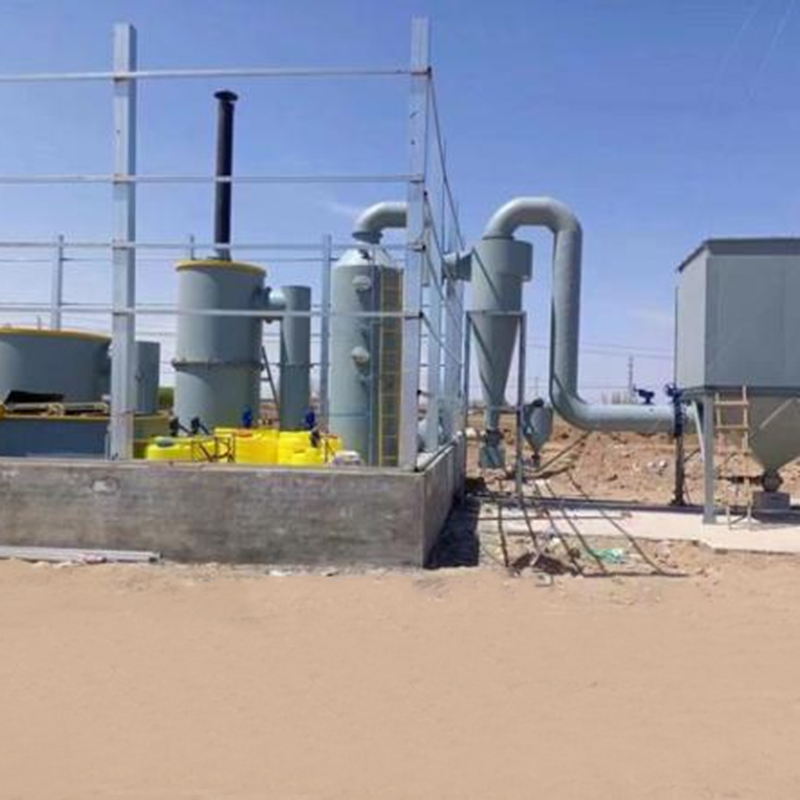
In the field of industrial waste gas treatment, VOCs Organic Waste Gas Treatment Engineering Equipment has become the mainstream technology. Compared with traditional simple catalytic combustion equipment, this advanced equipment has the following core advantages:
1. Lower energy consumption and lower operating costs
Low-temperature, high-efficiency oxidation: Traditional catalytic combustion equipment typically requires preheating the waste gas to above 250-400℃, while VOCs organic waste gas treatment equipment (such as the RCO series), through catalyst optimization (platinum, palladium impregnation, etc.), can start combustion at a lower temperature, significantly reducing heat energy consumption.
Waste heat recovery and utilization: This equipment is usually equipped with a waste heat recovery system, recovering the waste heat generated by combustion for heating the original drying tunnel or other processes, realizing the reuse of heat energy and further reducing operating costs.
Intelligent control reduces energy consumption: Through a fully automatic control system (such as PLC), when the waste gas concentration is low, the system can enter low-power or standby mode to avoid unnecessary energy waste.
2. Higher Purification Efficiency and Better Environmental Performance
Purification Rate Up to 99% or Higher: VOCs organic waste gas treatment equipment can achieve a purification efficiency of 99% or even higher, ensuring that waste gas meets emission standards.
Minimally Low Secondary Pollution: This technology generates virtually no secondary pollution (such as dioxins, sulfur oxides, etc.) during the treatment process, offering a significant environmental advantage compared to high-temperature combustion methods.
Combined Deodorization and Purification: In addition to VOCs organic waste gas, the equipment can also efficiently remove hydrogen sulfide, ammonia, and odorous gases without the need for any chemical additives.
3. More Stable Operation and Easier Maintenance
High Safety and Reliability: The equipment is designed with safety devices such as flame arrestor dust removal, explosion-proof pressure relief systems, and over-temperature alarm systems, adapting to complex working conditions and ensuring stable and reliable operation.
Small Footprint and Compact Structure: Compared to traditional large combustion towers, this type of equipment adopts a modular design, occupying only about 70% of the space of similar products, making it suitable for industrial environments with limited space.
Low maintenance costs: The equipment has no moving parts, low noise, and requires minimal replacement of consumables. Maintenance primarily focuses on the catalyst, which typically has a lifespan of 2-4 years, and the carrier is regenerable.
4. Wider adaptability and wider industry application:
Adaptable to complex gas characteristics: This equipment is highly adaptable to VOCs waste gas of varying concentrations (low, medium, and high) and is not limited by the concentration of specific organic compounds.
Wide industry coverage: Its applications span numerous industries including vehicle manufacturing, coating, petrochemicals, pharmaceuticals, electronics, printing, and furniture and building materials, effectively solving waste gas treatment challenges in various process flows.


 English
 русский
 Français
 Español
 عربى
عربى