

 English
 русский
 Français
 Español
 عربى
عربى
LQ-RTO Heat-storage high-temperature incineration equipment
Cat:Equipment
Overview Of Tower-Type RTO Regenerative Thermal Oxidizer (RTO) is an organic waste gas treatment equipment that combines high-temperature oxidation wi...
See Details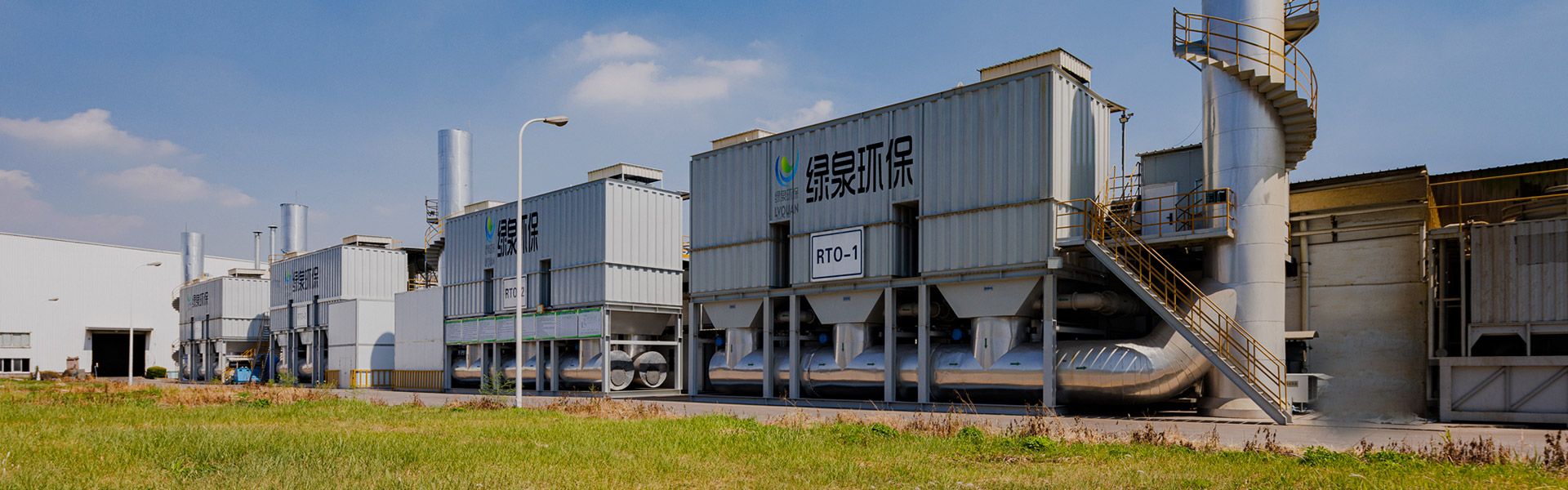
Content
Catalytic combustion equipment is becoming increasingly popular in industries where controlling emissions and improving energy efficiency are top priorities. But what exactly is catalytic combustion equipment, and why should you consider using it? In this article, we'll explore the basics of catalytic combustion technology, its advantages, and things you should keep in mind when using this equipment.
Catalytic combustion equipment refers to devices designed to facilitate the combustion (burning) of gases or volatile organic compounds (VOCs) in a way that reduces harmful emissions. This is achieved by using a catalyst, which accelerates the chemical reaction needed to burn the gases at a lower temperature. The catalyst is typically made of precious metals like platinum or palladium, which help break down pollutants into harmless byproducts like water vapor and carbon dioxide.
In simpler terms, catalytic combustion equipment helps industries like chemical manufacturing, automotive, and environmental systems reduce harmful emissions while maximizing energy efficiency. It is often used in processes where high temperatures are not feasible, allowing for more sustainable operations.
There are several compelling reasons to consider investing in catalytic combustion equipment. Below are some of the key benefits:
The primary benefit of catalytic combustion equipment is its ability to significantly reduce harmful emissions, such as carbon monoxide (CO), nitrogen oxides (NOx), and volatile organic compounds (VOCs). By facilitating a cleaner combustion process, it helps companies comply with environmental regulations and contribute to cleaner air.
Catalytic combustion equipment operates at much lower temperatures compared to traditional combustion methods, making it more energy-efficient. This reduces the need for excess energy and helps lower operational costs, which is especially beneficial in industries that rely on high-temperature processes.
Although catalytic combustion equipment may have a higher upfront cost, its energy efficiency and reduced emissions can lead to long-term savings. Lower energy consumption means reduced fuel costs, and companies may also benefit from tax credits or incentives for adopting cleaner technologies.
Catalytic combustion systems are often compact and can be integrated into a variety of industrial processes. They are also flexible enough to handle a range of gases and applications, making them suitable for diverse industries, from automotive to pharmaceuticals.
While catalytic combustion equipment offers numerous benefits, there are a few important factors to consider to ensure it works effectively and lasts longer:
The catalyst in the combustion system can degrade over time, especially if exposed to impurities in the fuel or exhaust gases. Regular maintenance is crucial to ensure the system runs efficiently. This includes cleaning the catalyst, checking for wear and tear, and replacing components when necessary.
Installing catalytic combustion equipment requires careful attention to detail. The equipment must be placed correctly within the system to ensure optimal air and gas flow, as well as proper temperature control. It's recommended to work with experienced technicians to ensure correct installation and operation.
Monitoring the performance of catalytic combustion equipment is essential to ensure it continues to meet environmental standards. This includes tracking emissions levels, energy consumption, and the condition of the catalyst. Many modern systems come with monitoring tools that make it easier to keep track of performance data.
Catalytic combustion equipment plays a crucial role in reducing industrial emissions and improving energy efficiency. Its ability to burn gases at lower temperatures without sacrificing performance makes it a cost-effective solution for industries aiming to meet environmental regulations and reduce their carbon footprint. By considering factors like maintenance, proper installation, and system monitoring, you can ensure that your catalytic combustion equipment operates efficiently and continues to deliver long-term benefits.
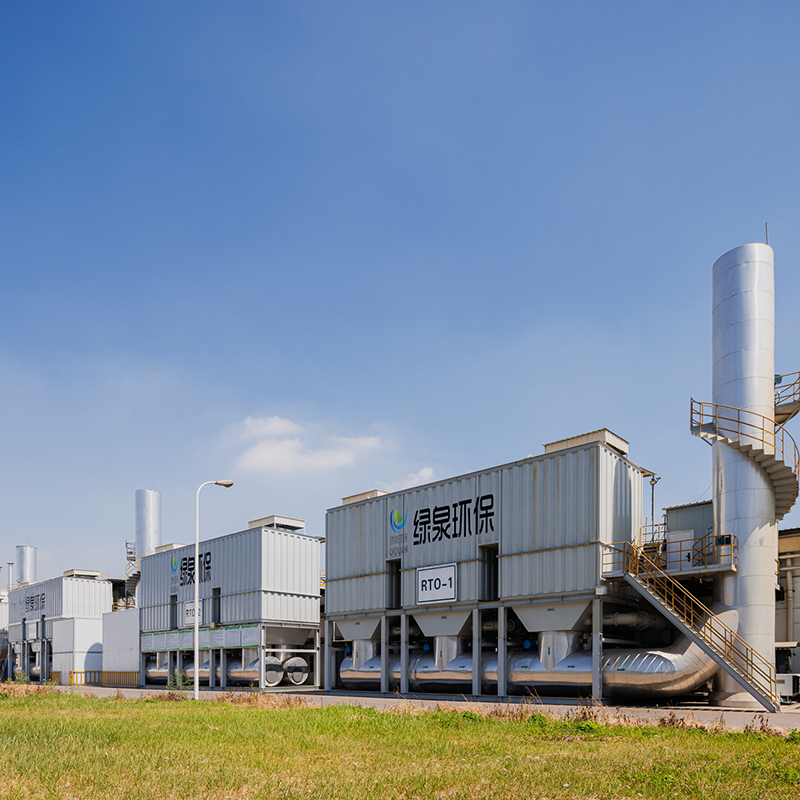
Overview Of Tower-Type RTO Regenerative Thermal Oxidizer (RTO) is an organic waste gas treatment equipment that combines high-temperature oxidation wi...
See Details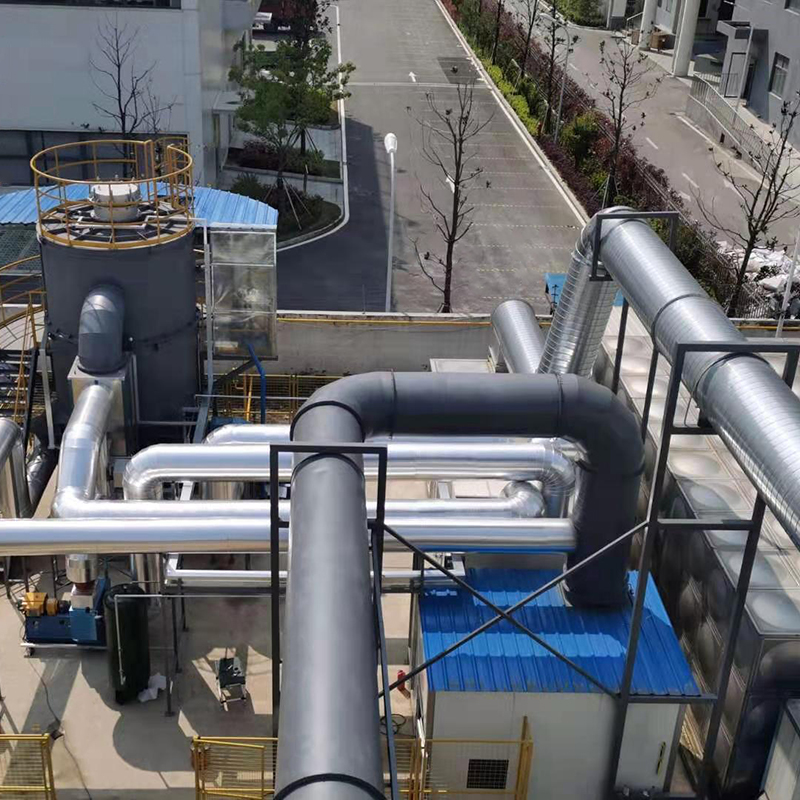
Overview Of Tower-Type RTO Our company offers two types of rotary RTO, which are the rotary RTO and the single barrel multi-valve RTO. The rotary RTO,...
See Details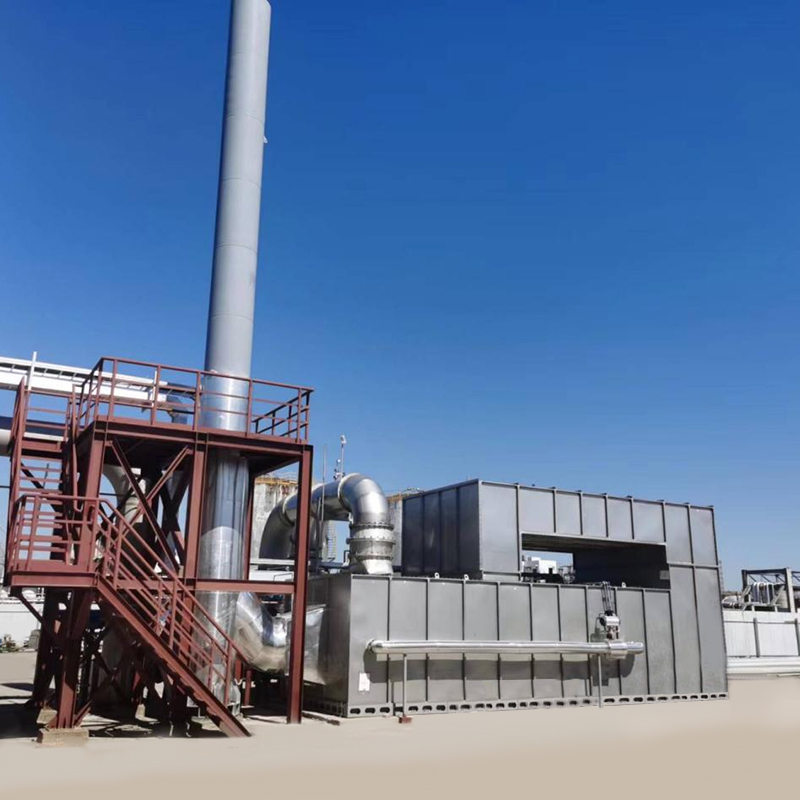
Overview Catalytic combustion is a purification method that uses catalysts to oxidize and decompose combustible substances in exhaust gas at low tempe...
See Details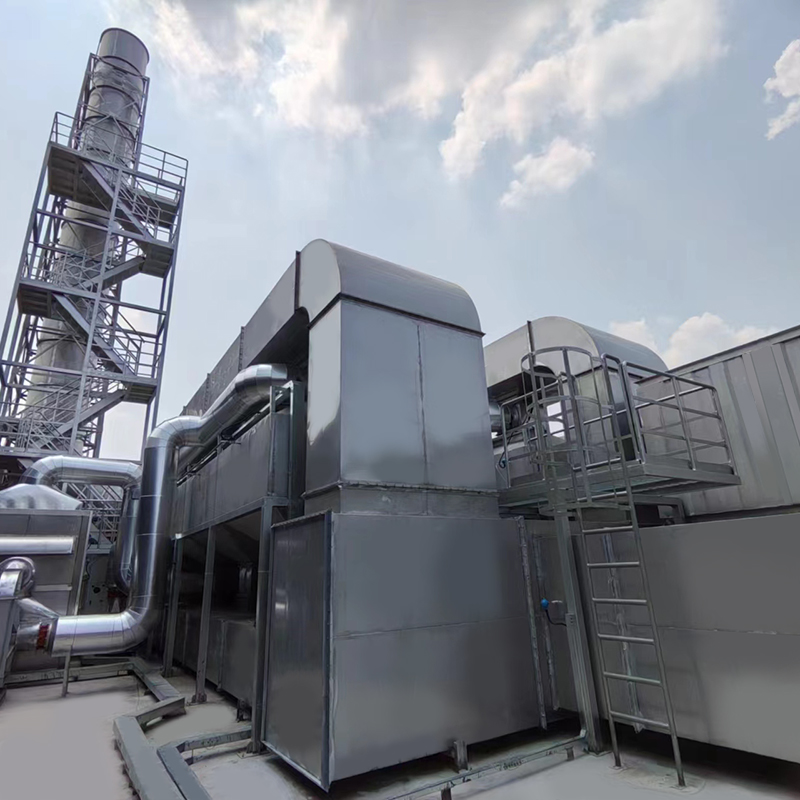
Overview of Activated Carbon Fiber Organic Solvent Purification Recovery Device The Activated Carbon Fiber Organic Solvent Purification Recovery Syste...
See Details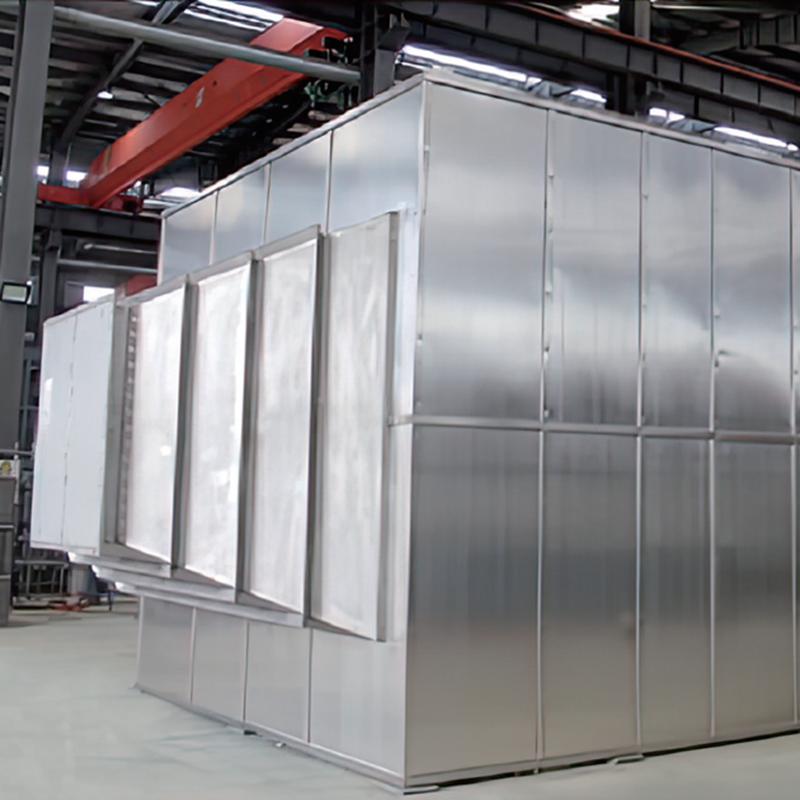
Product Introduction Gas heat exchanger is mainly used for energy saving and emission reduction industries in the waste heat recovery of flue gas in v...
See Details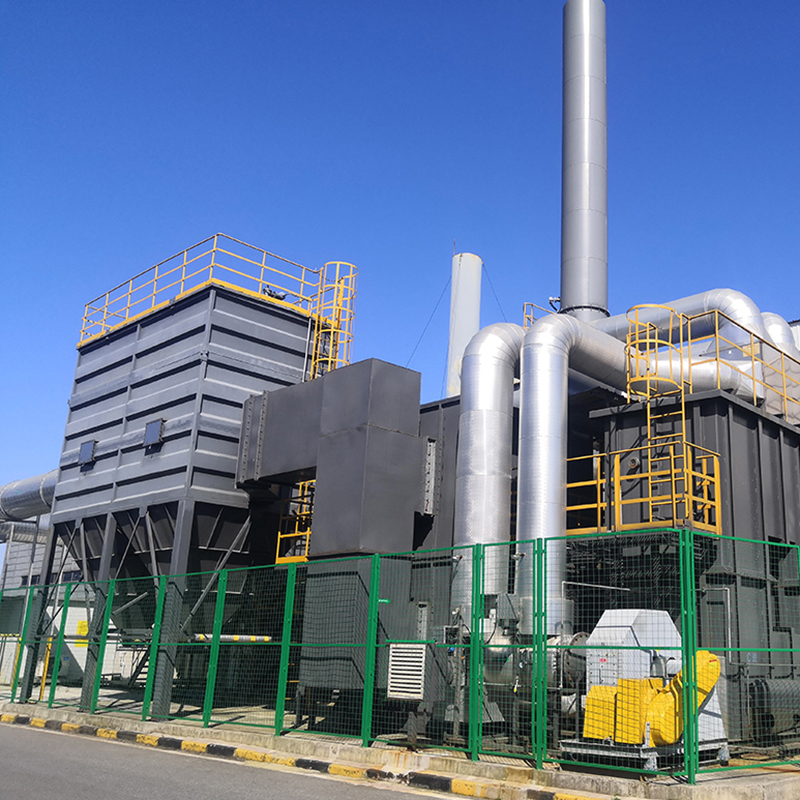
Concept Of Zeolite Wheel+RTO System Using zeolite wheel to adsorb organic waste gas, the low concentration and high air volume waste gas is concentrat...
See Details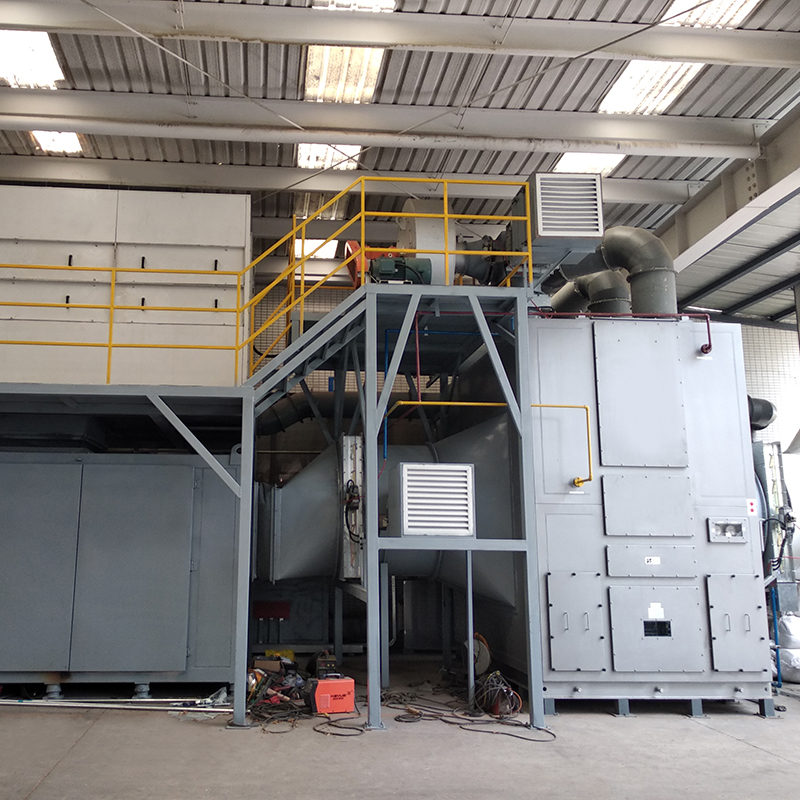
The Concept Of The Complete Set Of Equipment The purpose of employing rotary drum zeolite adsorption for organic waste gas is to concentrate low-conce...
See Details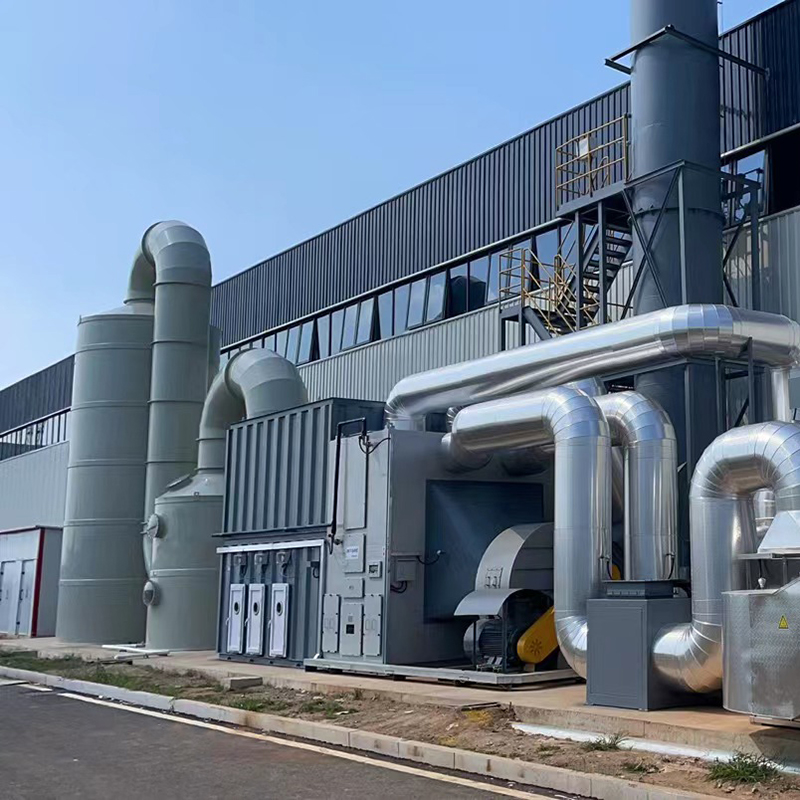
Concept Of Fixed Bed Zeolite + Catalytic Combustion As A Set Of Equipment The fixed bed zeolite + catalytic combustion device is suitable for the conc...
See Details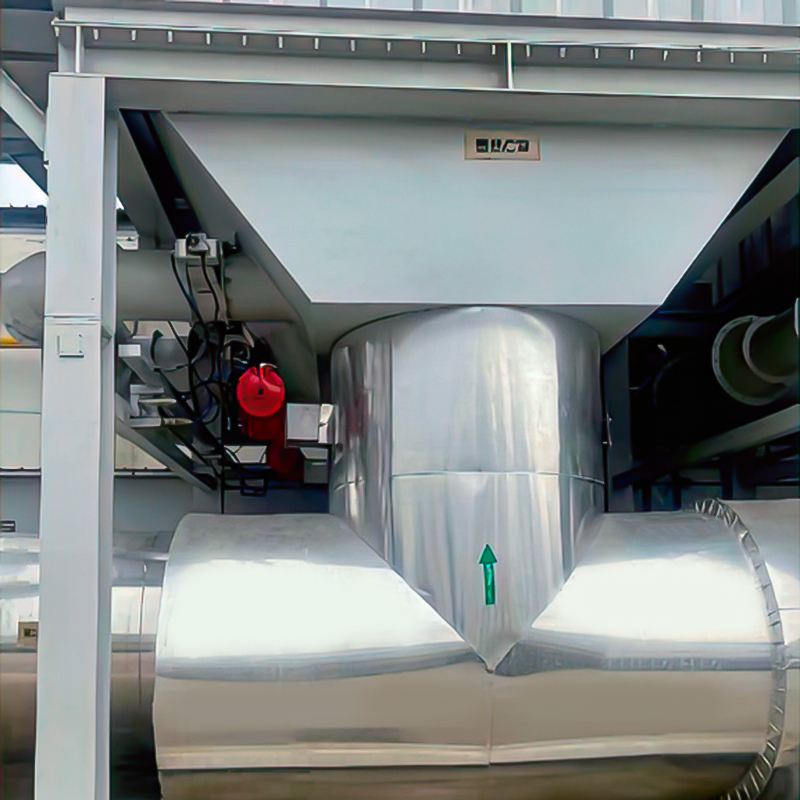
Purpose Mainly used for proportional ventilation of high-temperature flue gas. lt is widely used in places where leak rate requirements are not high, ...
See Details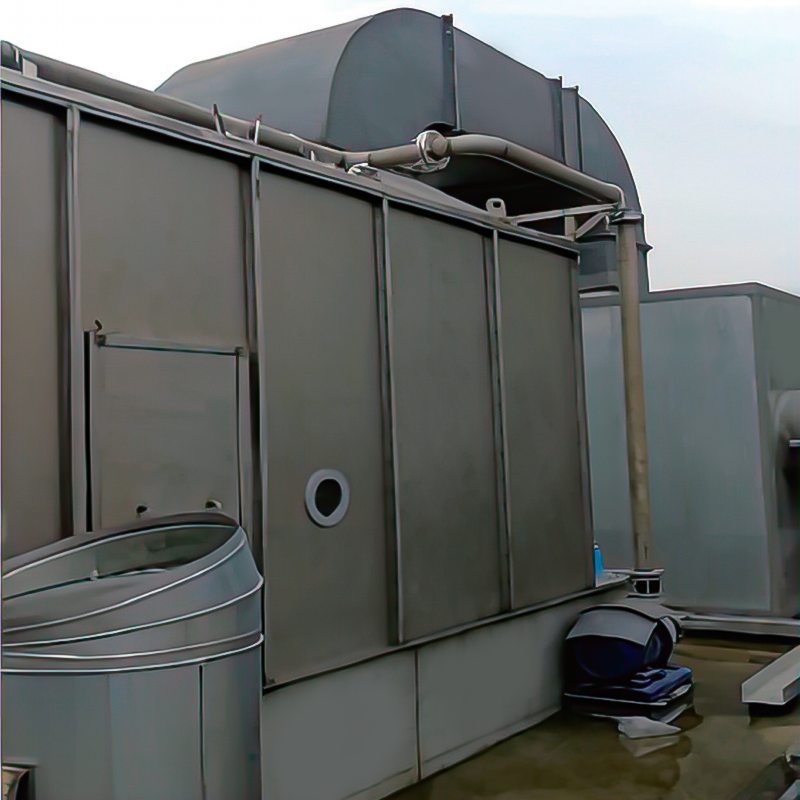
Overview The wet dust removal principle uses the process of capturing and separating dust particles in the gas phase by fully contacting gas-liquid tw...
See DetailsMOBILE
Product Manual

Copyright © Lv quan Environmental Protection Engineering Technology Co., Ltd. All Rights Reserved. Vocs Organic Waste Gas Treatment Engineering Equipment Manufacturer

