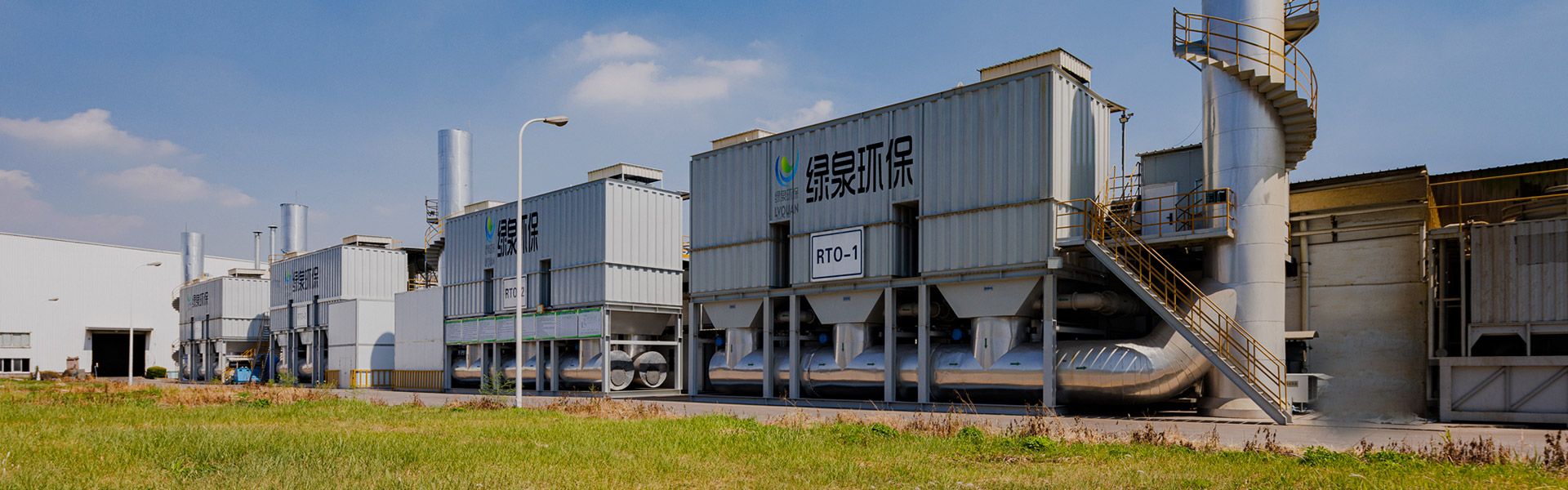
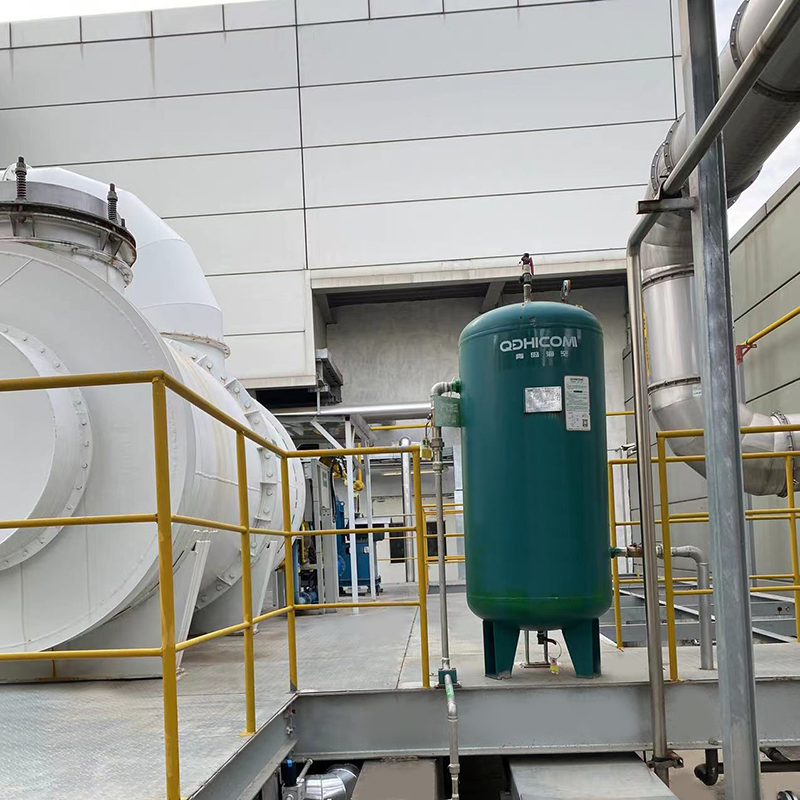
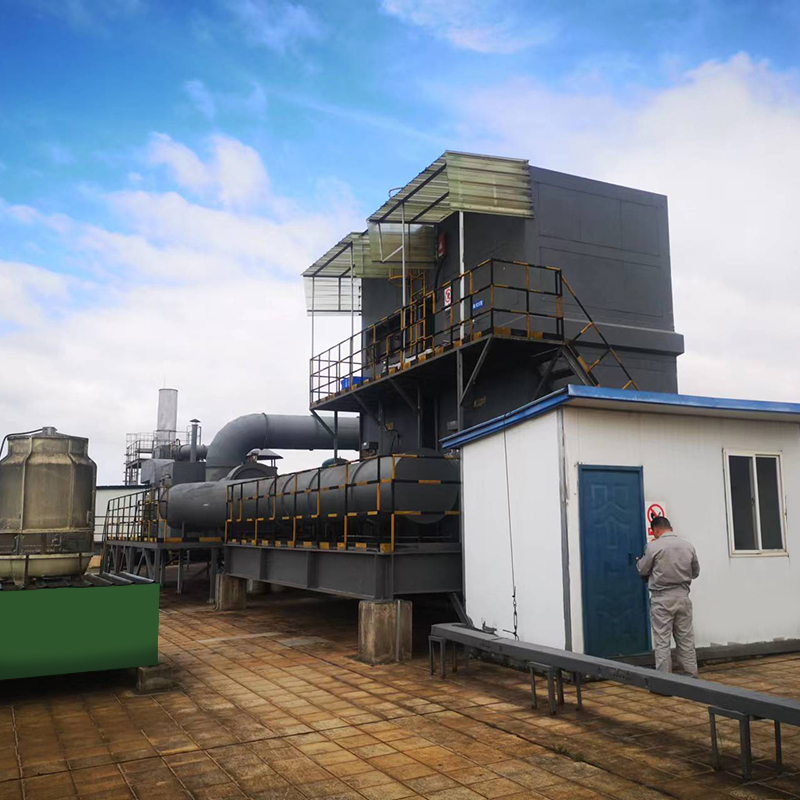
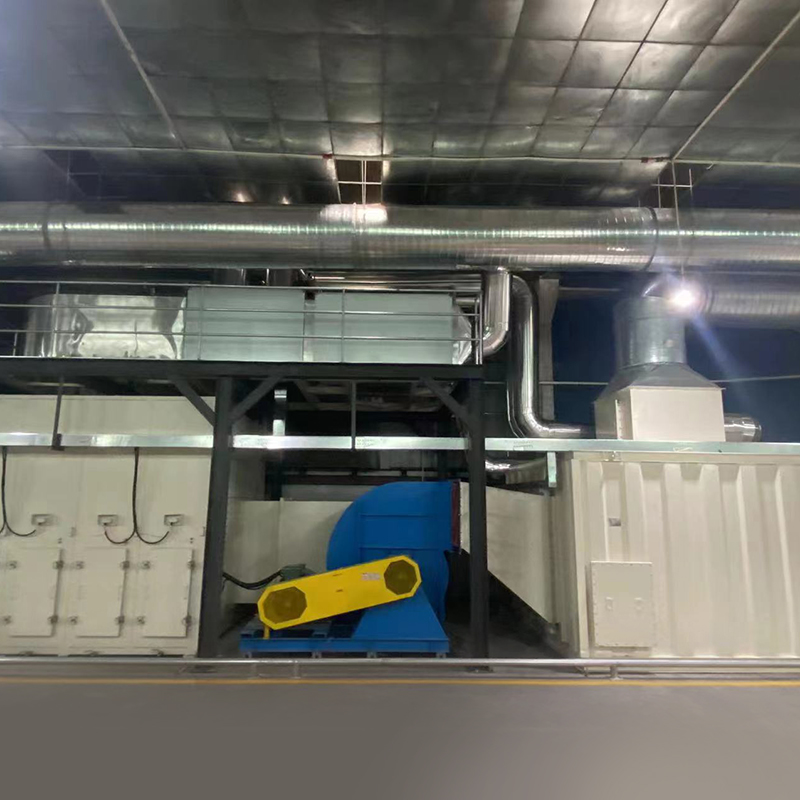
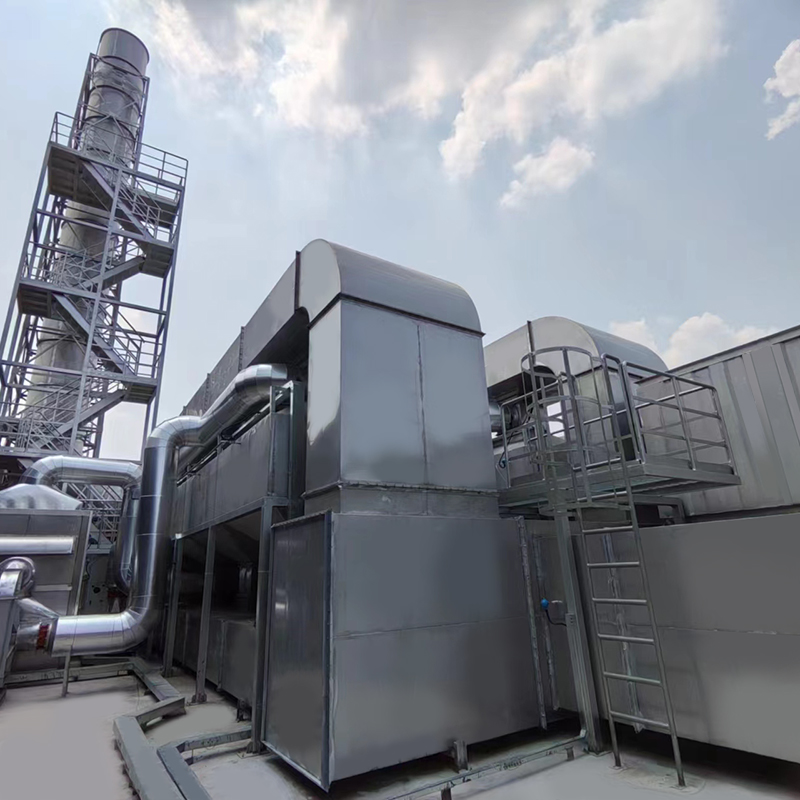
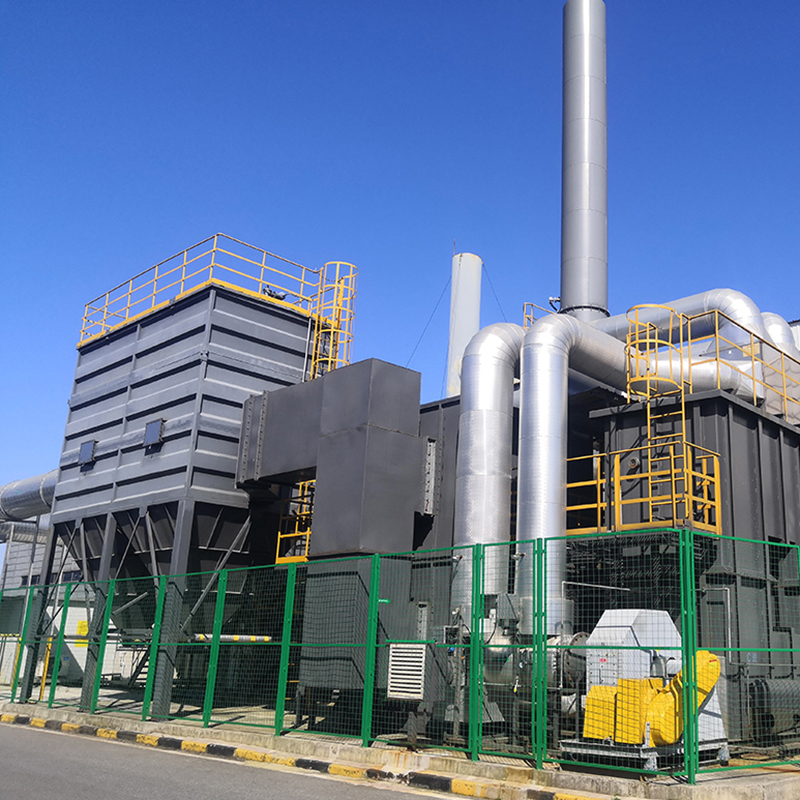
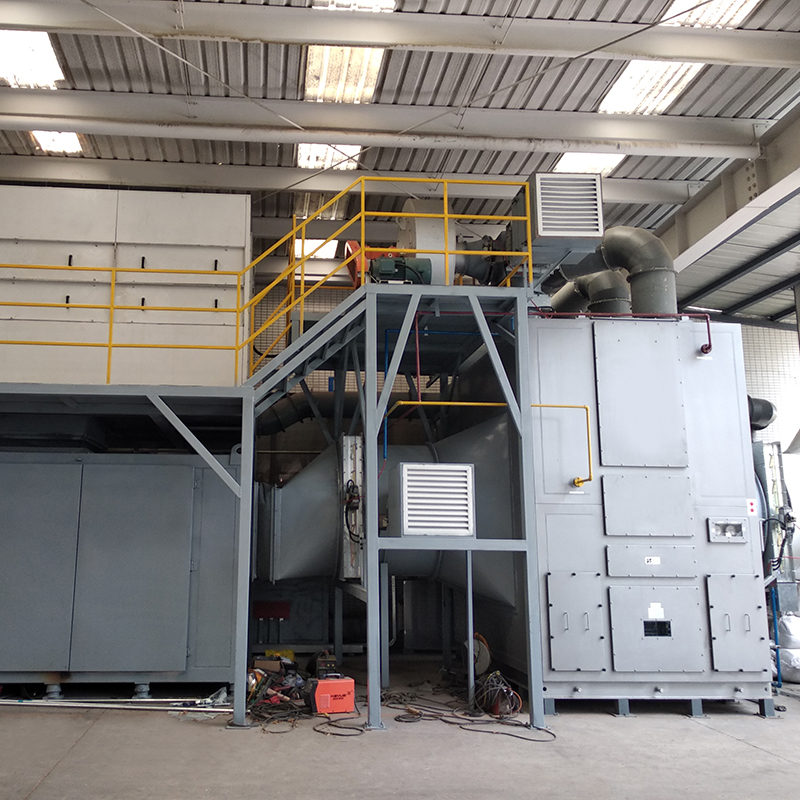
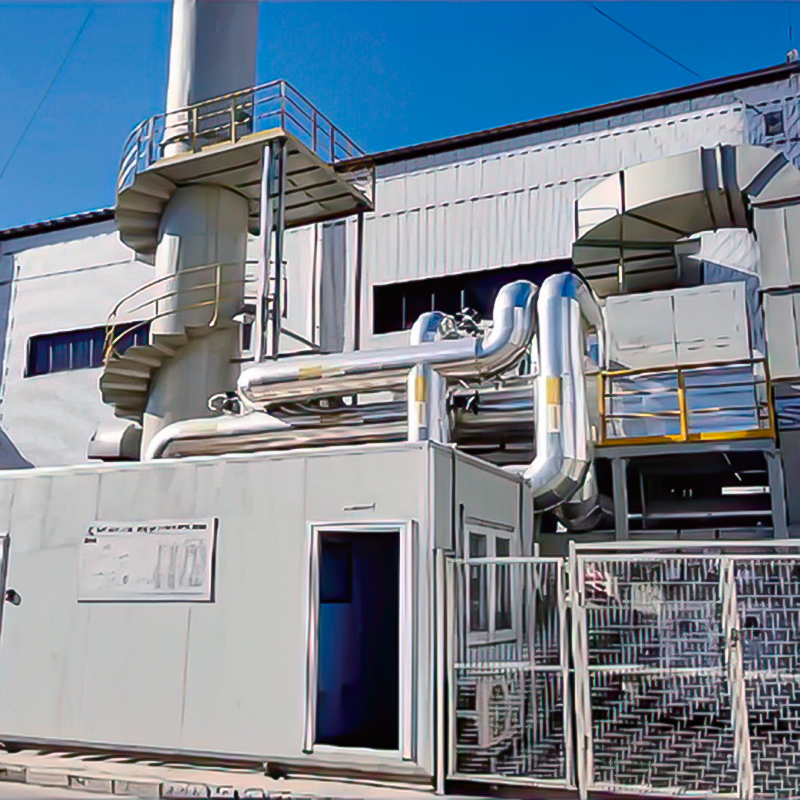
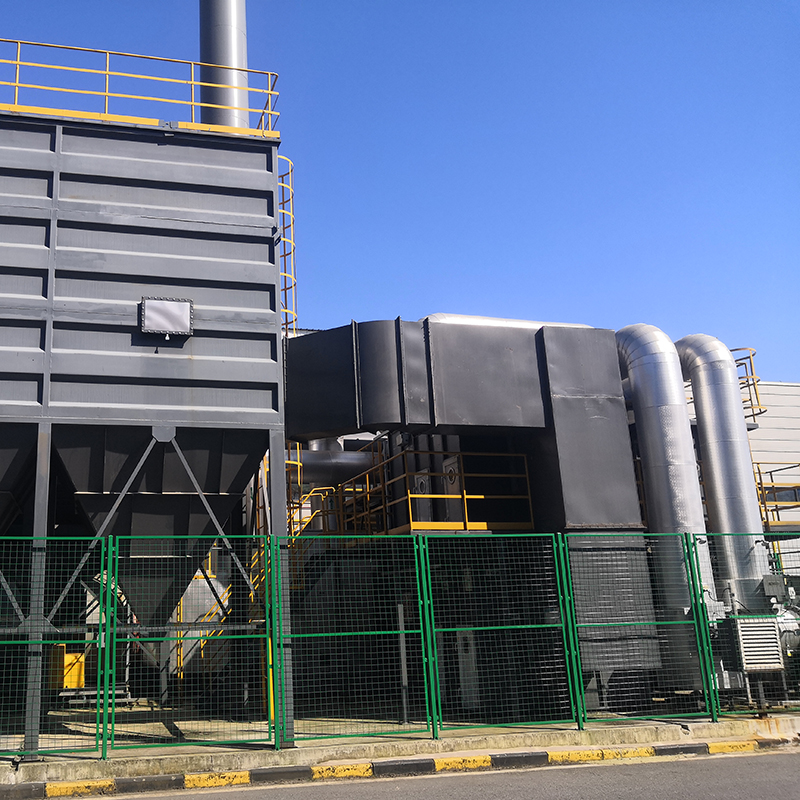
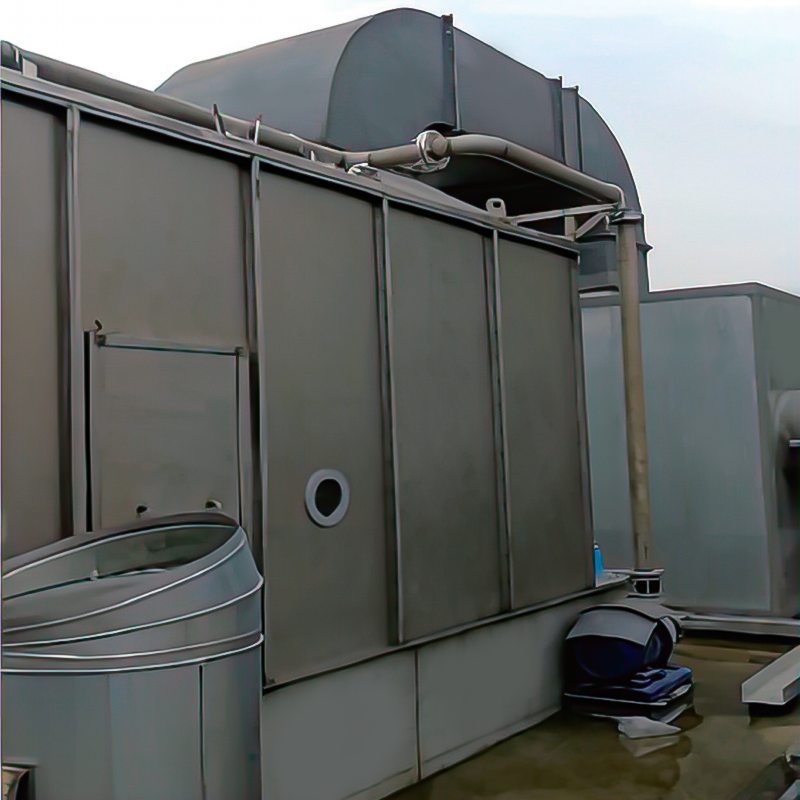
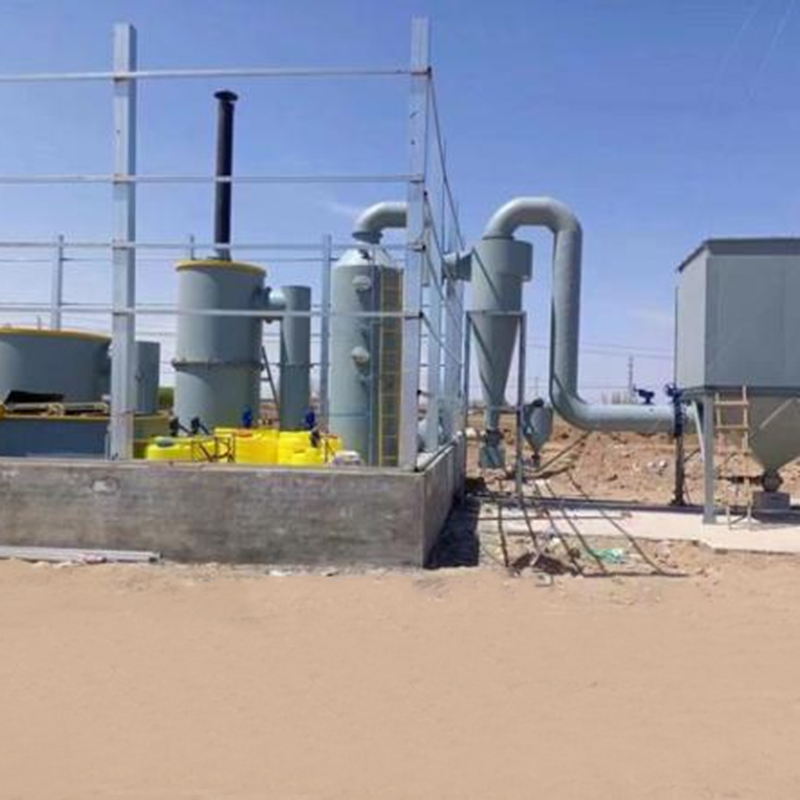
A Gas heat exchanger is a critical component in gas-powered heating systems, responsible for transferring heat efficiently and safely. Whether used in residential boilers, industrial furnaces, or commercial HVAC systems, gas heat exchangers play a key role in improving energy efficiency, reducing fuel consumption, and ensuring stable heat output.
As energy-saving solutions become increasingly important, the demand for high-performance gas heat exchanger technology continues to grow.
A gas heat exchanger is a device that transfers thermal energy from hot combustion gases to air or water without allowing the two mediums to mix. This process ensures that heat is utilized effectively while maintaining safety and system integrity.
In typical applications, natural gas or LPG is burned to produce hot exhaust gases. The gas heat exchanger captures this heat and transfers it to the heating medium, such as water in a boiler or air in a furnace.
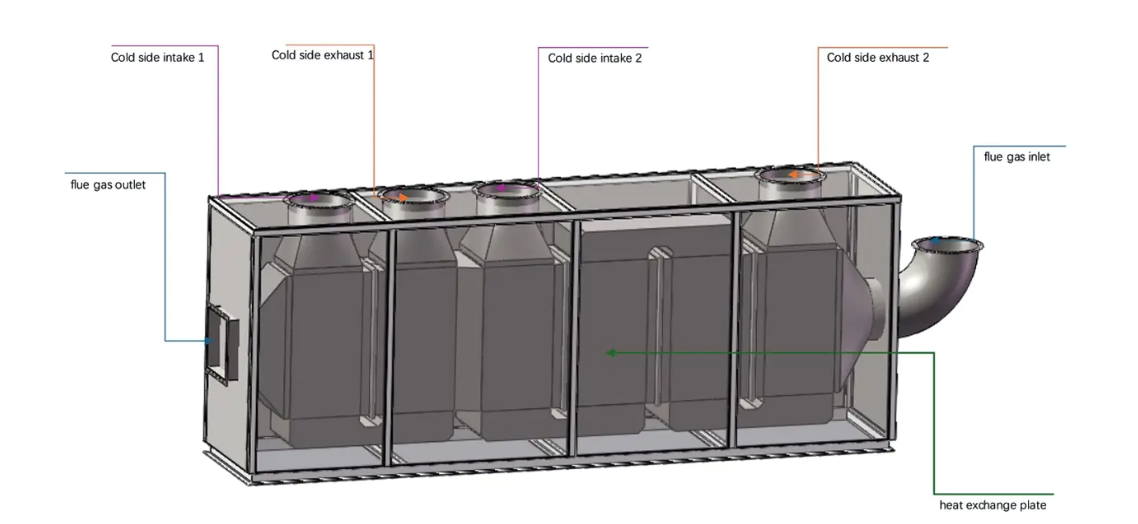
Key Functions of a Gas Heat Exchanger
Efficient Heat Transfer
The main purpose of a gas heat exchanger is to maximize heat transfer. Advanced designs with large surface areas and optimized flow channels help extract more usable energy from combustion gases.
Improved Energy Efficiency
By recovering more heat from exhaust gases, gas heat exchangers reduce energy waste and lower fuel consumption. This leads to lower operating costs and reduced carbon emissions.
System Safety
A well-designed gas heat exchanger keeps combustion gases separate from indoor air or water systems, preventing contamination and ensuring safe operation.
Common Applications of Gas Heat Exchangers
Gas heat exchangers are widely used in various industries and heating systems, including:
- Residential gas boilers
- Commercial HVAC systems
- Industrial furnaces
- Water heaters
- Process heating equipment
Each application requires specific materials and designs to handle different temperatures and pressure conditions.
Materials Used in Gas Heat Exchangers
High-quality materials are essential for long-term performance and safety. Common materials include:
- Stainless steel for corrosion resistance
- Aluminum alloys for lightweight and fast heat transfer
- Copper for excellent thermal conductivity
The right material choice ensures durability, heat efficiency, and resistance to high-temperature stress.
How to Choose the Right Gas Heat Exchanger
When selecting a gas heat exchanger, consider the following factors:
- Heat transfer capacity and efficiency rating
- Operating temperature and pressure requirements
- Material compatibility with fuel type
- Maintenance and cleaning accessibility
Proper selection improves system performance and extends equipment lifespan.
Conclusion
The Gas heat exchanger is a vital component that directly impacts heating efficiency, safety, and operating costs. By choosing a high-quality design and suitable materials, businesses and homeowners can achieve better energy performance while reducing environmental impact.
Investing in advanced gas heat exchanger technology is a smart step toward sustainable and efficient heating solutions.


 English
 русский
 Français
 Español
 عربى
عربى