

 English
 русский
 Français
 Español
 عربى
عربى
LQ-RRTO Rotary heat-storage high-temperature incineration equipment
Cat:Equipment
Overview Of Tower-Type RTO Our company offers two types of rotary RTO, which are the rotary RTO and the single barrel multi-valve RTO. The rotary RTO,...
See Details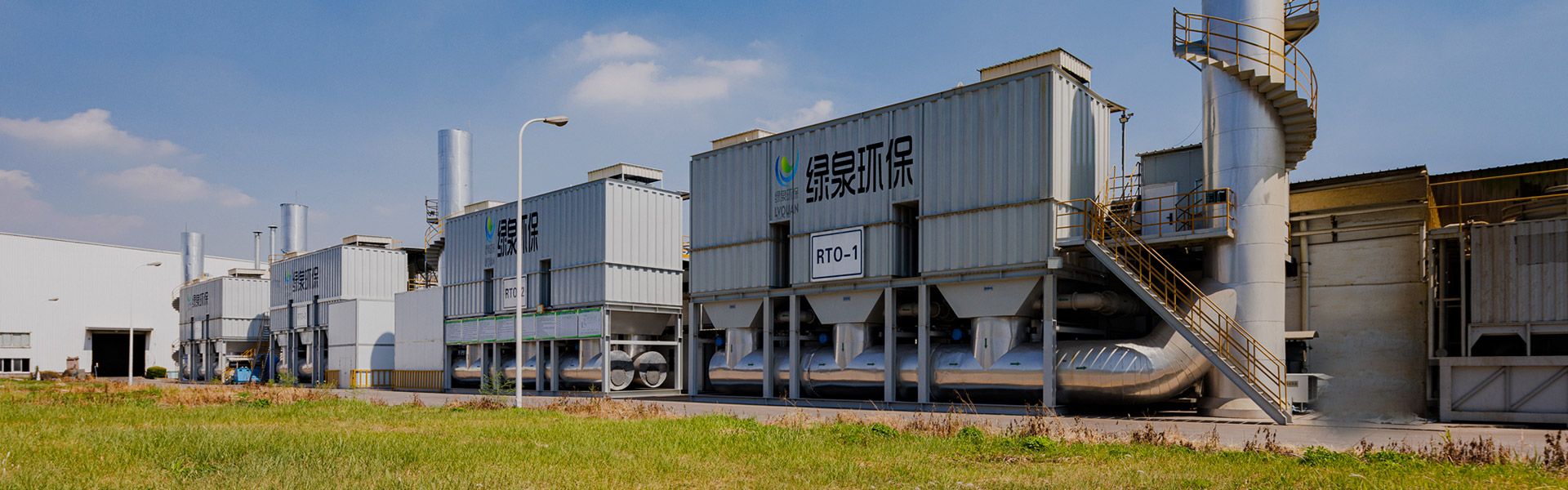
Content
VOC organic waste gas treatment engineering equipment plays a critical role in helping factories control air pollution and meet environmental regulations. If your production line releases volatile organic compounds (VOCs), installing the right treatment system is not just about compliance—it also improves workplace safety and brand reputation. Let’s look at how this equipment works and why it matters.
This type of equipment is designed to capture and remove volatile organic compounds from industrial exhaust gas. VOCs are commonly produced in industries such as painting, printing, chemical processing, pharmaceuticals, packaging, and electronics manufacturing.
The system collects polluted air, treats it using physical or chemical processes, and releases cleaner air back into the atmosphere.
The working process usually starts with gas collection through ducts and hoods. Then the polluted air enters the treatment unit. Common technologies include activated carbon adsorption, catalytic combustion, thermal oxidation, UV photolysis, and biological filtration.
Each method targets VOC molecules differently, either by breaking them down, burning them into harmless gases, or trapping them on filter materials.
Strict environmental regulations make VOC control mandatory in many regions. Using proper treatment equipment helps companies avoid fines and production shutdowns. At the same time, it reduces harmful odors and improves air quality inside the workshop.
Cleaner exhaust also improves public image and supports sustainable manufacturing goals.
One major advantage is high removal efficiency. Modern systems can eliminate a large percentage of organic pollutants. Another benefit is energy-saving design. Some systems recover heat during treatment, helping reduce operating costs.
These systems are also highly customizable, making them suitable for different airflow volumes and concentration levels.
Important factors include VOC concentration, exhaust air volume, operating temperature, and available installation space. You should also consider maintenance requirements and long-term operating costs.
Working with experienced manufacturers ensures the system is properly designed for your specific production process.
For most manufacturers, the answer is yes. Proper VOC treatment protects employee health, reduces environmental impact, and helps businesses operate legally and sustainably.
With rising environmental standards worldwide, investing in reliable waste gas treatment equipment is a smart long-term decision.
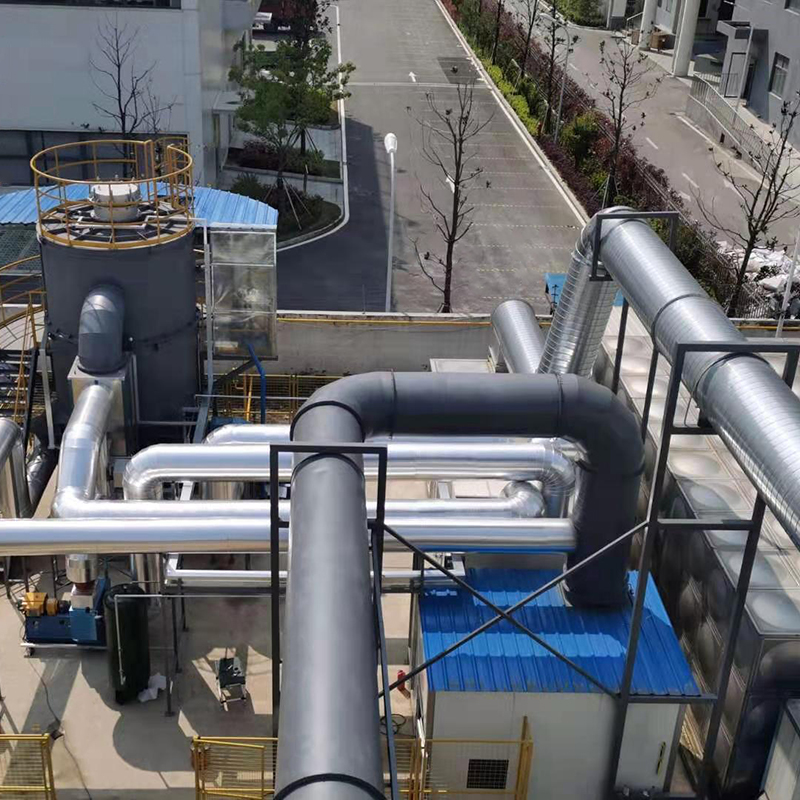
Overview Of Tower-Type RTO Our company offers two types of rotary RTO, which are the rotary RTO and the single barrel multi-valve RTO. The rotary RTO,...
See Details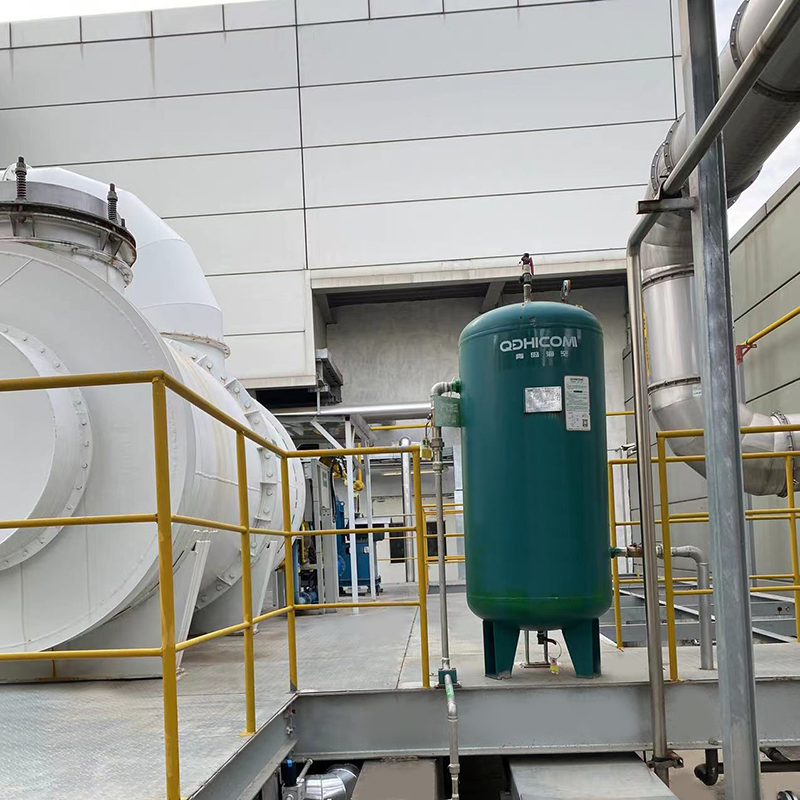
Overview Direct combustion high-temperature incineration equipment, abbreviated as TO, utilizes the heat generated by the combustion of auxiliary fuel...
See Details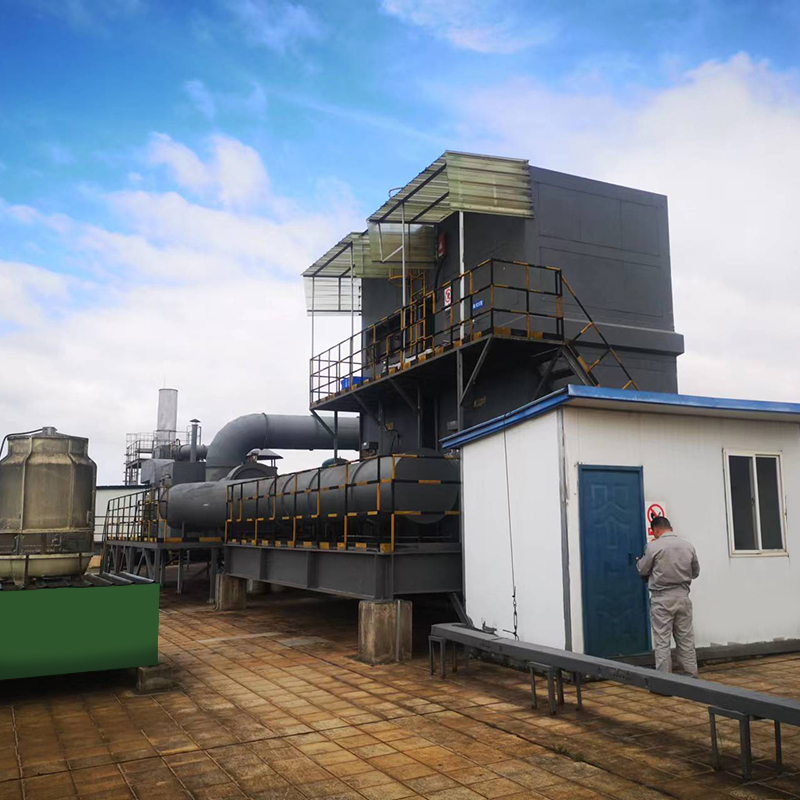
Overview Thermal storage catalytic oxidation (Regenerative Catalytic Oxidizer/RCO) is an organic waste gas treatment equipment that combines low-tempe...
See Details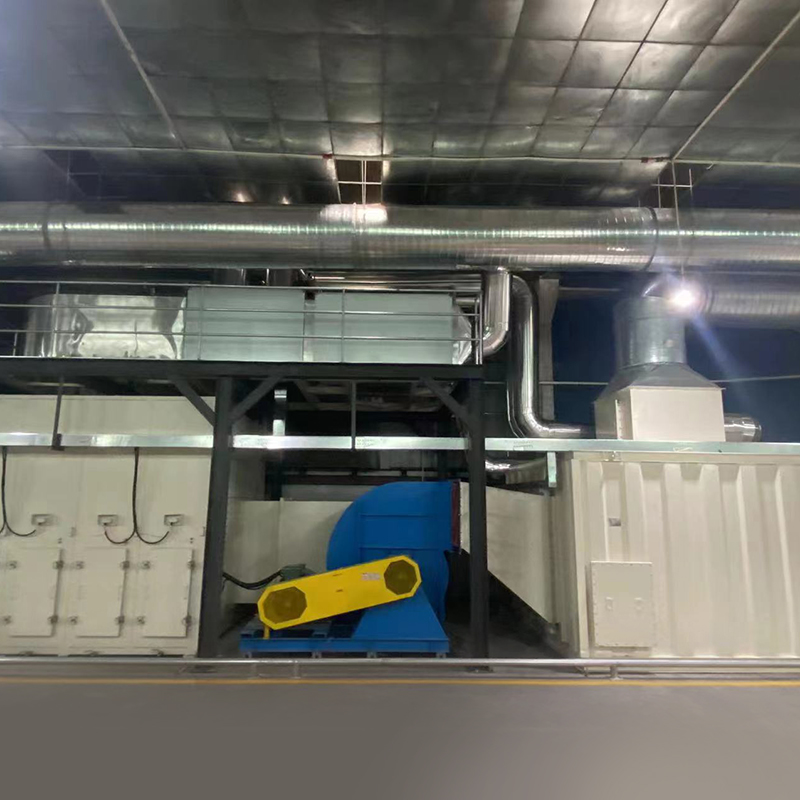
Overview Of Variable Freouency Zeolite Turntable Our company's zeolite concentration turntable uses a combination of zeolite modules, with a high zeol...
See Details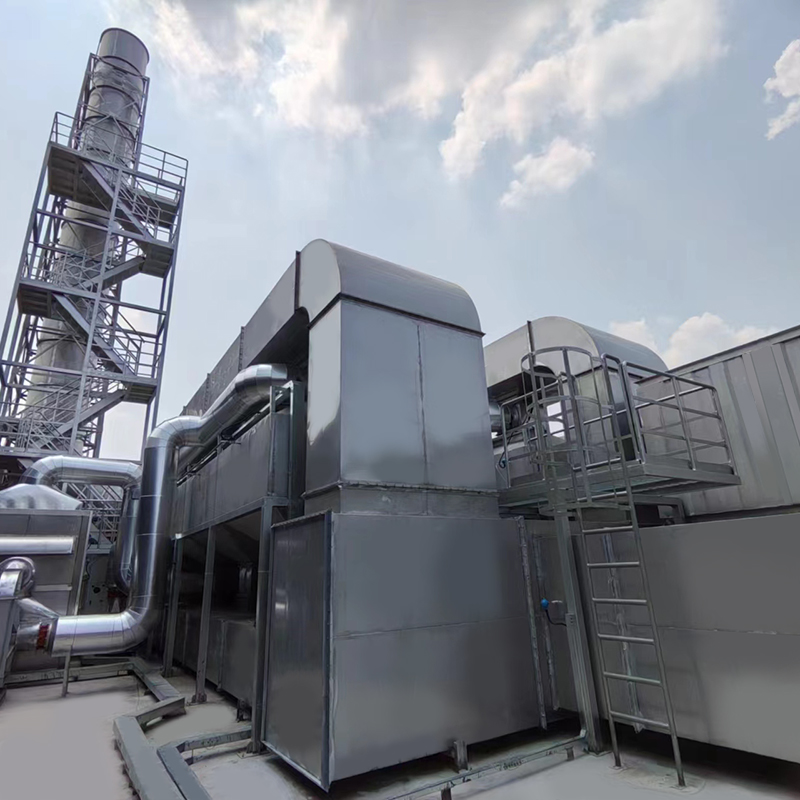
Overview of Activated Carbon Fiber Organic Solvent Purification Recovery Device The Activated Carbon Fiber Organic Solvent Purification Recovery Syste...
See Details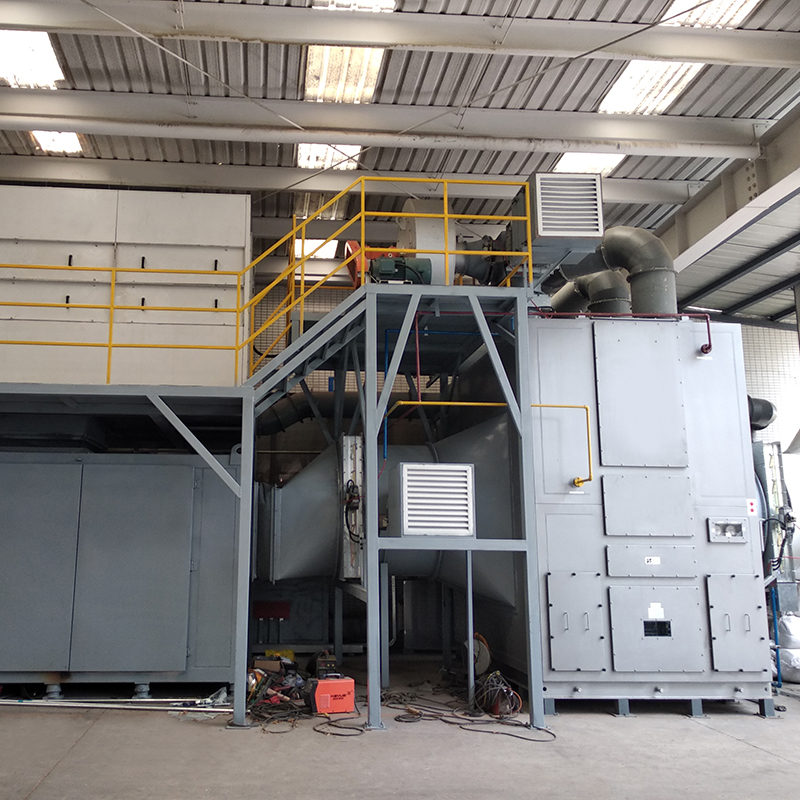
The Concept Of The Complete Set Of Equipment The purpose of employing rotary drum zeolite adsorption for organic waste gas is to concentrate low-conce...
See Details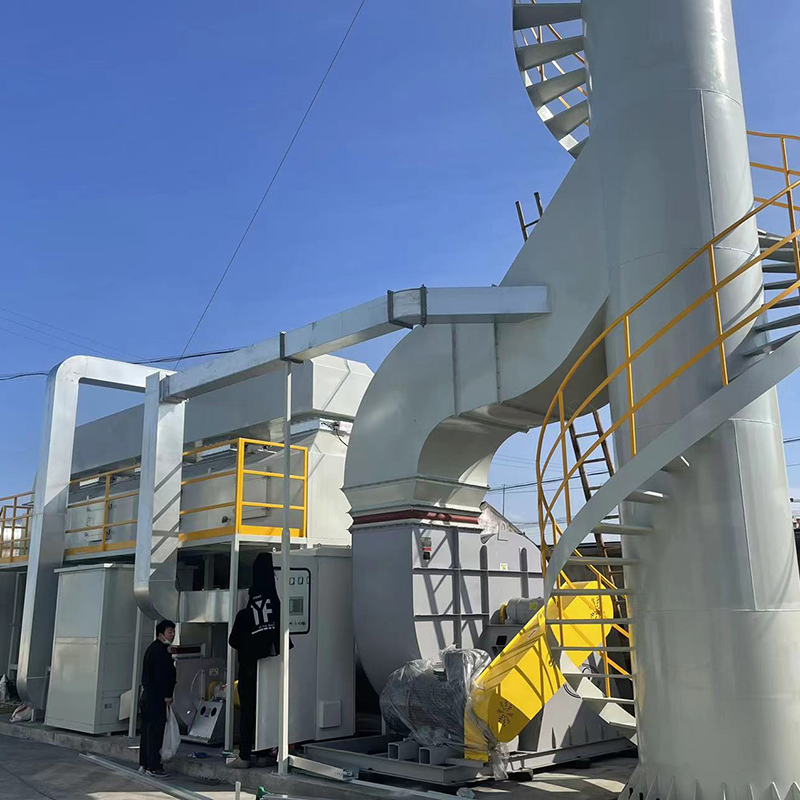
The VOC-CFT-CO Adsorption Catalytic Purification Equipment The VOC-CFT-CO adsorption catalytic purification equipment, consisting of fixed-bed honeyco...
See Details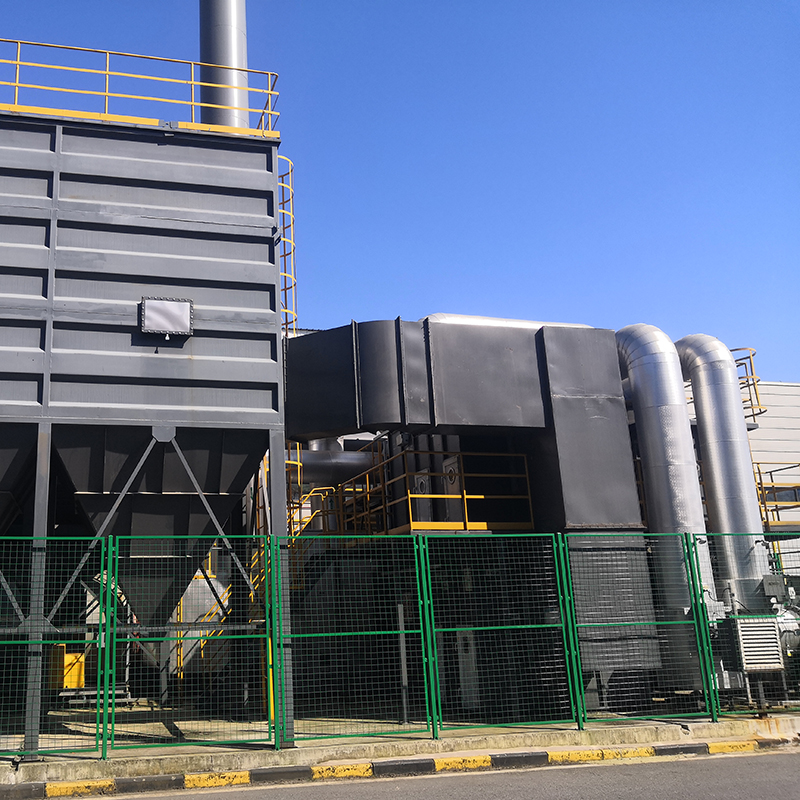
The Concept Of Zeolite Wheel+ Direct Combustion High-Temperature Incineration Equipment The purpose of employing rotary drum zeolite adsorption for or...
See Details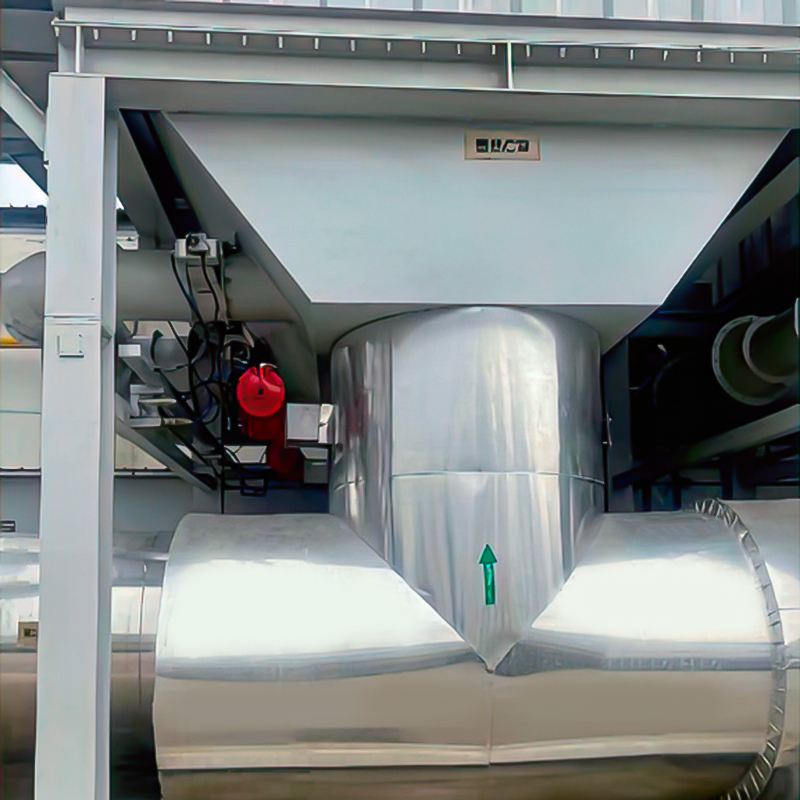
Purpose Mainly used for proportional ventilation of high-temperature flue gas. lt is widely used in places where leak rate requirements are not high, ...
See Details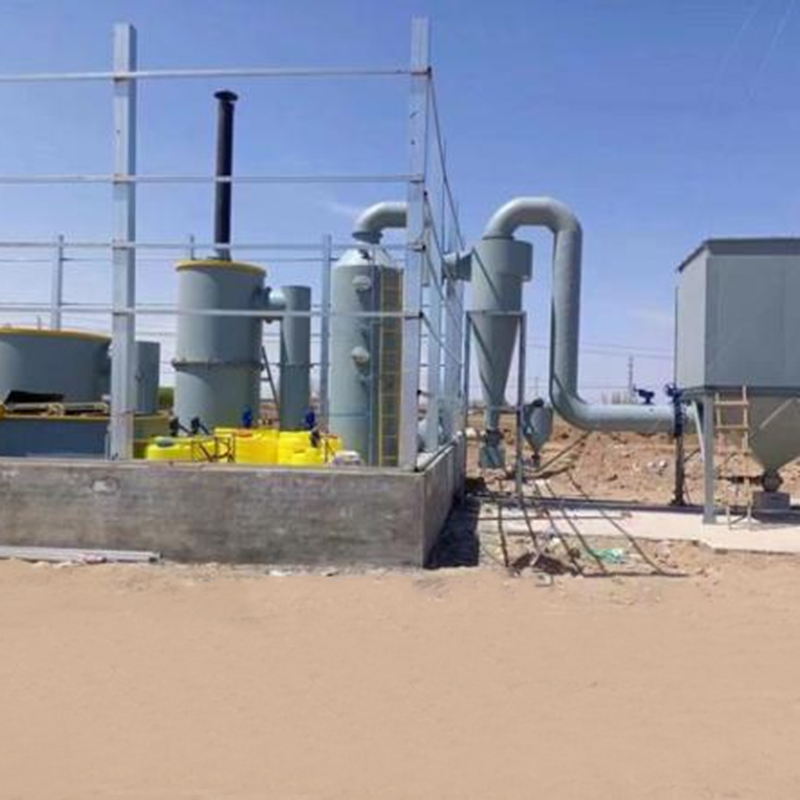
Overview Solid waste incineration furnaces are essential equipment in the management of solid waste, designed to transform waste materials into ash an...
See DetailsMOBILE
Product Manual

Copyright © Lv quan Environmental Protection Engineering Technology Co., Ltd. All Rights Reserved. Vocs Organic Waste Gas Treatment Engineering Equipment Manufacturer

