

 English
 русский
 Français
 Español
 عربى
عربى
LQ-RTO Heat-storage high-temperature incineration equipment
Cat:Equipment
Overview Of Tower-Type RTO Regenerative Thermal Oxidizer (RTO) is an organic waste gas treatment equipment that combines high-temperature oxidation wi...
See Details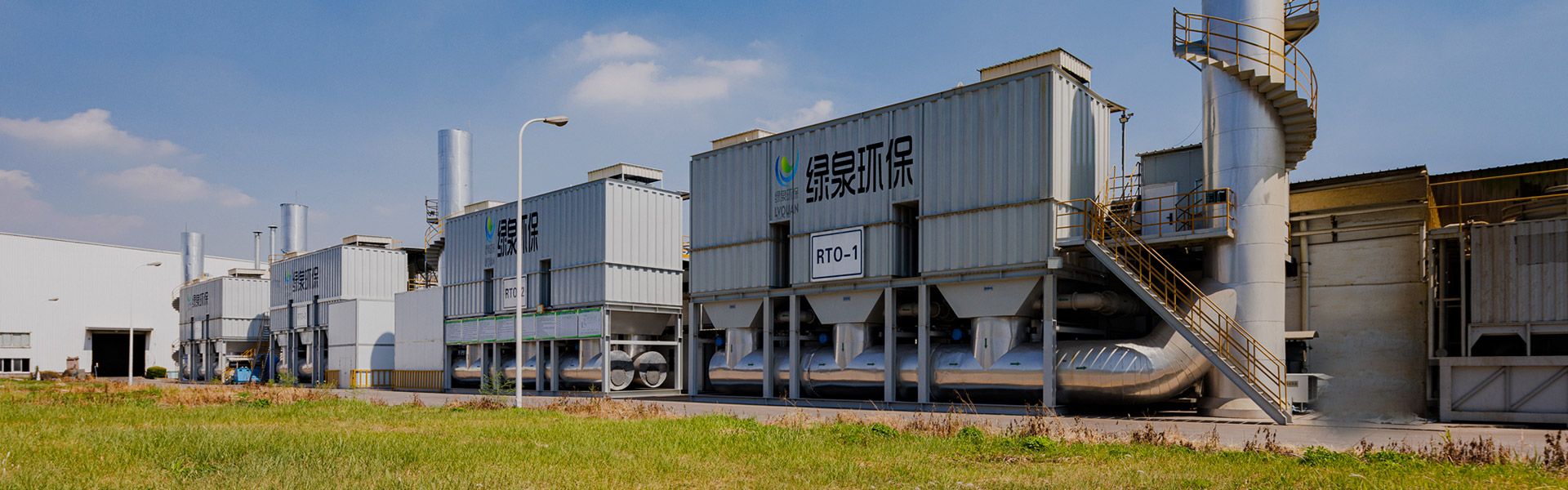
Content
A coating and printing facility in eastern China operates a drying oven whose exhaust contains ethyl acetate, isopropanol, and toluene at roughly 2,500 Nm³/h, with concentration spikes every time the line switches product color. The permit requires 98 percent destruction of total VOCs. A direct thermal oxidizer placed immediately after the oven heats the stream to about 820°C, holds it for 0.6 second in a refractory-lined chamber, and oxidizes the solvents into carbon dioxide and water vapor. The system has no catalyst, no ceramic storage bed, and no rotating valve — only a burner, a chamber, a fan, and a stack.
If your stream is concentrated enough to contribute meaningful combustion heat, a direct thermal oxidizer is usually the most reliable and lowest-initial-cost way to comply. For dilute, continuous streams, a regenerative thermal oxidizer will often beat it on fuel expense. The rest of this guide explains the engineering behind that trade-off, compares a direct thermal oxidizer with its thermal oxidation relatives, and gives you a practical checklist for specifying equipment from a VOCs treatment equipment manufacturer.
A direct thermal oxidizer (DFTO) is a combustion device that thermally destroys volatile organic compounds, hazardous air pollutants, and odorous gases by exposing them to a flame zone at 760–1,200°C for a controlled residence time, normally 0.3–1.0 second. The word "direct" means the incoming gas is heated straight by the burner flame inside the combustion chamber, without heat recovery media of any kind. During the reaction, hydrocarbons break down into CO₂ and water vapor while releasing heat. Chlorinated compounds additionally produce hydrogen chloride, which can be scrubbed downstream. The DFTO is the technical ancestor of the RTO and the catalytic oxidizer, and it remains in wide use because its simple architecture is exceptionally rugged and dependable.
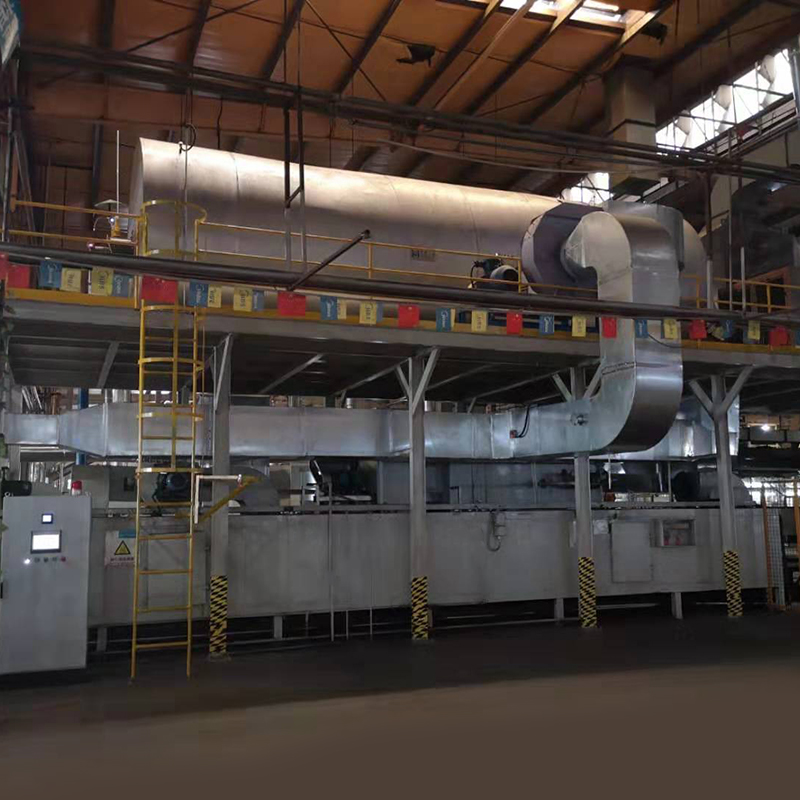 LQ Direct-Fired Thermal Oxidizer for High-Temperature VOC DestructionThis direct-fired oxidizer handles contaminated streams with silicone, halogens, or particulates that would harm catalysts or ceramic beds. It suits chemical and coating operations needing rugged, dependable destruction at 98–99 percent efficiency.View Product →
A well-designed DFTO with correct temperature control and gas mixing reaches a destruction efficiency of 98–99 percent on typical solvent mixtures, and 99.5 percent or higher on easily oxidized species. It is an especially valuable solution when silicone compounds, halogenated species, or sticky particulates are present, because the open flame chamber tolerates contaminants that would poison a catalyst or plug a ceramic media bed. For many chemical, pharmaceutical, coating, and printing operations, that tolerance alone justifies choosing this technology.
Combustion engineers define a direct thermal oxidizer design with three parameters: temperature, time, and turbulence. Each one directly controls destruction efficiency, and all three must be balanced during the engineering phase.
The chamber set point is chosen according to the slowest-reacting molecule in the waste stream. Ketones and alcohols oxidize quickly at 700–800°C; aromatic rings and chlorinated species require 850–1,000°C. The burner control loop must hold the set point within roughly ±10°C under process load changes to remain on the safe side of the permit limit.
Residence time is the average time each gas parcel spends in the hot zone. Most permits are met with 0.5–0.9 second, while conservative designs use 1.0 second for aromatic or halogenated compounds. Longer residence time compensates for real-world flow distribution and prevents cold-gas short-circuiting from the inlet to the stack.
The burner flame alone does not guarantee complete oxidation. The chamber geometry must create strong recirculation so every parcel comes into contact with the flame envelope and fresh combustion air. Poor turbulence creates cold channels that can violate the destruction efficiency target and produce carbon monoxide. High-velocity burner design and a properly sized chamber length are the two levers manufacturers use to control mixing.
| Component | Function |
|---|---|
| Burner and gas train | Raise the gas temperature to the design set point and modulate under load changes |
| Refractory-lined chamber | Provide residence time, heat retention, and protection for the outer steel shell |
| Process fan | Overcome the pressure drop of the ductwork and the chamber |
| Temperature control loop | Monitor chamber temperature and adjust burner output continuously |
| Exhaust stack | Discharge treated gas to the atmosphere at a compliant height |
The oxidation chemistry adds an important operating effect: the calorific value of the VOCs becomes heat inside the chamber. When the inlet concentration climbs above roughly 15–25 percent of the lower explosive limit, the released heat can sustain the set point with little or no auxiliary fuel. This is why direct-fired systems remain the preferred choice in painting, printing, and chemical lines where solvent loading is high and varying.
To compare a direct thermal oxidizer with other oxidation technologies fairly, the single most useful number is the fraction of combustion heat that the equipment captures and returns to the incoming gas stream. Direct-fired oxidizers, by design, recover none of that heat for preheating purposes. Recuperative oxidizers use a metal heat exchanger to capture a moderate share. Regenerative systems store heat in ceramic media beds and achieve the highest recovery values. The following chart illustrates the typical heat recovery range of each technology.
A quick look at the chart reveals why the RTO is so often proposed for dilute exhaust streams: at 95 percent heat recovery, the auxiliary fuel requirement is a fraction of what a direct thermal oxidizer needs. The chart also shows that a catalytic oxidizer, even with recuperative heat exchange, sits in the middle range. What the chart does not show, but our own design work has confirmed repeatedly, is the cost of that recovery. An RTO's ceramic beds add several meters of vessel height and a significant pressure drop. The switching valves and their seals want constant attention, because a small leak can mask the entire thermal efficiency. A direct thermal oxidizer is noticeably easier to engineer around fluctuating streams, because there is no heat storage mass that depends on steady cycling. When the VOC load itself is high — above 15 to 25 percent of the lower explosive limit — the operating-cost gap narrows dramatically, because the waste gas is already carrying most of the fuel value. Under those conditions, the 0–10 percent heat recovery of a direct-fired unit becomes almost irrelevant to the annual fuel bill. For an intermittent line, the same simplicity eliminates the slow cool-down and reheat cycles that can waste energy in ceramic-bed systems. That is why the decision flows from concentration and continuity: steady dilute streams favour the RTO, while concentrated, irregular, or catalyst-hostile streams favour the direct-fired design. If your permit is expressed as a mass emission limit rather than a percentage, the consistent high-destruction performance of a DFTO gives it an edge in demonstrating compliance. It is also worth noting that halogenated or silicone-bearing compounds, which appear in coating and pharmaceutical operations, do not damage a refractory-lined chamber the way they would deactivate a catalyst.
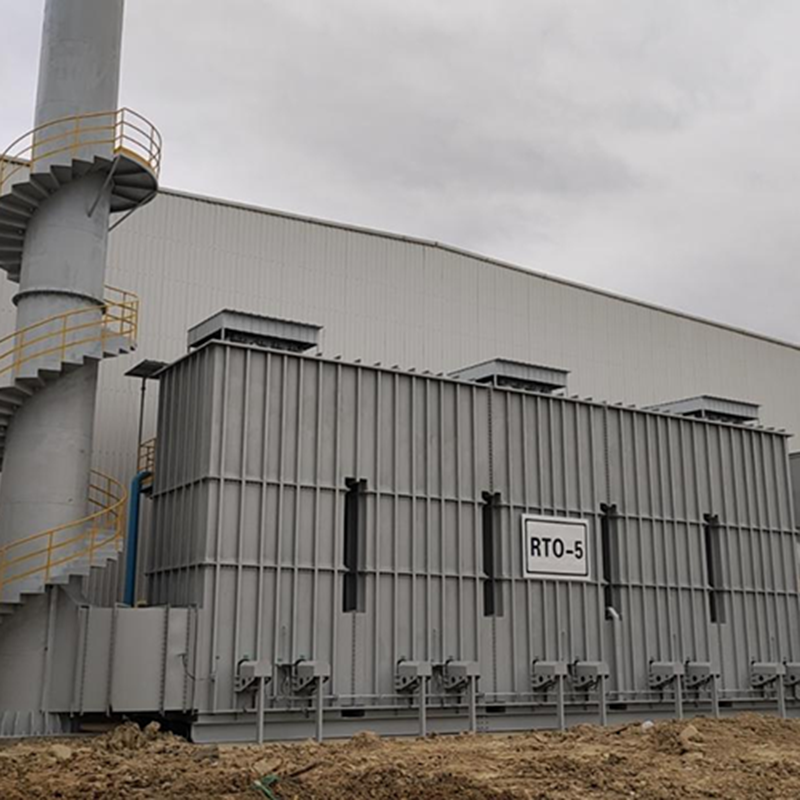 LQ Regenerative Thermal Oxidizer with High Heat RecoveryThis three-chamber RTO recovers up to 95 percent of heat and sustains combustion without fuel at 1500–2000 mg/m³ inlet concentration. Ideal for steady dilute exhaust streams where energy savings and automated operation are priorities.View Product →
 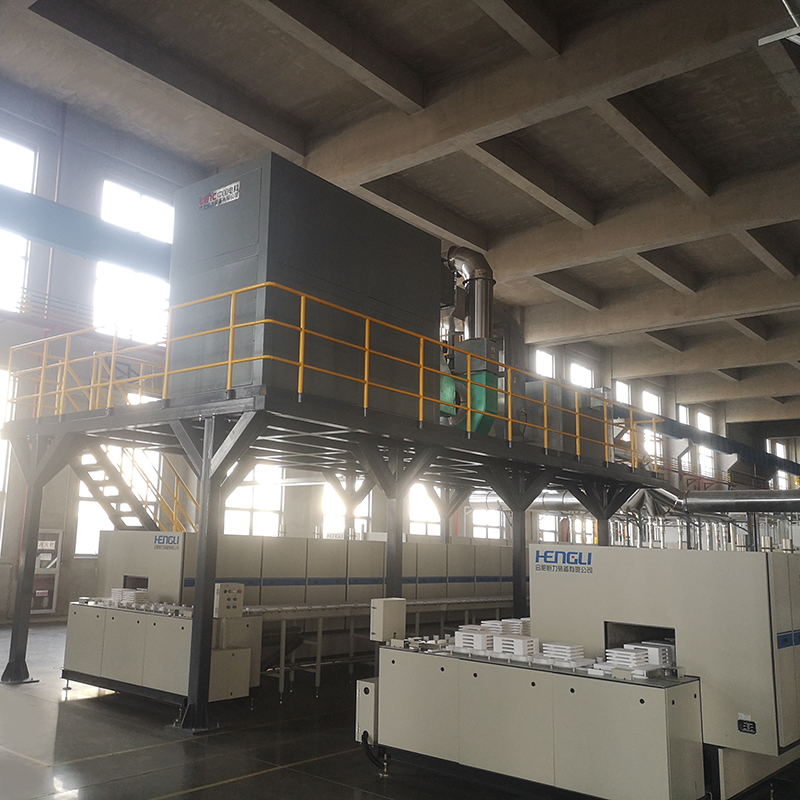 LQ Catalytic Combustion Equipment for Low-Energy VOC TreatmentThis catalytic oxidizer features optimized heat exchange and 70 percent heat recovery, achieving 98.5 percent purification. It fits applications needing lower operating temperatures and efficient destruction for amenable VOC streams.View Product →
| Parameter | Direct-fired | Recuperative | RTO | Catalytic |
|---|---|---|---|---|
| Operating temperature | 760–1,200°C | 760–980°C | 790–980°C | 300–450°C |
| Heat recovery | 0–10% | 40–70% | 85–97% | 40–65% |
| Typical destruction efficiency | 98–99% | 98–99% | 99%+ | 95–99% |
| Relative capital cost | Low | Medium | High | Medium |
| Pressure drop | Low | Medium | High | Medium |
| Best suited for | High-concentration, variable flows | Medium concentration | Dilute, continuous flows | Steady low-temperature, catalyst-safe chemistry |
In our project experience, the DFTO is not the right answer for every waste stream, but it is the right answer for a well-defined set of conditions. Use the two-column decision guide below as a first screening step before you request detailed proposals.
Choose a DFTO when
|
Avoid a DFTO when
|
When a stream fits both columns, we recommend asking for a technical and commercial comparison from the supplier rather than deciding in-house. A reliable manufacturer will run a heat-and-mass balance, estimate the annual fuel consumption at your real concentration profile, and present both DFTO and RTO options before you commit.
Because the direct thermal oxidizer is mechanically simple, its maintenance list is short but must be executed on schedule. Neglected burner components and thermocouples are the most common causes of rising fuel bills and declining destruction efficiency.
| Interval | Inspection item | Typical action |
|---|---|---|
| Daily | Flame presence, gas pressure, temperature readout | Confirm burner is firing normally and chamber set point is stable |
| Monthly | Burner nozzle, ignition transformer, flame rod | Clean or replace carbon deposits; verify spark gap |
| Quarterly | Thermocouples and control loop calibration | Calibrate against a reference; replace if drift is above 1 percent |
| Semi-annually | Refractory lining, insulation, and chamber seals | Inspect for cracking, spalling, or hot spots on the outer shell |
| Annually | Process fan bearings, belt tension, damper linkage | Lubricate, adjust, and record vibration measurements |
| Every 2–3 years | Gas train safety valves, pressure switches, emergency shutdown | Function test all safety interlocks; replace valves as needed |
Keep an operating log of burner fuel rate, chamber temperature, and inlet concentration. A sudden rise in fuel consumption at the same concentration is the earliest warning of nozzle wear or a thermocouple fault. One of the strongest operational advantages of a direct thermal oxidizer is the absence of heat recovery media: there is no ceramic bed to plug, no desorption cycle to schedule, and no rotating valve to rebuild. The maintenance routine stays focused on the burner train, the refractory, and the fan.
Thermal oxidation equipment is not a commodity. Combustion chamber sizing, refractory specification, burner selection, and safety interlocks require real engineering. When you evaluate suppliers for a direct thermal oxidizer project, benchmark them on the four dimensions below.
Ask for reference lists of DFTO installations with airflow and compound types similar to your own. Inquire specifically about chlorinated or silicone-containing streams.
A supplier that fabricates the vessel, refractory lining, and piping in-house offers shorter lead times and tighter quality control than one that only assembles bought-out parts.
ISO9001 and ISO14001 certifications, local environmental engineering qualifications, and a proven compliance record indicate that the manufacturer follows a documented quality system.
Check installation supervision, commissioning availability, spare parts stocking, and response time for burner and refractory components.
Yangzhou Greenhill Environmental Protection Engineering Technology Co., Ltd., operating as rtofactory.com, is a Jiangsu-based manufacturer with more than a decade of VOCs equipment history and over 30 years of accumulated design-and-build experience. Its 9,800 m² production facility contains more than 200 sets of machining equipment, and the company holds 13 utility-model patents plus two high-tech invention certificates. Because the same engineering platform builds RTO, catalytic oxidation, activated carbon recovery, and direct-fired systems, the team can advise honestly on whether a direct thermal oxidizer is the best fit for your stream, or whether an RTO or catalytic solution would deliver a better cost structure. For buyers who need a steady supply of complete systems or replacement components, working directly with the manufacturer rather than through a trading wholesaler shortens the spare parts path and keeps the original design documentation available for future modifications.
What is the difference between a direct thermal oxidizer and a regenerative thermal oxidizer?A direct thermal oxidizer heats the waste gas directly with a burner flame and captures little or no heat from the exhaust. A regenerative thermal oxidizer alternates flow through ceramic media beds, storing combustion heat and releasing it to preheat the incoming stream. DFTOs fit high-concentration or intermittent streams; RTOs fit dilute continuous streams. Typical heat recovery is 0–10 percent for a DFTO and 85–97 percent for an RTO. |
What temperature does a direct thermal oxidizer operate at?Most DFTOs are designed for 760–1,200°C. The actual set point depends on the compounds in the stream: ketones and alcohols oxidize well at 760–800°C, aromatic species typically need 850–950°C, and chlorinated compounds often require 1,000°C or more. A manufacturer will calculate the required combination of temperature and residence time from your destruction efficiency target. |
What destruction efficiency can a direct thermal oxidizer achieve?A well-designed and properly controlled DFTO reaches 98–99 percent destruction efficiency on common solvent mixtures, and 99.5 percent or higher on easily oxidized species. The permit's required DRE drives the design temperature, residence time, and chamber mixing configuration. |
When should I choose a direct thermal oxidizer instead of a catalytic oxidizer?Choose a DFTO when your stream contains catalyst poisons such as silicones, phosphorus, or halogens; when VOC concentration fluctuates widely; or when the stream has enough caloric value to sustain combustion. Catalytic oxidizers operate at a much lower temperature of 300–450°C, but the precious-metal catalyst can be deactivated by poisoning and by temperature spikes above the design limit. |
Can a direct thermal oxidizer handle chlorinated VOCs?Yes. Chlorinated compounds need a higher chamber temperature, typically 1,000–1,200°C, and sufficient residence time to break down completely. The oxidation reaction produces hydrogen chloride, which is removed downstream by an acid gas scrubber. The refractory lining must also be selected for the acidic flux conditions. |
For a closer look at the feed streams that the direct-fired LQTO line can handle, review the technical article below from our engineering library.
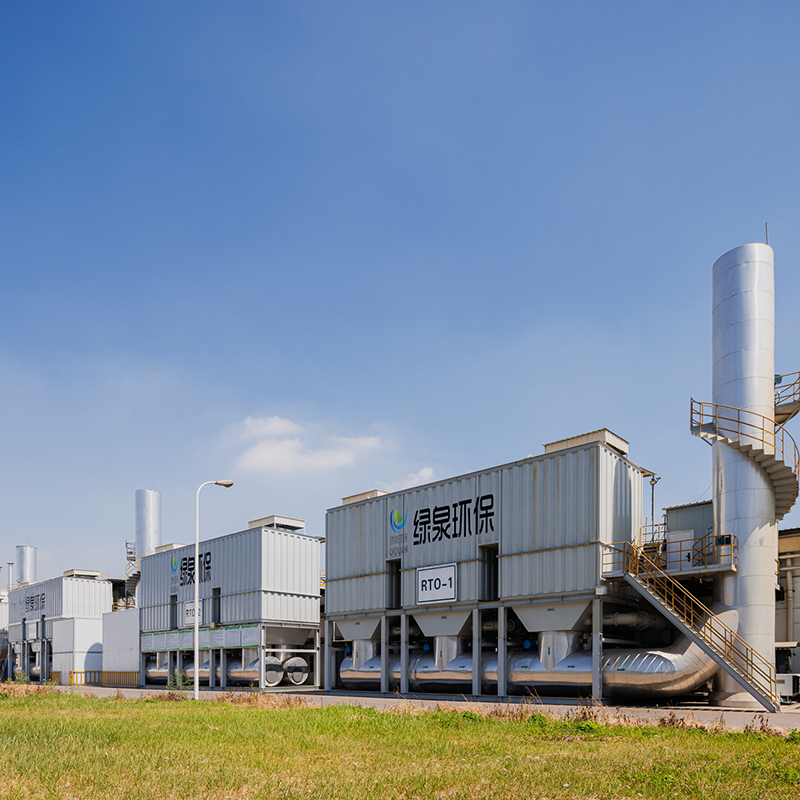
Overview Of Tower-Type RTO Regenerative Thermal Oxidizer (RTO) is an organic waste gas treatment equipment that combines high-temperature oxidation wi...
See Details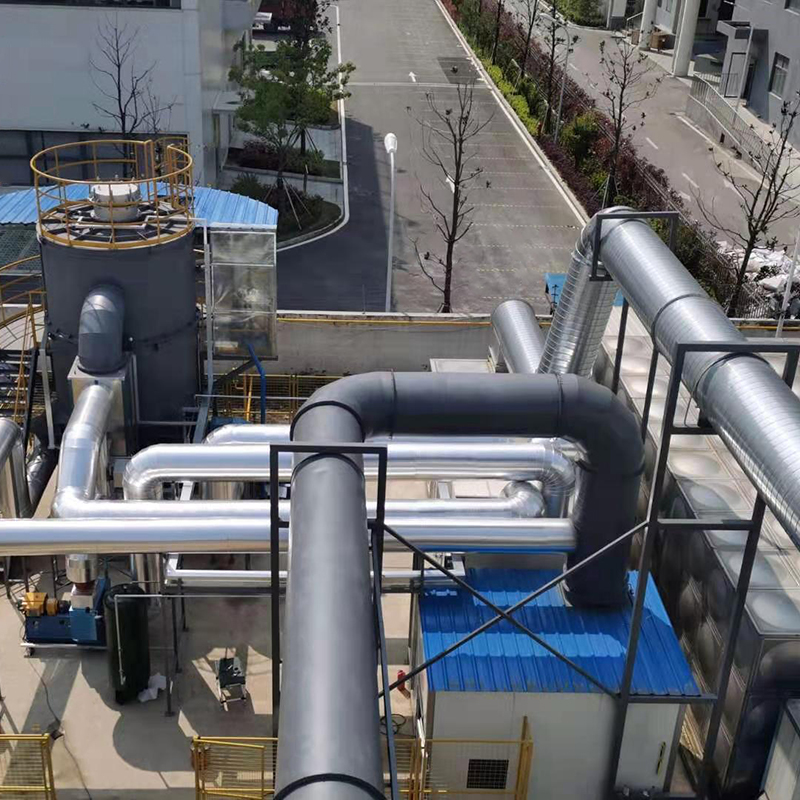
Overview Of Tower-Type RTO Our company offers two types of rotary RTO, which are the rotary RTO and the single barrel multi-valve RTO. The rotary RTO,...
See Details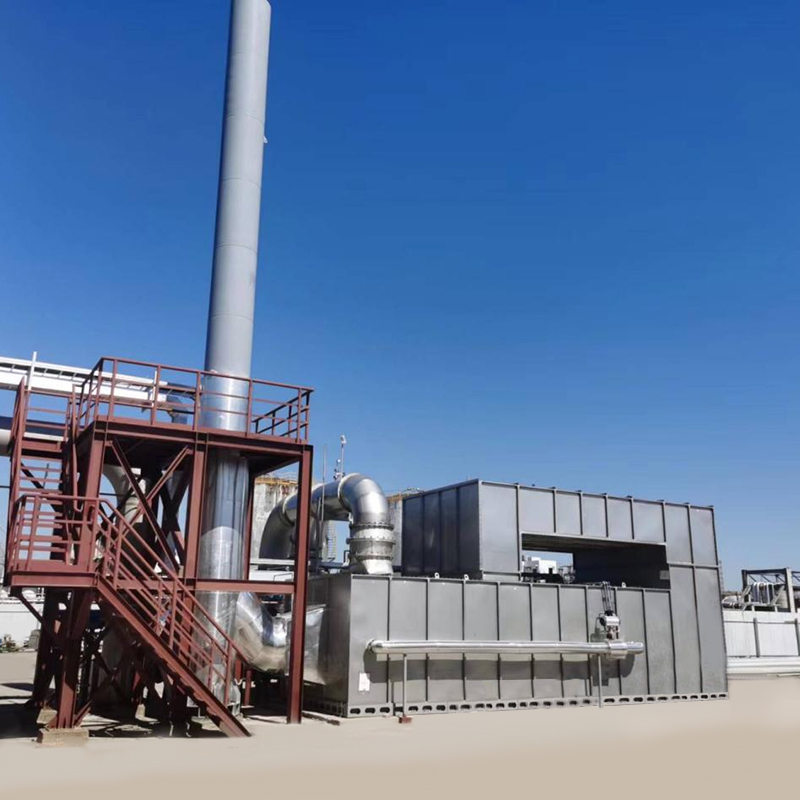
Overview Catalytic combustion is a purification method that uses catalysts to oxidize and decompose combustible substances in exhaust gas at low tempe...
See Details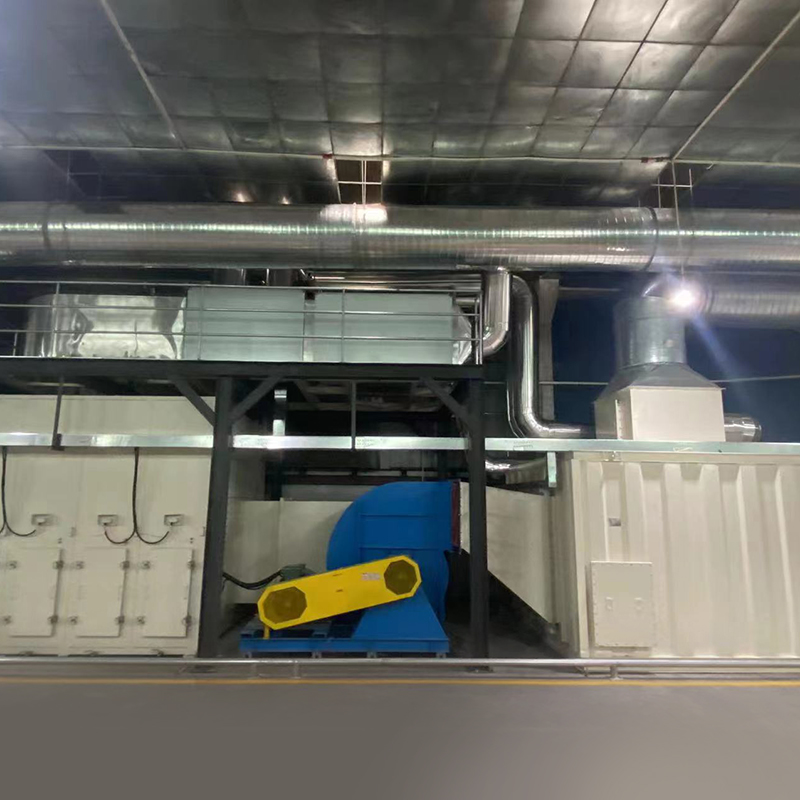
Overview Of Variable Freouency Zeolite Turntable Our company's zeolite concentration turntable uses a combination of zeolite modules, with a high zeol...
See Details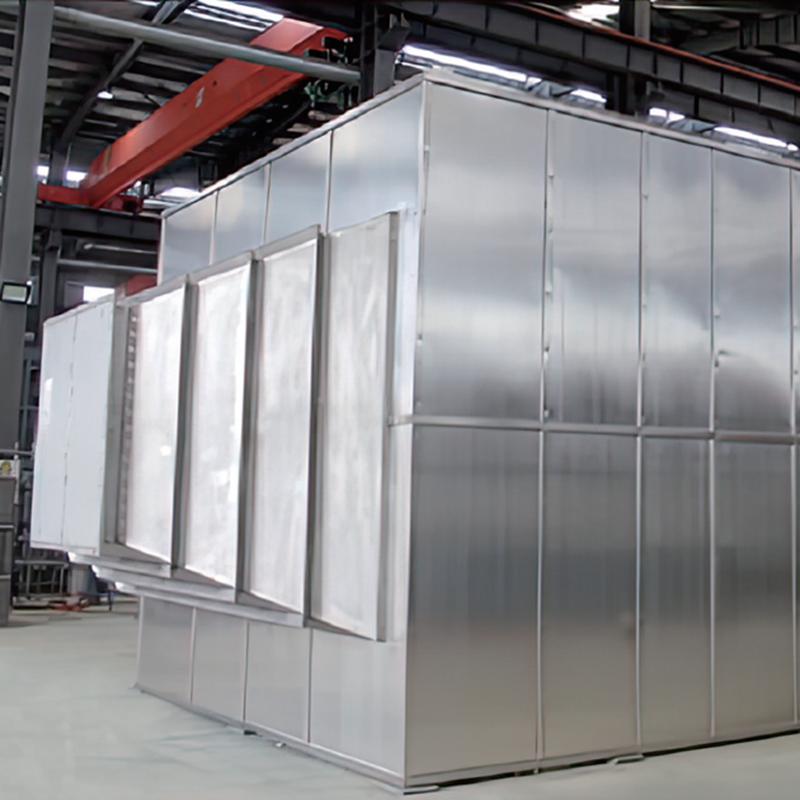
Product Introduction Gas heat exchanger is mainly used for energy saving and emission reduction industries in the waste heat recovery of flue gas in v...
See Details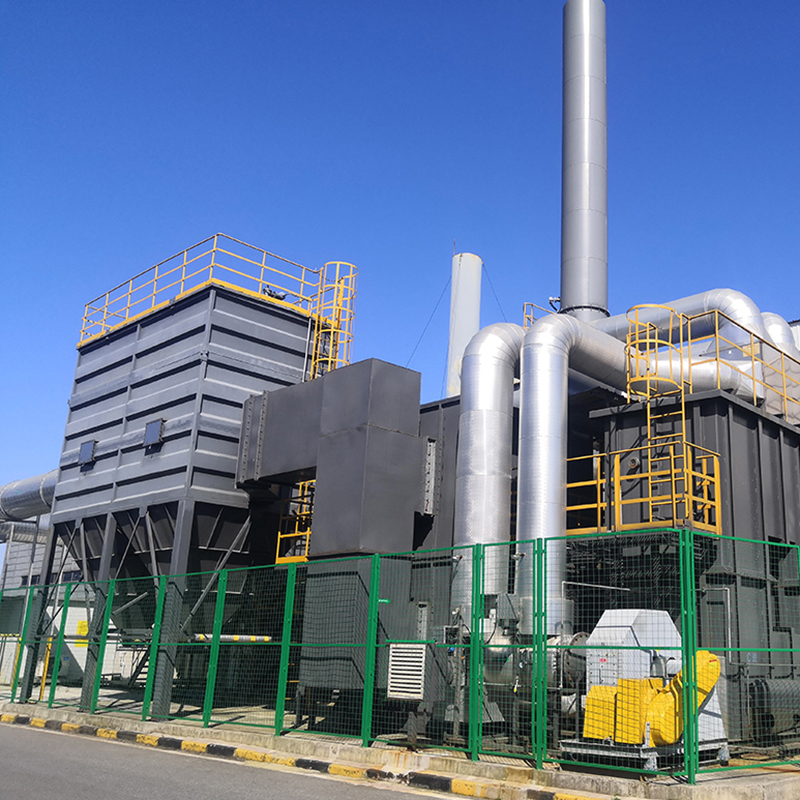
Concept Of Zeolite Wheel+RTO System Using zeolite wheel to adsorb organic waste gas, the low concentration and high air volume waste gas is concentrat...
See Details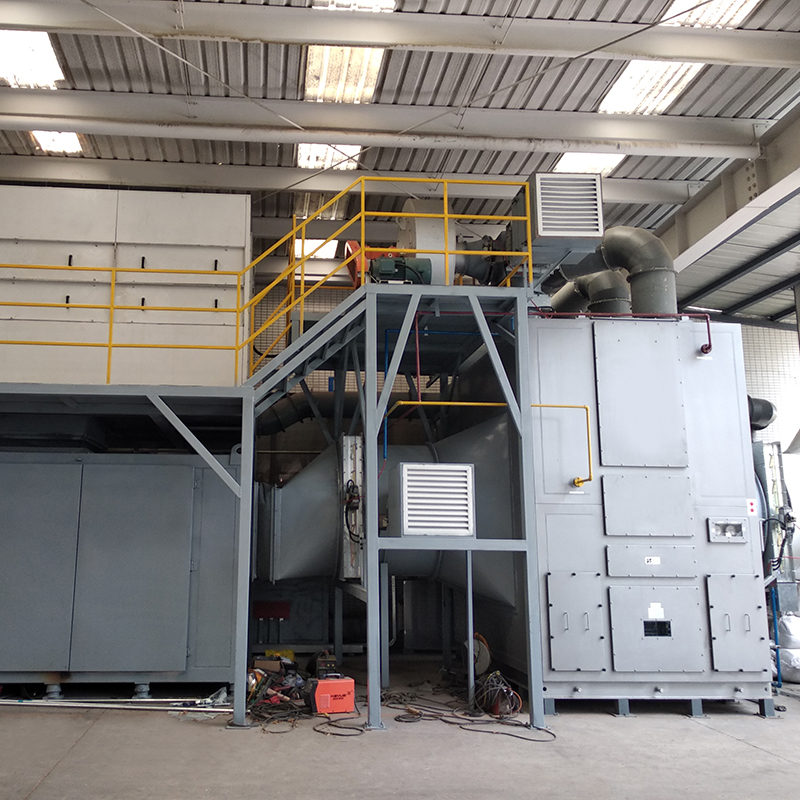
The Concept Of The Complete Set Of Equipment The purpose of employing rotary drum zeolite adsorption for organic waste gas is to concentrate low-conce...
See Details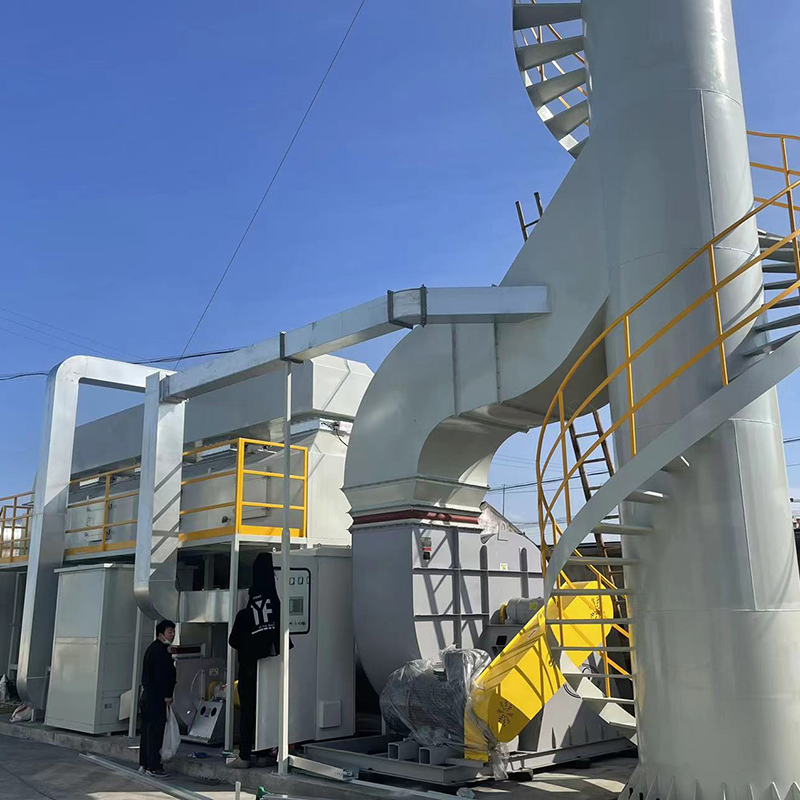
The VOC-CFT-CO Adsorption Catalytic Purification Equipment The VOC-CFT-CO adsorption catalytic purification equipment, consisting of fixed-bed honeyco...
See Details
Overview The wet dust removal principle uses the process of capturing and separating dust particles in the gas phase by fully contacting gas-liquid tw...
See Details
Overview Solid waste incineration furnaces are essential equipment in the management of solid waste, designed to transform waste materials into ash an...
See DetailsMOBILE
Product Manual

Copyright © Lv quan Environmental Protection Engineering Technology Co., Ltd. All Rights Reserved. Vocs Organic Waste Gas Treatment Engineering Equipment Manufacturer

