

 English
 русский
 Français
 Español
 عربى
عربى
LQ-RTO Heat-storage high-temperature incineration equipment
Cat:Equipment
Overview Of Tower-Type RTO Regenerative Thermal Oxidizer (RTO) is an organic waste gas treatment equipment that combines high-temperature oxidation wi...
See Details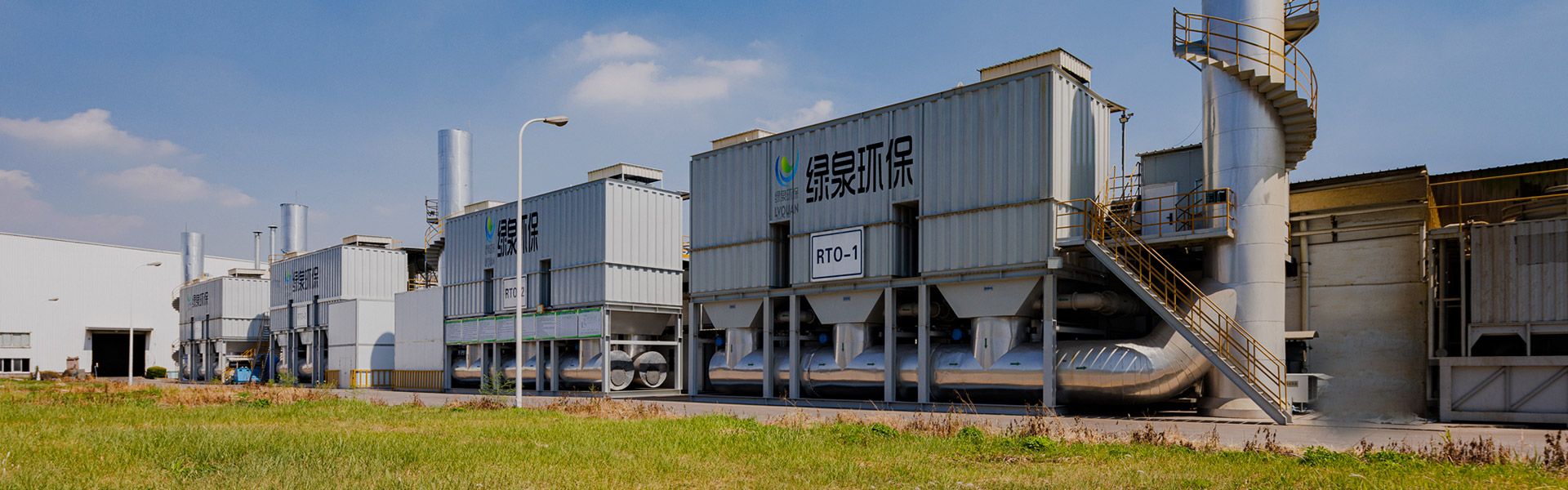
Content
Balancing governance effect and energy consumption in organic waste gas treatment is not a zero-sum game. The direct conclusion is that by implementing intelligent process control, high-efficiency heat recovery, and selective catalytic technologies, modern engineering can achieve destruction efficiencies above 98% while reducing energy consumption by 15-20% compared to conventional thermal oxidation methods. The key lies in moving away from a one-size-fits-all approach to a tailored solution that matches the waste gas characteristics with the most energy-efficient technology.
The primary challenge in organic waste gas treatment engineering is the inherent energy penalty of destroying pollutants. High destruction removal efficiency (DRE) often requires high temperatures, leading to significant operational costs. For instance, a direct thermal oxidizer operating at 800°C may achieve a DRE of 99%, but its energy consumption can be prohibitive for large airflows with low solvent concentrations.
The goal is to find the operational "sweet spot" where environmental compliance meets economic viability. This involves analyzing the Lower Explosive Limit (LEL) of the gas stream. For example, an inlet concentration of 2-4 g/m³ of toluene is often ideal for regenerative thermal oxidizers (RTOs) to operate autothermally, meaning they require little to no auxiliary fuel, thus balancing effect and energy consumption perfectly.
To achieve an optimal balance, engineers deploy a combination of pre-concentration, efficient heat recovery, and low-temperature catalysts. The following strategies are proven to be effective:
For large volumes of air with low VOC concentrations (typical in printing or coating industries), direct treatment is energy-intensive. A common solution is to use a zeolite rotor concentrator. This wheel adsorbs VOCs and then desorbs them into a much smaller, higher-concentration air stream. This can reduce the volume of air needing high-temperature treatment by 90-95%, slashing energy consumption for subsequent oxidation by up to 40% while maintaining overall system DRE above 95%.
Modern RTOs achieve exceptional balance through ceramic heat exchange media. With a heat recovery efficiency of 95% to 97%, an RTO preheats incoming cold fumes using the heat from the purified hot gas. This drastically reduces the need for external fuel. For example, with an inlet VOC concentration of 1.5 g/m³, an RTO with 95% thermal efficiency can sustain autothermal operation, consuming virtually no natural gas while maintaining a destruction efficiency of over 99%.
Catalytic oxidizers use a precious metal catalyst to lower the oxidation temperature of VOCs from 800°C to 300-400°C. This directly translates to fuel savings. For processing 10,000 Nm³/h of exhaust containing styrene, a catalytic oxidizer can save approximately 30-40% in natural gas costs compared to a thermal oxidizer, while still meeting emission standards of less than 20 mg/m³.
Choosing the right technology is paramount. The table below compares common methods used in organic waste gas treatment engineering, highlighting their balance between effect and energy use.
| Technology | Typical DRE (%) | Operating Temp (°C) | Heat Recovery (%) | Relative Energy Consumption |
|---|---|---|---|---|
| Thermal Oxidizer | 98 - 99.9 | 760 - 870 | <70 | High |
| Catalytic Oxidizer | 95 - 99 | 320 - 540 | 50 - 70 | Medium |
| Regenerative Thermal Oxidizer (RTO) | 97 - 99+ | 760 - 870 | 90 - 97 | Low to Medium |
| RTO with Concentration | 95 - 98 | Desorb: ~120 / Oxidize: 800 | 90+ (on main unit) | Very Low |
As the data shows, while thermal oxidizers offer high DRE, their energy consumption is highest. RTOs and combined systems offer the best compromise, especially for fluctuating process conditions.
A: The most effective method is using an adsorption wheel (zeolite or activated carbon) for concentration, followed by a smaller RTO or catalytic oxidizer. This decouples the air volume from the destruction energy, allowing for high DRE at a fraction of the energy cost.
A: You can improve the balance by: 1) Checking and replacing the ceramic heat exchange media to ensure 95%+ efficiency. 2) Implementing a variable frequency drive (VFD) on the main fan to match the exhaust flow precisely. 3) Ensuring the inlet VOC concentration is optimized; if it's too low, consider recycling a portion of the treated clean gas to maintain thermal mass or adding a small concentration step.
A: Not necessarily. With catalytic oxidation, high DRE is achieved at lower temperatures. Furthermore, a well-designed RTO maintains >99% DRE while using less energy than a poorly maintained direct-fired oxidizer. The relationship is non-linear; smart engineering decouples energy use from efficiency gains.
A: Safety is the non-negotiable foundation. For instance, Lv Quan Environmental Protection Engineering integrates robust safety features to allow operation at higher, more efficient concentrations without risk. Safe, stable operation prevents unscheduled downtime and energy-wasting startups, directly contributing to long-term energy efficiency.
For a factory manager or engineer looking to optimize their system, the following steps are recommended:
Companies like Lv Quan Environmental Protection Engineering, with their extensive experience in VOCs equipment design and manufacturing, provide tailored solutions that integrate these steps, ensuring that the governance effect is never compromised in the pursuit of energy savings.
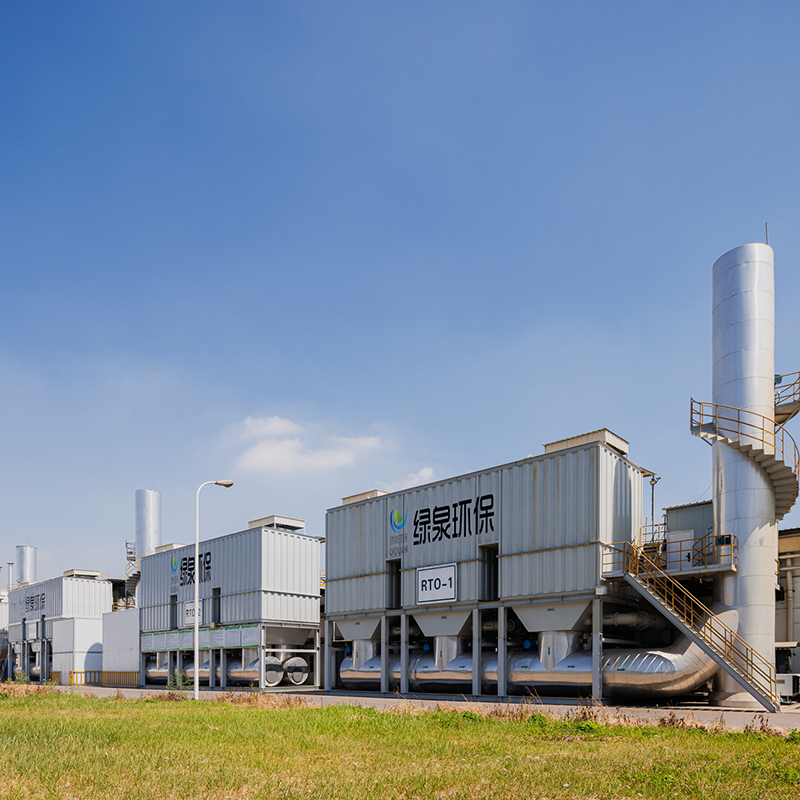
Overview Of Tower-Type RTO Regenerative Thermal Oxidizer (RTO) is an organic waste gas treatment equipment that combines high-temperature oxidation wi...
See Details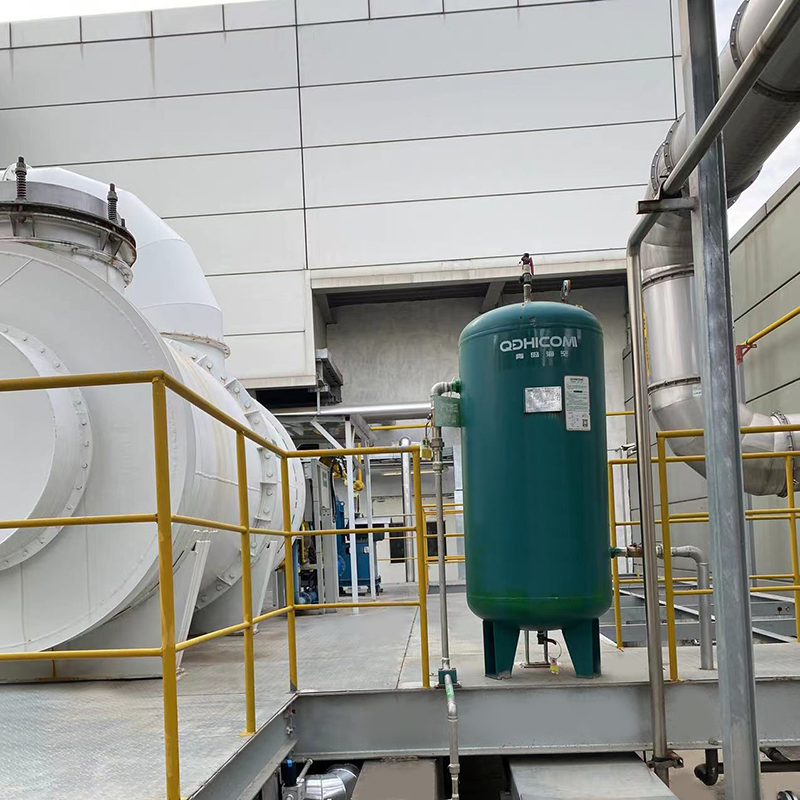
Overview Direct combustion high-temperature incineration equipment, abbreviated as TO, utilizes the heat generated by the combustion of auxiliary fuel...
See Details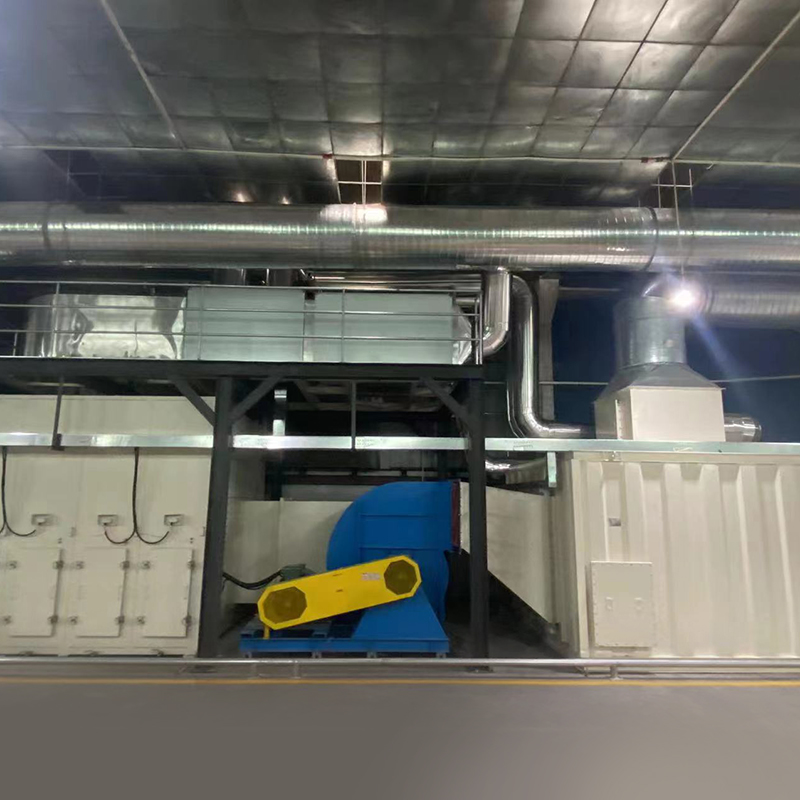
Overview Of Variable Freouency Zeolite Turntable Our company's zeolite concentration turntable uses a combination of zeolite modules, with a high zeol...
See Details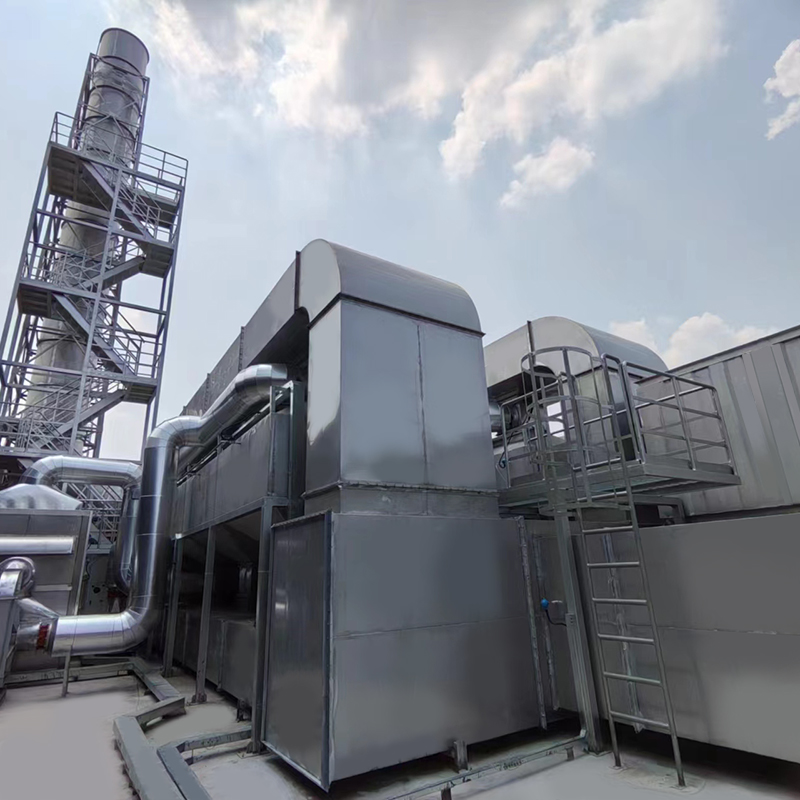
Overview of Activated Carbon Fiber Organic Solvent Purification Recovery Device The Activated Carbon Fiber Organic Solvent Purification Recovery Syste...
See Details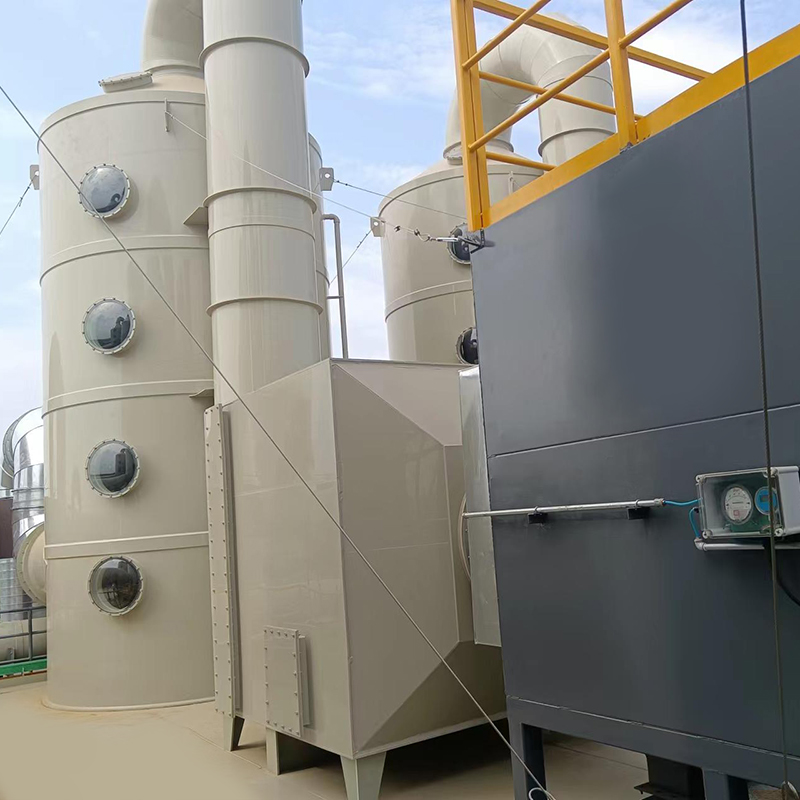
Overview The VOC-ACA series organic gas particle carbon purification and recovery equipment is used for the absorption, recovery, and reuse of organic...
See Details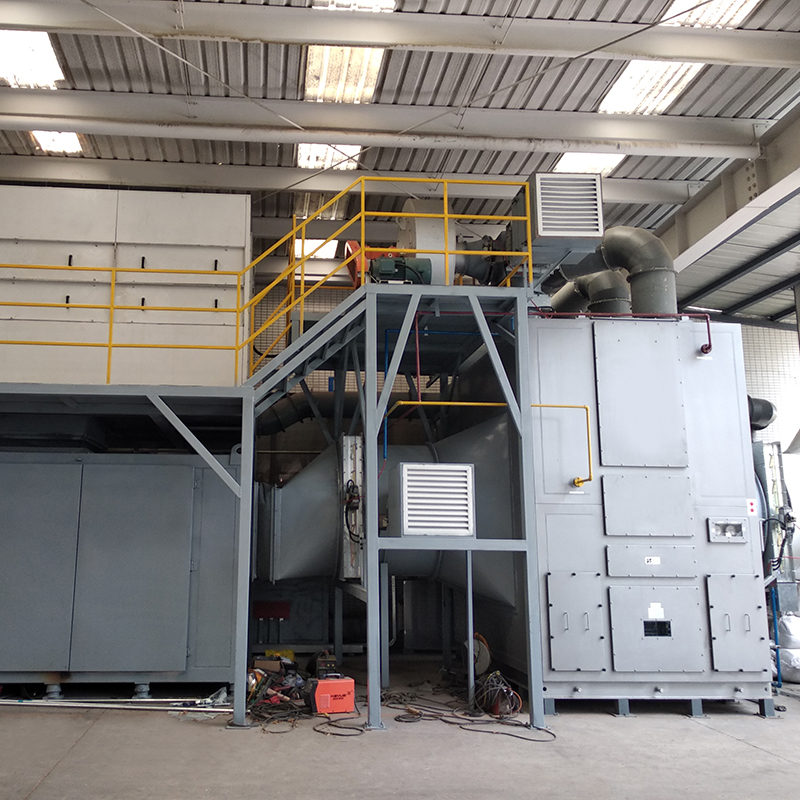
The Concept Of The Complete Set Of Equipment The purpose of employing rotary drum zeolite adsorption for organic waste gas is to concentrate low-conce...
See Details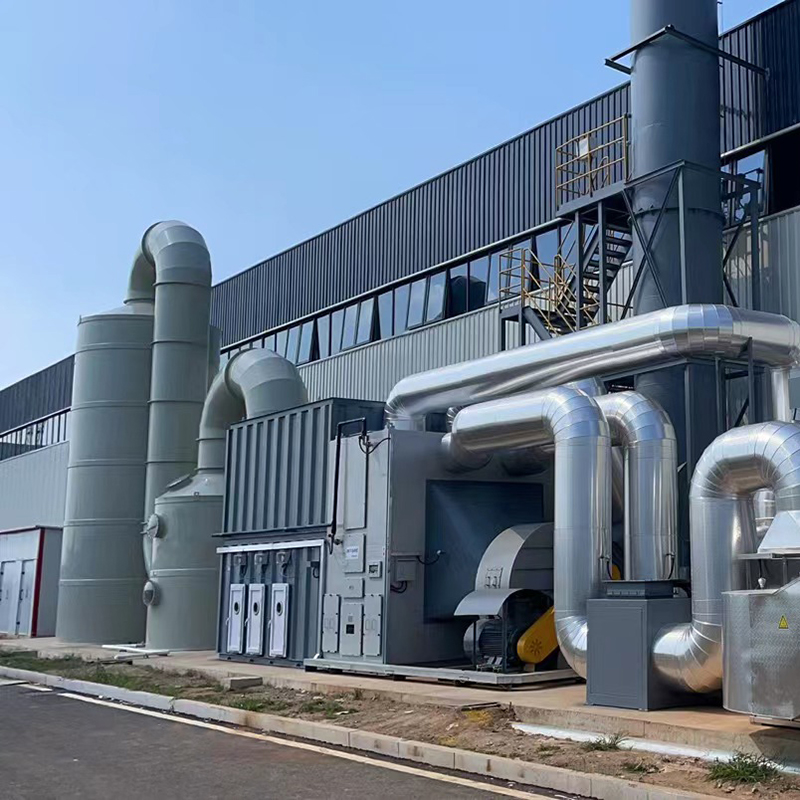
Concept Of Fixed Bed Zeolite + Catalytic Combustion As A Set Of Equipment The fixed bed zeolite + catalytic combustion device is suitable for the conc...
See Details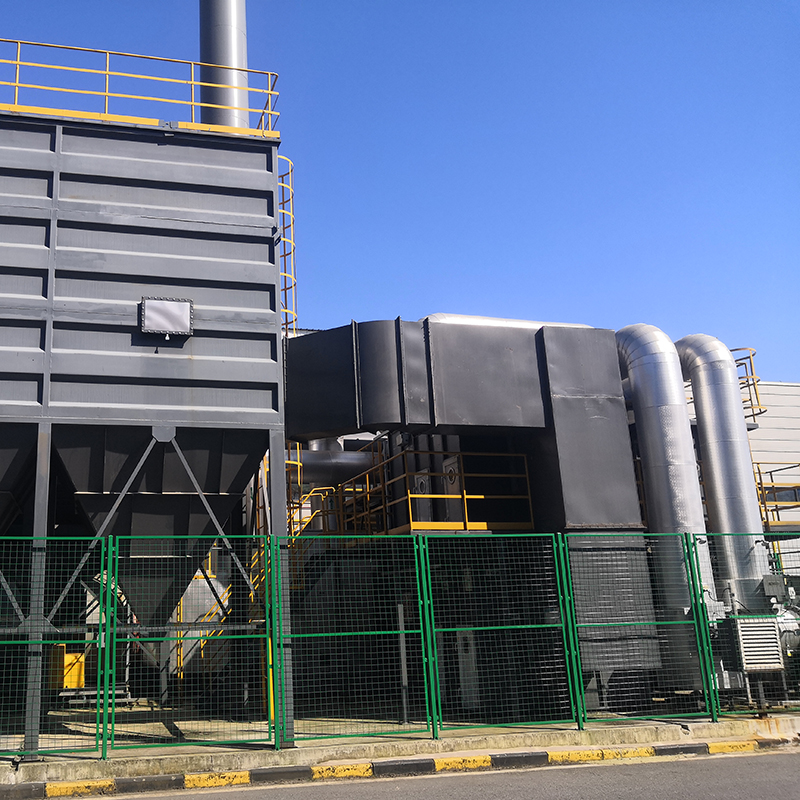
The Concept Of Zeolite Wheel+ Direct Combustion High-Temperature Incineration Equipment The purpose of employing rotary drum zeolite adsorption for or...
See Details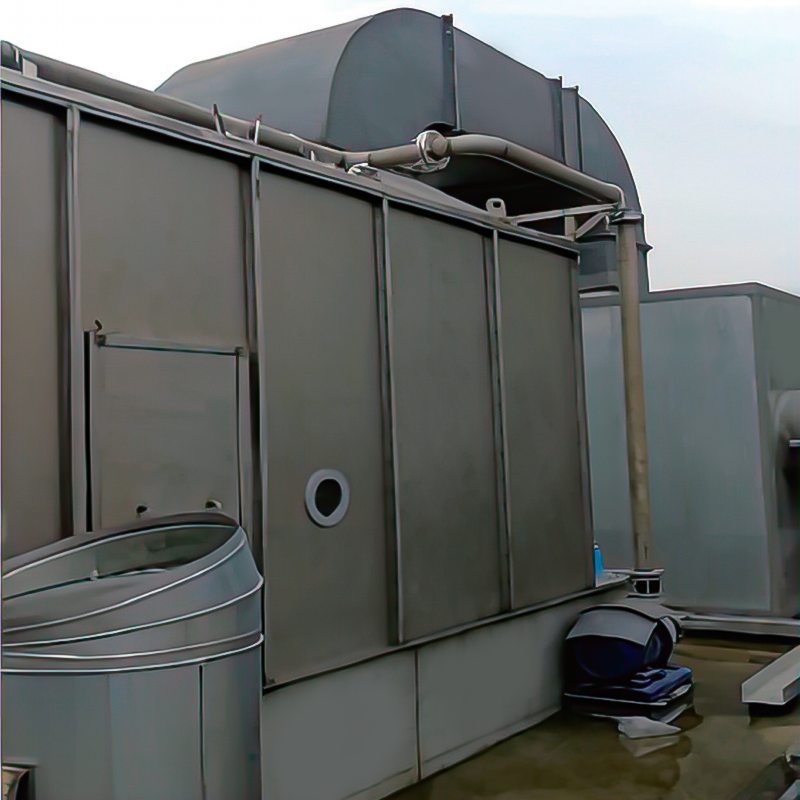
Overview The wet dust removal principle uses the process of capturing and separating dust particles in the gas phase by fully contacting gas-liquid tw...
See Details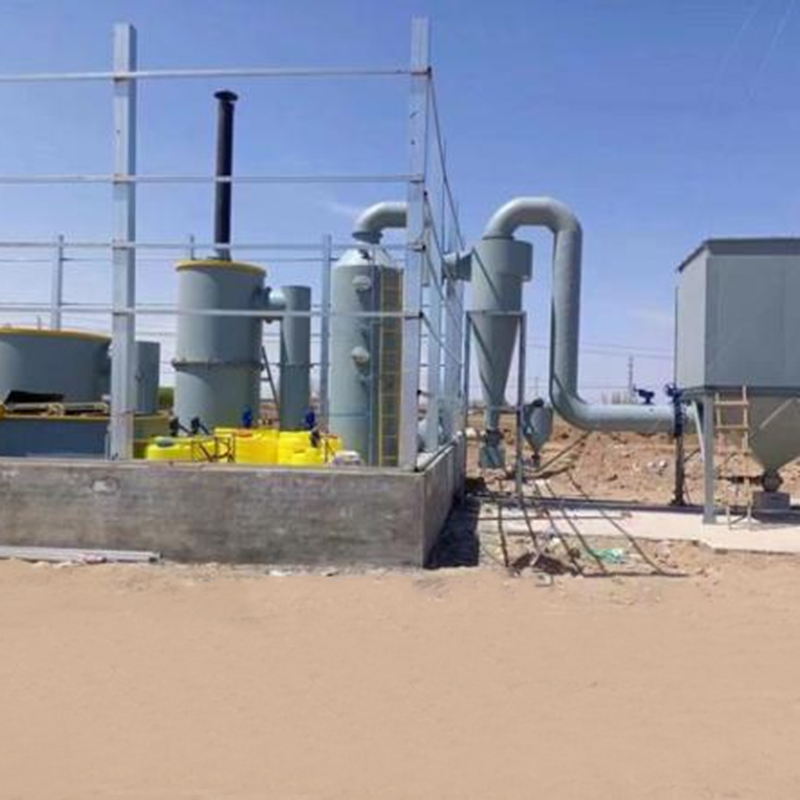
Overview Solid waste incineration furnaces are essential equipment in the management of solid waste, designed to transform waste materials into ash an...
See DetailsMOBILE
Product Manual

Copyright © Lv quan Environmental Protection Engineering Technology Co., Ltd. All Rights Reserved. Vocs Organic Waste Gas Treatment Engineering Equipment Manufacturer

