

 English
 русский
 Français
 Español
 عربى
عربى
LQ-RTO Heat-storage high-temperature incineration equipment
Cat:Equipment
Overview Of Tower-Type RTO Regenerative Thermal Oxidizer (RTO) is an organic waste gas treatment equipment that combines high-temperature oxidation wi...
See Details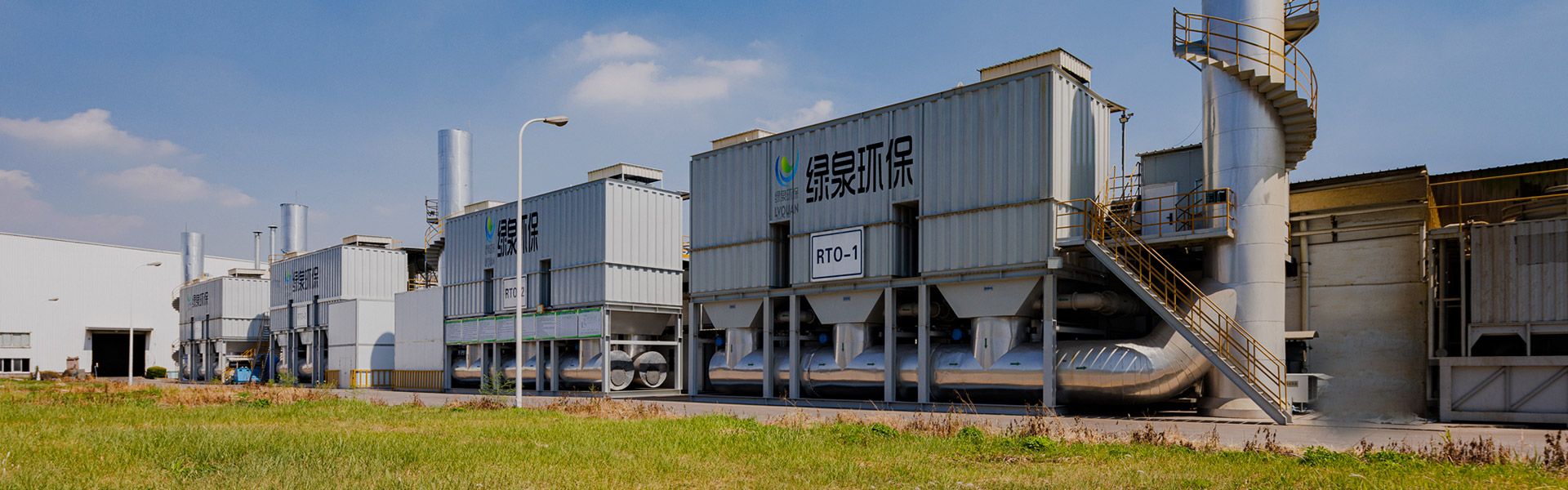
Content
To use VOCs organic waste gas treatment equipment effectively, you must follow a systematic start-up, operation, and shutdown procedure that ensures complete pollutant destruction and operational safety. The core process typically involves: 1. Pre-treatment (filtration and cooling), 2. Adsorption or Concentration, and 3. Final Treatment (Oxidation or Recovery). For example, in a typical Regenerative Thermal Oxidizer (RTO) system, the waste gas is first collected by a hood system, then pushed by a main fan into the equipment where it is heated to over 760°C, oxidizing VOCs into CO2 and H2O. Correct usage requires strict adherence to manufacturer protocols, continuous monitoring of temperature and pressure, and regular maintenance of key components like valves and ceramic media.
Before initiating the equipment, a mandatory safety and system check is required. This prevents mechanical failure and ensures the safe handling of potentially explosive organic compounds.
Ensure all gas detection systems and alarms are functional. Verify that the nitrogen purge system is pressurized and ready, as this is vital for inerting the combustion chamber during start-up and shutdown to prevent explosions. Check that all dampers and valves are in their correct positions (e.g., purge valves open, main inlet closed).
Confirm that all required utilities are available and at the correct specifications:
Lv Quan Environmental Protection Engineering Technology Co., Ltd., with over 30 years of experience, designs all its equipment with redundant safety features that must be verified at this stage.
Starting up VOCs equipment is a controlled sequence designed to bring the system to thermal equilibrium safely. Rushing this process is a common operational error.
The first step is to initiate the pre-purge cycle. The main fan starts, pulling fresh air through the system for 10-20 minutes. This removes any residual combustible gases from the combustion chamber, reducing the risk of ignition.
Once purged, the burner ignites to begin heating the combustion chamber and heat exchange media (in RTOs). The system enters a "heat soak" phase where it gradually ramps up to the target oxidation temperature, typically between 760°C and 850°C. For catalytic oxidizers, the target is lower, around 320°C to 400°C. This process can take 30 minutes to several hours depending on the system size.
Only after the system has stabilized at the correct operating temperature can the process gas (VOCs) be introduced. The main inlet valve opens, and the system automatically switches from "standby" to "process" mode. The control system will modulate burner output to maintain the set temperature using the calorific value of the VOCs themselves.
Once running, the primary task of the operator is to monitor key performance indicators (KPIs) to ensure 99%+ destruction efficiency is maintained. Lv Quan's systems, which serve industries from vehicle manufacturing to pharmaceuticals, utilize advanced PLC controls for this purpose.
| Parameter | Target Range | Action if Off-Spec |
|---|---|---|
| Oxidation Temperature | 760°C - 850°C (RTO) | Adjust burner or inlet gas concentration. |
| Main Fan Pressure | -20 to -50 mmH2O (at inlet) | Check for blockages in filters or ducts. |
| Valve Position Feedback | Synchronized with cycle timer | Inspect air supply or valve actuator. |
| VOC Concentration (Inlet) | Below 25% LEL (Lower Explosive Limit) | Dilute with fresh air to safe levels. |
Modern units from manufacturers like Lv Quan, who hold 13 utility patents and 2 high-tech invention certificates, often feature remote monitoring capabilities, allowing for real-time adjustments without direct operator intervention.
Proper shutdown is as critical as start-up for equipment longevity and safety. There are two main types of shutdowns: normal and emergency.
1. Isolate the process gas source (close inlet damper).
2. Initiate a post-purge cycle to clear residual VOCs from the system.
3. Allow the combustion chamber to cool down gradually before shutting off the main fan.
4. Once cool, secure all utilities (fuel, power).
In case of a high VOC concentration alarm (approaching 50% LEL) or a system malfunction, the Emergency Shutdown (ESD) button should be pressed. This triggers an immediate, pre-programmed sequence: inlet valve closes, nitrogen purge activates, burner cuts off, and the system enters a failsafe state. Operators should be drilled on this procedure monthly.
To maintain the equipment's value and efficiency, a strict maintenance schedule is necessary. With an annual production capacity of 100 million yuan and facilities spanning 9,800 square meters, Lv Quan emphasizes post-sales service and the importance of upkeep.
Following these steps ensures that your investment in pollution control—like the systems provided by Lv Quan to the printing and furniture-building materials industries—remains compliant, safe, and efficient for its 15-20 year design life.
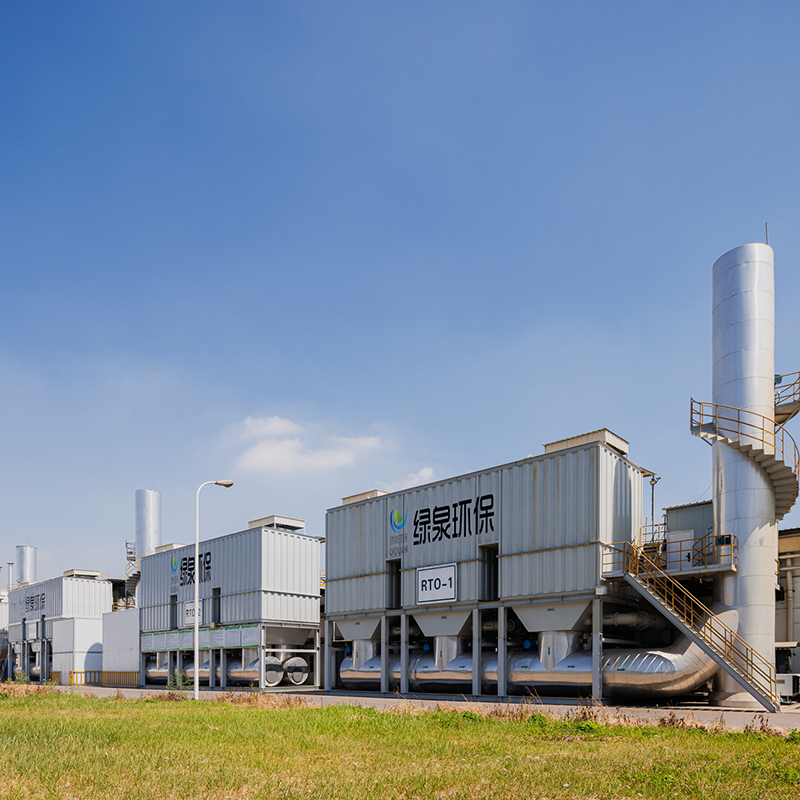
Overview Of Tower-Type RTO Regenerative Thermal Oxidizer (RTO) is an organic waste gas treatment equipment that combines high-temperature oxidation wi...
See Details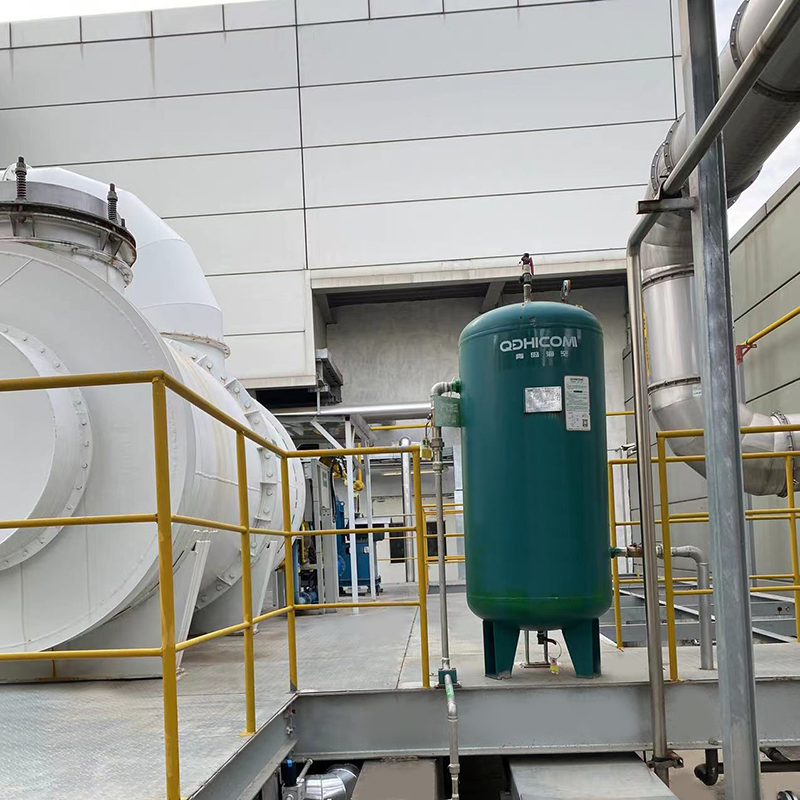
Overview Direct combustion high-temperature incineration equipment, abbreviated as TO, utilizes the heat generated by the combustion of auxiliary fuel...
See Details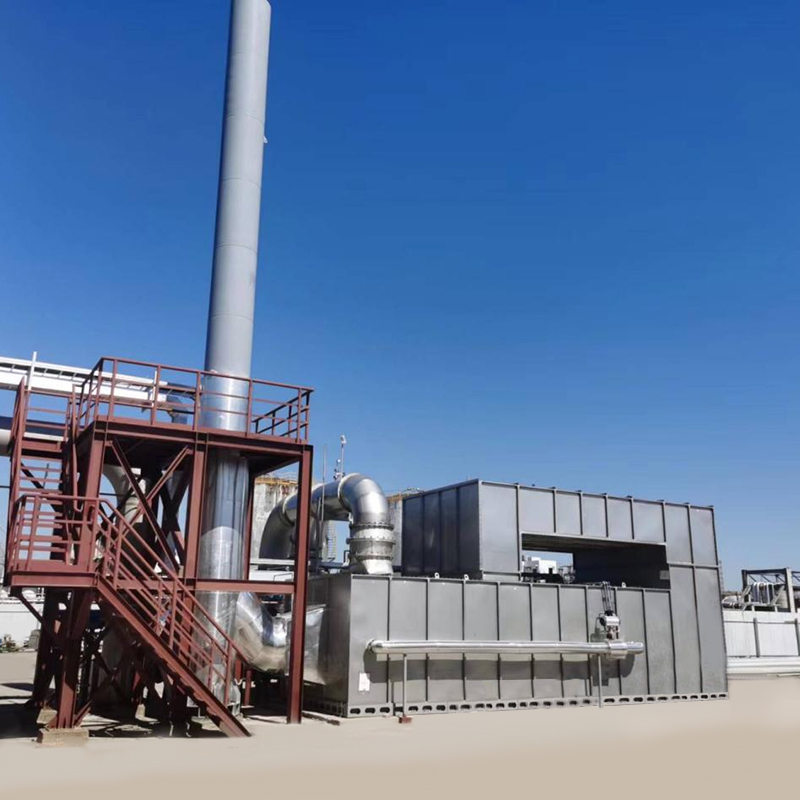
Overview Catalytic combustion is a purification method that uses catalysts to oxidize and decompose combustible substances in exhaust gas at low tempe...
See Details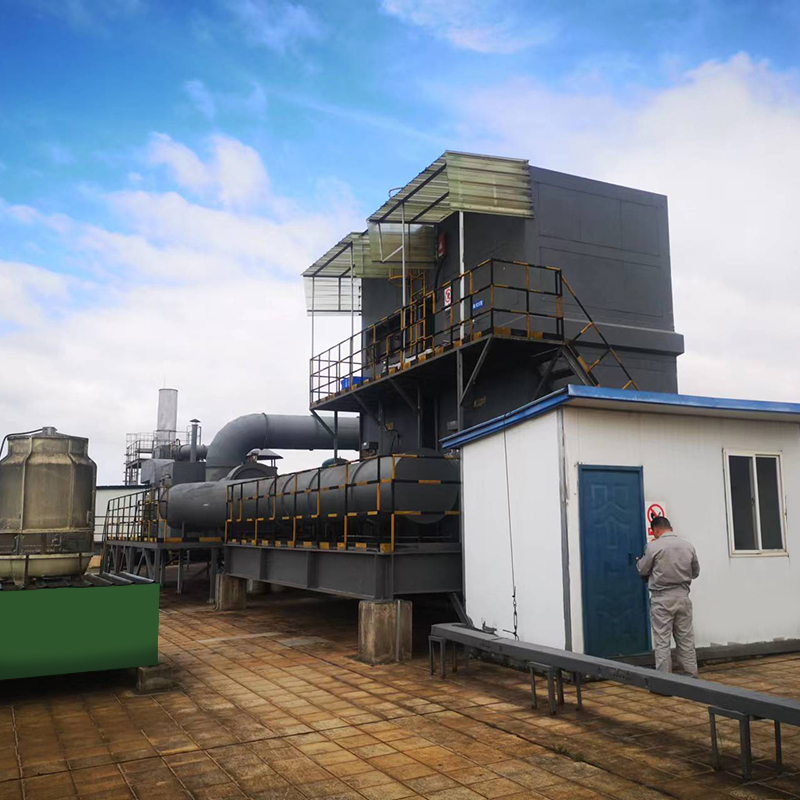
Overview Thermal storage catalytic oxidation (Regenerative Catalytic Oxidizer/RCO) is an organic waste gas treatment equipment that combines low-tempe...
See Details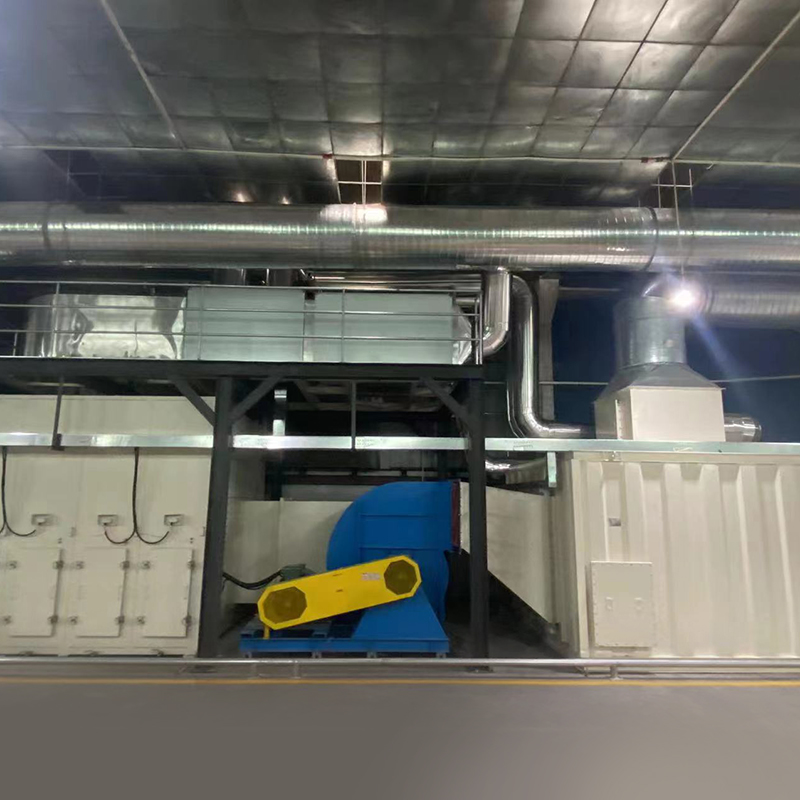
Overview Of Variable Freouency Zeolite Turntable Our company's zeolite concentration turntable uses a combination of zeolite modules, with a high zeol...
See Details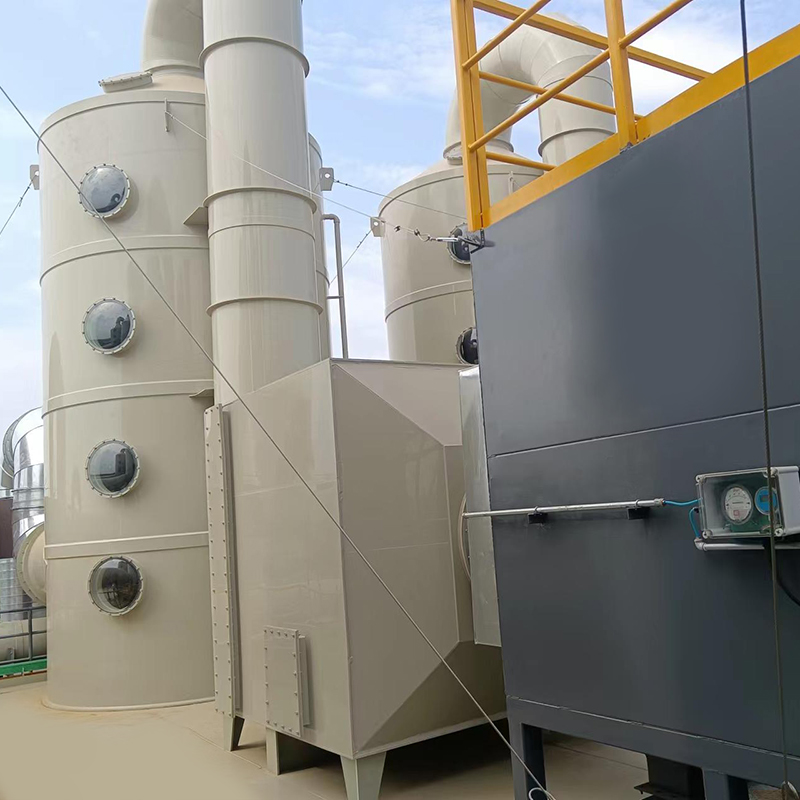
Overview The VOC-ACA series organic gas particle carbon purification and recovery equipment is used for the absorption, recovery, and reuse of organic...
See Details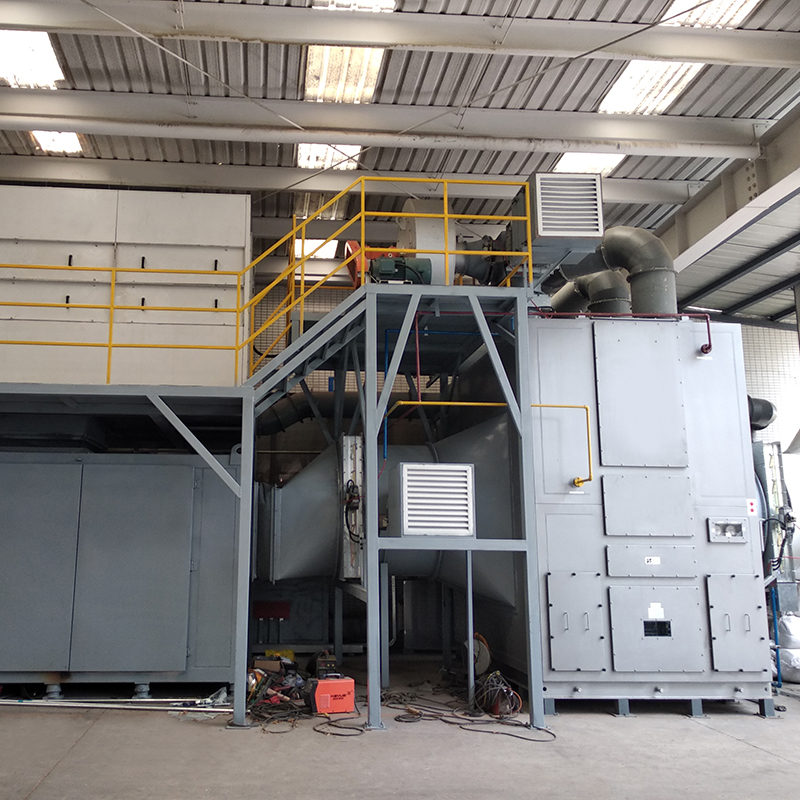
The Concept Of The Complete Set Of Equipment The purpose of employing rotary drum zeolite adsorption for organic waste gas is to concentrate low-conce...
See Details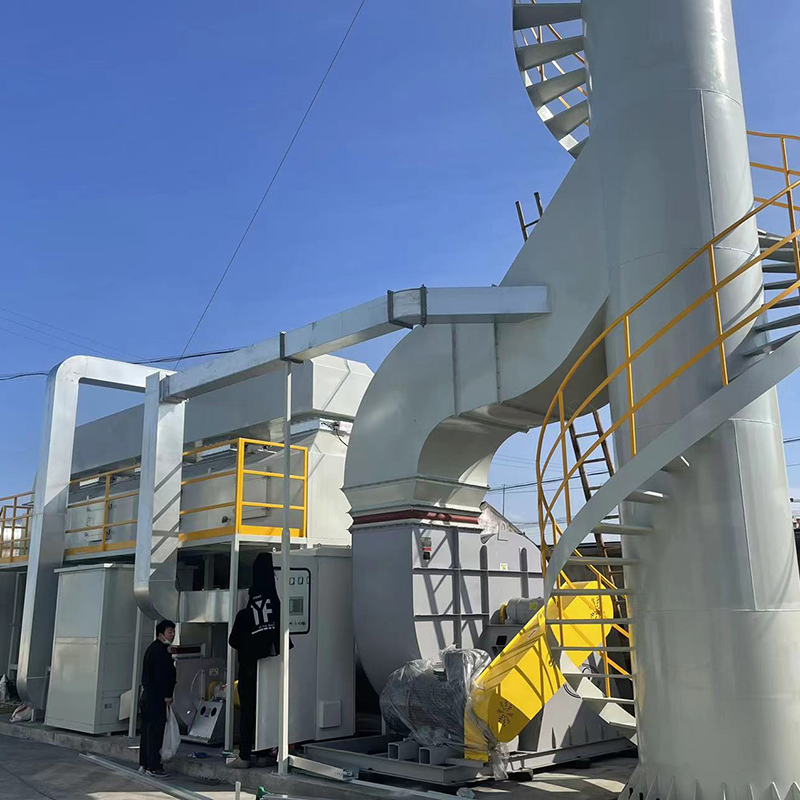
The VOC-CFT-CO Adsorption Catalytic Purification Equipment The VOC-CFT-CO adsorption catalytic purification equipment, consisting of fixed-bed honeyco...
See Details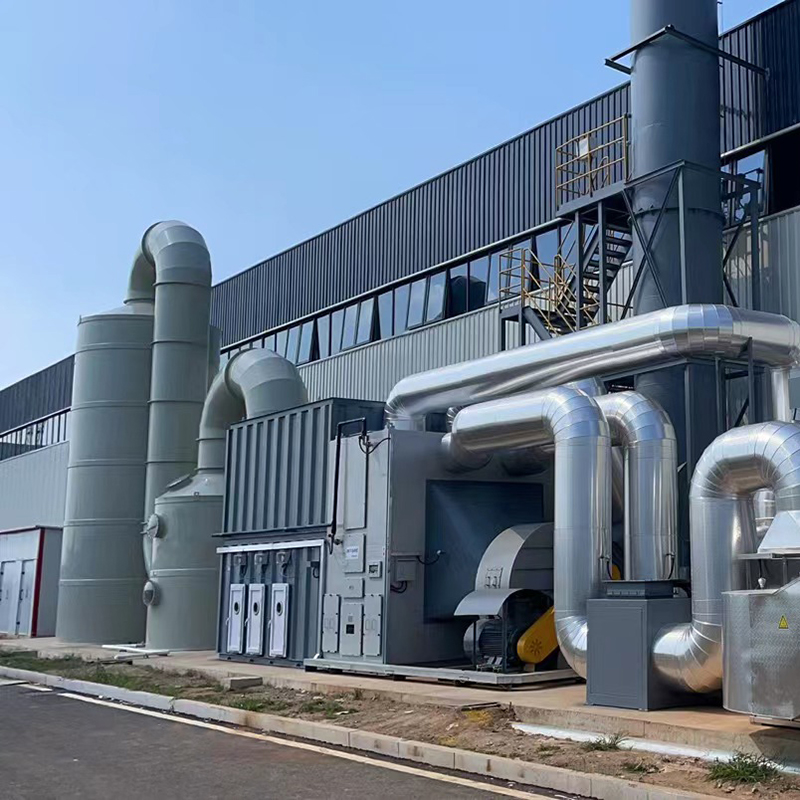
Concept Of Fixed Bed Zeolite + Catalytic Combustion As A Set Of Equipment The fixed bed zeolite + catalytic combustion device is suitable for the conc...
See Details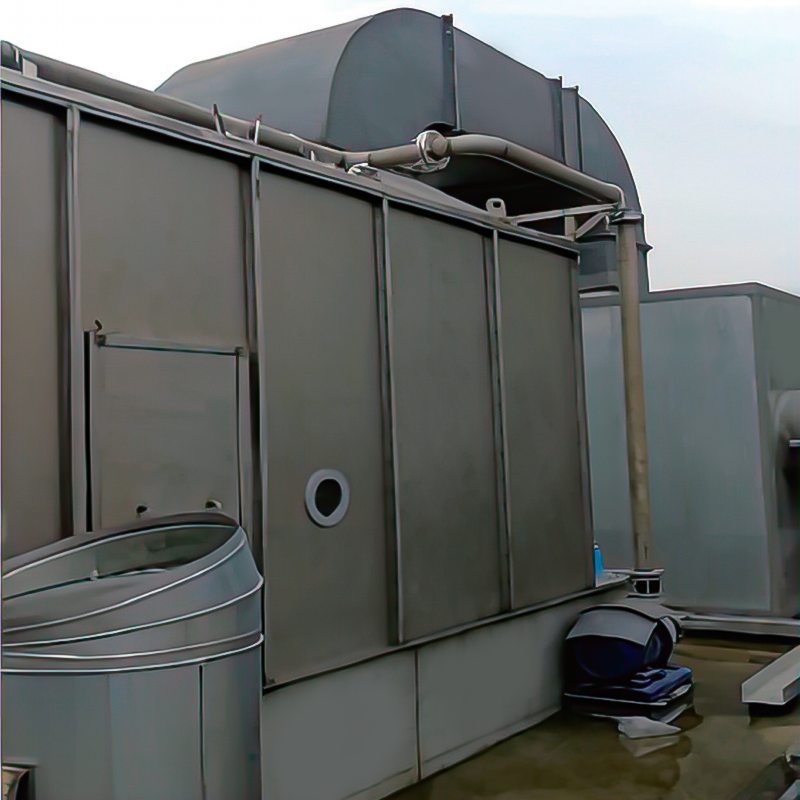
Overview The wet dust removal principle uses the process of capturing and separating dust particles in the gas phase by fully contacting gas-liquid tw...
See DetailsMOBILE
Product Manual

Copyright © Lv quan Environmental Protection Engineering Technology Co., Ltd. All Rights Reserved. Vocs Organic Waste Gas Treatment Engineering Equipment Manufacturer

