

 English
 русский
 Français
 Español
 عربى
عربى
LQ-RTO Heat-storage high-temperature incineration equipment
Cat:Equipment
Overview Of Tower-Type RTO Regenerative Thermal Oxidizer (RTO) is an organic waste gas treatment equipment that combines high-temperature oxidation wi...
See Details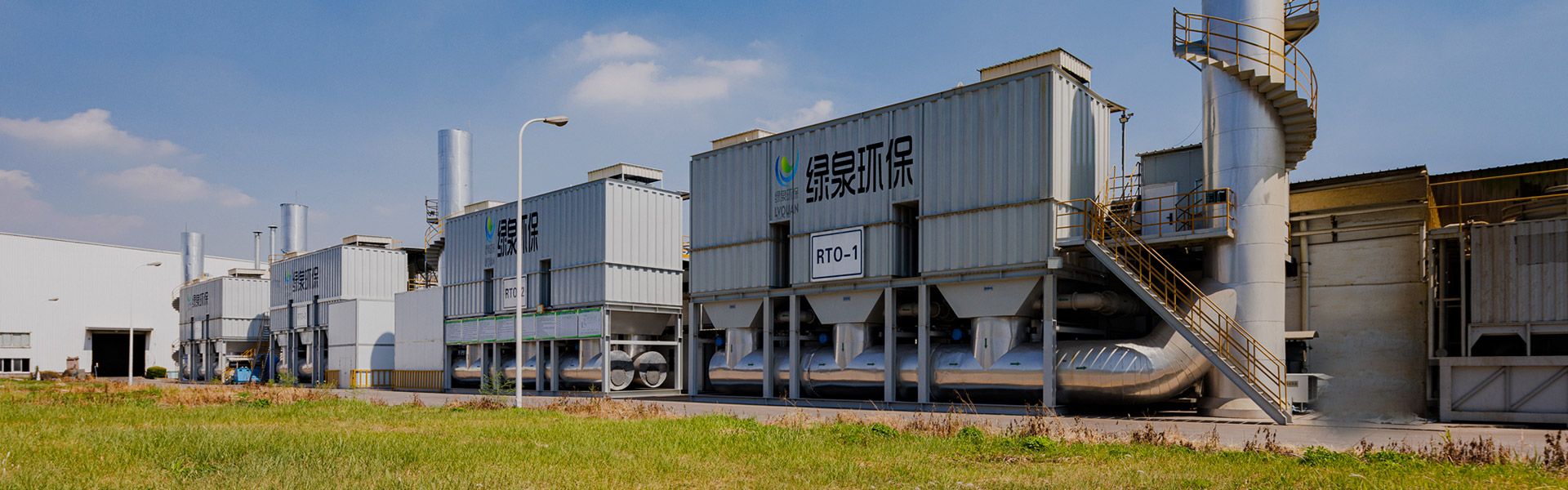
Content
VOCs Organic Waste Gas Treatment Engineering Equipment must employ a sealed structure; this is fundamental to ensuring the efficient and environmentally friendly operation of the waste gas treatment system.
A sealed structure is the first line of defense in controlling VOCs emissions. By utilizing a complete enclosure structure to isolate VOCs materials, the work area, and the surrounding space, direct contact between organic waste gas and ambient air can be effectively prevented, thus preventing VOCs from diffusing into the external atmosphere.
Sealed operation ensures that waste gas is collected under negative pressure conditions, avoiding "unorganized emissions." Only by transporting waste gas through sealed pipelines to the VOCs waste gas collection and treatment system can the treatment facilities operate stably and effectively, ensuring that the effluent or discharge outlets meet standards.
For materials containing VOCs, sealed management is not only an environmental requirement but also a safety requirement. Enclosed spaces prevent the accumulation and leakage of flammable and explosive gases, reducing safety hazards such as fires and explosions, and ensuring that the production process complies with national safety standards such as the "Emission Standard of Air Pollutants for Refractory Materials Industry".
Lv Quan Environmental Protection Engineering Technology Co., Ltd., relying on its deep industry experience, provides professional VOCs organic waste gas treatment engineering equipment with the following technical features:
The company has absorbed internationally advanced adsorption and combustion technologies, providing end-to-end solutions for different VOCs materials (such as solvents and chemical intermediates) including "adsorption, recovery, and incineration," ensuring that the treated waste gas meets emission standards.
The equipment design emphasizes fully automated, closed-loop operation, equipped with high-level tanks and leak-free pumps to minimize the risk of leakage caused by manual operation. High-standard sealing points are used for key components such as pumps, compressors, and valves to reduce leak detection values and ensure the system's airtightness.
A negative pressure exhaust system effectively collects solid feed exhaust, cleaning and purging exhaust, and vacuum exhaust into the treatment system, ensuring the integrity and continuity of the exhaust gas treatment process.
The company has passed ISO9001 quality management system certification and ISO14001 environmental management system certification. It possesses Jiangsu Province's dual soft qualification for environmental pollution design and control, as well as high-tech enterprise certification, ensuring that engineering design and equipment manufacturing meet stringent national environmental protection standards.
In equipment manufacturing and engineering design, the company strictly adheres to national standards such as the "Standard for the Control of Fugitive Emissions of Volatile Organic Compounds" (GB37822-2019) and the "Emission Standard of Air Pollutants for Refractory Materials Industry" (GB46790-2025), emphasizing compliance with closed, sealed, and collection requirements.
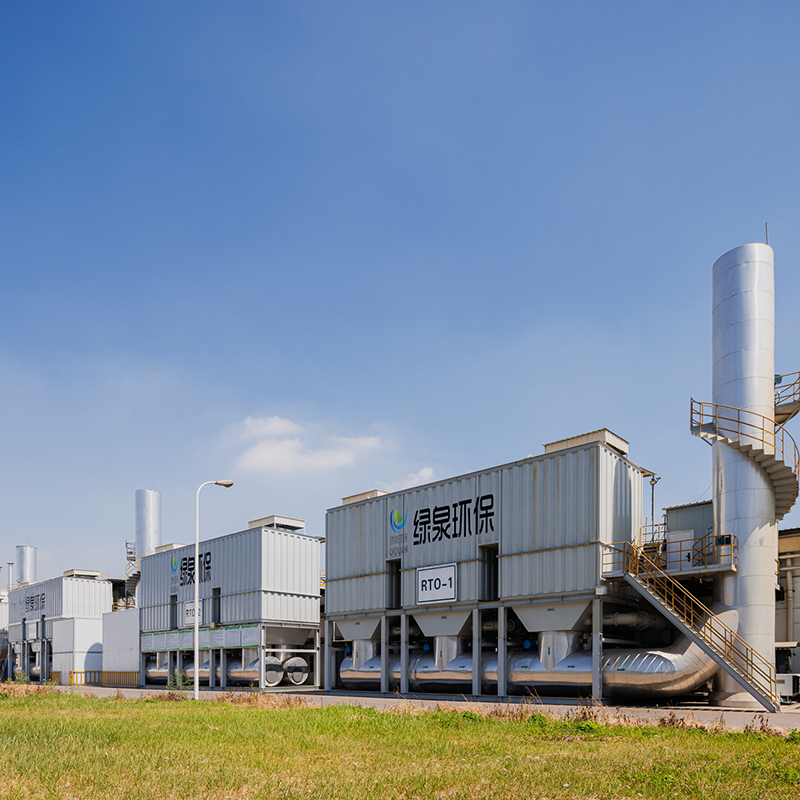
Overview Of Tower-Type RTO Regenerative Thermal Oxidizer (RTO) is an organic waste gas treatment equipment that combines high-temperature oxidation wi...
See Details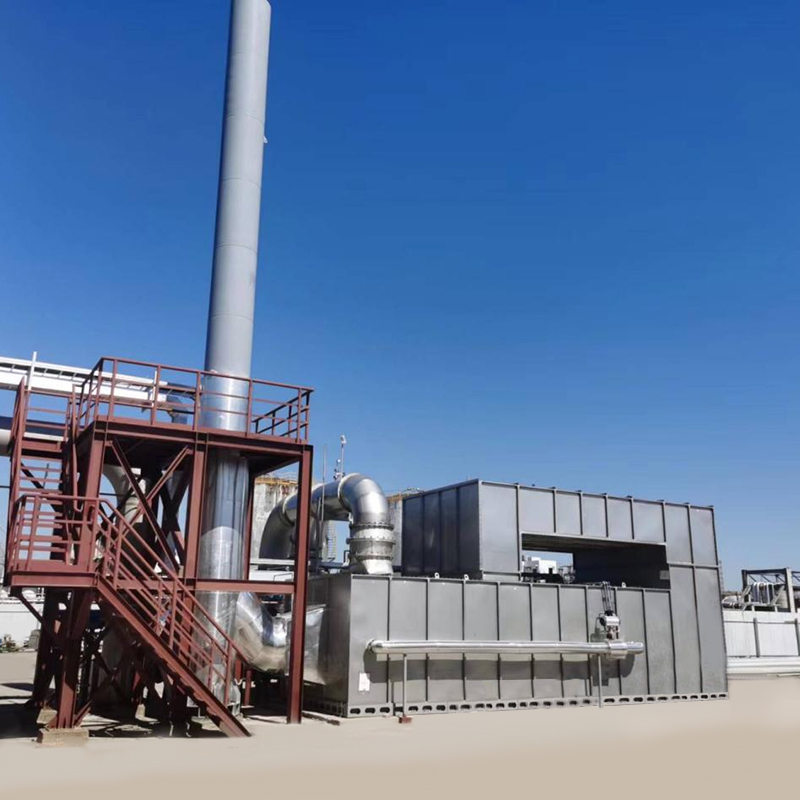
Overview Catalytic combustion is a purification method that uses catalysts to oxidize and decompose combustible substances in exhaust gas at low tempe...
See Details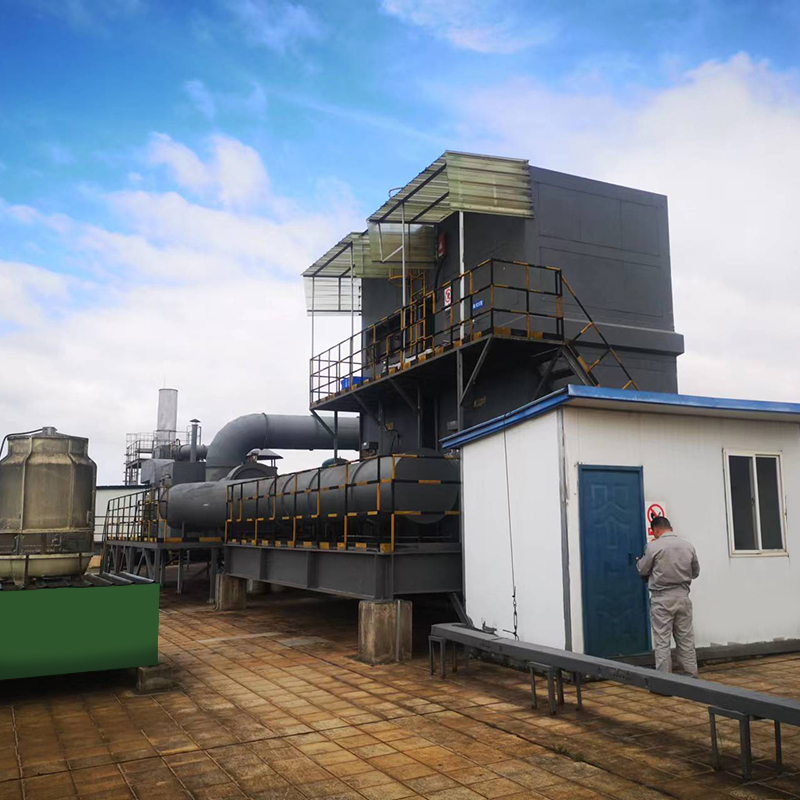
Overview Thermal storage catalytic oxidation (Regenerative Catalytic Oxidizer/RCO) is an organic waste gas treatment equipment that combines low-tempe...
See Details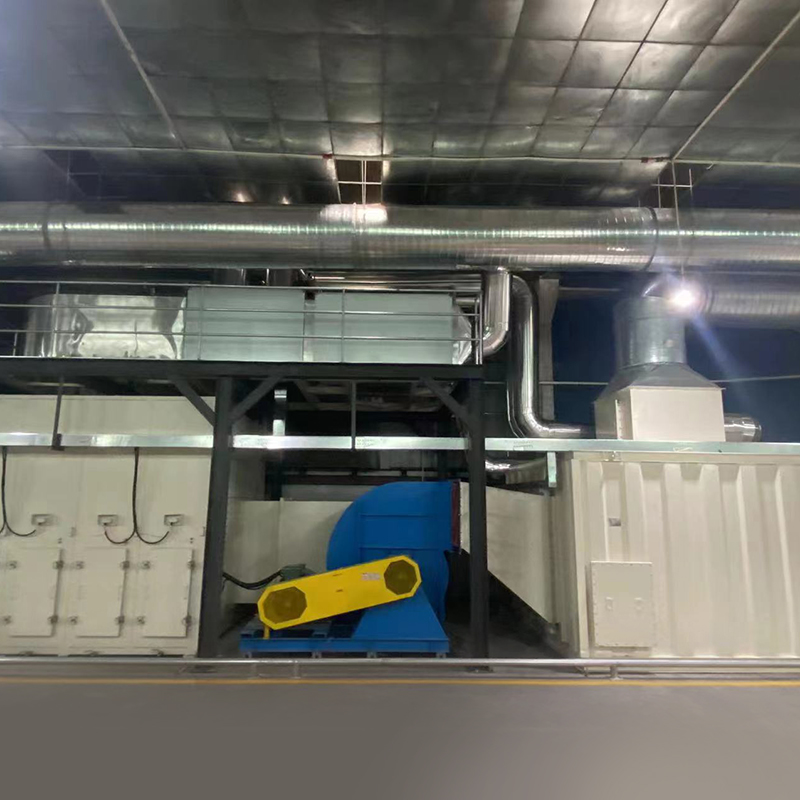
Overview Of Variable Freouency Zeolite Turntable Our company's zeolite concentration turntable uses a combination of zeolite modules, with a high zeol...
See Details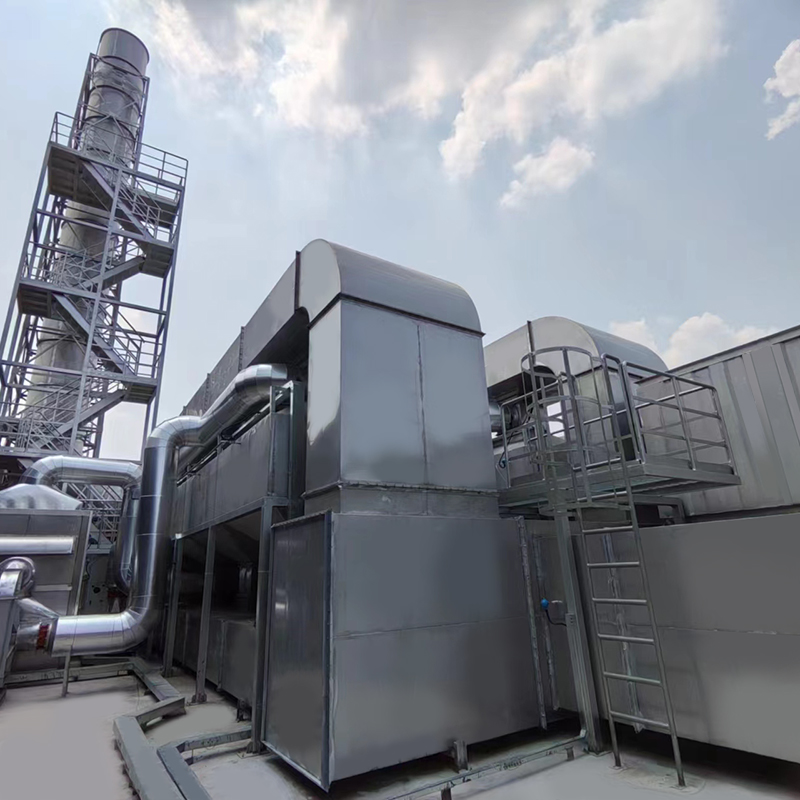
Overview of Activated Carbon Fiber Organic Solvent Purification Recovery Device The Activated Carbon Fiber Organic Solvent Purification Recovery Syste...
See Details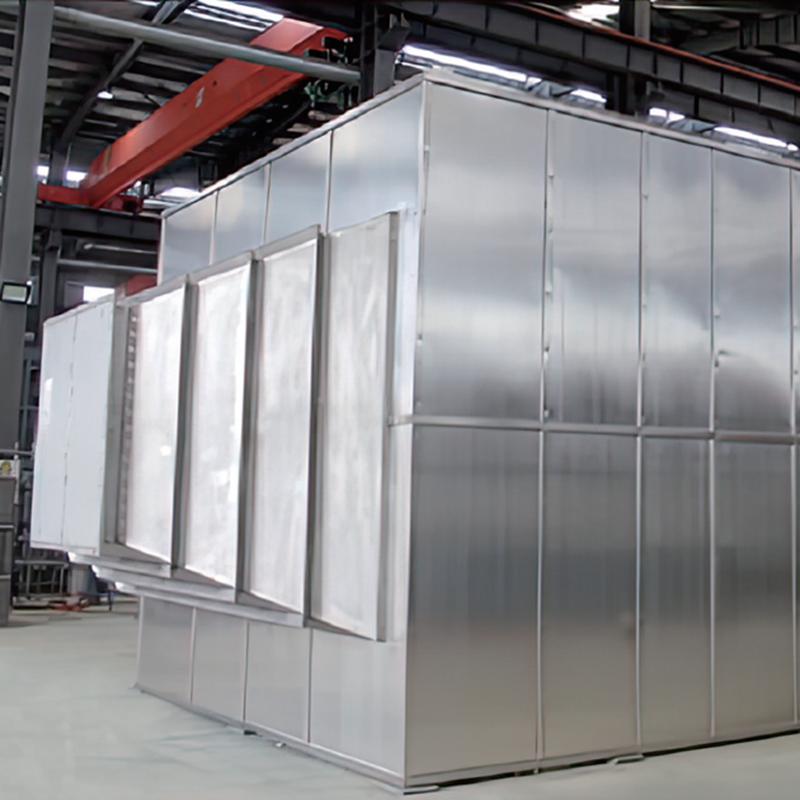
Product Introduction Gas heat exchanger is mainly used for energy saving and emission reduction industries in the waste heat recovery of flue gas in v...
See Details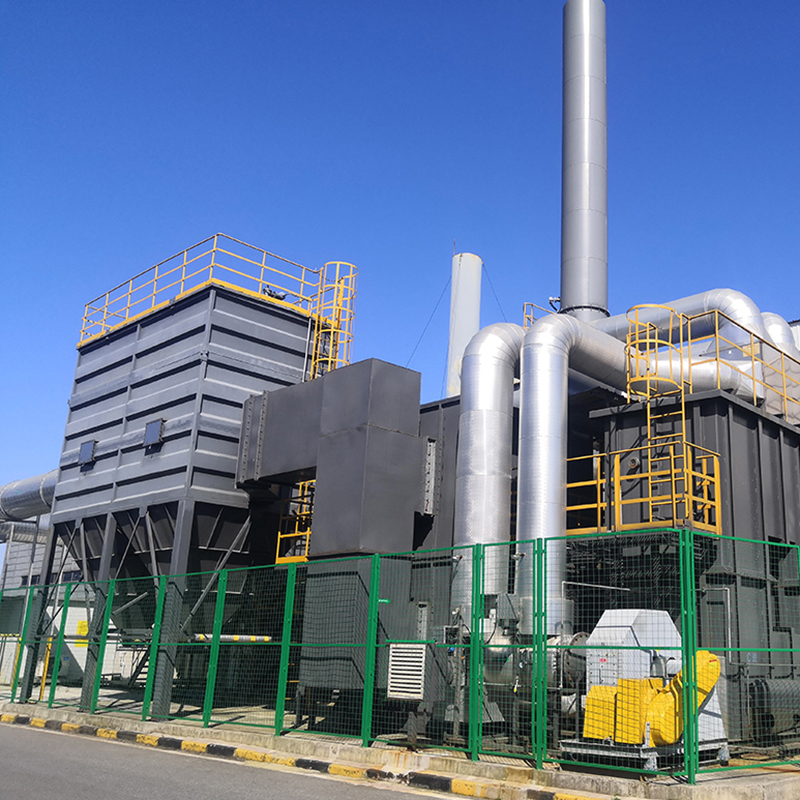
Concept Of Zeolite Wheel+RTO System Using zeolite wheel to adsorb organic waste gas, the low concentration and high air volume waste gas is concentrat...
See Details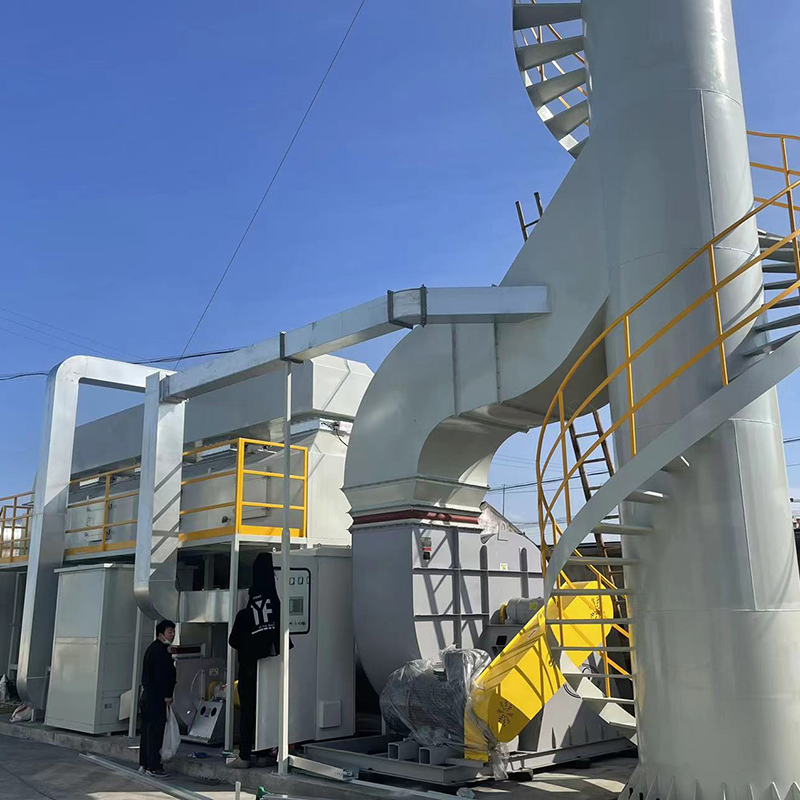
The VOC-CFT-CO Adsorption Catalytic Purification Equipment The VOC-CFT-CO adsorption catalytic purification equipment, consisting of fixed-bed honeyco...
See Details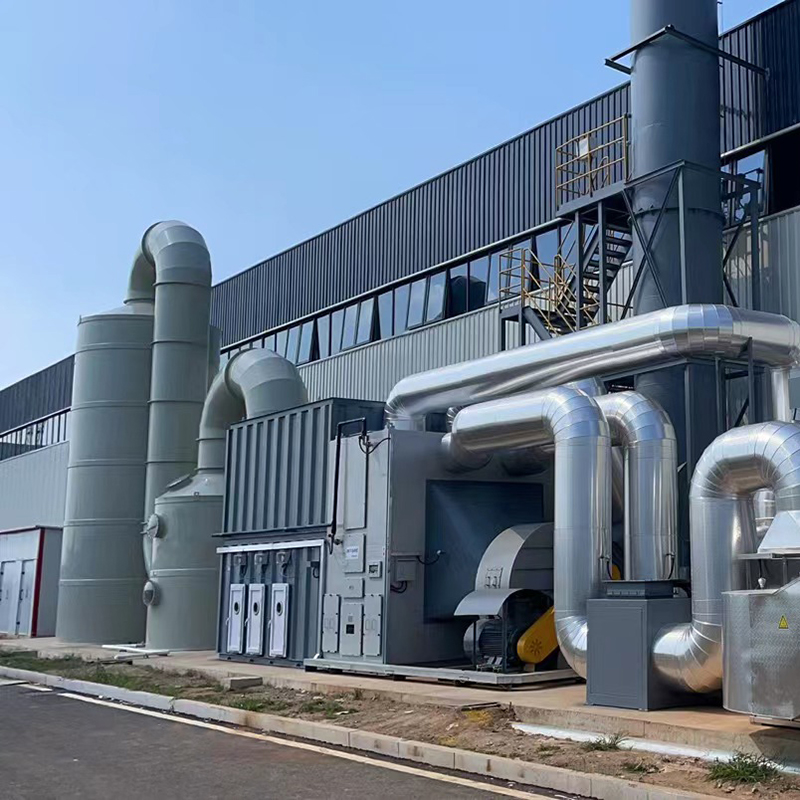
Concept Of Fixed Bed Zeolite + Catalytic Combustion As A Set Of Equipment The fixed bed zeolite + catalytic combustion device is suitable for the conc...
See Details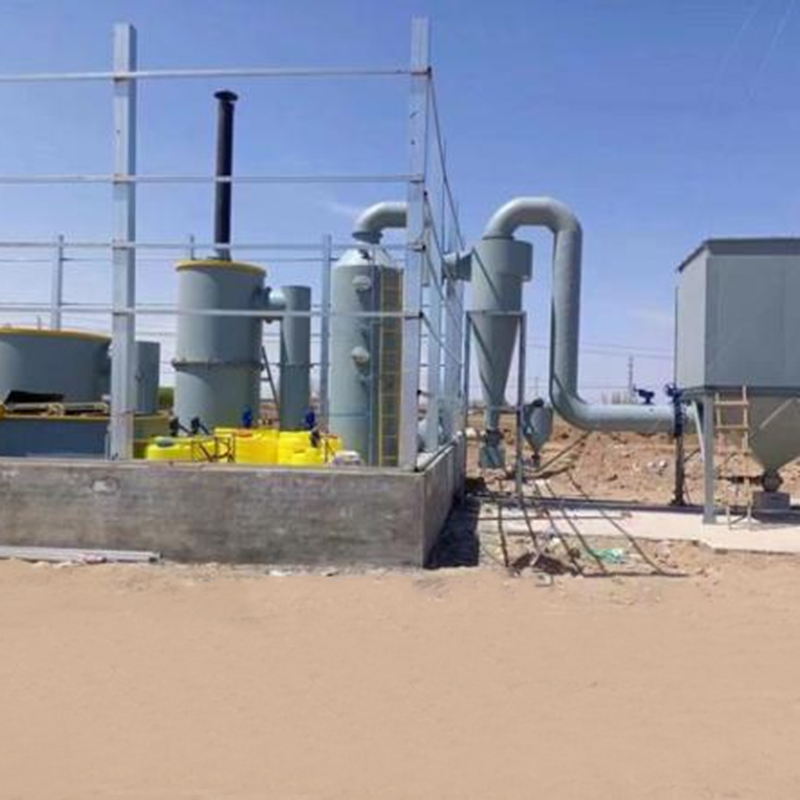
Overview Solid waste incineration furnaces are essential equipment in the management of solid waste, designed to transform waste materials into ash an...
See DetailsMOBILE
Product Manual

Copyright © Lv quan Environmental Protection Engineering Technology Co., Ltd. All Rights Reserved. Vocs Organic Waste Gas Treatment Engineering Equipment Manufacturer

