

 English
 русский
 Français
 Español
 عربى
عربى
LQ-RTO Heat-storage high-temperature incineration equipment
Cat:Equipment
Overview Of Tower-Type RTO Regenerative Thermal Oxidizer (RTO) is an organic waste gas treatment equipment that combines high-temperature oxidation wi...
See Details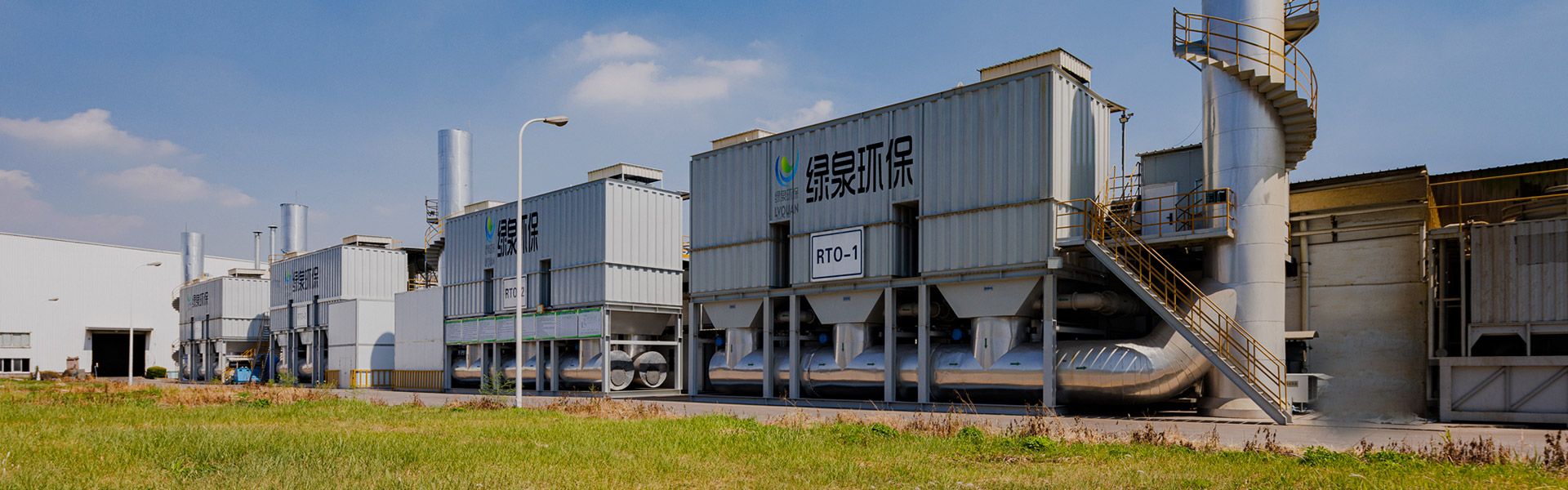
Content
Precise control of the operating temperature is key to ensuring high-efficiency removal and extending the lifespan of Vocs Organic Waste Gas Treatment Engineering Equipment.
Direct Combustion (RTO): This type of equipment requires extremely high operating temperatures, typically not lower than 820℃. High temperatures are crucial to ensure the complete oxidation and decomposition of organic matter into carbon dioxide and water, while also ensuring that harmful gases (such as sulfur dioxide) do not generate sulfuric acid mist at low temperatures.
Catalytic Combustion (CTO): Compared to direct combustion, catalytic combustion can efficiently remove waste gases at lower temperatures, typically set within a temperature range of 200℃ - 400℃, or more precisely, between 320℃ - 430℃.
Controlling Inlet Temperature: For high-temperature exhaust gases (such as drying exhaust gases), the inlet temperature should be reduced to between 40℃ and 60℃ through spray cooling or heat exchangers to prevent overheating or corrosion of subsequent treatment equipment.
Avoiding Low-Temperature Deactivation: Catalysts may fail to ignite at excessively low temperatures (e.g., below their auto-ignition temperature) or may experience excessive fuel consumption during initial operation; excessively high temperatures may lead to catalyst sintering and deactivation. An automatic temperature control system is required to maintain the optimal operating temperature range by adjusting the gas flow rate or turning auxiliary heating devices on/off.
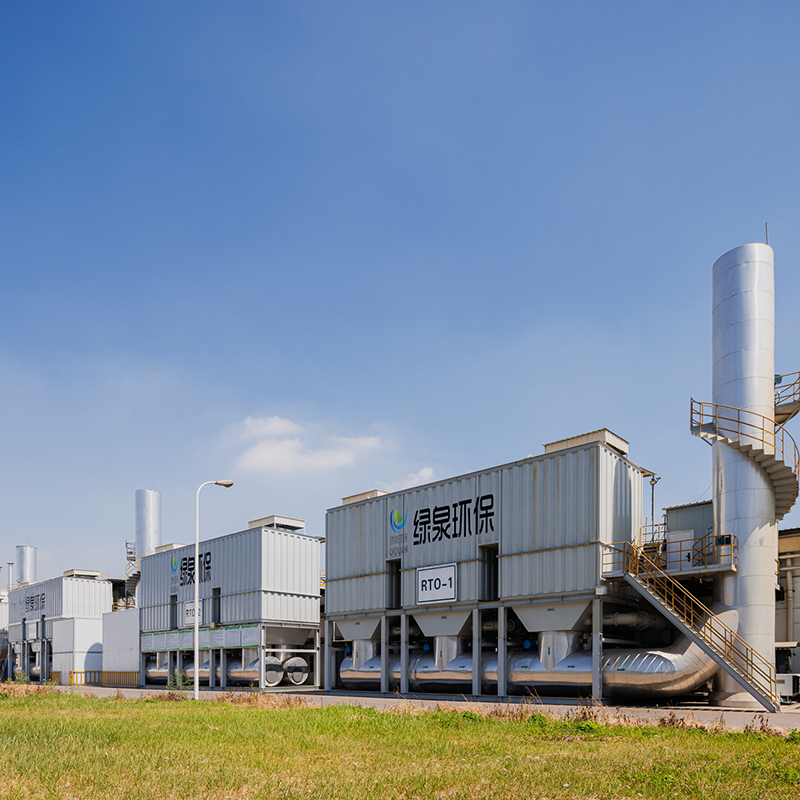
Overview Of Tower-Type RTO Regenerative Thermal Oxidizer (RTO) is an organic waste gas treatment equipment that combines high-temperature oxidation wi...
See Details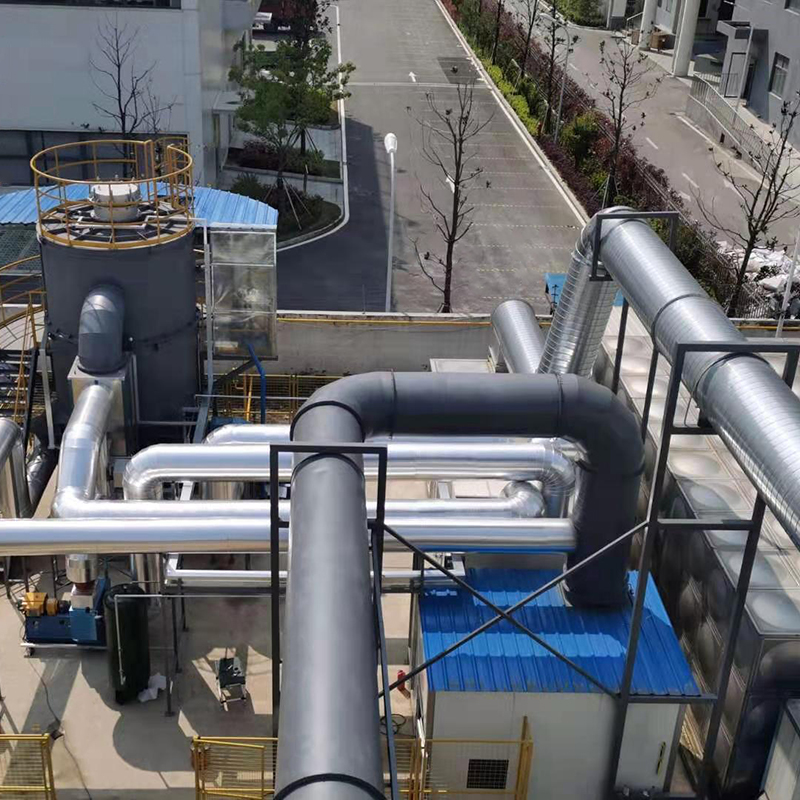
Overview Of Tower-Type RTO Our company offers two types of rotary RTO, which are the rotary RTO and the single barrel multi-valve RTO. The rotary RTO,...
See Details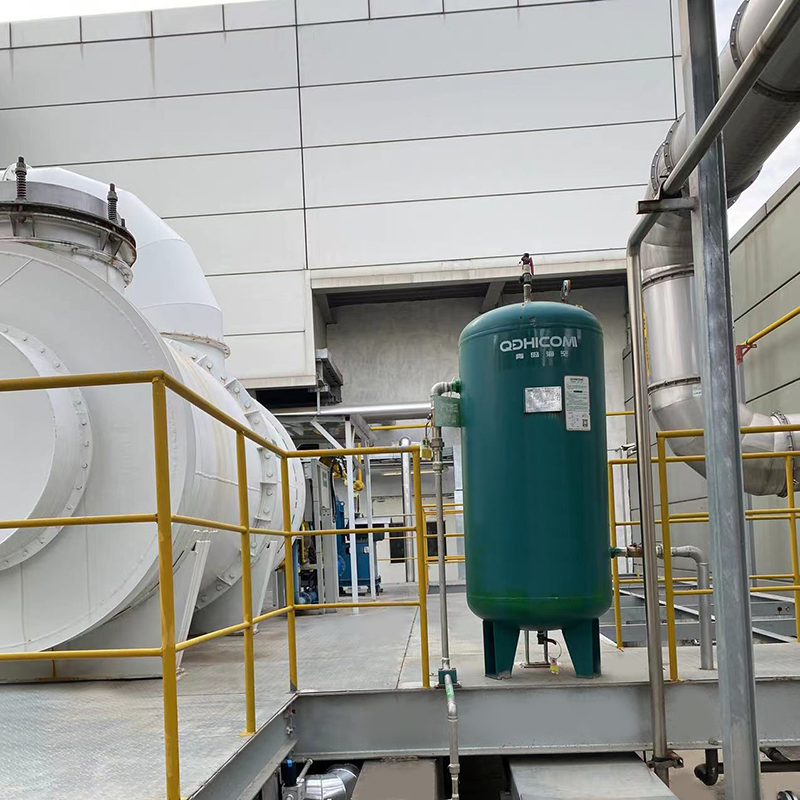
Overview Direct combustion high-temperature incineration equipment, abbreviated as TO, utilizes the heat generated by the combustion of auxiliary fuel...
See Details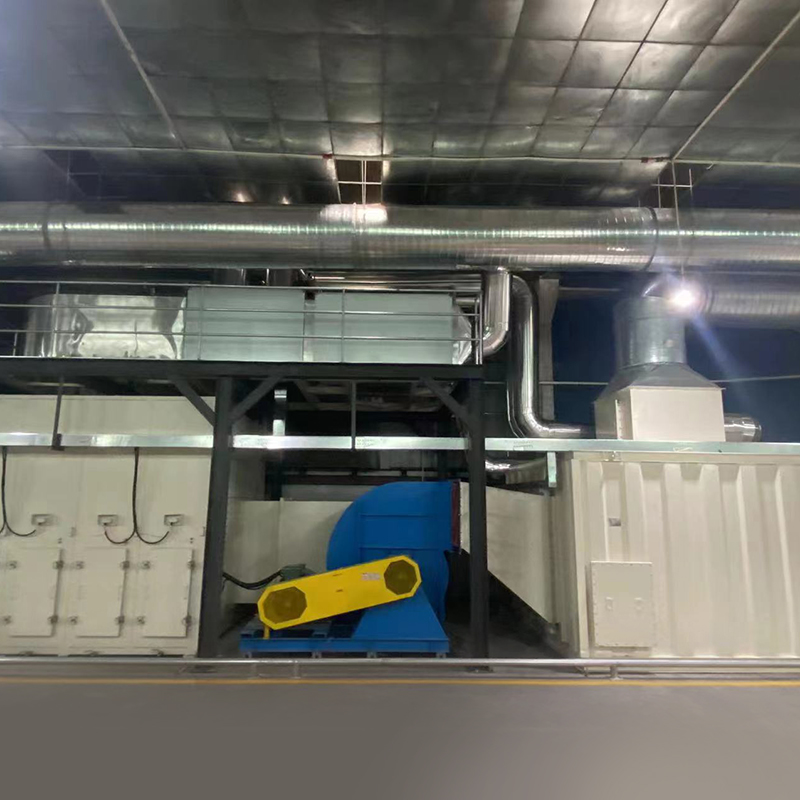
Overview Of Variable Freouency Zeolite Turntable Our company's zeolite concentration turntable uses a combination of zeolite modules, with a high zeol...
See Details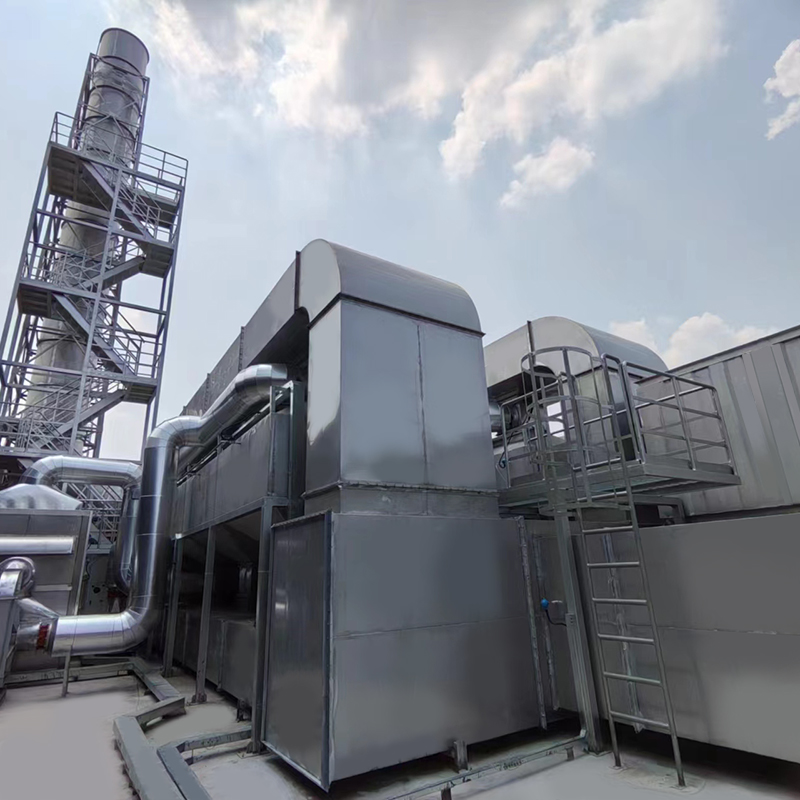
Overview of Activated Carbon Fiber Organic Solvent Purification Recovery Device The Activated Carbon Fiber Organic Solvent Purification Recovery Syste...
See Details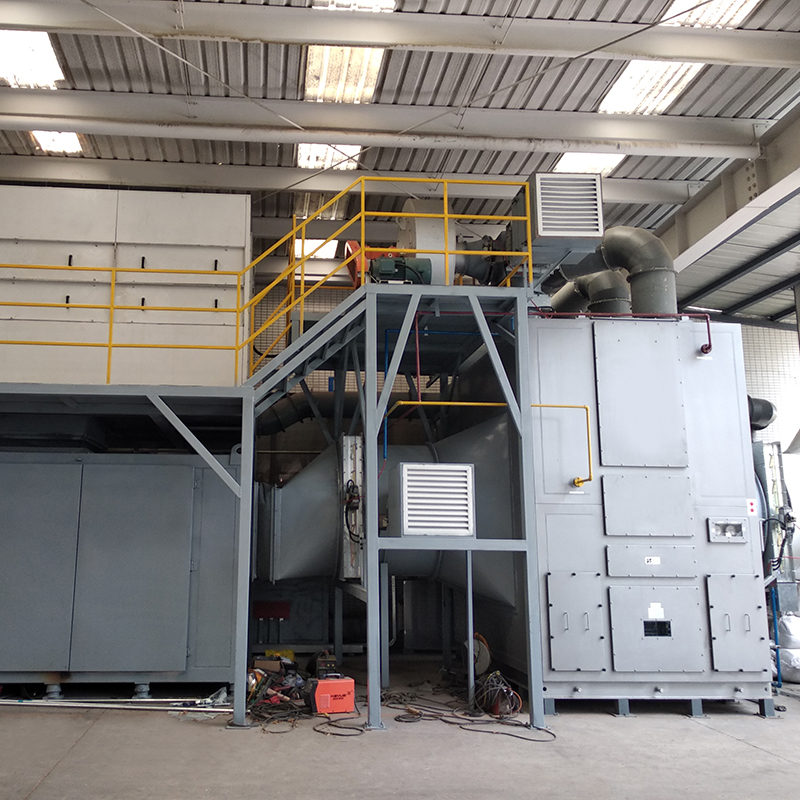
The Concept Of The Complete Set Of Equipment The purpose of employing rotary drum zeolite adsorption for organic waste gas is to concentrate low-conce...
See Details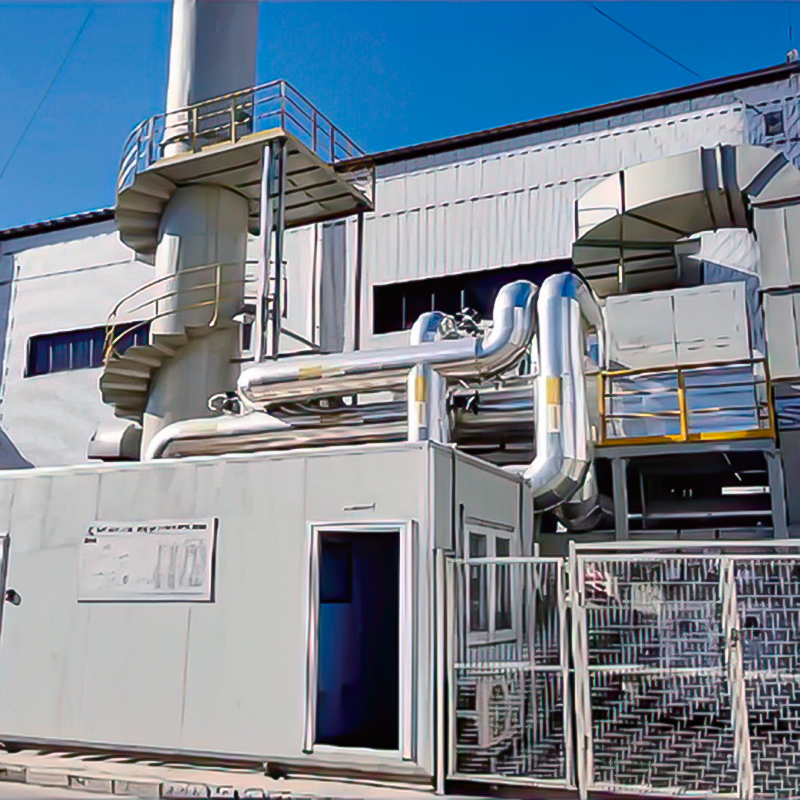
Concept Of Zeolite Rotary Wheel + Catalytic Combustion As A Set Of Equipment In the combined process of organic waste gas and waste gas treatment, the...
See Details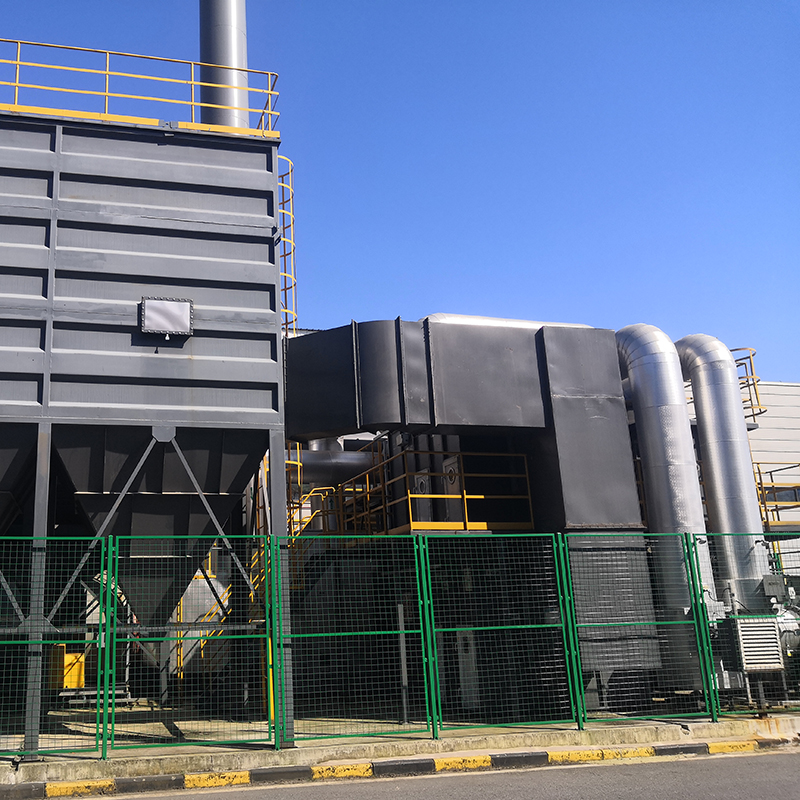
The Concept Of Zeolite Wheel+ Direct Combustion High-Temperature Incineration Equipment The purpose of employing rotary drum zeolite adsorption for or...
See Details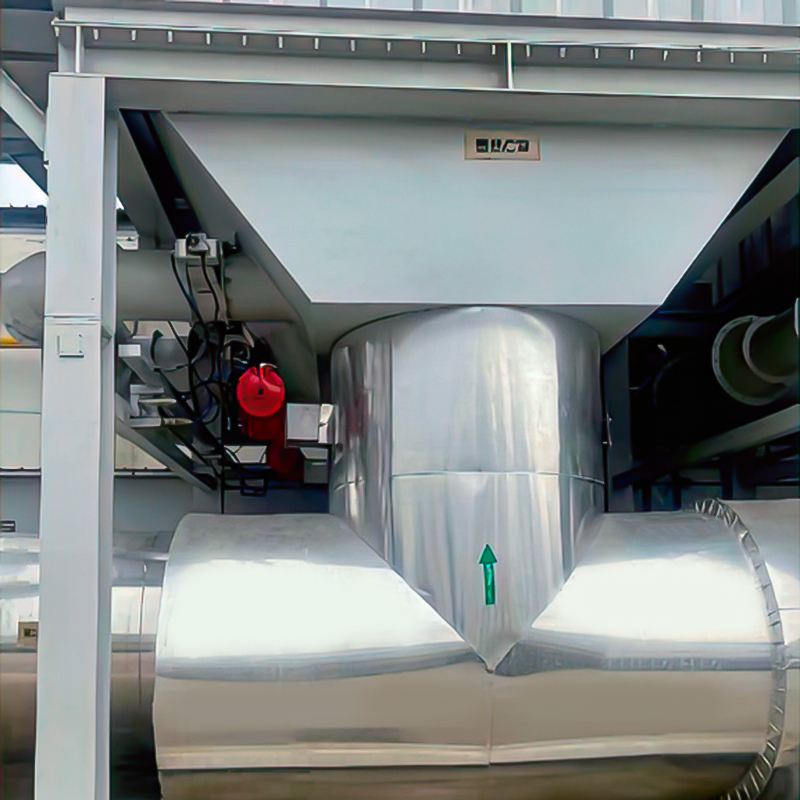
Purpose Mainly used for proportional ventilation of high-temperature flue gas. lt is widely used in places where leak rate requirements are not high, ...
See Details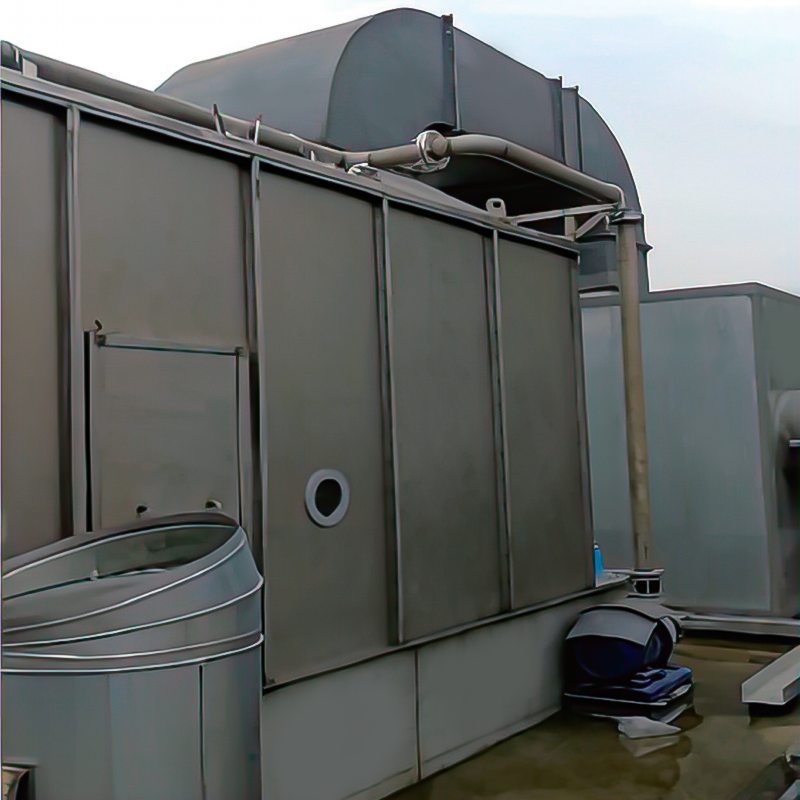
Overview The wet dust removal principle uses the process of capturing and separating dust particles in the gas phase by fully contacting gas-liquid tw...
See DetailsMOBILE
Product Manual

Copyright © Lv quan Environmental Protection Engineering Technology Co., Ltd. All Rights Reserved. Vocs Organic Waste Gas Treatment Engineering Equipment Manufacturer

