

 English
 русский
 Français
 Español
 عربى
عربى
LQ-RTO Heat-storage high-temperature incineration equipment
Cat:Equipment
Overview Of Tower-Type RTO Regenerative Thermal Oxidizer (RTO) is an organic waste gas treatment equipment that combines high-temperature oxidation wi...
See Details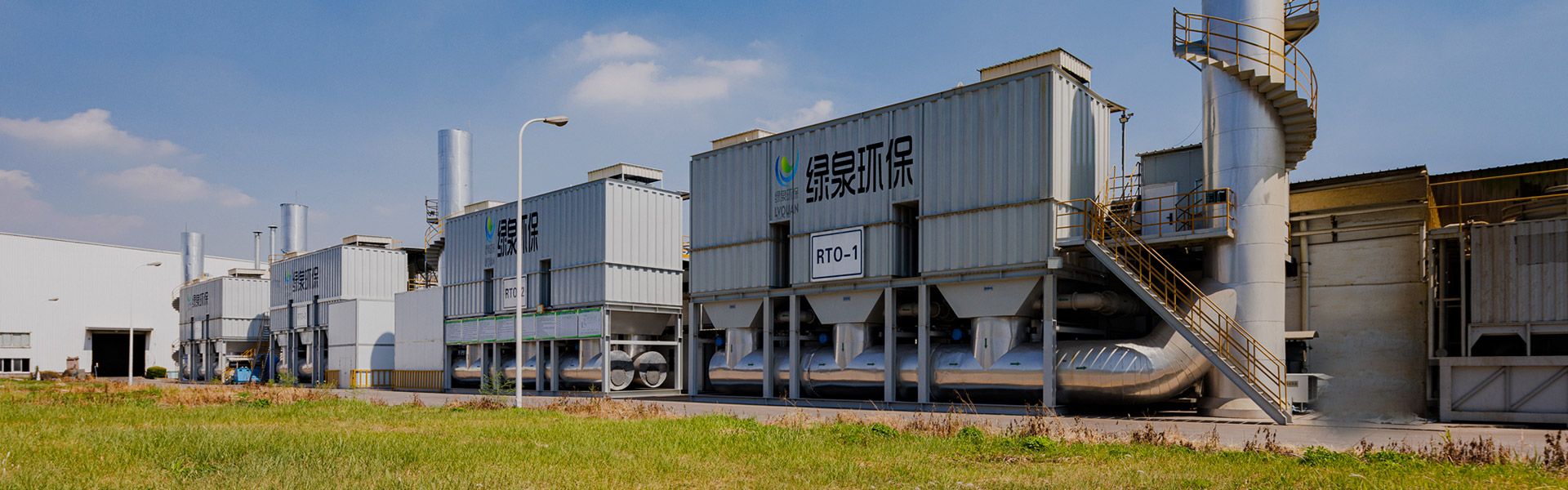
Content
When selecting the most suitable VOCs Organic Waste Gas Treatment Engineering Equipment, precise matching based on the concentration characteristics of the waste gas, flow rate, and process requirements is essential.
High-concentration VOCs (>10000 ppm or 10000 mg/m³): This type of waste gas often provides sufficient calorific value for combustion. The optimal choice is a regenerative thermal oxidizer (RTO) or a high-temperature direct combustion system. Due to the high organic content in the waste gas, these systems can utilize the calorific value of the waste gas for self-sufficiency, achieving both efficient removal and energy conservation and emission reduction.
Medium-concentration VOCs (500-10000 ppm): In this range, the calorific value may be insufficient to sustain combustion or the cost may be too high. The best solution is to use activated carbon adsorption concentration technology. Waste gas is concentrated into a high-concentration gas through adsorption devices before being treated by catalytic combustion or combustion devices. This combined process ensures high removal rates while significantly reducing operating costs.
Low-concentration VOCs (<500 ppm): The waste gas has extremely low calorific value and is not suitable for direct combustion. Adsorption or biological filtration is recommended. Activated carbon adsorption is economical and reliable, suitable for low-flow-rate applications; while biological filtration is suitable for water-soluble VOCs and is environmentally friendly, but its treatment efficiency may be limited by temperature.
Large-volume, low-concentration waste gas: Commonly seen in the spraying and coating industries. In this case, adsorption concentration + catalytic combustion (adsorption-desorption-catalytic combustion) processes should be prioritized. This process converts large-volume waste gas into small-volume, high-concentration waste gas through adsorption concentration, effectively reducing the cost of catalyst usage.
Specific components in high-concentration waste gas: If the waste gas contains halogenated compounds, heavy metals, or other corrosive gases, pretreatment (such as spraying or condensation) is necessary to remove these components to prevent catalyst poisoning or equipment damage.
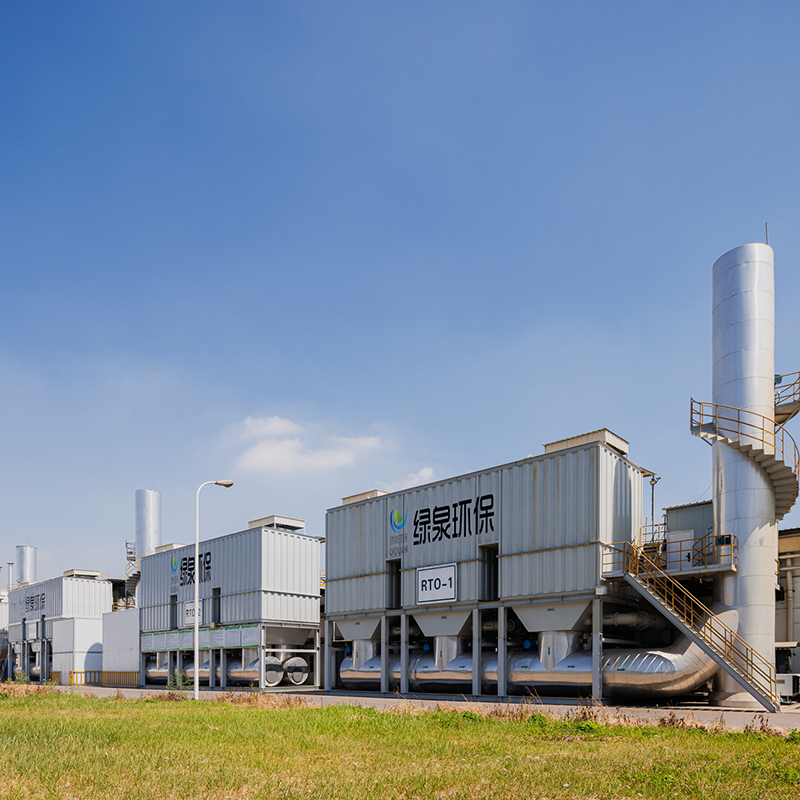
Overview Of Tower-Type RTO Regenerative Thermal Oxidizer (RTO) is an organic waste gas treatment equipment that combines high-temperature oxidation wi...
See Details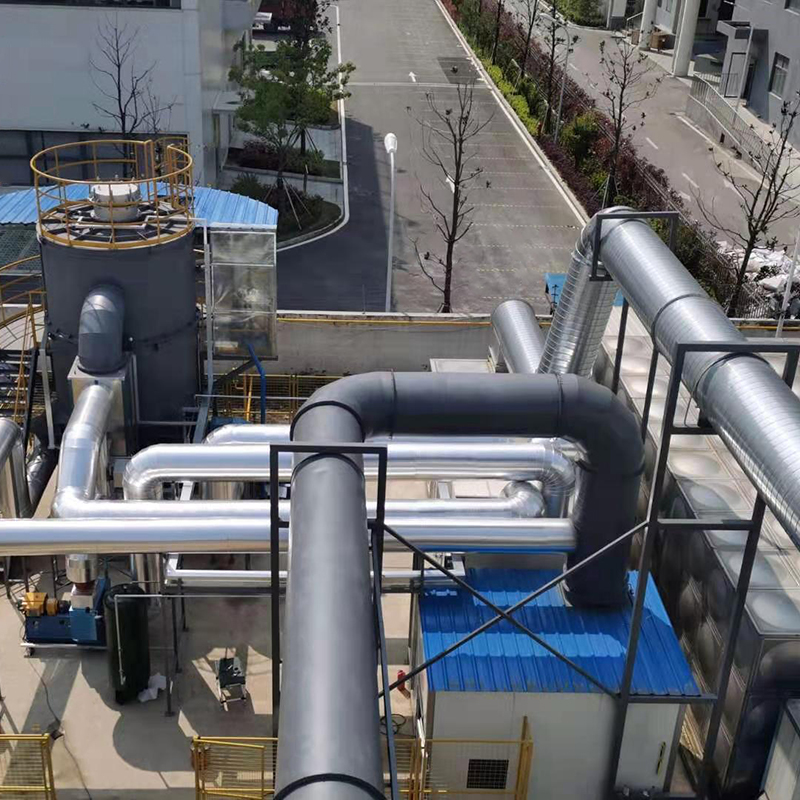
Overview Of Tower-Type RTO Our company offers two types of rotary RTO, which are the rotary RTO and the single barrel multi-valve RTO. The rotary RTO,...
See Details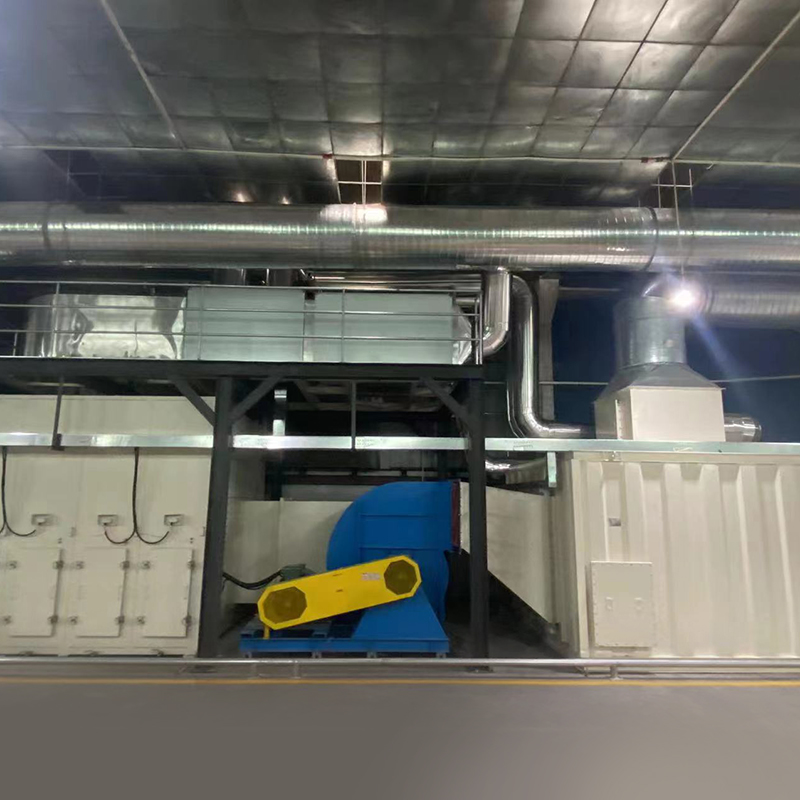
Overview Of Variable Freouency Zeolite Turntable Our company's zeolite concentration turntable uses a combination of zeolite modules, with a high zeol...
See Details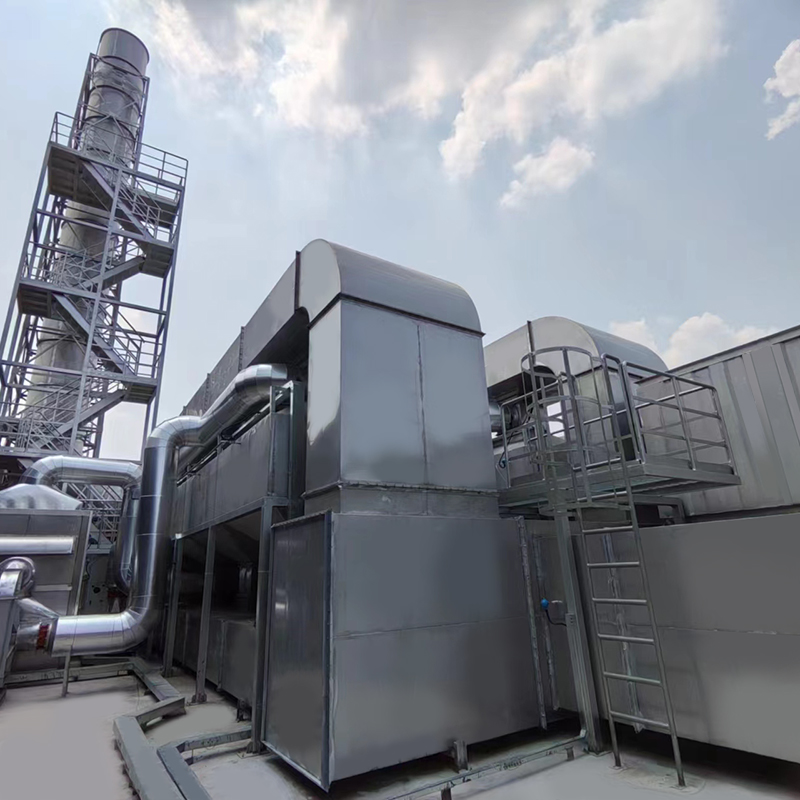
Overview of Activated Carbon Fiber Organic Solvent Purification Recovery Device The Activated Carbon Fiber Organic Solvent Purification Recovery Syste...
See Details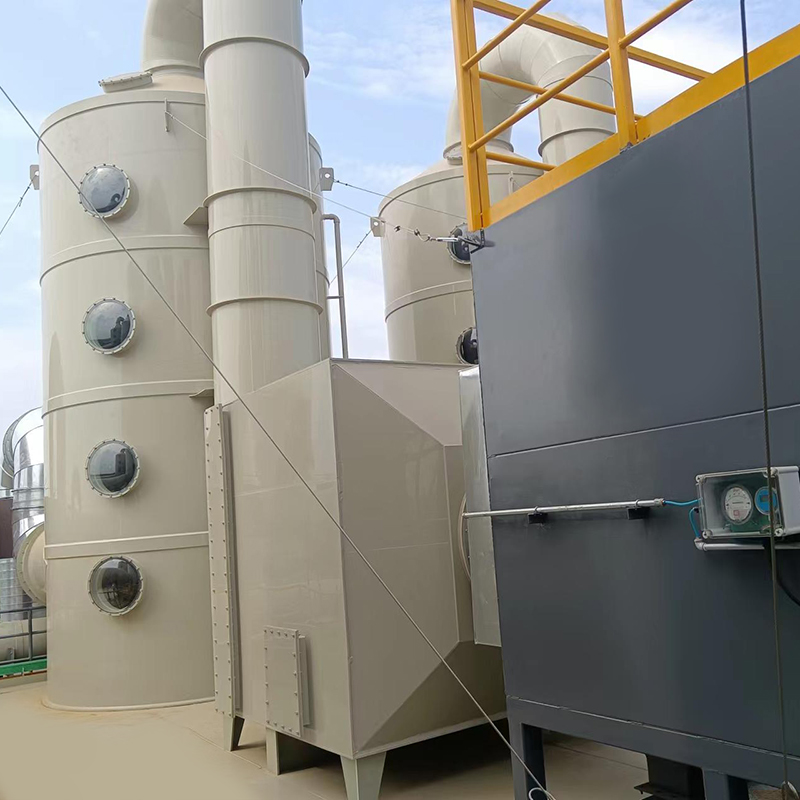
Overview The VOC-ACA series organic gas particle carbon purification and recovery equipment is used for the absorption, recovery, and reuse of organic...
See Details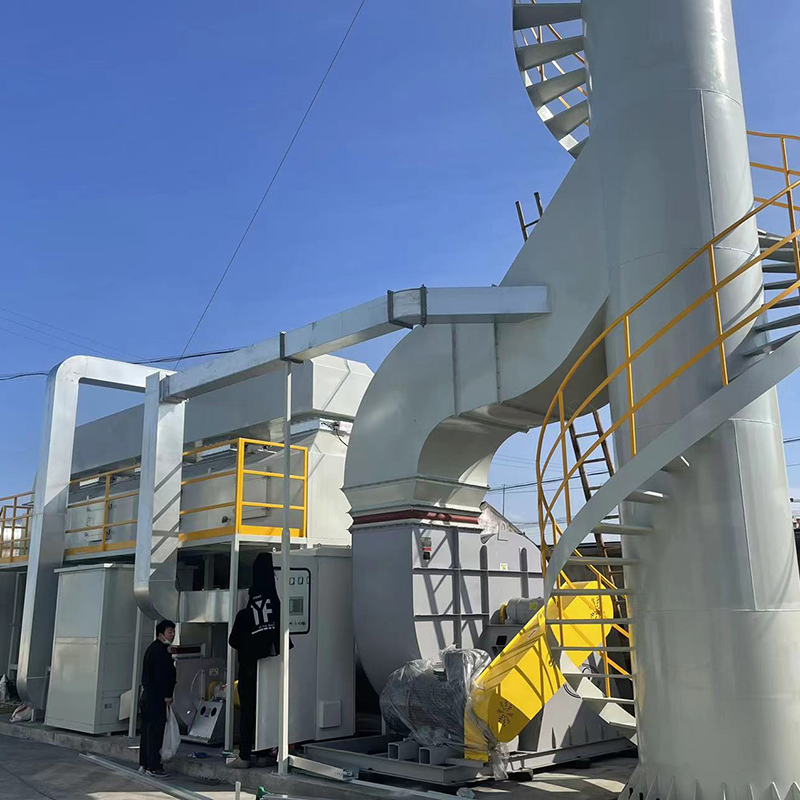
The VOC-CFT-CO Adsorption Catalytic Purification Equipment The VOC-CFT-CO adsorption catalytic purification equipment, consisting of fixed-bed honeyco...
See Details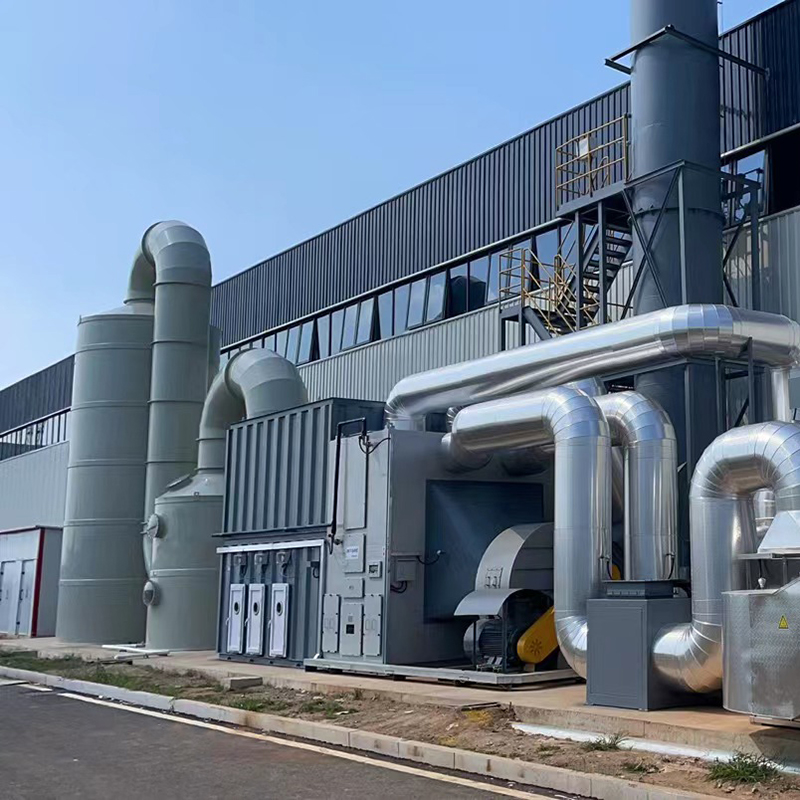
Concept Of Fixed Bed Zeolite + Catalytic Combustion As A Set Of Equipment The fixed bed zeolite + catalytic combustion device is suitable for the conc...
See Details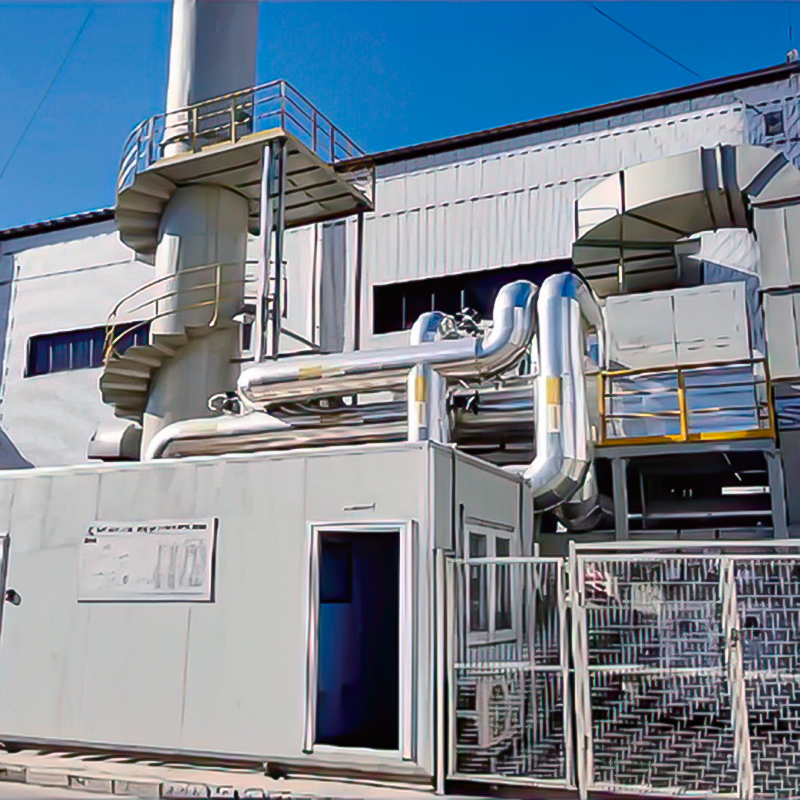
Concept Of Zeolite Rotary Wheel + Catalytic Combustion As A Set Of Equipment In the combined process of organic waste gas and waste gas treatment, the...
See Details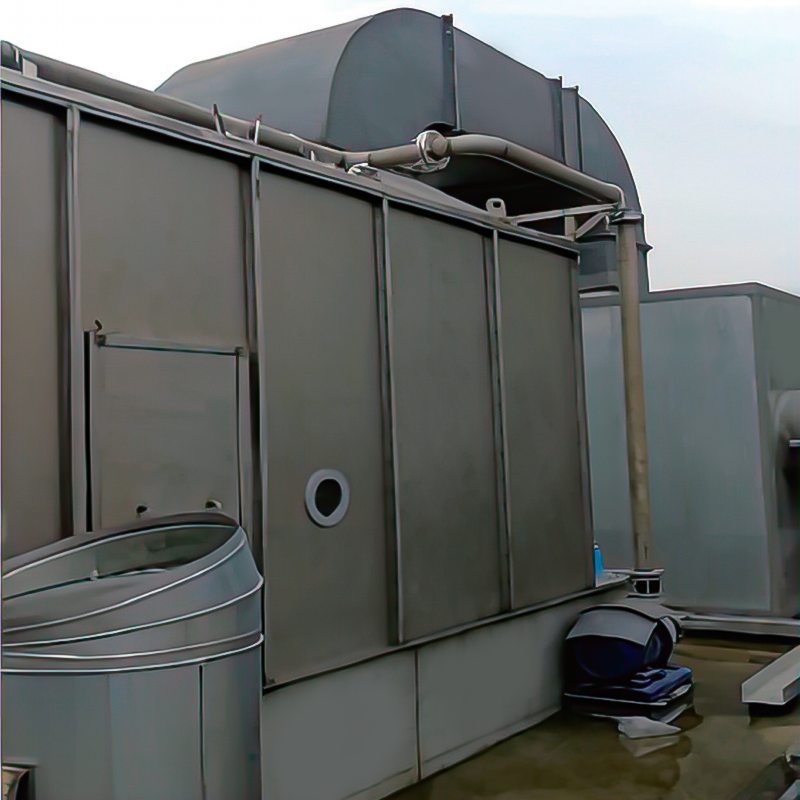
Overview The wet dust removal principle uses the process of capturing and separating dust particles in the gas phase by fully contacting gas-liquid tw...
See Details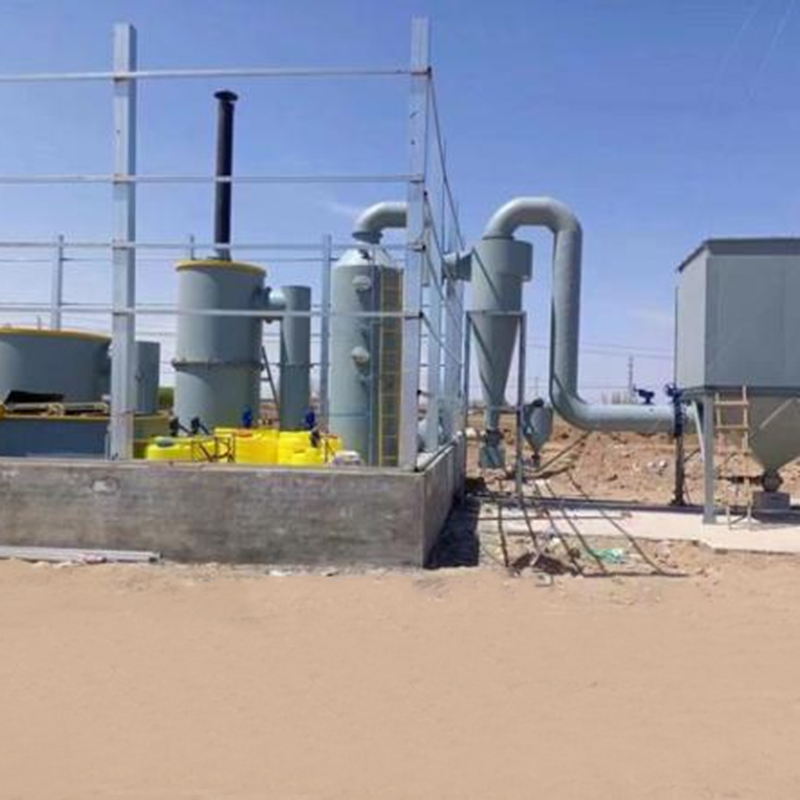
Overview Solid waste incineration furnaces are essential equipment in the management of solid waste, designed to transform waste materials into ash an...
See DetailsMOBILE
Product Manual

Copyright © Lv quan Environmental Protection Engineering Technology Co., Ltd. All Rights Reserved. Vocs Organic Waste Gas Treatment Engineering Equipment Manufacturer

