

 English
 русский
 Français
 Español
 عربى
عربى
LQ-RTO Heat-storage high-temperature incineration equipment
Cat:Equipment
Overview Of Tower-Type RTO Regenerative Thermal Oxidizer (RTO) is an organic waste gas treatment equipment that combines high-temperature oxidation wi...
See Details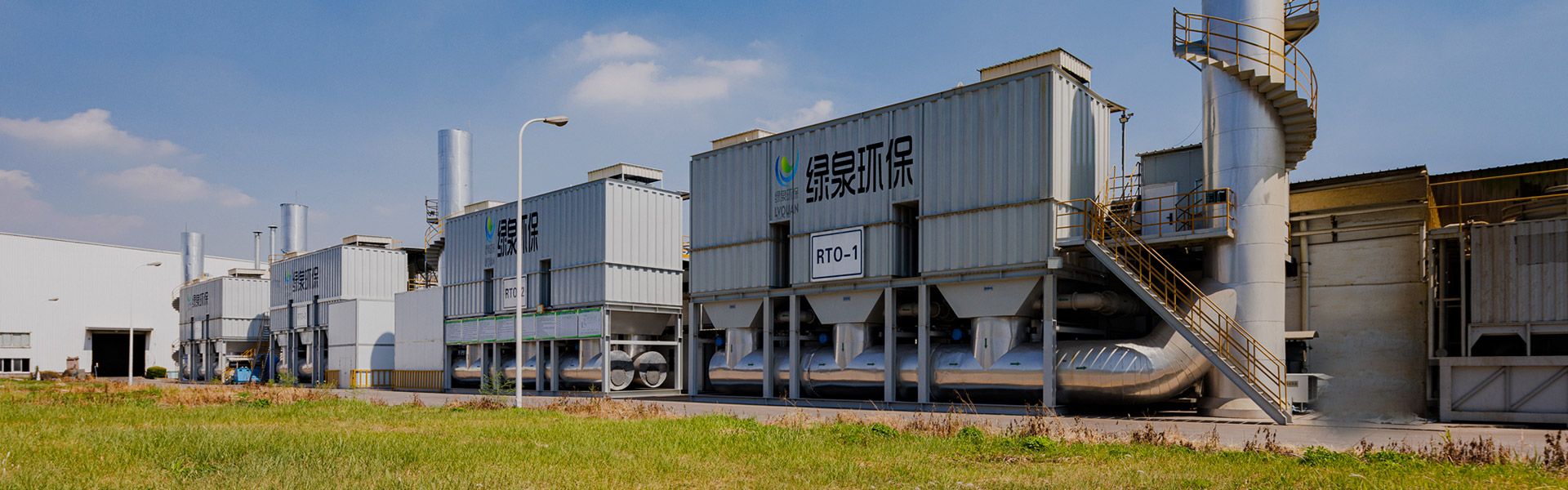
Content
The direct answer for most manufacturers evaluating VOC control is this: there is no single universal solution, but the correct organic waste gas treatment equipment can be selected reliably once airflow volume, pollutant concentration, and process temperature are clearly defined. Regenerative thermal oxidizers (RTO), regenerative catalytic oxidizers (RCO), activated carbon adsorption systems, and biofiltration units together cover the vast majority of industrial organic waste gas treatment applications, and each performs best under specific operating conditions rather than universally. This article walks through the common equipment types, their internal structure, how to match equipment to your production scenario, a detailed side-by-side comparison, maintenance practices that keep systems running efficiently, and answers to the questions most frequently asked by procurement teams and plant engineers.
Whether your facility is a chemical manufacturer, a printing and packaging plant, a spray coating workshop, or a pharmaceutical production line, the choice of organic waste gas treatment equipment directly affects compliance outcomes, operating cost stability, and equipment lifespan. This guide is written for engineers, EHS managers, and B2B buyers who are comparing organic waste gas treatment equipment manufacturer options and want a technically grounded reference rather than marketing generalities.
Industrial organic waste gas treatment equipment can generally be grouped into thermal, catalytic, adsorption, biological, and wet scrubbing categories. Each category was developed to address a different combination of exhaust characteristics, and understanding these categories is the starting point for any equipment selection project. Below is a summary of the most widely used technologies found in current industrial exhaust gas treatment applications.
RTO systems use ceramic heat exchange media to preheat incoming exhaust before it enters a combustion chamber, where volatile organic compounds are thermally oxidized at high temperature. Because the ceramic media recovers a large portion of the combustion heat, RTO equipment is commonly selected for exhaust streams with moderate to high VOC concentration and stable, continuous production schedules.
RCO equipment operates on a similar regenerative heat exchange principle as RTO, but a catalyst bed lowers the temperature required to oxidize VOCs. This generally reduces fuel consumption compared to pure thermal oxidation, making RCO organic waste gas treatment equipment attractive for facilities seeking lower operating temperatures without sacrificing destruction performance.
Activated carbon adsorption equipment captures VOC molecules onto the porous surface of carbon media as exhaust passes through a fixed or fluidized bed. These systems are frequently paired with desorption and recovery or combustion stages, and they are well suited to lower concentration, higher airflow exhaust streams such as those found in printing, coating, and electronics manufacturing.
Biofilters rely on microbial colonies growing on an organic or synthetic media bed to metabolize VOCs as exhaust passes through. Biofiltration is generally associated with lower energy consumption than thermal methods, and it is often chosen for food processing, wastewater treatment, and other applications with biodegradable organic compounds.
Wet scrubbing equipment uses a liquid absorbent, often combined with chemical oxidants, to remove water soluble organic and odorous compounds. UV photolysis units use ultraviolet light to break down organic molecules and are frequently deployed as a pretreatment or odor control stage ahead of a downstream oxidizer.
| Equipment Type | Best Suited Concentration | Typical Industries |
|---|---|---|
| RTO | Medium to high | Chemical, pharmaceutical, printing |
| RCO | Low to medium | Coating, electronics, automotive parts |
| Activated Carbon Adsorption | Low | Printing, packaging, spray booths |
| Biofiltration | Low | Food processing, wastewater treatment |
| Wet Scrubbing | Variable, odor and soluble compounds | Chemical processing, rendering |
Most industrial organic waste gas treatment equipment shares a similar structural logic even when the core purification technology differs. Exhaust typically enters through a pre-treatment stage, passes through the primary treatment unit, and exits through a stack with continuous or periodic monitoring. Understanding this general flow helps engineers evaluate equipment drawings and specification sheets more effectively.
Before organic vapors reach the main purification chamber, particulate matter, oil mist, and moisture are often removed through cyclone separators, filter cartridges, or demisting pads. Adequate pre-treatment protects downstream media, whether that media is activated carbon, catalyst, or ceramic heat exchange packing, and extends the operational life of the primary equipment.
In thermal and catalytic oxidizers, incoming exhaust passes through ceramic heat exchange beds that recover heat from the previous combustion cycle. The preheated air then enters the combustion chamber, where temperature is raised to the level required for VOC oxidation, either through direct thermal combustion or with the assistance of a catalyst layer. Valve switching directs airflow between multiple heat exchange chambers to maintain continuous thermal recovery.
Activated carbon systems typically operate on an adsorption and desorption cycle. During adsorption, exhaust passes through the carbon bed and VOC molecules bind to the carbon surface. Once the bed approaches saturation, hot air or steam is used to desorb the captured compounds, which are then routed to a concentration or combustion unit, while the regenerated carbon bed returns to service.
Modern organic waste gas treatment equipment is generally integrated with a programmable logic controller that manages damper switching, temperature setpoints, and fan speed, along with sensors for temperature, pressure differential, and in many installations, continuous emissions monitoring. This automation reduces the need for constant manual adjustment and supports stable, repeatable purification performance across shifts.
Removal efficiency is one of the most commonly requested comparison points when evaluating organic waste gas treatment equipment. The chart below presents illustrative efficiency ranges commonly cited across industry technical literature for the major technology categories discussed above. These ranges are representative rather than guaranteed figures, since actual performance depends heavily on exhaust concentration, airflow consistency, and maintenance practices at a specific facility. Before reviewing the chart, it helps to keep in mind that higher efficiency ranges are generally associated with technologies that operate at higher temperature or with tightly controlled adsorption cycles. Lower ranges are often seen in equipment handling more variable or dilute exhaust streams. The purpose of this comparison is to give buyers a starting reference point rather than a precise performance guarantee for any single project.
As the chart illustrates, thermal and catalytic oxidation technologies tend to sit at the higher end of the efficiency spectrum, which is a major reason RTO and RCO organic waste gas treatment equipment is frequently specified for exhaust streams that must meet strict emission limits. Activated carbon adsorption falls into a strong middle range, and its efficiency is highly dependent on carbon bed saturation state and desorption cycle timing. Biofiltration efficiency can vary more widely because it depends on maintaining a healthy, stable microbial population, which is sensitive to temperature and moisture conditions within the filter bed. UV photolysis units generally perform well as a pretreatment or supplementary stage rather than as a standalone high efficiency solution for complex VOC mixtures. Wet scrubbing shows the widest range in the chart because its performance is closely tied to the solubility of the target compounds in the chosen absorbent liquid. It is worth noting that combining two technologies, such as activated carbon adsorption followed by catalytic oxidation, can push overall system performance toward the higher end of these ranges even when each individual stage alone would sit lower. Facilities with strict local emission standards frequently choose combined process configurations for exactly this reason. Buyers should always request performance data specific to their exhaust composition and airflow conditions rather than relying solely on general industry ranges when finalizing an organic waste gas treatment equipment specification. Equipment age and maintenance history also affect real world performance, which is one reason routine maintenance is addressed later in this guide.
Selecting the right organic waste gas treatment equipment starts with a clear picture of the exhaust stream itself. Airflow volume, VOC concentration, exhaust temperature, humidity, and whether the process runs continuously or intermittently all shape which technology category is realistic for a given facility. Below is a practical breakdown of common application scenarios paired with the equipment categories most often selected for them.
Application ScenarioContinuous, high concentration chemical process exhaust Intermittent spray coating or painting booth exhaust Printing and packaging plant with solvent based inks Food or organic waste processing with biodegradable VOCs Odor sensitive operations near residential areas |
Commonly Selected EquipmentRTO or RCO organic waste gas treatment equipment Activated carbon adsorption with periodic desorption Activated carbon adsorption combined with catalytic oxidation Biofiltration equipment UV photolysis or wet scrubbing as a pretreatment stage |
Beyond matching exhaust characteristics to a technology category, buyers should also evaluate footprint availability, since RTO and RCO systems generally require more installation space than compact activated carbon units. Facilities with limited rooftop or ground space often lean toward modular activated carbon or catalytic units precisely because of their smaller physical footprint. Utility availability matters as well, since thermal oxidation requires reliable fuel supply, while biofiltration depends on consistent water supply to keep the media bed at the correct moisture level.
Designed for 24-hour production lines with steady VOC loading and stable exhaust temperature.
Built to handle start-stop production cycles common in spray coating and small batch processing.
Compact, pre-assembled units suited to sites with restricted installation footprint or phased expansion plans.
Demand for industrial organic waste gas treatment equipment has broadly trended upward over recent years as more regions tighten industrial emission requirements and as more manufacturers integrate environmental compliance into standard capital planning. The line chart below presents an illustrative demand trend pattern reflecting this general direction, based on the type of growth pattern commonly described in industry commentary on VOC abatement markets. Before looking at the chart, it is useful to understand that growth in this sector tends to track closely with regulatory enforcement intensity and with the pace of industrial expansion in sectors such as chemical manufacturing, coatings, and packaging. The chart is illustrative rather than a precise market statistic, and it is intended to help readers visualize the general shape of demand growth rather than serve as a specific market forecast.
The upward trajectory shown in the chart reflects a pattern commonly observed across regions where industrial VOC emission standards have become more stringent over time. As enforcement expands into a broader range of industry sectors, facilities that previously operated without dedicated exhaust treatment are increasingly required to install some form of organic waste gas treatment equipment. This has widened the customer base for equipment manufacturers beyond large chemical plants to include mid-sized printing, packaging, and coating operations. The steepening slope toward the later years in the chart is consistent with the way regulatory rollouts often accelerate once initial pilot regions demonstrate successful enforcement outcomes. It also reflects the tendency of manufacturers to plan environmental capital expenditure in advance of compliance deadlines rather than waiting until the deadline arrives, which tends to concentrate demand in the periods immediately preceding known regulatory milestones. Facilities in export oriented manufacturing sectors have additional incentive to adopt organic waste gas treatment equipment early, since overseas buyers and audit programs increasingly request documented environmental controls as part of supplier qualification. Growth has not been perfectly uniform across all equipment categories, with catalytic and combined process systems generally gaining share relative to standalone wet scrubbing as facilities seek higher and more consistent removal efficiency. For buyers currently evaluating a purchase, this trend pattern suggests that securing equipment and installation capacity ahead of peak demand periods can help avoid extended lead times. It is also a reasonable indicator that ongoing parts availability and service support will remain a relevant factor for equipment purchased today, reinforcing the importance of selecting an established organic waste gas treatment equipment manufacturer with a track record of consistent production capacity.
Organic waste gas treatment equipment is deployed across a wide range of industry sectors, and understanding the general distribution of demand across these sectors can help new buyers benchmark their own project against comparable industry practice. The chart below shows an illustrative sector distribution reflecting the breadth of industries that typically require this category of equipment. This distribution is based on the general pattern of industries commonly cited in exhaust treatment case studies and technical literature rather than a specific statistical survey. Reviewing this distribution helps illustrate why equipment manufacturers often design flexible, configurable systems rather than a single fixed product line. Each sector segment in the chart represents a distinct set of exhaust characteristics that shapes equipment selection.
Chemical and coating operations represent the largest illustrative share in this distribution, which aligns with the fact that these sectors typically generate exhaust with the highest VOC concentrations and the greatest regulatory scrutiny. Printing and packaging facilities represent a substantial secondary share, reflecting widespread use of solvent based inks and adhesives across the packaging supply chain. Pharmaceutical manufacturing appears as a smaller but consistent segment, since these facilities often combine strict air quality requirements with relatively specialized exhaust compositions that require carefully engineered treatment trains. The remaining share, grouped as other industrial applications, includes sectors such as electronics assembly, automotive component finishing, and specialty manufacturing, each of which contributes smaller but steady demand for organic waste gas treatment equipment. This spread across sectors is one reason equipment manufacturers frequently offer multiple technology lines rather than a single fixed configuration, since a chemical plant and a packaging facility rarely share identical exhaust profiles. For buyers, recognizing which segment their facility most closely resembles can help set realistic expectations for system sizing, media replacement frequency, and expected maintenance intervals. It also helps explain why manufacturers with broad technical experience across multiple sectors are often better positioned to recommend an appropriate configuration than a supplier focused on a single narrow application. Facilities considering an upgrade or first time installation can use this distribution as a starting reference point before requesting a detailed exhaust gas analysis from their chosen equipment supplier.
A structured side-by-side comparison is often the most useful reference during vendor evaluation. The table below summarizes the practical trade-offs between the main categories of organic waste gas treatment equipment across dimensions that most frequently influence purchasing decisions, including energy pattern, footprint, and typical maintenance interval.
| Technology | Energy Pattern | Footprint | Typical Maintenance Interval |
|---|---|---|---|
| RTO | Fuel-assisted with heat recovery | Large | Quarterly inspection, annual media check |
| RCO | Lower fuel demand than RTO | Medium to large | Quarterly catalyst inspection |
| Activated Carbon Adsorption | Electric fan and periodic desorption heat | Compact to medium | Monthly bed inspection, periodic carbon replacement |
| Biofiltration | Low, mainly fan and irrigation pump | Medium to large | Weekly moisture and media check |
| Wet Scrubbing | Pump and chemical dosing | Medium | Weekly chemical and pH check |
Beyond the summary table, it is worth understanding how these dimensions interact in practice. RTO systems generally deliver the strongest heat recovery among thermal technologies, which can offset a meaningful portion of ongoing fuel cost once the exhaust reaches a sufficiently high VOC concentration to be self-sustaining, though this threshold varies by facility. RCO systems trade some of that self-sustaining potential for a lower baseline operating temperature, which can reduce refractory wear over the equipment lifespan. Activated carbon systems offer the smallest footprint among high efficiency options, making them attractive for facilities with constrained rooftop or yard space, though this comes with the ongoing consideration of carbon bed replacement scheduling. Biofiltration systems generally have the lowest energy demand of the group, but they require more careful environmental control of the media bed, including moisture and nutrient balance, to sustain the microbial population responsible for VOC breakdown. Wet scrubbing systems tend to have moderate footprint and moderate energy demand, but their performance is closely tied to consistent chemical dosing and pH control, which places a premium on operator attentiveness. When evaluating an organic waste gas treatment equipment manufacturer, buyers should ask not only about headline removal efficiency but also about how each of these operational dimensions is documented for equipment of a similar scale to their own facility.
A single efficiency number rarely tells the full story of how a piece of organic waste gas treatment equipment performs in real operating conditions. The radar chart below compares three of the most widely selected technology categories across five practical performance dimensions: removal efficiency, energy efficiency, footprint compactness, ease of maintenance, and adaptability to fluctuating exhaust loads. This comparison is intended to help buyers think beyond a single headline metric when narrowing down technology choices. Each axis represents a relative, illustrative scoring rather than a precise laboratory measurement, since actual performance always depends on site specific conditions. Reading across all five dimensions together generally provides a more balanced picture than focusing on any single axis in isolation.
The radar chart shows that RTO tends to score highest on removal efficiency and adaptability to fluctuating loads, which reflects the robustness of high temperature thermal oxidation across a wide range of VOC compositions. However, RTO scores lower on footprint compactness, since the ceramic heat exchange chambers and combustion section require considerably more installation space than adsorption based systems. RCO shows a more balanced profile, scoring well on energy efficiency because catalytic assistance lowers the required combustion temperature compared to pure thermal oxidation, while still maintaining reasonably strong removal efficiency. Activated carbon adsorption scores highest on footprint compactness and maintenance ease among the three technologies shown, making it a practical choice for facilities where installation space is limited or where a smaller, more frequently serviced system fits existing maintenance staffing better than a large thermal unit. None of the three technologies dominates across every dimension, which reinforces a core principle in organic waste gas treatment equipment selection: the right choice depends on which dimensions matter most for a specific facility rather than which technology scores highest on a single metric. Facilities with ample space and continuous high concentration exhaust often lean toward RTO or RCO, while facilities with space constraints or variable, lower concentration exhaust often lean toward activated carbon adsorption, sometimes combined with a smaller catalytic polishing stage. Reviewing a chart like this alongside a site specific exhaust gas analysis gives engineering teams a more complete basis for a final equipment decision than efficiency numbers alone.
Consistent maintenance is what keeps organic waste gas treatment equipment operating near its rated efficiency over its full service life. Neglected maintenance is one of the most common reasons a well specified system underperforms in the field. The following practices apply broadly across most technology categories, with some variation depending on the specific equipment type installed.
Activated carbon should be evaluated periodically for adsorption capacity loss, since repeated desorption cycles gradually reduce the effective surface area available for VOC capture. Catalyst beds in RCO systems should be checked for poisoning or physical degradation, particularly in exhaust streams containing sulfur or silicone compounds that can reduce catalyst activity over time. Ceramic heat exchange media in RTO systems generally has a long service life but should still be inspected periodically for cracking or channeling that can reduce thermal recovery efficiency.
Maintaining clear operating logs that record temperature, pressure differential, and any alarm events helps operators identify gradual performance drift before it becomes a compliance issue. Facilities that invest in structured operator training generally see fewer unplanned outages, since staff are better equipped to recognize early warning signs and respond appropriately rather than waiting for a full system failure.
Because organic waste gas treatment equipment must be engineered around the specific exhaust profile of each facility, working with a manufacturer that has broad, hands-on engineering experience across multiple industries is often more valuable than choosing based on a single catalog specification. Lvquan Environmental Protection Engineering Technology Co., Ltd. is located in Gaoyou, Yangzhou, in the northern part of Jiangsu Province, and operates as a joint-stock enterprise formed by a team with more than 30 years of combined experience in VOCs equipment design and manufacturing. The company focuses specifically on organic waste gas treatment engineering equipment, with a registered capital of 22 million yuan, fixed assets of nearly 40 million yuan, and total assets of nearly 60 million yuan. Its production facility spans a factory building area of 9,800 square meters and is equipped with more than 200 sets of various machining equipment, supported by a team of 120 employees and an annual production capacity of 100 million yuan.
This combination of engineering background and dedicated manufacturing capacity allows Lvquan to support projects ranging from single unit installations at smaller coating or printing facilities to larger, multi-stage treatment trains for chemical manufacturing sites. For buyers evaluating an organic waste gas treatment equipment manufacturer, factors such as in-house machining capability, engineering experience across multiple exhaust profiles, and consistent production capacity are practical indicators of a supplier's ability to deliver equipment that performs reliably once installed and to support the facility with parts and technical guidance over the long term.
Q1: How is the right organic waste gas treatment equipment chosen for a new production line?Selection generally starts with an exhaust gas analysis covering airflow volume, VOC concentration, temperature, and humidity, followed by matching those characteristics to a suitable technology category such as RTO, RCO, or activated carbon adsorption. |
Q2: What is the difference between RTO and RCO equipment?Both use regenerative heat exchange, but RCO includes a catalyst bed that lowers the temperature needed to oxidize VOCs, which generally reduces fuel consumption compared to standard RTO operation. |
Q3: How often does activated carbon need to be replaced?Replacement frequency depends on exhaust concentration, airflow, and desorption cycle efficiency, so facilities should monitor bed saturation and adsorption capacity rather than relying on a fixed schedule alone. |
Q4: Can multiple technologies be combined in one treatment system?Yes, combining stages such as activated carbon adsorption followed by catalytic oxidation is a common approach for facilities that need higher overall removal efficiency than a single stage typically achieves. |
Q5: What routine maintenance does organic waste gas treatment equipment require?Routine maintenance generally includes pressure differential checks, ductwork inspection, media or catalyst evaluation, and control system calibration to sustain stable purification performance over time. |
Q6: Is biofiltration suitable for high concentration industrial exhaust?Biofiltration is generally better suited to lower concentration, biodegradable organic compounds, and facilities with higher concentration exhaust more often select thermal or catalytic oxidation technologies instead. |
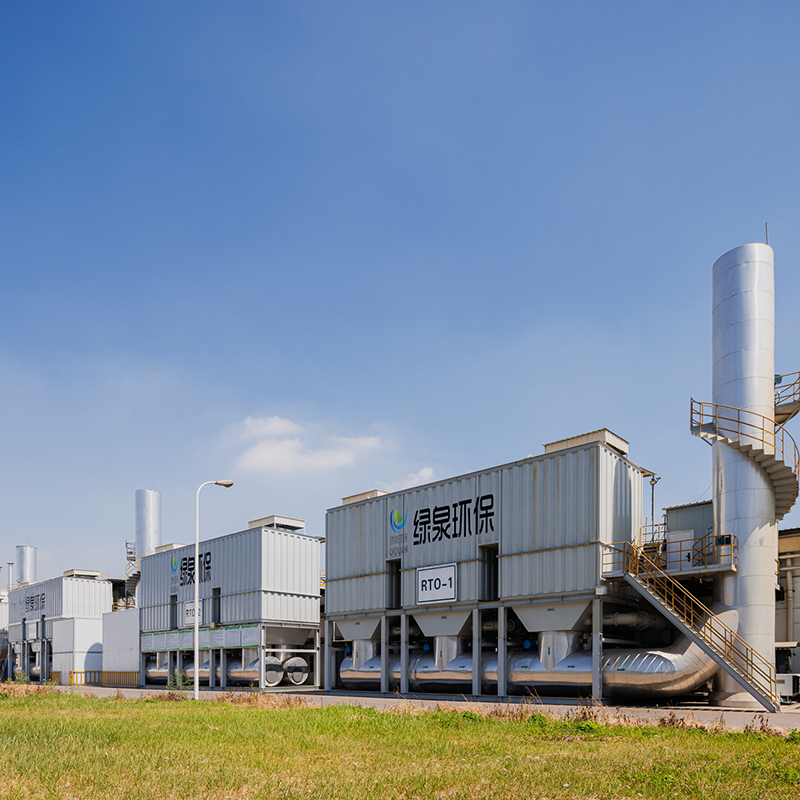
Overview Of Tower-Type RTO Regenerative Thermal Oxidizer (RTO) is an organic waste gas treatment equipment that combines high-temperature oxidation wi...
See Details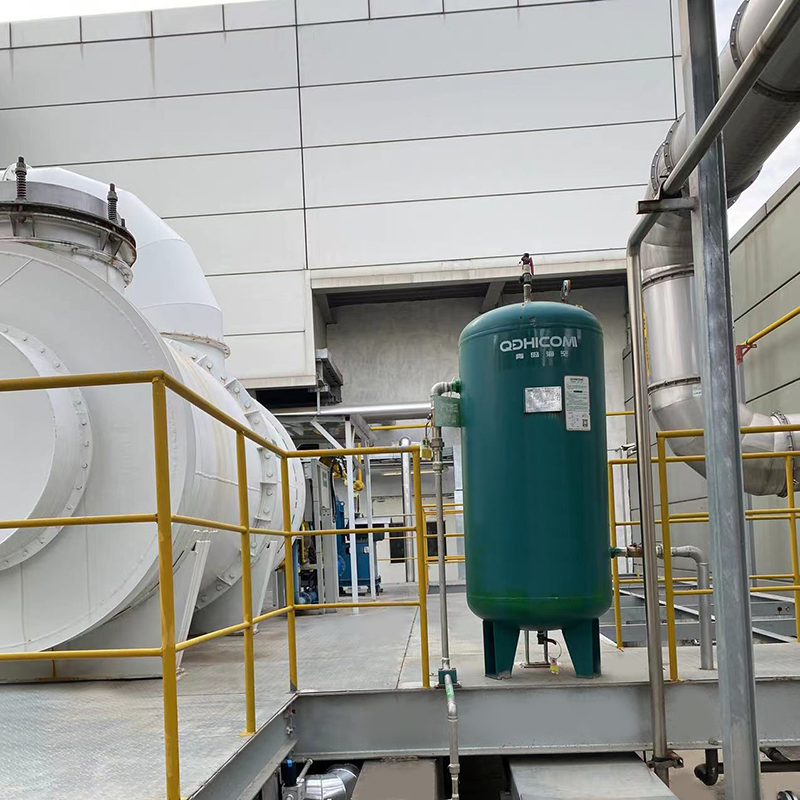
Overview Direct combustion high-temperature incineration equipment, abbreviated as TO, utilizes the heat generated by the combustion of auxiliary fuel...
See Details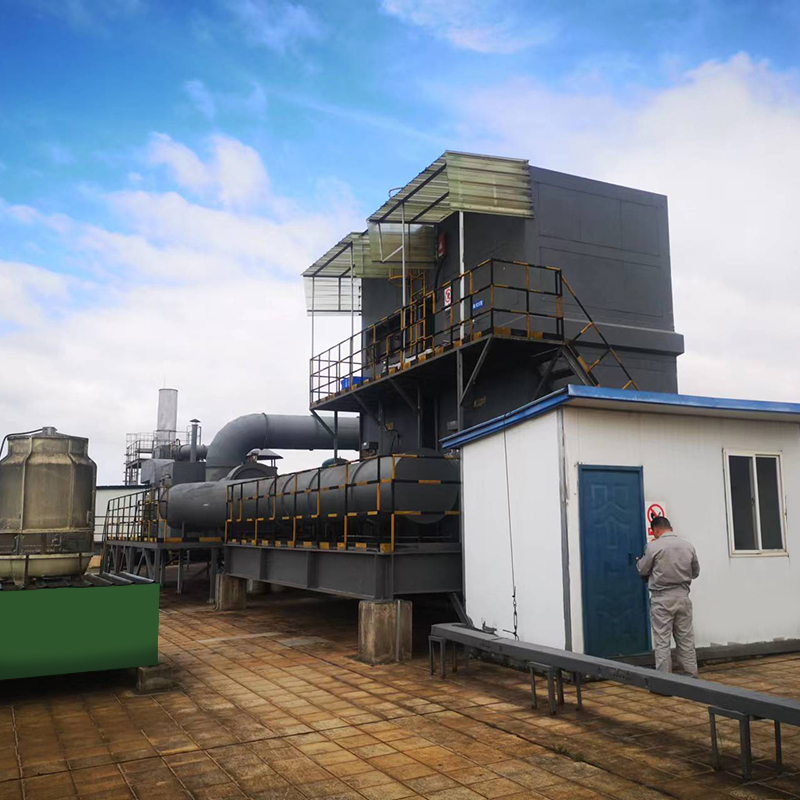
Overview Thermal storage catalytic oxidation (Regenerative Catalytic Oxidizer/RCO) is an organic waste gas treatment equipment that combines low-tempe...
See Details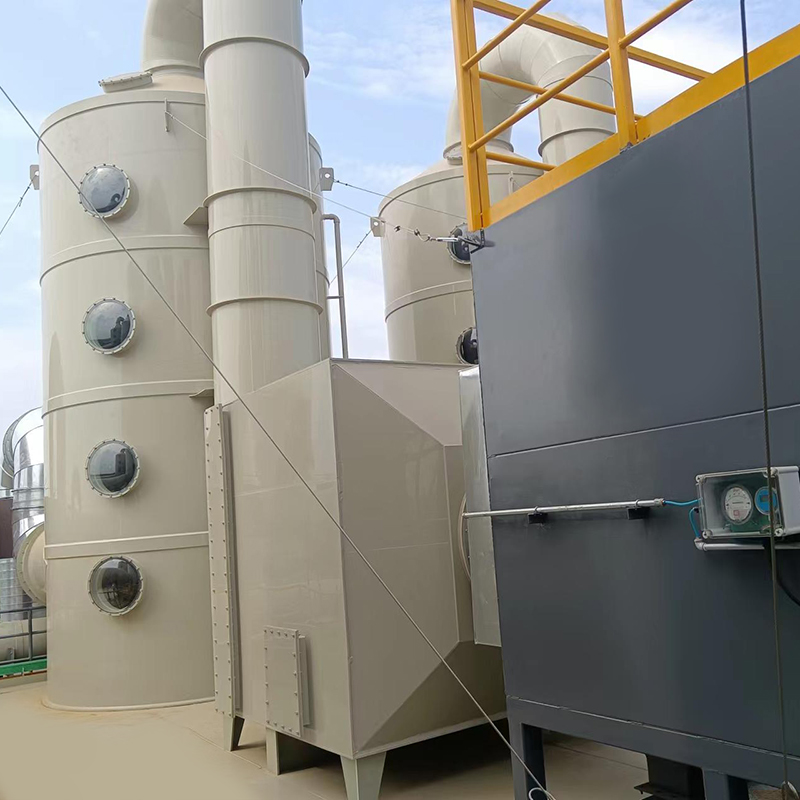
Overview The VOC-ACA series organic gas particle carbon purification and recovery equipment is used for the absorption, recovery, and reuse of organic...
See Details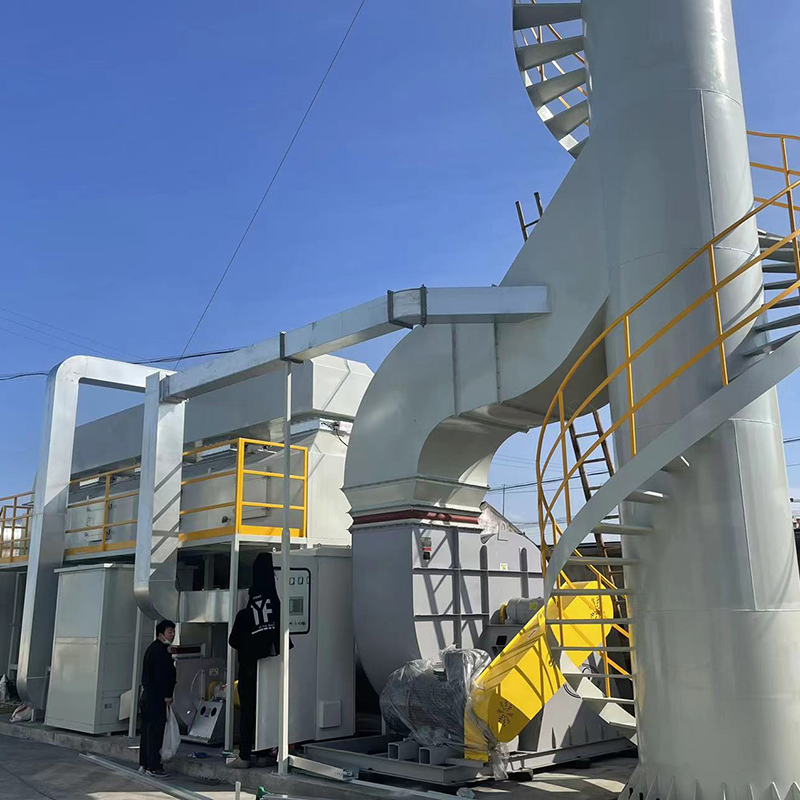
The VOC-CFT-CO Adsorption Catalytic Purification Equipment The VOC-CFT-CO adsorption catalytic purification equipment, consisting of fixed-bed honeyco...
See Details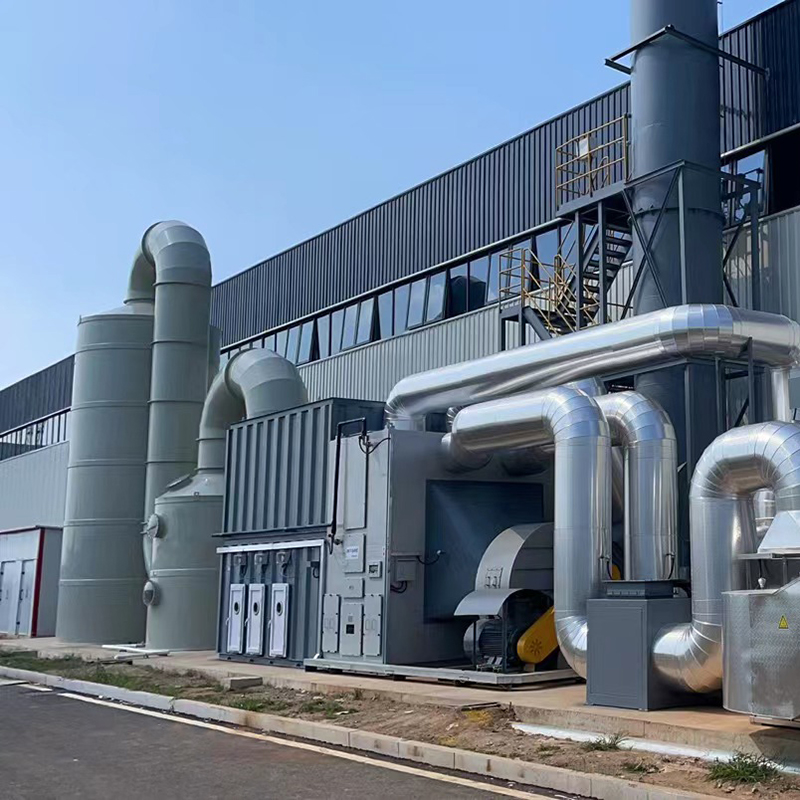
Concept Of Fixed Bed Zeolite + Catalytic Combustion As A Set Of Equipment The fixed bed zeolite + catalytic combustion device is suitable for the conc...
See Details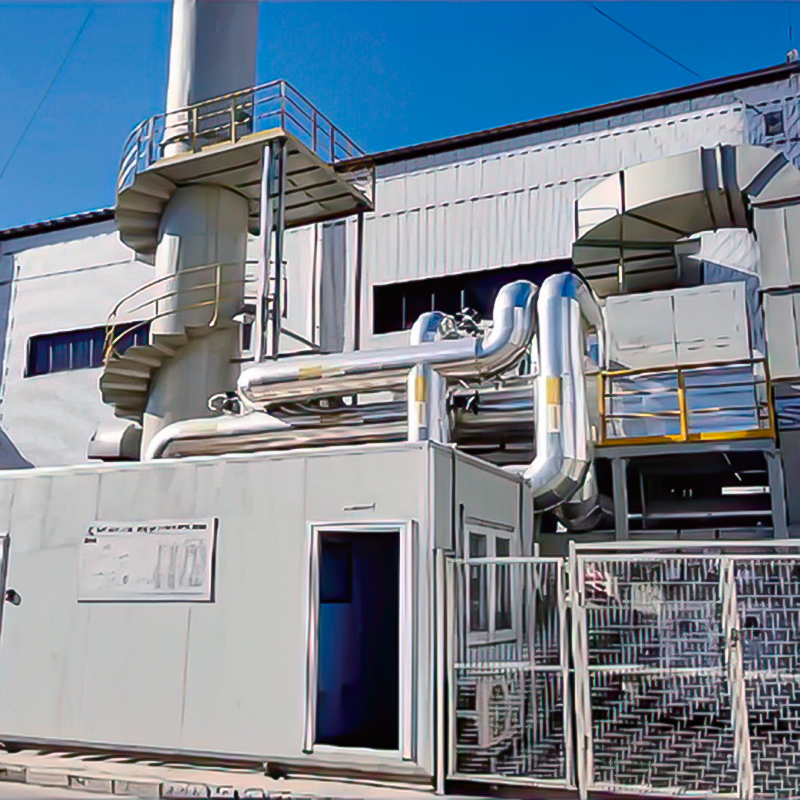
Concept Of Zeolite Rotary Wheel + Catalytic Combustion As A Set Of Equipment In the combined process of organic waste gas and waste gas treatment, the...
See Details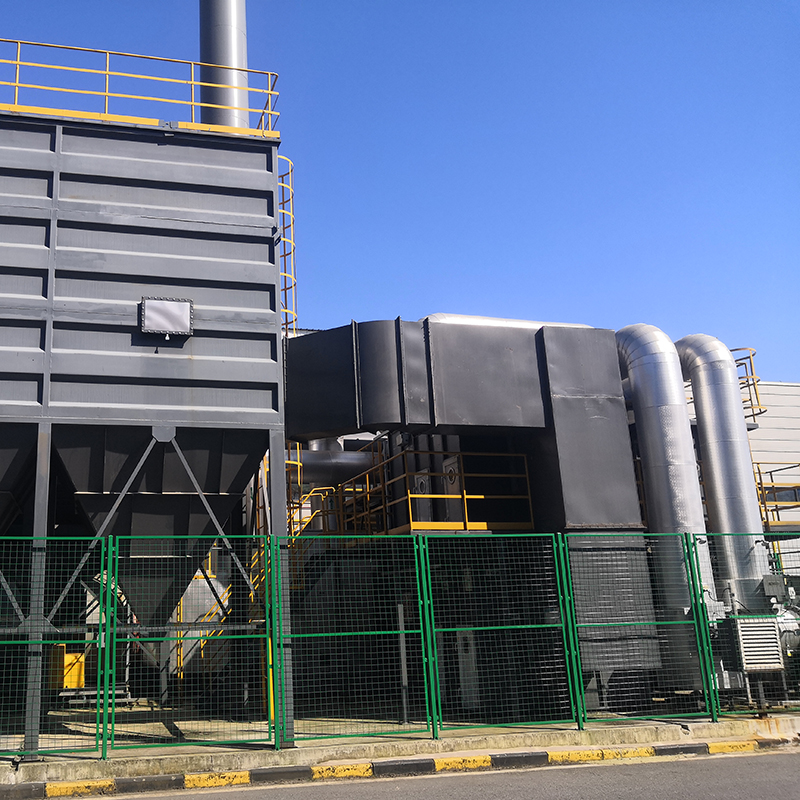
The Concept Of Zeolite Wheel+ Direct Combustion High-Temperature Incineration Equipment The purpose of employing rotary drum zeolite adsorption for or...
See Details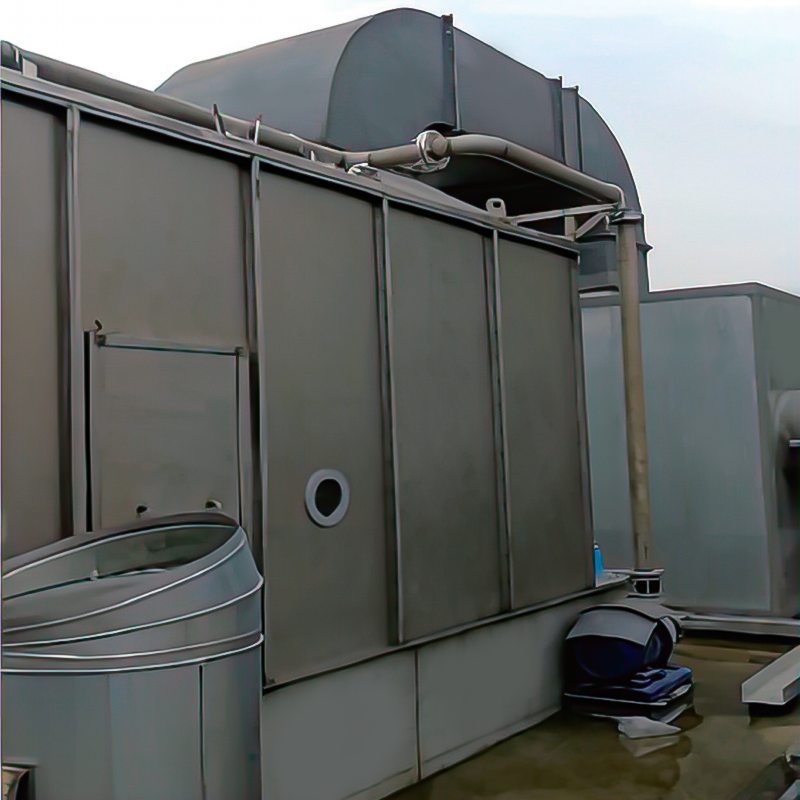
Overview The wet dust removal principle uses the process of capturing and separating dust particles in the gas phase by fully contacting gas-liquid tw...
See Details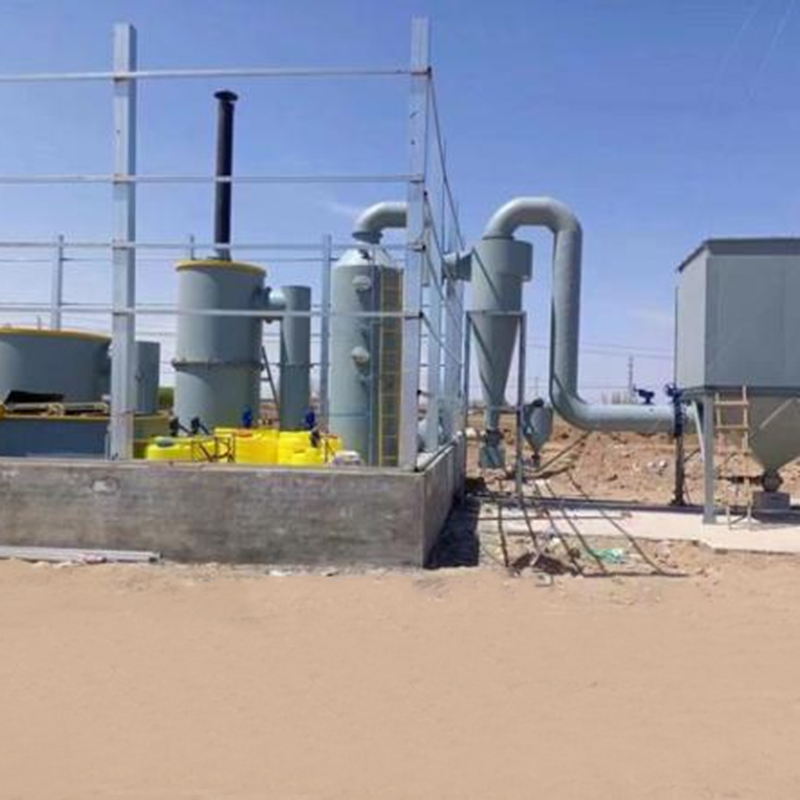
Overview Solid waste incineration furnaces are essential equipment in the management of solid waste, designed to transform waste materials into ash an...
See DetailsMOBILE
Product Manual

Copyright © Lv quan Environmental Protection Engineering Technology Co., Ltd. All Rights Reserved. Vocs Organic Waste Gas Treatment Engineering Equipment Manufacturer

