

 English
 русский
 Français
 Español
 عربى
عربى
LQ-RTO Heat-storage high-temperature incineration equipment
Cat:Equipment
Overview Of Tower-Type RTO Regenerative Thermal Oxidizer (RTO) is an organic waste gas treatment equipment that combines high-temperature oxidation wi...
See Details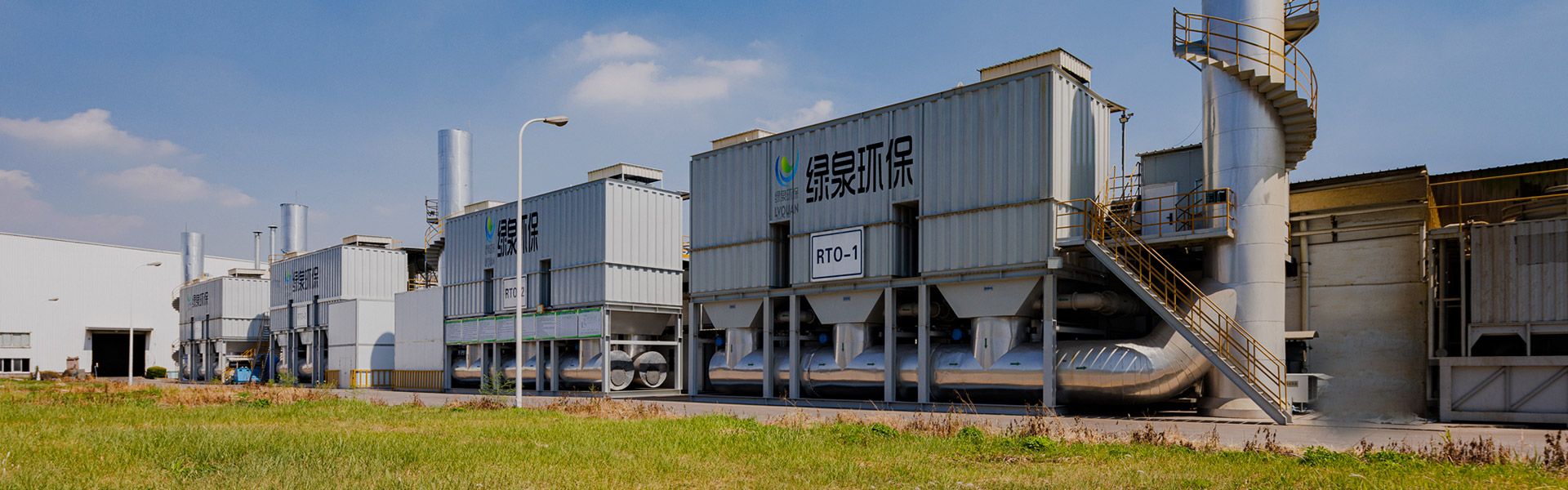
Content
For manufacturers and industrial facilities searching for a dependable way to control volatile organic compound emissions, the short answer is this: VOCs organic waste gas treatment engineering equipment that combines the correct core technology (thermal oxidation, catalytic oxidation, adsorption, or biological treatment) with a properly sized system and a qualified manufacturer will consistently deliver higher removal efficiency, lower long-term operating risk, and easier compliance with regional emission standards than an undersized or mismatched unit. Choosing the right equipment is not primarily a question of brand preference; it is a question of matching exhaust volume, VOC concentration, temperature, and operating pattern to the correct treatment principle.
This guide is written for purchasing managers, environmental engineers, and plant operators who are evaluating a professional VOCs organic waste gas treatment engineering equipment supplier for the first time, or who are comparing a new machine against equipment already installed on their production lines. It covers common equipment types, how each system works, how to select equipment for a specific application, a detailed technical comparison, maintenance guidance, and answers to the questions buyers ask most often. Wherever useful, tables and simple data visualizations are used to make the comparison easier to follow at a glance.
Throughout the article, the term VOCs organic waste gas treatment engineering equipment refers to industrial systems designed to capture, concentrate, and destroy or recover volatile organic compounds released from processes such as painting, printing, coating, chemical synthesis, plastics extrusion, electronics manufacturing, and pharmaceutical production. A professional manufacturer and factory in China that focuses specifically on this equipment category, rather than treating it as a side product line, is generally better positioned to support technical selection, OEM and ODM customization, and after-sales service.
It is also worth setting expectations at the outset: no single machine, technology, or exporter can promise identical results across every facility, because exhaust characteristics differ from one production line to the next even within the same industry. What a buyer can reasonably expect from a professional, durable and reliable piece of VOCs organic waste gas treatment engineering equipment is consistent, well-documented performance within the range that the technology and sizing were designed for, supported by a manufacturer willing to share technical detail rather than only marketing claims. The sections that follow are organized so that a reader can move from general technology awareness toward a specific, defensible purchasing decision, whether the goal is a single replacement unit, a multi-line retrofit, or a wholesale order for several facilities.
Buyers researching VOCs organic waste gas treatment engineering equipment usually encounter five or six recurring equipment families, each built around a different core mechanism. Understanding the practical differences between these types is the first real step toward a sound purchasing decision, because no single technology is universally optimal for every airflow, concentration range, or industry. The following list summarizes the most common configurations offered by a typical China manufacturer and factory in this field.
Beyond the core treatment mechanism, buyers should also distinguish between skid-mounted, modular, and fully customized machine formats, since the physical format affects installation time, footprint, and future expansion. A skid-mounted, portable unit can generally be shipped as a near-complete machine and installed with minimal on-site fabrication, which is attractive for facilities that need to bring equipment online quickly or that anticipate relocating production lines in the future. Modular designs, by contrast, allow a wholesale buyer or exporter to add additional treatment chambers later as production volume grows, without replacing the entire system, which can be a more capital-efficient path for facilities expecting gradual expansion. Fully customized configurations, typically arranged through an OEM or ODM manufacturer, are more common for large chemical or pharmaceutical sites where exhaust ducting must integrate tightly with existing process equipment and building layout. None of these format decisions replace the underlying technology selection discussed above; rather, they determine how conveniently a correctly chosen technology can be deployed on a specific site.
| Equipment Type | Typical Airflow Range | Concentration Suitability | Common Industries |
|---|---|---|---|
| RTO | Large volume | Low to medium | Printing, coating, chemical |
| RCO | Medium to large | Low to medium | Electronics, packaging |
| Activated Carbon Adsorption | Small to medium | Low to medium | General manufacturing |
| Biofiltration | Medium | Low | Food, wastewater, odor control |
| UV Photooxidation | Small to medium | Low | Food processing, workshops |
| Low-Temperature Plasma | Small | Low | Small workshops, pretreatment |
Key takeaway: there is no single best VOCs treatment technology; the correct equipment type depends on airflow, concentration, and the industry process generating the waste gas.
Most professional VOCs organic waste gas treatment engineering equipment shares a similar overall structure: a collection and ducting system draws exhaust gas from the production process, a pretreatment stage removes particulates or moisture, a core treatment unit performs oxidation, adsorption, or biological degradation, and a final stack releases treated air. The core treatment unit is where the technologies described above differ the most, both in structure and in the removal efficiency they can typically achieve. Understanding these structural differences helps a buyer read manufacturer specification sheets more critically and ask better technical questions. Before comparing exact efficiency figures, it is useful to see how the main technology categories generally rank against one another under typical operating conditions. The chart below presents indicative removal efficiency ranges that are commonly referenced in industrial air pollution control engineering literature.
Within the collection and ducting stage, correct duct sizing and balanced airflow across multiple collection points are essential, since an undersized duct network can starve the treatment unit of the volume it was designed for, while an oversized network can dilute concentration below the point where a technology such as RTO or RCO operates efficiently. The pretreatment stage typically includes filtration to remove particulates or overspray, and in some coating or printing applications a cooling or humidity control step to protect downstream media. Within the core treatment unit, heat exchange design is one of the most important engineering details for combustion-based technology; ceramic media in an RTO, for example, is arranged so that heat from one operating cycle preheats incoming exhaust in the next cycle, which is what allows these systems to sustain high internal temperatures with comparatively lower auxiliary fuel input over continuous operation. A well-engineered heat exchange structure is also one of the clearest indicators of manufacturing quality, since inconsistent media packing or poor airflow distribution across the chambers can noticeably reduce both removal efficiency and energy efficiency even when the underlying technology choice was appropriate.
The horizontal bar chart above illustrates why thermal oxidation technologies, particularly RTO systems, are frequently specified for high-volume industrial exhaust with strict emission targets, since they generally sit at the upper end of the efficiency range shown. RCO systems follow closely behind, offering strong removal performance while operating at a lower average temperature than a comparable RTO, which can reduce fuel demand for suitable concentration ranges. Activated carbon adsorption equipment occupies a middle position, and it remains popular precisely because it is portable, adjustable to different flow rates, and simpler to retrofit into an existing workshop layout. Biofiltration and UV photooxidation systems generally sit lower on this chart, but that does not make them inferior equipment; rather, they are usually selected for lower-concentration streams, odor-focused applications, or facilities where a compact, multifunction machine is preferred over a large combustion-based system. Low-temperature plasma equipment tends to show the lowest standalone efficiency of the group in this comparison, which is one reason it is frequently deployed as a pretreatment stage ahead of another technology rather than as the sole treatment method.
It is important to read this chart as a general technology comparison rather than a guarantee of performance for any specific installation, because actual removal efficiency depends heavily on inlet concentration, airflow uniformity, equipment sizing, and ongoing maintenance. A well-engineered RTO from an experienced factory can outperform a poorly maintained unit of the same type, and conversely, a correctly sized adsorption system can meet a facility's emission targets without the capital cost of a combustion-based system. This is why professional VOCs organic waste gas treatment engineering equipment manufacturers generally recommend a site survey and gas analysis before finalizing equipment selection, rather than choosing a technology based purely on published efficiency ranges. Buyers evaluating a China supplier for this category of equipment should ask for reference data tied to a similar process and airflow profile, not only general technology-level figures, since process-specific performance is a stronger indicator of expected results.
Selecting the correct VOCs organic waste gas treatment engineering equipment starts with understanding the specific application scenario, since printing, coating, chemical processing, electronics manufacturing, pharmaceutical production, and plastics extrusion each generate exhaust with different flow rates, temperatures, humidity levels, and VOC compositions. A durable and reliable machine chosen for one process may be poorly matched to another, even within the same general industry category. The table below pairs common application factors against the selection criteria a purchasing team should apply when comparing quotations from different manufacturers or factories.
| Application Factors Exhaust airflow volume (cubic meters per hour) VOC concentration and composition Operating hours per day and load fluctuation Ambient temperature and humidity of exhaust Available installation footprint on site Local or regional emission standards |
Selection Criteria Match rated airflow capacity with margin for peak load Confirm technology suitability for concentration range Prefer adjustable, multifunction systems for variable load Verify materials and construction for humid conditions Compare footprint of skid-mounted versus modular designs Confirm equipment can meet applicable emission limits |
For high-volume printing and coating lines, RTO or RCO equipment is commonly specified because these processes typically generate large, relatively steady airflow with low-to-medium VOC concentration, which suits the continuous regenerative operation of these technologies. In chemical processing and pharmaceutical facilities, concentration and composition can vary significantly by batch, so an adjustable, multifunction treatment configuration, sometimes combining adsorption with catalytic oxidation, is often more practical than a single fixed-technology unit. Electronics manufacturing frequently produces lower-concentration exhaust from cleaning and coating processes, making activated carbon adsorption or RCO systems a common choice, particularly where floor space is limited and a compact, portable-format skid is preferred. Food processing and other odor-sensitive environments generally favor biofiltration or UV photooxidation equipment, since these technologies are well suited to lower concentrations and are less associated with high fuel consumption.
Key takeaway: match the application's airflow, concentration, and operating pattern to the equipment's technology before comparing suppliers, since the wrong technology fit cannot be corrected by supplier reputation alone.
Once an application scenario has narrowed the technology options to two or three realistic candidates, a more detailed side-by-side comparison becomes useful. Buyers frequently compare RTO, RCO, and combined adsorption-based systems along dimensions such as removal efficiency, energy efficiency, maintenance simplicity, adaptability to load fluctuation, footprint efficiency, and capital efficiency. Because these six dimensions cannot all be maximized simultaneously by any single technology, a radar comparison is a useful way to visualize the trade-offs at a glance. The chart below presents a general, relative positioning of three common configurations across these six dimensions, based on typical engineering characteristics rather than any single project's measured data.
The radar chart makes it easy to see that RTO equipment scores strongly on removal efficiency but pulls the shape inward on the energy efficiency and capital efficiency axes, reflecting its higher combustion temperature and generally larger installation footprint. RCO equipment produces a more balanced hexagon overall, trading a small amount of peak removal efficiency for improved energy efficiency, since the catalyst allows oxidation at a lower operating temperature. Adsorption-based combined systems stretch furthest along the load flexibility axis, which lines up with their practical advantage in facilities where exhaust volume or concentration varies significantly between production shifts. No single shape in this comparison fully encloses the other two, which is the clearest way to visualize that technology selection is a genuine trade-off exercise rather than a search for one universally superior machine. Buyers who prioritize maximum removal efficiency and can accommodate higher energy use and footprint will generally lean toward RTO; those who need a better balance across operating cost and flexibility often find RCO or adsorption-based combined systems more practical for their facility.
| Characteristic | RTO | RCO | Adsorption-Based System |
|---|---|---|---|
| Operating Temperature | High | Medium | Low |
| Fuel Dependency | Higher | Moderate | Lower |
| Typical Footprint | Larger | Medium | Compact |
| Suited to Fluctuating Load | Limited | Moderate | Good |
Key takeaway: RTO, RCO, and adsorption-based systems each trade efficiency for flexibility differently, so the right choice depends on which operating priority matters most for a given facility.
Demand for VOCs organic waste gas treatment engineering equipment has generally moved in one direction over the past decade: upward. Industry publications covering industrial air pollution control have repeatedly described tightening regional emission standards, expanding coverage of previously unregulated industries, and growing awareness of odor and health impacts as the main drivers behind this trend. Manufacturing exporters supplying international buyers have also faced increasing pressure from customers and regulators to document their environmental controls, which has pushed more factories to install dedicated waste gas treatment systems rather than relying on basic ventilation alone. The relative index chart below illustrates the general shape of this adoption trend rather than any single certified data series, and it is intended to help buyers understand the direction of the market rather than to represent an exact statistic.
The line chart shows a fairly consistent upward slope from 2016 through 2024, without the sharp reversals that would suggest a temporary or cyclical demand spike. This steady climb is generally consistent with how environmental regulations tend to evolve: standards are introduced, industries adapt over a few years, and then coverage is gradually broadened to additional process categories or smaller facilities that were previously exempt. The absence of any sustained decline in the trend line also suggests that VOCs treatment equipment has increasingly become a standard part of industrial infrastructure rather than an optional add-on reserved for the largest plants. Exporters selling to international markets have additional reasons to follow this trend closely, since overseas buyers and audits increasingly ask for evidence of environmental controls as part of supplier qualification. For a China factory or manufacturer producing goods for export, installing recognized VOCs organic waste gas treatment engineering equipment can support smoother customer audits in addition to meeting local regulatory obligations. The later years of the chart show a steeper slope than the earlier years, which is consistent with reports of accelerating enforcement and expanding regulatory scope in more recent periods. None of this should be read as a guarantee of continued growth at the same rate, since policy environments can change, but the overall direction has been consistently upward across the period shown. Buyers currently comparing wholesale suppliers of this equipment are, in effect, participating in a market that has been expanding for close to a decade, which has allowed manufacturers with a long operating history to refine their designs across many installations.
Key takeaway: demand for VOCs treatment equipment has trended steadily upward, driven by tightening emission standards and growing export compliance expectations rather than a short-term spike.
A professional VOCs organic waste gas treatment engineering equipment factory rarely offers a single fixed design; instead, most maintain several standard configurations that can be further adjusted through OEM or ODM customization to match a buyer's specific process, available footprint, and preferred control system. Below is a short overview of common configuration categories offered by manufacturers and suppliers serving both domestic and export wholesale markets.
Standard Single-Stage RTO Skid
A compact, factory-assembled unit suited to medium airflow lines with relatively stable concentration. Multi-Chamber RTO System
A larger configuration for high-volume exhaust, offering more stable thermal efficiency under variable load. Combined RCO and Adsorption System
Pairs catalytic oxidation with adsorption concentration for lower-concentration, larger-volume streams. Modular Biofilter Unit
A portable, adjustable design for odor-focused applications with lower capital and operating requirements. Customized OEM/ODM Configuration
Built around a buyer's control system, footprint, and branding requirements as an OEM manufacturer or ODM manufacturer.
For export-oriented buyers, working with a supplier that offers both OEM manufacturer and ODM manufacturer services provides meaningful flexibility, since the equipment can be adapted to local voltage standards, control panel language, and dimensional constraints without redesigning the core treatment technology. Many wholesale buyers also request adjustable airflow ratings so that a single equipment platform can serve slightly different production line sizes across a factory group, reducing the need to qualify multiple distinct machine designs. Multifunction control panels that allow switching between operating modes, logging performance data, and adjusting regeneration cycles have become increasingly common, reflecting broader demand for durable, reliable equipment that can adapt over the equipment's operating life rather than requiring replacement as production needs shift.
Key takeaway: OEM and ODM customization allows a single base technology platform to be adapted across different production lines, voltage standards, and control system preferences.
Proper maintenance is what separates VOCs organic waste gas treatment engineering equipment that performs reliably for many years from equipment that underperforms shortly after installation. Routine inspection of ductwork, fans, and seals should occur on a defined schedule, since even a small air leak can reduce collection efficiency and allow untreated VOCs to bypass the treatment unit. Filter and adsorption media replacement intervals should be tracked based on actual operating hours and measured breakthrough rather than a fixed calendar assumption, since concentration and airflow both influence media life. For combustion-based systems such as RTO and RCO equipment, periodic inspection of ceramic media, catalyst condition, and burner components helps maintain consistent removal efficiency over time. The chart below presents a general, illustrative breakdown of how annual downtime is typically distributed across common causes for this category of industrial equipment.
This donut chart shows that scheduled maintenance and planned media replacement together account for the majority of typical downtime, at roughly seventy percent combined, while unscheduled repairs represent a smaller share at around fifteen percent. This distribution generally supports the argument that facilities following a defined maintenance calendar experience fewer unplanned production interruptions than facilities that treat maintenance reactively. Unscheduled repairs, while a smaller slice of the chart, are usually the most disruptive category because they occur without advance planning and can force an unplanned production stoppage if the treatment equipment is directly integrated into the process line. The other adjustments category typically includes activities such as sensor calibration, control system updates, and minor mechanical adjustments that keep the equipment operating within its designed parameters. Facilities that invest in adjustable, multifunction control systems with built-in diagnostics tend to shift more of their downtime into the scheduled maintenance category and away from unscheduled repairs, since early warning indicators allow issues to be addressed before they escalate. A durable, reliable equipment design also reduces the frequency of unscheduled repairs over the machine's operating life, which is one reason experienced manufacturers emphasize material quality and component sourcing during the original equipment design phase. For plant managers, this chart is a useful reminder that a realistic maintenance budget and schedule, not simply the initial equipment purchase decision, is what ultimately determines long-term operating reliability.
Key takeaway: planned maintenance and media replacement, rather than unscheduled repairs, make up most typical downtime, reinforcing the value of a defined maintenance schedule.
Beyond the technology itself, the manufacturer standing behind a piece of VOCs organic waste gas treatment engineering equipment plays a major role in how the equipment performs over its operating life. A professional China manufacturer with in-house engineering, fabrication, and testing capability is generally better positioned to support technical selection, custom configuration, and long-term spare parts availability than a trading company that resells equipment sourced from multiple unrelated factories. Buyers evaluating a supplier should look for evidence of dedicated production capacity, a documented product range covering multiple treatment technologies, and a track record of working with export customers in relevant industries.
Lvquan Environmental Protection Engineering Technology Co., Ltd. is one example of this kind of specialized manufacturer. Based in the city of Gaoyou, Yangzhou, often referred to as the north gate of Jiangsu, the company was established as a joint-stock enterprise through cooperation among engineers and technical specialists with more than thirty years of combined experience in VOCs equipment design and manufacturing. As a professional VOCs organic waste gas treatment engineering equipment manufacturer, the company operates with a registered capital of twenty-two million yuan, fixed assets of nearly forty million yuan, and total assets of close to sixty million yuan. Its factory covers a building area of approximately 9,800 square meters and houses more than two hundred sets of various types of machining equipment, supporting an annual production capacity of around one hundred million yuan and a workforce of about 120 employees. This scale of in-house machining capacity allows the company to function as both an OEM manufacturer and ODM manufacturer, adapting standard equipment platforms to specific buyer requirements rather than offering a single fixed product line.
When comparing a China factory, China supplier, or China wholesale exporter of this equipment category, buyers are generally well served by asking direct questions about production location, in-house fabrication capacity, and the range of technologies offered, since a manufacturer able to produce RTO, RCO, adsorption, and biological treatment systems under one roof can more objectively recommend the technology that fits a given application, rather than defaulting to whichever single product line it happens to stock. Reliable after-sales support, availability of spare parts, and willingness to provide reference installations in a similar industry are additional practical indicators of a dependable long-term partner for this type of industrial equipment.
Key takeaway: an established China manufacturer with in-house engineering and fabrication capacity generally provides more reliable long-term technology fit and after-sales support than a reseller offering a single fixed product line.
The materials and fabrication standards used in VOCs organic waste gas treatment engineering equipment have a direct effect on how durable and reliable the machine remains once it is exposed to continuous operating temperatures, corrosive VOC byproducts, and outdoor weather conditions if installed on a rooftop. Housings and ducting exposed to acidic or corrosive exhaust are commonly built from stainless steel or coated carbon steel, while internal insulation is selected to withstand the sustained high temperatures found inside RTO and RCO chambers without degrading over repeated thermal cycles. Fan and blower components should be sized with an appropriate service factor so that the equipment can handle brief peak loads without excessive wear, and gasket and seal materials should be chosen based on chemical compatibility with the specific VOC compounds present in a given process, since the wrong seal material can fail well before the rest of the machine.
Control systems have also become a meaningful differentiator between manufacturers. An adjustable, multifunction control panel that allows operators to monitor temperature, pressure differential, and cycle timing in real time makes it considerably easier to catch developing issues before they cause unscheduled downtime, and it supports the kind of data logging that many export customers now expect to see during supplier audits. Before shipment, a professional factory typically runs functional testing, pressure and leak checks, and in many cases a short trial burn or trial adsorption cycle to confirm that the assembled unit performs in line with its design specification. This quality control step is particularly important for larger multi-chamber systems, where field correction of a fabrication issue is far more costly than catching it on the factory floor.
From an environmental performance standpoint, heat recovery design in RTO and RCO equipment is itself an eco friendly feature, since recovering thermal energy from one treatment cycle to preheat the next reduces auxiliary fuel demand compared with a non-regenerative combustion design achieving a similar removal efficiency. Adsorption media selection also affects environmental performance over the equipment's life, since media with a longer effective service life reduces both replacement frequency and the volume of spent media requiring disposal or regeneration. Buyers comparing quotations from different manufacturers, factories, and wholesale suppliers should ask specifically about housing material, insulation type, control system features, and factory testing procedures, rather than relying only on a general technology label, since two machines built around the same core technology can differ meaningfully in long-term durability and environmental performance based on these construction details.
Key takeaway: construction materials, control system design, and factory testing procedures influence long-term durability and environmental performance as much as the underlying treatment technology itself.
Q1: What is VOCs organic waste gas treatment engineering equipment used for?It is industrial equipment designed to capture and treat volatile organic compounds released during processes such as coating, printing, chemical production, and plastics manufacturing, helping facilities reduce emissions and support compliance with regional air quality standards. |
Q2: How do I choose between RTO, RCO, and adsorption-based equipment?Selection generally depends on airflow volume, VOC concentration, and how much load fluctuation the process experiences; high-volume, steady exhaust often suits RTO or RCO, while variable or lower-concentration streams may be better matched to adsorption-based or combined systems. |
Q3: Can this equipment be customized for OEM or ODM projects?Yes, many manufacturers, including specialized China factories with in-house engineering, offer OEM manufacturer and ODM manufacturer services to adapt airflow rating, control panel configuration, and dimensions to a specific buyer's production line. |
Q4: How often does this equipment need maintenance?Maintenance frequency depends on operating hours and exhaust characteristics, but routine inspection of ductwork and seals, along with scheduled replacement of filters or adsorption media based on measured usage, is generally recommended to maintain consistent performance. |
Q5: Is biofiltration or UV photooxidation equipment suitable for odor control?Both technologies are commonly applied to lower-concentration, odor-related exhaust streams, such as in food processing or general workshop ventilation, and are generally more compact and multifunction compared with large combustion-based systems. |
Q6: What should I look for in a China manufacturer or supplier of this equipment?Look for in-house fabrication capacity, a documented range of treatment technologies, experience with export customers, and clear after-sales support, since these factors generally indicate a more reliable long-term manufacturer or wholesale supplier partner. |
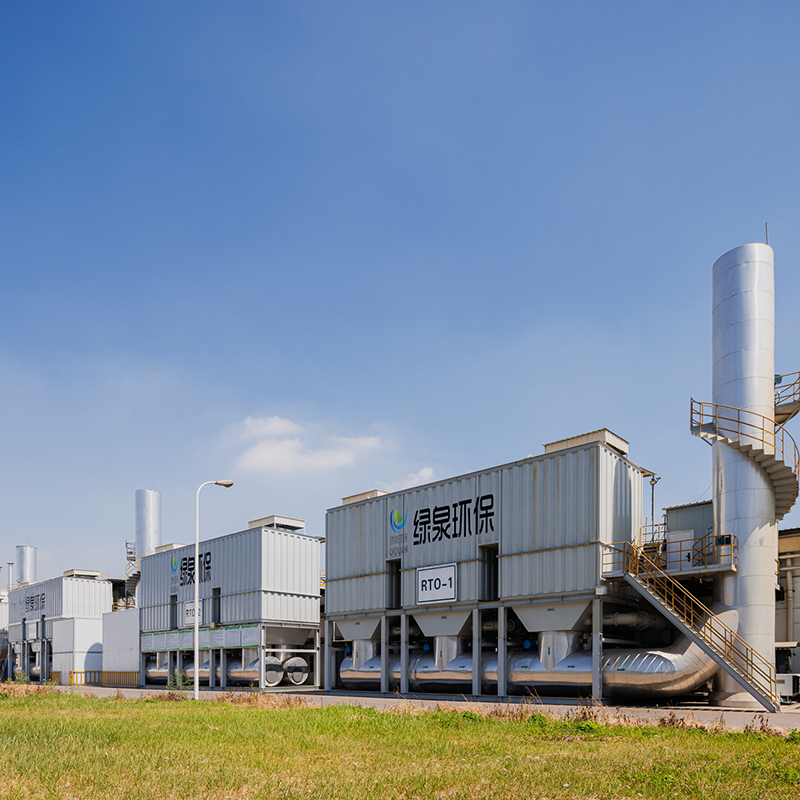
Overview Of Tower-Type RTO Regenerative Thermal Oxidizer (RTO) is an organic waste gas treatment equipment that combines high-temperature oxidation wi...
See Details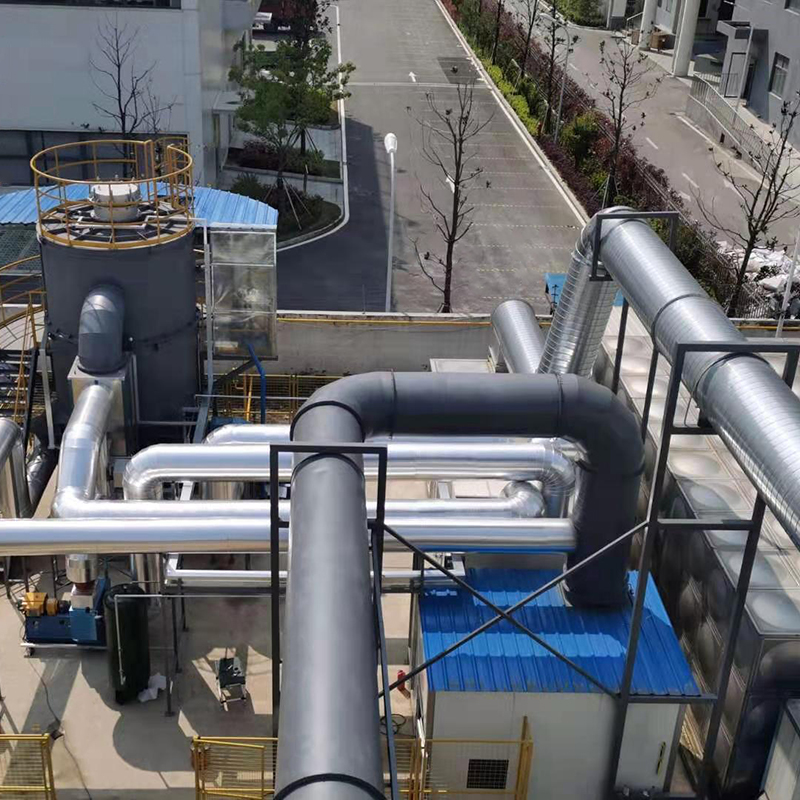
Overview Of Tower-Type RTO Our company offers two types of rotary RTO, which are the rotary RTO and the single barrel multi-valve RTO. The rotary RTO,...
See Details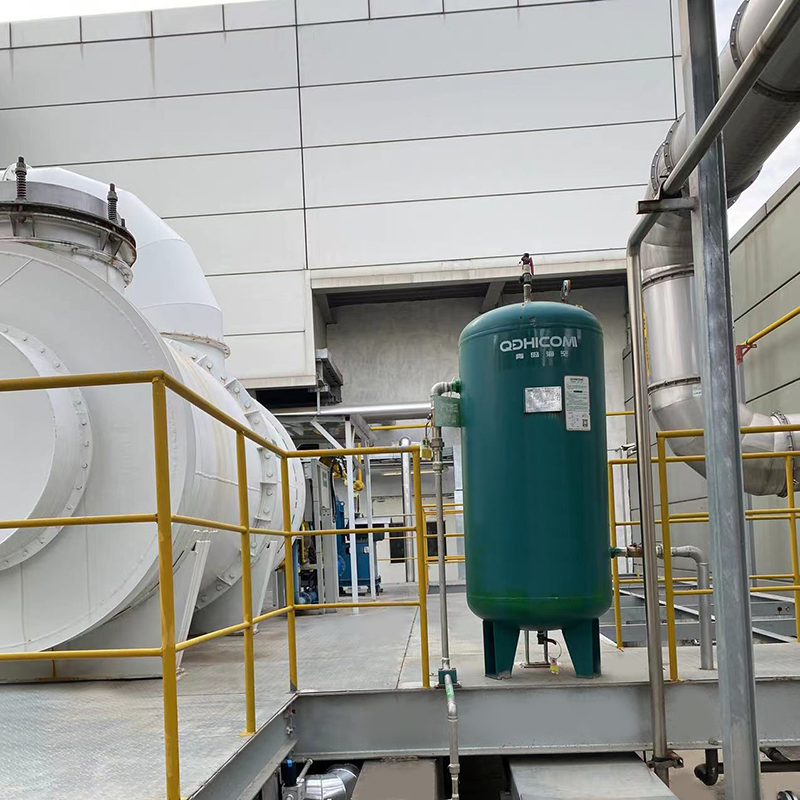
Overview Direct combustion high-temperature incineration equipment, abbreviated as TO, utilizes the heat generated by the combustion of auxiliary fuel...
See Details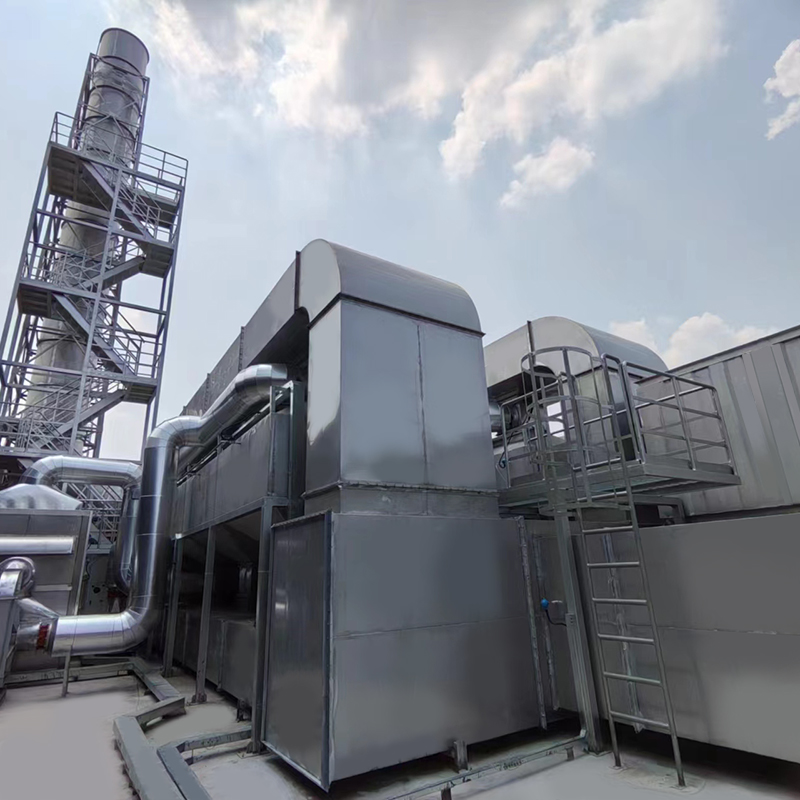
Overview of Activated Carbon Fiber Organic Solvent Purification Recovery Device The Activated Carbon Fiber Organic Solvent Purification Recovery Syste...
See Details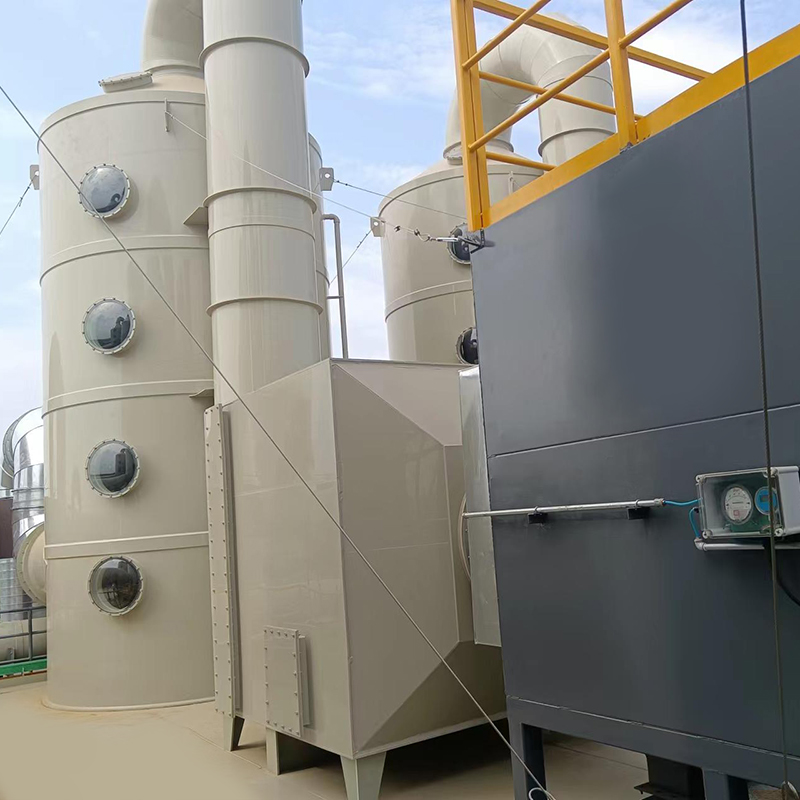
Overview The VOC-ACA series organic gas particle carbon purification and recovery equipment is used for the absorption, recovery, and reuse of organic...
See Details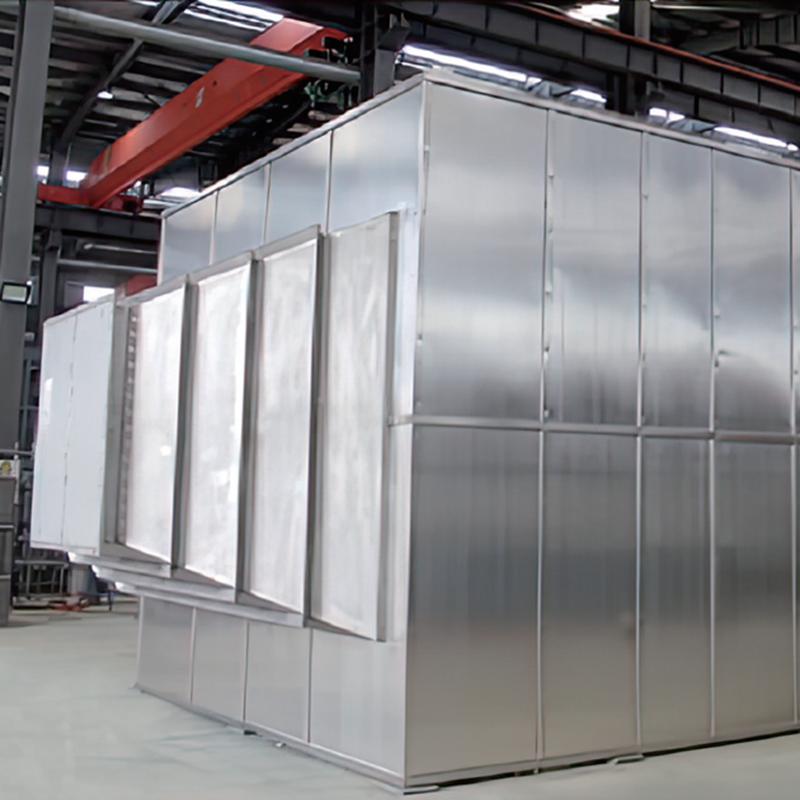
Product Introduction Gas heat exchanger is mainly used for energy saving and emission reduction industries in the waste heat recovery of flue gas in v...
See Details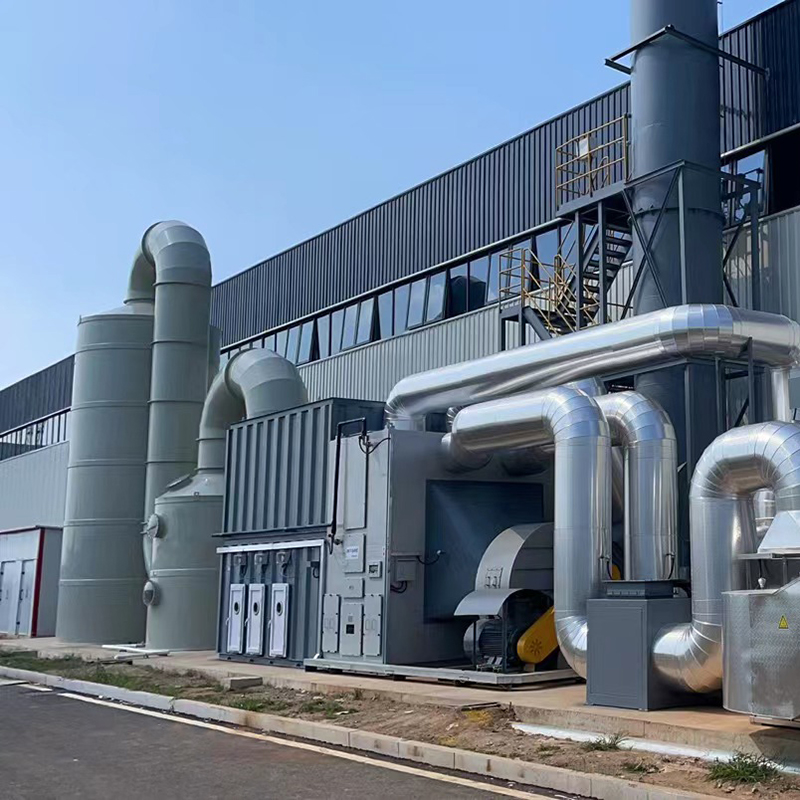
Concept Of Fixed Bed Zeolite + Catalytic Combustion As A Set Of Equipment The fixed bed zeolite + catalytic combustion device is suitable for the conc...
See Details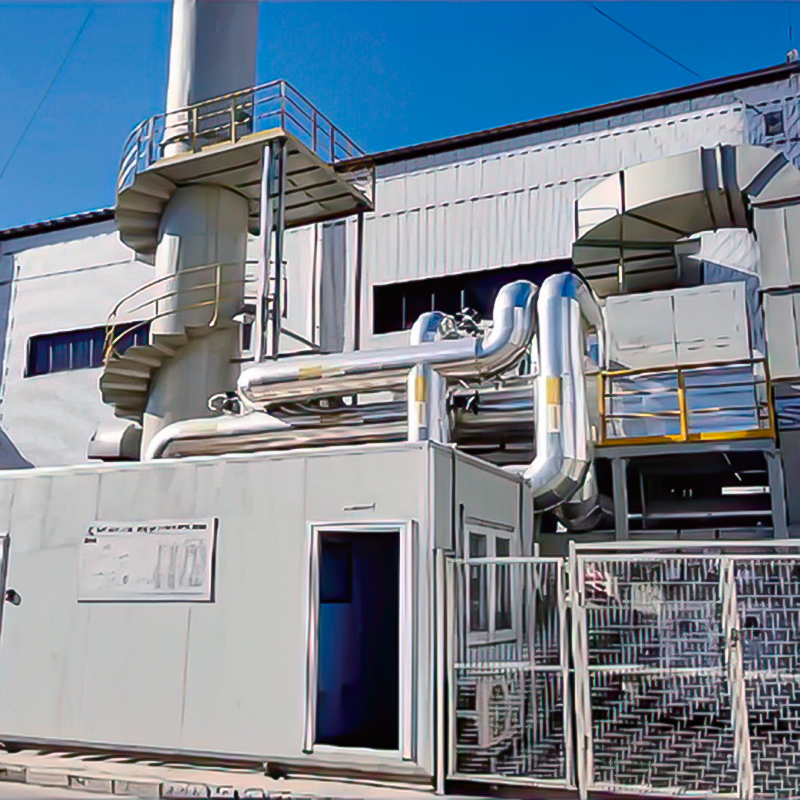
Concept Of Zeolite Rotary Wheel + Catalytic Combustion As A Set Of Equipment In the combined process of organic waste gas and waste gas treatment, the...
See Details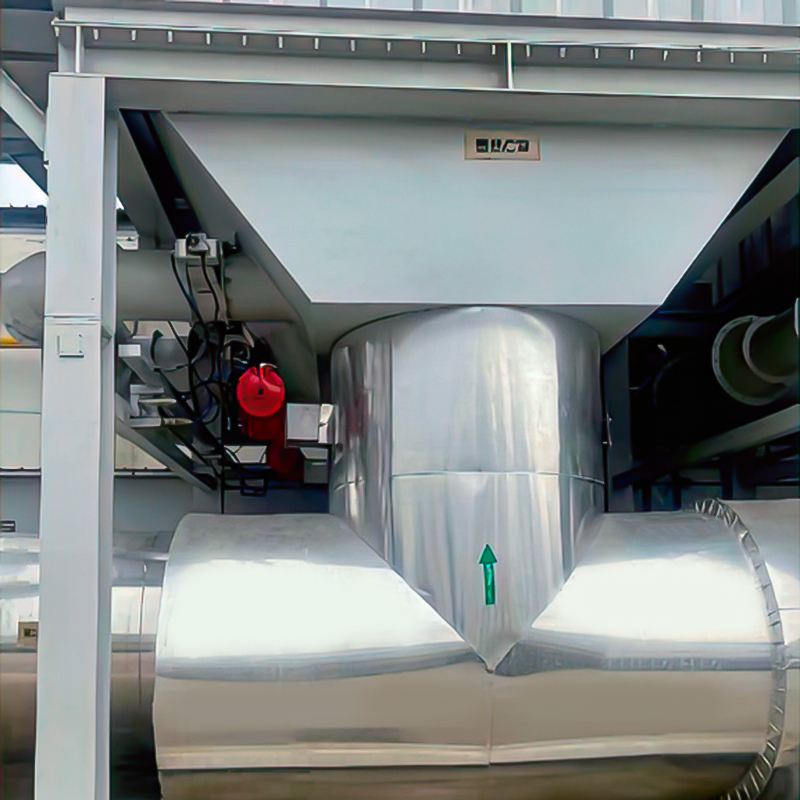
Purpose Mainly used for proportional ventilation of high-temperature flue gas. lt is widely used in places where leak rate requirements are not high, ...
See Details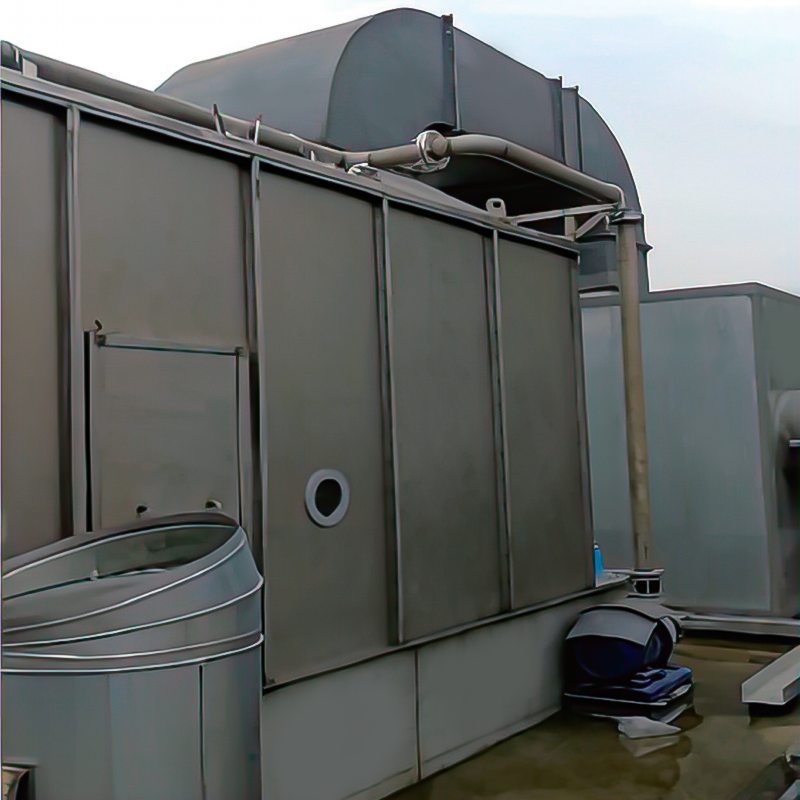
Overview The wet dust removal principle uses the process of capturing and separating dust particles in the gas phase by fully contacting gas-liquid tw...
See DetailsMOBILE
Product Manual

Copyright © Lv quan Environmental Protection Engineering Technology Co., Ltd. All Rights Reserved. Vocs Organic Waste Gas Treatment Engineering Equipment Manufacturer

