

 English
 русский
 Français
 Español
 عربى
عربى
LQ-RRTO Rotary heat-storage high-temperature incineration equipment
Cat:Equipment
Overview Of Tower-Type RTO Our company offers two types of rotary RTO, which are the rotary RTO and the single barrel multi-valve RTO. The rotary RTO,...
See Details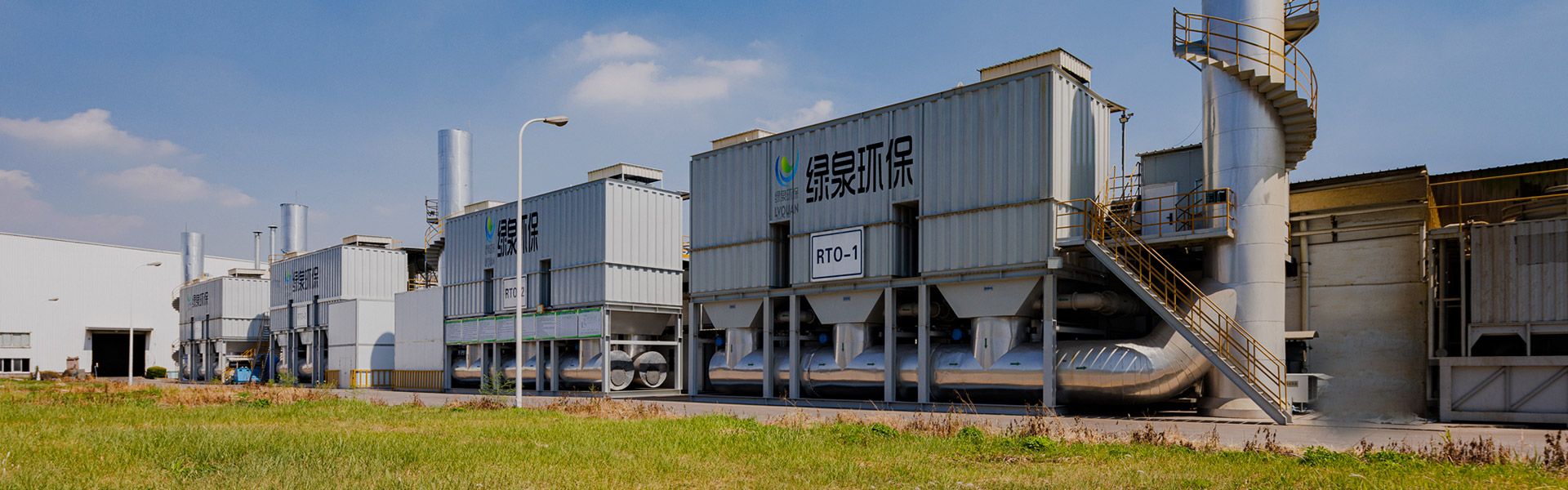
Content
Solid waste incineration furnaces and Lv Quan Environmental Protection Engineering Technology Co., Ltd. have formed a complete technology chain in the field of solid waste treatment.
1. Feeding and Uniform Supply
A dedicated feeding system (screw conveyor, vibrating feeder, or robotic arm) ensures that solid waste enters the combustion zone continuously and evenly within the furnace.
The feeding system is equipped with an automatic weighing and monitoring device, which adjusts the feed rate in real time to prevent accumulation or insufficient feed that can lead to unstable combustion.
2. High-Temperature Combustion and Oxidation Reaction
A burner (gas, oil nozzle, or plasma ignition) is installed within the furnace to ignite the waste at high temperatures of 800°C–1200°C.
With an ample supply of oxygen, the organic components in the waste are completely oxidized, releasing a large amount of heat energy. Simultaneously, non-combustible components are converted to ash.
3. Heat Energy Release and Flue Gas Formation
The high-temperature flue gas generated by combustion carries heat upward, transferring heat through the furnace walls to form a high-temperature airflow. Flue gas contains CO₂, H₂O, NOₓ, SO₂, particulate matter, and potentially harmful organic matter, requiring subsequent purification.
4. Ash Separation and Discharge
An ash collection trough or automatic slag discharge device is installed at the furnace bottom. Solid residue is promptly discharged by gravity or mechanical conveying to prevent secondary combustion and slagging within the furnace.
1. Heat Exchange in Waste Heat Recovery Systems
High-temperature flue gas exchanges heat directly or indirectly with water/steam through a heat exchanger (boiler tube bundle or plate heat exchanger).
The heat exchanger design utilizes high-efficiency heat transfer materials and a multi-channel structure, allowing the flue gas to boil at temperatures between 150°C and 200°C.
2. Steam Generation and Circulation
The heated water is converted into high-pressure steam (typically 1.0–2.5 MPa) within the heat exchanger and then enters the steam network. Steam can be used to produce hot water for process needs or fed into a steam turbine for mechanical energy conversion.
3. Steam Turbine-Driven Power Generation
High-pressure steam drives the turbine rotor, converting mechanical energy into electrical energy through a generator.
The power generation system is equipped with a speed regulator and a grid-connected inverter to ensure stable power output or self-use.
4. Secondary Utilization of Waste Heat and Pressure
Waste heat can also be used in waste heat boilers, absorption cooling, or heating systems, improving overall energy efficiency.
Using waste pressure recovery devices (such as waste pressure expanders) further reduces energy loss, achieving cogeneration of heat and power.
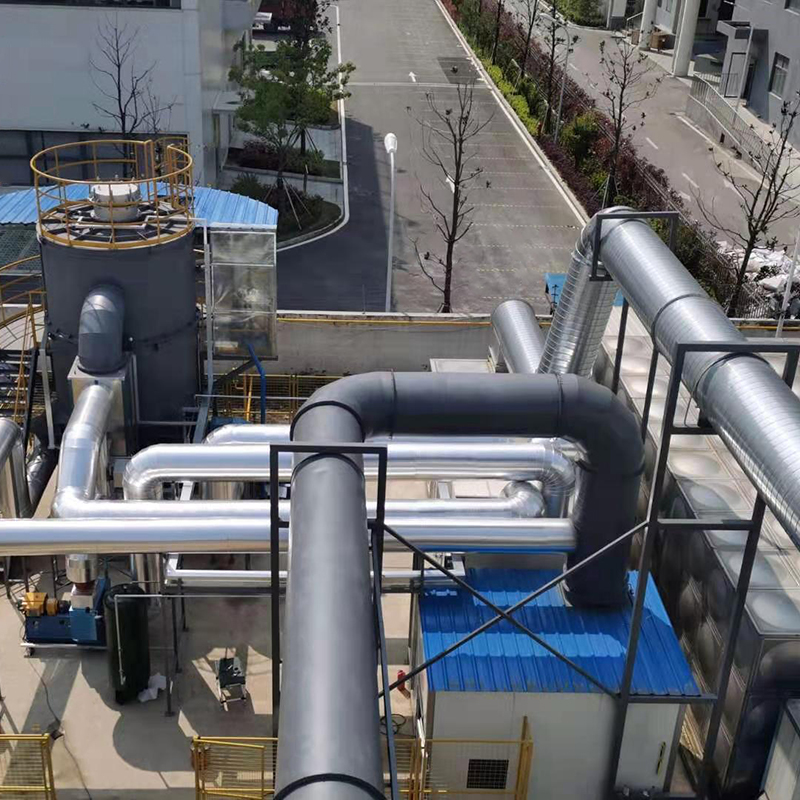
Overview Of Tower-Type RTO Our company offers two types of rotary RTO, which are the rotary RTO and the single barrel multi-valve RTO. The rotary RTO,...
See Details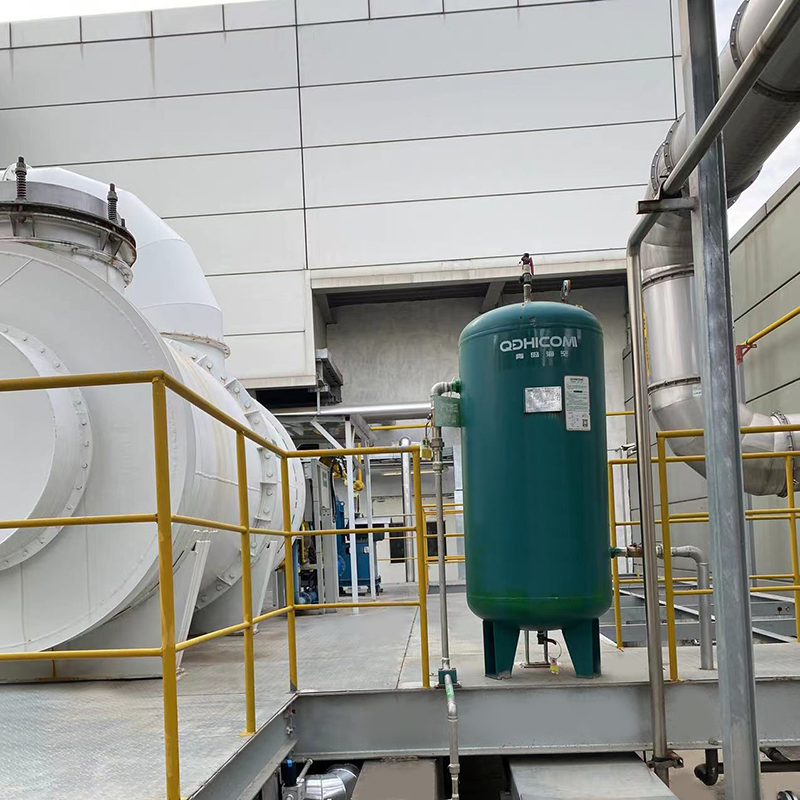
Overview Direct combustion high-temperature incineration equipment, abbreviated as TO, utilizes the heat generated by the combustion of auxiliary fuel...
See Details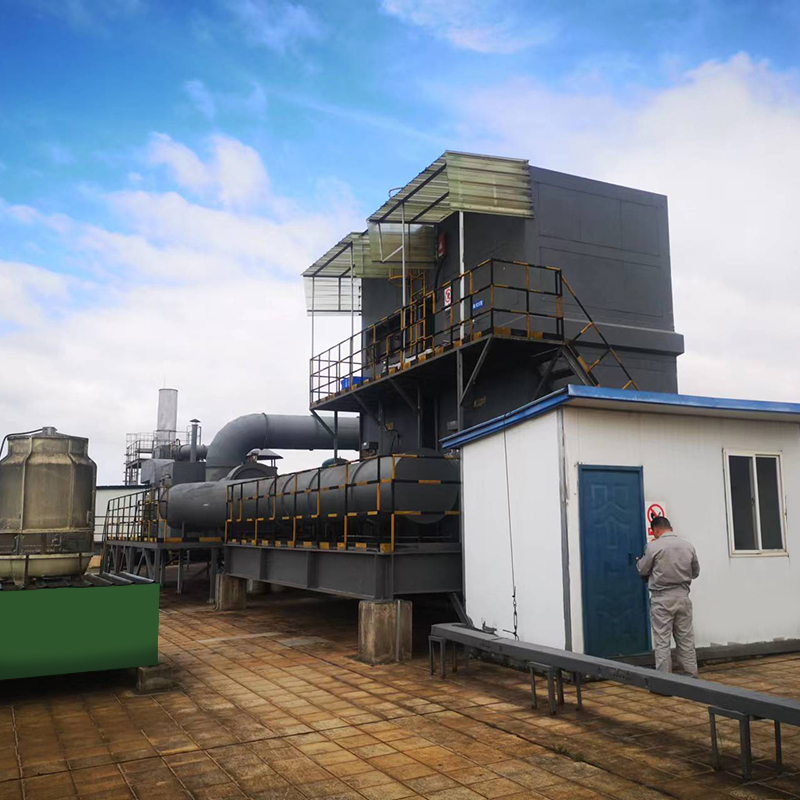
Overview Thermal storage catalytic oxidation (Regenerative Catalytic Oxidizer/RCO) is an organic waste gas treatment equipment that combines low-tempe...
See Details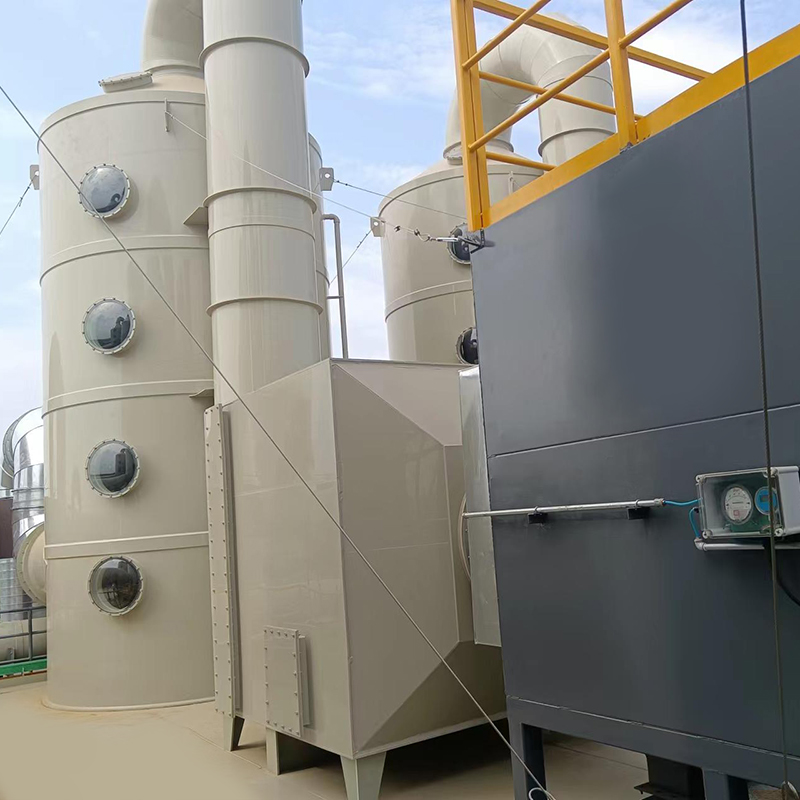
Overview The VOC-ACA series organic gas particle carbon purification and recovery equipment is used for the absorption, recovery, and reuse of organic...
See Details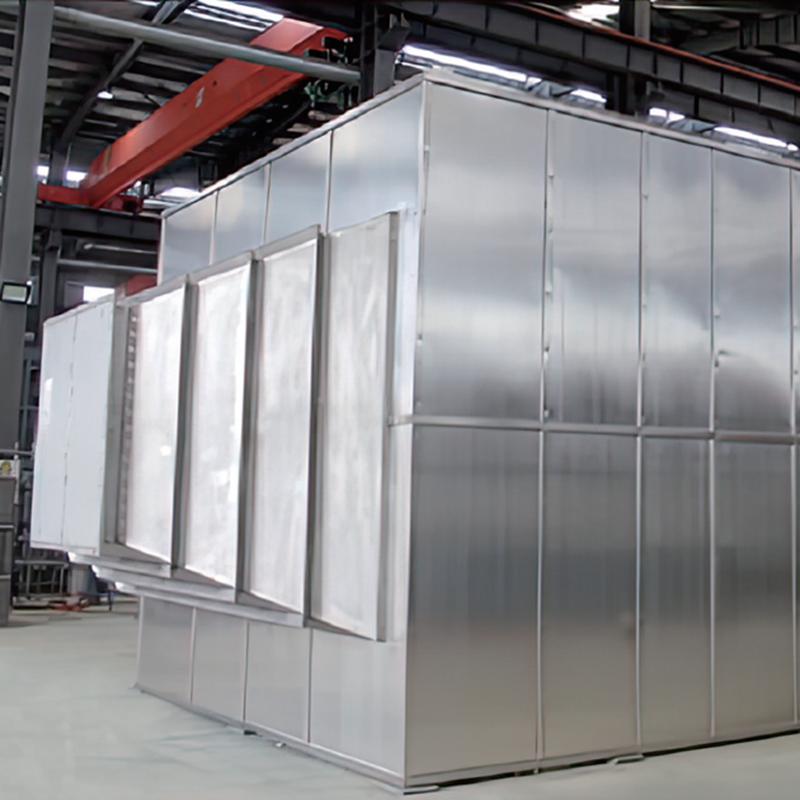
Product Introduction Gas heat exchanger is mainly used for energy saving and emission reduction industries in the waste heat recovery of flue gas in v...
See Details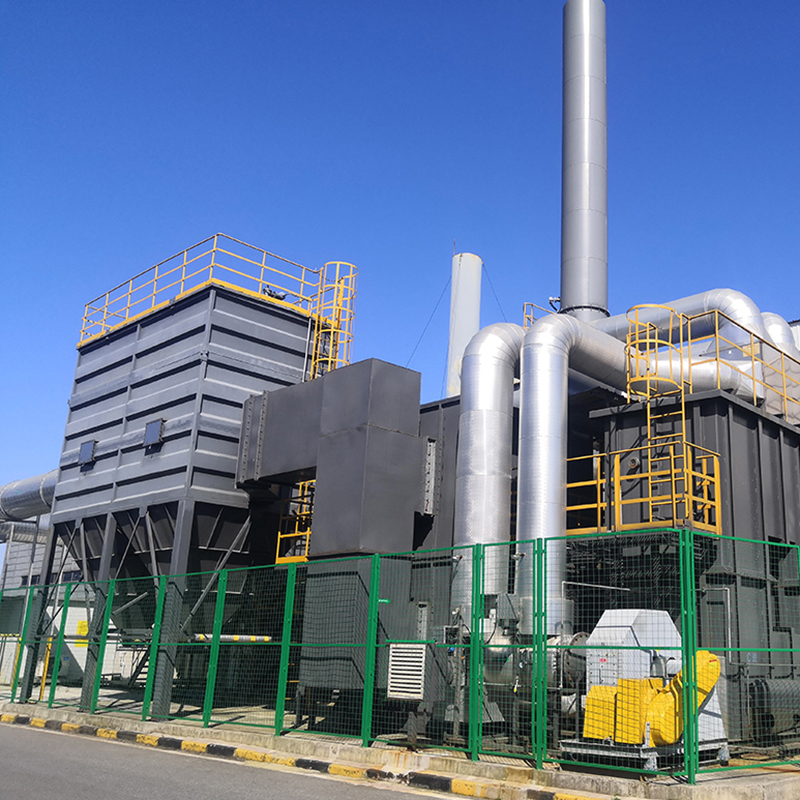
Concept Of Zeolite Wheel+RTO System Using zeolite wheel to adsorb organic waste gas, the low concentration and high air volume waste gas is concentrat...
See Details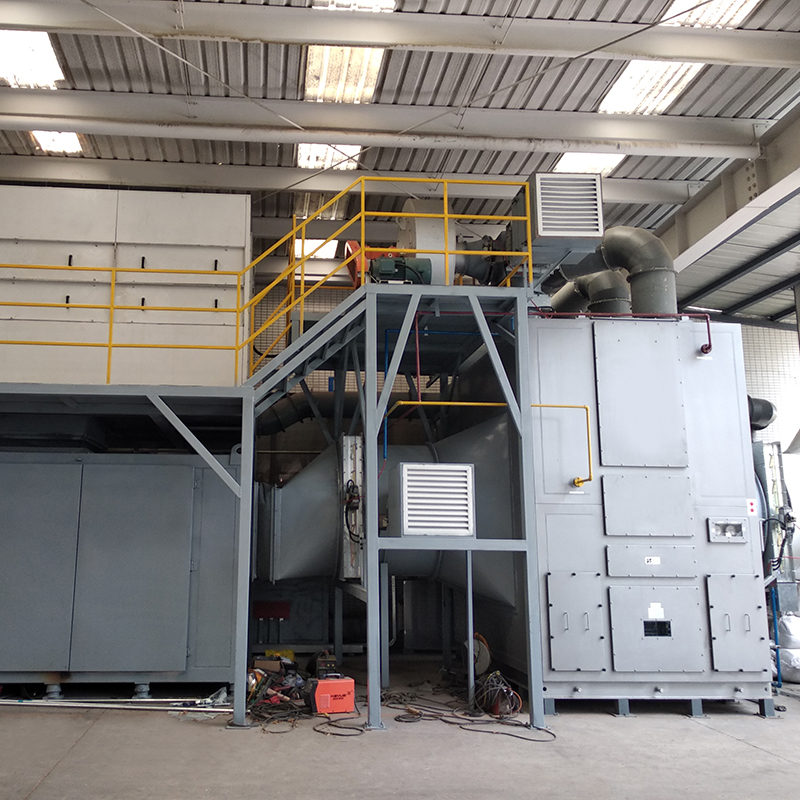
The Concept Of The Complete Set Of Equipment The purpose of employing rotary drum zeolite adsorption for organic waste gas is to concentrate low-conce...
See Details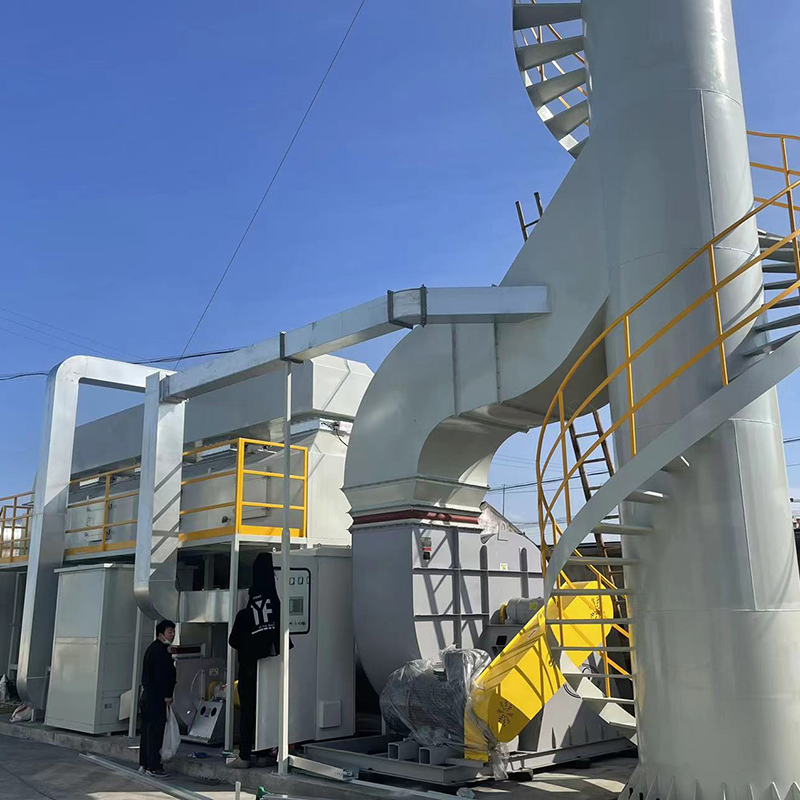
The VOC-CFT-CO Adsorption Catalytic Purification Equipment The VOC-CFT-CO adsorption catalytic purification equipment, consisting of fixed-bed honeyco...
See Details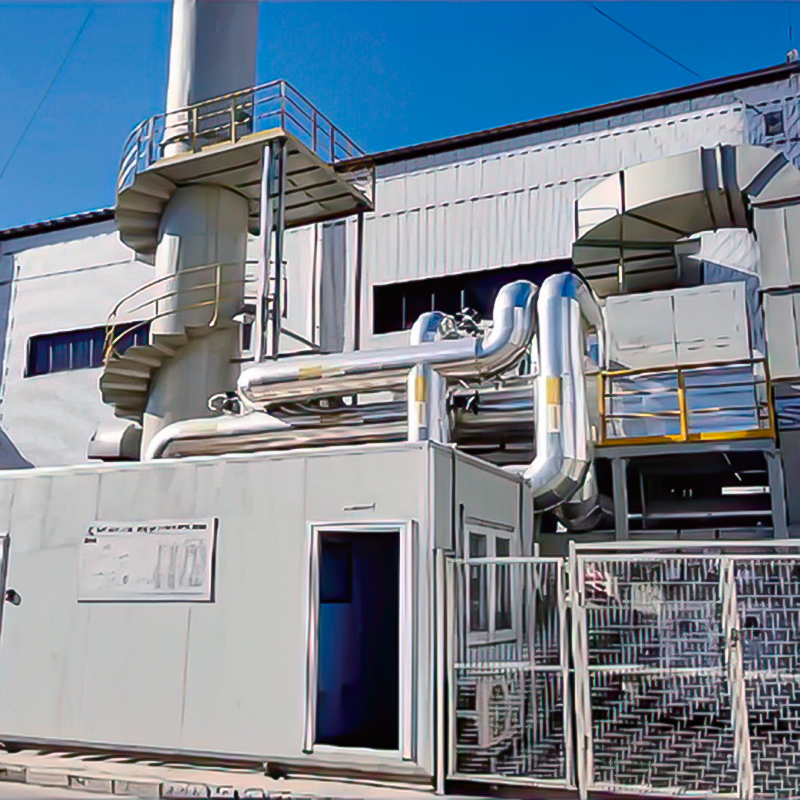
Concept Of Zeolite Rotary Wheel + Catalytic Combustion As A Set Of Equipment In the combined process of organic waste gas and waste gas treatment, the...
See Details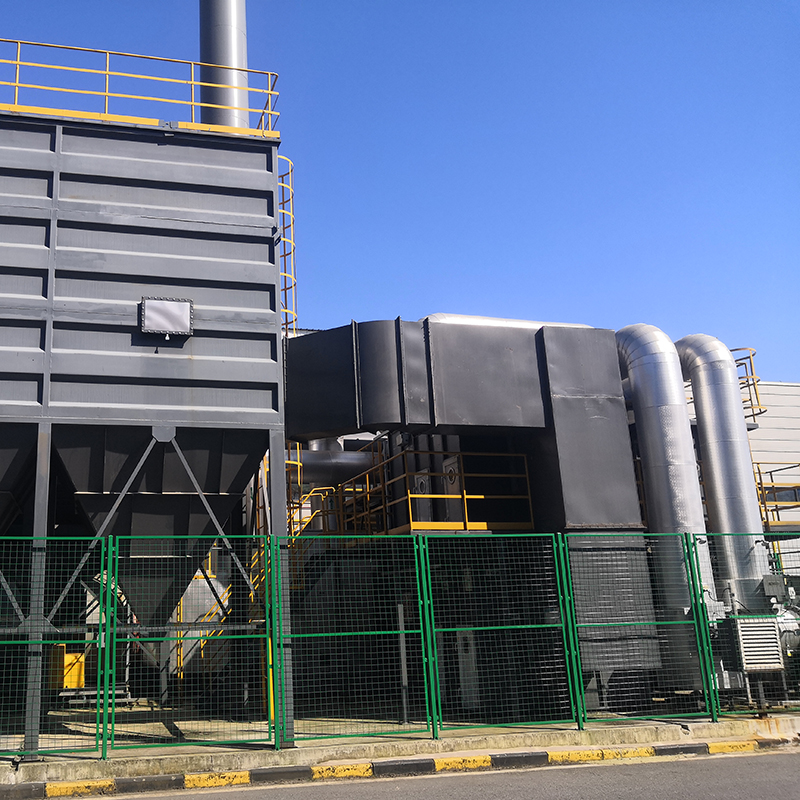
The Concept Of Zeolite Wheel+ Direct Combustion High-Temperature Incineration Equipment The purpose of employing rotary drum zeolite adsorption for or...
See DetailsMOBILE
Product Manual

Copyright © Lv quan Environmental Protection Engineering Technology Co., Ltd. All Rights Reserved. Vocs Organic Waste Gas Treatment Engineering Equipment Manufacturer

