

 English
 русский
 Français
 Español
 عربى
عربى
LQ-RTO Heat-storage high-temperature incineration equipment
Cat:Equipment
Overview Of Tower-Type RTO Regenerative Thermal Oxidizer (RTO) is an organic waste gas treatment equipment that combines high-temperature oxidation wi...
See Details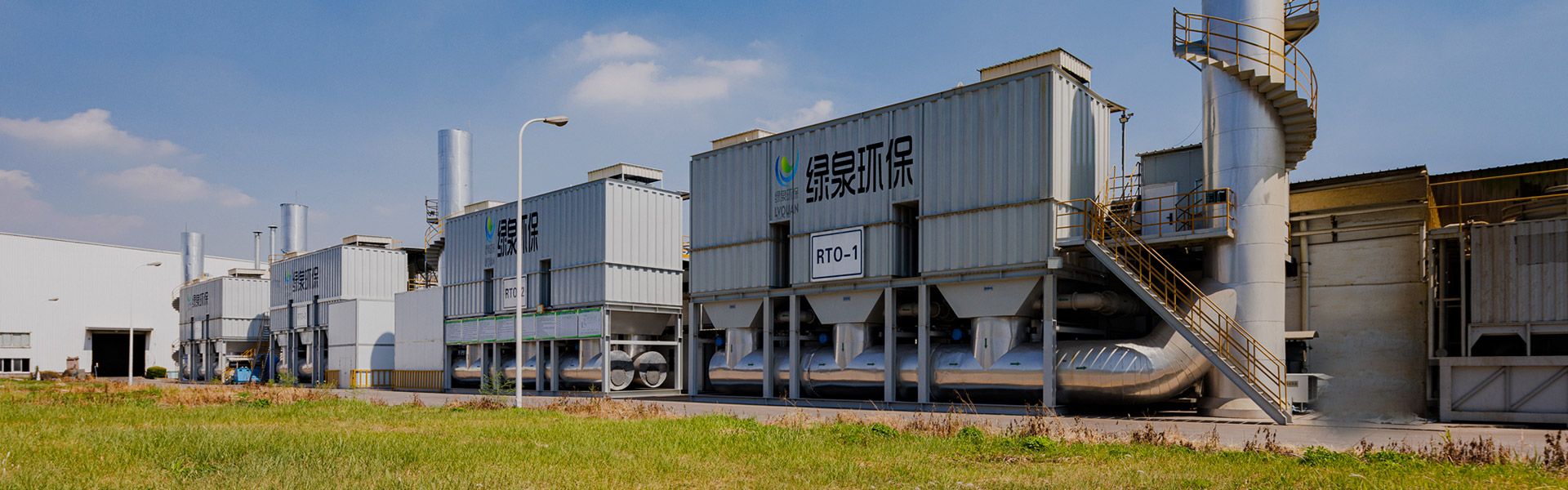
Content
For RCO heat-storage systems, the optimal VOC concentration range is typically between 500 and 7,000 mg/m³, with a sweet spot above 1,000 mg/m³ where the system can operate self-sufficiently without auxiliary fuel. This conclusion is supported by operational data from multiple industrial installations. Below this threshold, the catalytic reaction may not sustain itself, requiring additional energy input; above it, the system can generate surplus heat that may need to be managed to prevent catalyst overheating.
The regenerative catalytic oxidizer (RCO) represents a sophisticated integration of heat-storage catalytic incineration equipment and low-temperature oxidation technology. Unlike thermal oxidizers that operate at 750-1100°C, RCO systems achieve VOC destruction at 250-500°C through catalytic action, significantly reducing energy consumption . This makes the LQ-RCO heat-storage catalytic incineration equipment particularly attractive for industries seeking cost-effective VOC treatment solutions.
The thermal oxidizer working principle in an RCO system involves preheating the ceramic heat-storage bed, passing the organic waste gas through it for heat exchange, raising the temperature to the catalytic reaction point (typically 300-500°C), and then oxidizing the VOCs over a catalyst bed. The purified gas then releases its heat to a second ceramic bed before being discharged through the thermal oxidizer stack.
Figure 1: RCO Performance and Operating Characteristics by VOC Concentration Range
The concentration of VOCs in the inlet stream is the single most important factor determining the economic viability of an RCO system catalytic oxidizer. At concentrations above 1,000 mg/m³, the heat released from oxidation is sufficient to maintain the reaction without external fuel, dramatically reducing operating costs . This "self-sustaining" mode is where the regenerative catalytic oxidizer truly shines compared to other incineration equipment.
Research on RCO systems has shown that with toluene concentrations above 150 ppm (approximately 550 mg/m³), the system can operate stably with minimal auxiliary energy input . However, for true energy self-sufficiency and optimal waste gas treatment performance, concentrations above 1,000 mg/m³ are recommended. This makes the RCO ideal for industrial VOC control applications such as chemical plant VOC control, solvent waste gas treatment, and paint booth exhaust.
When evaluating thermal oxidizer vs incinerator or thermal oxidizer vs flare options, the RCO offers distinct advantages. While a regenerative thermal oxidizer (RTO) achieves 95%+ heat recovery, it operates at higher temperatures (750-850°C), leading to greater NOx formation. A catalytic incinerator like the RCO operates at 250-500°C, reducing NOx formation and fuel consumption . The acid gas incinerator is a specialized variant for corrosive streams, often requiring additional materials.
Figure 2: Combined Performance Score Comparison (Higher is Better)
The RCO consistently outperforms alternatives in combined metrics including energy efficiency, operating temperature, NOx formation, and overall cost of ownership. The catalytic combustion system approach reduces the activation energy barrier, enabling effective low temperature oxidation system performance. This is why exhaust gas treatment system designers frequently select RCO for chemical plant VOC control and solvent waste gas treatment.
The regenerative catalytic oxidizer offers the best combination of destruction efficiency, typically exceeding 99%, and energy recovery, with thermal efficiencies reaching 95% or higher . This results in energy consumption as low as 8 W·Hr/Nm³ for the LQ-RCO heat-storage catalytic incineration equipment.
Selecting the correct heat-storage catalytic incineration equipment requires careful consideration of multiple parameters. The table below outlines the key specification ranges for the Lvquan RCO series .
| Model | Air Volume (m³/h) | Catalytic Temp (°C) | Purification Efficiency | Heating Power (kW) |
|---|---|---|---|---|
| RCO-10 | 1,000 | 300-500 | ≥99% | 30 |
| RCO-50 | 5,000 | 300-500 | ≥99% | 75 |
| RCO-100 | 10,000 | 300-500 | ≥99% | 150 |
| RCO-200 | 20,000 | 300-500 | ≥99% | 300 |
A well-designed RCO system from a professional air pollution control equipment manufacturer will include a thermal oxidizer diagram showing the flow path: waste gas inlet → heat storage bed 1 → heating chamber → catalytic bed → heat storage bed 2 → exhaust stack. The valve switching cycle, typically 2-4 minutes, is critical to maintaining high thermal efficiency .
For installations where fuel preheating is required, the RCO can be equipped with a burner system to reach the catalytic ignition temperature. The Lvquan RCO VOC equipment offers both two-chamber and three-chamber configurations, with the three-chamber design providing even higher thermal recovery efficiency exceeding 98%.
The catalyst is the heart of any catalytic incinerator. The Lvquan RCO uses precious metal catalysts (Pt, Pd) or transition metal oxides on a honeycomb or foam-metal support. Catalyst life typically ranges from 4-5 years with proper maintenance .
Figure 3: Catalyst Type Performance Radar Comparison
The honeycomb monolith catalyst offers superior catalytic activity and thermal stability, making it the preferred choice for most organic waste gas treatment applications. However, foam-metal catalysts provide lower pressure drop, reducing fan energy consumption . The selection depends on specific VOC incineration system requirements.
Catalyst deactivation can occur due to poisoning from silicon, phosphorus, sulfur, or halogen compounds. The Lvquan RCO is designed with these considerations, and anti-poisoning catalyst formulations are available for challenging chemical process VOC synthesis applications. Regular catalyst inspection and replacement is part of the heat storage incinerator maintenance schedule.
Lvquan Environmental Protection Engineering Technology Co., Ltd. is located in the city of Gaoyou, Yangzhou, the "north gate" of Jiangsu. It is a joint-stock enterprise established through cooperation by talents with rich experience in VOCs equipment design and manufacturing for over 30 years and similar concepts. It is a professional VOCs organic waste gas treatment engineering equipment manufacturer. The company has a registered capital of 22 million yuan, with fixed assets of nearly 40 million yuan, a total assets of nearly 60 million yuan, and a factory building area of 9,800 square meters. It has more than 200 sets of various types of machining equipment and 120 employees, with an annual production capacity of 100 million yuan.
Lvquan specializes in the LQ-RCO heat-storage catalytic incineration equipment and other VOC treatment solutions for the automotive, electronics, printing, and chemical industries. The company provides comprehensive waste gas treatment incineration equipment including RTO, CO, and TO systems.
Q1: What is the minimum VOC concentration for RCO self-sustaining operation?
A1: Typically above 1,000 mg/m³ for self-sustaining operation without auxiliary fuel. Below 500 mg/m³, the system may struggle to maintain reaction temperatures efficiently .
Q2: How does RCO compare to RTO in operating temperature?
A2: RCO operates at 250-500°C versus 750-850°C for RTO. The lower temperature reduces NOx formation and energy consumption .
Q3: What is the typical catalyst lifespan in an RCO system?
A3: With proper operation and maintenance, catalyst life ranges from 4 to 5 years. Anti-poisoning formulations may extend this in challenging applications .
Q4: What industries benefit most from RCO technology?
A4: Automotive painting, electronics manufacturing, printing, chemical processing, and pharmaceutical industries with medium-high VOC concentrations benefit most from RCO systems.
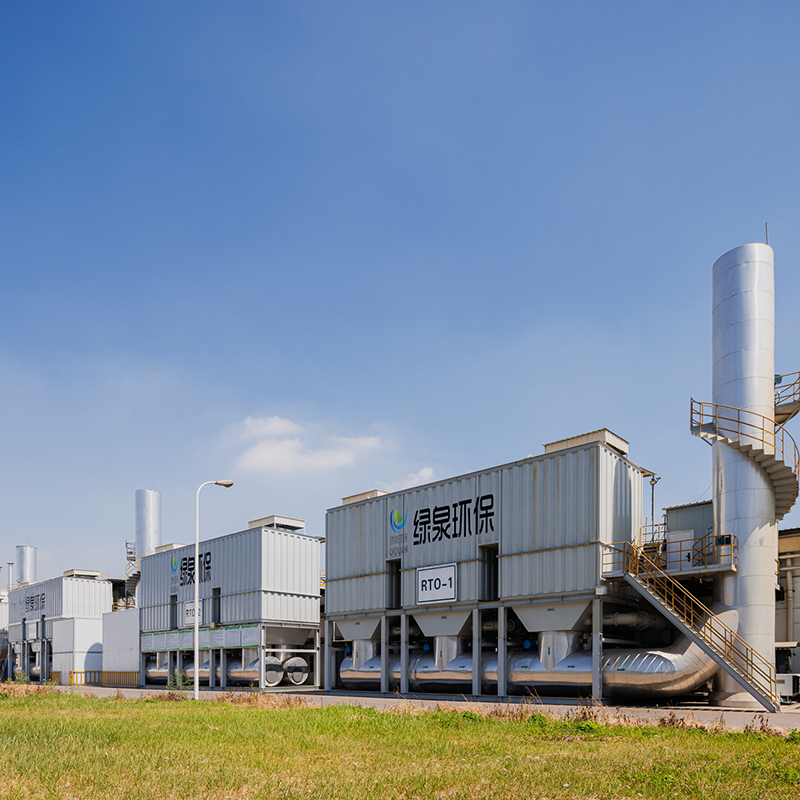
Overview Of Tower-Type RTO Regenerative Thermal Oxidizer (RTO) is an organic waste gas treatment equipment that combines high-temperature oxidation wi...
See Details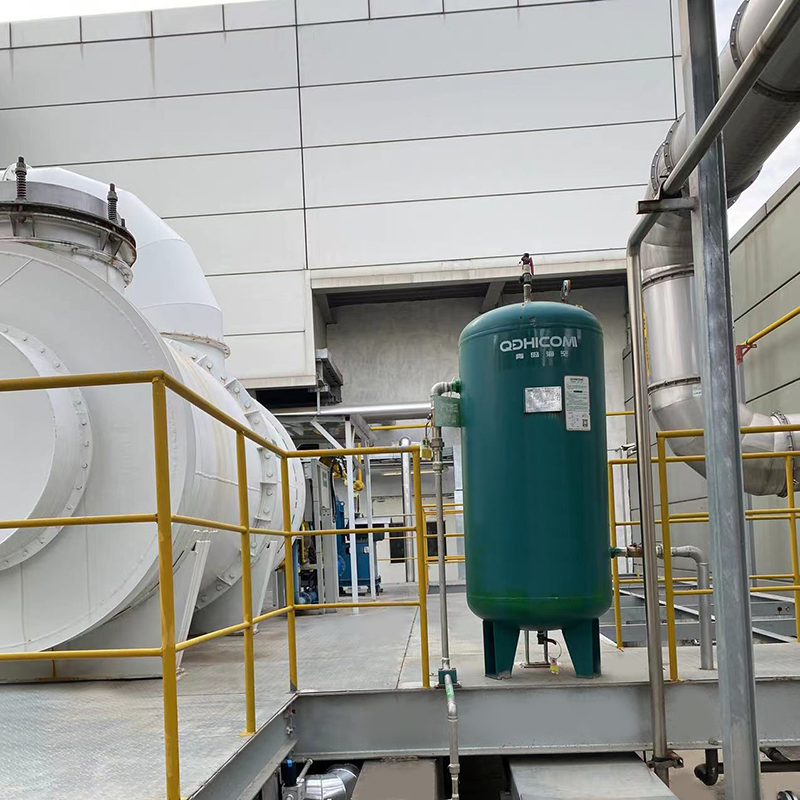
Overview Direct combustion high-temperature incineration equipment, abbreviated as TO, utilizes the heat generated by the combustion of auxiliary fuel...
See Details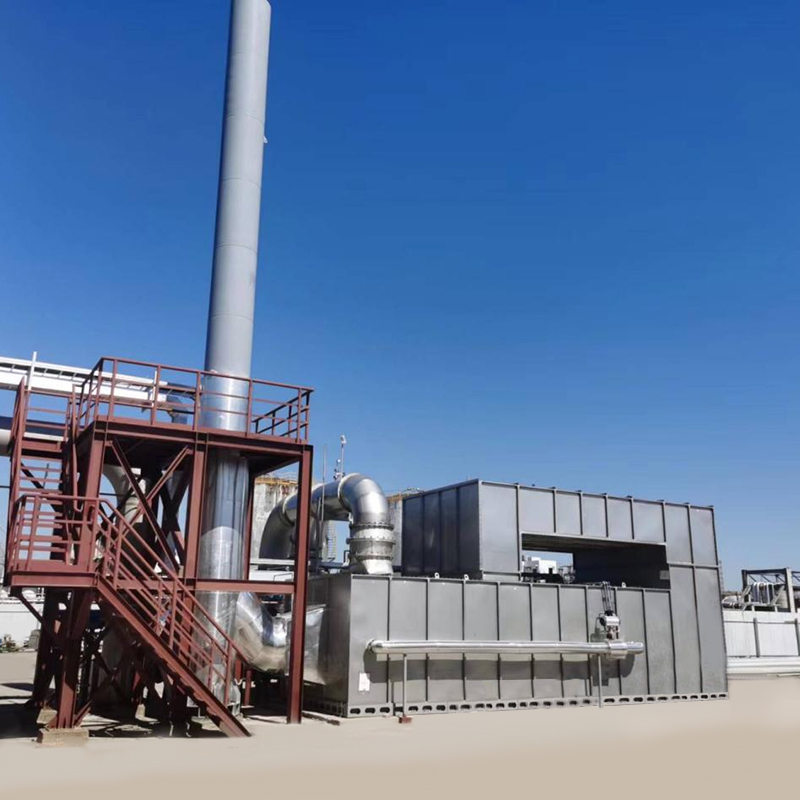
Overview Catalytic combustion is a purification method that uses catalysts to oxidize and decompose combustible substances in exhaust gas at low tempe...
See Details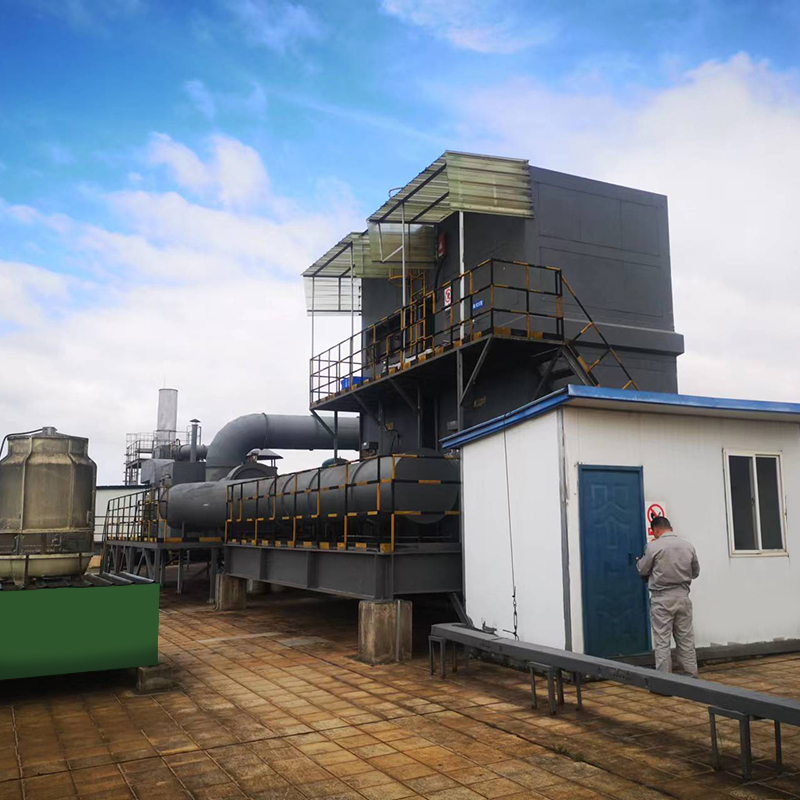
Overview Thermal storage catalytic oxidation (Regenerative Catalytic Oxidizer/RCO) is an organic waste gas treatment equipment that combines low-tempe...
See Details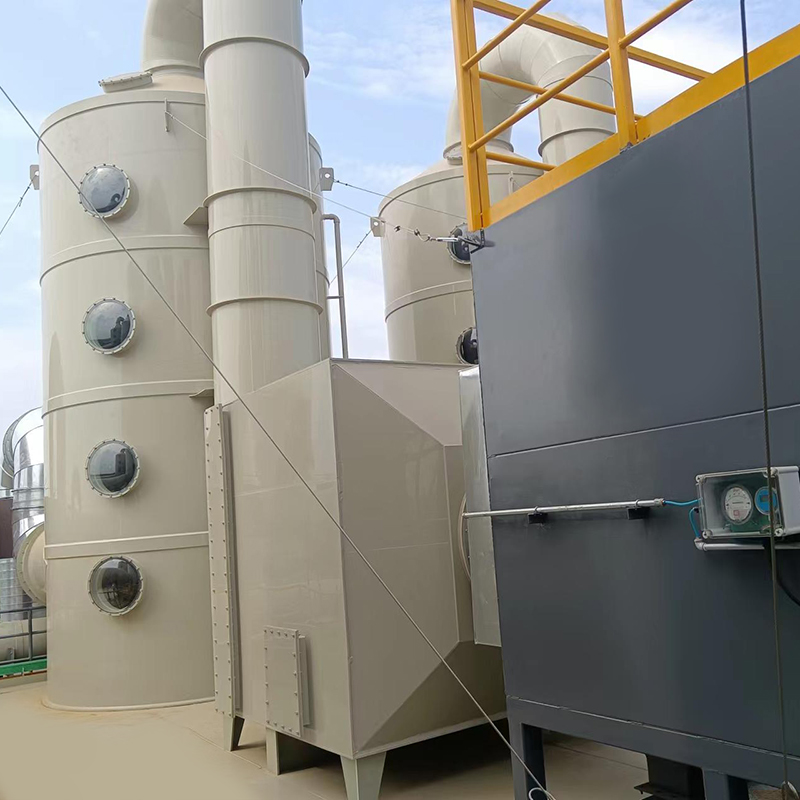
Overview The VOC-ACA series organic gas particle carbon purification and recovery equipment is used for the absorption, recovery, and reuse of organic...
See Details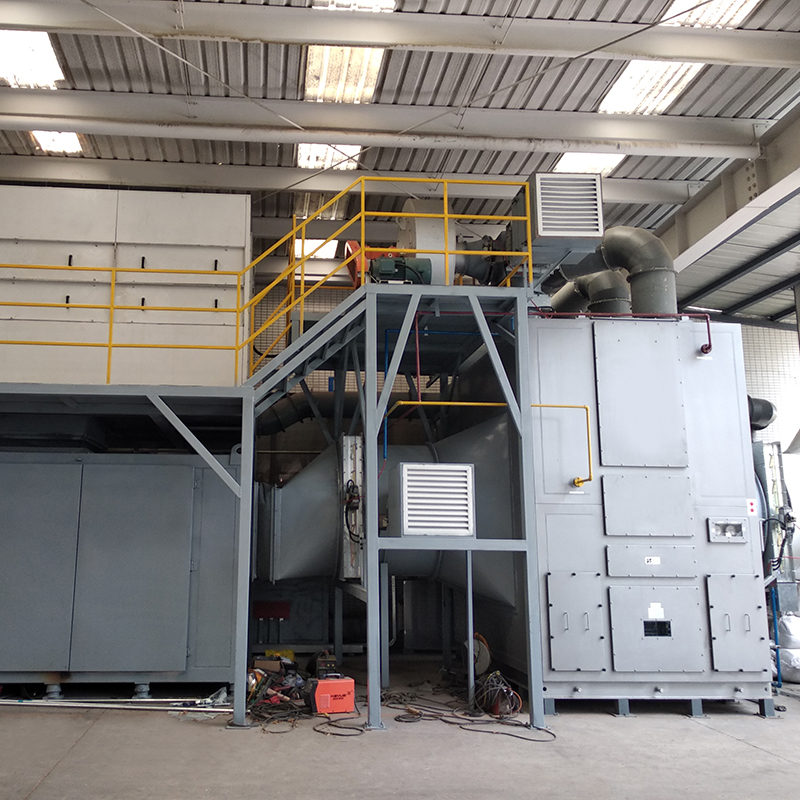
The Concept Of The Complete Set Of Equipment The purpose of employing rotary drum zeolite adsorption for organic waste gas is to concentrate low-conce...
See Details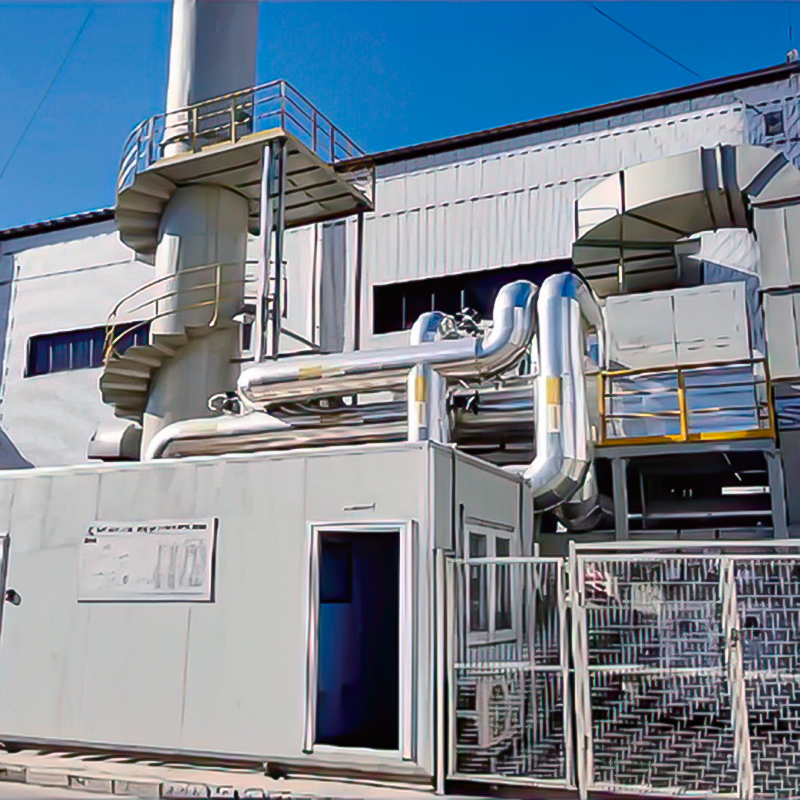
Concept Of Zeolite Rotary Wheel + Catalytic Combustion As A Set Of Equipment In the combined process of organic waste gas and waste gas treatment, the...
See Details
Purpose Mainly used for proportional ventilation of high-temperature flue gas. lt is widely used in places where leak rate requirements are not high, ...
See Details
Overview The wet dust removal principle uses the process of capturing and separating dust particles in the gas phase by fully contacting gas-liquid tw...
See Details
Overview Solid waste incineration furnaces are essential equipment in the management of solid waste, designed to transform waste materials into ash an...
See DetailsMOBILE
Product Manual

Copyright © Lv quan Environmental Protection Engineering Technology Co., Ltd. All Rights Reserved. Vocs Organic Waste Gas Treatment Engineering Equipment Manufacturer

