

 English
 русский
 Français
 Español
 عربى
عربى
LQ-RTO Heat-storage high-temperature incineration equipment
Cat:Equipment
Overview Of Tower-Type RTO Regenerative Thermal Oxidizer (RTO) is an organic waste gas treatment equipment that combines high-temperature oxidation wi...
See Details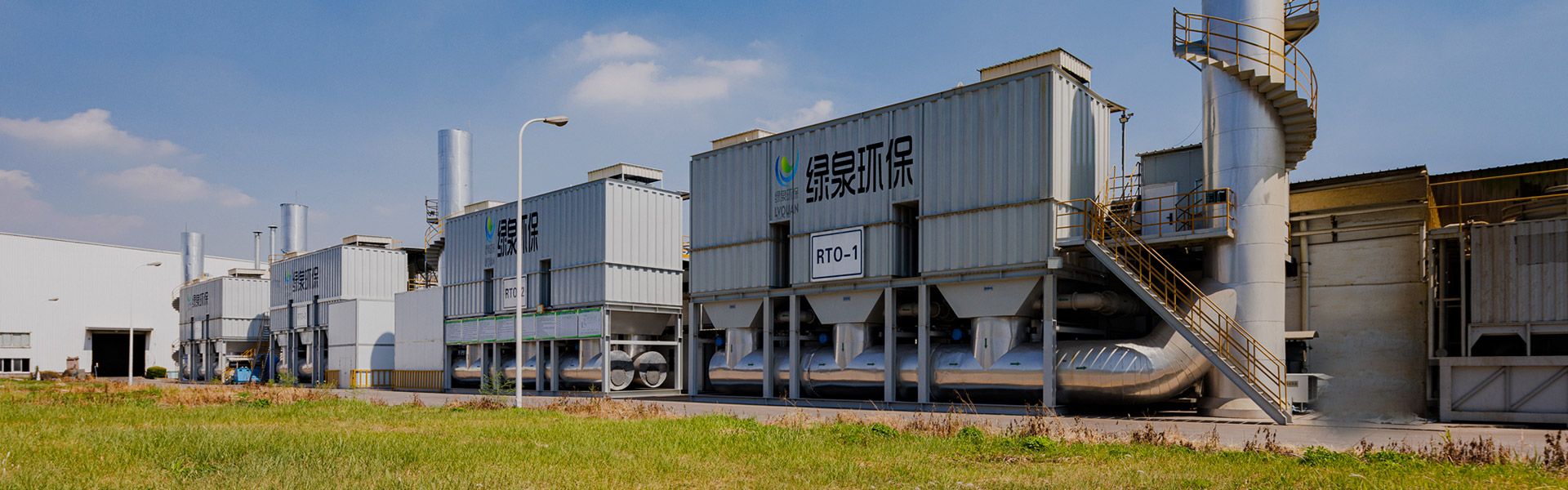
Content
At six in the morning, when a coating line in a furniture plant starts up, the first air that reaches the stack carries a sharp, sweet smell that neighbours recognise long before the plant manager does. The compounds responsible are not exotic. They are toluene, xylene, ethyl acetate, butyl acetate, acetone, and a handful of other solvents that appear on almost every industrial solvent list. That is the practical answer behind the question of what the real examples of volatile compounds are: for a factory, they are usually ordinary solvents, and the exact mix in the exhaust duct decides which abatement technology will work and which one will quietly fail after eighteen months of service.
This article takes the question seriously and answers it in three layers. First, it explains what makes a compound volatile in a measurable sense. Second, it lists concrete examples of volatile compounds grouped by chemical family, by everyday product, and by industrial process. Third, and most importantly for anyone buying or specifying treatment equipment, it shows how the identity of those compounds drives technology selection, operating cost, safety classification, and long-term maintenance risk.
If you are an environmental engineer, a plant manager, or a procurement specialist comparing quotations from a VOCs equipment manufacturer, the compound list is not background reading. It is the design brief.
The specific compounds in your exhaust stream, not the total VOC concentration alone, determine which abatement route is technically viable and economically defensible.
Volatility is not a yes-or-no property. It is a position on a scale, and the scale is defined by vapour pressure and boiling point. A compound is considered volatile when a meaningful fraction of it leaves the liquid or solid phase and enters the gas phase at ordinary ambient temperature. Vapour pressure is the number that describes this tendency directly: a liquid with a vapour pressure of 30 kPa at 25 °C is escaping into the air roughly thirty times faster than one with a vapour pressure of 1 kPa under the same conditions.
Different regulators draw the line in different places, and this matters commercially because the definition determines which solvents fall under emission permitting and reporting rules.
The practical consequence is that two plants using the same solvent can report different VOC loads depending on jurisdiction, and a solvent that is exempt from reporting in one market may be fully regulated in another. For equipment design, the vapour pressure scale is more useful than the regulatory label, because vapour pressure, temperature, and air movement together decide how much of the solvent actually reaches the duct.
Always design abatement equipment around the vapour pressure and boiling range of the actual solvent mix, because regulatory definitions vary by market but physical behaviour does not.
Chemical families behave differently in an exhaust duct, and grouping examples by family is the fastest way to predict which treatment route will be appropriate. Aromatic hydrocarbons, for instance, are heavy, often toxic, and frequently subject to strict stack limits. Oxygenated solvents are water-miscible and burn cleanly, which makes them friendly to catalytic oxidation but difficult to remove with water scrubbers. Halogenated solvents destroy catalysts and create acid gases that must be scrubbed downstream.
The table below collects representative examples of volatile compounds across the families that appear most often in industrial permitting documents and environmental impact assessments.
| Chemical family | Representative examples | Typical boiling point | Where it usually appears | Common abatement route |
|---|---|---|---|---|
| Aromatic hydrocarbons | Benzene, toluene, xylene, ethylbenzene, trimethylbenzene | 80 to 170 °C | Printing inks, paints, petrochemical processes, adhesives | Regenerative thermal oxidation, activated carbon adsorption |
| Oxygenated solvents | Methanol, ethanol, isopropanol, acetone, methyl ethyl ketone, ethyl acetate | 56 to 83 °C | Coating, pharmaceutical synthesis, electronics cleaning, flexographic printing | Catalytic oxidation, thermal oxidation, adsorption |
| Halogenated hydrocarbons | Dichloromethane, trichloroethylene, perchloroethylene, chlorobenzene | 40 to 132 °C | Metal degreasing, pharmaceutical extraction, dry cleaning | Thermal oxidation with downstream alkaline scrubbing |
| Aliphatic hydrocarbons | Hexane, heptane, cyclohexane, petroleum ether | 69 to 98 °C | Adhesives, rubber processing, vegetable oil extraction | Activated carbon adsorption, thermal oxidation |
| Aldehydes and ketones | Formaldehyde, acetaldehyde, acrolein, cyclohexanone | Minus 19 to 155 °C | Resin production, wood panel pressing, foundry binders | Thermal oxidation, catalytic oxidation |
| Esters and ethers | Butyl acetate, propylene glycol methyl ether acetate, methyl tert-butyl ether, tetrahydrofuran | 55 to 146 °C | Can coating, packaging inks, pharmaceutical processing | Adsorption, regenerative thermal oxidation |
| Terpenes and natural volatiles | Limonene, alpha-pinene, isoprene, turpentine fractions | 34 to 176 °C | Wood processing, food flavouring, printing with bio-based inks | Biofiltration for low loads, thermal oxidation for high loads |
| Sulphur and nitrogen organics | Methanethiol, dimethyl sulphide, pyridine, dimethylformamide | 6 to 153 °C | Pulp and paper, pharmaceutical synthesis, rubber vulcanisation | Thermal oxidation with scrubbing, careful catalyst screening |
Two cautions apply to any table of this kind. First, boiling point is a convenient proxy for volatility, but it is not the same thing; a compound can have a moderate boiling point and still produce a significant vapour concentration in a warm, well-ventilated workspace. Second, real exhaust streams are almost never single compounds. A single gravure press line may release ethanol, ethyl acetate, isopropanol, and a small fraction of higher-boiling glycol ethers at the same time, and the treatment system must handle the whole mixture rather than the average.
When a project moves from the feasibility stage to detailed design, the compound list is usually reduced to three or four representative species, often called marker compounds, and the equipment is sized on the worst case among them.
Group your exhaust stream into chemical families before selecting equipment, because families share failure modes and share suitable abatement routes.
Household exposure is a useful reminder that volatility is a normal part of chemistry rather than an industrial anomaly. The smell of a new car interior, the sharp odour of a permanent marker, and the scent released by a freshly peeled orange are all the result of the same physical process: compounds leaving a solid or liquid surface and entering the air.
Common domestic examples include:
Measured indoor concentrations of total VOCs in newly furnished residential buildings can reach several hundred micrograms per cubic metre, and in poorly ventilated spaces form a persistent background. This is not simply a domestic health topic. It is also the reason that wood panel producers, furniture manufacturers, and flooring suppliers face formaldehyde emission classes and product labelling requirements, and it explains why so many factories install extraction and treatment systems at the pressing and coating stages rather than relying on general ventilation.
The same compounds that cause indoor air complaints in homes are the ones that drive emission limits and treatment requirements in furniture, panel, and coating factories.
In manufacturing, the compound list is narrower but far more concentrated. Understanding which solvents belong to which production step helps an engineer predict the concentration profile, the presence of particulates, and whether the solvent is worth recovering rather than destroying.
Solvent-based coatings are a dense source of aromatic and oxygenated compounds. Typical examples include toluene, xylene, ethylbenzene, butyl acetate, methyl ethyl ketone, cyclohexanone, and propylene glycol methyl ether acetate. Publication gravure printing is dominated by toluene in some markets, while packaging flexographic printing increasingly uses ethanol, ethyl acetate, and isopropanol. Coil coating lines often rely on slower-evaporating aromatic solvent naphtha fractions, which means the exhaust duct contains compounds with boiling points well above 150 °C and a correspondingly lower tendency to remain in the gas phase after cooling.
Fugitive and process emissions here include benzene, 1,3-butadiene, ethylene, propylene, styrene, and methyl tert-butyl ether. Many of these are classified as hazardous air pollutants in addition to being VOCs, so destruction efficiency requirements are frequently stricter than general VOC limits, sometimes demanding 98 per cent removal or better with continuous monitoring.
Batch processing produces a wide and changing mix. Common examples include dichloromethane, toluene, isopropanol, acetone, tetrahydrofuran, dimethylformamide, pyridine, and ethyl acetate. The halogenated fraction is the critical design driver, because it rules out many catalytic systems and forces the specification of corrosion-resistant materials and downstream acid gas scrubbing.
Cleaning and photolithography steps release isopropanol, acetone, methanol, N-methyl-2-pyrrolidone, and propylene glycol methyl ether acetate. Volumes are often small but concentrations can be high in local exhaust, and the presence of nitrogen-bearing solvents creates fuel-bound NOx that must be considered in the combustion design.
This sector combines formaldehyde from resin curing with toluene, xylene, and limonene from coating and from the wood itself. Pine and other softwoods release terpenes naturally during drying and pressing, which adds a biogenic contribution that is sometimes overlooked in emission inventories.
Styrene is the dominant compound in unsaturated polyester and gelcoat operations, accompanied by hexane, methyl ethyl ketone, and occasionally phenol. Styrene is reactive and prone to polymerisation, so duct fouling and heat exchanger plugging are recurring maintenance issues.
Odour-driven applications involve ethanol, acetic acid, aldehydes, dimethyl sulphide, and various terpenes. Concentrations are usually low, but the odour threshold of sulphur compounds can be measured in parts per billion, so treatment targets are frequently set by perception rather than by mass.
Identify the process step first and the compound list second, because process conditions decide whether the same solvent arrives as a dilute stream or as a concentrated, hot, particulate-laden one.
Two factories can use the identical solvent and still require completely different abatement equipment. The reason usually comes down to how quickly that solvent leaves the liquid phase and enters the air stream. Vapour pressure is the single number that describes this tendency most directly. A compound with high vapour pressure at room temperature will appear in the exhaust duct even from an open container, a spill, or a coated surface that has already passed through the oven. The chart below ranks eight volatile compounds that appear frequently in industrial exhaust, using approximate vapour pressure values at 25 °C.
The spread in this chart is roughly thirty-six to one between the highest and lowest entry, and that ratio explains a great deal of practical trouble in abatement projects. Acetone and methanol, at the top of the scale, will be present in the duct air almost immediately after a coating is applied, which means the inlet concentration to the treatment device responds quickly to changes in production. Toluene, xylene, and styrene, at the lower end, behave very differently. They evaporate slowly and continue to be released from coated parts, from residues in tanks, and from spent filter material long after the coating line has stopped. Plants that size their extraction system on peak production conditions often find that a low but persistent concentration remains in the duct during shutdown periods, which affects both the operating cost of the treatment device and the safety classification of the ductwork.
The second practical consequence concerns the physical state of the stream. Highly volatile compounds stay in the gas phase even after the exhaust has been cooled, so heat exchangers and condensers recover very little of them. Less volatile compounds, such as xylene and styrene, condense readily when the gas is cooled below their dew point, which is why condensation recovery is technically attractive for these species and largely ineffective for acetone or methanol. Anyone who has attempted to recover acetone by chilling a gas stream has learned this lesson in the form of a poorly performing condenser and a rising electricity bill.
The third consequence concerns adsorption. Activated carbon and zeolite both work by holding molecules on a surface, and their capacity depends on how strongly those molecules are attracted to the surface. High-vapour-pressure compounds are held weakly and are displaced easily, which is why a carbon bed loaded with a mixture of acetone and toluene tends to release the acetone first during desorption and can even be stripped of it by humidity alone. Zeolite materials are generally more selective for oxygenated compounds than activated carbon, and this difference is one of the reasons that zeolite concentrators have replaced carbon in many high-volume, low-concentration coating applications.
The fourth consequence concerns combustion. Every volatile compound has a heat of combustion, and the total calorific value of the exhaust stream depends on which compounds are present and at what concentration. Oxygenated solvents such as ethanol and ethyl acetate carry oxygen in the molecule itself, which lowers their calorific value and can make auto-thermal operation harder to achieve. Aromatic and aliphatic hydrocarbons carry more energy per unit mass. When a plant switches from a solvent-based coating to a water-based or high-solids coating, the compound profile changes, the calorific value of the exhaust changes, and the fuel consumption of the oxidiser changes with it.
The fifth consequence concerns safety. Flash point and lower explosive limit are properties of the individual compound, not of the mixture as an average. A stream containing a small amount of a very low flash point solvent such as hexane can present a greater fire risk than a stream with a higher total VOC concentration made up of heavier aromatics. This is why ductwork design, inline concentration monitoring, and pre-treatment safety interlocks must be discussed together with the compound list rather than separately.
Finally, the chart is a reminder that the compound list directly affects operating cost. High-vapour-pressure compounds require larger adsorption beds or higher oxidation temperatures; low-vapour-pressure compounds are more likely to foul heat exchanger surfaces and to require periodic cleaning. Neither situation is unmanageable, but both should appear in the total cost of ownership calculation before the purchase order is signed, not after the first year of operation.
Vapour pressure determines whether a compound is best destroyed, adsorbed, or condensed, so it belongs at the top of every abatement feasibility study.
Once the compound list and its concentration range are known, the technology decision becomes much more structured. The first question is whether the stream is dilute or concentrated. Streams below roughly 100 mg per cubic metre are expensive to oxidise directly because the fuel needed to hold the combustion temperature may exceed the value of the pollutant being destroyed. Streams above several thousand milligrams per cubic metre, on the other hand, can often sustain combustion with little or no supplementary fuel.
The second question is whether the compounds are worth recovering. Solvent recovery makes economic sense when the solvent has a high market value, when it is used in large quantities, and when it can be returned to the process without extensive purification. Recovery is far less attractive for mixed, contaminated streams that would need distillation before reuse.
The third question is whether the stream contains anything that will damage the equipment. Halogens corrode metal surfaces and poison catalysts. Silicon-containing compounds form glassy deposits on heat exchanger surfaces. Phosphorus and heavy metals deactivate catalysts permanently. Particulate matter blinds adsorption beds. Any of these characteristics will narrow the technology options very quickly.
For large-volume, low-concentration streams containing typical coating and printing solvents, a concentration step followed by oxidation is usually the most economical configuration. A zeolite concentrator adsorbs the compounds from a large air volume, then desorbs them into a small volume at ten to twenty times the original concentration, which allows a much smaller oxidiser to handle the same mass of pollutant. The following system is a representative example of this configuration for coating and printing applications.
The design logic behind such a system deserves attention. The concentrator does not destroy anything; it only moves the compounds from a large air stream into a small one. The oxidiser does the destruction work. If the concentrator is undersized, the oxidiser receives a weak stream and burns more fuel than necessary. If the oxidiser is undersized for the desorption peak, unburned compounds pass through the stack during the desorption cycle. Matching the two units is the single most important engineering task in the whole system.
Concentration before oxidation is the most cost-effective answer for high-flow, low-concentration solvent streams, but only when the concentrator and oxidiser are sized together.
Destruction is simple and reliable, but it converts a potentially valuable material into carbon dioxide and water. For higher-boiling solvents such as toluene, xylene, and some esters, adsorption followed by condensation can return usable solvent to the process and reduce both raw material purchases and treatment costs.
Recovery performance depends heavily on the compound list. Solvents with boiling points above roughly 100 °C condense efficiently at modest refrigeration temperatures and can be recovered at high purity when the feed is a single solvent. Solvents with boiling points below 70 °C require deep chilling, which raises energy consumption sharply, and mixtures of oxygenated and aromatic solvents usually need distillation before they can be reused in a coating formulation.
Moisture is the other decisive variable. Activated carbon loses much of its adsorption capacity for weakly held compounds when relative humidity exceeds about sixty per cent, so a dehumidification or cooling step is often required upstream. The following recovery system combines granular activated carbon adsorption with condensation, which is a well-established route for medium-to-high-boiling solvents in coating, printing, and chemical processes.
A realistic assessment of recovery economics should include the value of the recovered solvent, the cost of steam or hot gas used for desorption, the electricity for chilling, the disposal cost of any unusable fraction, and the labour associated with monitoring bed performance. In many projects the payback period falls between two and four years, but only when the recovered solvent is actually reused rather than downgraded to waste.
Recovery pays back when the solvent is valuable, the stream is dry enough, and the recovered liquid can genuinely be returned to production.
Catalytic oxidation destroys organic compounds at temperatures between roughly 250 and 450 °C, compared with the 760 to 850 °C needed for thermal oxidation. This lower temperature reduces fuel consumption, shrinks insulation thickness, and lowers the formation of thermal nitrogen oxides. The trade-off is that the catalyst is sensitive to a specific list of poisons, and the compound list must be screened before the technology is chosen.
Catalysts tolerate oxygenated and simple aliphatic hydrocarbons well. They do not tolerate halogenated compounds, which form hydrogen chloride and can chlorinate the catalyst surface. They also perform poorly in the presence of sulphur compounds, which form sulphates that block active sites, and they are permanently deactivated by silicon, phosphorus, and heavy metals. Streams containing silicone release agents, silanes, or certain phosphate additives are therefore usually routed to thermal oxidation instead.
For clean, halogen-free streams with moderate concentrations, catalytic oxidation offers a compact and economical solution. The following equipment is designed for this category of application, where the compound list has been screened for catalyst compatibility and the heat recovery target is moderate.
Before committing to a catalytic route, ask two questions. First, can the solvent or coating formulation be changed in future in a way that introduces a catalyst poison, and what would the cost of that change be if it happened? Second, is the catalyst supplier able to provide a replacement schedule and a performance guarantee based on the actual compound list rather than on a generic VOC value? Both questions separate a durable installation from one that needs replacement catalyst every eighteen months.
Catalytic oxidation is the right choice only when the compound list is free of halogens, sulphur, silicon, phosphorus, and heavy metals now and for the foreseeable future.
A small number of compound families require special design attention, and getting them wrong produces failure that is expensive and sometimes dangerous.
Halogenated compounds, such as dichloromethane and trichloroethylene, produce hydrogen chloride or hydrogen bromide during oxidation. These gases must be removed by an alkaline scrubber before the gas reaches the stack, and the ductwork, heat exchanger, and stack must be built from corrosion-resistant materials. The combustion temperature also has to be controlled carefully, because an inappropriate temperature window combined with a chlorine source and an organic matrix can favour the formation of dioxin-like compounds. This is not a theoretical concern; it is why halogenated waste streams are regulated separately in many jurisdictions.
Sulphur-bearing compounds attack both catalysts and heat exchange surfaces. Methanethiol and dimethyl sulphide, common in pulp, food, and rubber operations, oxidise to sulphur dioxide, which forms corrosive sulphuric acid when the gas cools below the dew point. Either the stack temperature must be kept above the acid dew point or a scrubber must be added downstream.
Reactive monomers such as styrene require a different kind of attention. Styrene polymerises at elevated temperature, particularly in the presence of stagnant hot surfaces or catalytic residues, forming deposits that restrict flow and reduce heat transfer. Ductwork dead legs should be avoided, and heat recovery surfaces need a cleaning strategy built into the operating schedule.
Aldehydes, particularly formaldehyde, are another special case. They oxidise readily and can be treated catalytically, but they are also water-soluble and can be reduced substantially by a wet scrubber when the concentration is low enough. When formaldehyde originates from a wet process stream, a washing stage ahead of the oxidiser can reduce both the load and the risk of resinous deposit formation.
Halogenated, sulphur-bearing, and reactive compounds each add at least one unit operation to the process train, and under-estimating them is one of the most common sources of abatement project failure.
When a plant issues an enquiry to a VOCs equipment manufacturer or supplier, the quality of the technical data package largely determines the quality of the resulting quotation. Suppliers who receive only a total VOC concentration figure will either over-design conservatively or under-design optimistically, and neither outcome serves the buyer well.
| Design input | Typical format | Why it matters | Risk if omitted |
|---|---|---|---|
| Compound list | Named species with approximate percentages | Determines catalyst compatibility, material selection, and safety class | Wrong technology choice and premature equipment failure |
| Concentration range | Milligrams per cubic metre, minimum and maximum | Sets the energy balance of the oxidiser | Excessive fuel consumption or unstable combustion |
| Exhaust flow rate | Cubic metres per hour at stated temperature | Sizes the fan, duct, and treatment units | Under-capacity or unnecessary capital expenditure |
| Temperature and humidity | Degrees Celsius and relative humidity at the inlet | Affects adsorption capacity and condensation potential | Poor recovery performance and shortened adsorbent life |
| Particulate and aerosol content | Milligrams per cubic metre and particle nature | Determines the need for filtration or pre-scrubbing | Blocked adsorption beds and fouled heat exchangers |
| Operating schedule | Hours per day, days per week, batch or continuous | Influences heat recovery and control strategy | High standby fuel cost and unstable process control |
| Required removal efficiency | Percentage and the applicable emission standard | Defines the guaranteed performance point | Compliance failure after commissioning |
| Available utilities and space | Power, steam, gas, footprint, height limit | Constrains the feasible technology set | Late redesign and additional civil work |
Two further points are worth adding. First, the exhaust flow rate should be measured rather than estimated where possible, because oversizing the extraction system is a common and expensive habit that increases both capital and operating cost without improving capture. Second, the emission standard that applies to the site should be quoted directly in the enquiry, including any local requirements that are stricter than the national limit.
A complete technical data package, especially the named compound list, is the single most effective way to reduce both the purchase price and the lifetime cost of a VOC abatement system.
Compound identity continues to matter after commissioning. Adsorption beds loaded with weakly held, high-vapour-pressure compounds such as acetone and methanol saturate faster and can be displaced by humidity during shutdown. Beds loaded with heavier aromatics saturate more slowly but are harder to regenerate completely, and residues gradually accumulate in the pore structure until capacity falls below the design value.
A practical monitoring programme usually combines three elements: periodic outlet concentration measurement using a portable flame ionisation detector, pressure drop trending across the adsorption bed, and temperature profiling across the oxidiser to detect channeling or catalyst degradation. Pressure drop is often the earliest indicator that something has changed, and it costs nothing beyond a routine reading to track it.
Regeneration parameters deserve the same attention as the initial design. Too little desorption energy leaves residual solvent in the bed and reduces working capacity. Too much energy wastes steam or hot gas and can degrade the adsorbent itself, particularly activated carbon, which begins to lose structure at sustained high temperatures. The question of when to replace adsorbent is covered in more detail in this article on whether organic waste gas treatment equipment needs regular adsorbent replacement, which is worth reading alongside your own operating data.
For oxidisers, the maintenance list is shorter but no less important. Heat exchanger surfaces must be cleaned when pressure drop rises, burners and flame detection devices must be tested on a defined cycle, and any change in the solvent formulation used in production should be reported to the maintenance team before it reaches the coating line, not afterwards.
Track pressure drop, outlet concentration, and oxidiser temperature profile on a fixed schedule, because these three readings detect almost every developing problem before it becomes a compliance event.
Abatement equipment is not a catalogue purchase. The performance guarantee depends on how well the supplier understands the compound list, the process variability, and the site constraints, and on whether the same organisation that designed the system also manufactures it and commissions it on site.
When evaluating quotations, look for evidence of design capability rather than equipment fabrication alone. A supplier that can present a mass balance across the treatment train, a heat balance for the oxidiser, and a written statement of which compounds will and will not be accepted is far more valuable than one that offers the lowest capital price with no technical boundary conditions. Qualification certificates, quality and environmental management system registrations, and design and construction qualifications all provide useful signals of a supplier's operating discipline. You can review the company profile, qualifications, and manufacturing background of a Chinese VOCs equipment manufacturer as an example of the kind of information a serious supplier should be able to provide.
It is also worth confirming who will handle installation, commissioning, operator training, and after-sales response. A system that is manufactured correctly but installed poorly will underperform, and the finger-pointing that follows usually costs more than the original price difference between two bidders. Ask for a reference list of comparable installations, and where possible speak to the plant operators who run them daily rather than only to the project engineers who commissioned them.
Buy the engineering, the manufacture, and the commissioning from one accountable organisation, because performance guarantees are only as strong as the weakest link in that chain.
Formaldehyde, limonene, acetone, ethanol, isopropanol, toluene, xylene, and styrene appear most frequently in indoor air monitoring studies. Formaldehyde and toluene are usually associated with building materials, furniture, and coatings, while limonene and ethanol come mainly from cleaning products, air fresheners, and personal care items. Concentrations vary widely with ventilation rate, temperature, and the age of the furnishings.
Regulation usually targets compounds that participate in atmospheric photochemical reactions, along with a separate list of hazardous air pollutants such as benzene, formaldehyde, and dichloromethane. In practice, most permits define a total non-methane hydrocarbon limit plus specific limits for a short list of toxic species. Checking the exact wording of the applicable local standard is more reliable than relying on general chemical classifications.
Yes. Limonene, alpha-pinene, and similar terpenes have vapour pressures in the same range as many industrial solvents and are fully volatile. They contribute to odour complaints in wood processing, printing with bio-based inks, and food manufacturing, and they can form secondary organic aerosols when they react with ozone in the atmosphere. Their natural origin does not exempt them from treatment requirements where local limits apply.
Boiling point is a practical proxy for how easily a compound leaves the liquid phase and how readily it can be condensed or desorbed. Compounds boiling below about 70 °C are difficult to recover by condensation and tend to be held weakly on adsorbents. Compounds boiling above about 150 °C condense readily but can foul heat exchange surfaces. The design engineer uses this information to decide between destruction, adsorption, and recovery.
Yes, and most industrial systems do. The limitations appear when the mixture contains compounds with conflicting requirements, for example a halogenated solvent mixed with a stream intended for a catalytic oxidiser, or a high-boiling resin-forming compound mixed with a light solvent intended for carbon adsorption. In those cases the stream is usually split, pre-treated, or routed to thermal oxidation instead.
Where they cause odour complaints or contribute to a regulated emission limit, yes. Treatment duties for biogenic compounds are usually lower than for solvent streams, and biofiltration or low-temperature oxidation is often sufficient. The design process is the same: identify the compounds, quantify the concentration, and select a route that matches both.
Compare the market value of the recovered solvent against the cost of steam, electricity, and labour needed to recover it, then add the cost of disposing of any fraction that cannot be reused. Recovery generally wins for single, higher-boiling solvents used in large quantities. Destruction generally wins for mixed, low-concentration, or low-value streams.
Whichever route you choose, the compound list is the document that determines feasibility, cost, and long-term reliability.
The examples of volatile compounds discussed here are not an academic list. Acetone, methanol, ethyl acetate, toluene, xylene, styrene, formaldehyde, and their halogenated and sulphur-bearing relatives each carry a distinct set of consequences for emission control. They determine whether a stream can be treated catalytically, whether it should be concentrated before oxidation, whether recovery is financially sensible, and what materials will survive ten years of service.
The practical sequence is straightforward. Characterise the exhaust stream, group the compounds by family, confirm the concentration range and variability, and only then evaluate technology options. Plants that follow this order usually buy smaller equipment, consume less fuel, and spend less time dealing with compliance surprises. Plants that skip it usually discover the compound list during their first stack test, which is the most expensive possible moment to learn it.
Related reading: if you are currently specifying or operating an adsorption-based system, this article explains how to judge when the adsorbent has reached the end of its useful life and what to check before replacing it.
What types of waste materials can be processed using the LQTO incineration system
Characterise the compounds first, choose the technology second, and the abatement system will meet its guarantee instead of merely meeting its delivery date.
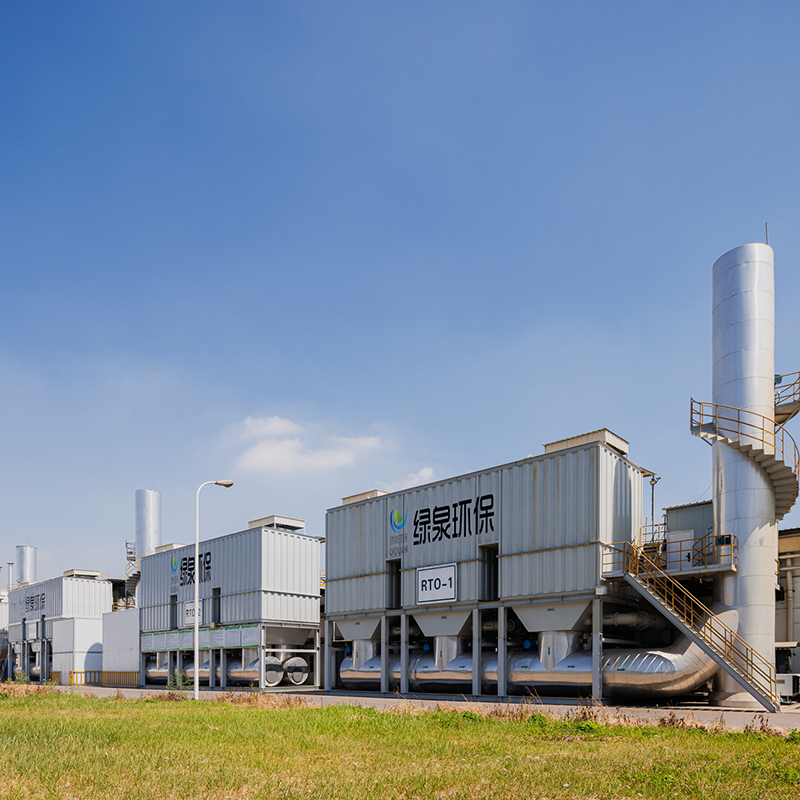
Overview Of Tower-Type RTO Regenerative Thermal Oxidizer (RTO) is an organic waste gas treatment equipment that combines high-temperature oxidation wi...
See Details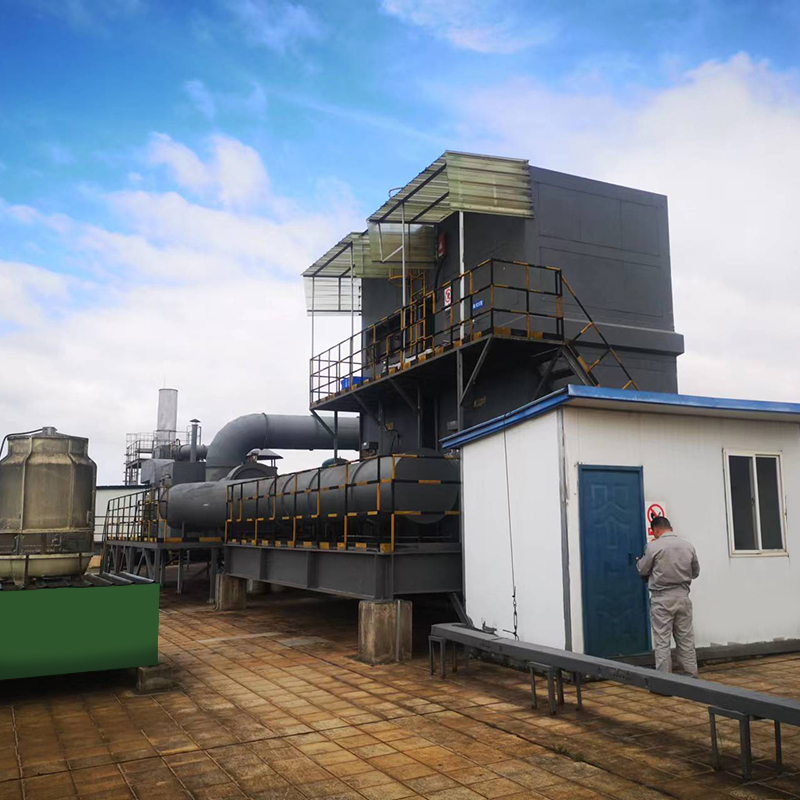
Overview Thermal storage catalytic oxidation (Regenerative Catalytic Oxidizer/RCO) is an organic waste gas treatment equipment that combines low-tempe...
See Details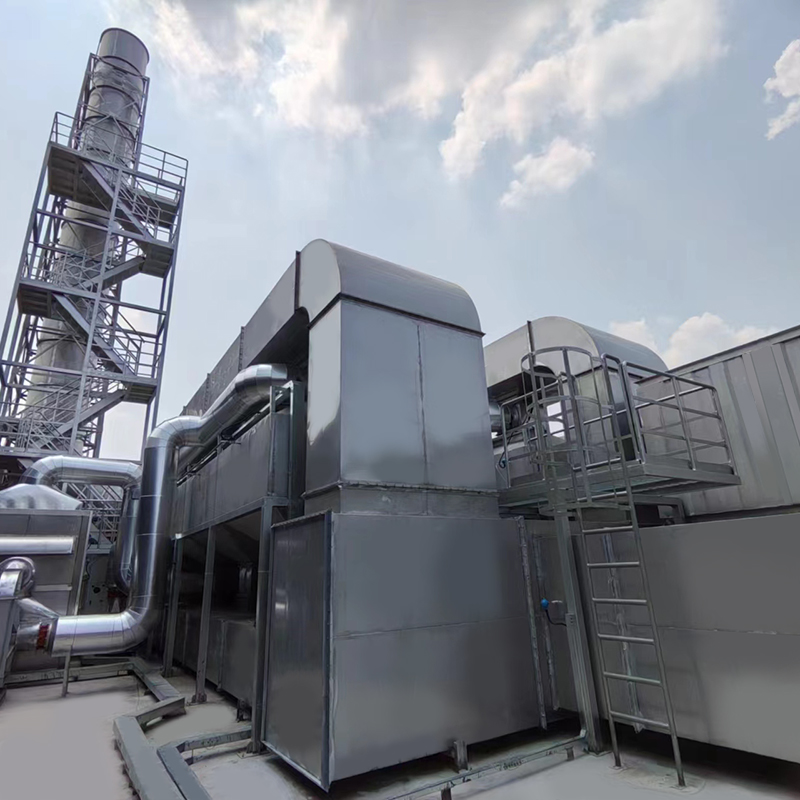
Overview of Activated Carbon Fiber Organic Solvent Purification Recovery Device The Activated Carbon Fiber Organic Solvent Purification Recovery Syste...
See Details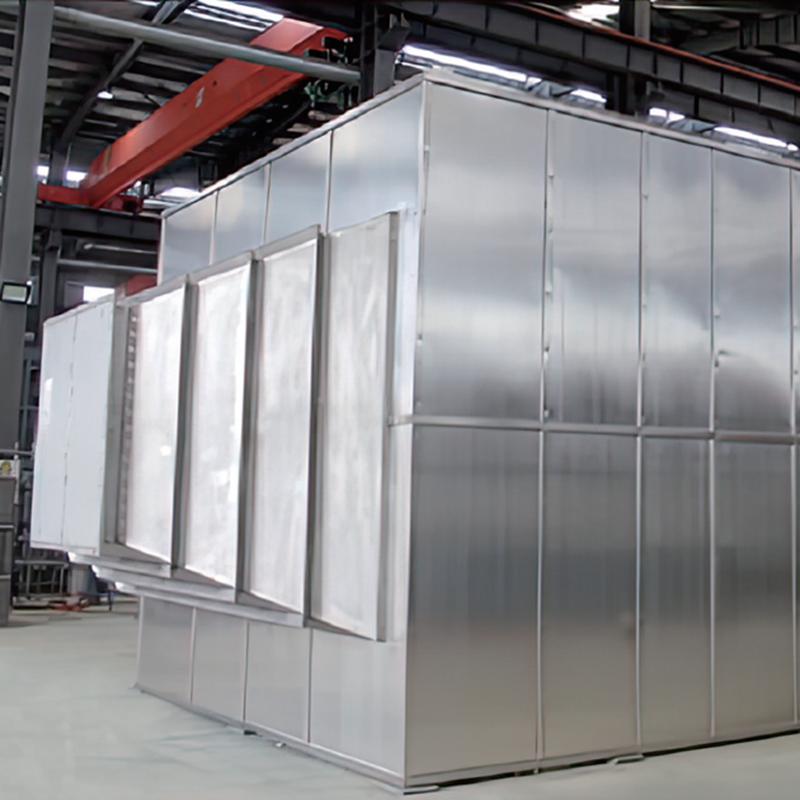
Product Introduction Gas heat exchanger is mainly used for energy saving and emission reduction industries in the waste heat recovery of flue gas in v...
See Details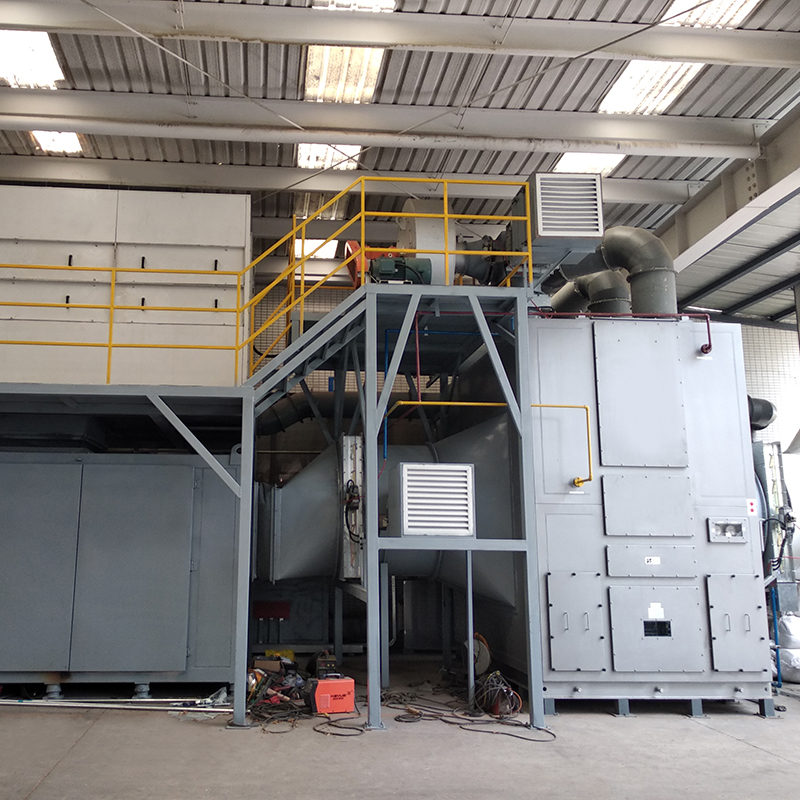
The Concept Of The Complete Set Of Equipment The purpose of employing rotary drum zeolite adsorption for organic waste gas is to concentrate low-conce...
See Details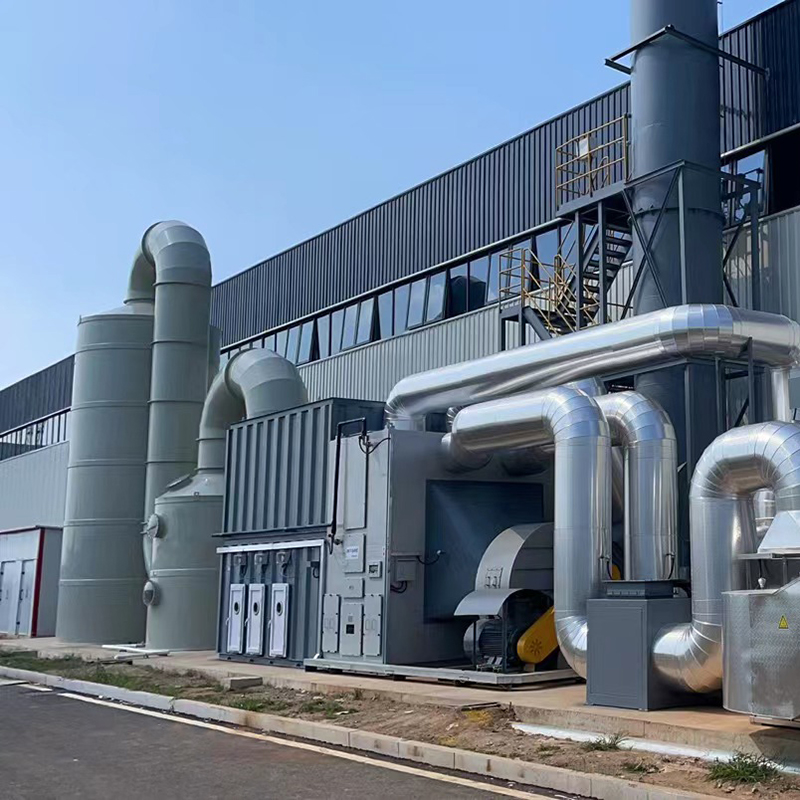
Concept Of Fixed Bed Zeolite + Catalytic Combustion As A Set Of Equipment The fixed bed zeolite + catalytic combustion device is suitable for the conc...
See Details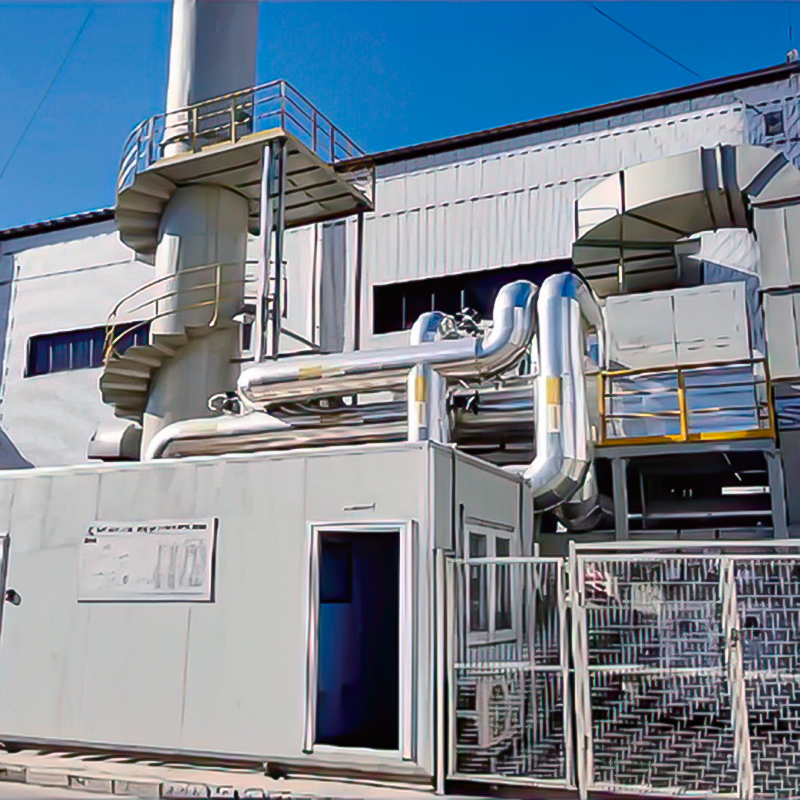
Concept Of Zeolite Rotary Wheel + Catalytic Combustion As A Set Of Equipment In the combined process of organic waste gas and waste gas treatment, the...
See Details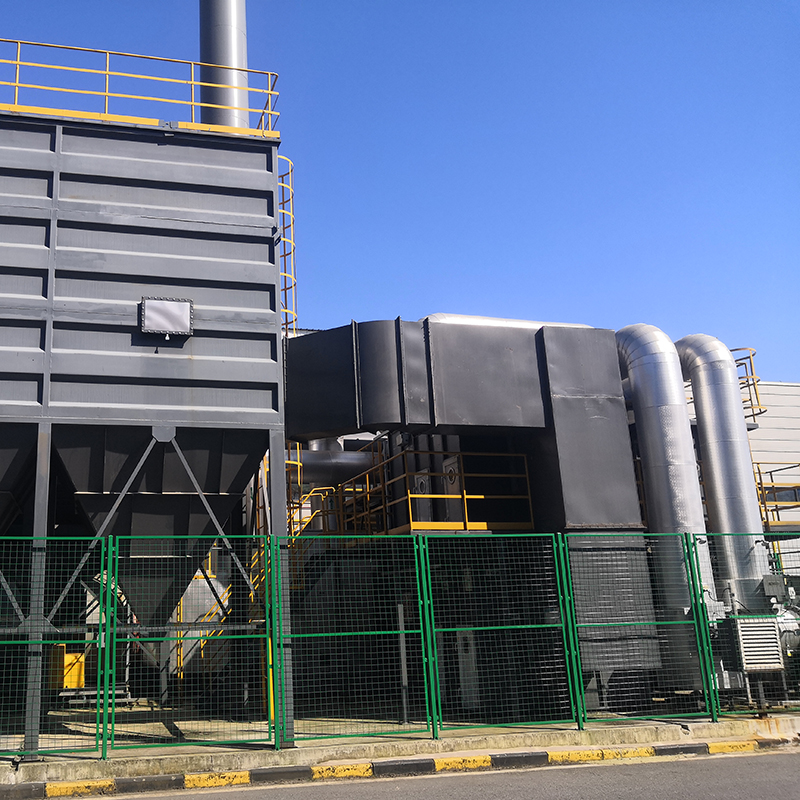
The Concept Of Zeolite Wheel+ Direct Combustion High-Temperature Incineration Equipment The purpose of employing rotary drum zeolite adsorption for or...
See Details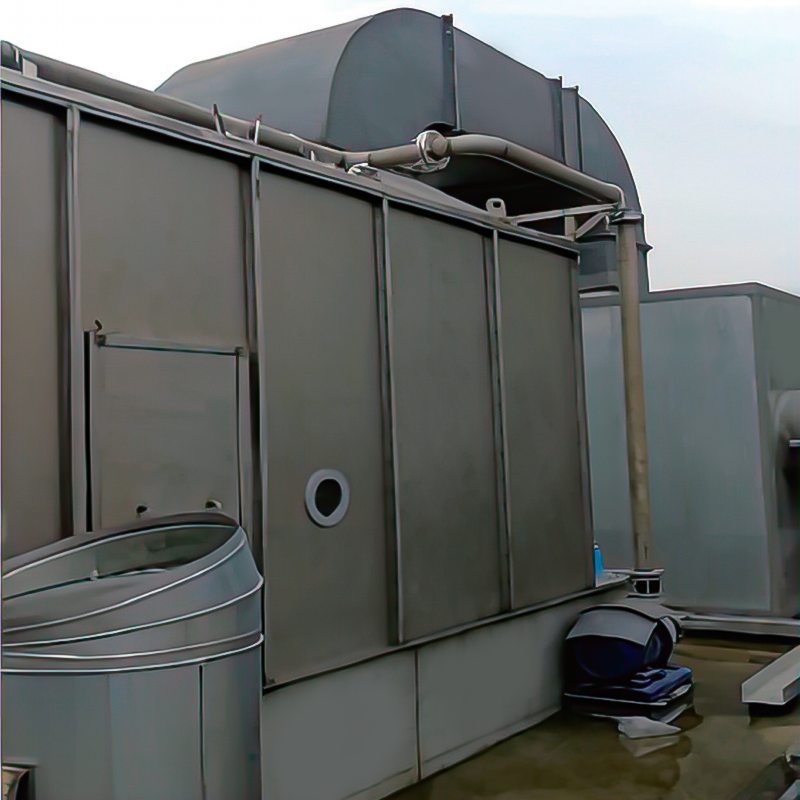
Overview The wet dust removal principle uses the process of capturing and separating dust particles in the gas phase by fully contacting gas-liquid tw...
See Details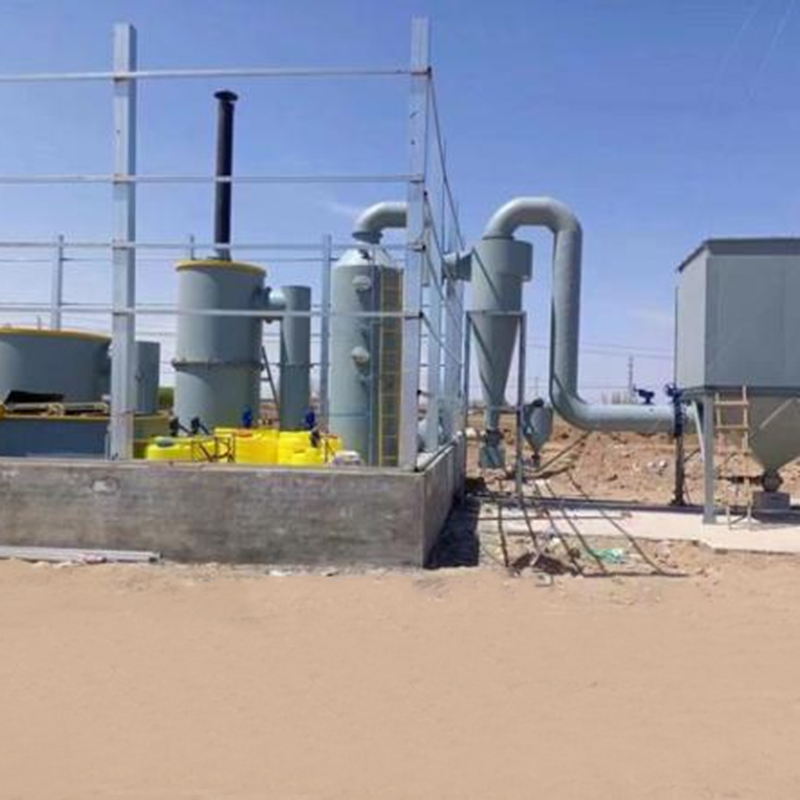
Overview Solid waste incineration furnaces are essential equipment in the management of solid waste, designed to transform waste materials into ash an...
See DetailsMOBILE
Product Manual

Copyright © Lv quan Environmental Protection Engineering Technology Co., Ltd. All Rights Reserved. Vocs Organic Waste Gas Treatment Engineering Equipment Manufacturer

