

 English
 русский
 Français
 Español
 عربى
عربى
LQ-RTO Heat-storage high-temperature incineration equipment
Cat:Equipment
Overview Of Tower-Type RTO Regenerative Thermal Oxidizer (RTO) is an organic waste gas treatment equipment that combines high-temperature oxidation wi...
See Details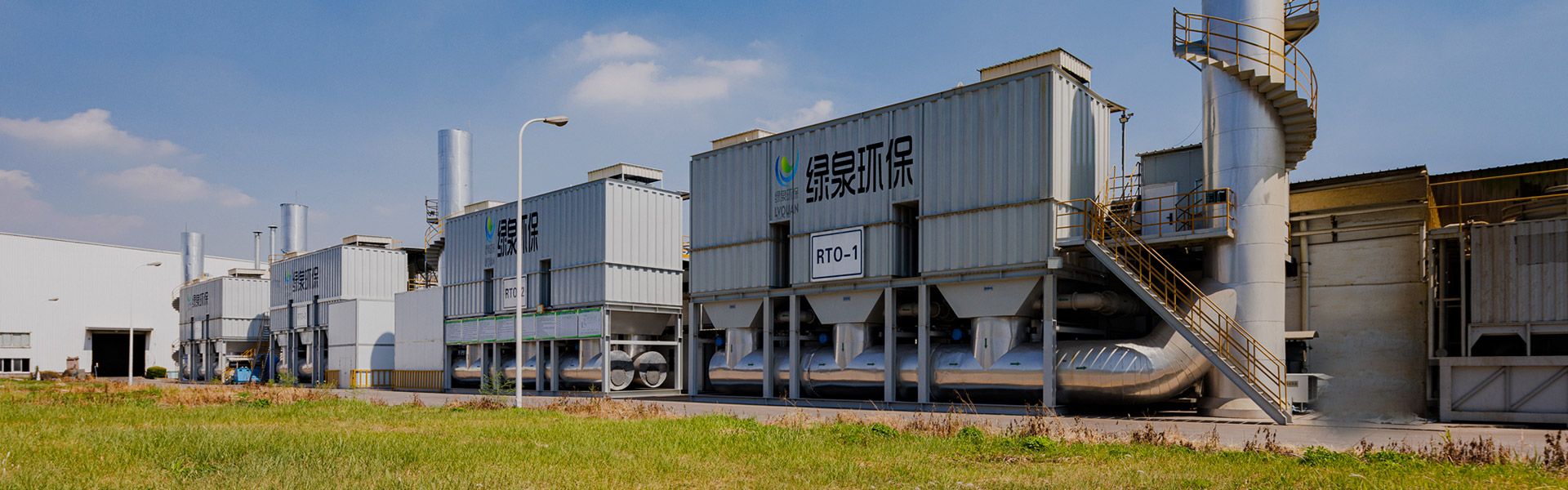
Content
Reasonably arrange the waste proportion to reduce the proportion of high-salt or low-melting point components; for waste with high salt content, it can be mixed with high-melting point materials such as lime to increase the overall melting point and inhibit the deposition of salts in the furnace.
Before feeding, perform uniform mixing and layered stacking to avoid local slagging caused by local salt-rich areas.
Maintain the key temperature of the furnace at 850-950℃ to ensure complete decomposition of organic matter and prevent low-temperature coking.
Dynamically adjust the primary and secondary air volume according to the calorific value of the waste to prevent excessive air volume from causing fly ash to carry coking, or insufficient air volume leading to oxygen-deficient combustion and the formation of a reducing atmosphere.
Use high-melting point metal oxide-based coking inhibitors (such as CLEANS-307), added at a ratio of 3-8 kg/ton of waste, which can form eutectic crystals with low-melting point salts, increasing the melting point and significantly reducing the coking rate.
Periodically clean key parts such as thermocouples and temperature measurement points to prevent ash and slag buildup from affecting temperature measurement accuracy.
Use mechanical or high-pressure water jets to remove the formed slag layer, and adjust combustion parameters in a timely manner based on on-site monitoring data to avoid slag accumulation leading to increased heat load.
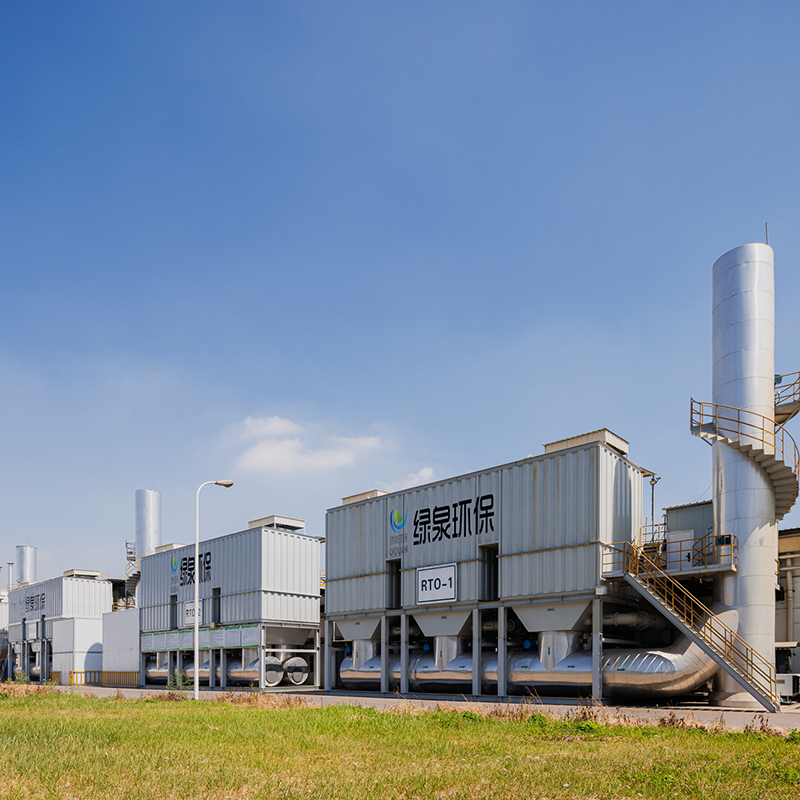
Overview Of Tower-Type RTO Regenerative Thermal Oxidizer (RTO) is an organic waste gas treatment equipment that combines high-temperature oxidation wi...
See Details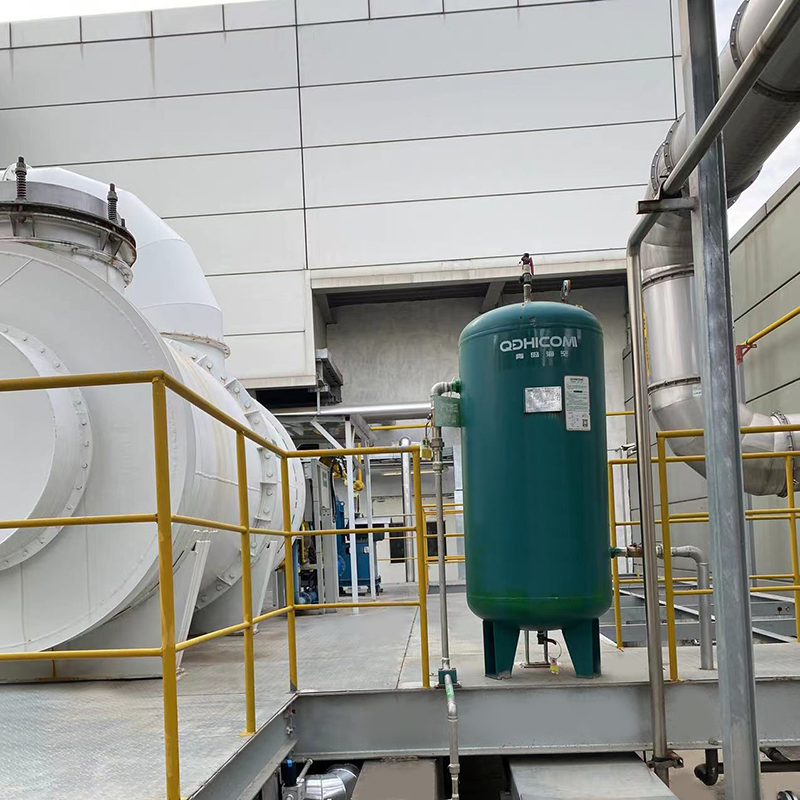
Overview Direct combustion high-temperature incineration equipment, abbreviated as TO, utilizes the heat generated by the combustion of auxiliary fuel...
See Details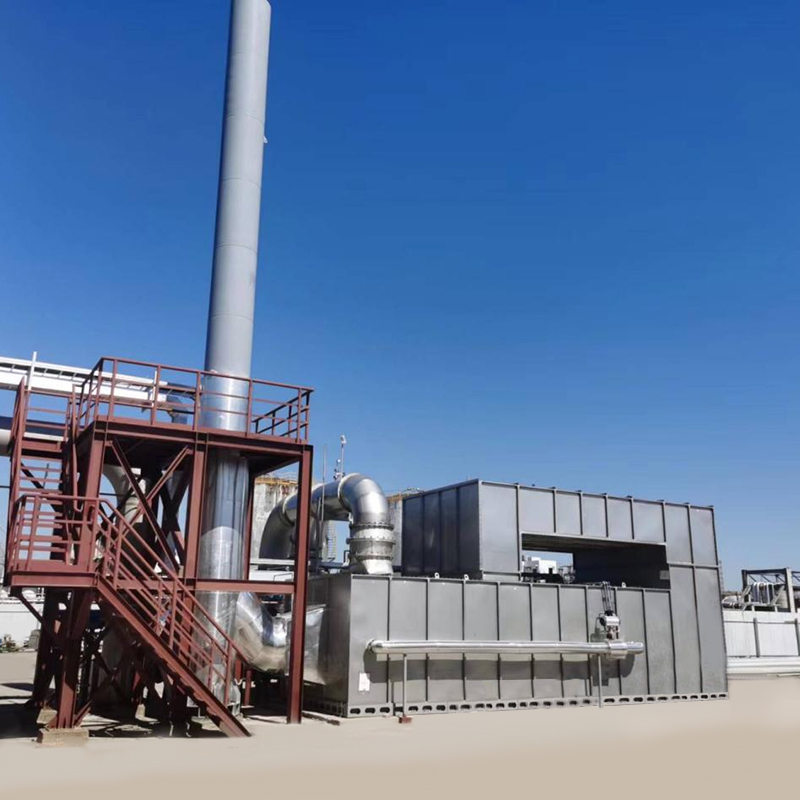
Overview Catalytic combustion is a purification method that uses catalysts to oxidize and decompose combustible substances in exhaust gas at low tempe...
See Details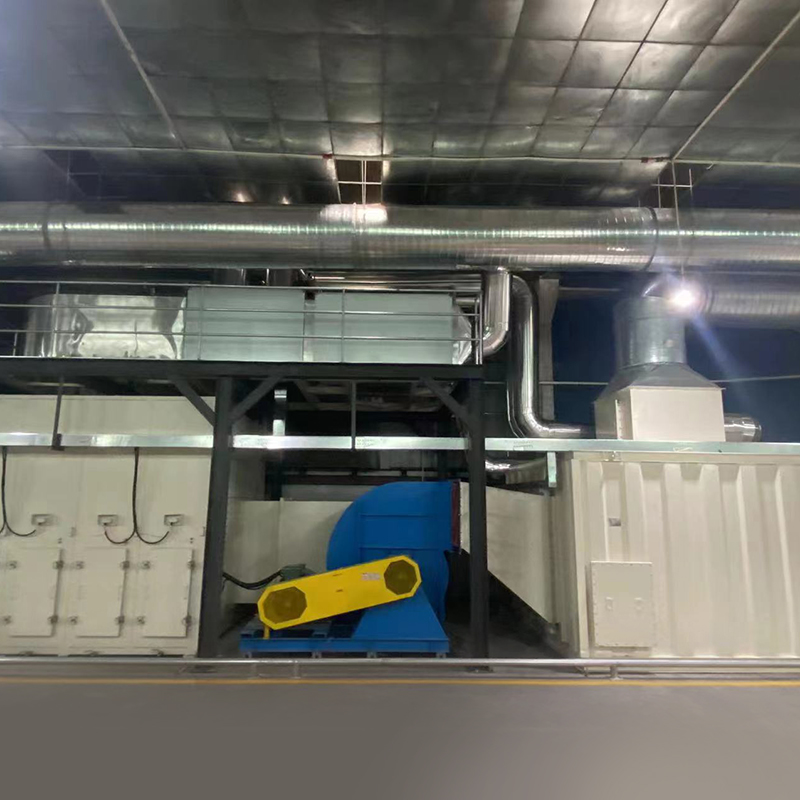
Overview Of Variable Freouency Zeolite Turntable Our company's zeolite concentration turntable uses a combination of zeolite modules, with a high zeol...
See Details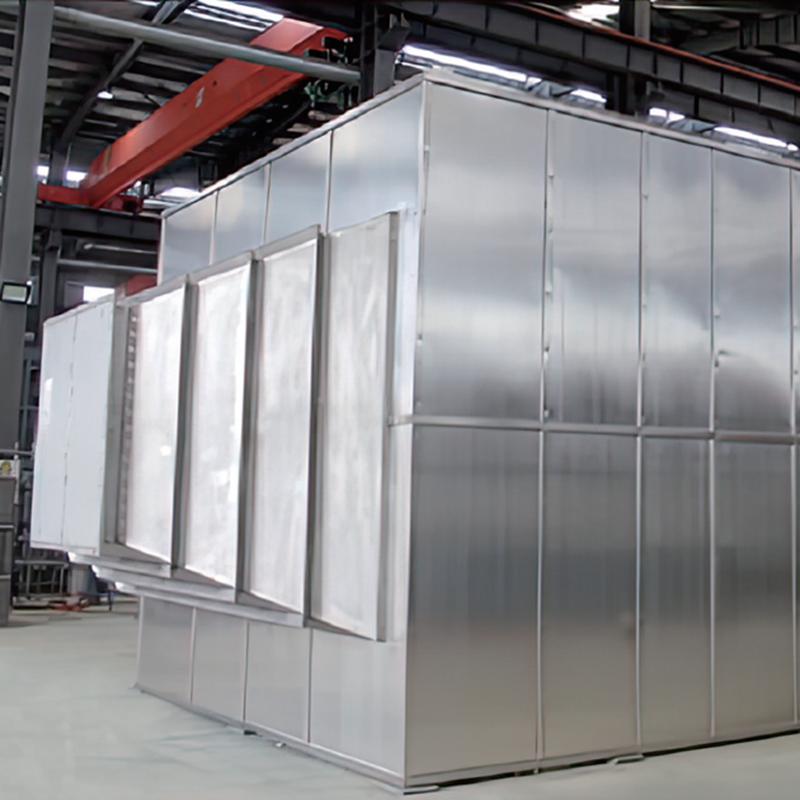
Product Introduction Gas heat exchanger is mainly used for energy saving and emission reduction industries in the waste heat recovery of flue gas in v...
See Details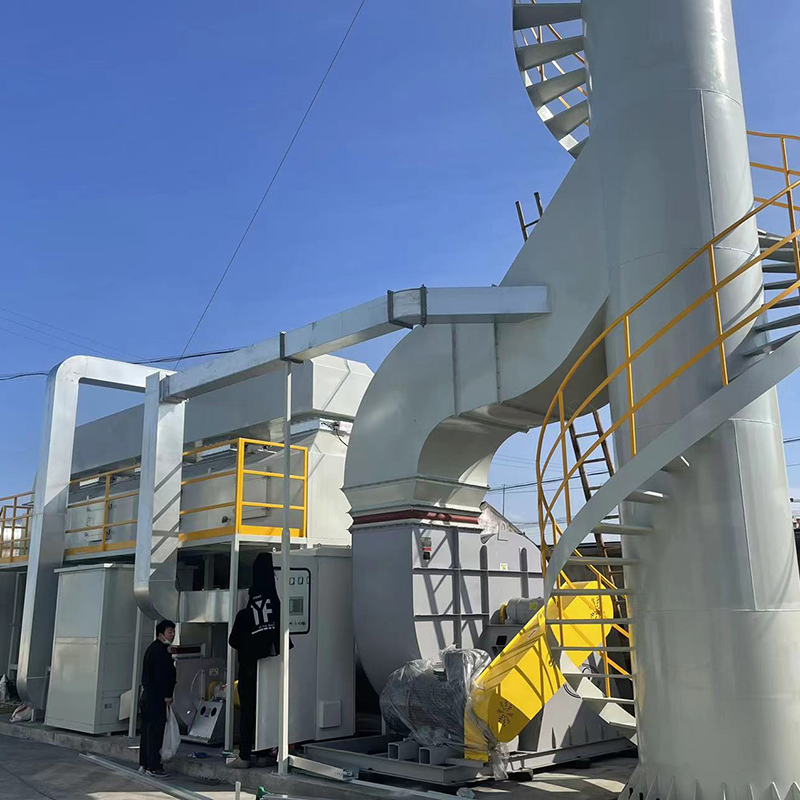
The VOC-CFT-CO Adsorption Catalytic Purification Equipment The VOC-CFT-CO adsorption catalytic purification equipment, consisting of fixed-bed honeyco...
See Details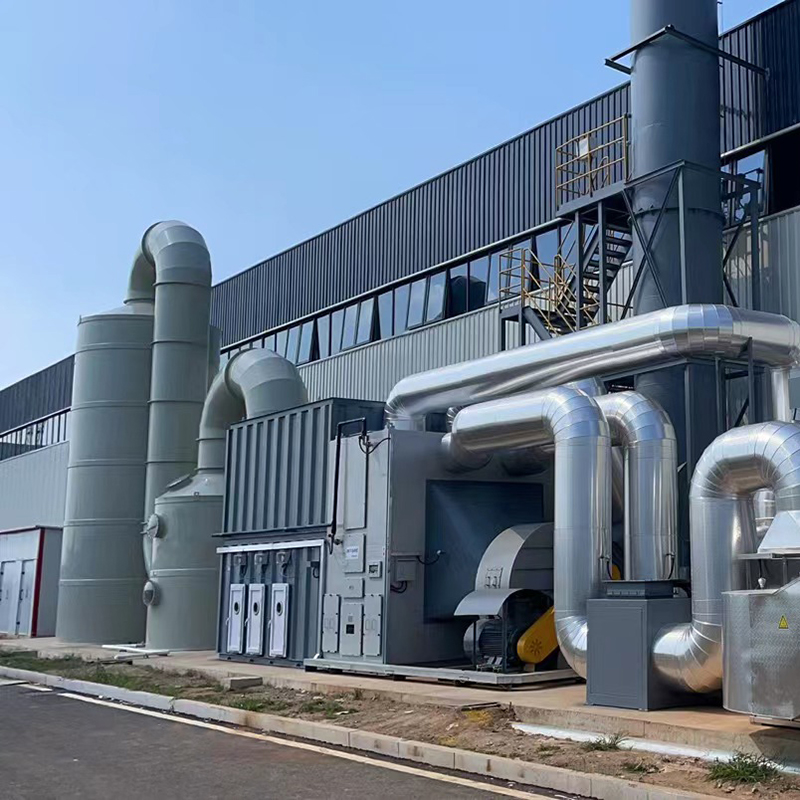
Concept Of Fixed Bed Zeolite + Catalytic Combustion As A Set Of Equipment The fixed bed zeolite + catalytic combustion device is suitable for the conc...
See Details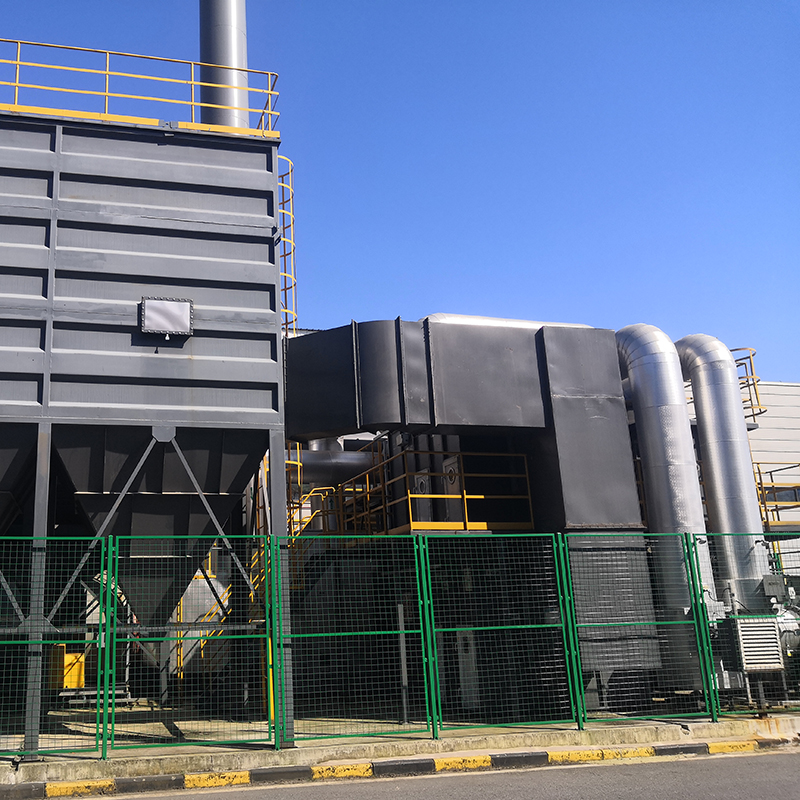
The Concept Of Zeolite Wheel+ Direct Combustion High-Temperature Incineration Equipment The purpose of employing rotary drum zeolite adsorption for or...
See Details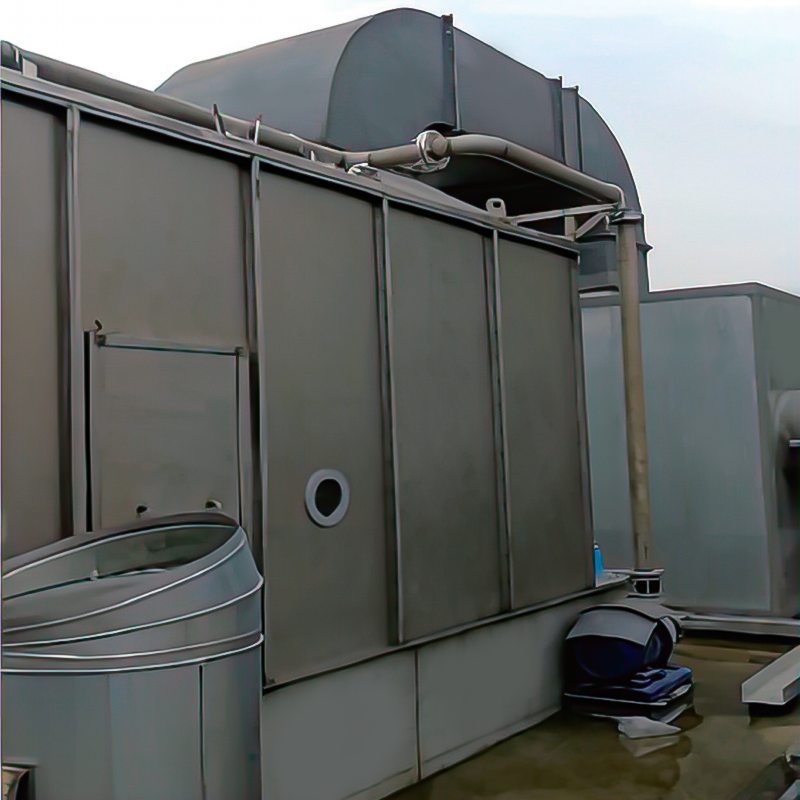
Overview The wet dust removal principle uses the process of capturing and separating dust particles in the gas phase by fully contacting gas-liquid tw...
See Details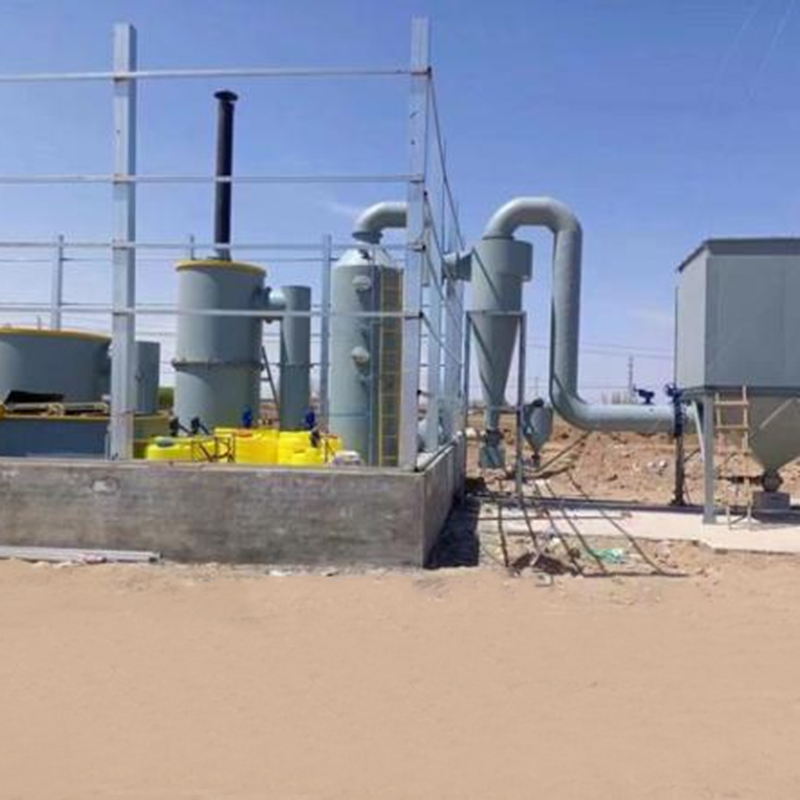
Overview Solid waste incineration furnaces are essential equipment in the management of solid waste, designed to transform waste materials into ash an...
See DetailsMOBILE
Product Manual

Copyright © Lv quan Environmental Protection Engineering Technology Co., Ltd. All Rights Reserved. Vocs Organic Waste Gas Treatment Engineering Equipment Manufacturer

