

 English
 русский
 Français
 Español
 عربى
عربى
LQ-CO Catalytic combustion equipment
Cat:Equipment
Overview Catalytic combustion is a purification method that uses catalysts to oxidize and decompose combustible substances in exhaust gas at low tempe...
See Details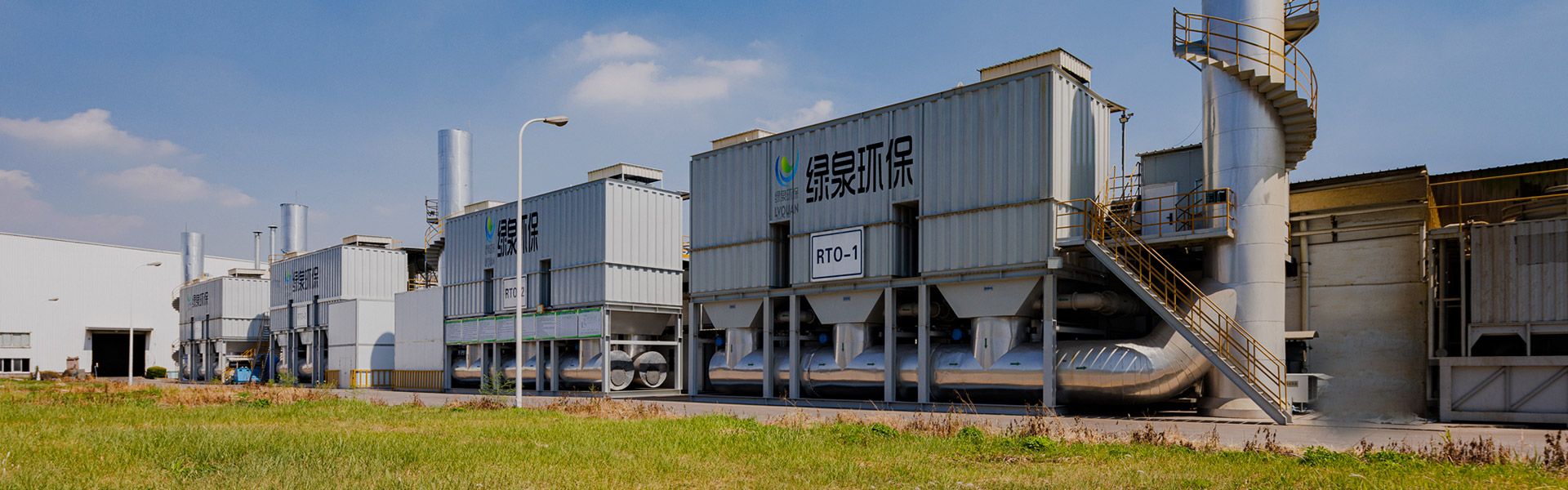
1. On-site Infrastructure Preparation
The foundation of the Vocs Organic Waste Gas Treatment Engineering Equipment must meet the design load-bearing requirements. Supporting facilities such as power supply, water supply, compressed air, and fuel must be in place and have passed acceptance testing in advance.
Sufficient space should be reserved on-site for ventilation and exhaust ducts to ensure smooth and safe waste gas inlet and outlet.
2. Process and Safety Assessment
Before installation, on-site testing of the exhaust gas composition, concentration, and temperature must be completed to confirm the absence of high concentrations of halogens, sulfides, or other substances that could poison the catalyst.
Fire prevention, explosion-proof valves, and emergency shutdown devices must be installed according to the "Three-Bed RCO Regenerative Catalytic Combustion Technology Standard" to ensure the system can automatically cut off fuel and activate safety valves in abnormal situations.
3. Equipment Arrival Inspection and Pre-commissioning
Upon arrival, all equipment must undergo a visual inspection, checking for specifications and the integrity of key components (such as fans, valves, and sensors) to confirm the absence of transportation damage.
Basic commissioning must be performed, including fan frequency conversion control, temperature sensor calibration, and linkage testing of online differential pressure and concentration monitoring instruments, to ensure the control system can operate automatically.
4. Formal Commissioning and Acceptance Process
After installation, a "preliminary equipment acceptance" process will be conducted according to the contract, including inspection of appearance, technical specifications, installation quality, and safety performance.
Subsequently, a third-party environmental testing agency will conduct emission tests under normal operating conditions. Only after three consecutive tests confirming VOCs ≤50mg/m³ can the system proceed to "final acceptance." Only after passing the acceptance test can the system be officially put into operation.
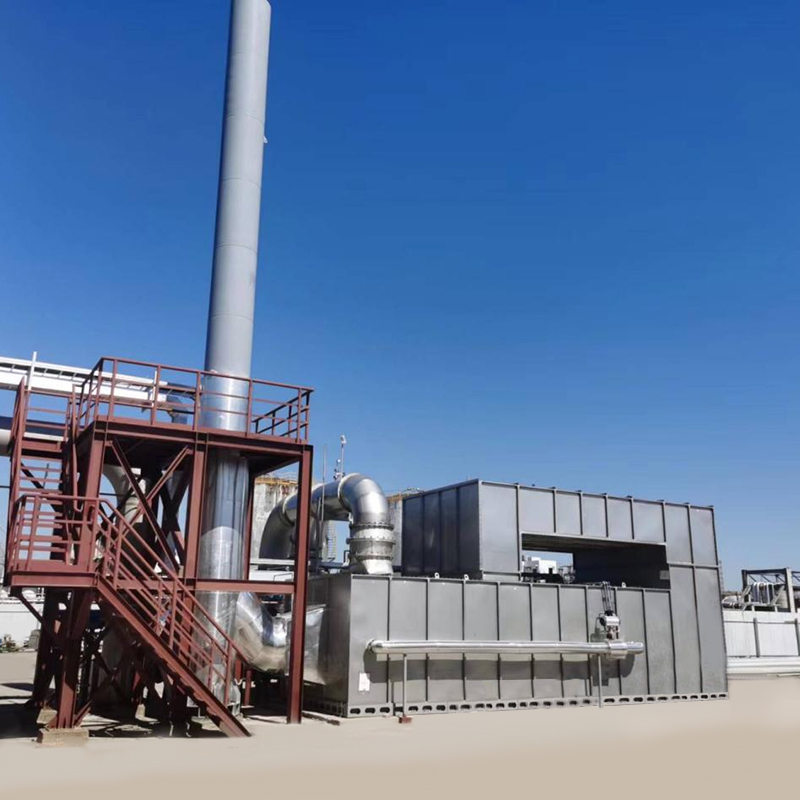
Overview Catalytic combustion is a purification method that uses catalysts to oxidize and decompose combustible substances in exhaust gas at low tempe...
See Details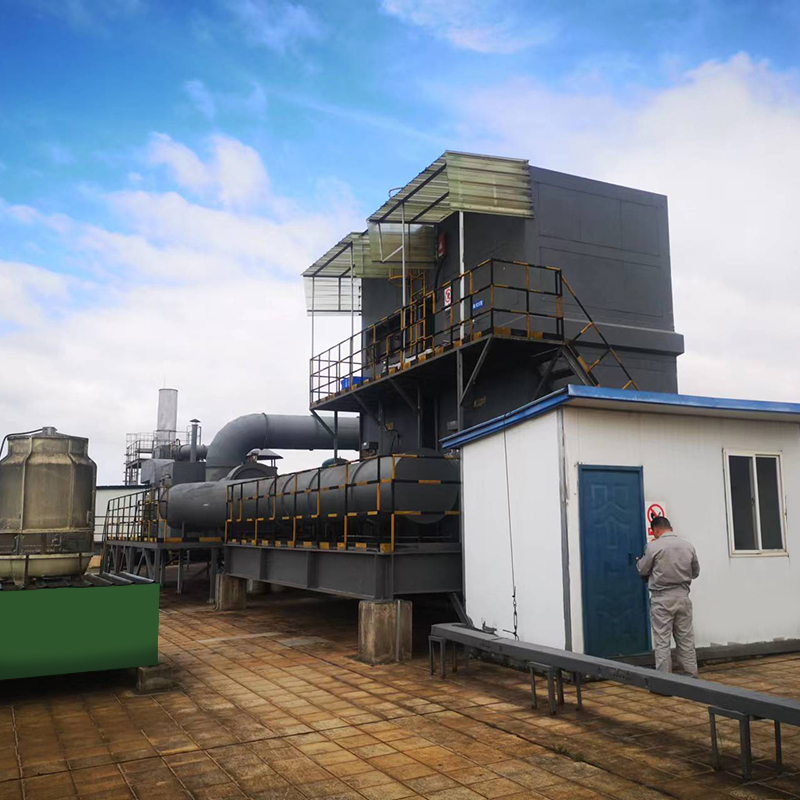
Overview Thermal storage catalytic oxidation (Regenerative Catalytic Oxidizer/RCO) is an organic waste gas treatment equipment that combines low-tempe...
See Details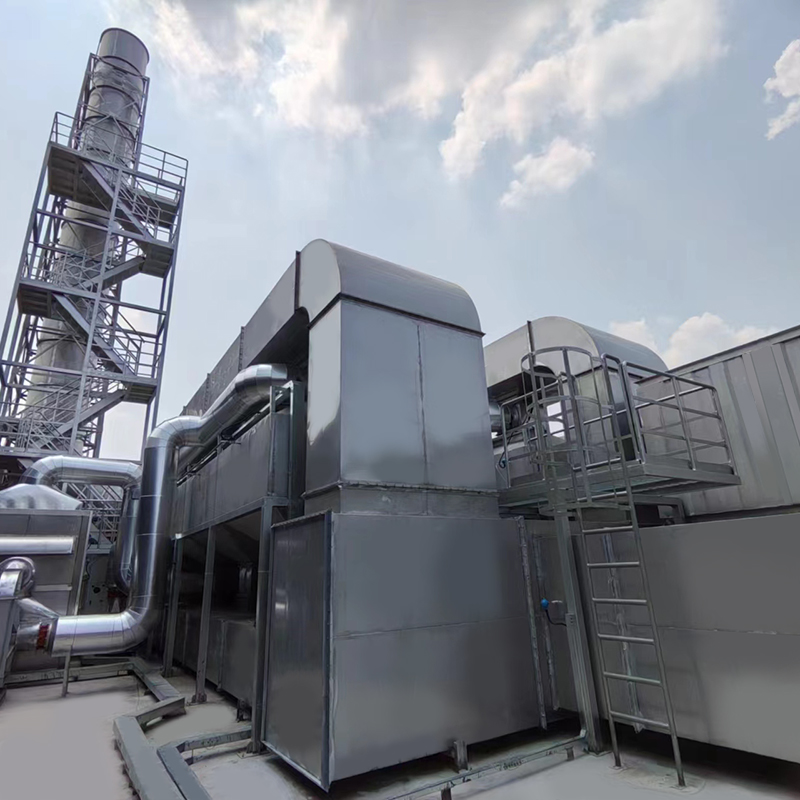
Overview of Activated Carbon Fiber Organic Solvent Purification Recovery Device The Activated Carbon Fiber Organic Solvent Purification Recovery Syste...
See Details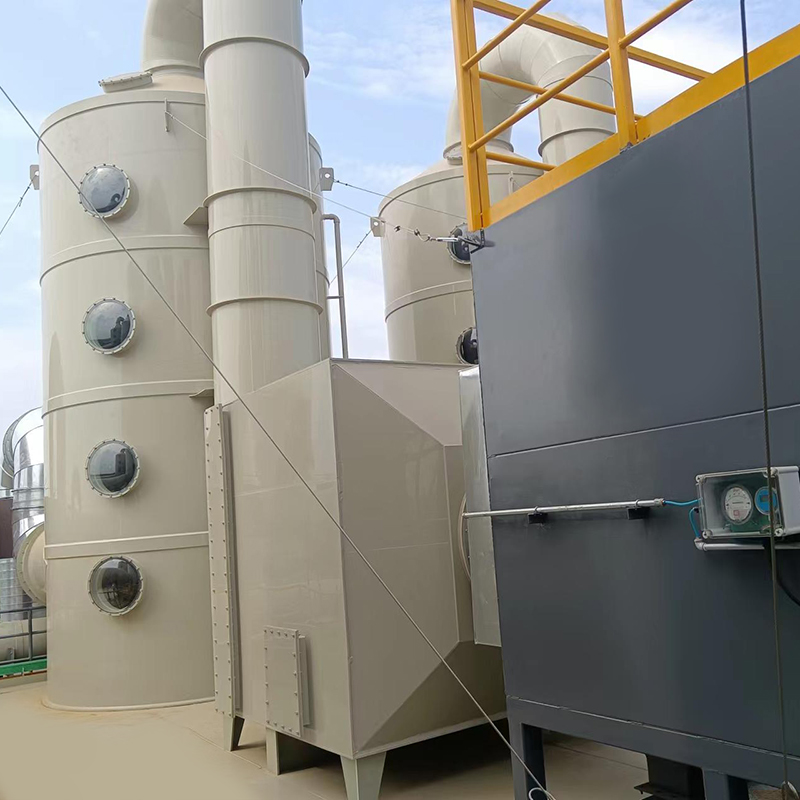
Overview The VOC-ACA series organic gas particle carbon purification and recovery equipment is used for the absorption, recovery, and reuse of organic...
See Details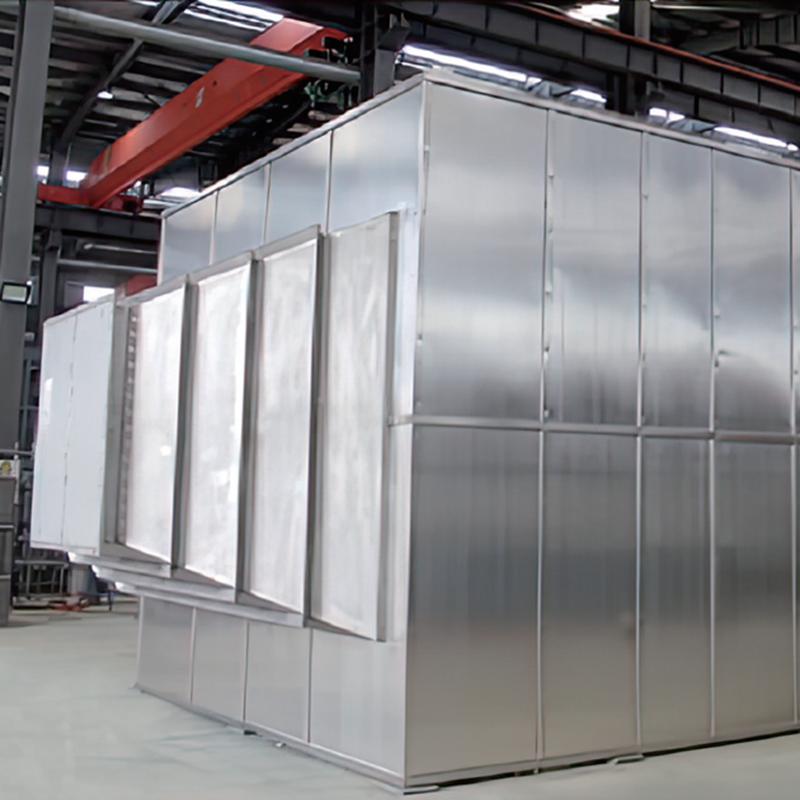
Product Introduction Gas heat exchanger is mainly used for energy saving and emission reduction industries in the waste heat recovery of flue gas in v...
See Details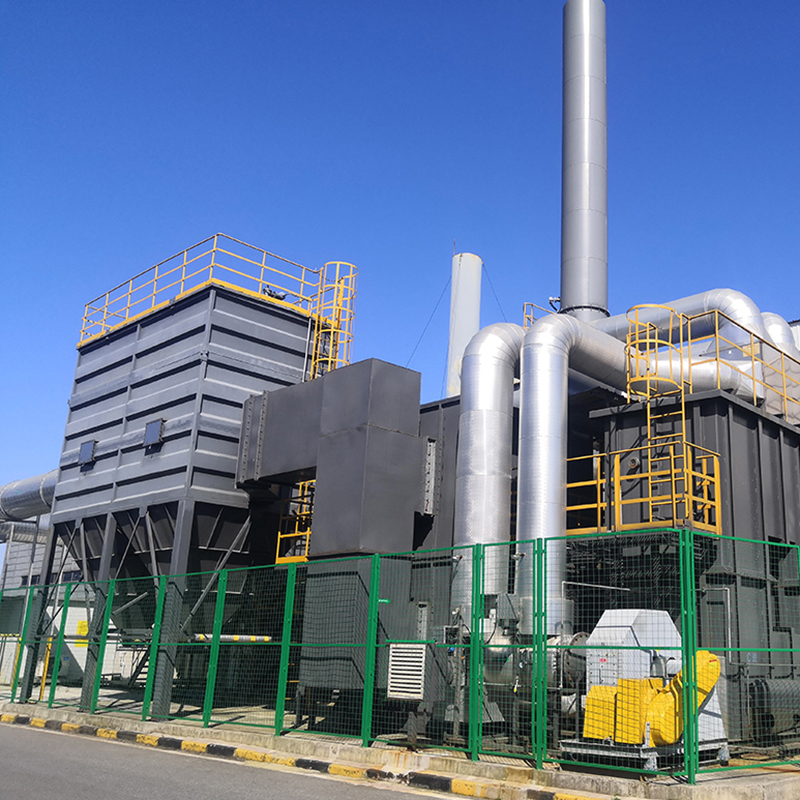
Concept Of Zeolite Wheel+RTO System Using zeolite wheel to adsorb organic waste gas, the low concentration and high air volume waste gas is concentrat...
See Details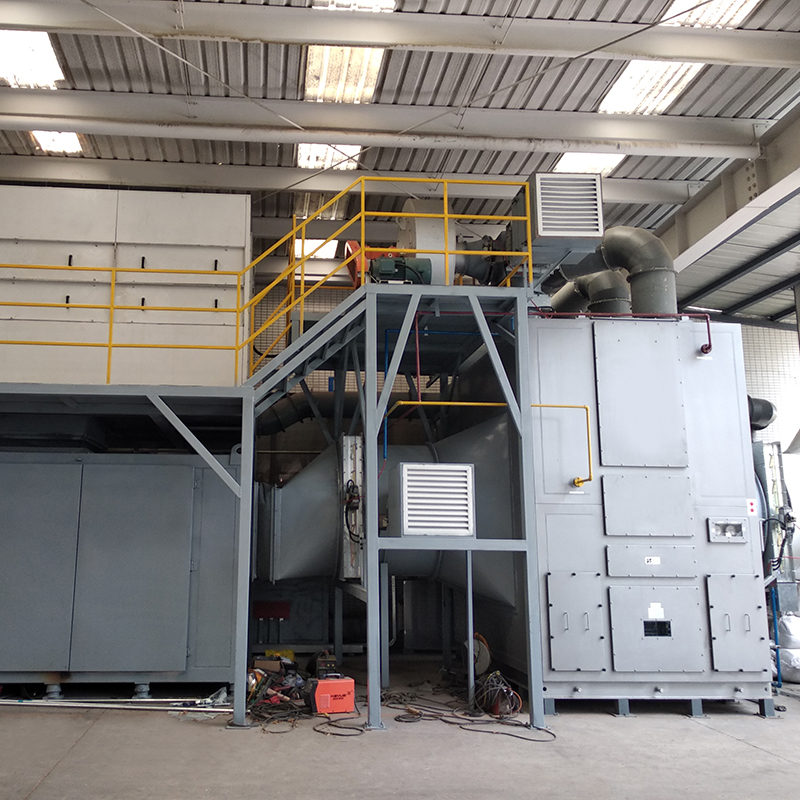
The Concept Of The Complete Set Of Equipment The purpose of employing rotary drum zeolite adsorption for organic waste gas is to concentrate low-conce...
See Details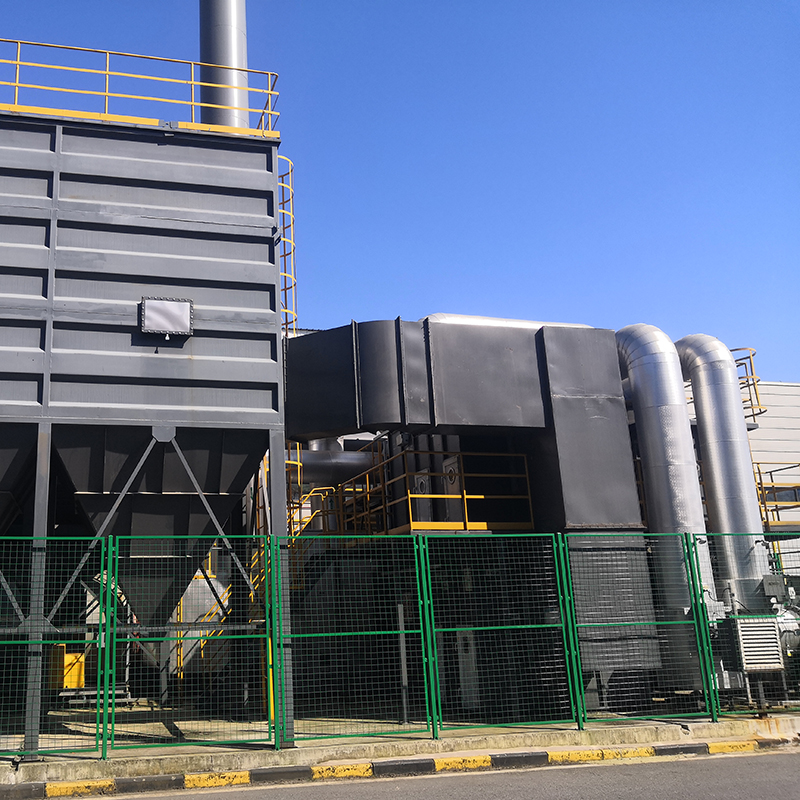
The Concept Of Zeolite Wheel+ Direct Combustion High-Temperature Incineration Equipment The purpose of employing rotary drum zeolite adsorption for or...
See Details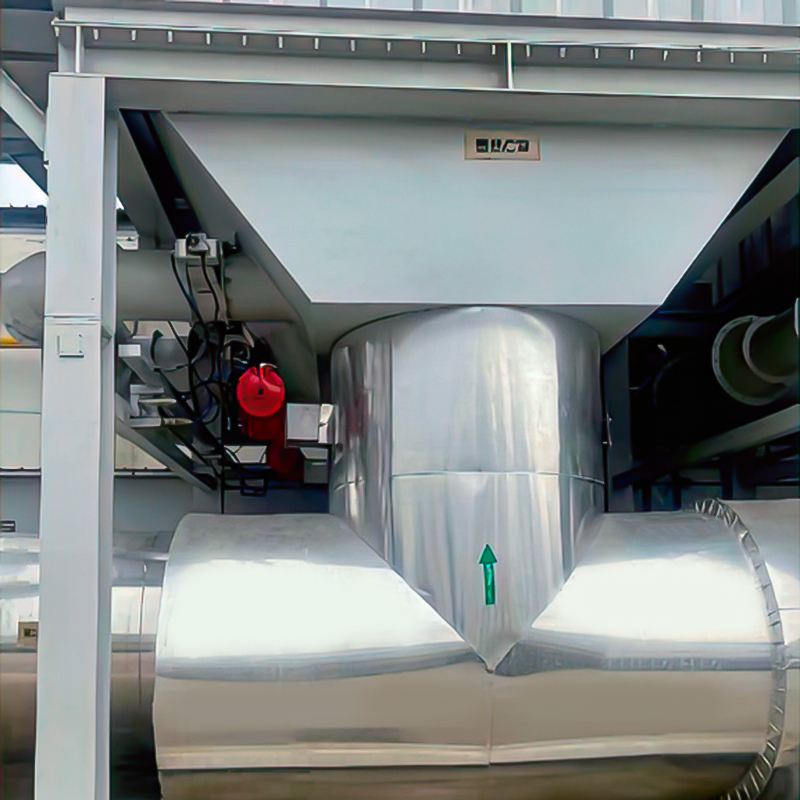
Purpose Mainly used for proportional ventilation of high-temperature flue gas. lt is widely used in places where leak rate requirements are not high, ...
See Details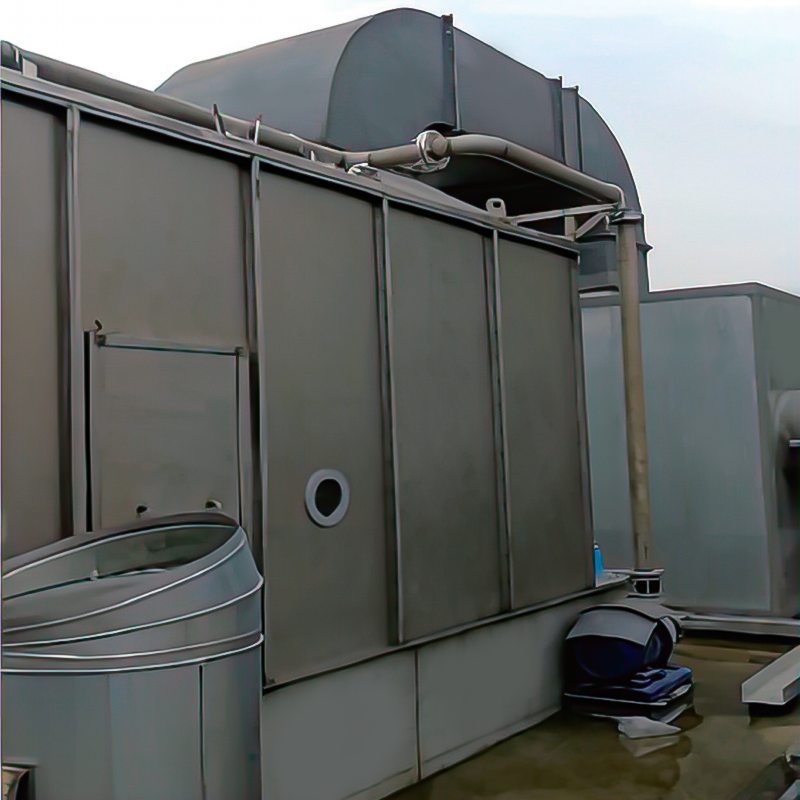
Overview The wet dust removal principle uses the process of capturing and separating dust particles in the gas phase by fully contacting gas-liquid tw...
See DetailsMOBILE
Product Manual

Copyright © Lv quan Environmental Protection Engineering Technology Co., Ltd. All Rights Reserved. Vocs Organic Waste Gas Treatment Engineering Equipment Manufacturer

