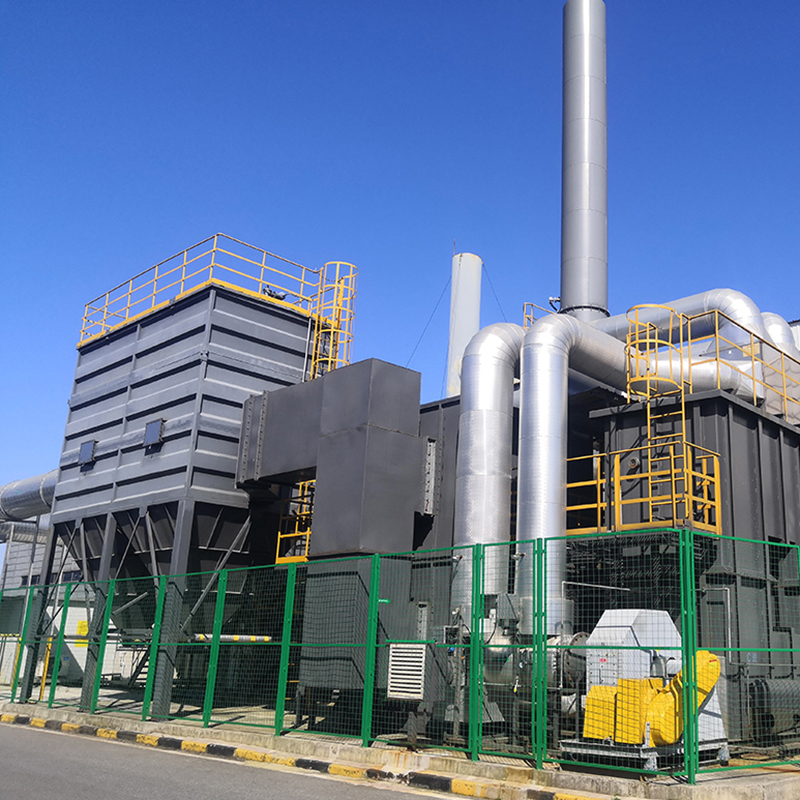
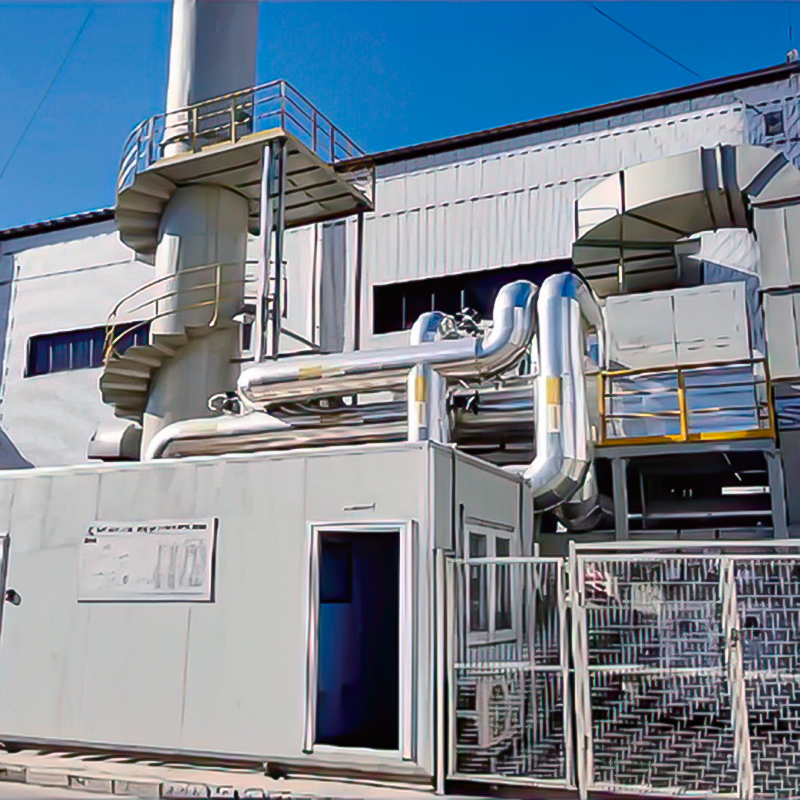
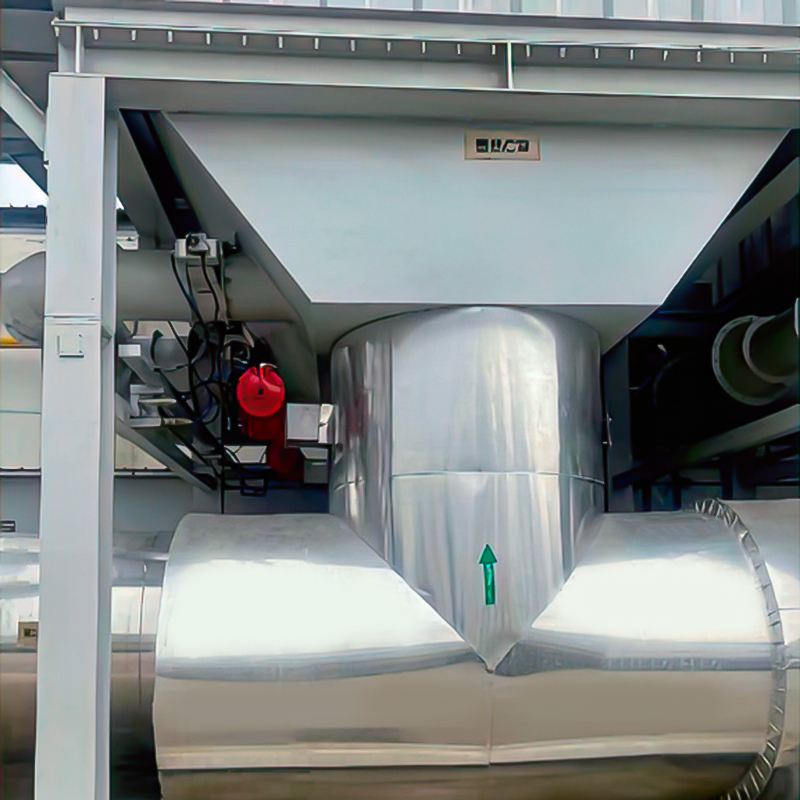
1. Accurately Identify Waste Gas Characteristics: The primary basis for selection is a comprehensive analysis of the composition, concentration, flow rate, and temperature of the VOCs waste gas. Different organic compounds have significantly different requirements for adsorbents, catalysts, or combustion temperatures. Only after understanding these operating parameters can the appropriate process path be determined, such as adsorption-concentration-combustion, direct catalytic combustion, or microbial methods.
2. Consider Techno-Economic Efficiency: Under the premise of meeting emission standards, compare the energy consumption, payback period, and operating costs of various processes. Self-heating combustion, waste heat recovery, and high-efficiency catalysts can significantly reduce fuel consumption, achieving a win-win situation of "high-efficiency removal and low operating costs."
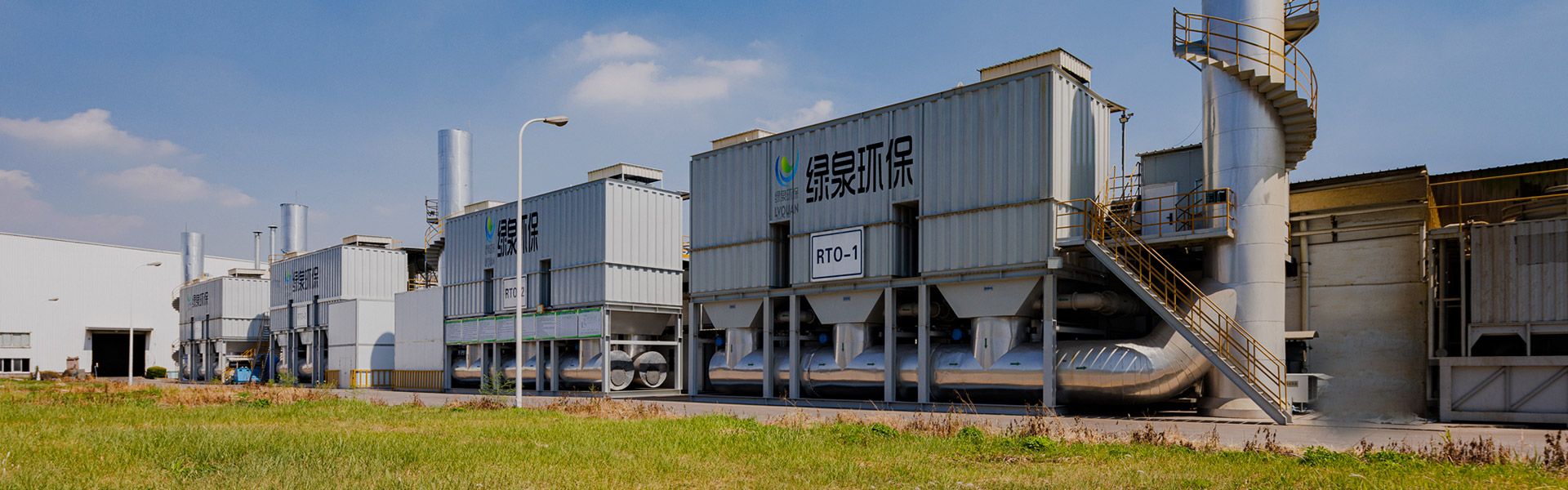
3. Select Appropriate Equipment Scale and Configuration: Select an appropriate device capacity based on the waste gas flow rate. Projects with a flow rate less than 5000 Nm³/h can consider adsorption-concentration-combustion systems, while larger flow rates are more suitable for RTO or heat recovery combustion systems to avoid energy efficiency degradation due to scale mismatch.
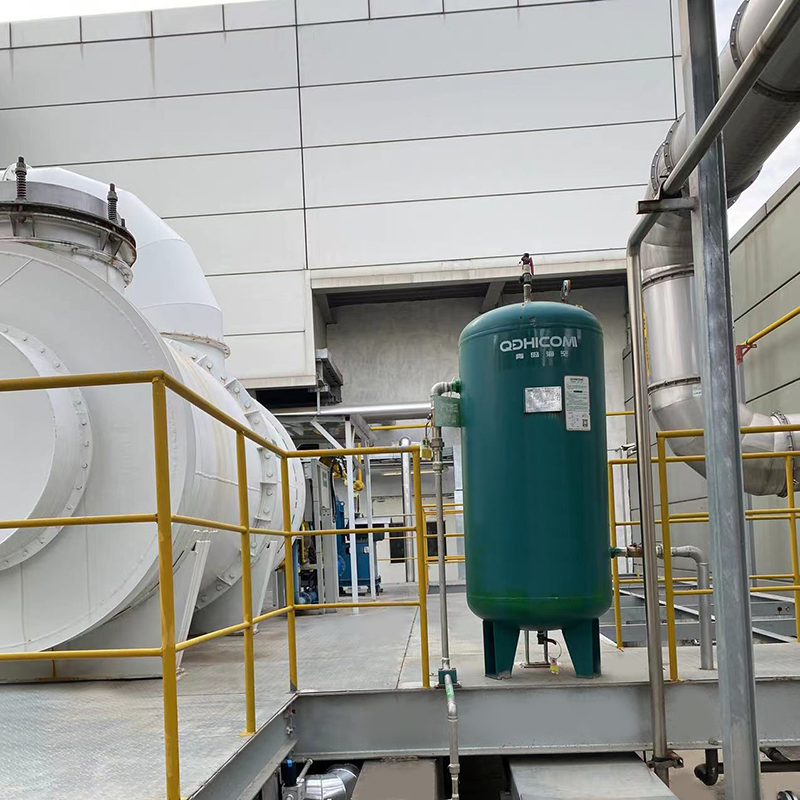
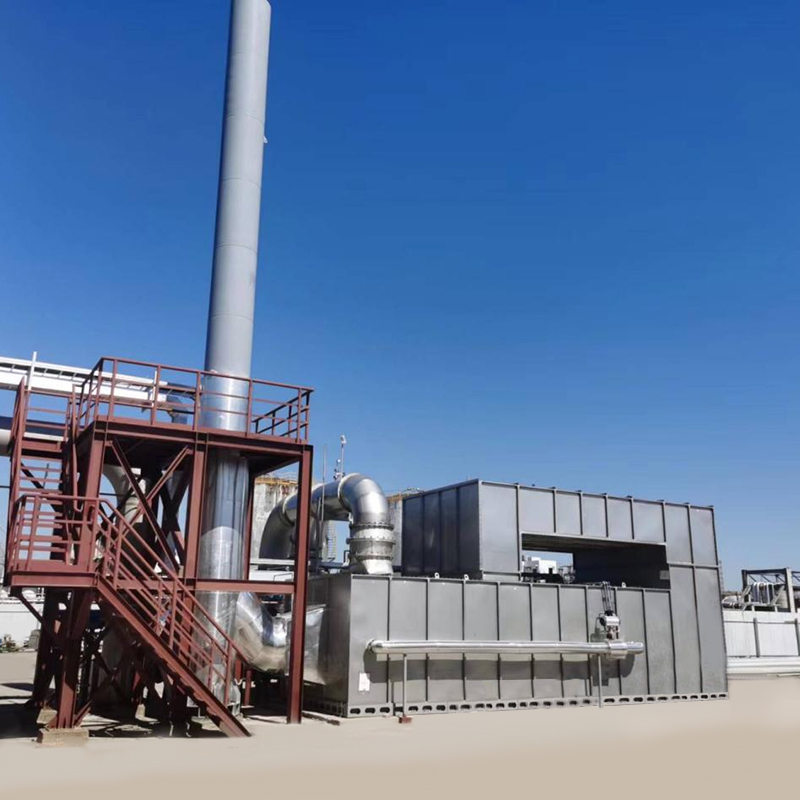
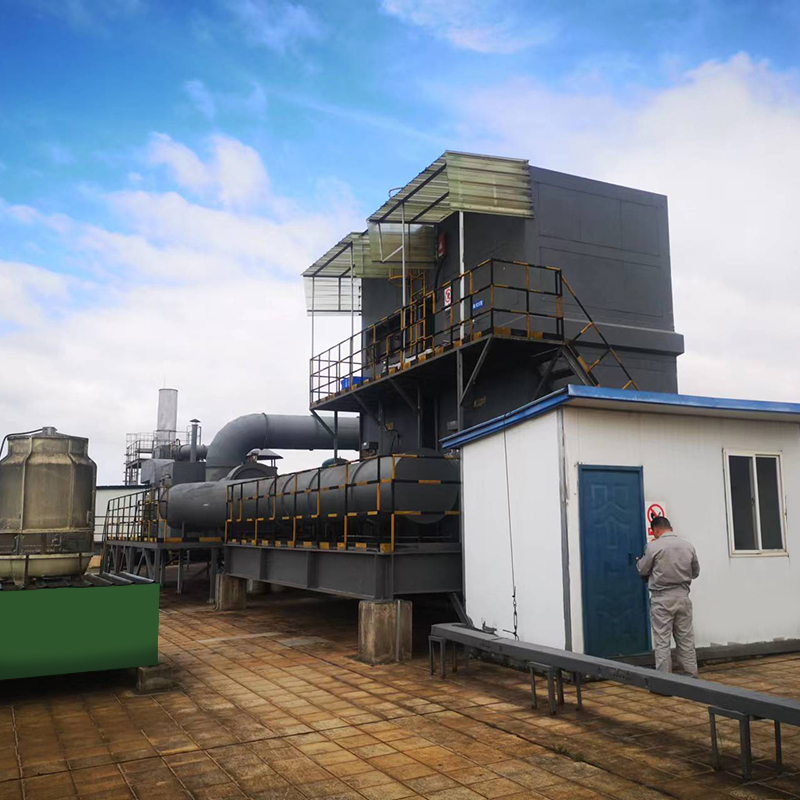
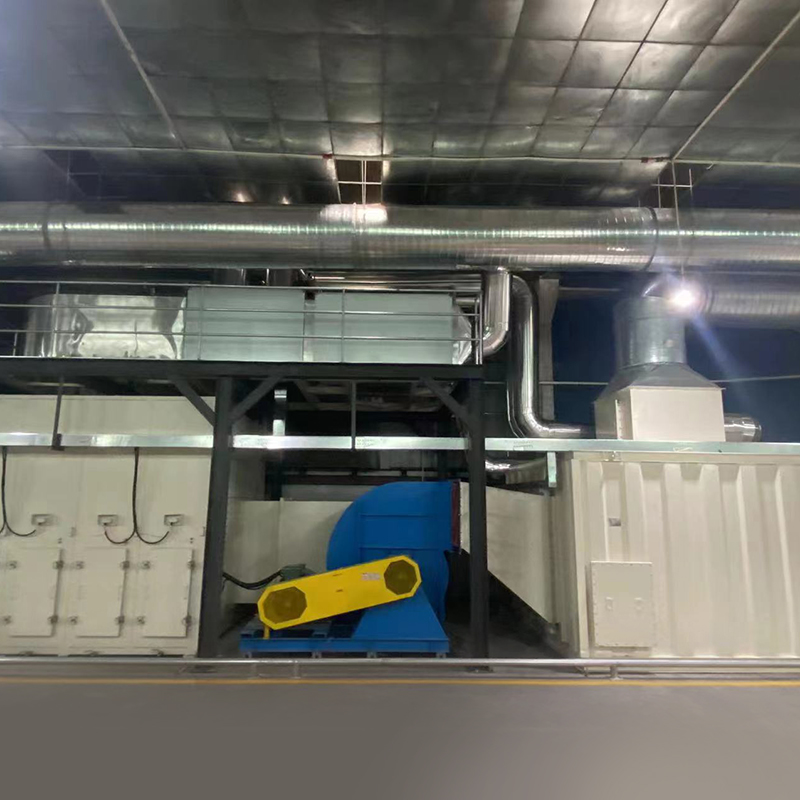
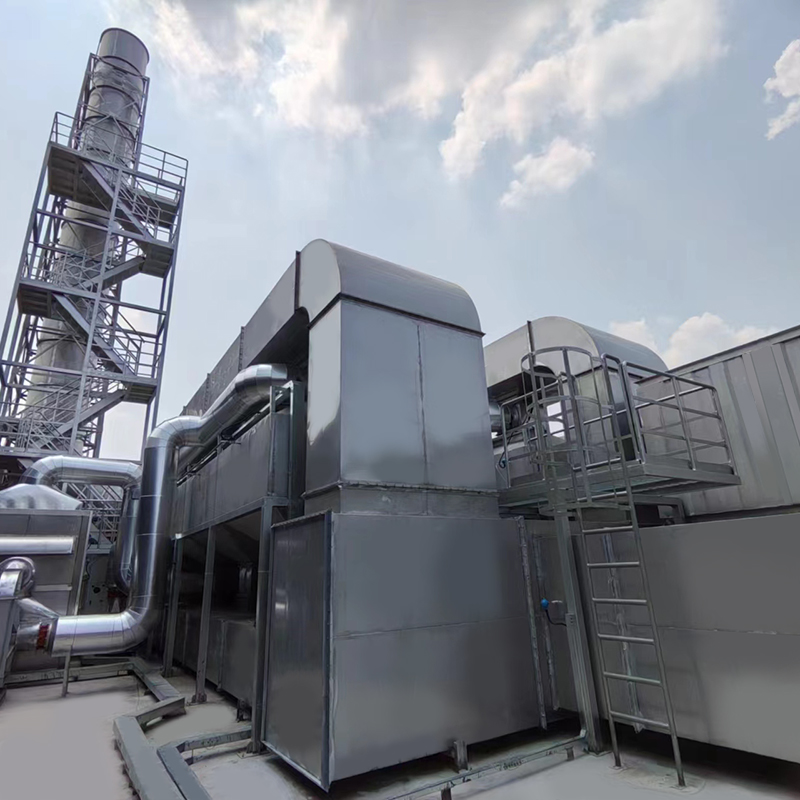
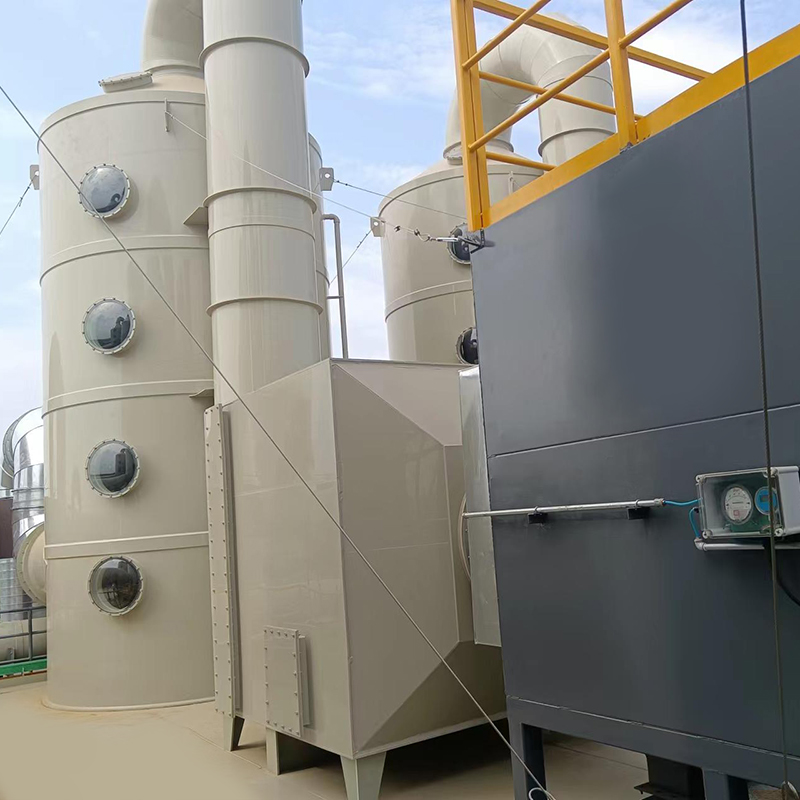
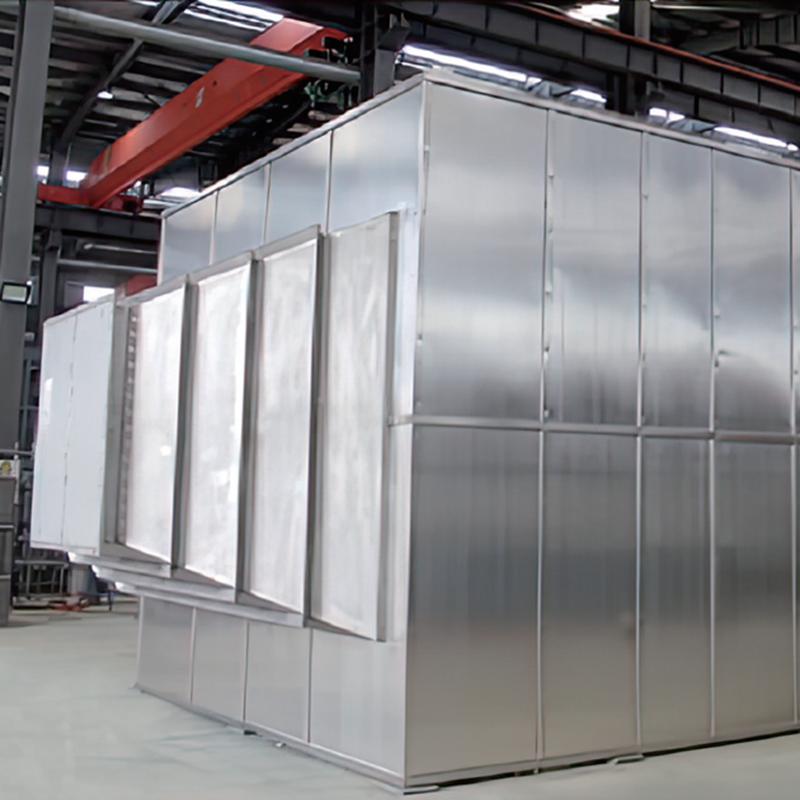
4. Focus on safety and reliability. Vocs Organic Waste Gas Treatment Engineering Equipment should have safety protection measures such as fire prevention, explosion prevention, and corrosion prevention, and adopt a reliable automated control system (PLC, online monitoring) to ensure the stability and safety of operation and avoid additional maintenance costs due to failure.


 English
 русский
 Français
 Español
 عربى
عربى