

 English
 русский
 Français
 Español
 عربى
عربى
LQ-RTO Heat-storage high-temperature incineration equipment
Cat:Equipment
Overview Of Tower-Type RTO Regenerative Thermal Oxidizer (RTO) is an organic waste gas treatment equipment that combines high-temperature oxidation wi...
See Details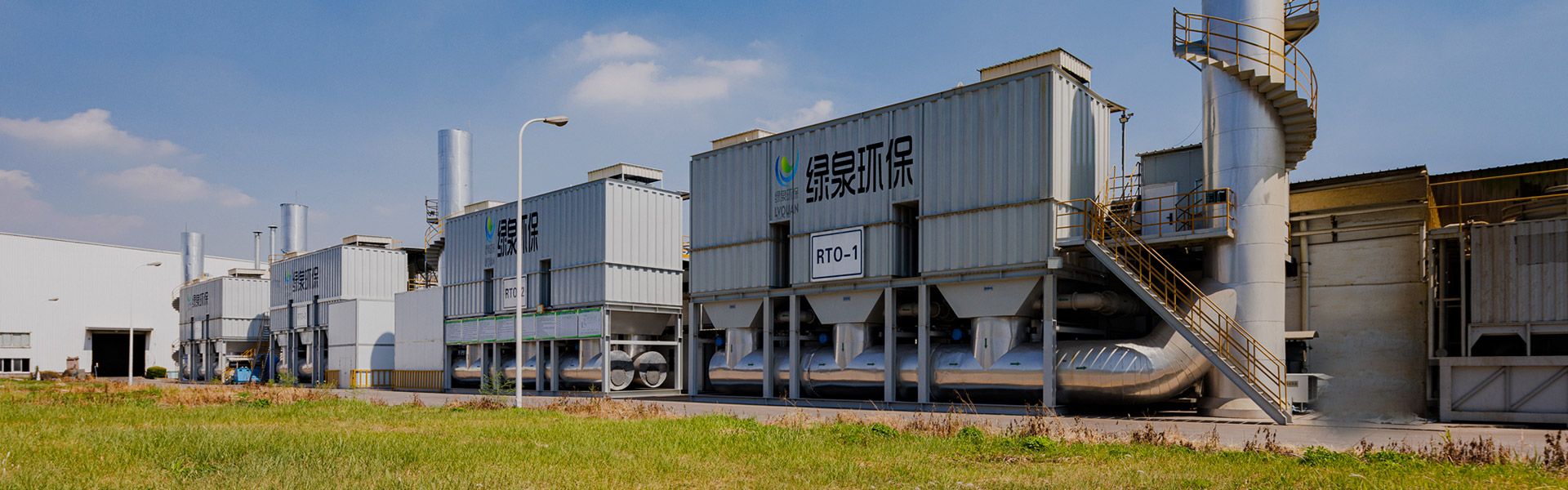
Content
Configure real-time monitoring instruments for temperature, pressure, and flue gas components (SO₂, NOₓ, CO), and set up a Safety Instrumented System (SIS) with SIL ≥ 2 to achieve automatic shutdown or interlock protection in case of abnormalities.
Use a PLC/DCS control platform to monitor key equipment such as fans, valves, and burners in a coordinated manner, ensuring that alarms are triggered and fuel supply is cut off immediately when parameters exceed limits.
The furnace structure utilizes high-temperature and corrosion-resistant metal seals to prevent air leaks that could lead to sudden temperature drops and coking; explosion-proof valves and firewalls are installed in critical areas to reduce the risk of combustion and explosion.
A ventilation system, exhaust vents, and filtration devices are configured to prevent the leakage of toxic and harmful fumes; fire extinguishing equipment (dry powder, carbon dioxide) and an automatic sprinkler system must be provided on-site to deal with sudden fires.
A "Incinerator Safety Operating Procedure" is established, covering the entire process including equipment inspection, startup, feeding, shutdown, and troubleshooting; pre-shift safety briefings must be conducted before operation to ensure that all personnel are familiar with emergency shutdown, pressure relief, and other procedures.
Regular safety training and emergency drills are organized to improve operators' ability to identify and handle hazards such as high temperatures, combustion, explosion, and leaks.
A comprehensive emergency plan is established, clearly defining accident classification, reporting chain, on-site rescue, personnel evacuation, and environmental emergency response measures; emergency handling equipment (such as leak collection tanks and emergency ventilation devices) is provided.
Emergency facilities are regularly inspected and tested to ensure that rescue operations can be initiated in the shortest possible time in the event of an accident, minimizing personnel injury and environmental impact.
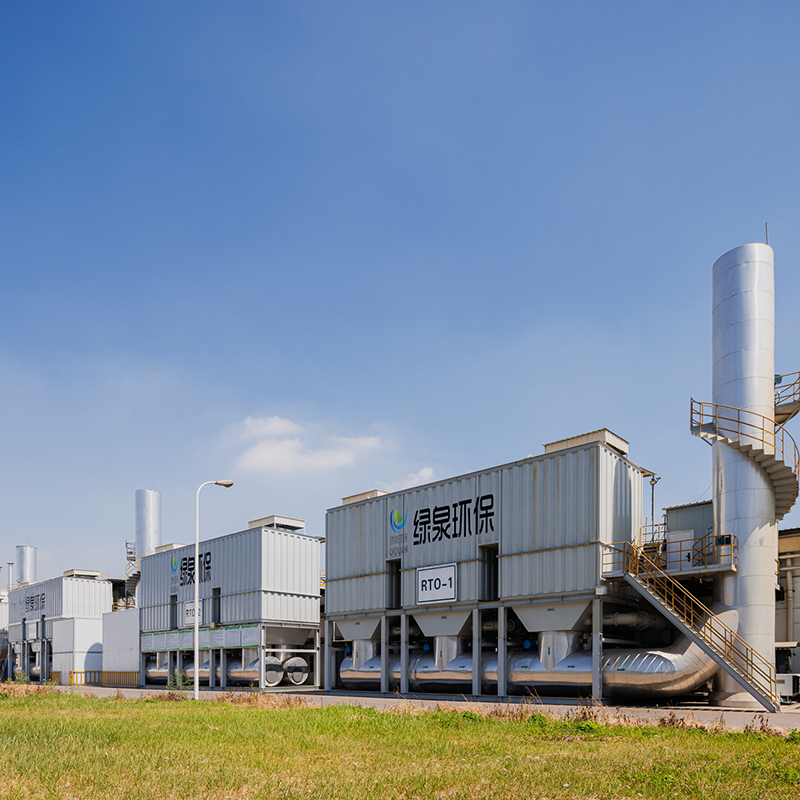
Overview Of Tower-Type RTO Regenerative Thermal Oxidizer (RTO) is an organic waste gas treatment equipment that combines high-temperature oxidation wi...
See Details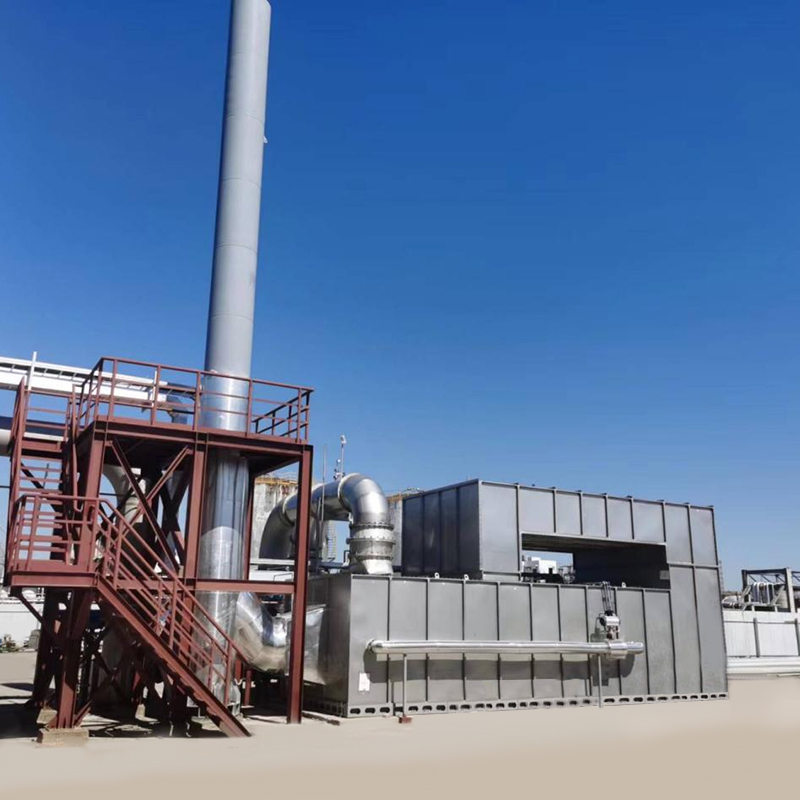
Overview Catalytic combustion is a purification method that uses catalysts to oxidize and decompose combustible substances in exhaust gas at low tempe...
See Details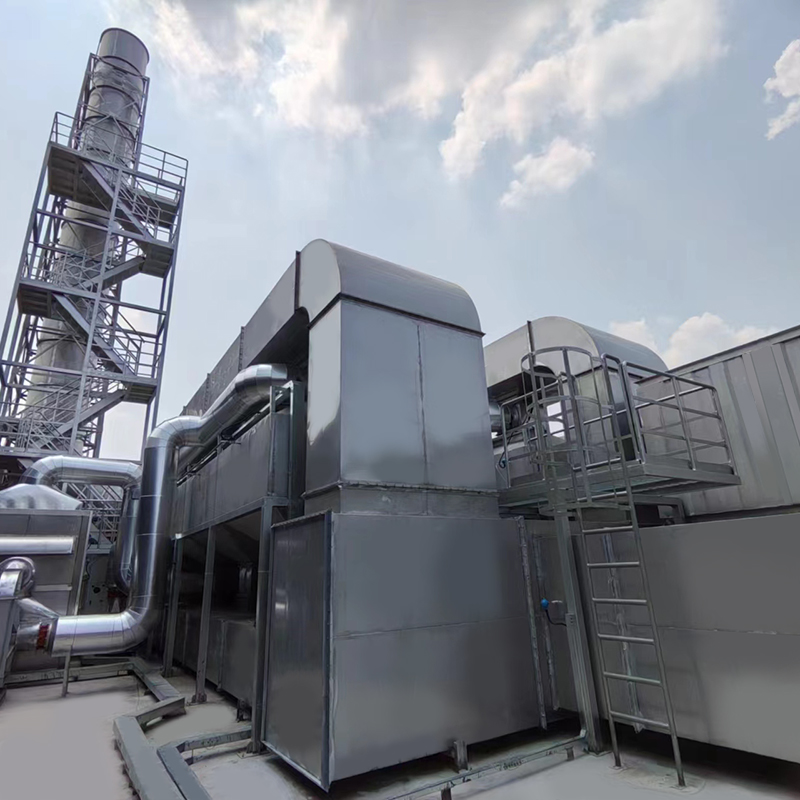
Overview of Activated Carbon Fiber Organic Solvent Purification Recovery Device The Activated Carbon Fiber Organic Solvent Purification Recovery Syste...
See Details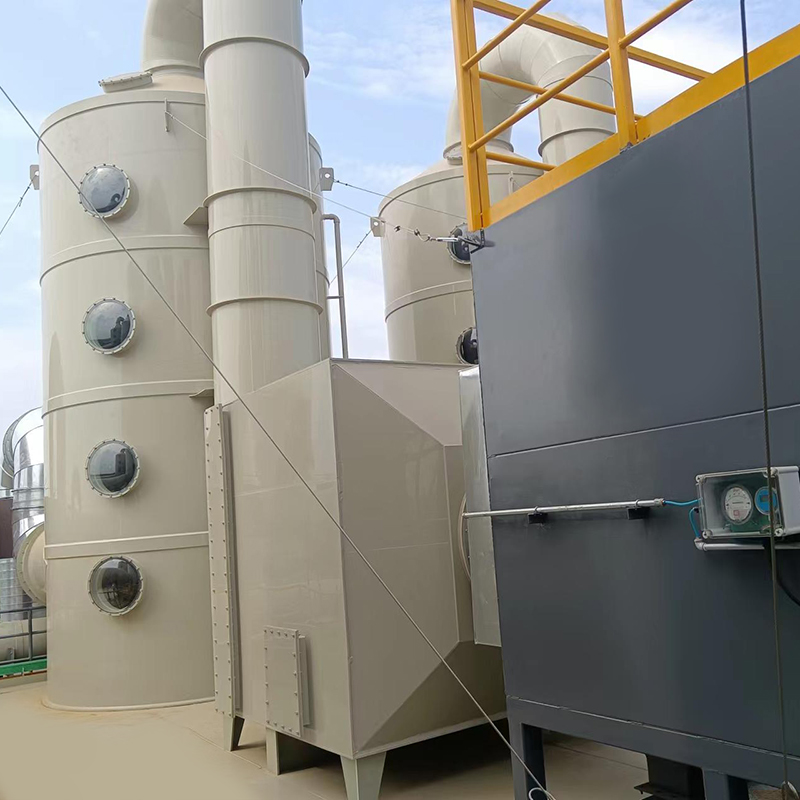
Overview The VOC-ACA series organic gas particle carbon purification and recovery equipment is used for the absorption, recovery, and reuse of organic...
See Details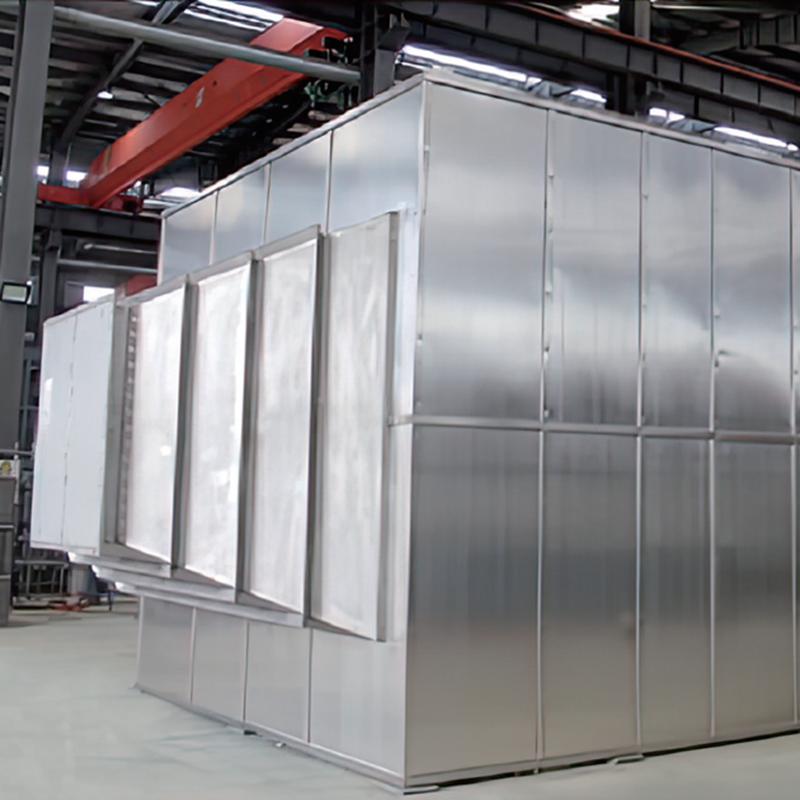
Product Introduction Gas heat exchanger is mainly used for energy saving and emission reduction industries in the waste heat recovery of flue gas in v...
See Details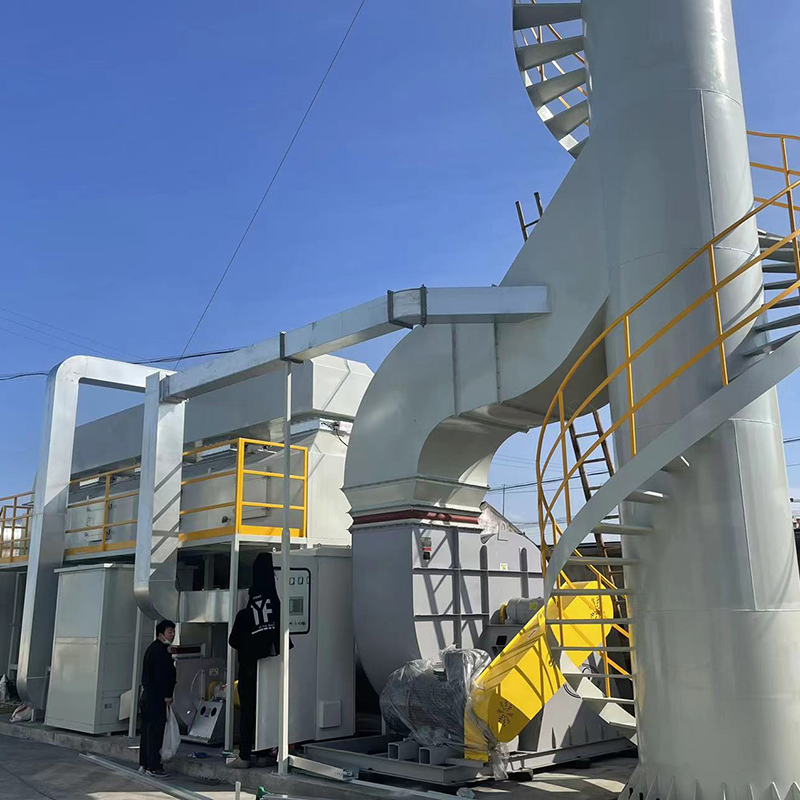
The VOC-CFT-CO Adsorption Catalytic Purification Equipment The VOC-CFT-CO adsorption catalytic purification equipment, consisting of fixed-bed honeyco...
See Details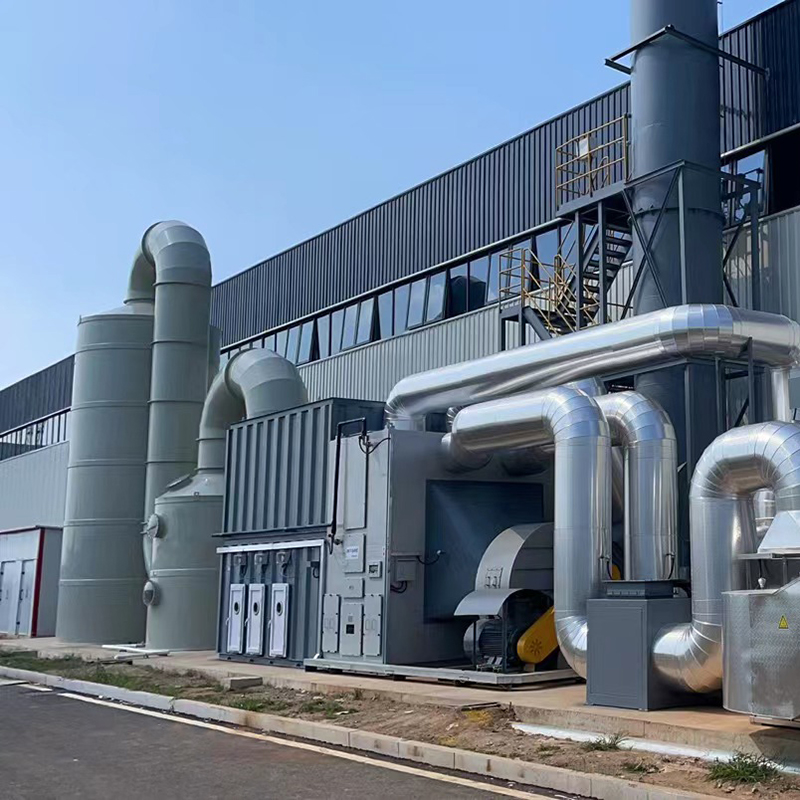
Concept Of Fixed Bed Zeolite + Catalytic Combustion As A Set Of Equipment The fixed bed zeolite + catalytic combustion device is suitable for the conc...
See Details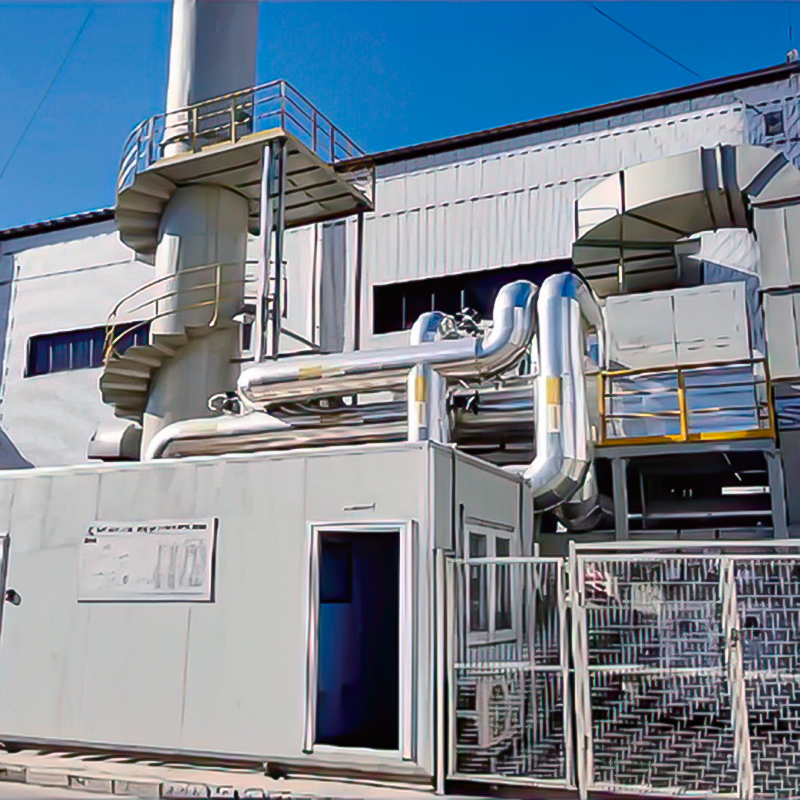
Concept Of Zeolite Rotary Wheel + Catalytic Combustion As A Set Of Equipment In the combined process of organic waste gas and waste gas treatment, the...
See Details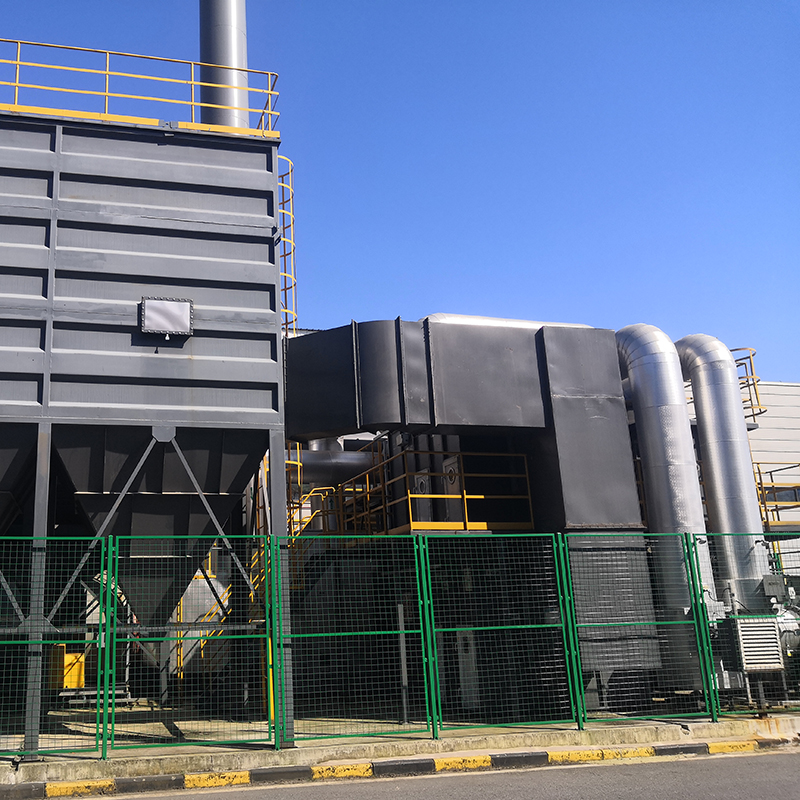
The Concept Of Zeolite Wheel+ Direct Combustion High-Temperature Incineration Equipment The purpose of employing rotary drum zeolite adsorption for or...
See Details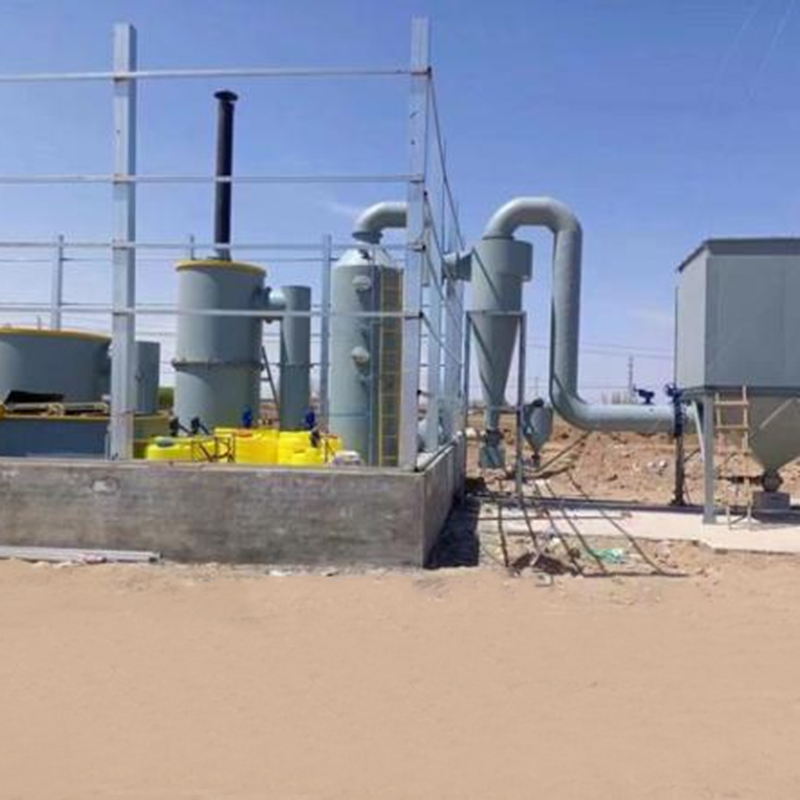
Overview Solid waste incineration furnaces are essential equipment in the management of solid waste, designed to transform waste materials into ash an...
See DetailsMOBILE
Product Manual

Copyright © Lv quan Environmental Protection Engineering Technology Co., Ltd. All Rights Reserved. Vocs Organic Waste Gas Treatment Engineering Equipment Manufacturer

