

 English
 русский
 Français
 Español
 عربى
عربى
LQ-RTO Heat-storage high-temperature incineration equipment
Cat:Equipment
Overview Of Tower-Type RTO Regenerative Thermal Oxidizer (RTO) is an organic waste gas treatment equipment that combines high-temperature oxidation wi...
See Details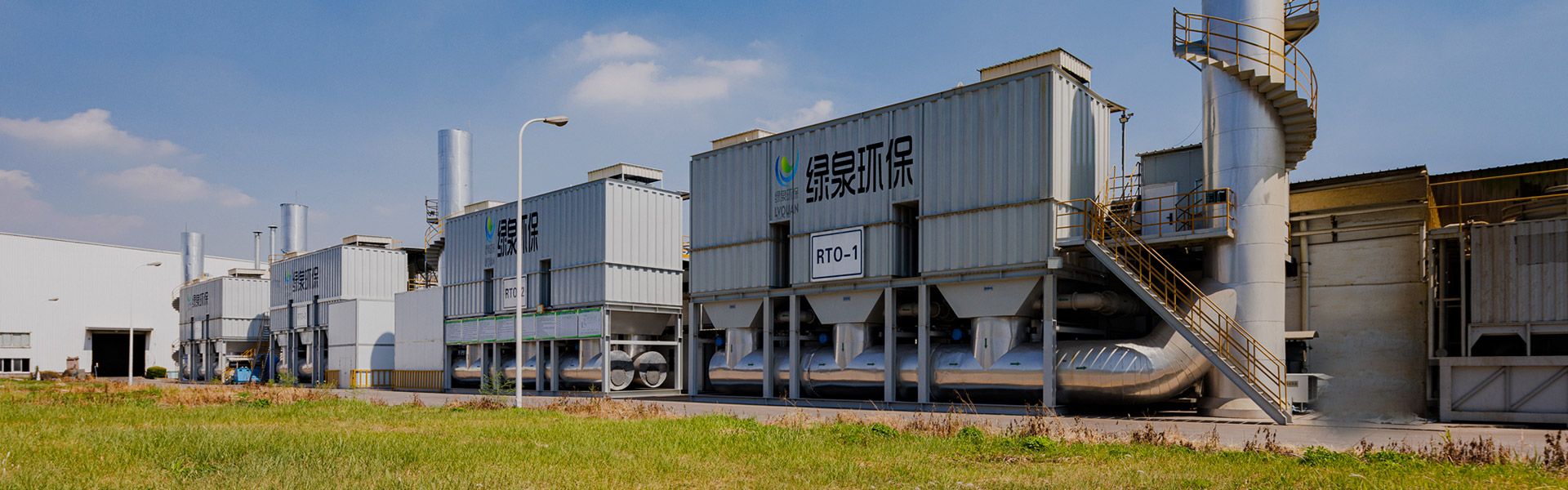
1. Synergistic degradation improves removal efficiency
Photocatalysis rapidly oxidizes VOCs to CO₂ and H₂O at room temperature and pressure, achieving a removal rate of over 90%. Subsequently, biological spraying uses microorganisms to further decompose the low-concentration organic matter remaining after the photocatalysis, achieving nearly 100% purification.
2. Lower energy consumption and reduced operating costs
The photocatalytic process itself consumes little energy, while biological spraying only requires moderate temperatures and nutrients. Overall energy consumption is 30%-50% lower than simple combustion or high-temperature oxidation.
3. Wider applicability and greater stability to fluctuating waste gas conditions
Photocatalysis has excellent treatment capabilities for high-concentration, difficult-to-degrade components (such as halogenated hydrocarbons). Biological spraying, with its adaptive microbial community, can smooth out the impact of concentration fluctuations in low-concentration, variable-composition waste gas.
4. Nearly zero secondary pollution
Both processes produce no combustion byproducts (NOₓ and SOₓ), and the effluent from the biological spray can meet environmental standards through conventional biochemical treatment, meeting green environmental protection requirements.
What operational instabilities are common with regenerative thermal oxidation (RTO) systems when treating fluctuating organic waste gas?
1. Fluctuations in inlet air concentration and flow rate leading to temperature loss
Production breaks or feedstock changes can cause significant fluctuations in VOC concentration and waste gas flow. The RTO's switching and thermal storage systems struggle to adapt quickly, leading to sudden temperature increases or decreases, impacting oxidation efficiency.
2. Response lags in the reversing valve and thermal storage element
When the reversing system frequently switches, valve reliability and switching time become critical. Untimely reversal or valve jamming can lead to uneven heat exchange, localized overheating, or inadequate cooling.
3. Decreased heat recovery efficiency leads to increased energy consumption.
When a large amount of heat is carried away by the exhaust gas (especially in the case of high calorific value exhaust gas), the regenerator temperature becomes difficult to maintain, requiring the system to use additional fuel for heat replenishment, resulting in increased energy consumption and potentially triggering a safety shutdown.
4. Temperature drift during startup and shutdown.
During startup, if the intake air concentration is too high, the combustion chamber temperature rises rapidly to over 800°C, potentially causing thermal shock and damage to the ceramic regenerator. During shutdown, if the residual heat is not released promptly, the system temperature will slow to cool, affecting the smooth transition to subsequent processes.
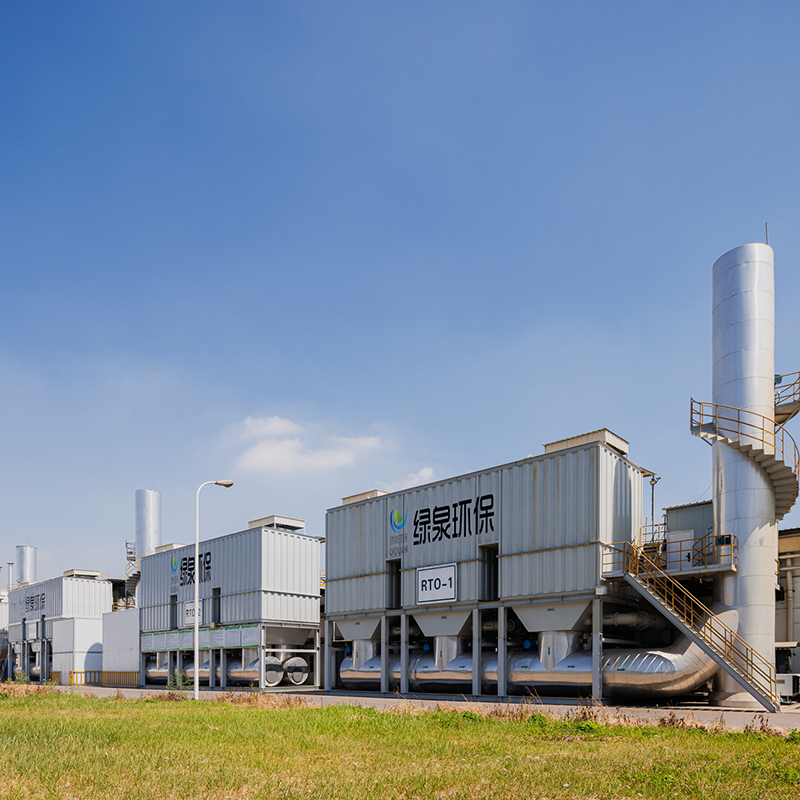
Overview Of Tower-Type RTO Regenerative Thermal Oxidizer (RTO) is an organic waste gas treatment equipment that combines high-temperature oxidation wi...
See Details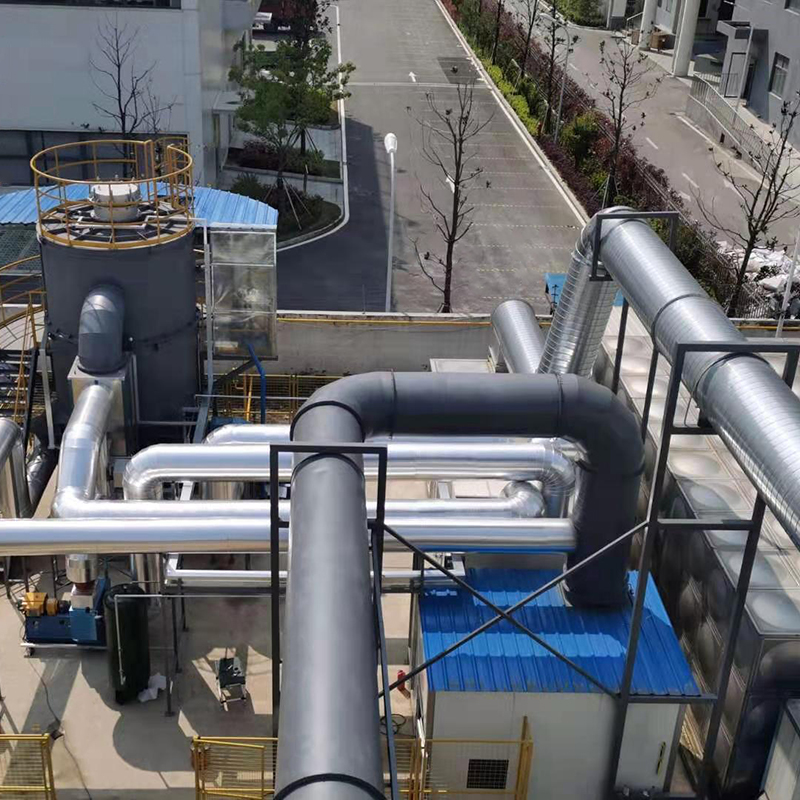
Overview Of Tower-Type RTO Our company offers two types of rotary RTO, which are the rotary RTO and the single barrel multi-valve RTO. The rotary RTO,...
See Details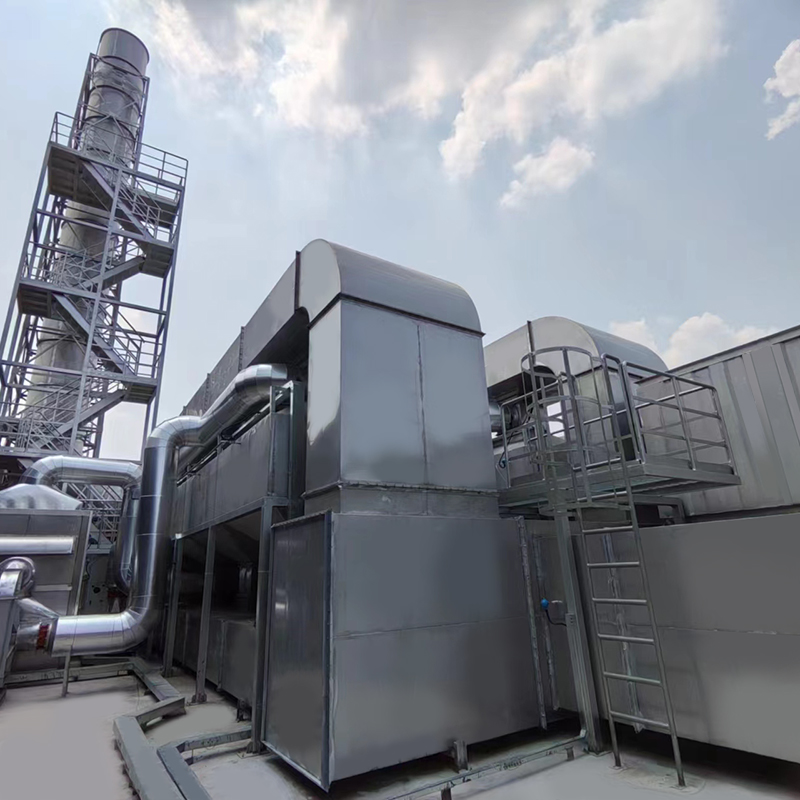
Overview of Activated Carbon Fiber Organic Solvent Purification Recovery Device The Activated Carbon Fiber Organic Solvent Purification Recovery Syste...
See Details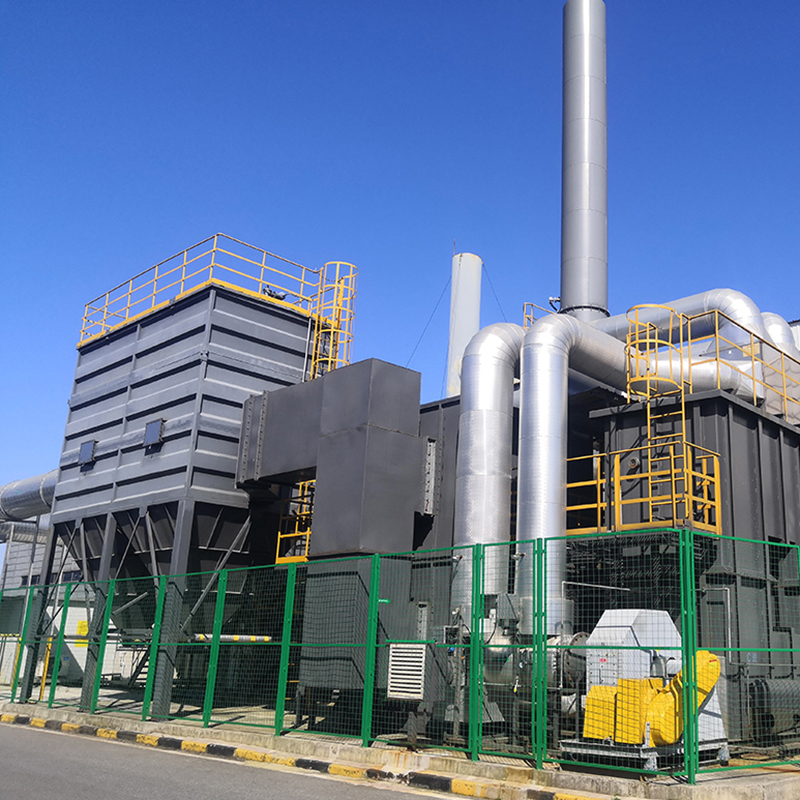
Concept Of Zeolite Wheel+RTO System Using zeolite wheel to adsorb organic waste gas, the low concentration and high air volume waste gas is concentrat...
See Details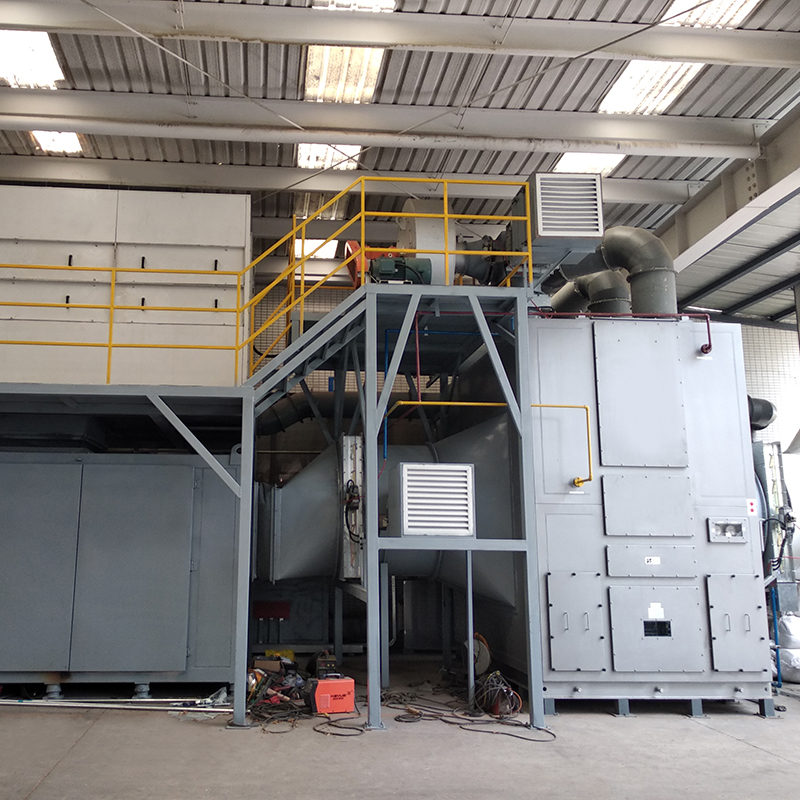
The Concept Of The Complete Set Of Equipment The purpose of employing rotary drum zeolite adsorption for organic waste gas is to concentrate low-conce...
See Details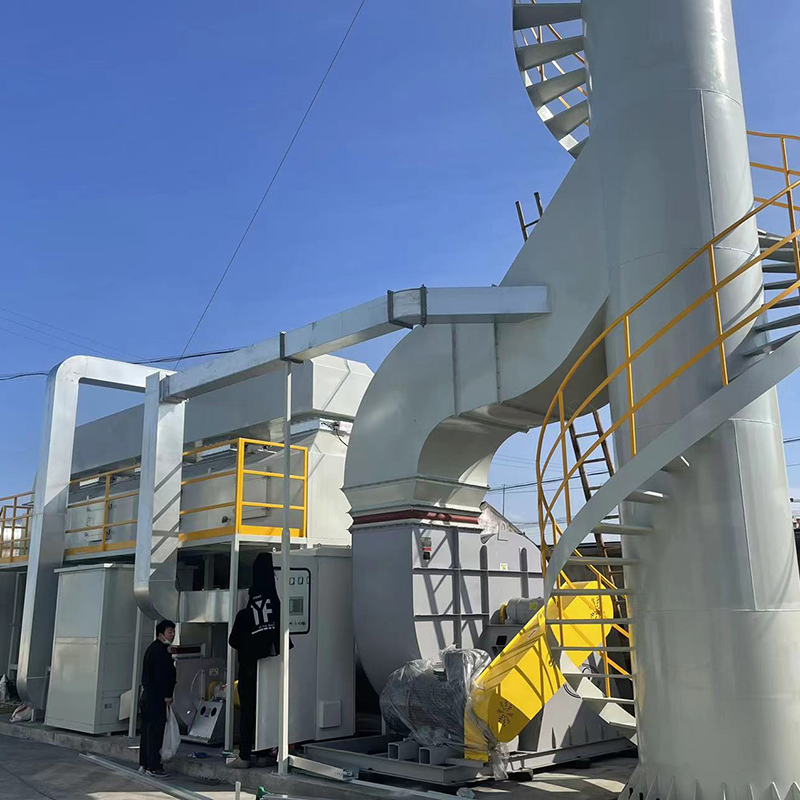
The VOC-CFT-CO Adsorption Catalytic Purification Equipment The VOC-CFT-CO adsorption catalytic purification equipment, consisting of fixed-bed honeyco...
See Details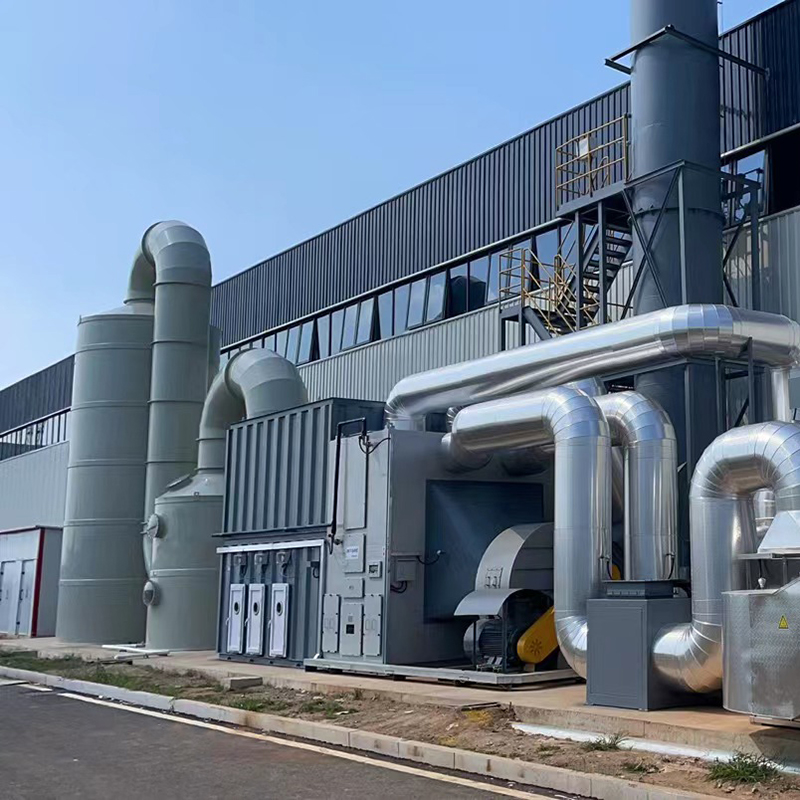
Concept Of Fixed Bed Zeolite + Catalytic Combustion As A Set Of Equipment The fixed bed zeolite + catalytic combustion device is suitable for the conc...
See Details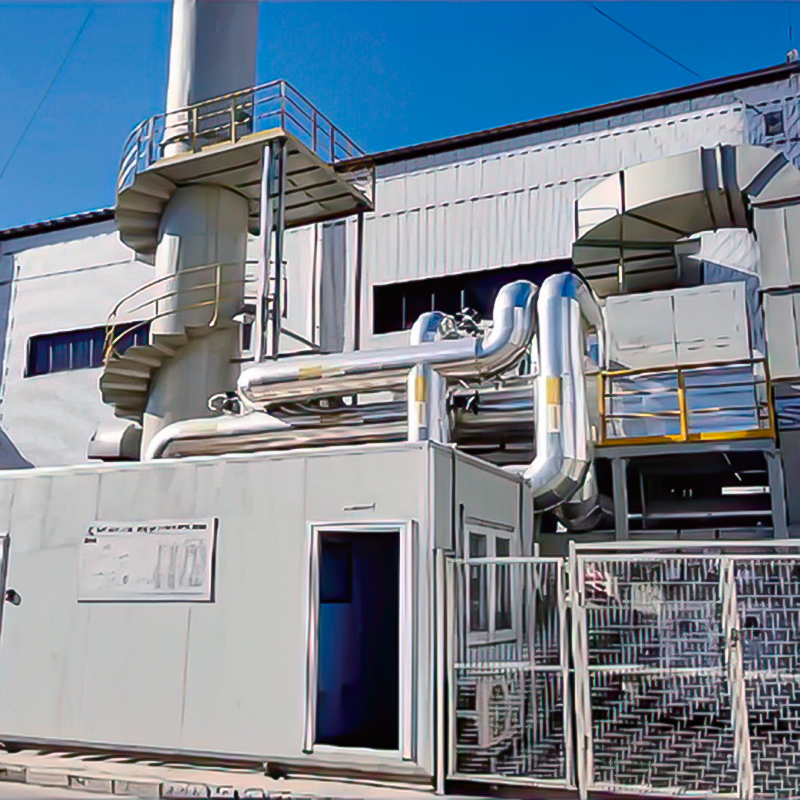
Concept Of Zeolite Rotary Wheel + Catalytic Combustion As A Set Of Equipment In the combined process of organic waste gas and waste gas treatment, the...
See Details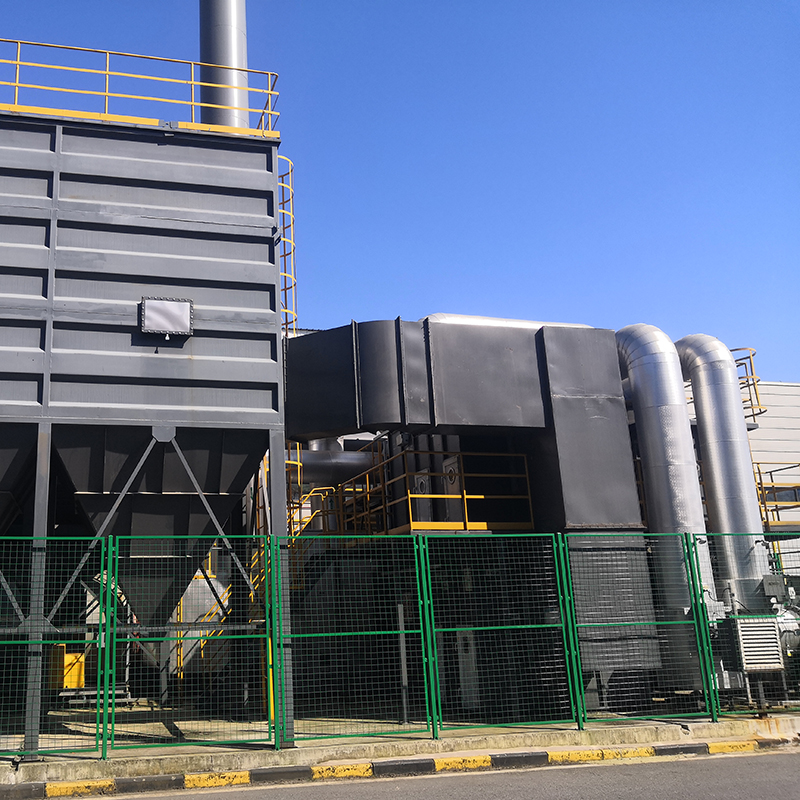
The Concept Of Zeolite Wheel+ Direct Combustion High-Temperature Incineration Equipment The purpose of employing rotary drum zeolite adsorption for or...
See Details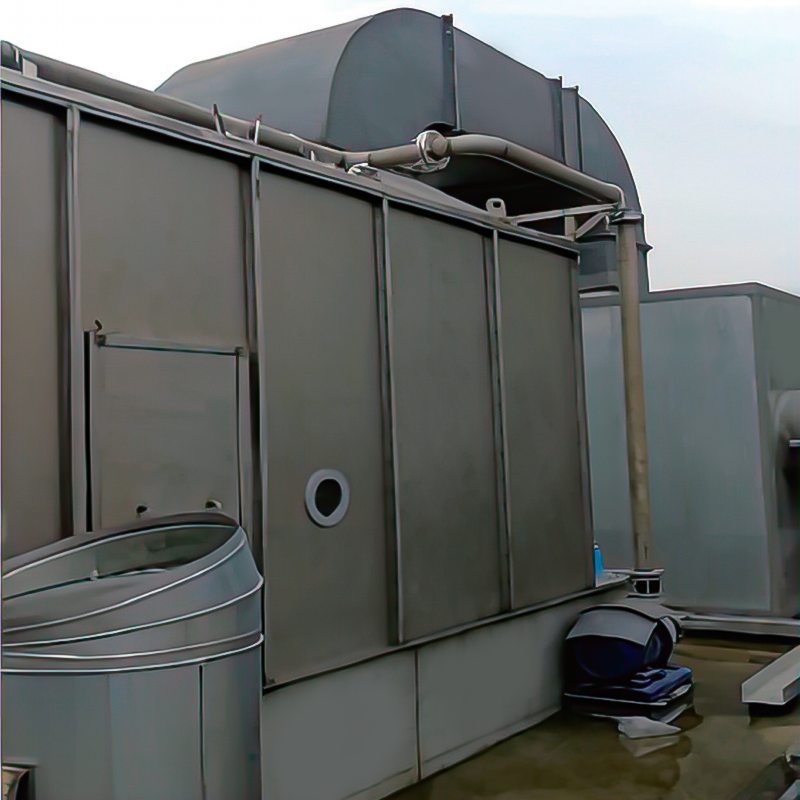
Overview The wet dust removal principle uses the process of capturing and separating dust particles in the gas phase by fully contacting gas-liquid tw...
See DetailsMOBILE
Product Manual

Copyright © Lv quan Environmental Protection Engineering Technology Co., Ltd. All Rights Reserved. Vocs Organic Waste Gas Treatment Engineering Equipment Manufacturer

