

 English
 русский
 Français
 Español
 عربى
عربى
LQ-RTO Heat-storage high-temperature incineration equipment
Cat:Equipment
Overview Of Tower-Type RTO Regenerative Thermal Oxidizer (RTO) is an organic waste gas treatment equipment that combines high-temperature oxidation wi...
See Details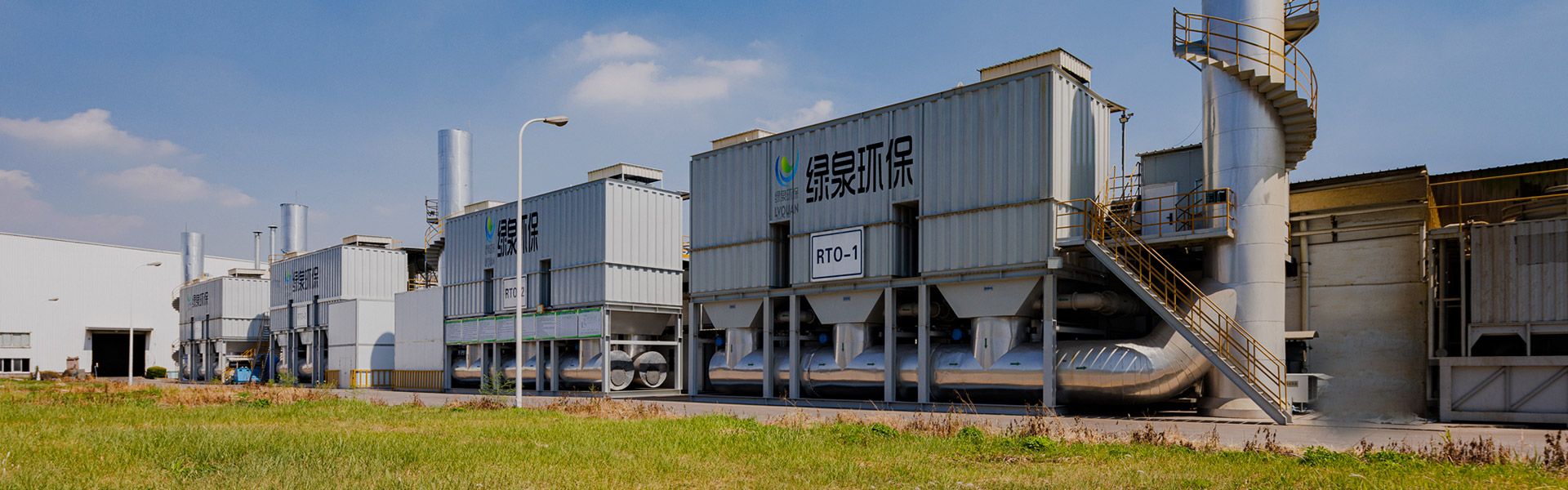
Content
A pharmaceutical plant in eastern China used dichloromethane as a reaction solvent and routed its 20,000 m³/h waste gas stream directly into a conventional regenerative thermal oxidizer. Within three months, the heat exchanger showed pitting, the catalyst layer saw rising pressure drop, and the stack required frequent alkali washing. The problem was not the RTO itself. The problem was that the waste gas was halogenated.
Halogenated volatile organic compounds (VOCs) behave differently from ordinary hydrocarbons in thermal, catalytic, and adsorption systems. If you are a plant engineer, EHS manager, or procurement specialist evaluating abatement equipment, the first decision is not “which oxidizer is cheapest” but “which configuration can tolerate the halogen load without creating a corrosion, catalyst, or by-product problem.”
The term halogenated describes organic compounds in which one or more hydrogen atoms have been replaced by a halogen: fluorine, chlorine, bromine, or iodine. In industrial waste gas, the most common examples include dichloromethane, trichloroethylene, perchloroethylene, chlorobenzene, and brominated solvents used in pharmaceutical synthesis or electronic cleaning.
These compounds appear in several industries: pharmaceutical manufacturing, chemical synthesis, printed circuit board cleaning, coating, and some pesticide production. Their behaviour in an abatement system differs from that of non-halogenated solvents in four important ways.
For a VOCs treatment equipment manufacturer, the practical consequence is that halogenated service demands material selection, downstream scrubbing, and often a different oxidation technology than a non-halogenated stream of the same concentration.
Three main routes are used in industrial practice: thermal oxidation with downstream acid scrubbing, catalytic oxidation under carefully controlled conditions, and adsorption with condensation recovery. Each has a different fit depending on concentration, halogen type, and whether solvent recovery is economically attractive.
Regenerative thermal oxidizers and thermal oxidizers are widely used for halogenated streams when the concentration is moderate to high and recovery is not practical. The key is not the oxidation chamber alone. The system must include a quench or heat exchanger to cool the gas quickly, followed by a scrubber that neutralises hydrogen chloride or hydrogen bromide. Construction materials often move from carbon steel to 316L stainless steel, duplex 2205, or higher alloys in the cold zones where acid condensation occurs.
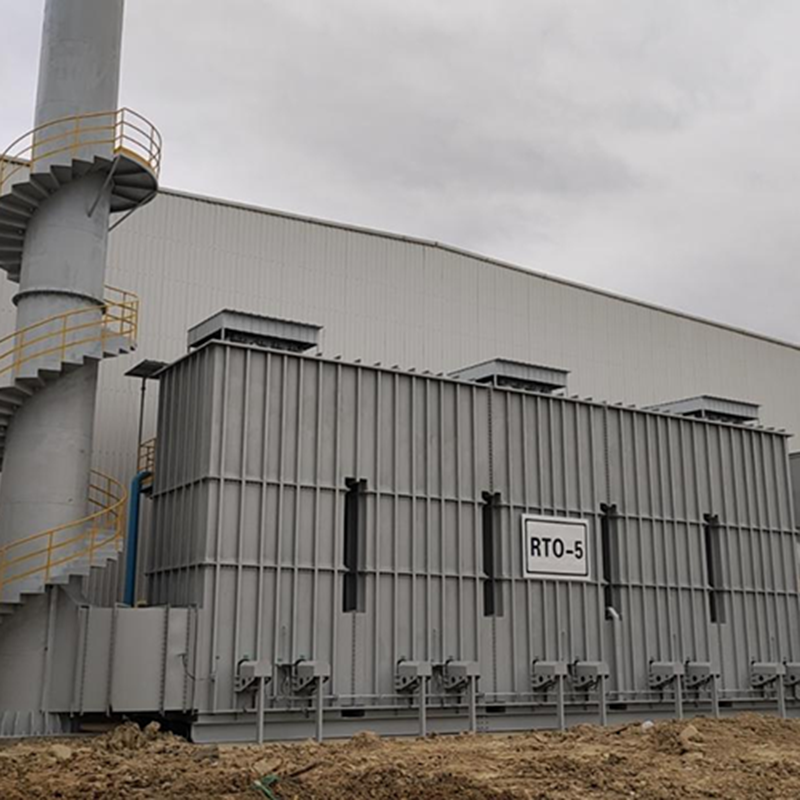 LQ-RTO Heat-storage high-temperature incineration equipmentApplicable Industries And RangeView Product →
A regenerative thermal oxidizer designed for halogenated service also needs attention to sealing, purge cycles, and the prevention of cold spots. Cold spots allow acid condensation, which leads to pitting and eventual structural failure. Residence time and temperature are usually set higher than for non-halogenated VOCs to drive destruction efficiency and reduce dioxin formation potential.
Catalytic oxidation can destroy halogenated VOCs at lower temperatures, but the catalyst is the weak point. Chlorinated compounds can cause platinum or palladium to volatilise as metal chlorides. The catalyst may lose activity within weeks if the halogen load is high. For this reason, catalytic oxidation is often limited to low-halogen streams, or it is combined with a guard bed and careful temperature control.
When a process stream contains only traces of halogenated compounds, a catalytic system may still be viable if the supplier provides a catalyst formulation resistant to halogen poisoning and if the operating temperature is kept within a narrow band. However, for streams with more than a few hundred milligrams per cubic metre of chlorine-containing compounds, thermal oxidation is usually the more robust choice.
When the halogenated solvent has recovery value and the concentration is high enough, adsorption followed by condensation can be a better economic choice than destruction. Granular activated carbon or activated carbon fibre adsorbs the solvent, and steam or hot gas desorption produces a concentrated stream that can be condensed and reused.
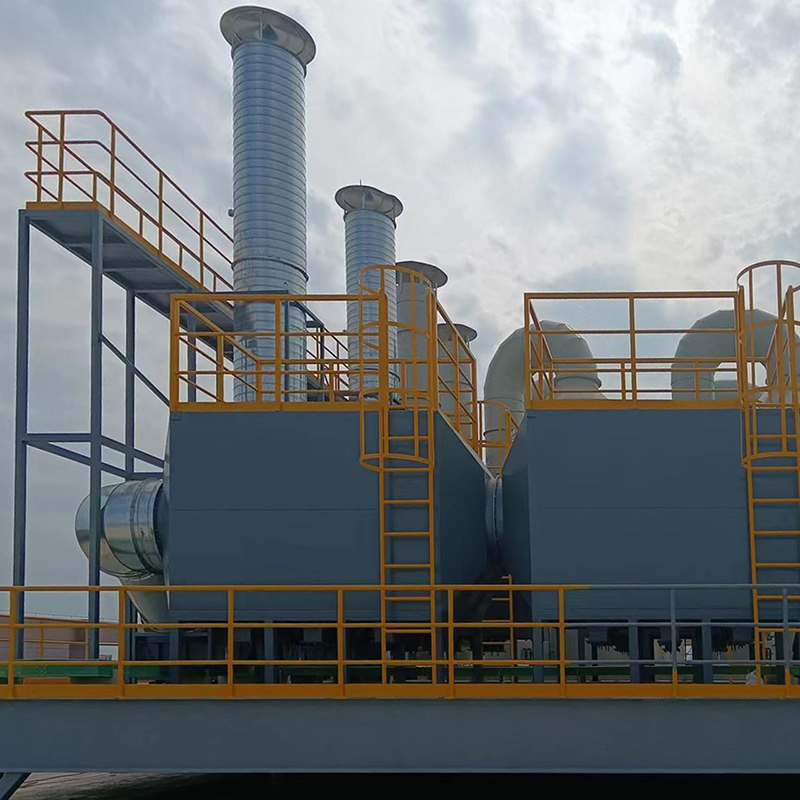 LQ-ACA Granular Activated Carbon Adsorption and Condensation Recovery System1. Applicable to industries such as chemical, light industry, printing, rubber, furniture, electromechanics, shipbuilding, automobiles, and petroleum.View Product →
This route avoids the acid by-products of combustion because the solvent is not burned. However, the adsorber must be designed for the corrosive nature of the halogenated molecules and for the heat released during adsorption. Regular monitoring of the adsorbent is necessary, as discussed in our note on adsorbent replacement schedules.
For large-volume, low-concentration halogenated streams, a zeolite concentrator wheel can reduce the gas volume entering the oxidizer. The concentrated stream then goes to a regenerative thermal oxidizer or a thermal oxidizer. This combination lowers fuel consumption and equipment size, but the wheel itself must be selected for the halogenated compounds present. Some zeolite formulations are sensitive to acid attack or to high-boiling halogenated species that do not desorb cleanly.
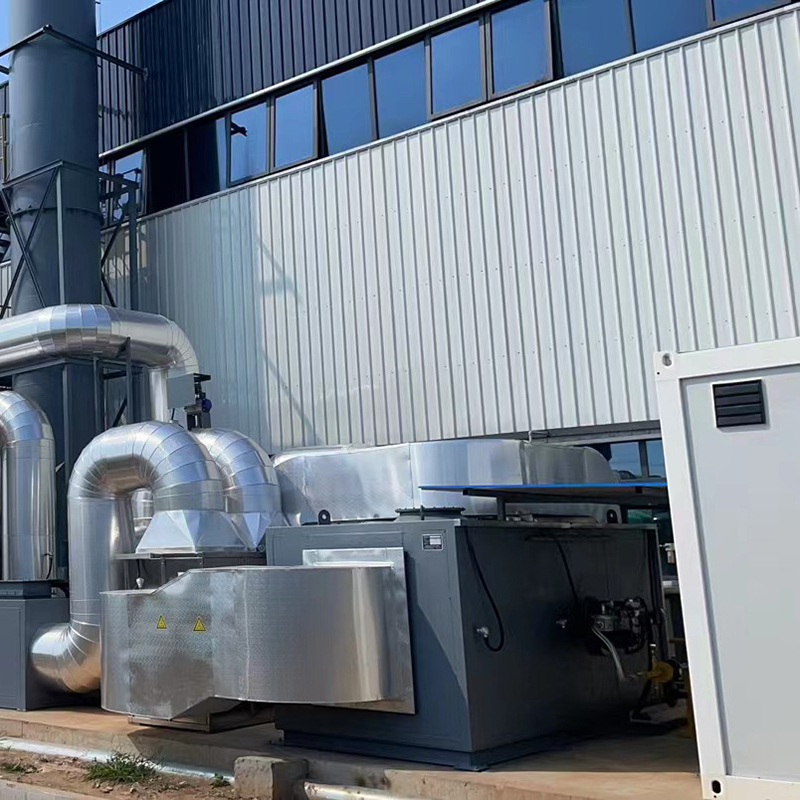 LQ-ADW-RTO Zeolite Rotary Concentrator (Cylindrical/Disc Type)+Regenerative Thermal OxidizAir containing VOCs to be treated is sent to the treatment area of the concentrated zeolite rotary drum after pre-filtration. In the treatment area, VOCs are removed b...View Product →
The three-zone adsorption, desorption, and cooling cycle must be tuned to the halogenated solvent. If the desorption temperature is too low, the wheel retains heavy halogenated compounds and loses capacity. If it is too high, the zeolite may degrade. Pilot testing or a vendor with direct experience in halogenated service is valuable here.
When specifying a halogenated VOC abatement system, the engineering review should cover more than destruction efficiency. The table below compares conventional VOC service with halogenated service across several decision points.
| Design Factor | Conventional VOC Service | Halogenated VOC Service |
|---|---|---|
| Catalyst susceptibility | Low to moderate; noble metal catalysts last for years. | High; halogens can poison or volatilise the catalyst. |
| Construction material | Carbon steel or basic stainless steel is often sufficient. | 316L, duplex 2205, or higher alloys in acid condensation zones. |
| Downstream treatment | Often no scrubbing required. | Alkali scrubbing or quench plus scrubber is typically required. |
| By-product risk | CO₂ and water are the main products. | HCl, HBr, dioxins, and phosgene must be controlled. |
| Explosion limit | Lower explosive limit depends on the solvent. | Halogenated compounds often narrow the flammable range. |
| Monitoring | Temperature, pressure drop, and VOC concentration. | Add HCl, corrosion coupons, and catalyst activity checks. |
The table shows that halogenated service shifts the centre of gravity from the oxidation chamber to the entire gas train. A system that looks oversized on paper may still fail if the scrubber, quench, or material selection is treated as an afterthought. In practice, the incremental cost of corrosion-resistant materials is usually lower than the cost of a premature shutdown and replacement.
Halogenated waste gas appears across several industries, but the concentration and halogen type vary widely. The chart below shows typical inlet concentration ranges reported in industrial projects for five common sectors. These ranges are indicative and should not replace site-specific testing.
The chart suggests that chemical synthesis and pharmaceutical processes often produce the highest halogenated loads, which pushes them toward thermal oxidation with robust scrubbing. Electronics cleaning and coating may fall into a middle range where concentration technology and catalytic oxidation can be considered, provided the halogen content is low enough for the catalyst. Printing streams are usually lower in concentration and may be candidates for adsorption or concentration plus oxidation.
These ranges are not rigid boundaries. A pharmaceutical plant with solvent recovery may send a low-concentration stream to a concentrator, while a chemical plant with a high concentration of chlorinated by-products may need a dedicated thermal oxidizer with quench and two-stage scrubbing. The selection also depends on whether the halogen is chlorine, bromine, or fluorine, because fluorine compounds can form hydrogen fluoride, which is even more corrosive and requires specialised materials.
For a VOCs treatment equipment manufacturer or supplier, the practical selection sequence is: characterise the halogen species, measure concentration and flow, define the required destruction efficiency, then choose the oxidation or recovery route. Only after that should equipment sizing and material selection proceed.
Halogenated service places additional demands on installation and daily operation. Small details that are tolerable in conventional VOC service can become failure points when acid gases are present.
Maintenance intervals for halogenated systems are often shorter than for conventional VOC systems. A planned inspection schedule based on operating hours and acid dew point calculations will reduce unplanned downtime. For plants that also operate non-halogenated lines, keeping the halogenated stream separate is usually the safest approach, because mixing can create a larger acid load in a system not designed for it.
It means the VOC molecule contains one or more halogen atoms, such as chlorine, bromine, fluorine, or iodine. Common examples include dichloromethane, trichloroethylene, and chlorobenzene. These compounds require special attention because their oxidation products are acidic and potentially corrosive.
A standard RTO may handle very low concentrations of halogenated compounds, but it is not the best choice for higher loads. The combustion chamber itself can tolerate the temperature, but the downstream heat exchanger, ductwork, and stack may corrode rapidly unless they are built from corrosion-resistant materials and followed by an alkali scrubber.
Noble metal catalysts can react with chlorine or bromine to form volatile metal halides. This removes the active metal from the catalyst surface and reduces activity. The effect is stronger at higher halogen concentrations and higher temperatures. For this reason, catalytic oxidation is usually limited to low-halogen or halogen-free streams.
Adsorption recovery is attractive when the halogenated solvent has reuse value, the concentration is high enough to make condensation economical, and the gas stream is relatively free of particulates or polymer-forming compounds. It avoids acid by-products, but the adsorber must be designed for corrosion and safe desorption.
Focus on corrosion monitoring, scrubber chemistry, catalyst activity, and adsorbent regeneration. Inspect cold zones for acid condensation, keep pH and alkali concentration within range, and track pressure drop across the system. A site-specific maintenance plan based on the actual halogen load is more reliable than a generic schedule.
For additional background on VOCs treatment equipment design and service experience, you can review our company and manufacturing profile. If you are comparing adsorption and oxidation routes, our article on zeolite wheel three-zone operation explains how concentration and desorption cycles affect overall performance.
Halogenated waste gas is a manageable challenge when the system is designed with the right materials, scrubbing, and monitoring. Whether you are a plant owner, an engineering contractor, or a procurement team comparing suppliers, the key is to treat the halogen as a design driver from the first conversation.
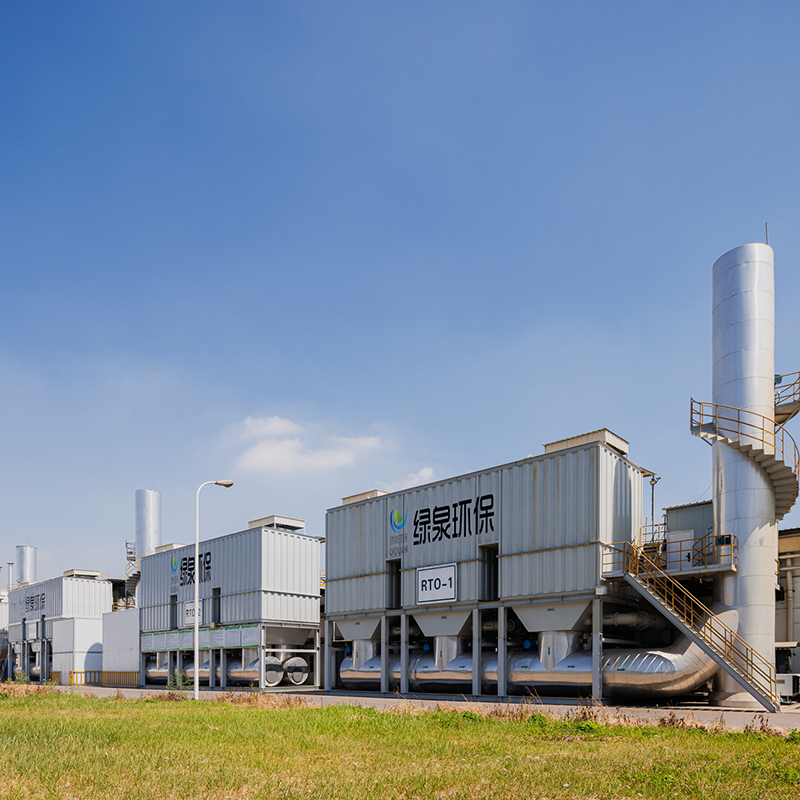
Overview Of Tower-Type RTO Regenerative Thermal Oxidizer (RTO) is an organic waste gas treatment equipment that combines high-temperature oxidation wi...
See Details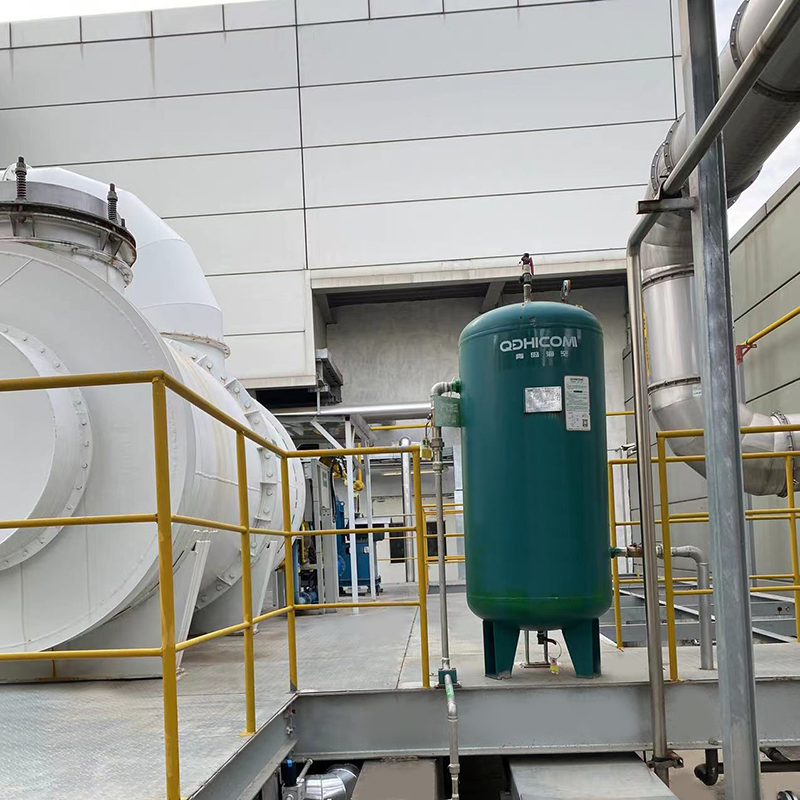
Overview Direct combustion high-temperature incineration equipment, abbreviated as TO, utilizes the heat generated by the combustion of auxiliary fuel...
See Details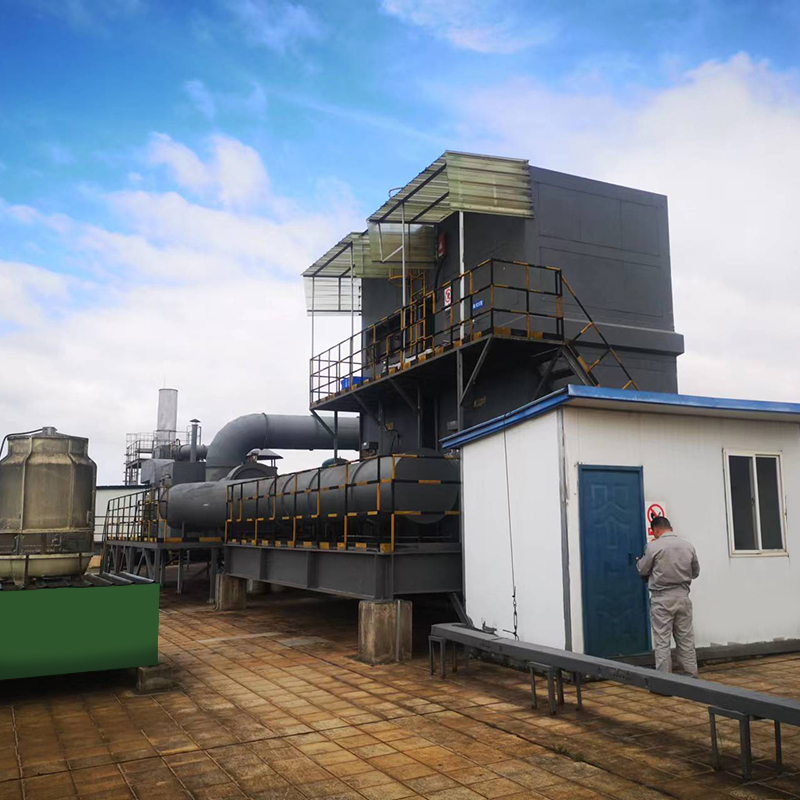
Overview Thermal storage catalytic oxidation (Regenerative Catalytic Oxidizer/RCO) is an organic waste gas treatment equipment that combines low-tempe...
See Details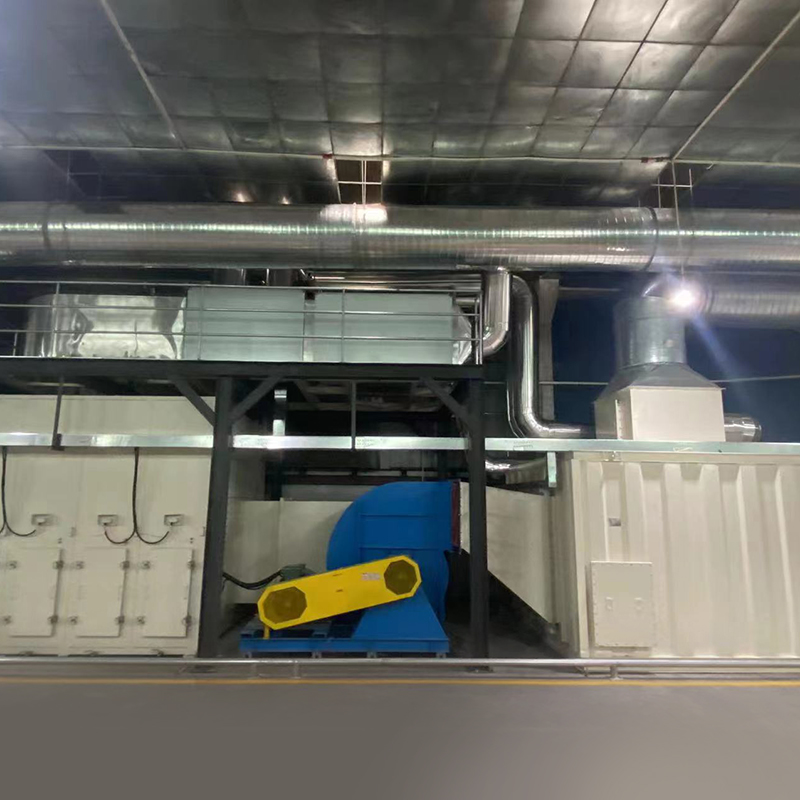
Overview Of Variable Freouency Zeolite Turntable Our company's zeolite concentration turntable uses a combination of zeolite modules, with a high zeol...
See Details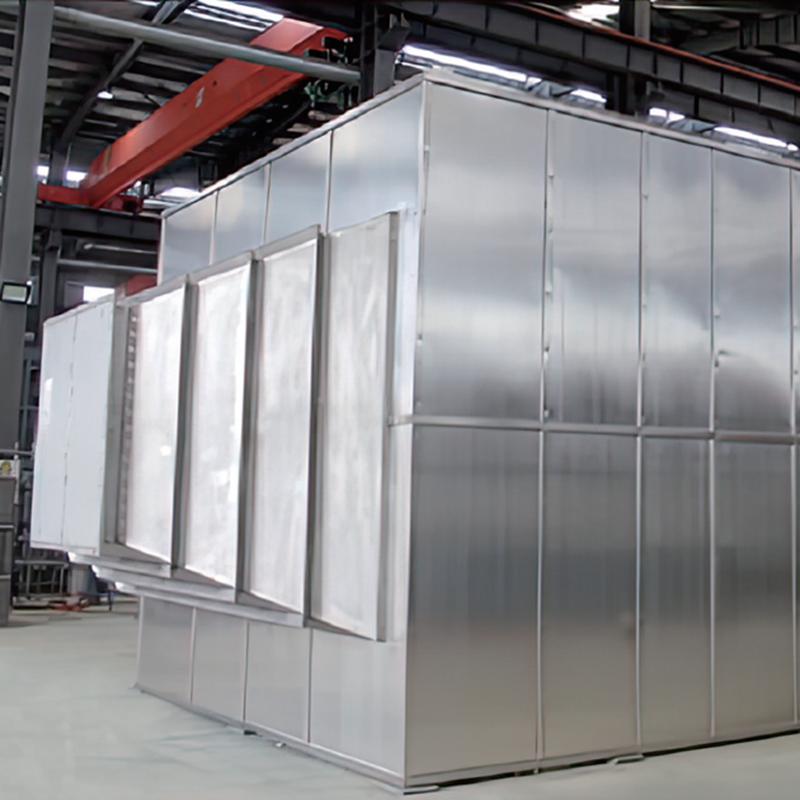
Product Introduction Gas heat exchanger is mainly used for energy saving and emission reduction industries in the waste heat recovery of flue gas in v...
See Details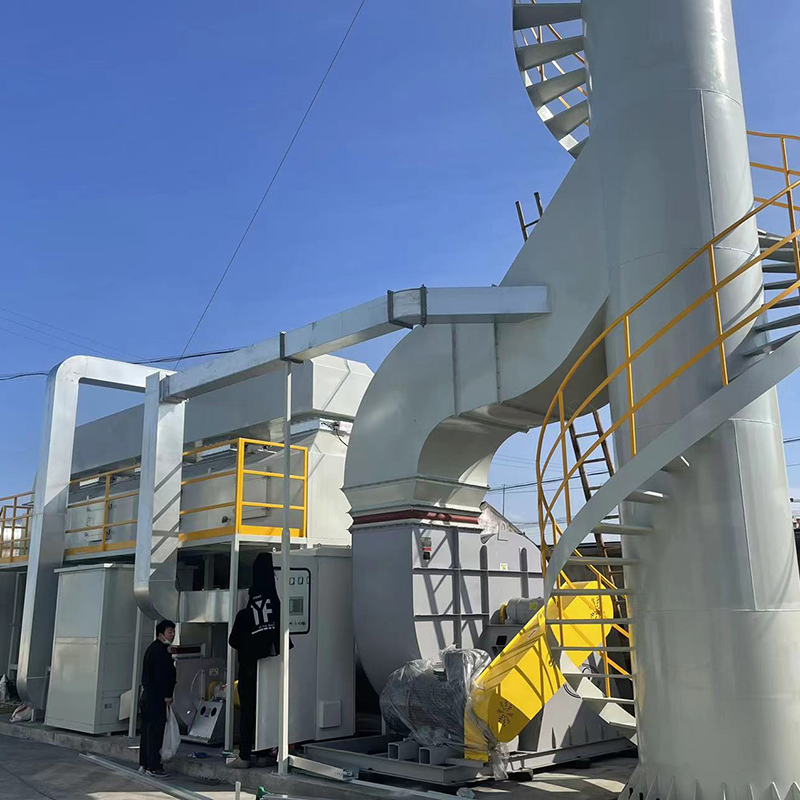
The VOC-CFT-CO Adsorption Catalytic Purification Equipment The VOC-CFT-CO adsorption catalytic purification equipment, consisting of fixed-bed honeyco...
See Details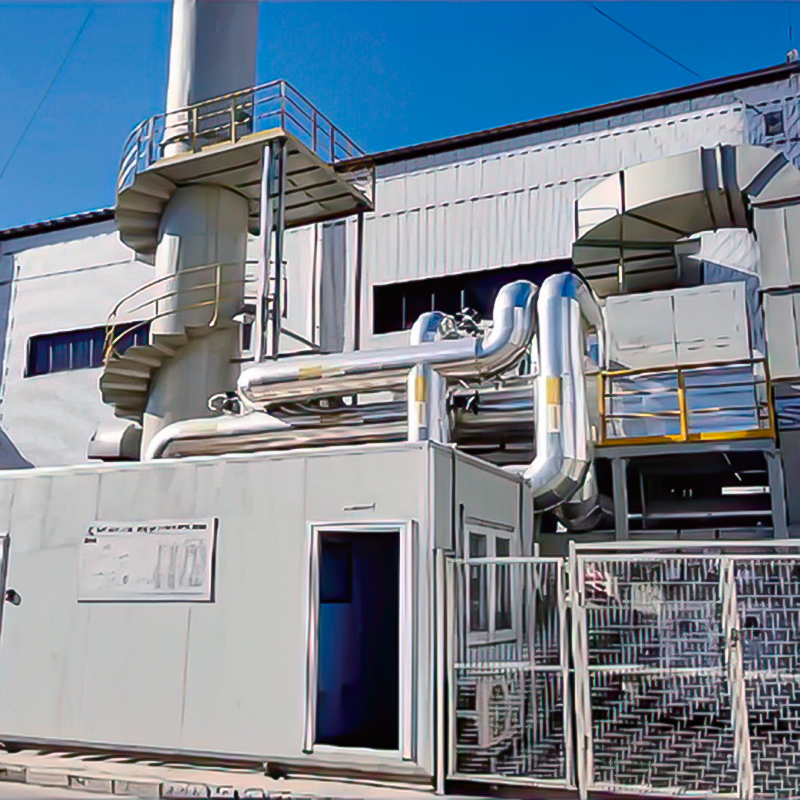
Concept Of Zeolite Rotary Wheel + Catalytic Combustion As A Set Of Equipment In the combined process of organic waste gas and waste gas treatment, the...
See Details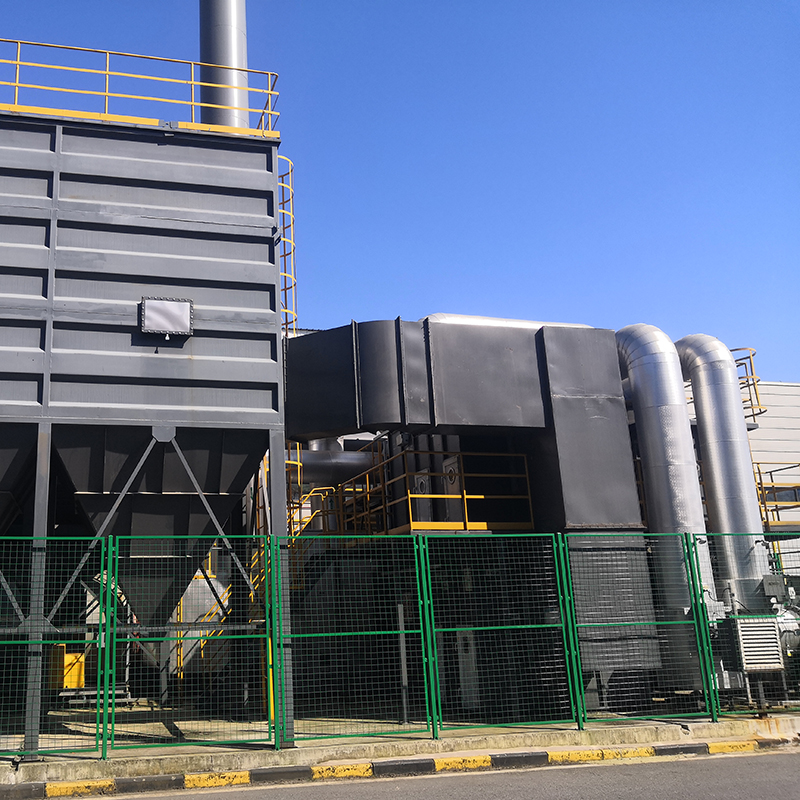
The Concept Of Zeolite Wheel+ Direct Combustion High-Temperature Incineration Equipment The purpose of employing rotary drum zeolite adsorption for or...
See Details
Purpose Mainly used for proportional ventilation of high-temperature flue gas. lt is widely used in places where leak rate requirements are not high, ...
See Details
Overview Solid waste incineration furnaces are essential equipment in the management of solid waste, designed to transform waste materials into ash an...
See DetailsMOBILE
Product Manual

Copyright © Lv quan Environmental Protection Engineering Technology Co., Ltd. All Rights Reserved. Vocs Organic Waste Gas Treatment Engineering Equipment Manufacturer

